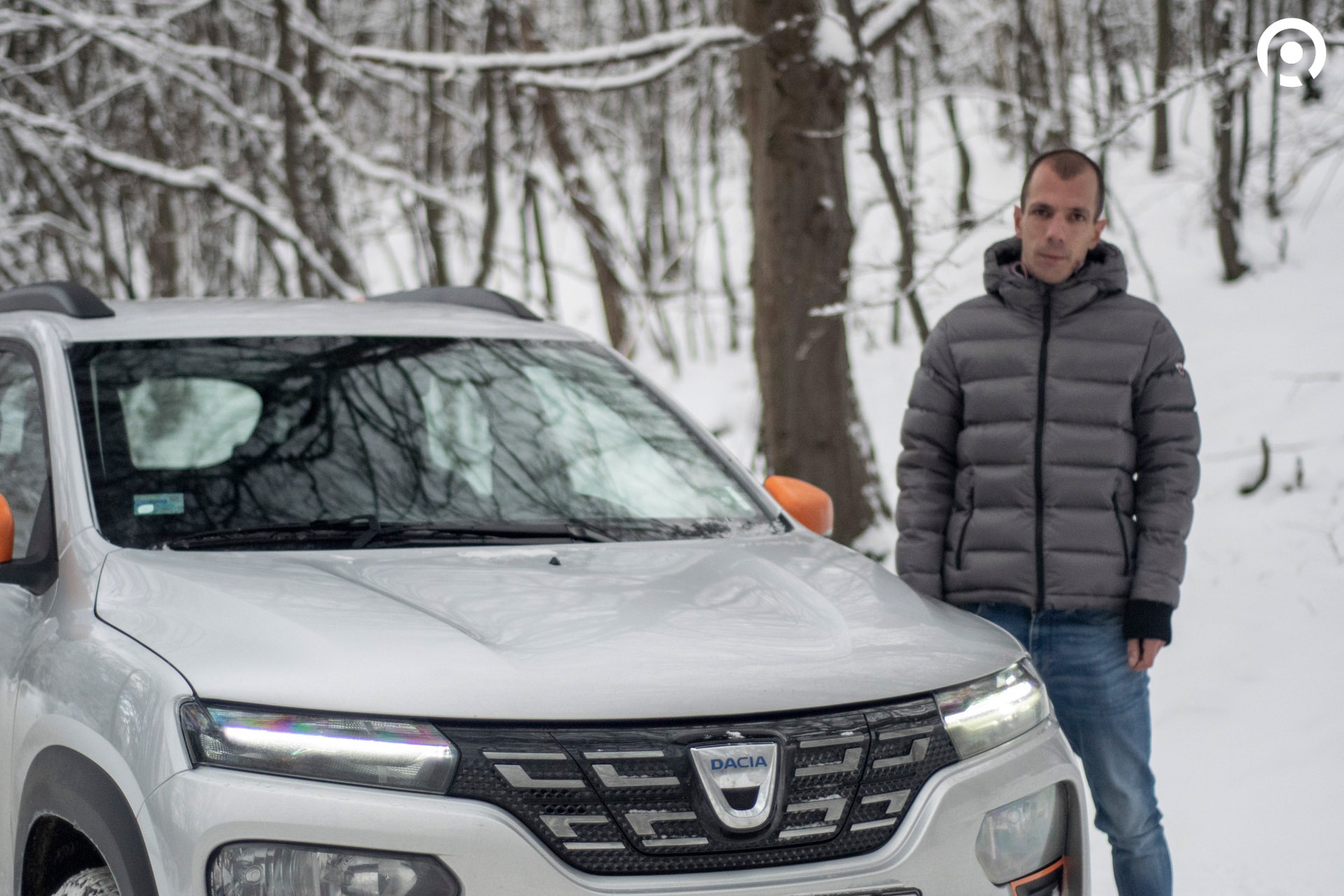
For years the Romanian brand Dacia has built its reputation on offering cars with an excellent price-to-value ratio. To a large extent that reputation is well deserved. Dacia models rarely promise much in terms of luxury or technology, yet they tend to be robust, modern-looking and, above all, affordable.
In 2020 the company introduced the concept version of the Dacia Spring. As someone who has always appreciated the brand, I had quite high expectations for the model. Mainly because it promised something the market had been missing for a long time — a genuinely affordable electric car.
As electrification continues to reshape the automotive industry, buyers now have far more options than they did a few years ago. Prices, however, remain a major barrier for many people.
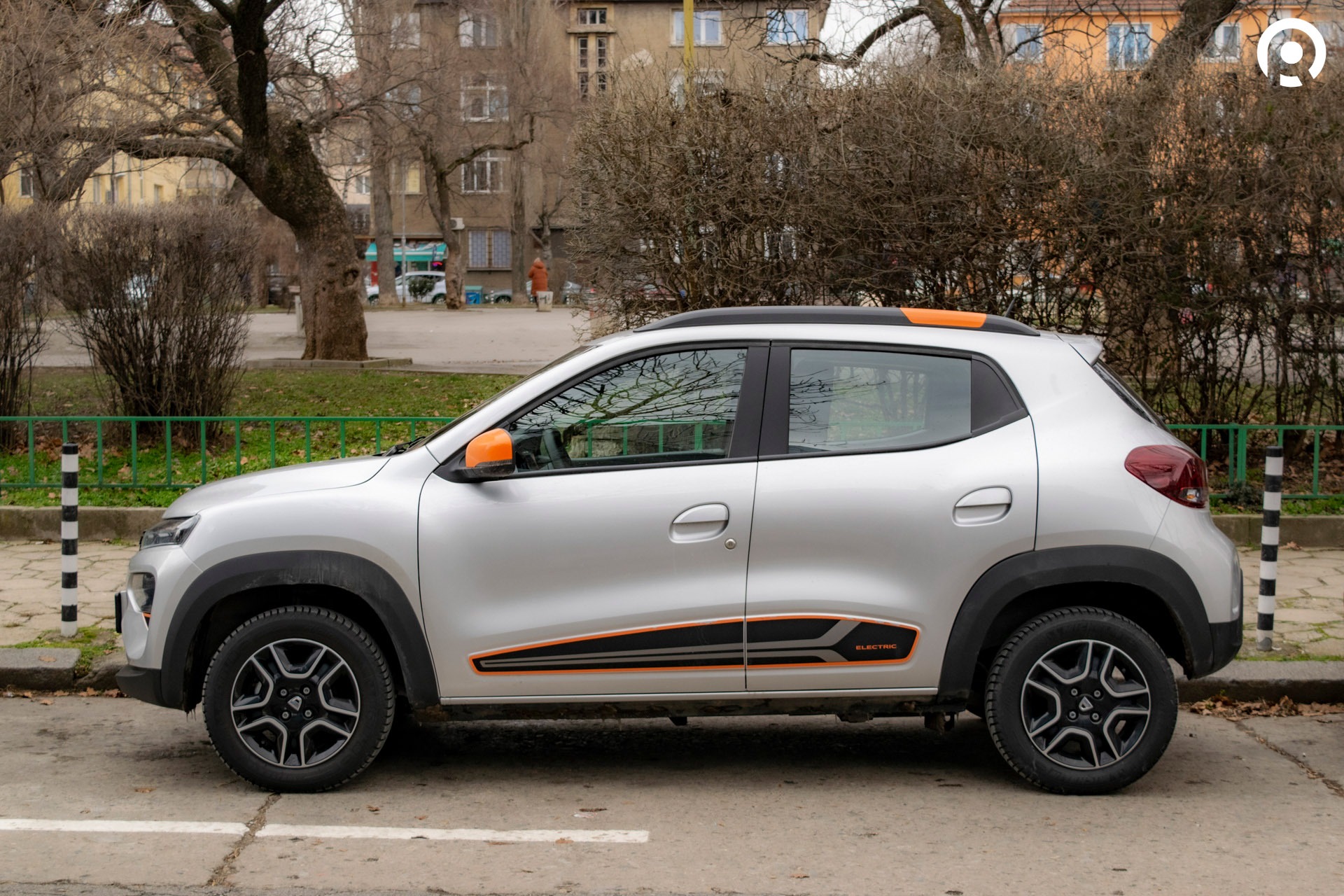
In theory, Spring is everything an electric car should be — compact, light, manoeuvrable and with a reasonable range for urban driving. At the same time, like any budget-oriented product, it is not without its compromises.
Design
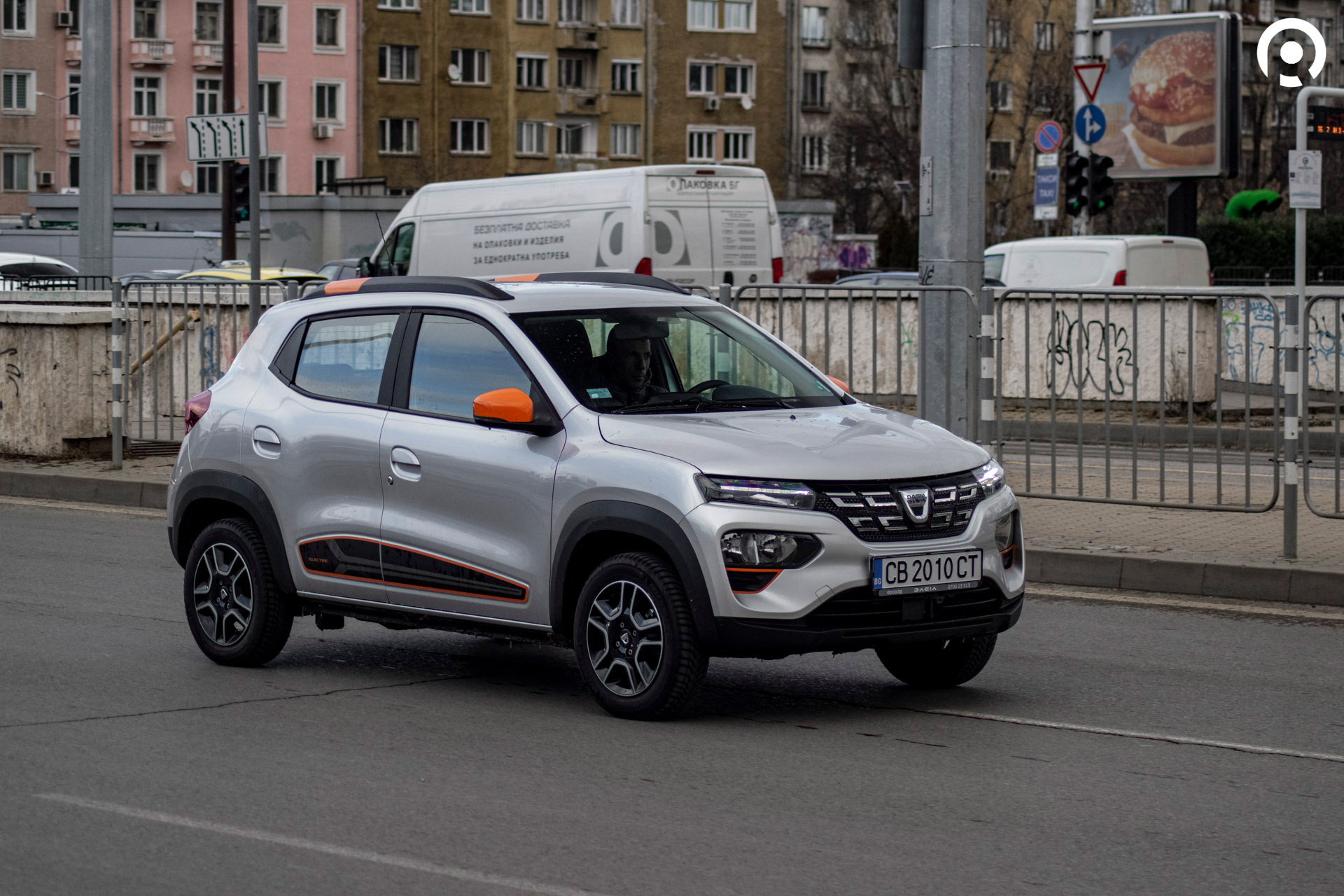
The design of Spring turns out to be surprisingly controversial. I spoke with quite a few people, including random passers-by who stopped to take a closer look at the car, and quickly realised that opinions tend to fall into two extremes — people either like it or they absolutely don’t. In both cases, however, Spring certainly does not leave anyone indifferent.
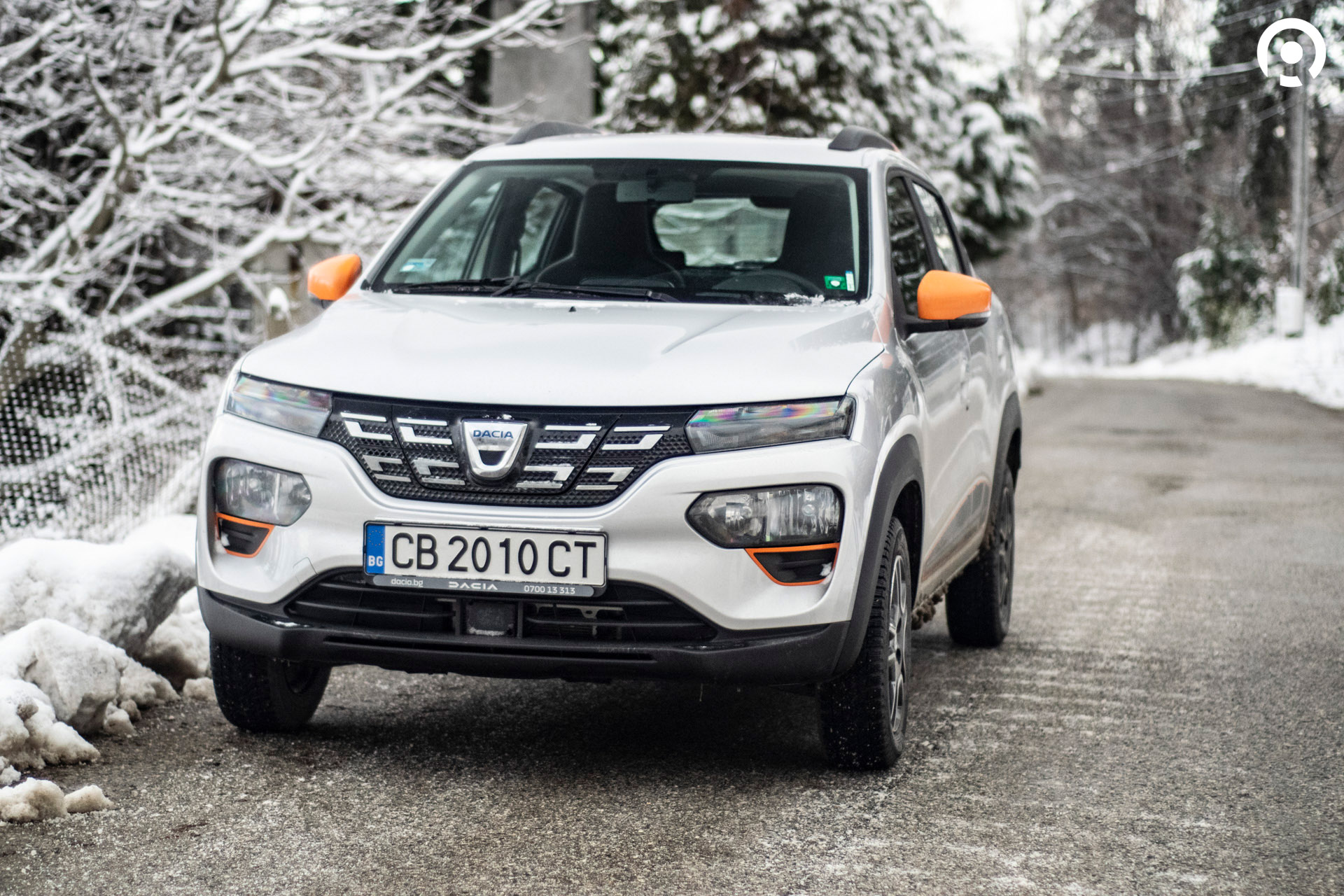
Personally, I quite like the design. The small city car borrows a number of visual cues from the SUV world, giving it a more rugged appearance than its size might suggest.
At the front, Spring features separated lighting elements — the main headlights are positioned lower, while the indicators and daytime running lights sit above them. The daytime running lights themselves are simple LED strips. There are no complicated “light signatures”, as has become fashionable in recent years.


At the front we also notice subtle orange accents, which match the orange mirror caps and decorative elements on the doors. It is worth noting that this orange styling package is optional.
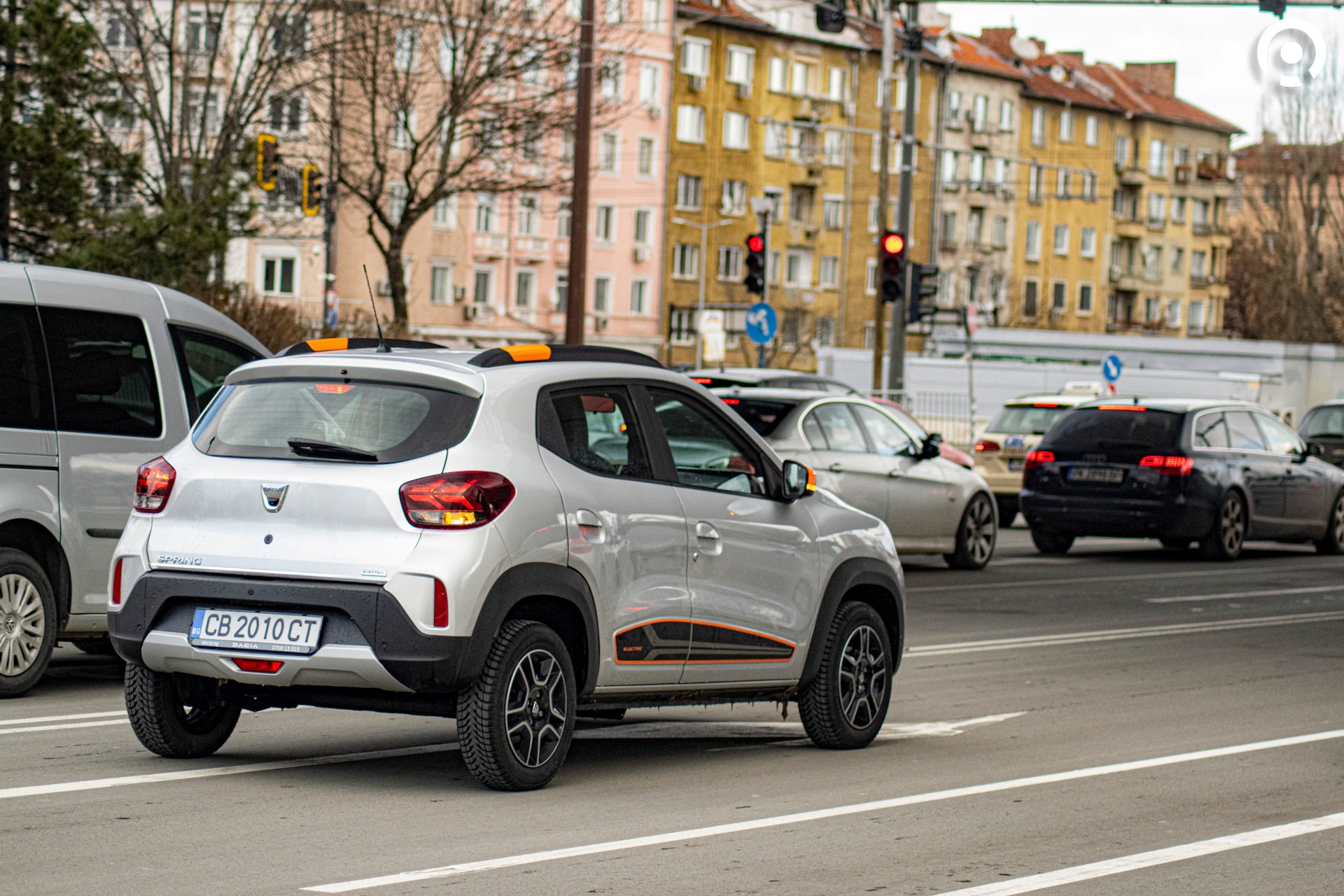
The rear of Spring is more traditional and reminds me quite a lot of the Dacia Sandero. The reflectors are neatly integrated into the rear bumper, while the rear fog light sits separately in the lower section of the bumper.
Roof rails add a finishing touch to the overall look of the car. One detail that particularly impressed me, however, were the wheel covers. Yes — wheel covers. When I first picked up the car I did not even realise they were not alloy wheels. They are very well designed and hide the steel wheels underneath, which definitely improves the visual appeal of the car.
Interior
Inside, Spring is — as expected — very plastic. Plastic is everywhere: harder in some areas, slightly softer in others, but plastic nonetheless. The positive side is that even on our less-than-perfect roads the creaking noises from the interior were barely noticeable… at least for now.
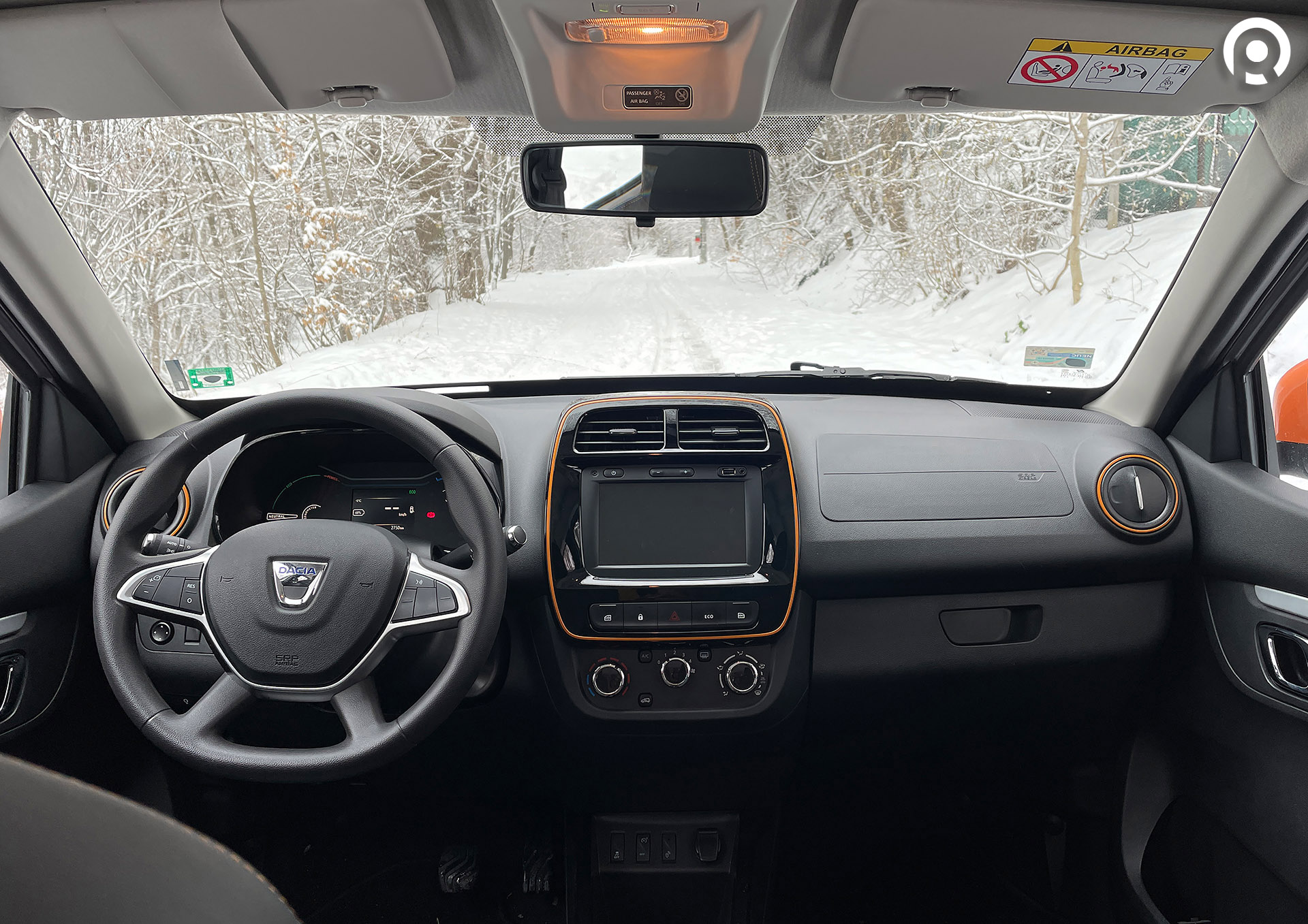
The instrument cluster is digital, but do not expect a modern LCD display. Instead, we get a combination of digital and traditional gauges. They are easy to read and look perfectly acceptable.
Here again we see orange accents across the dashboard, adding a bit of visual interest to what would otherwise be a fairly typical Dacia interior.
The infotainment system in the test car features a 7-inch touchscreen with navigation, Bluetooth connectivity and Apple CarPlay or Android Auto via cable connection. Overall the system is simple, easy to use and works reasonably well.
This is also a good moment to mention the sound system. To be honest, it might be better to simply play music through your phone — the sound will probably be clearer, louder and with more bass. When I first got into Spring I spent about ten minutes trying to find the setting to balance the sound between the front and rear speakers. I eventually became slightly irritated by how complicated it seemed… until I realised there are simply no rear speakers. Leaving aside the audio quality, I should also mention that I never managed to get a completely clean radio signal. Every station had a noticeable amount of static.


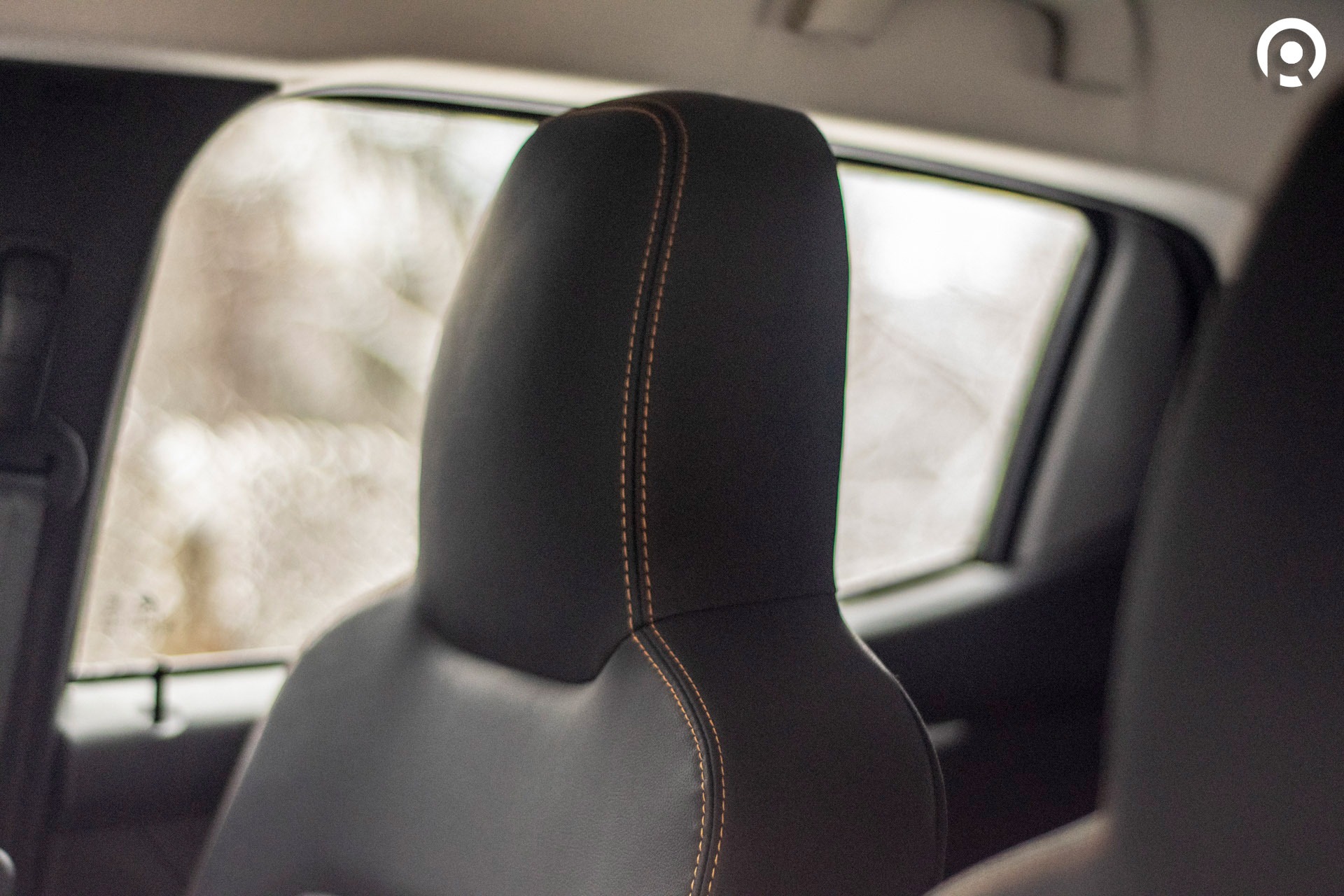
The seats in Spring were comfortable and offered decent lateral support. However, there is no height adjustment, no adjustment of the seat base angle and no adjustable lumbar support. The test car came with artificial leather seats which, I must admit, are nicely finished and give the impression of a more expensive vehicle — something that contrasts quite strongly with the rest of the interior. One detail I personally did not like is the gear selector. Instead of a traditional lever, Dacia has installed a round joystick-style selector, which in my opinion feels less intuitive.
When it comes to space, Dacia has done a surprisingly good job. Spring comes close to the segment champion in this regard — the Suzuki Ignis. The two cars have almost identical dimensions and both make excellent use of the available space. The boot offers 290 litres of capacity with the rear seats up, which is a very respectable figure for a car of this size.


On the road
he most interesting question is how the Dacia Spring performs in real life, particularly in heavy urban traffic. The small electric SUV uses a 27.4 kWh battery, and according to Dacia the official WLTP range is 230 km combined and up to 300 km in city conditions. With its 45 hp electric motor, Spring accelerates from 0 to 100 km/h in a little over 19 seconds. Impressive. And slightly frightening, at least on paper. To be honest, perhaps because my expectations for the model were quite high, my first disappointment actually arrived long before I even drove the car — the moment Dacia revealed the official specifications.
When I first got into Spring, I pulled away cautiously, expecting even trolleybuses to overtake me considering those figures on paper. My concerns disappeared quickly once I realised that in urban conditions the small car actually performs perfectly well and acceleration is entirely adequate. From a standstill, 50 km/h arrives in around six seconds, which is more than sufficient for busy city traffic.
If I had to compare it with a conventional city car, the sensation of acceleration is similar to that of a petrol engine producing around 80 hp. Apart from the electric motor, this is helped by the car’s very low weight — well under one tonne.
For better or worse, I tested Spring during a period when daytime temperatures were around –2°C, dropping to –10°C at night, which inevitably affects range. When I first got into the car the battery was charged to 98%, and the onboard computer showed 133 km of remaining range — quite far from the advertised 300 km.
On the other hand, Dacia offers a real-world range calculator on its website that takes into account driving speed, outside temperature and whether heating or air conditioning are used. I should note that the range displayed by the onboard computer turned out to be very close to reality. At the end of the first day of testing, the battery showed 29% remaining with 45 km of estimated range.
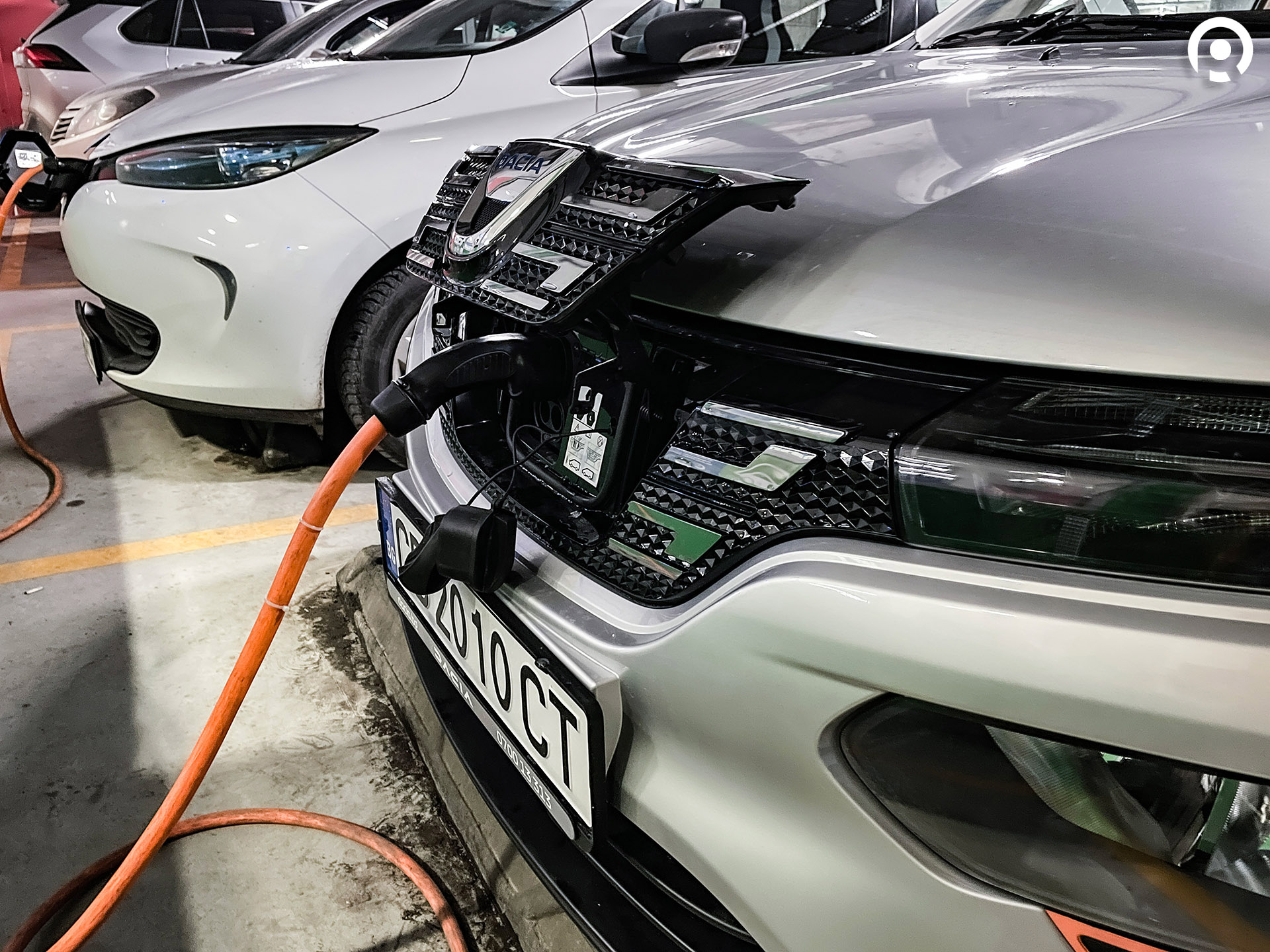
Another surprise followed — the car did not come with a Schuko charging cable, meaning I had to find a nearby charging station, preferably close to home. Fortunately that turned out to be relatively easy. Charging the battery at an AC station from 29% to 100% took around three hours and cost a little over €7.50. A simple calculation shows that if Spring is not charged at home or at a free charger, the cost of driving 100 km can be similar to that of a diesel car — at least in winter. According to Dacia, charging the battery with a Wallbox home charger takes less than five hours, while with the optional DC fast charging system you can restore up to 80% of the battery in under an hour.
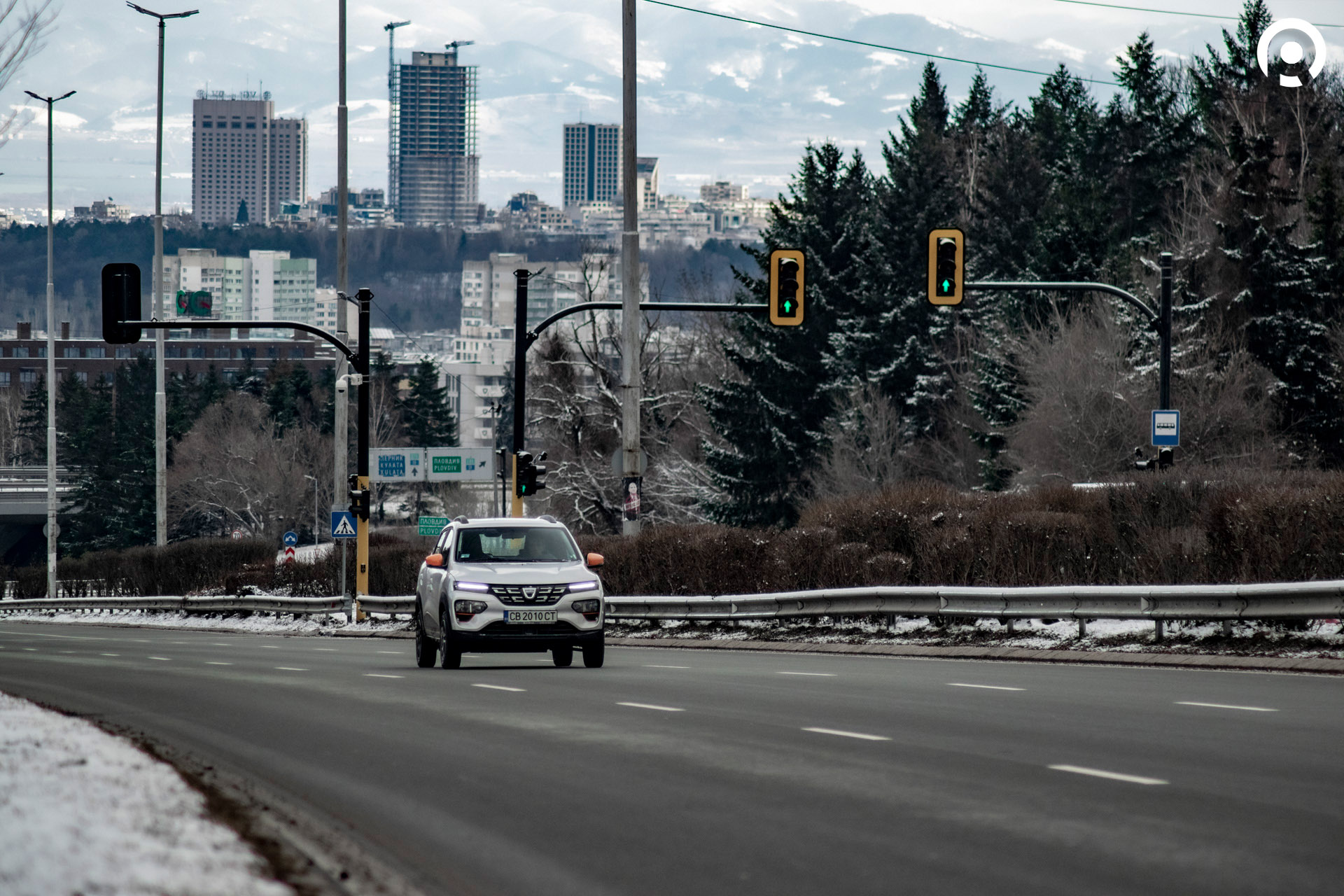
On the road, Spring is quiet and reasonably well insulated. The pedestrian warning sound — required for electric cars at low speeds — is barely audible inside the cabin. The little car feels perfectly suited to city driving. Thanks to its compact dimensions it feels completely at home in Sofia’s traffic, and it is surprisingly manoeuvrable for such a small vehicle. The steering is extremely light, making urban driving very easy and relaxed.
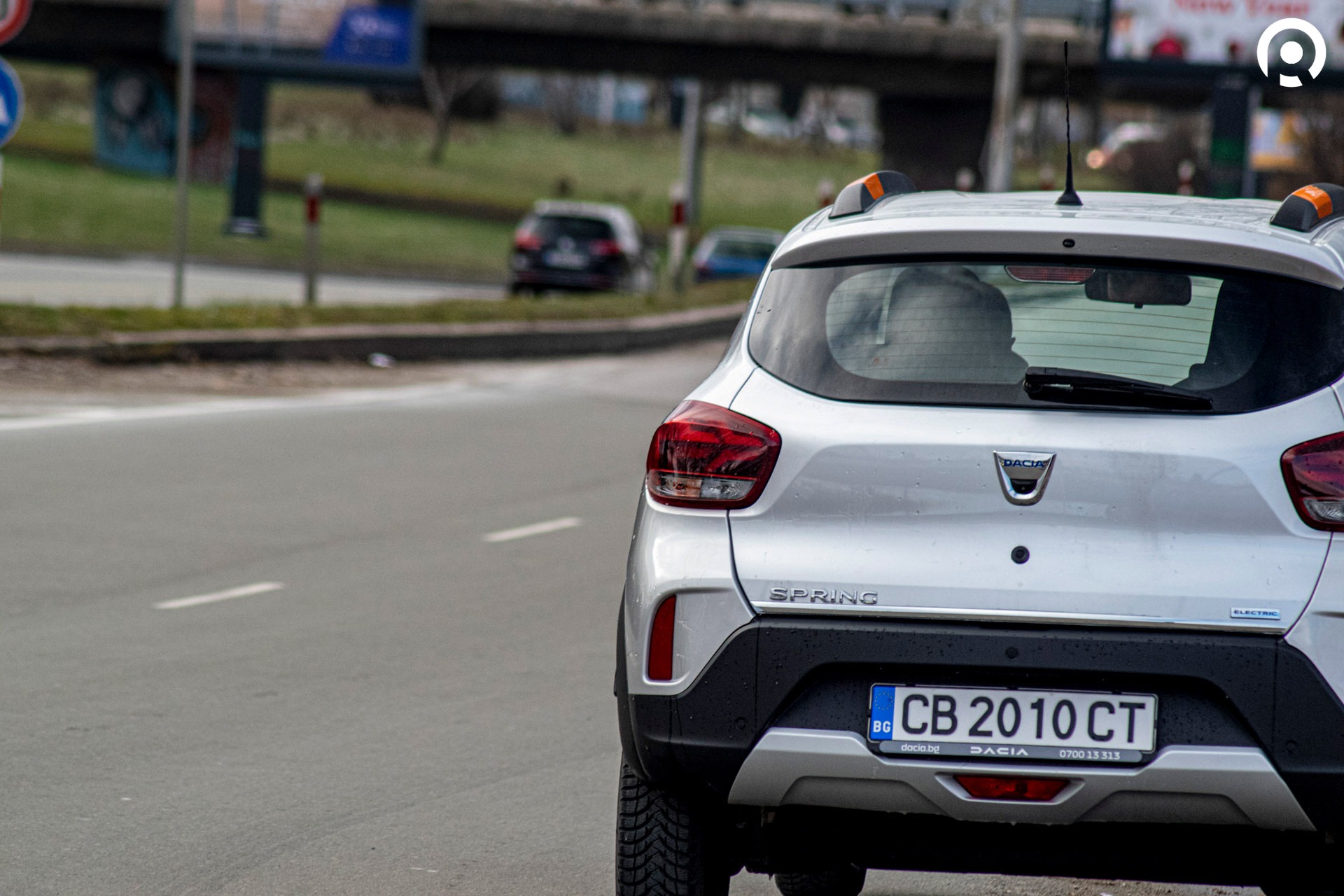
Still, living in Bulgaria, I noticed something interesting. Many drivers seemed to assume that because I was in a small Dacia they could behave however they liked. Concepts like right of way or allowing someone to merge into traffic suddenly became optional. I noticed this quite clearly, because with my personal car I rarely find myself in situations where I am apparently invisible to other drivers. Perhaps letting a small car keep its right of way is beneath their dignity… Primitive thinking that we should probably leave behind.
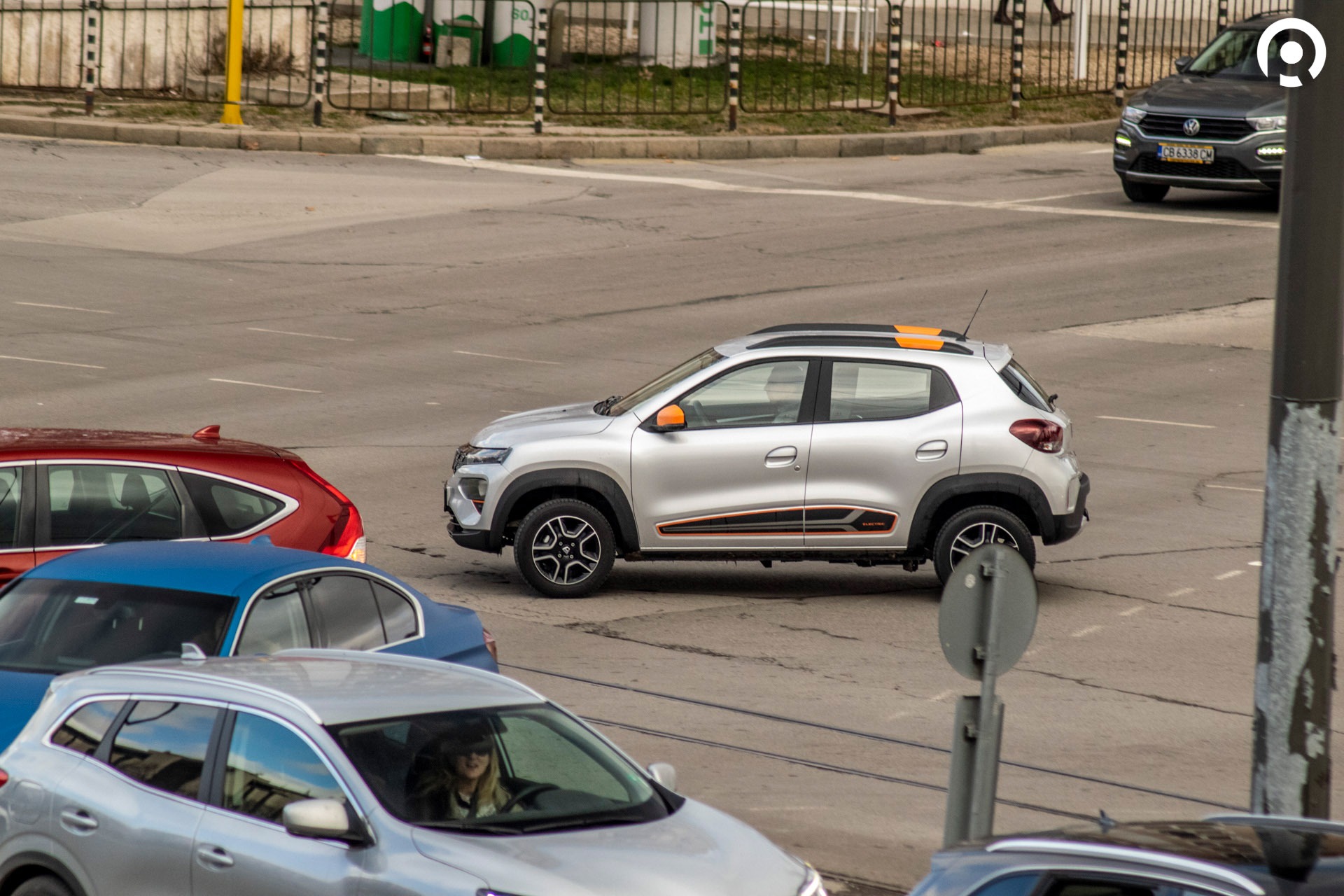
There is another point worth mentioning. For the first time I drove a passenger car that gave me the feeling it might roll over in a corner. Body roll is clearly noticeable, and when cornering more aggressively at higher speeds the smallest Dacia on the market does not feel particularly comfortable. Neither did I.
The sensation may well be exaggerated due to perception rather than reality, since the car still has a relatively low centre of gravity thanks to the battery. Still, it is not particularly reassuring. It is also worth mentioning that the car’s safety rating from Euro NCAP is not especially strong, although in terms of equipment Spring includes the essentials — electronic stability control, airbags and curtain airbags for both rows, as well as a brake assist system..
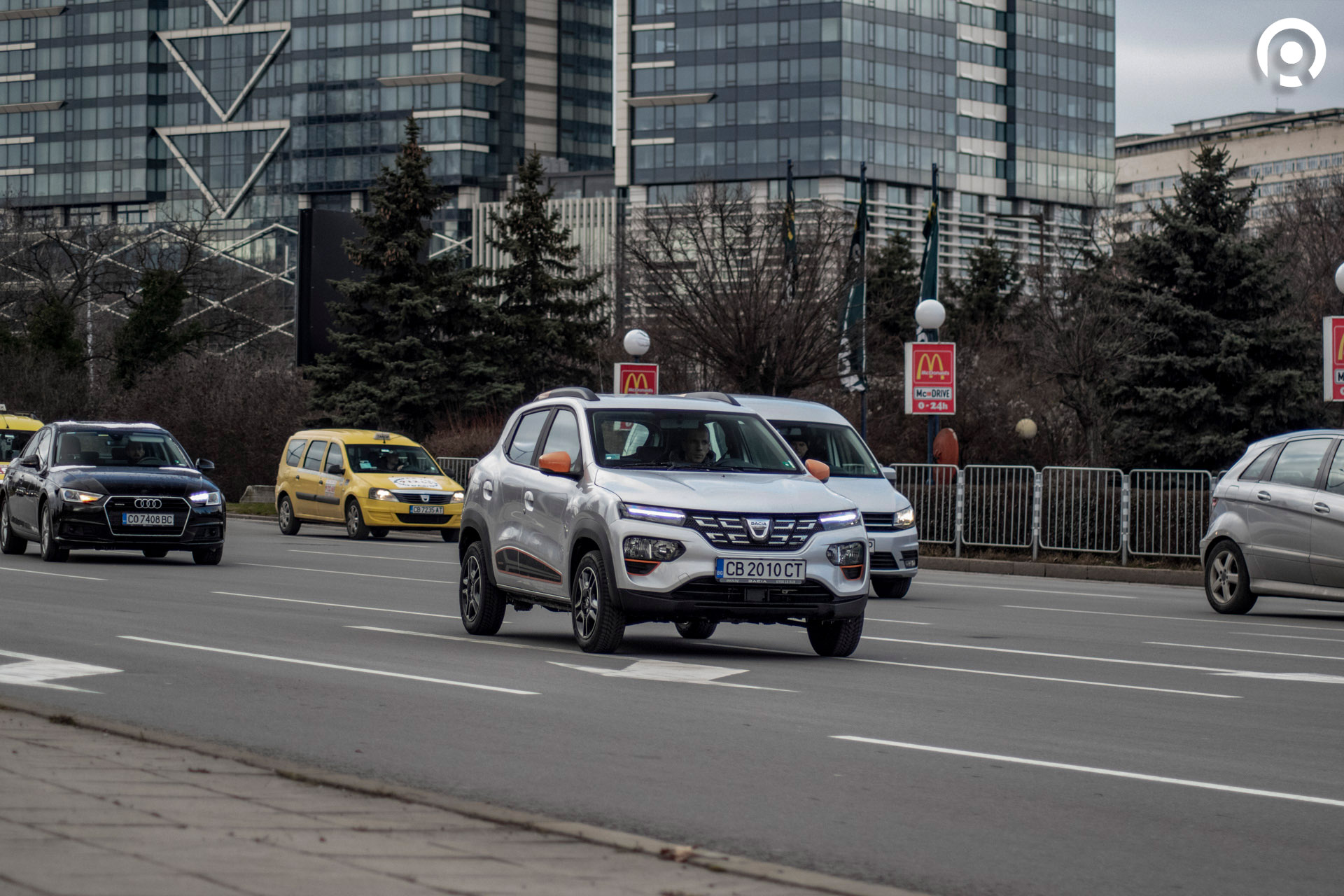
Overall, Spring is clearly in its element in the city. It is exactly what it should be — manoeuvrable, lively up to about 50–60 km/h, and inexpensive to run.
I did a short drive along the Sofia Ring Road, from Botevgradsko Shose to Boyana, and at speeds above 90–100 km/h the car begins to struggle slightly, while the battery and remaining range drop very quickly. That makes it quite clear that this car is designed for urban driving, and trips outside the city — especially on highways — should be the exception rather than the rule.
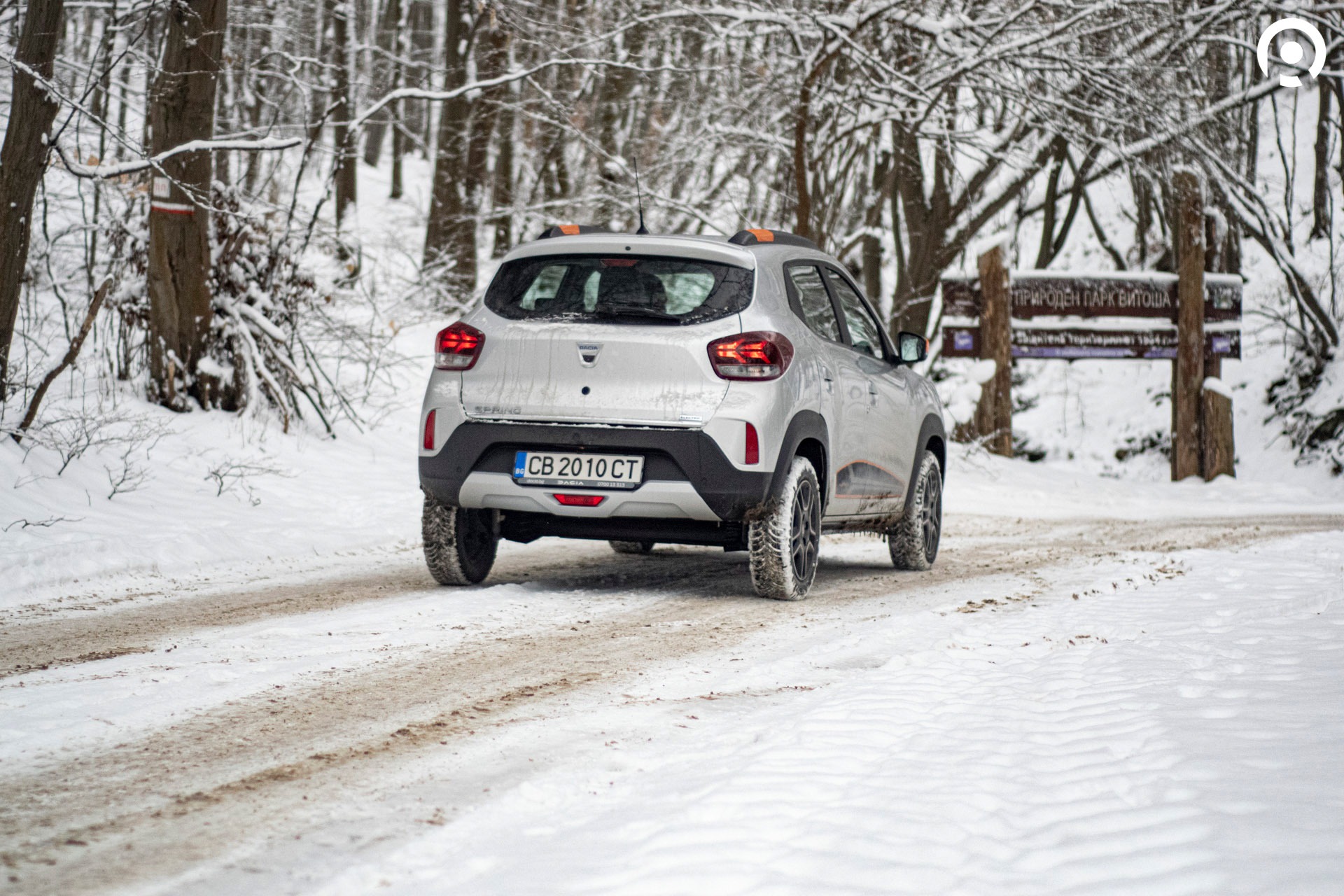
The evening before returning the car, light snow began to fall, leaving around 3–4 cm of accumulation. On a small street in Dragalevtsi with a slight incline, I struggled to move forward and the car spun its wheels even with very gentle throttle input. I was genuinely surprised. I even got out to check whether there was ice under the snow, but there wasn’t. Interestingly, the following day Spring handled more difficult conditions without any issues.
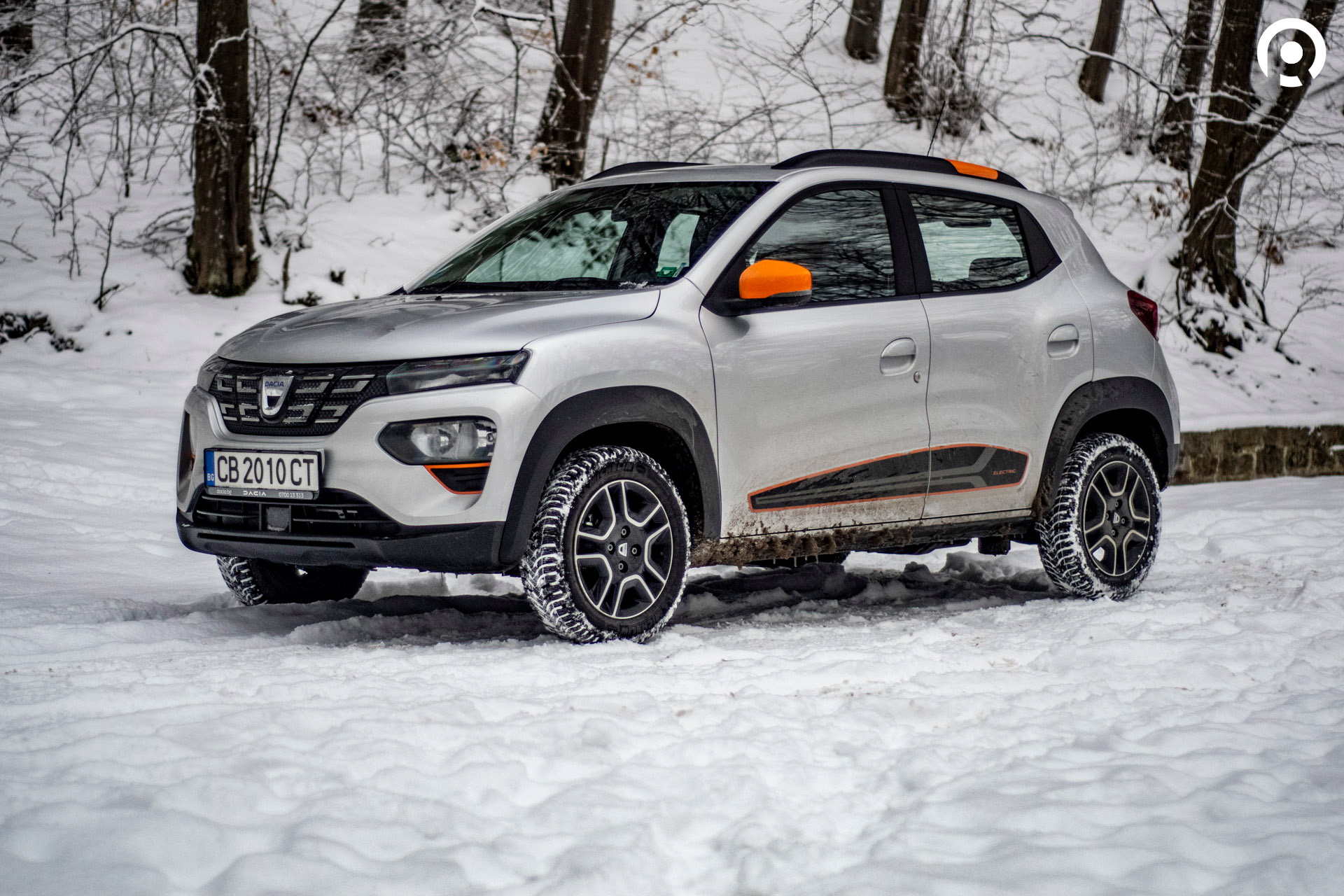
Despite all its positive qualities, a few small details during driving left a less favourable impression. The first is that the car has only a single front wiper, which during snowfall leaves a large uncleaned area on the left side of the windshield, reducing visibility and increasing the blind spot.
The second is the forward collision warning system, which comes as standard but feels slightly too aggressive for my taste. Even from a fairly large distance and at low speeds it would start warning that I was approaching the car ahead.
Conclusion
Dacia Spring was something of an enigma to me. On one hand I had high expectations, because the Romanian brand traditionally offers cars with an excellent price-to-value ratio. On the other hand, the specifications on paper made me somewhat nervous before I even drove it. As it turned out, that concern was largely unnecessary.
Dacia has created something close to the ideal electric city car. The interior is extremely simple, and although there are some remarks regarding the multimedia system, the overall quality does not disappoint despite the extensive use of plastics. Space is perfectly adequate for both front passengers and those in the rear seats — at least for shorter journeys.
One detail worth mentioning is that Spring does not have keyless start. There is no key card either. Instead, it uses a traditional ignition key, which genuinely surprised me.
In terms of driving dynamics, Spring does not particularly impress, but it also does not disappoint. In urban conditions the car feels completely at home and handles heavy traffic with ease. Its compact size, combined with free parking in Blue and Green zones (for now), makes it a very practical city vehicle.
Up to around 70 km/h, despite the alarming acceleration figures on paper, the car feels sufficiently lively. One should not expect it to be suitable for longer intercity journeys, however. The battery drains quickly at higher speeds, and the car itself does not feel comfortable above 90 km/h. This is truly a city car.
A winter range of around 130 km in city driving will be more than enough for most people. In warmer weather I expect it to reach around 200 km per charge, which is perfectly adequate.
The price is also reasonable — starting at roughly €17,300, including everything needed for city use.
There is little doubt that Spring will achieve strong sales results, which is entirely understandable, especially if government incentives for electric vehicles are introduced. Personally, I even started considering such a purchase myself — as a second car dedicated to city driving.
Petko Choevski