At the start of the new century, German automotive giants adopted an interesting — and somewhat controversial — strategy: aggressively expanding their model ranges by creating niche products, and then filling the gaps between those niches with even more specific offerings.
Logically, the BMW X2 is exactly such a model. If you need a more practical crossover, you would go for the X1. If you want a hatchback — the 1 Series is the obvious choice. On second thought, however, the existence of the X2 makes sense, especially after the success of models like the X6 and X4.
So what exactly is the BMW X2? In essence, it’s a sleeker, sportier version of the X1 — just like the X4 and X6 are to the X3 and X5. These models have always divided opinion, and the X2 is no exception. People either love them or dislike them — indifference is rare.
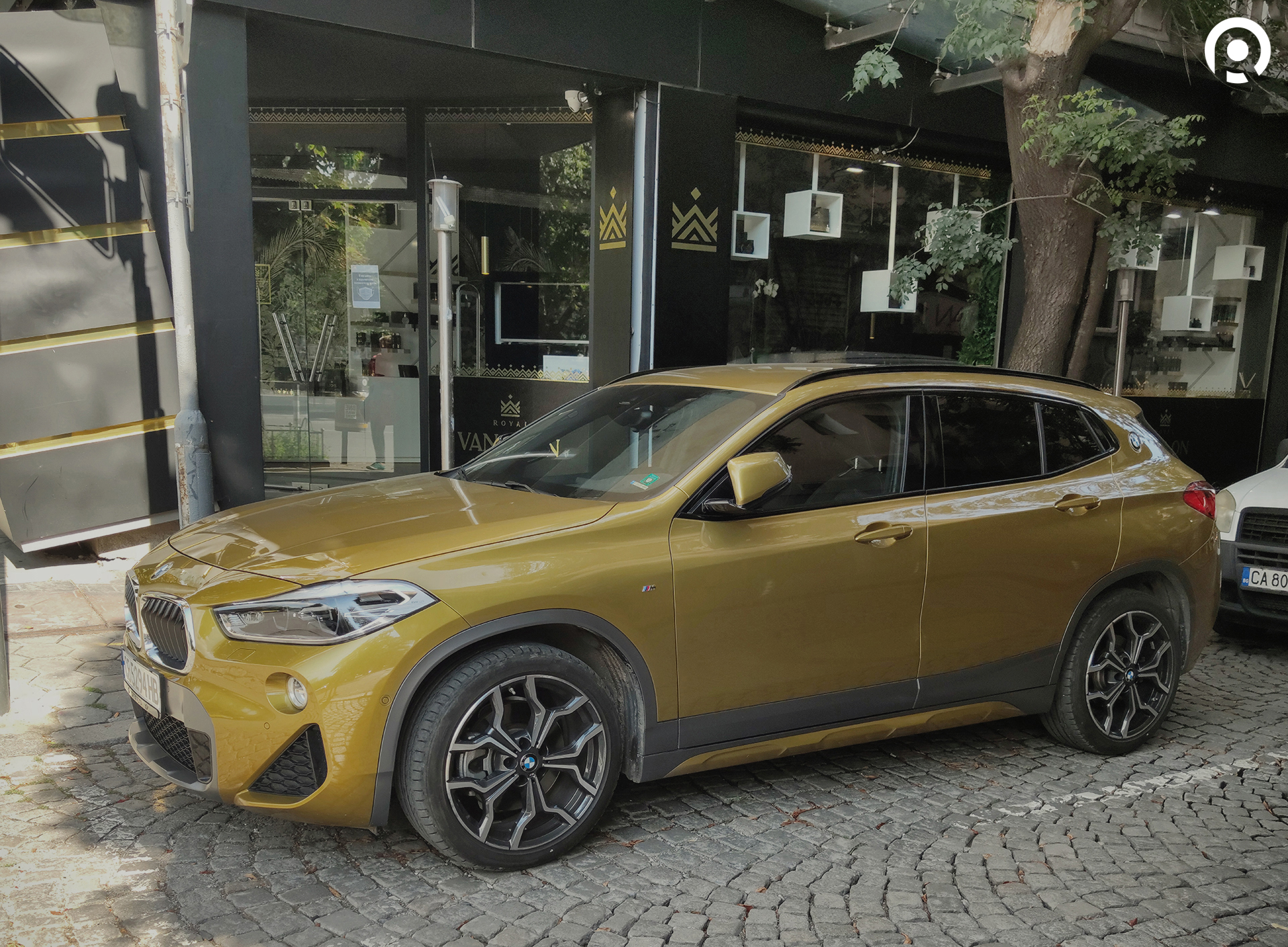
We are testing the X2 xDrive20d, which is probably the optimal balance between performance and fuel efficiency.
Design
BMW designers have mastered the art of dividing opinion when it comes to styling. This became particularly evident with the first-generation X6 and later the X4 — pioneers of the Sports Activity Coupé (SAC) segment. The X2 follows a similar philosophy, presenting itself as a sportier and more aggressive alternative to the X1.
Although it shares the same platform, the X2 is shorter and lower than the X1, while maintaining an identical wheelbase. At first glance, it stands out significantly from the rest of BMW’s crossover lineup — and for me, that’s a positive. I’m not a fan of overly uniform design language across different models, something we see with many manufacturers today, and here the X2 earns my appreciation.
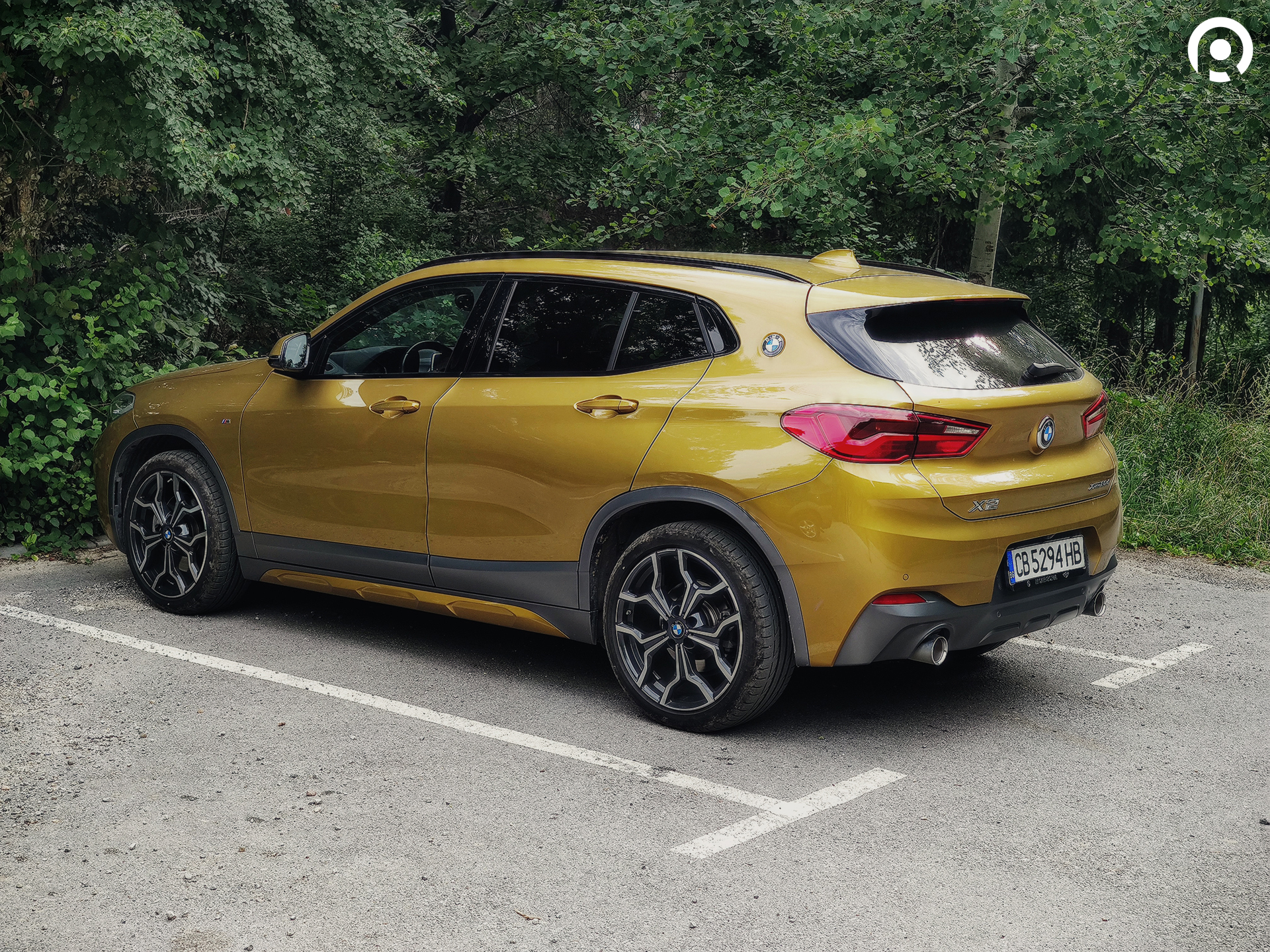
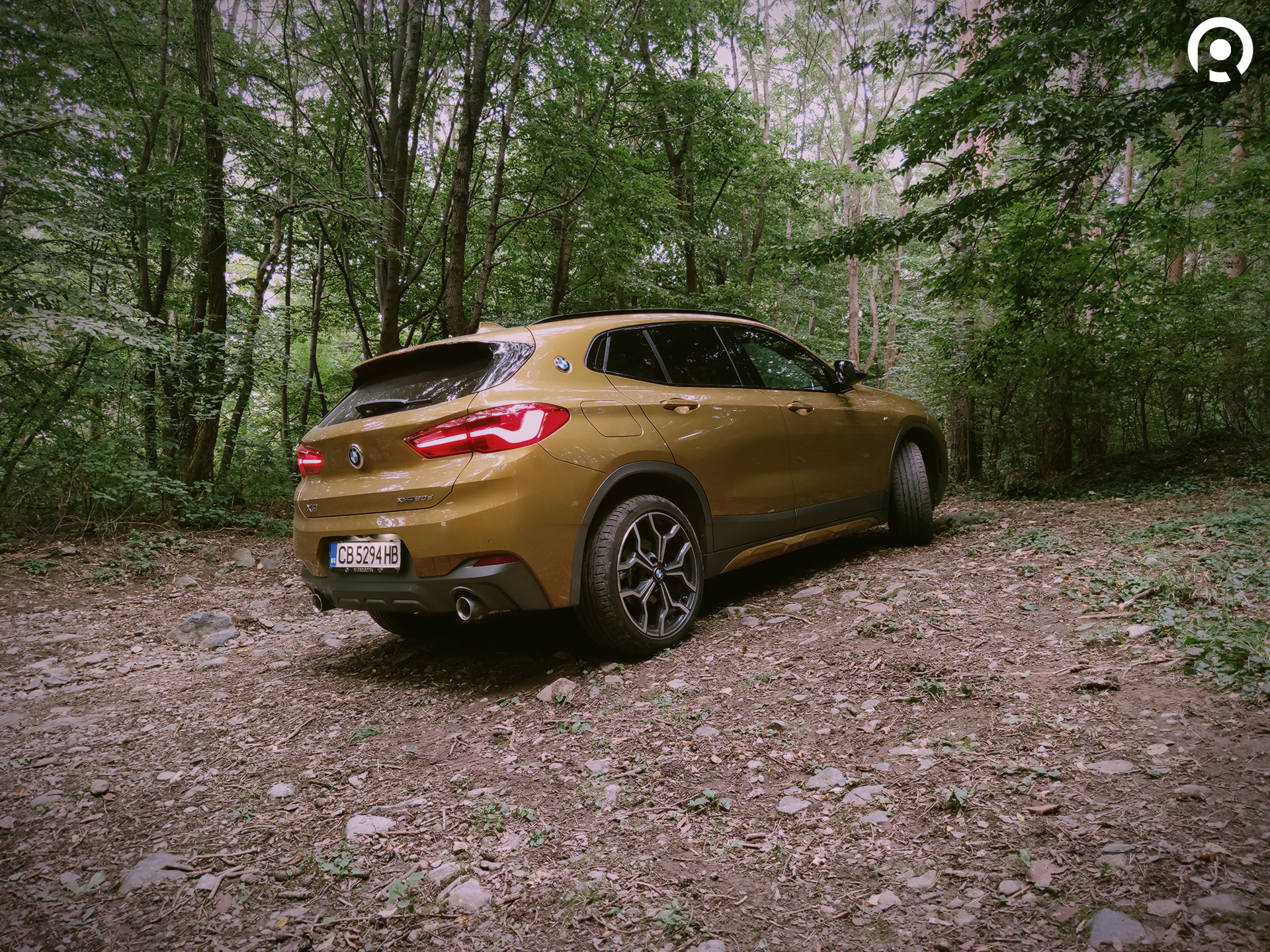
Our test car features the M Sport X package in Galvanic Gold — a combination that looks fantastic. Even though the model has been on the market for over two years, it still attracts attention, largely thanks to this specification.
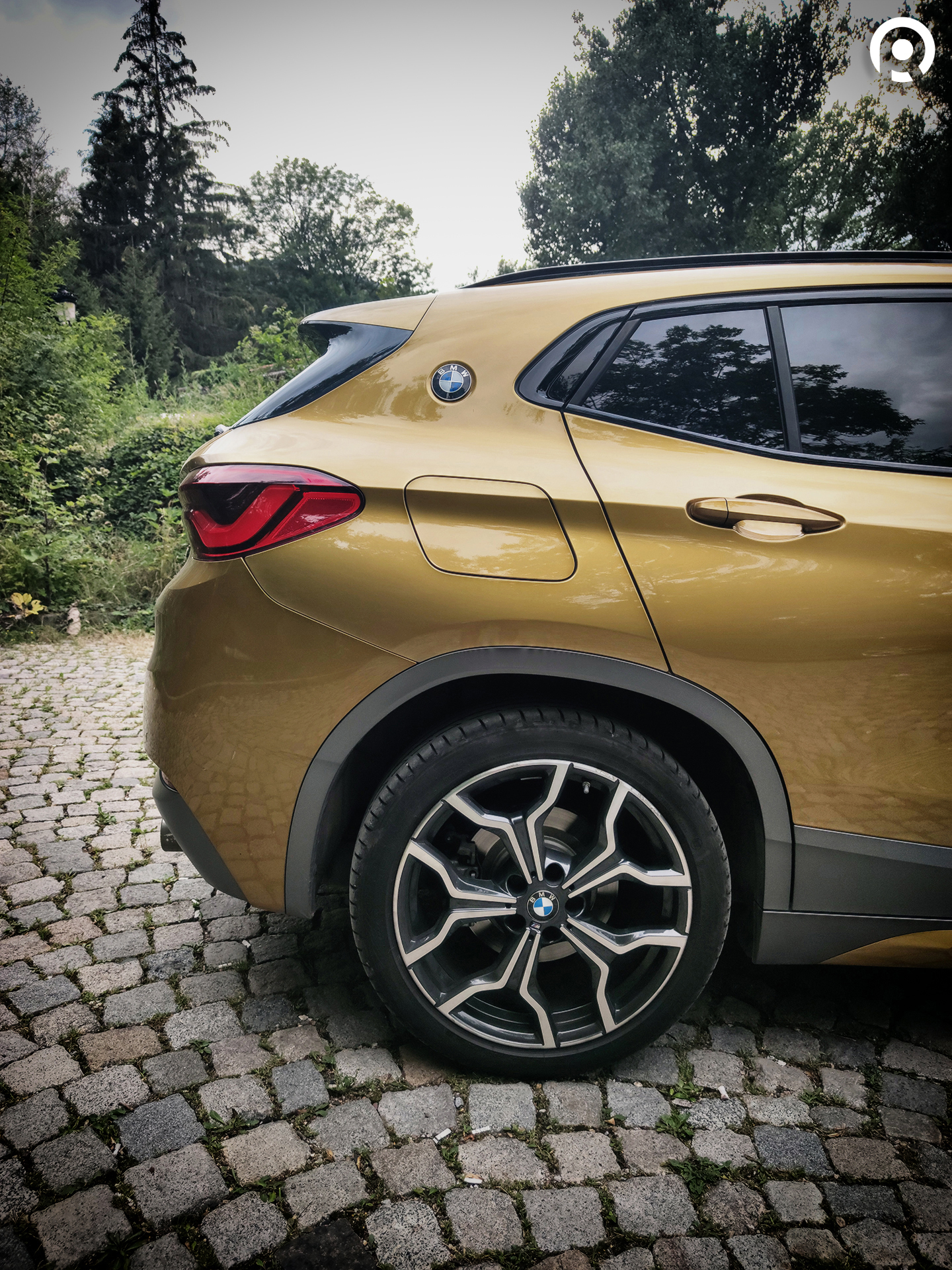
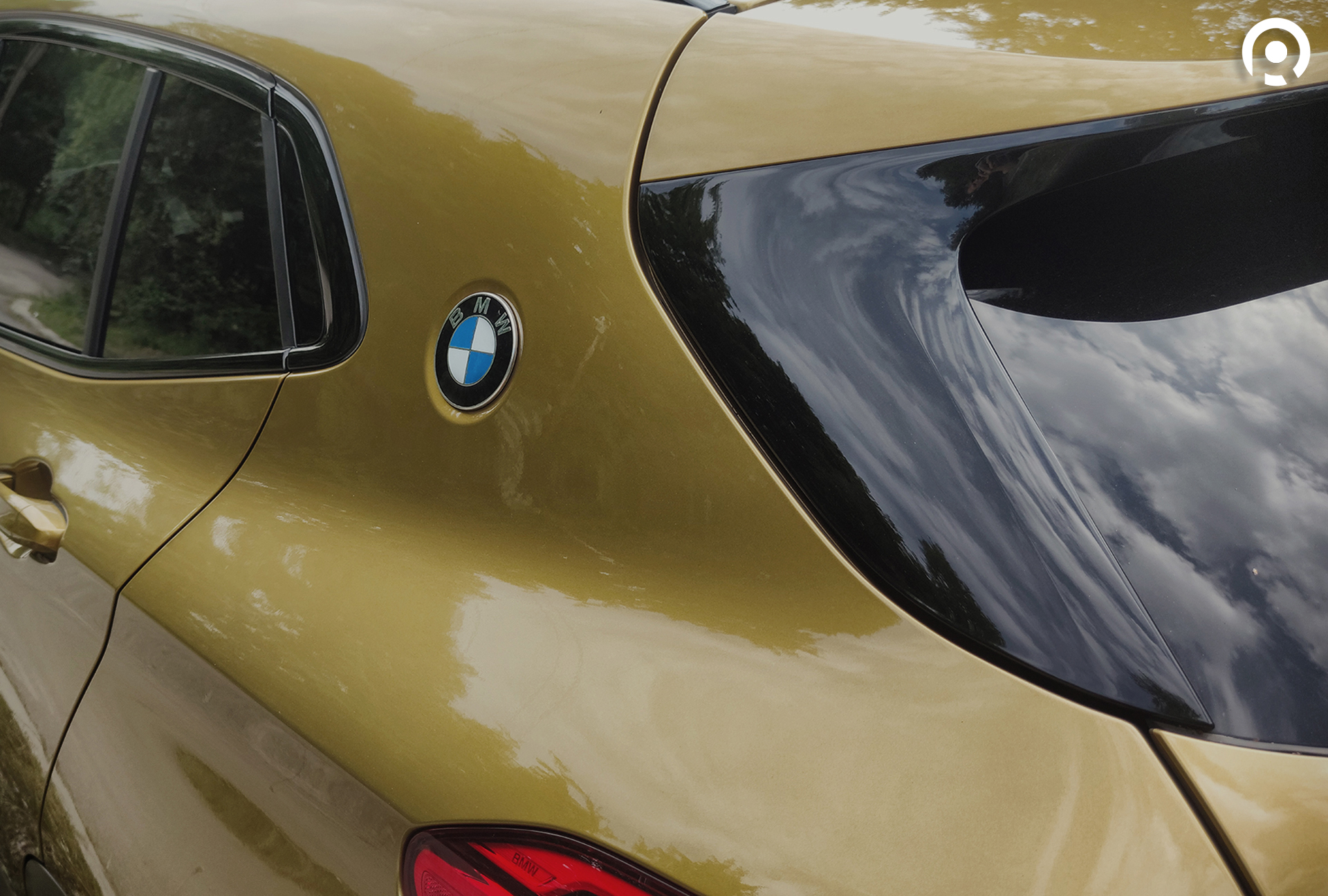
To be honest, I’m less convinced by the more basic versions. One distinctive element is the C-pillar, which carries a BMW badge — a nod to iconic models like the 3.0 CSL.
The side profile clearly shows BMW’s intention to make the car look more dynamic and aggressive. In fact, it resembles a raised hatchback more than a coupé version of the X1.

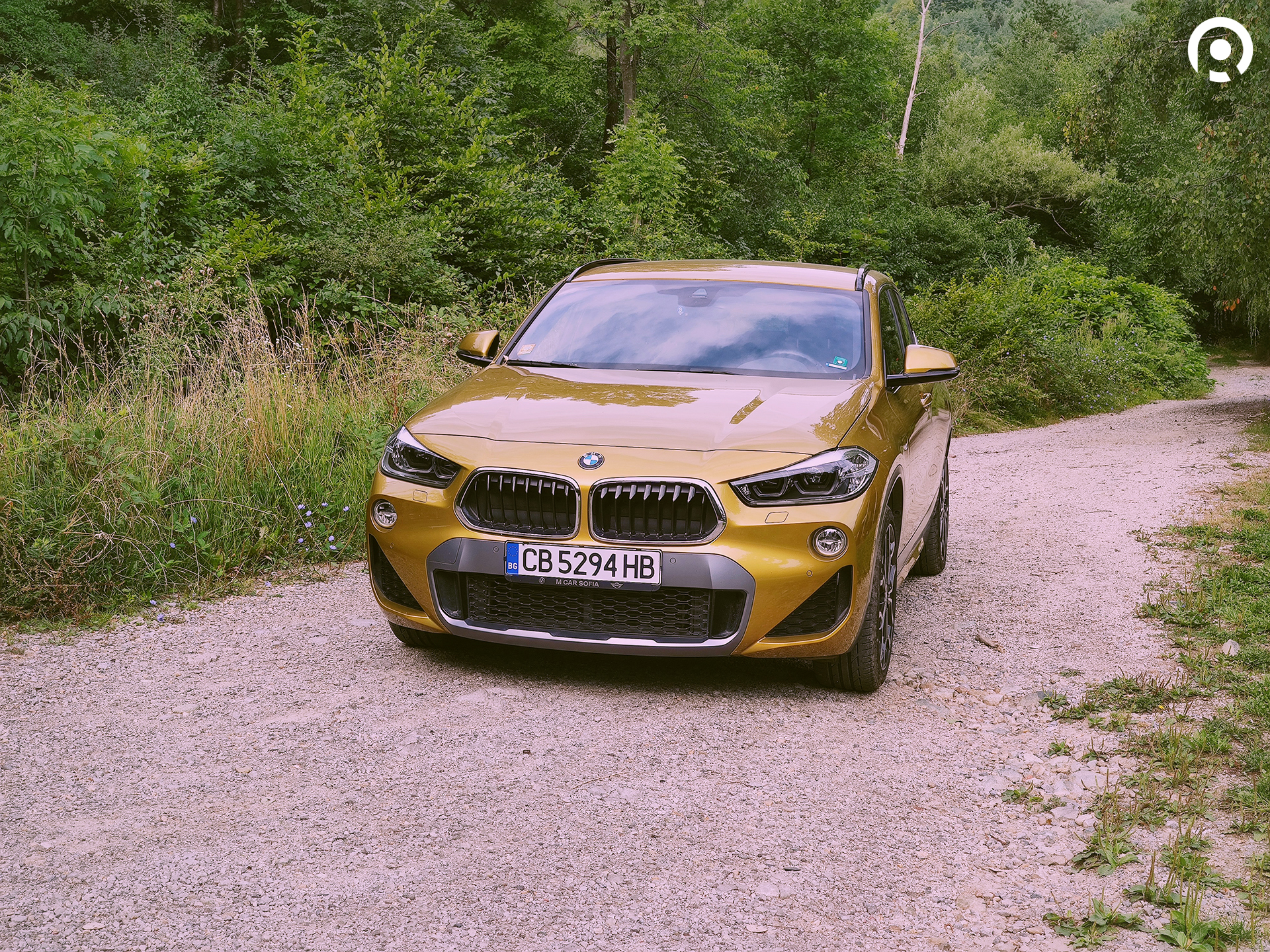
At the front, the kidney grilles are inverted -wider at the bottom than at the top – adding to the aggressive stance. That said, there’s a certain inconsistency in the design: trapezoidal grille shapes, triangular air intakes, and round fog lights all coexist. The result is unconventional and won’t appeal to everyone. The rear is much cleaner in comparison. All versions above 18d and 18i feature real exhaust outlets on both sides, along with a matte grey diffuser element (part of the M Sport X package). The rear window is less steeply sloped than in the X4 and X6, making the design slightly more practical.
The X2 is different, unconventional, and provocative, I personally like it a lot and would even go as far as saying it’s one of the most attractive BMWs currently on the market.
Interior
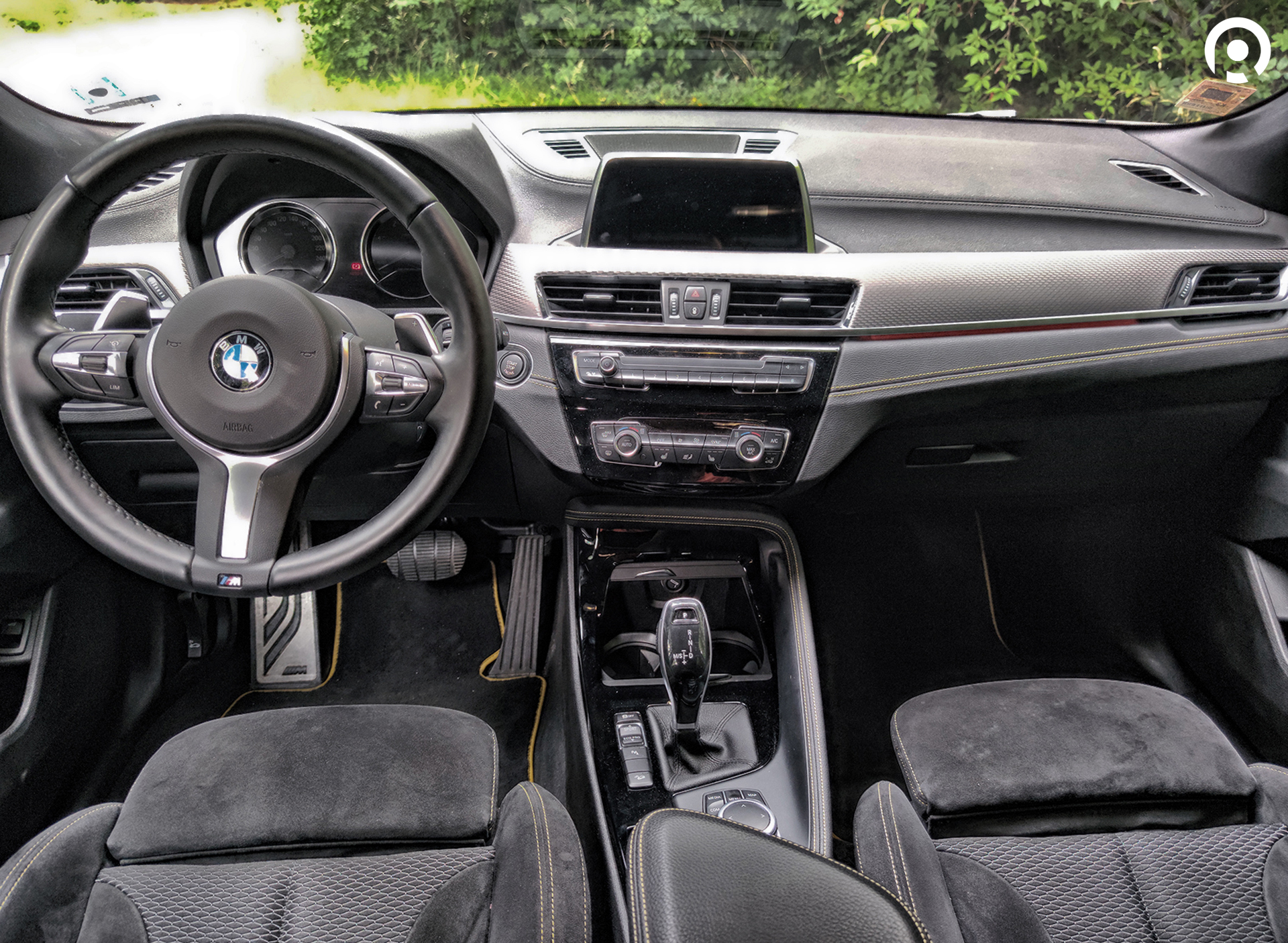
Writing about BMW interiors is always a bit of a challenge, because… well, most of them are very similar. After covering several models from the brand, it’s difficult to add something entirely new.
The centre console and infotainment system are familiar, with the X2 featuring the same gear selector as the X1.
At Roadhunter, we’ve always appreciated BMW’s infotainment system — and the fact that there are still enough physical buttons for key functions such as temperature control and seat heating.
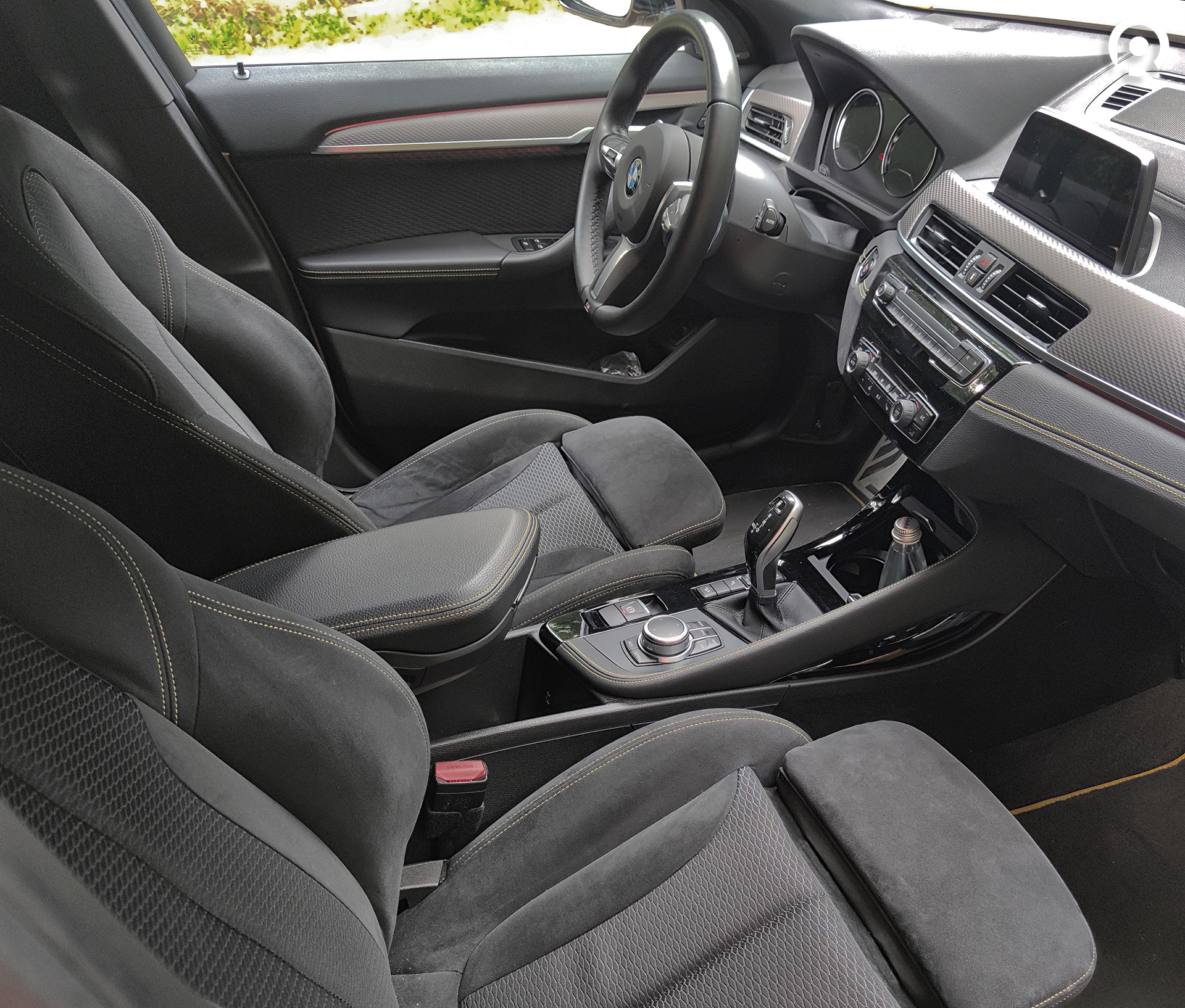
The test car comes with ambient lighting, which adds a pleasant atmosphere. The decorative trims on the dashboard and doors are finished in textured dark grey matte, matching the exterior elements nicely. The contrast stitching on the seats and dashboard, along with the coloured piping on the floor mats, complement the exterior colour well.
The sports seats are noticeably firm but overall comfortable. I should mention that this is one of the cars in which I found my ideal driving position very quickly — something that shouldn’t be underestimated.
In terms of space, the X2 doesn’t particularly excel. Front passengers have sufficient room, even for taller individuals, but the rear is less accommodating. Legroom is acceptable, but due to the sloping roofline, passengers over 1.75 m will likely feel uncomfortable — especially on uneven roads. The boot offers 470 litres, compared to 505 litres in the X1.
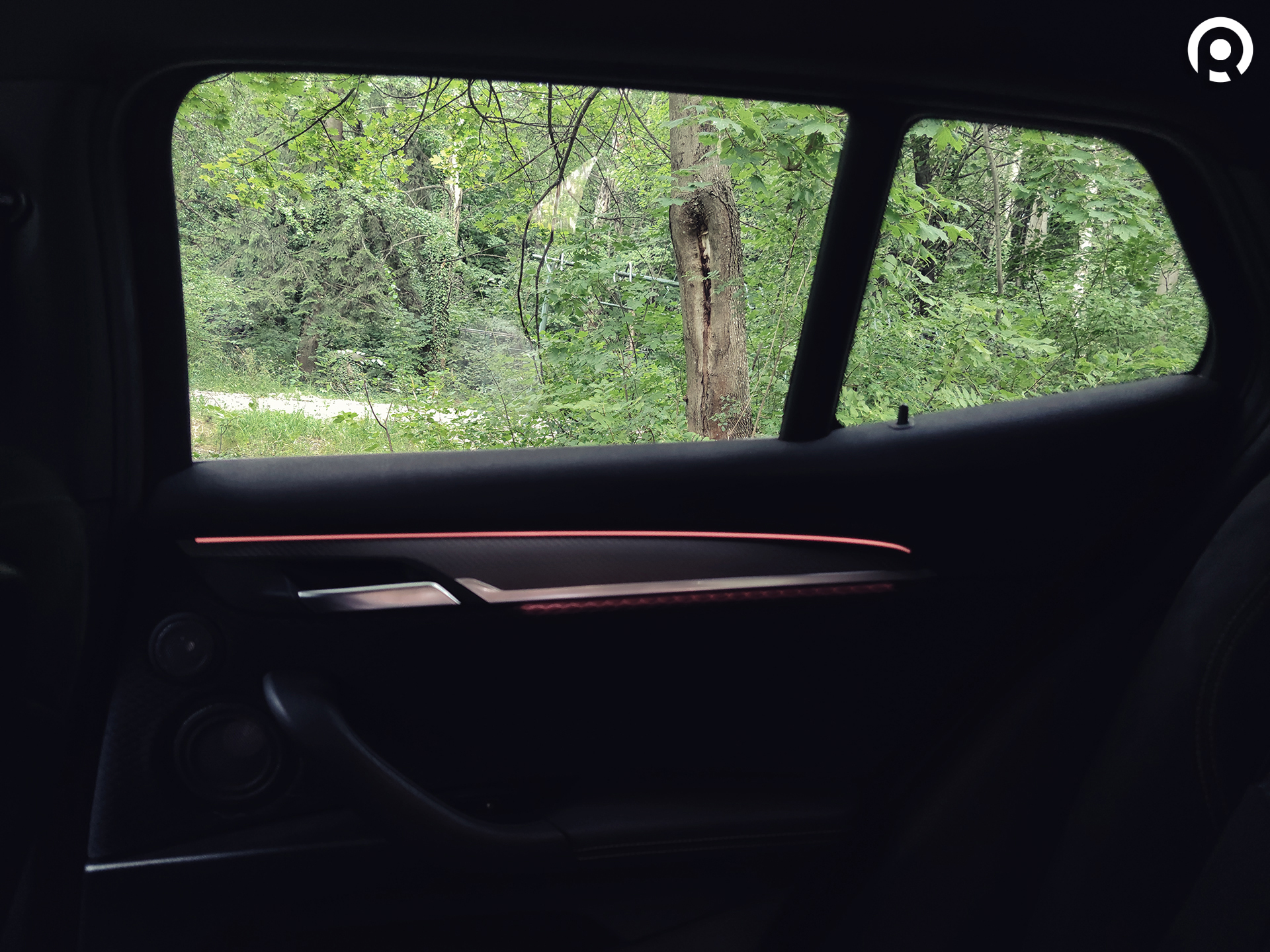
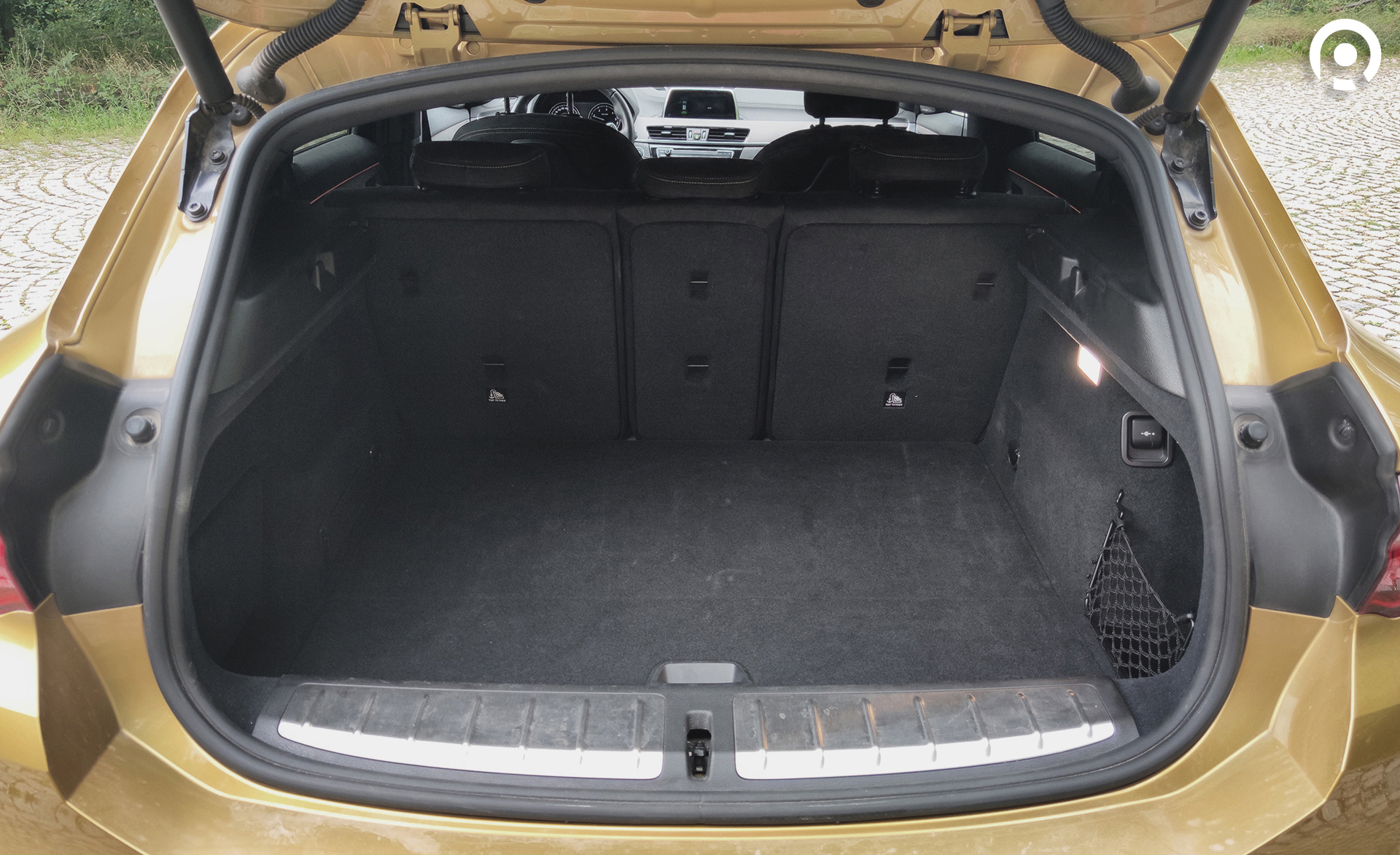
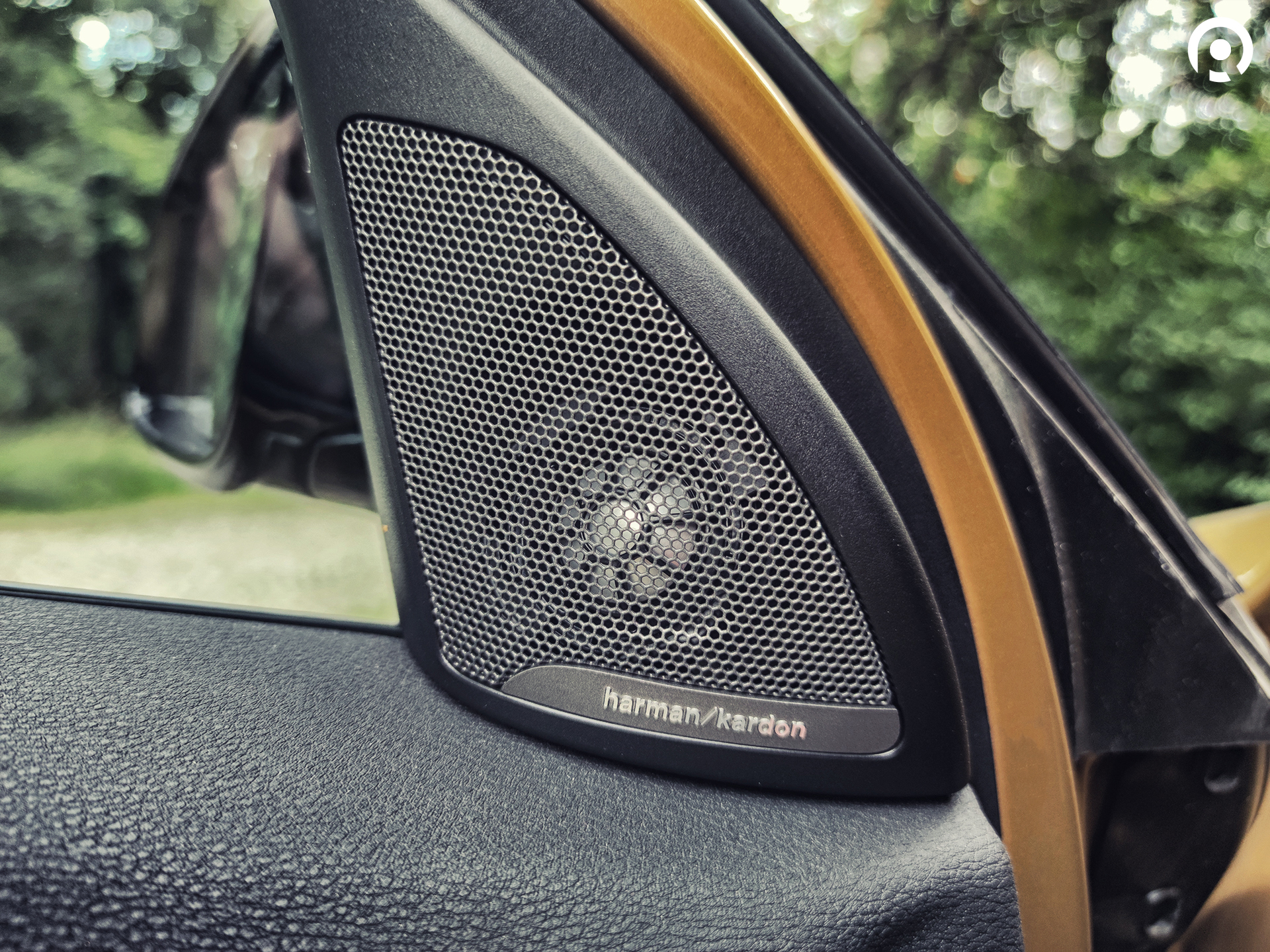
Overall, the interior is not as striking or controversial as the exterior, but it is well built, uses quality materials, and keeps hard plastics to a minimum.
When it comes to practicality, the X1 is clearly the better choice — especially for families.
On the road
The model we tested is the X2 xDrive20d, with 190 hp and 400 Nm of torque. According to BMW, it accelerates from 0 to 100 km/h in 7.7 seconds and has an average fuel consumption of around 5.0 l/100 km.
I’ll start by saying that this official consumption figure is difficult to achieve in real-world conditions. In the city, during relatively calm summer traffic, I recorded 7.6 l/100 km. Outside urban areas, with relaxed driving close to speed limits and occasional overtaking, the onboard computer showed 5.1 l/100 km. These figures are not bad at all, but they are noticeably higher than the official claims.
As for the engine itself, it’s impressively quiet — something you wouldn’t typically expect from a four-cylinder diesel. Compared to the same engine in the 3 Series, BMW has done a great job with sound insulation in the X2.
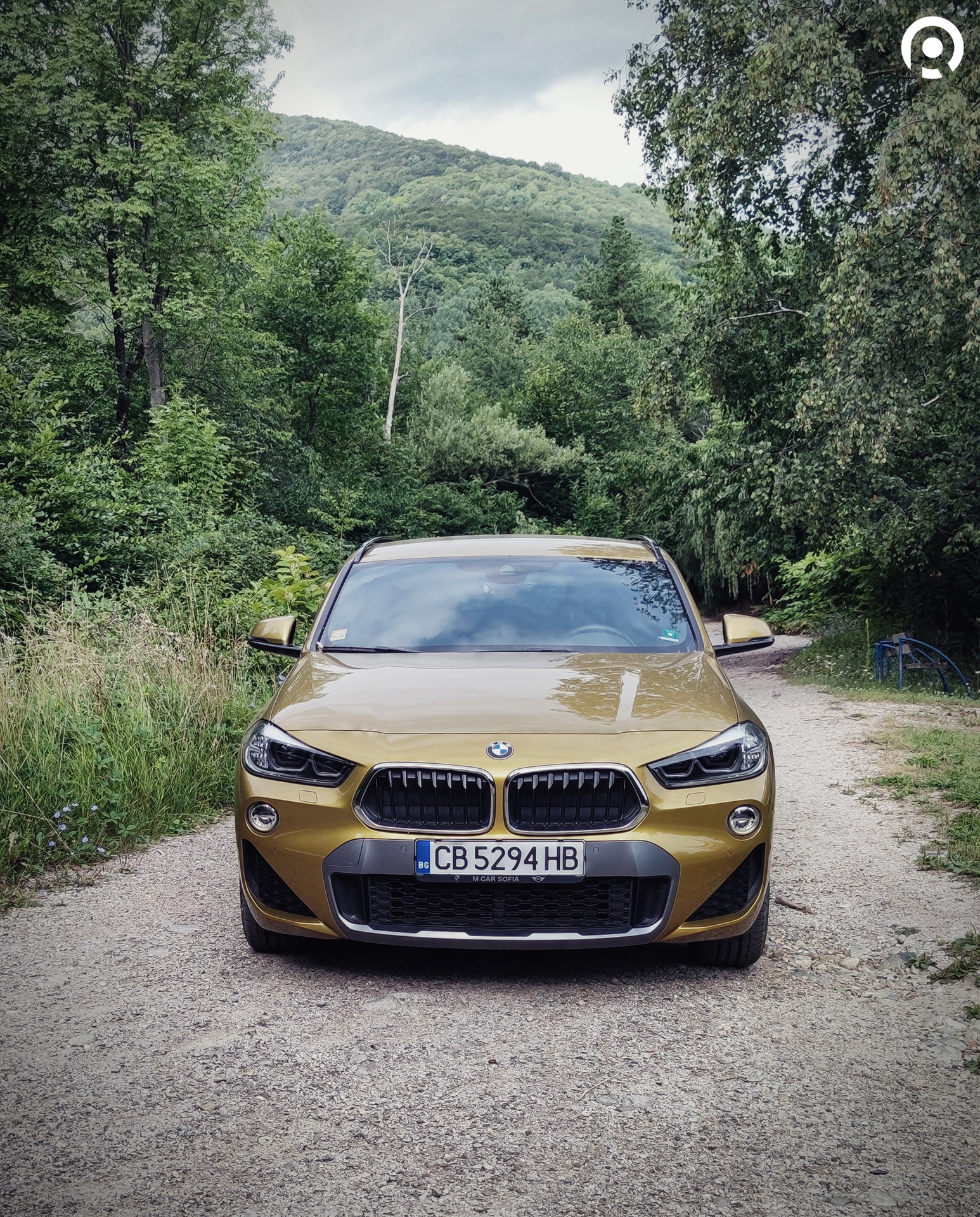
More interesting, however, is how the car drives. The short answer: unusually.
The X2 is based on BMW’s UKL2 platform, shared with the X1 and the 2 Series Active Tourer and Gran Tourer. This means it is primarily front-wheel drive, with the all-wheel-drive system sending power to the rear wheels when needed. Under aggressive driving on twisty mountain roads, understeer becomes noticeable — which is somewhat disappointing for a car with sporting ambitions. Hard acceleration from a standstill also reveals its front-driven nature. That said, for 99% of X2 buyers, this will hardly matter or even be noticed.
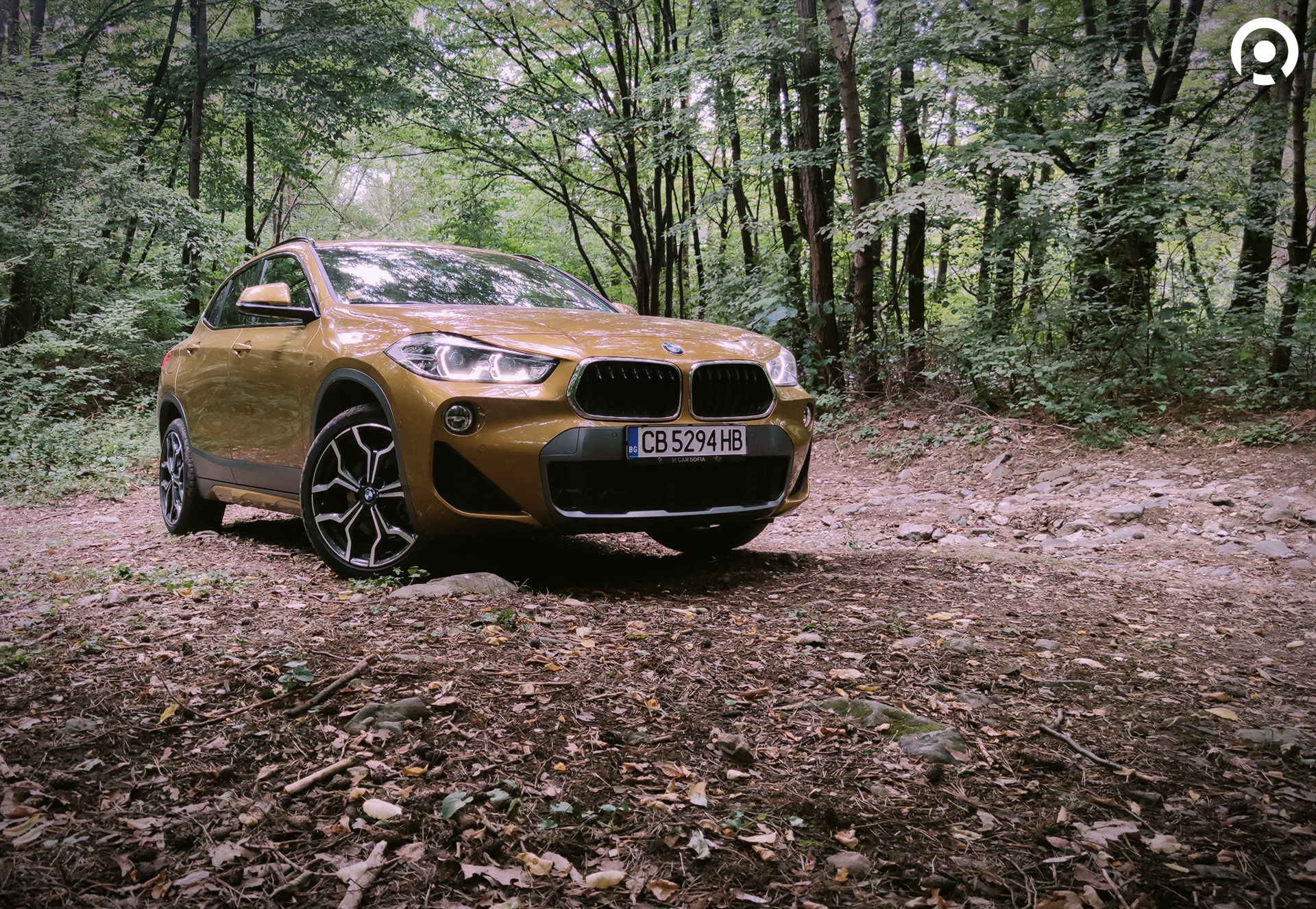
Our test car was equipped with adaptive M suspension, something I would personally skip. In Comfort mode, the ride is already firm enough for daily use, perhaps even slightly too firm. This is further emphasised by the 19-inch wheels from the M Sport X package, which make the ride quite stiff, especially on typical Bulgarian roads.
In Sport mode, the suspension becomes unnecessarily harsh for this type of car. Every imperfection is clearly felt, and larger bumps can be genuinely uncomfortable. On the positive side, this setup improves stability during dynamic driving, keeping body roll to a minimum and making the car feel planted in corners, despite the understeer.
In terms of performance, the X2 xDrive20d delivers solid results. The 0–100 km/h time of 7.7 seconds is achievable, and overall performance is more than adequate for the class. Overtaking is effortless, and the 8-speed automatic gearbox performs excellently, as expected. The steering is engaging, though not particularly remarkable by BMW standards.
On longer journeys, the quiet engine is complemented by a well-insulated cabin, with minimal road and wind noise. This is partly due to the car’s low aerodynamic drag.
Conclusion
Whether the BMW X2 is closer to a hot hatch or a compact crossover is something I’ll leave for you to decide.
What’s clear is that it’s a highly competent car that handles its intended role without difficulty. Its design is undoubtedly polarising — you’ll either love it or hate it. Personally, I believe that in M Sport X specification (and this is an important detail), the X2 is one of the best-looking BMWs currently on the market, especially in Galvanic Gold.
The bold and distinctive exterior contrasts with a more conservative and familiar interior — something that can be seen as both a criticism and a strength. BMW interiors are solid, well-built, and offer one of the best infotainment systems in the industry.
Buyers should be aware that the X2 is not a particularly practical car. Compared to the X1, it offers less rear space and a smaller boot. For family use, the X1 remains the more sensible choice. However, the X2 is undoubtedly more eye-catching and interesting.
Despite sharing a platform, the X2 feels more engaging to drive than the X1, although this comes at the cost of reduced comfort due to the firmer suspension. Personally, I appreciate this trade-off, but many buyers will likely prefer comfort — and this is where one of the X2’s weaknesses becomes evident.
Overall, the X2 is, in my opinion, a successful model. It offers good handling, strong road manners, and a capable diesel engine that delivers solid performance and reasonable fuel efficiency — even if not quite matching the official figures.
Interestingly, one of the most impressive aspects for me was how easily I found the perfect driving position — perhaps the ideal balance between the low seating of hatchbacks and coupés, and the higher stance of SUVs.
Petko Choevski