
The 20th century gave the world accessible mobility – from horses and donkeys, people moved en masse to cars, planes, motorcycles, high-speed trains, and everything in between. In the early days, however, cars were something of a luxury. They were expensive, required entirely new skills, and were used mainly for sport and leisure.
Things began to change in 1908 when Henry Ford brought the masses into the game. Yet alongside mass mobility, there has always been a parallel world of desirable machines built for enthusiasts. And no, I don’t mean the Lada your grandfather waited a decade for. In Western Europe, people enjoyed cars like the BMW 507, Mercedes SL, and more accessible British roadsters such as the MG B, Triumph Spitfire, Triumph TR4, and even the Jaguar E-Type.
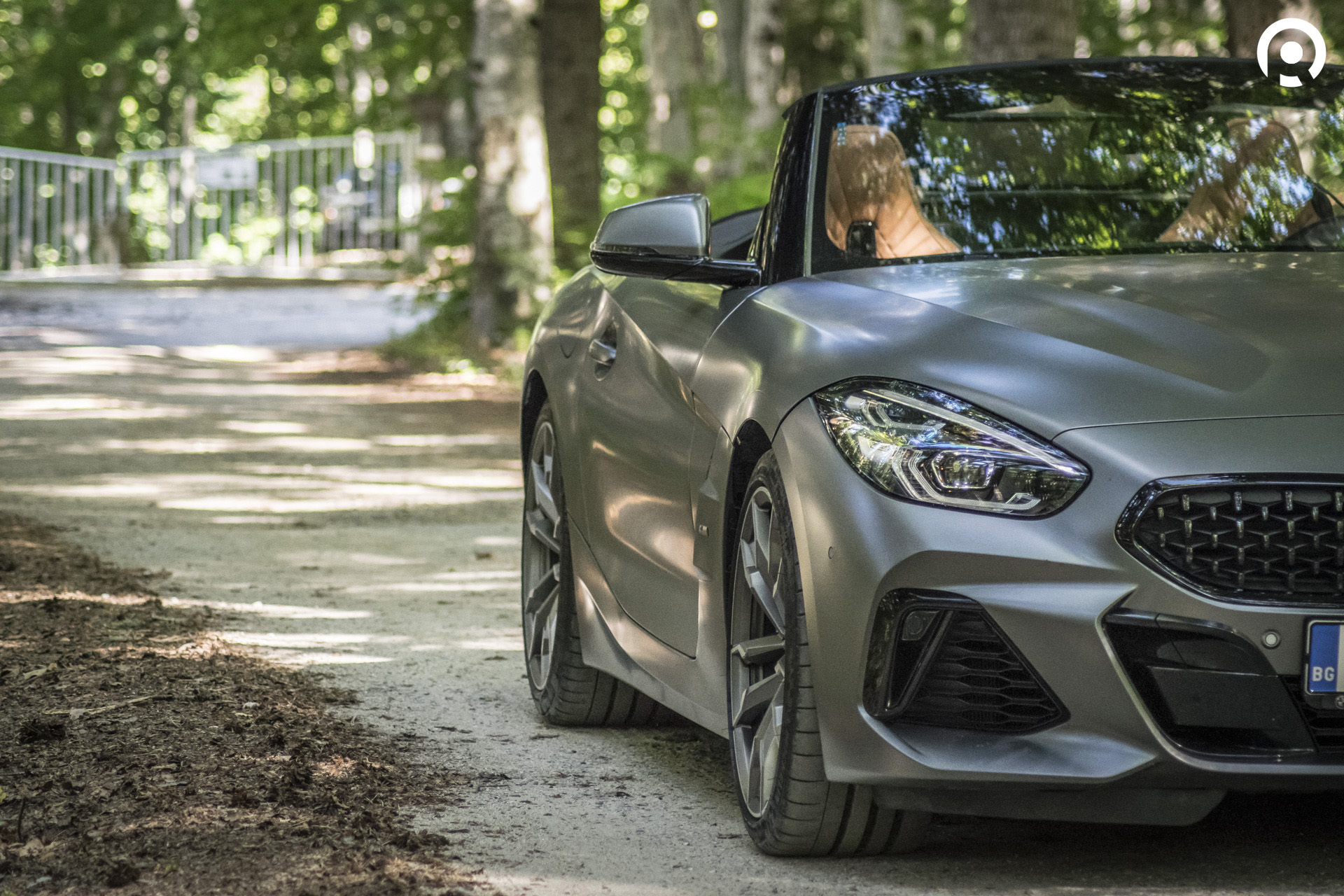
The connection between driver, car, and road remains the essence of the roadster. Despite a shrinking market dominated by SUVs, there are still interesting options out there. Today, we’re looking at BMW’s take on the formula – the Z4.
Design
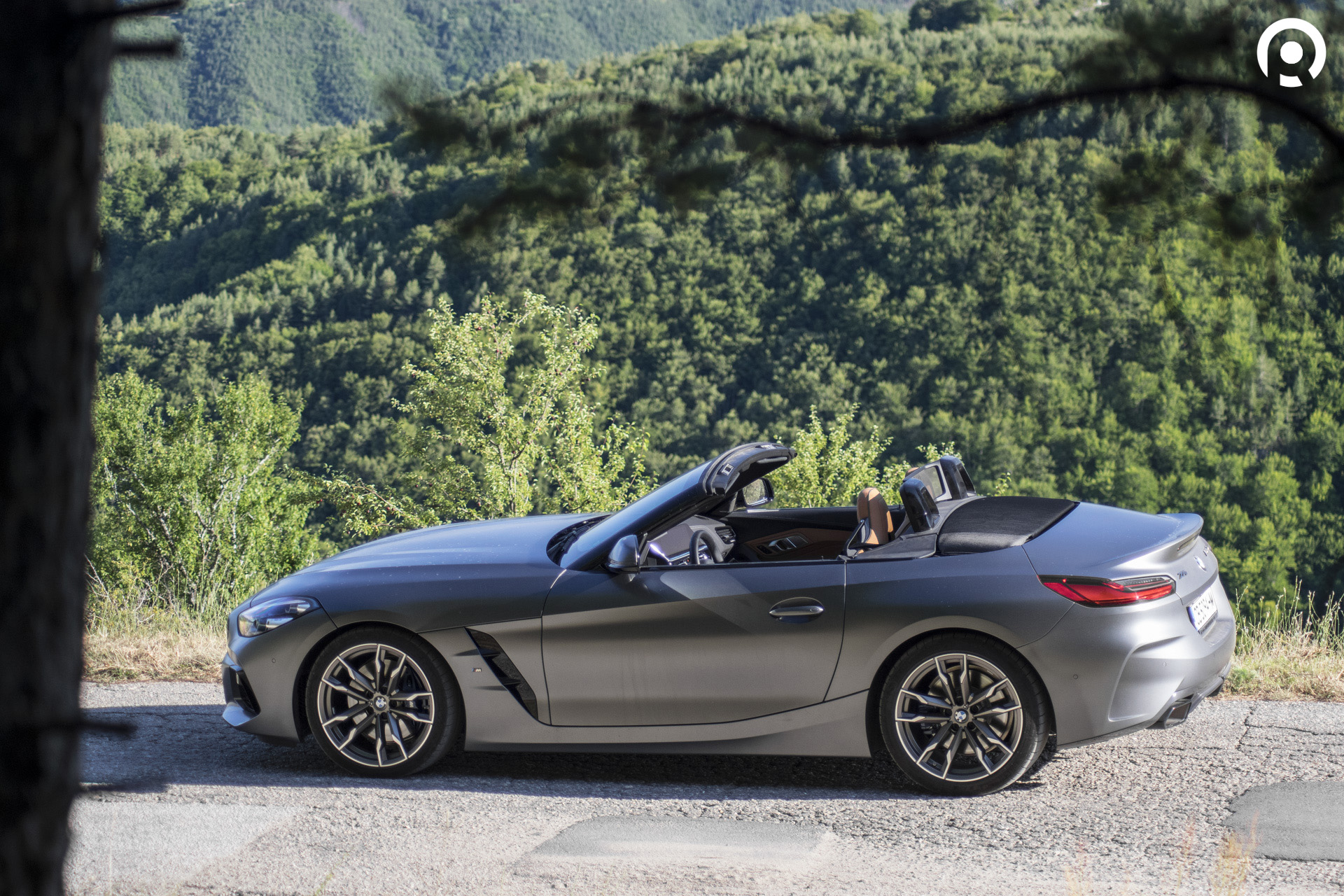
The BMW Z4 is a classic compact roadster. The recipe is well known: a long bonnet housing an inline-six engine, a rear-set cabin with low seating, a short rear end, and rear-wheel drive. These proportions have remained largely unchanged since the Z3 in 1995 – because they simply work.
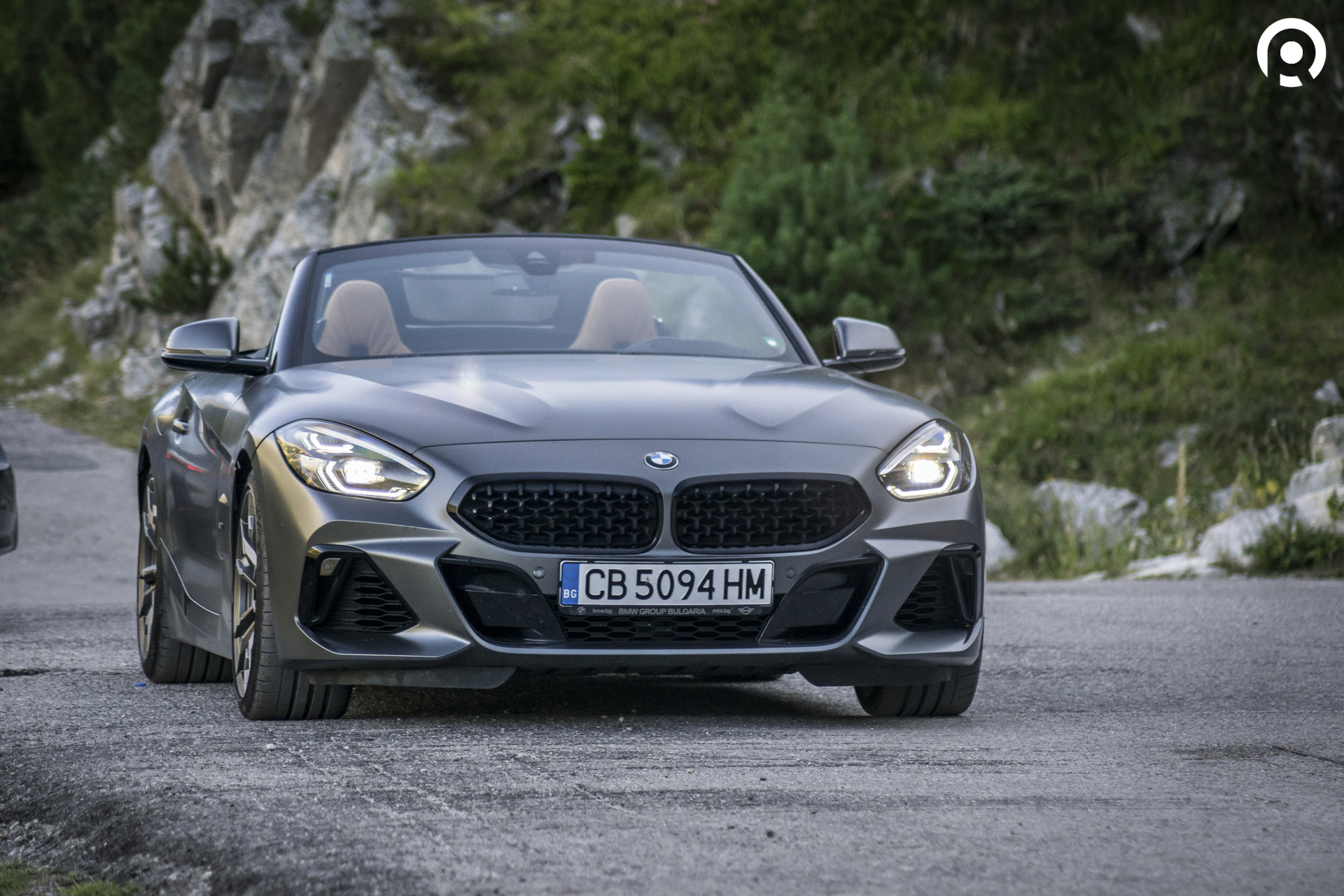
The differences lie in the details. Compared to the Z3 and the first two generations of Z4, the new model puts aggression front and centre – especially in the M40i version I drove. Sporty bumpers, large air intakes, oversized kidney grilles, an integrated rear spoiler, and a diffuser – everything signals performance.
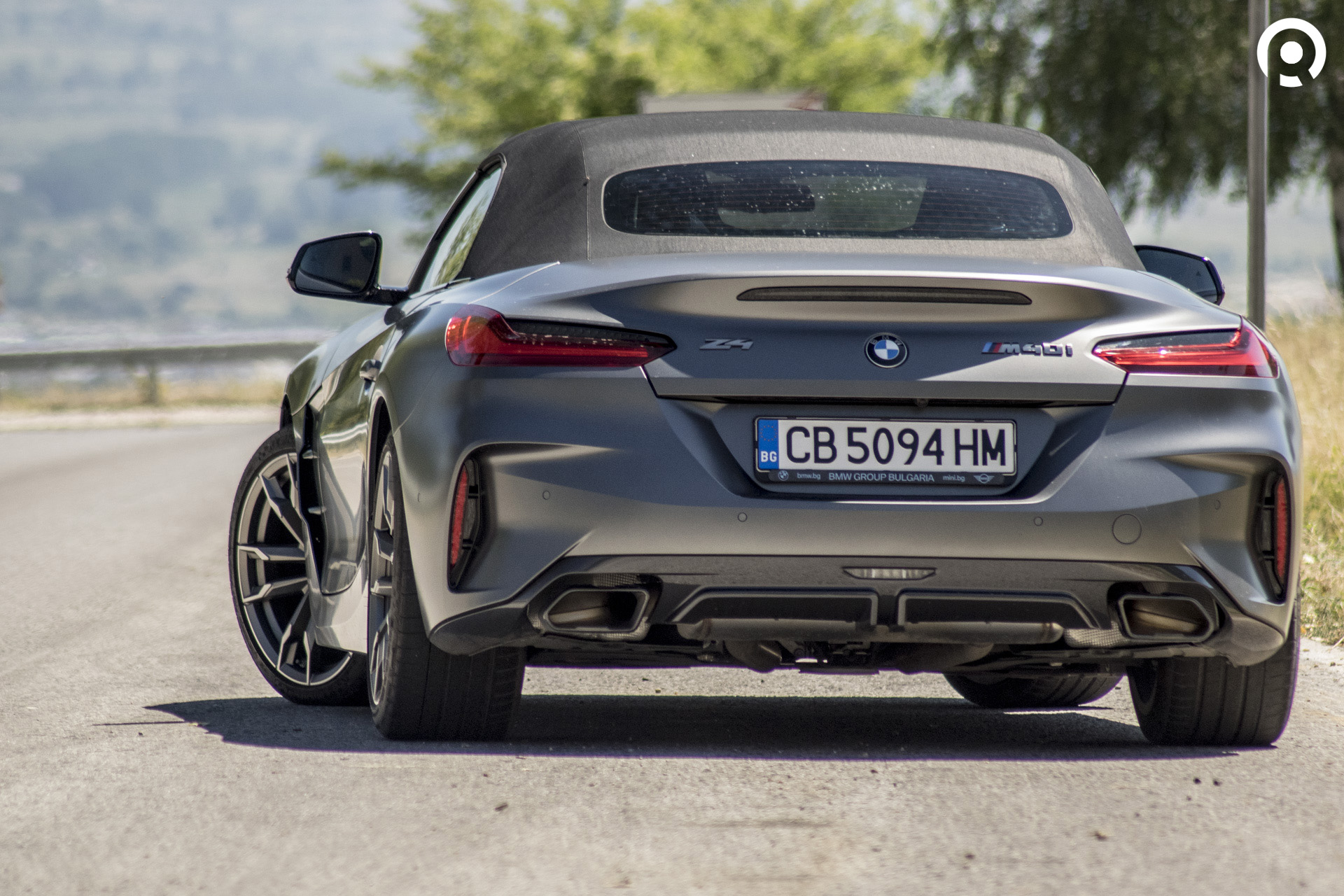
I genuinely like the design of the Z4, regardless of whether it’s equipped with the M package or not. While many of BMW’s mainstream models don’t particularly appeal to me visually, the Z4 has a charm and character that make me look back at it every time I walk away.
And yes – the soft top is back. As it should be. A true roadster needs a fabric roof. The only acceptable exception remains the Mercedes SL.
Interior
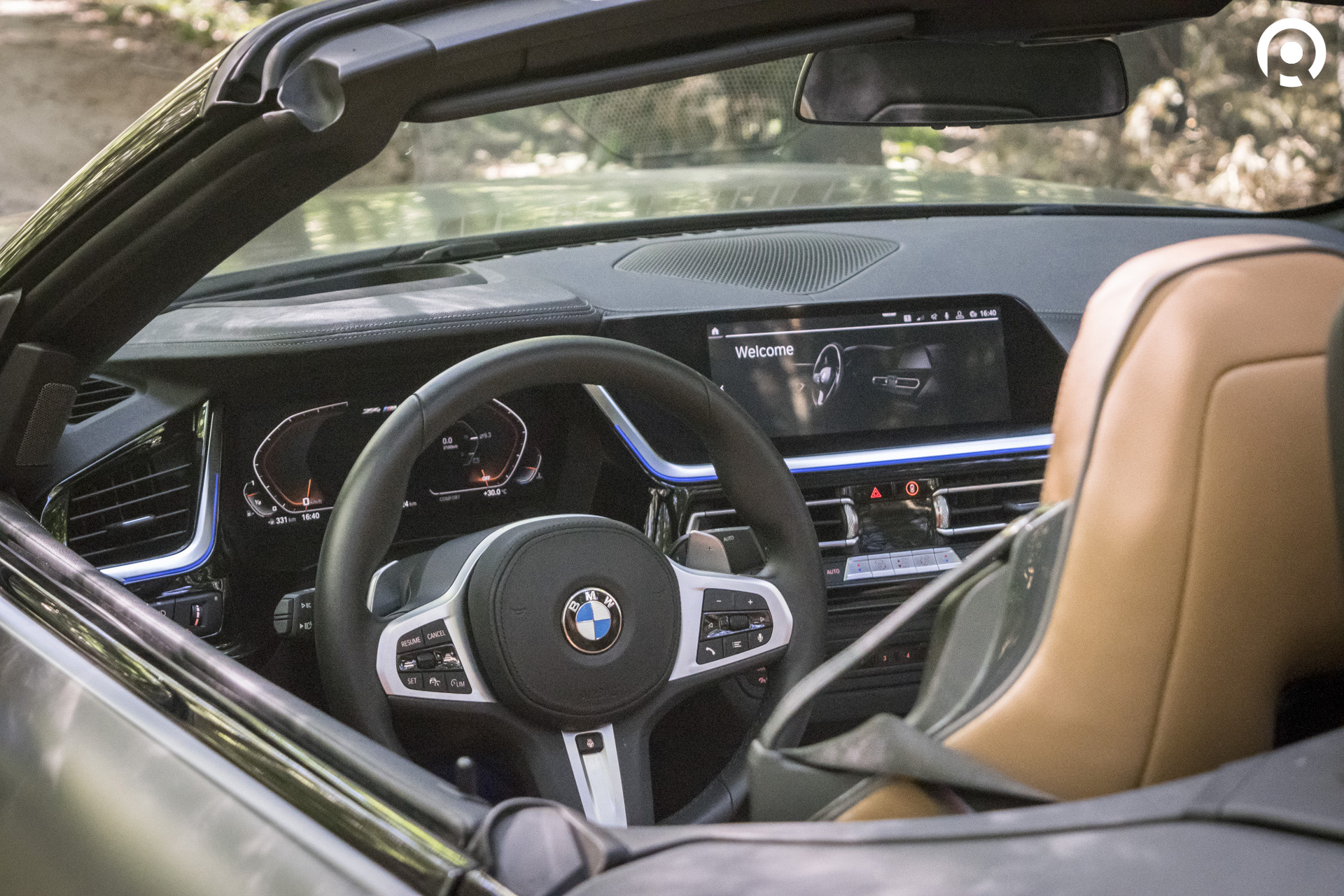
The interior is… German. Which means it’s pleasant, well-built, and ergonomic – but not particularly exciting. It’s a step forward compared to the previous generation, yet nothing truly stands out from a design perspective.
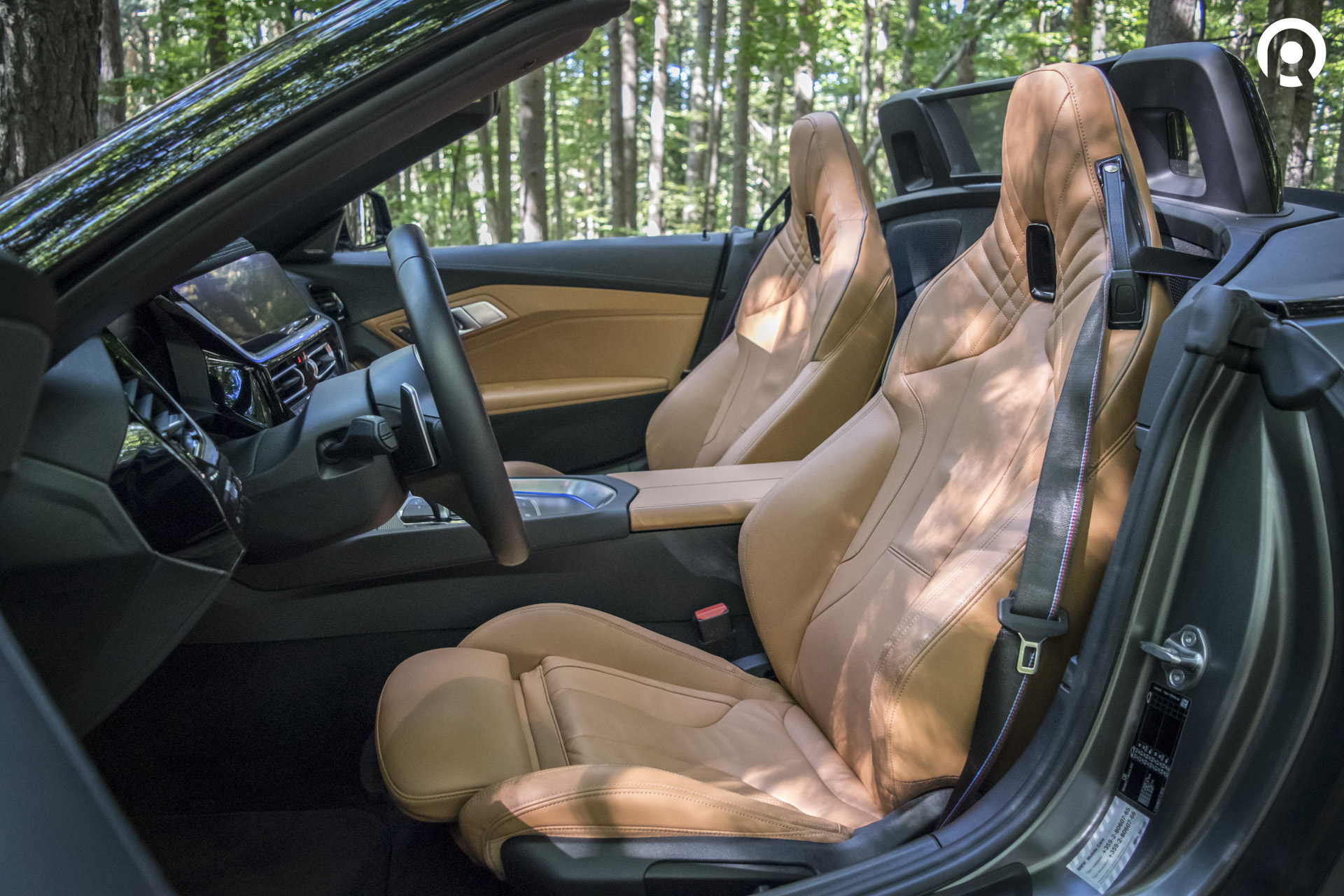
Space is limited, as expected. The seats don’t recline much, but there are other compromises. For example, you either rest your arm on the central armrest (but give up your drink), or you use the cupholders (but lose the armrest). Yes, the cupholders are inside the armrest, which also eliminates storage space there. BMW has tried to mitigate this by allowing part of the lid to close, so the driver can still rest an arm – the passenger, apparently, is less important.
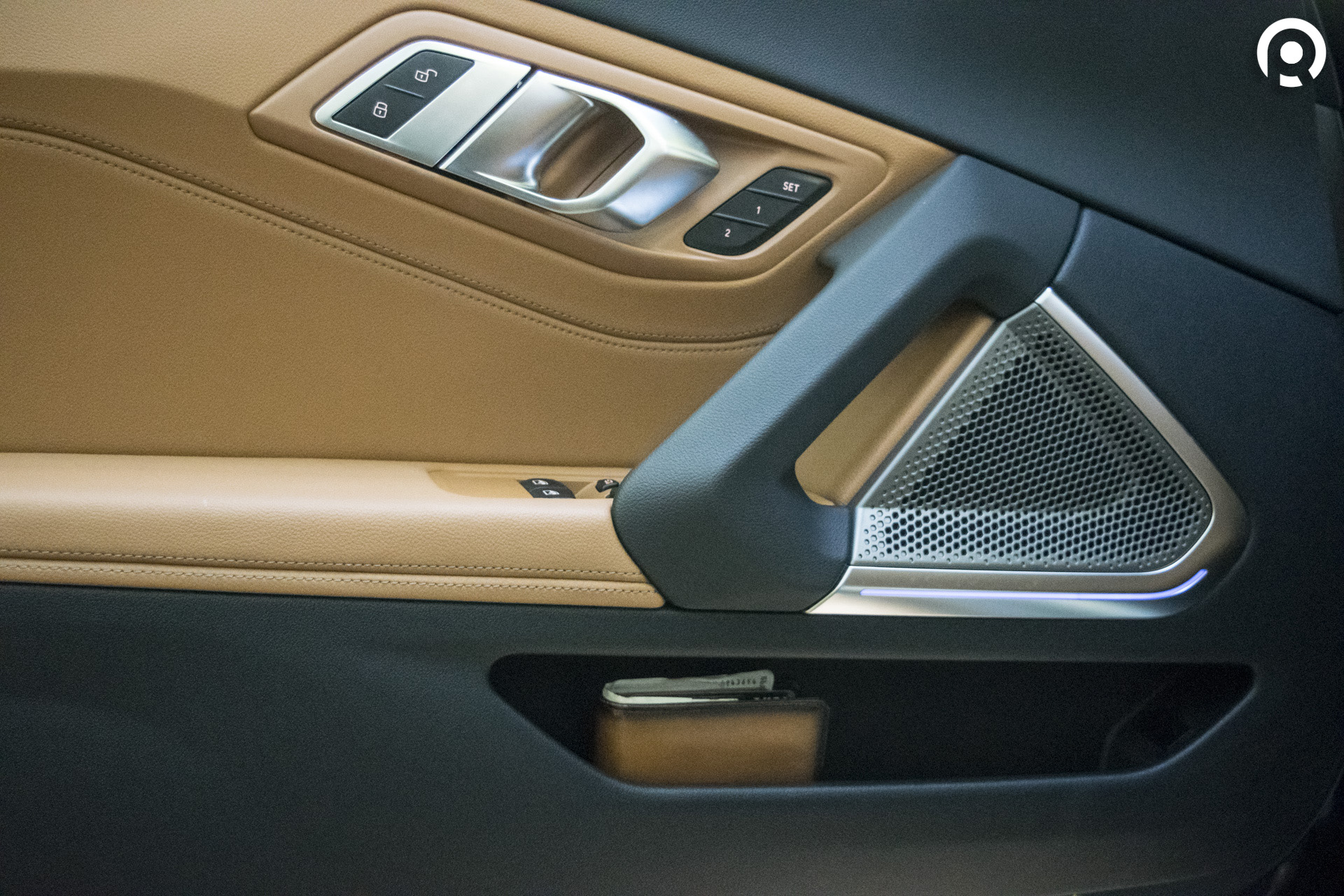
Door pockets are minimal – more like narrow slots than proper storage.
Still, there are practical touches. A storage net behind the seats is useful, and there’s a pass-through from the boot, allowing you to carry items like skis – for those brave enough to use a Z4 all year round.
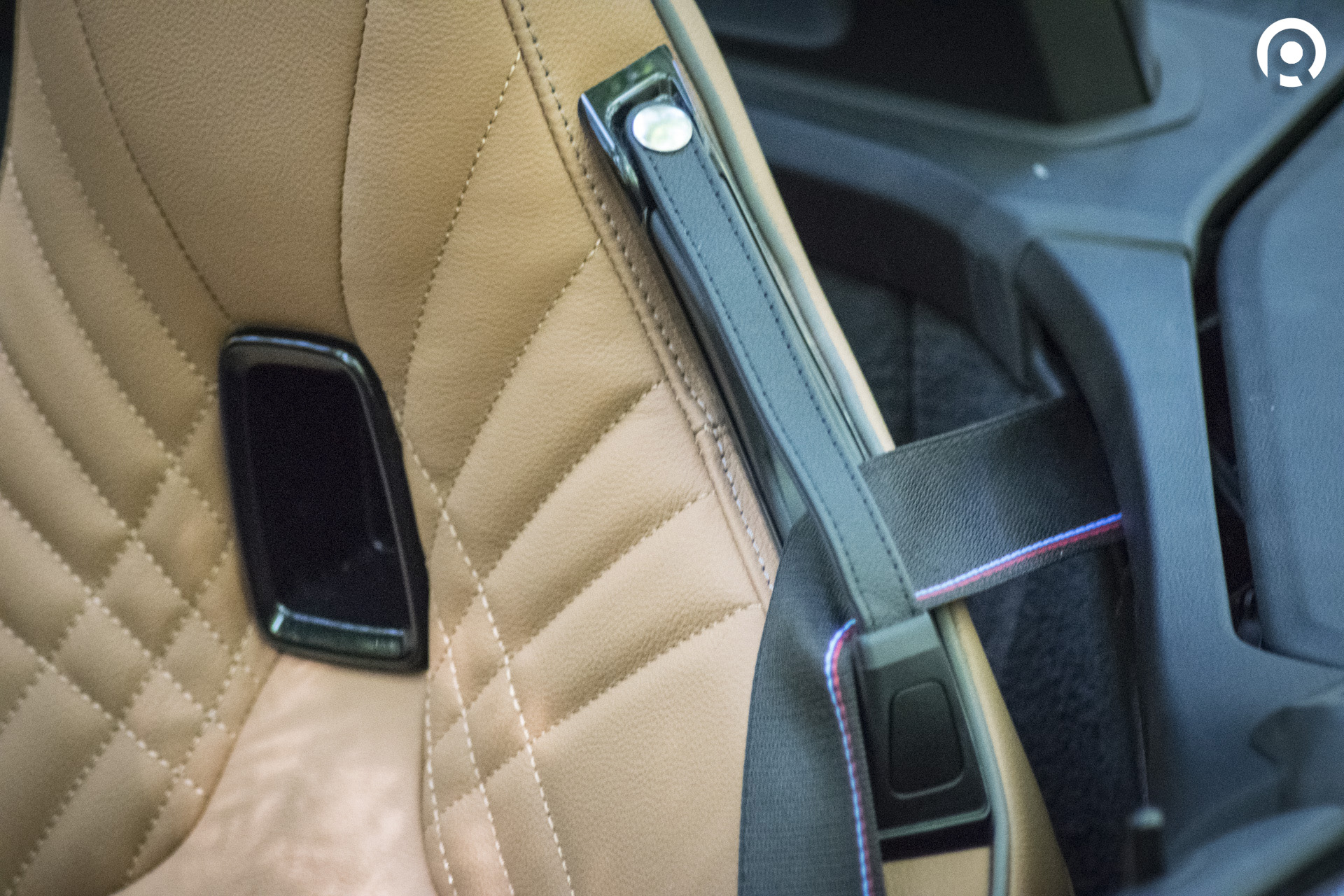
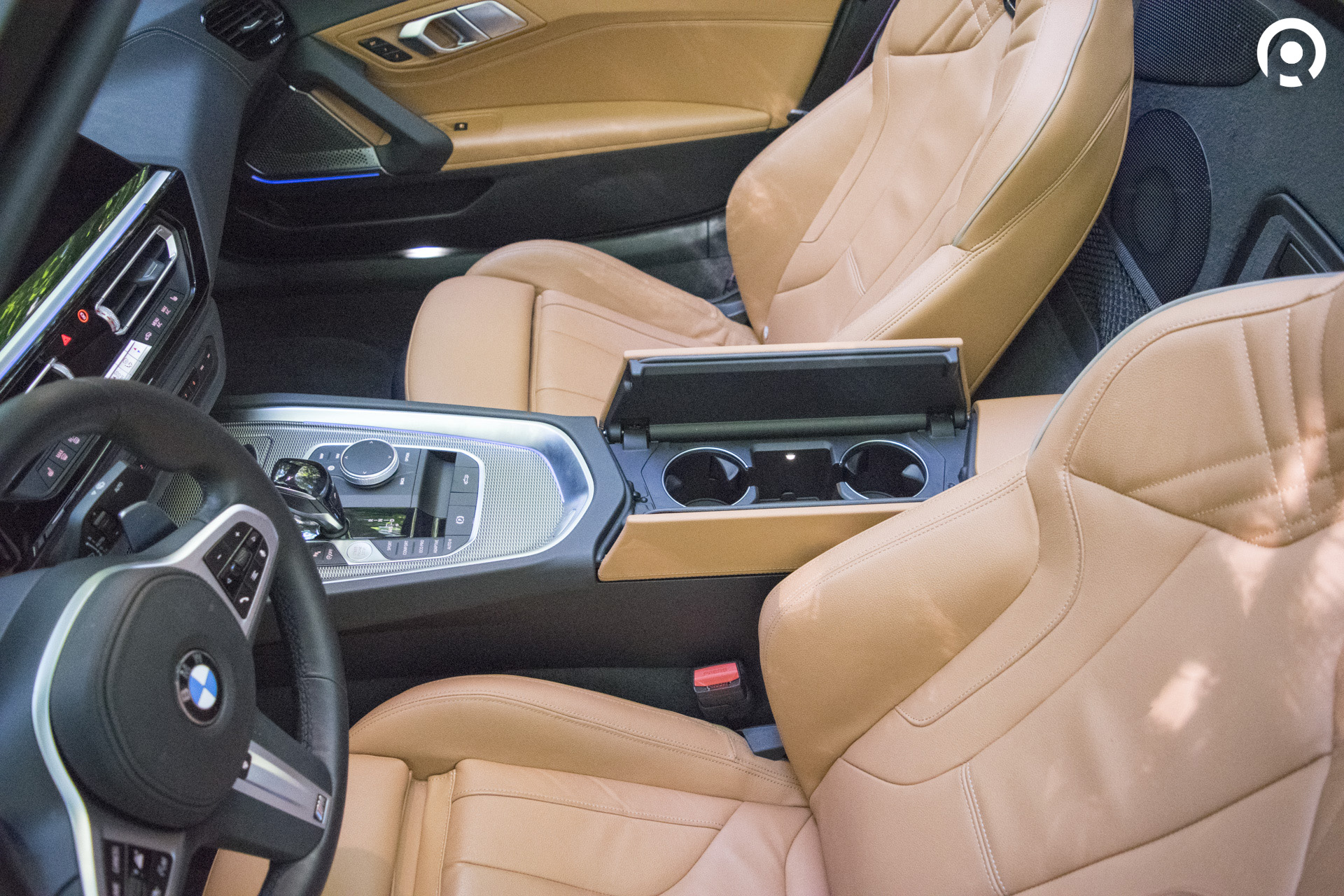
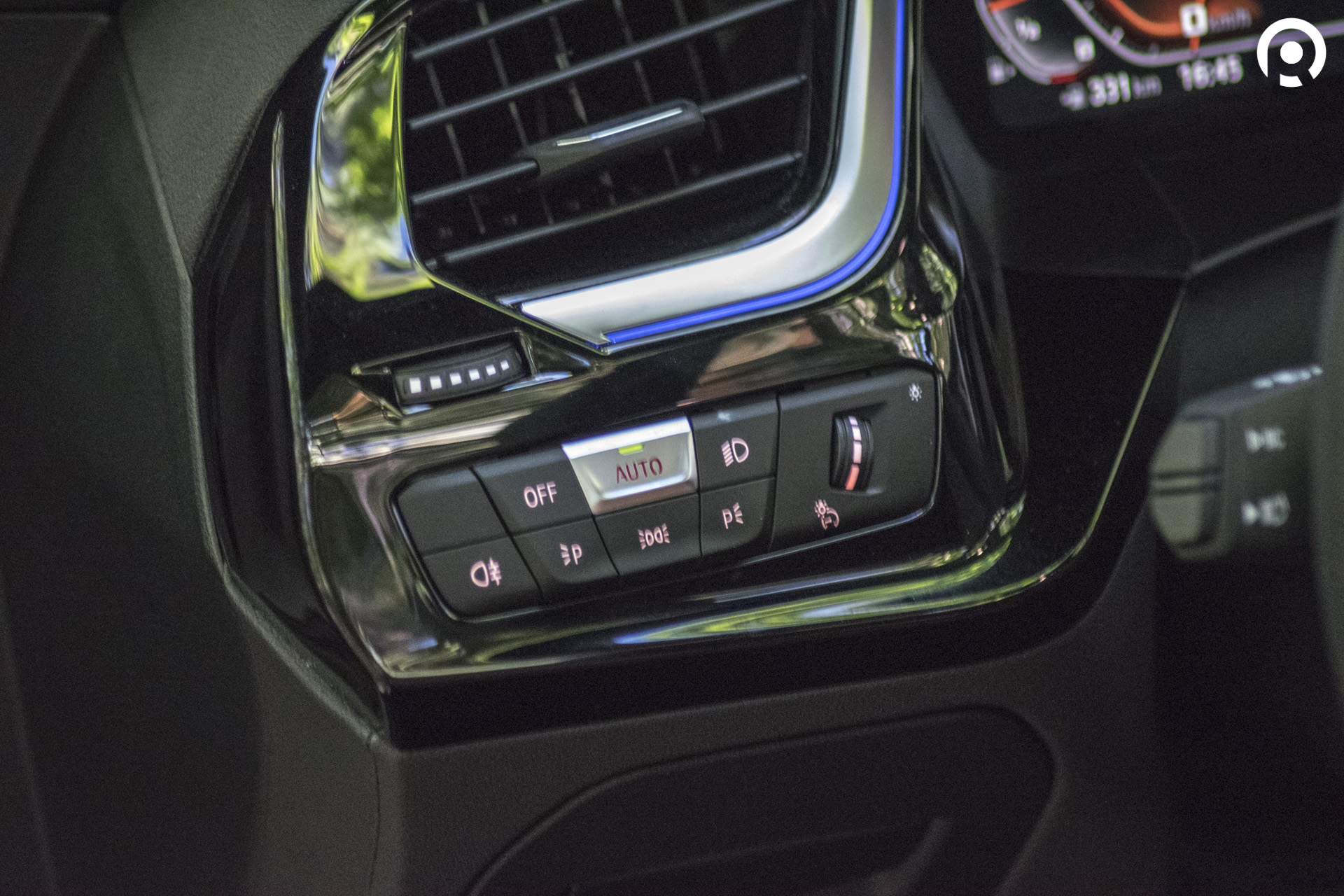
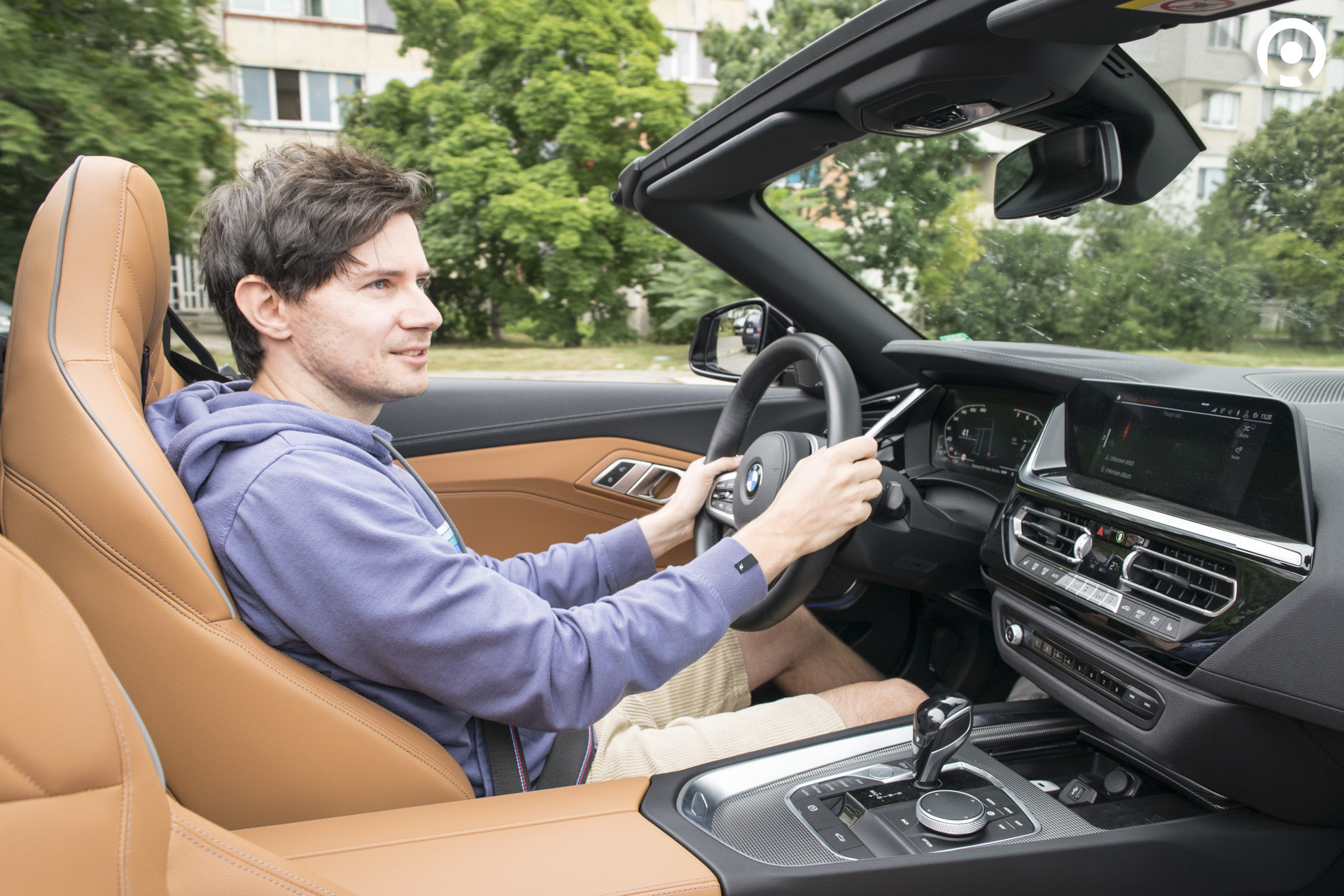
Material quality is as expected – high. Soft-touch surfaces, stitched dashboard (eco leather), aluminium trim, and excellent seats (finished here in “cognac” leather). The only disappointment is the A-pillar trim, which feels cheap and out of place.
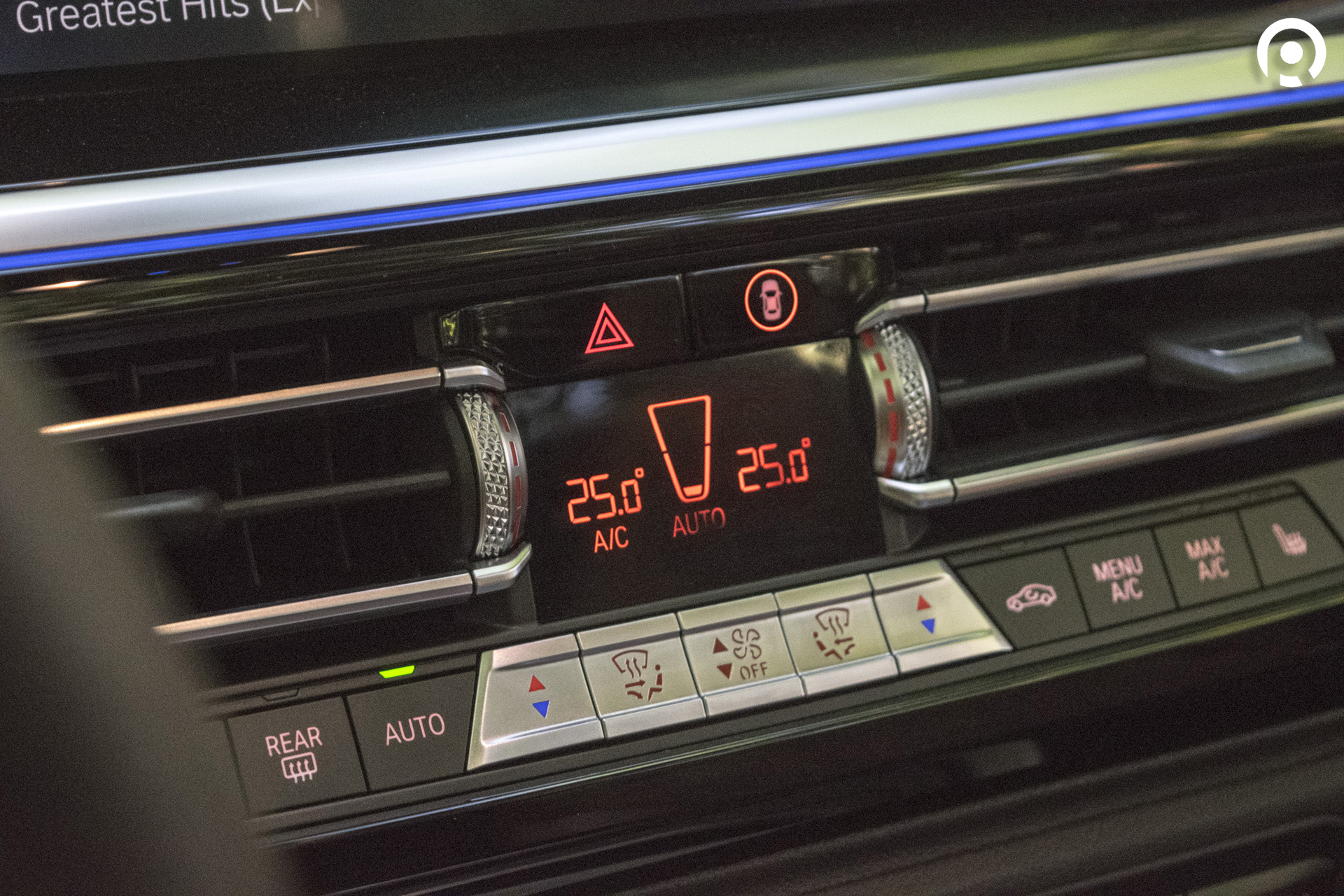
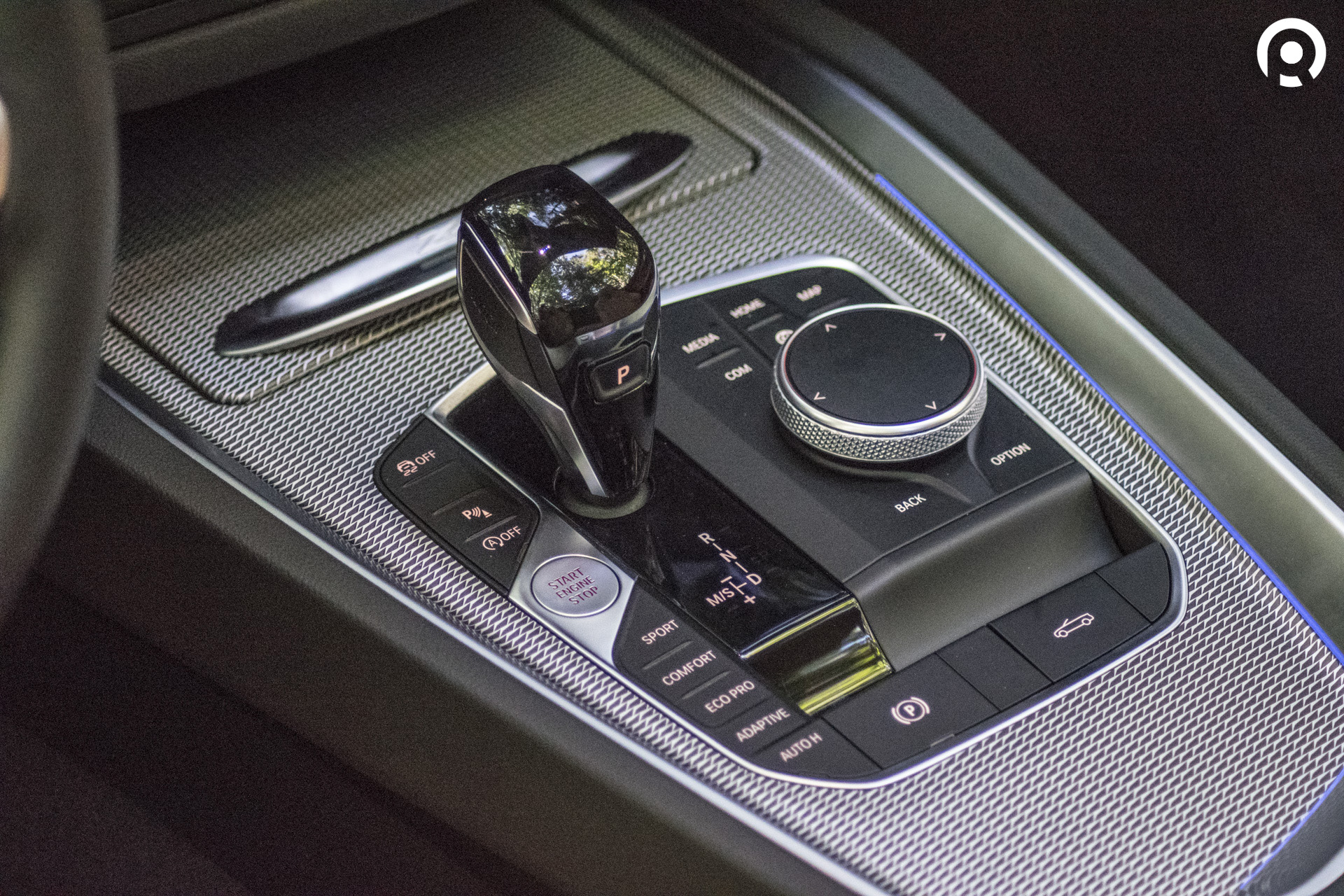
One thing I really like is the infotainment system and digital cluster. Both displays are perfectly sized – not oversized, as is the current trend – with excellent graphics and visibility, even with the roof down.
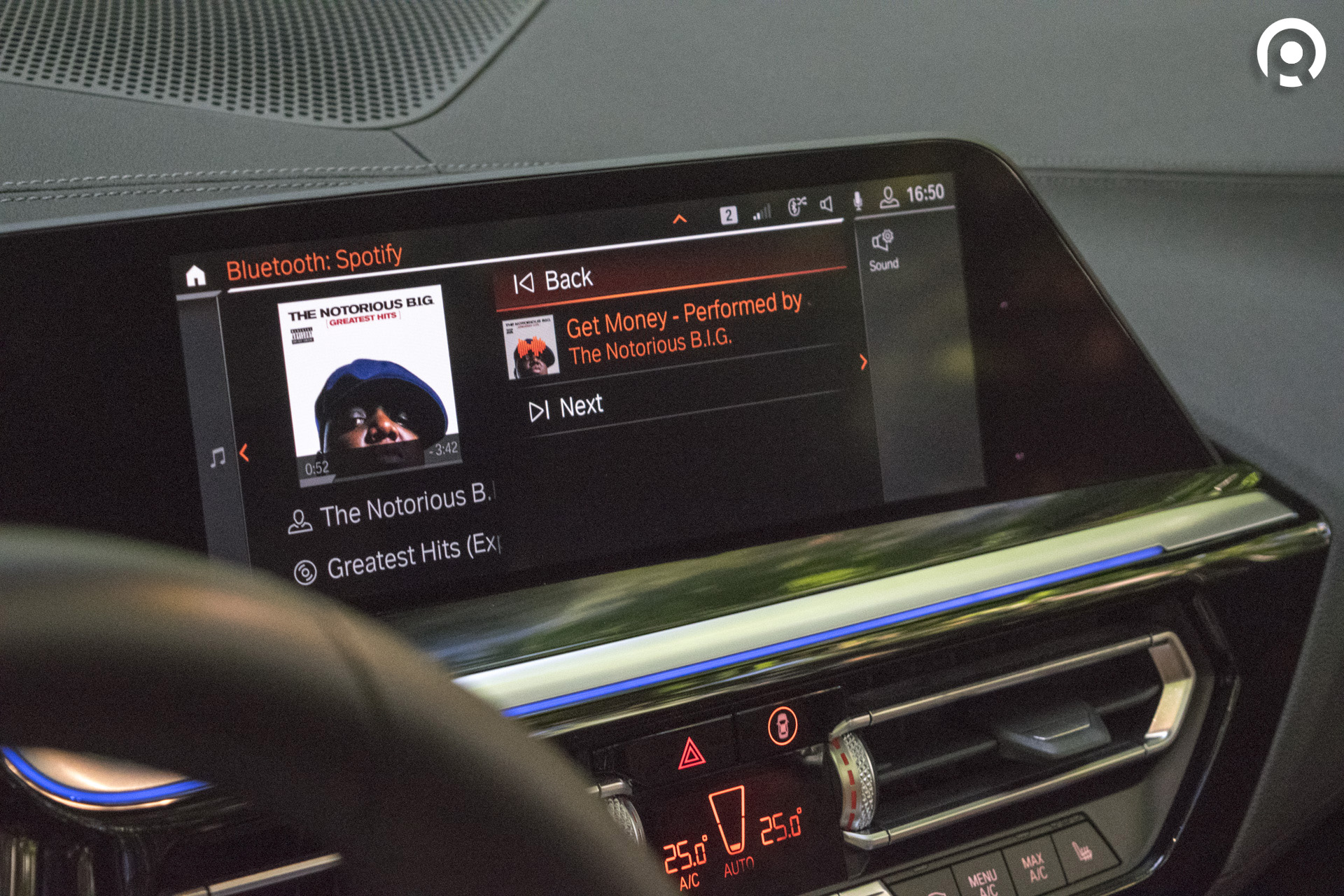
The infotainment is also easy to use. You can rely on the touchscreen, voice commands, or the rotary controller with a touch surface – a system that remains one of the best in the industry.
On the road
The engine! There’s no better place to start. While even Porsche has moved to fewer cylinders in this segment, BMW sticks to a proper inline-six.
It’s a 3.0-litre unit producing 340 hp and 500 Nm. Enough for 0–100 km/h in 4.5 seconds (if you find good enough tarmac), with top speed electronically limited to 250 km/h. Combined fuel consumption is rated at 8.5 l/100 km.
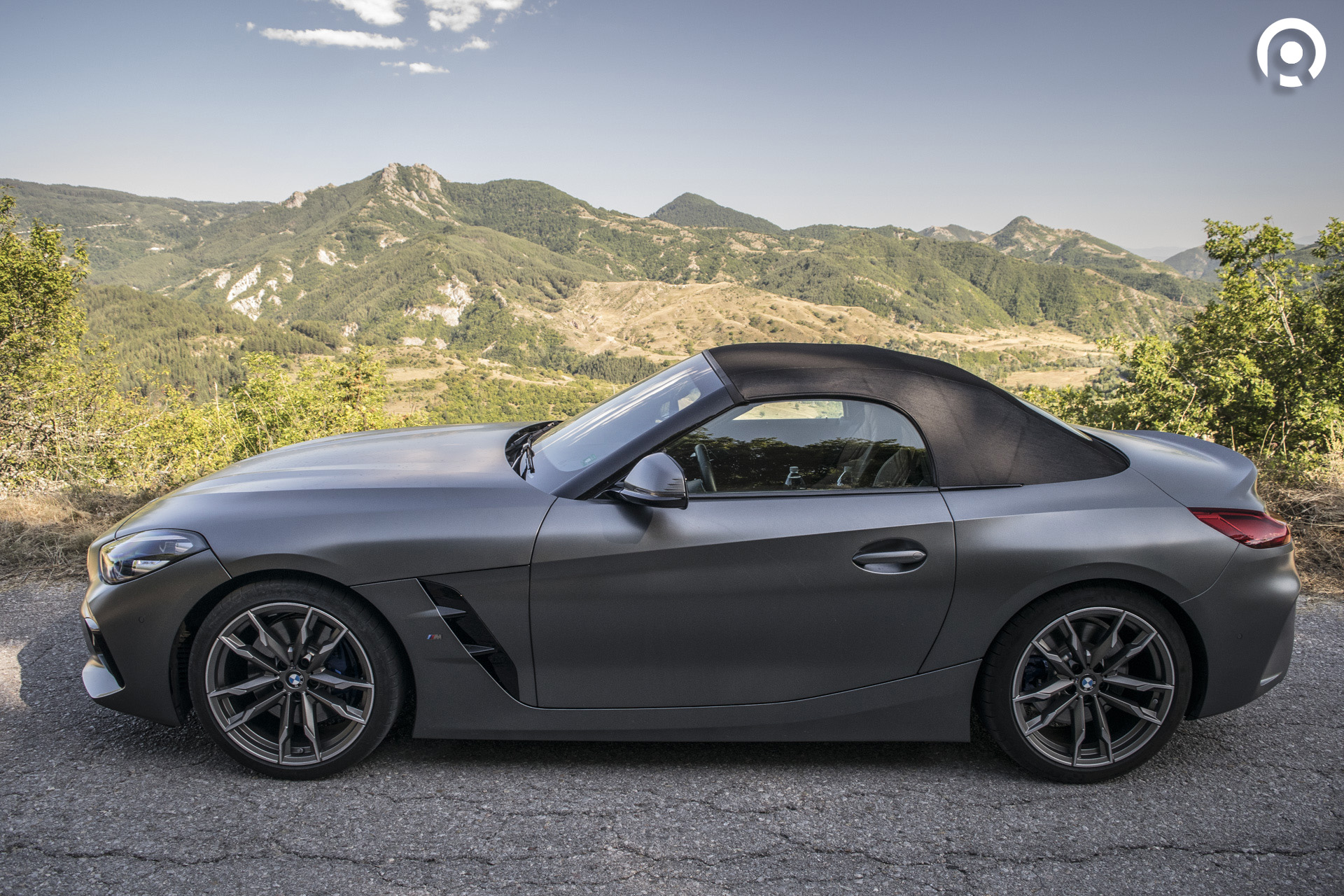
Numbers aside, what matters is how it feels. Press the start button, and the engine fires up with a sharp, energetic rev – a promising start. Driving through Sofia on a hot afternoon, I kept the roof up. The cabin feels like a compact cocoon. You sit low, visibility to the sides and rear is limited, but not uncomfortable.
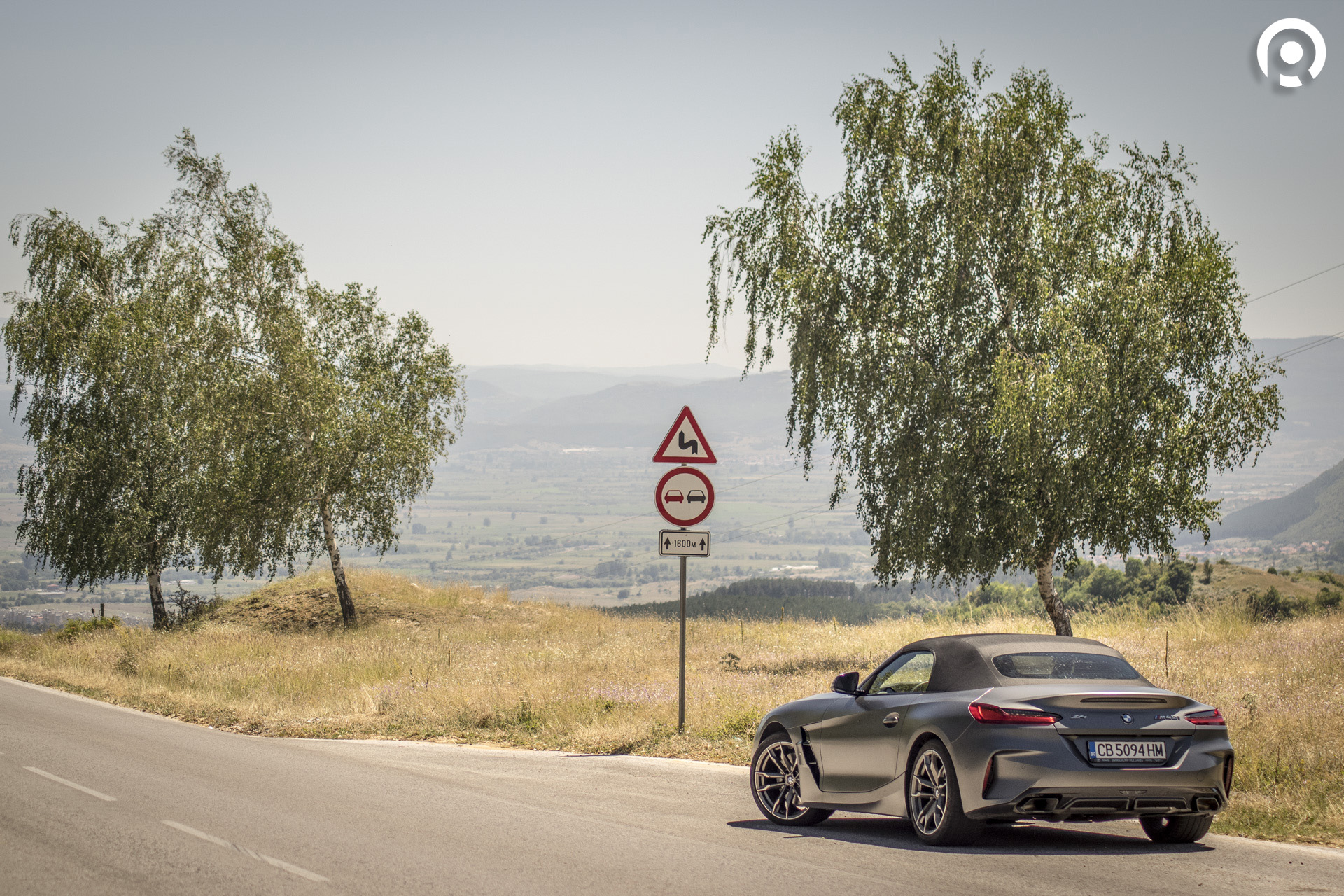
In the city, the Z4 is surprisingly civilised. The engine is smooth, start-stop operation is barely noticeable, throttle response in Eco mode is gentle, and the eight-speed automatic works seamlessly. Noise insulation at low speeds is very good – aside from the pleasant burble from the exhaust. Fuel consumption? Around 9.2 l/100 km – reasonable for 340 hp.
There are noticeable wind turbulences around the mirrors and A-pillars, as well as from the roof seals behind you. Nothing dramatic, but not ideal if you’re chasing silence.
Another annoyance is the adaptive cruise control. Even at the shortest following distance, the car brakes too early when approaching slower traffic. I’d honestly prefer a standard cruise control setup.
The real destination, however, was the Pirin mountains.
Roof down. One button. Ten seconds.
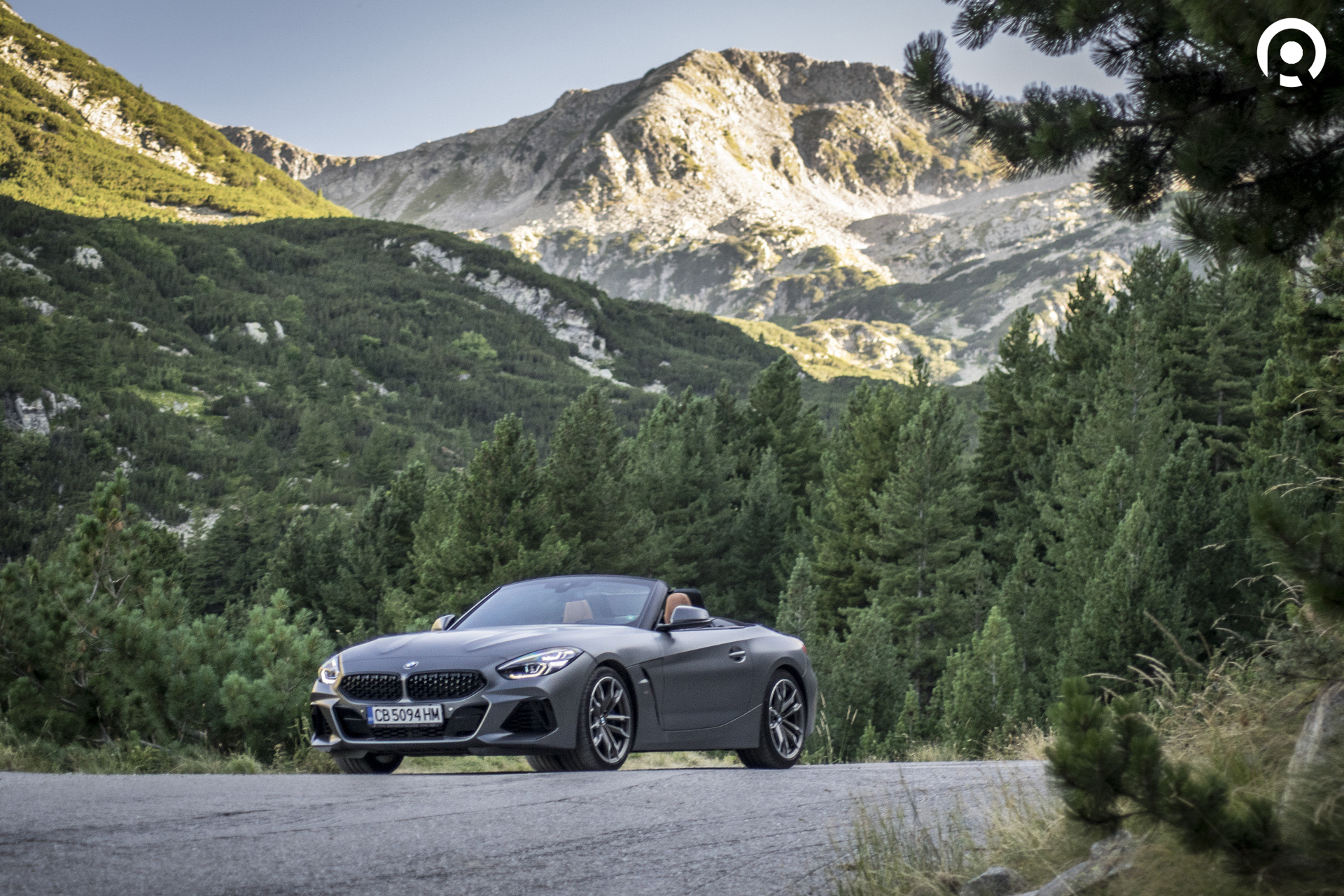
Throttle down – the rear steps out slightly, the tyres struggle for grip, and accompanied by the addictive engine note, the Z4 launches forward. I’m not pushing hard – just playing. That’s where the car feels best.
Steering is nicely weighted and quick, overtaking is effortless, and with the roof down, the experience is immersive. With the windows up and a wind deflector (optional, but essential), cabin turbulence is manageable.
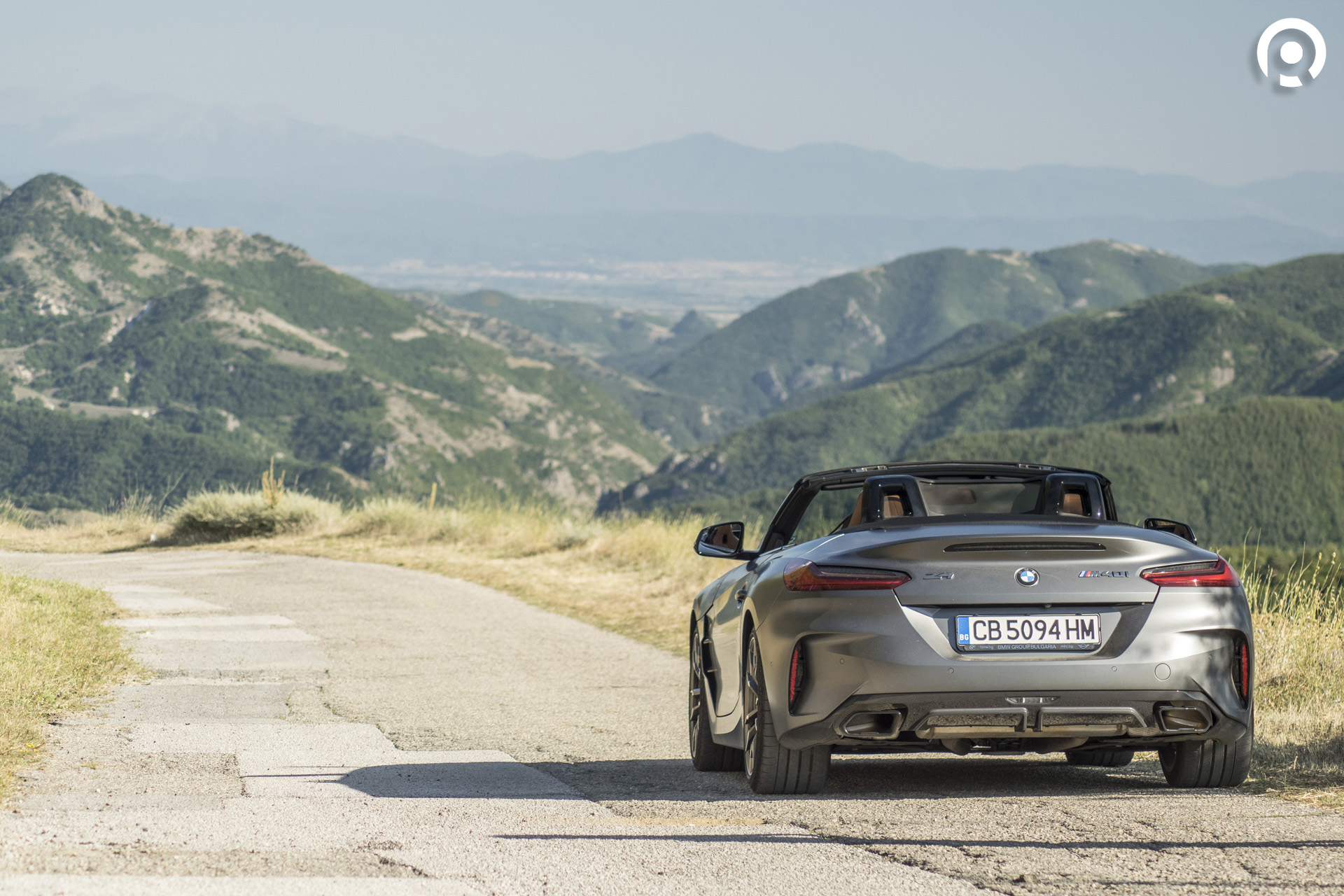
The Z4 also works well for relaxed cruising. Between Bansko and Gotse Delchev, I switched to Comfort mode, connected Apple CarPlay, and let the optional Harman Kardon system play. The ride isn’t particularly soft – the suspension remains firm – but it’s acceptable. The surprise came from fuel consumption: just 6.5 l/100 km. Efficiency and enjoyment combined.
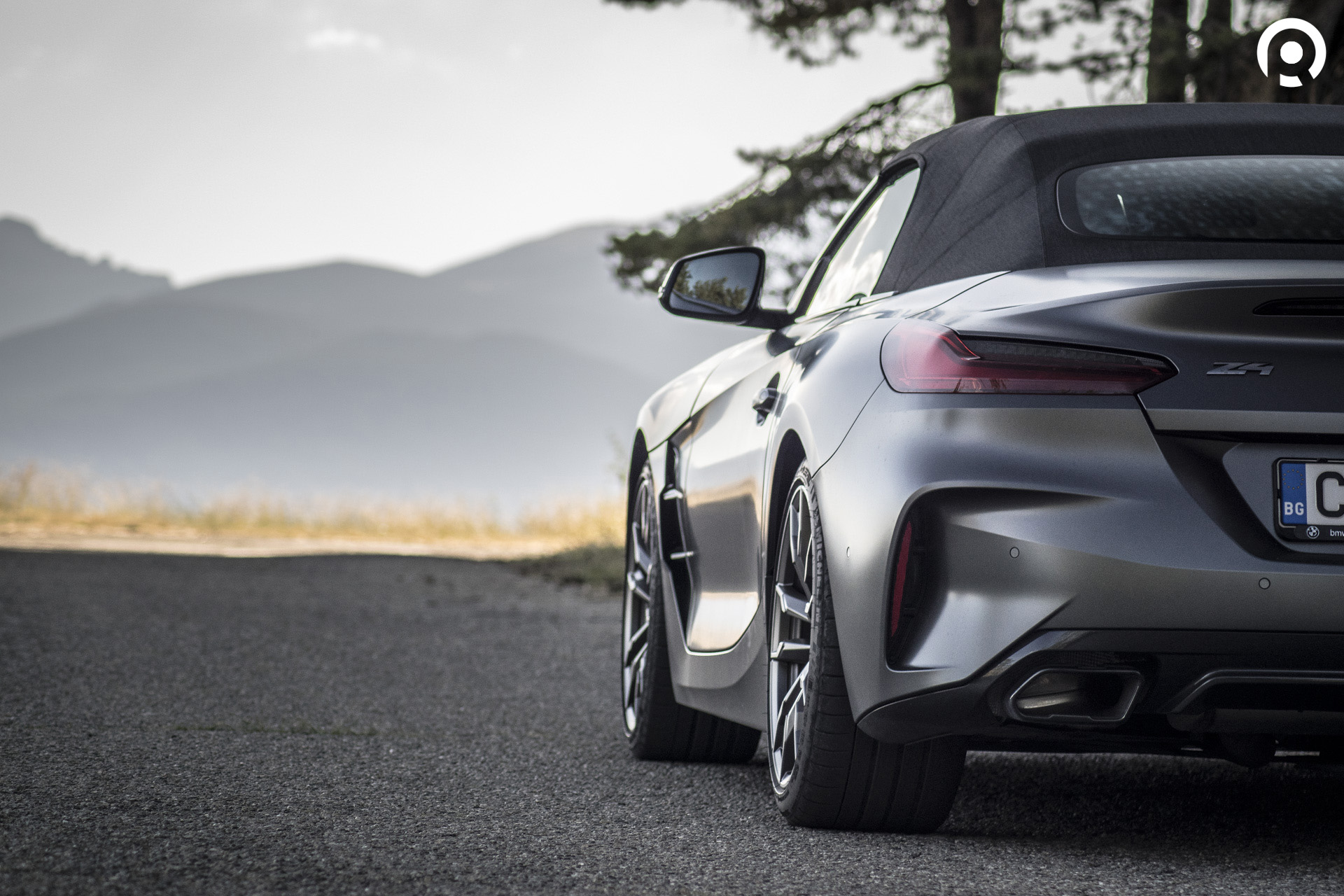
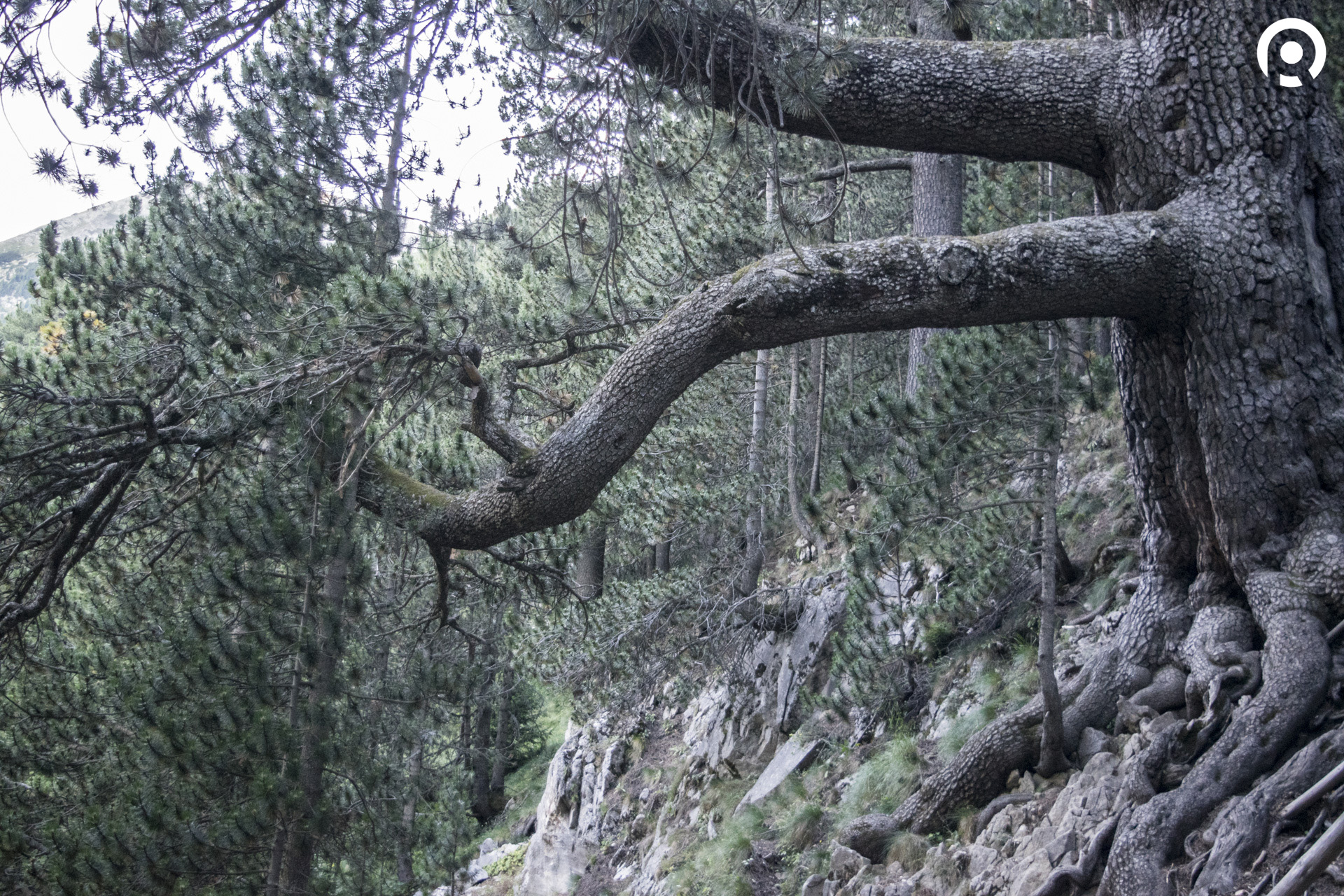
The next day, I explored the winding roads around the Mesta valley. In Sport+, the car becomes razor-sharp – instant throttle response, eager engine, and no noticeable turbo lag. Steering is precise, and the car feels planted – unless you provoke it with the throttle.
Still, for me, this level of sharpness is almost unnecessary. I prefer the standard mode, where the Z4 feels more natural, playful, and enjoyable.
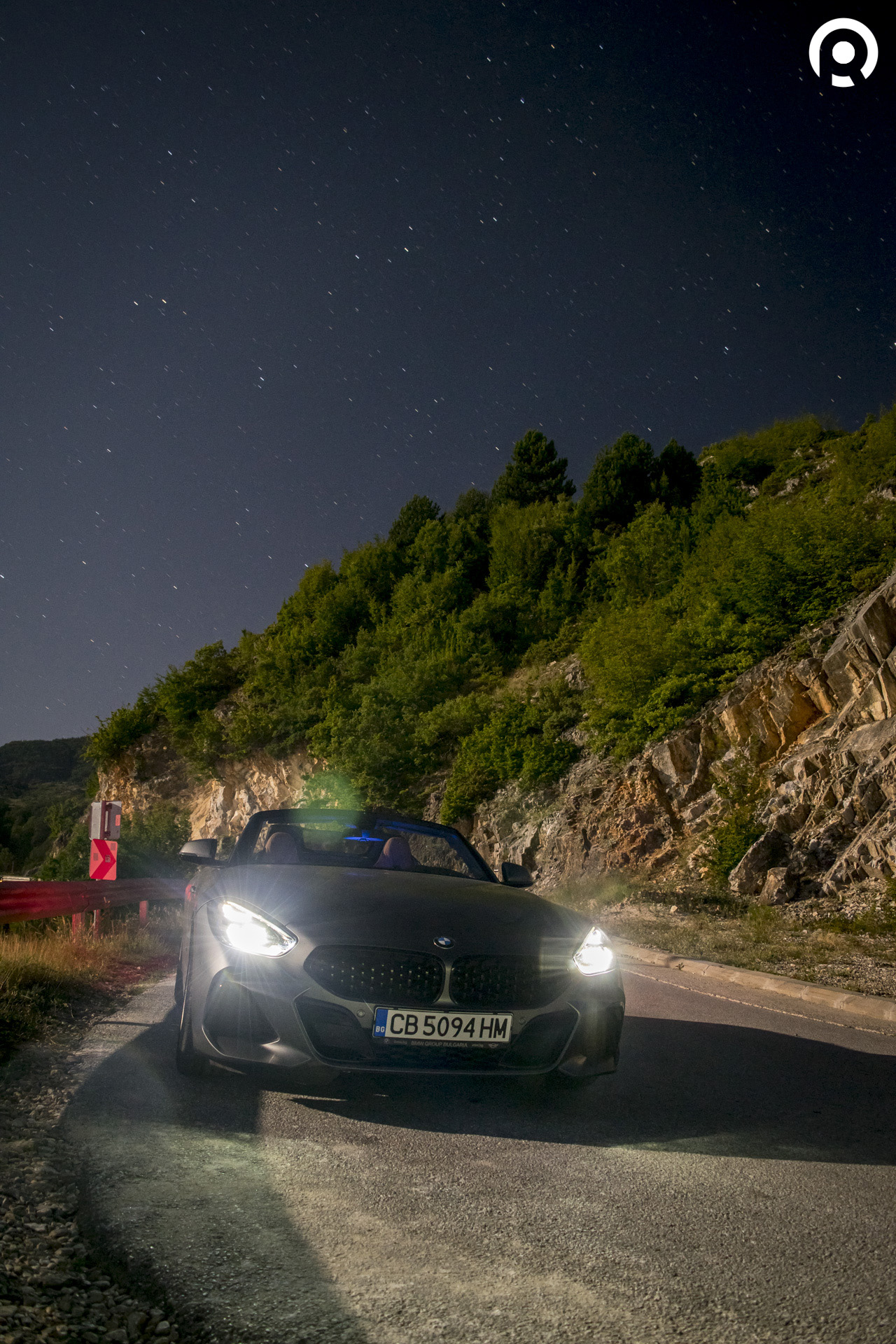
Driving back to Sofia at night revealed another issue – the optional adaptive LED headlights (around €1,200) aren’t always accurate, and I was flashed by other drivers more than once. The standard LED setup with high-beam assist is likely the better choice.
Conclusion
With its eye-catching design, engaging driving dynamics, and outstanding engine and gearbox, the Z4 is a true driver’s car.
In M40i form, I’d go as far as to say it could become a future classic. The engine is phenomenal, and there’s a real possibility this could be the last inline-six in a BMW roadster.
While the M40i is expensive (starting at around €62,800, or €79,600 for the test car), the entry-level 20i with a manual gearbox – which would suit the car very well – starts at around €42,000. Considering the driving experience it offers, that’s a compelling proposition.
The BMW Z4 proves that the classic roadster formula is alive and well – and still capable of making you plan drives at every opportunity.
Eng. Tsvetan Iliev

Comments are closed.