You might notice that the car in the photos—and соответственно in this test—is not the latest generation of the Audi Q3. The reason is simple: I completely missed the arrival of the second generation of the model. In fact, I only realised there was a new Q3 after I went onto Audi’s website to look up the technical specifications.
But even if there hadn’t been a new Q3, I still wouldn’t have found any specs. Audi have hidden them remarkably well—to the point where I couldn’t find anything at all. Clearly, Audi are rather shy. First, they hide the technical details of their models, and second, they don’t actually let me drive their cars. The R8 that appeared on my blog some time ago was paid for, and this test is with a friend’s car.
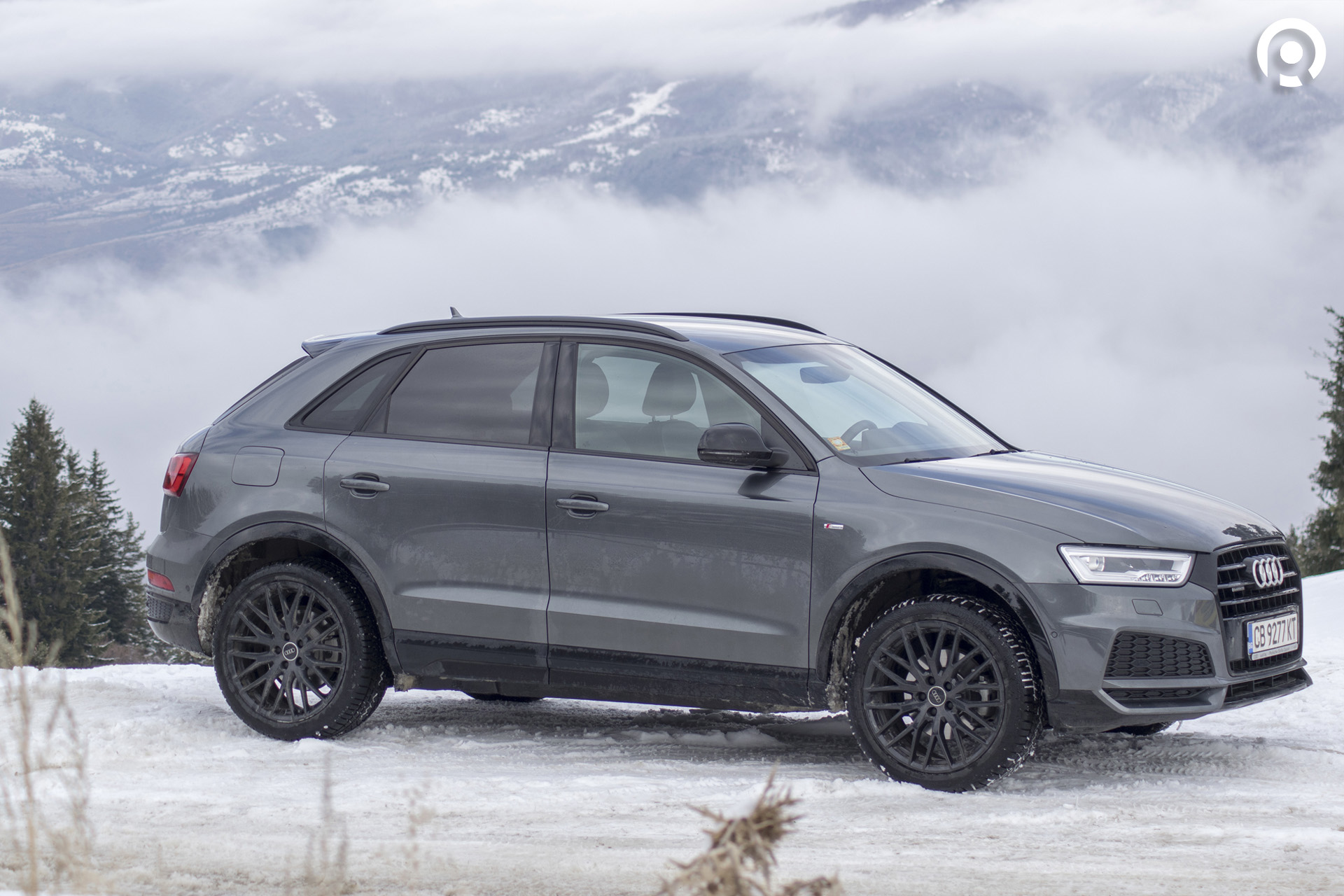
So, even though it turns out I’m testing a model that went out of production a few months ago, I decided it’s still worth sharing my impressions—and finding out whether these Audis are really so bad that the marketing strategy is simply to hide them.
Design
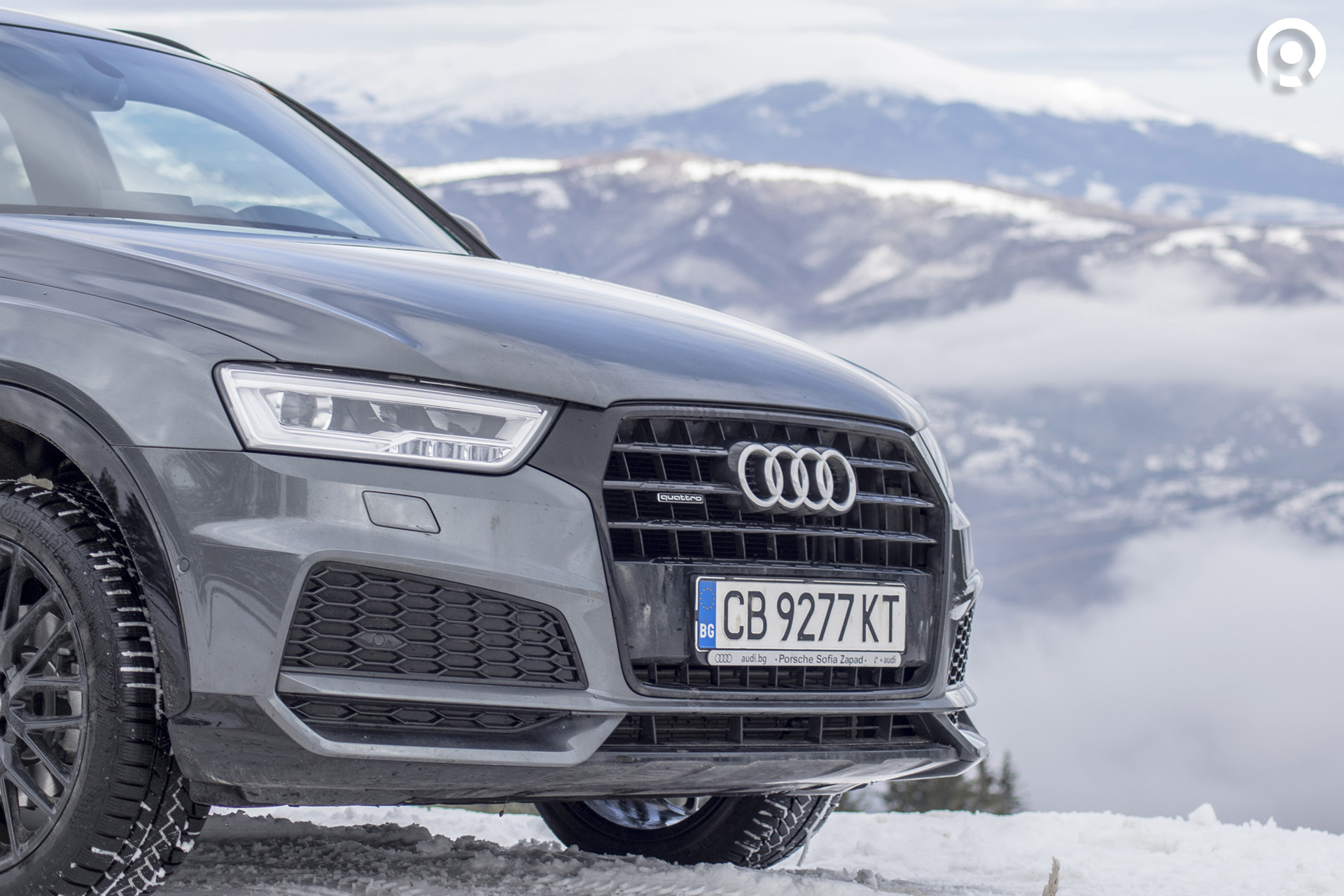
One thing is certain—Audi are not shy about their design, as their website is full of images. And I also believe that the Q3 still looks very good, despite being an eight-year-old model.
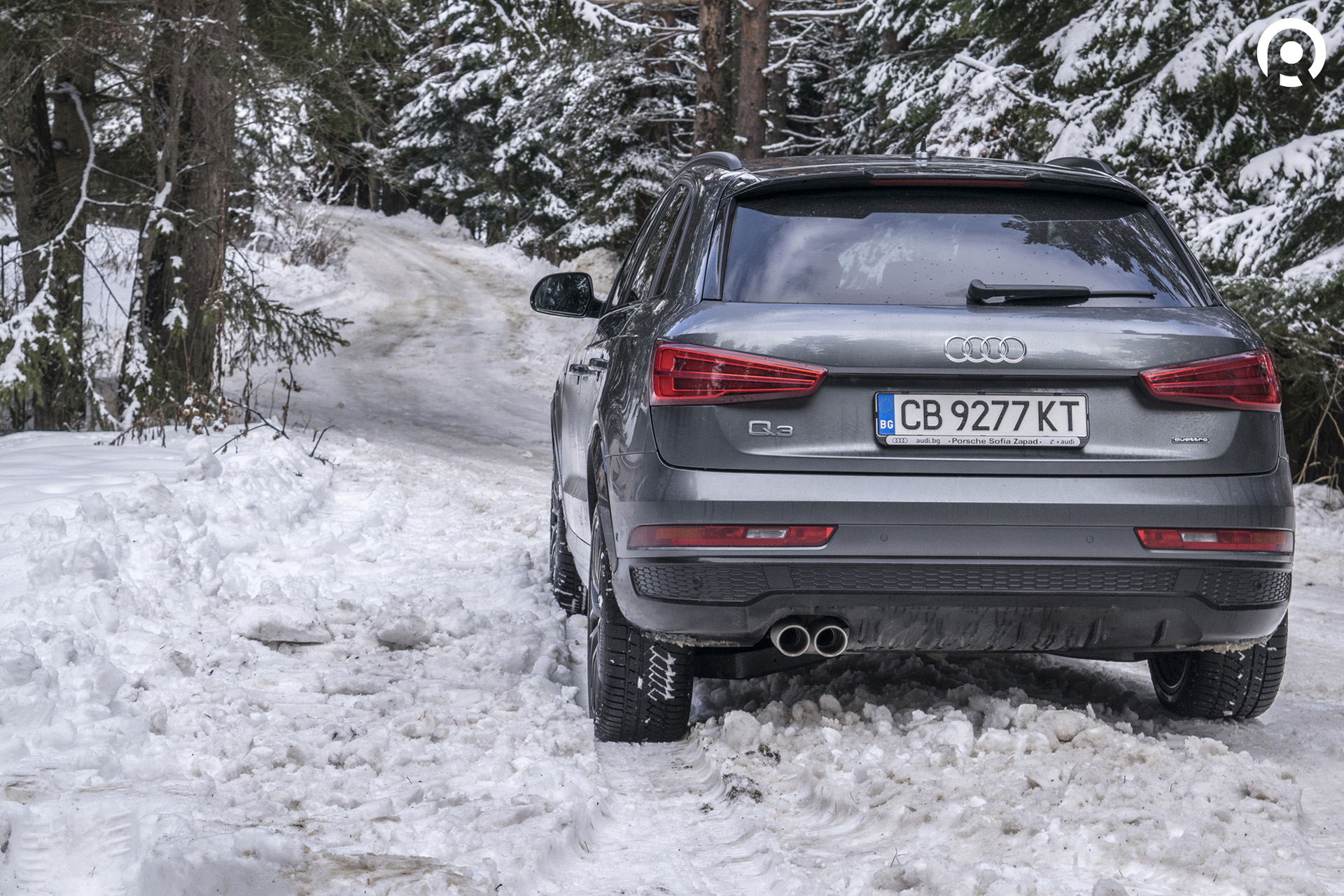
The facelifted version I drove, especially with the S line package, still looks completely up to date and, in some ways, even quite impressive.
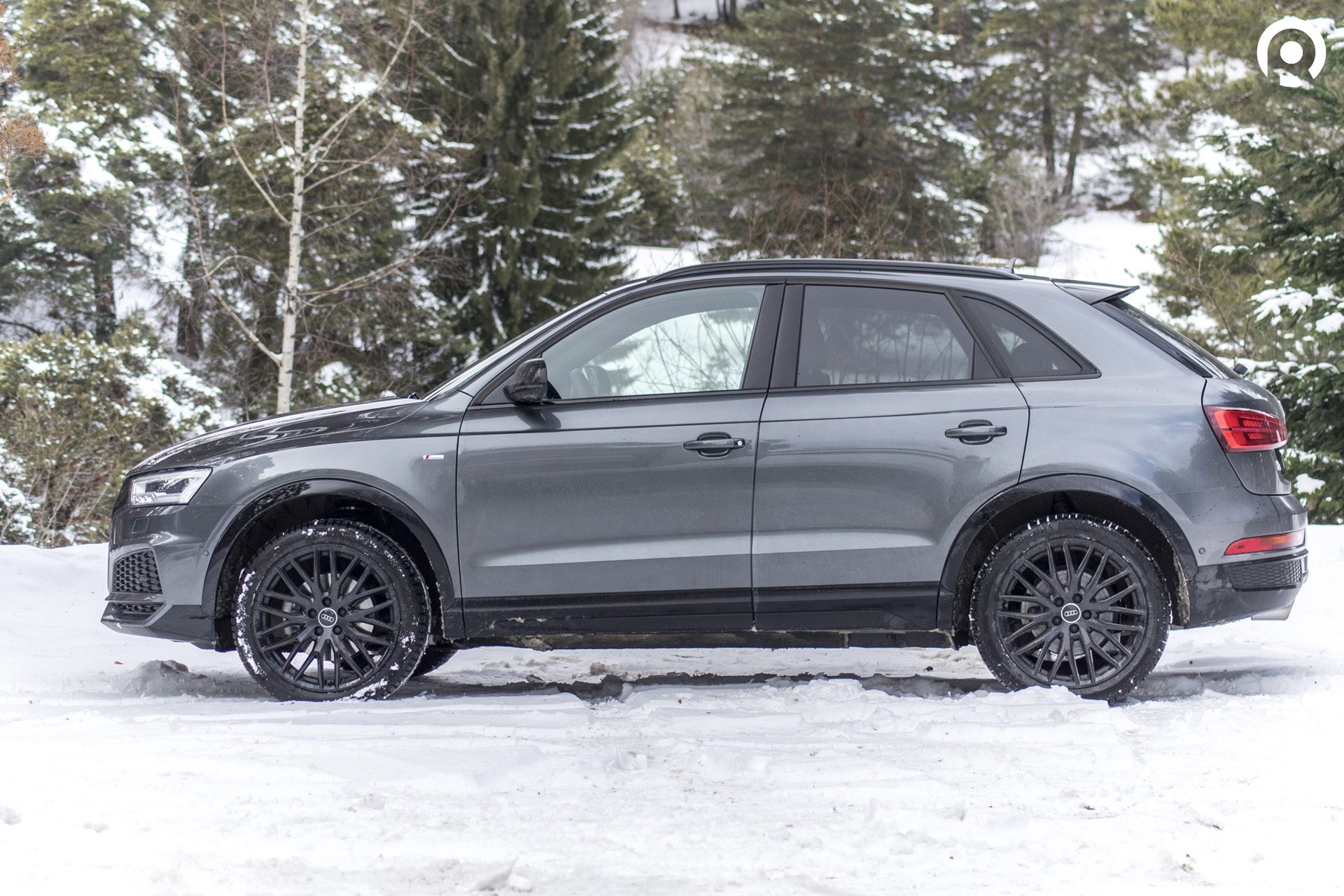
In fact, ever since it first appeared on the market, I’ve thought that the Q3 is the best-looking SUV in Audi’s range. The Q5 has always reminded me of a soap box—the rounded kind we used to take to summer camps—while the Q7 looks like a hippopotamus. The Q3, on the other hand, has well-balanced proportions and manages to combine a clean, modern design with a sense of muscle and dynamism.
In short—I like it.
Interior
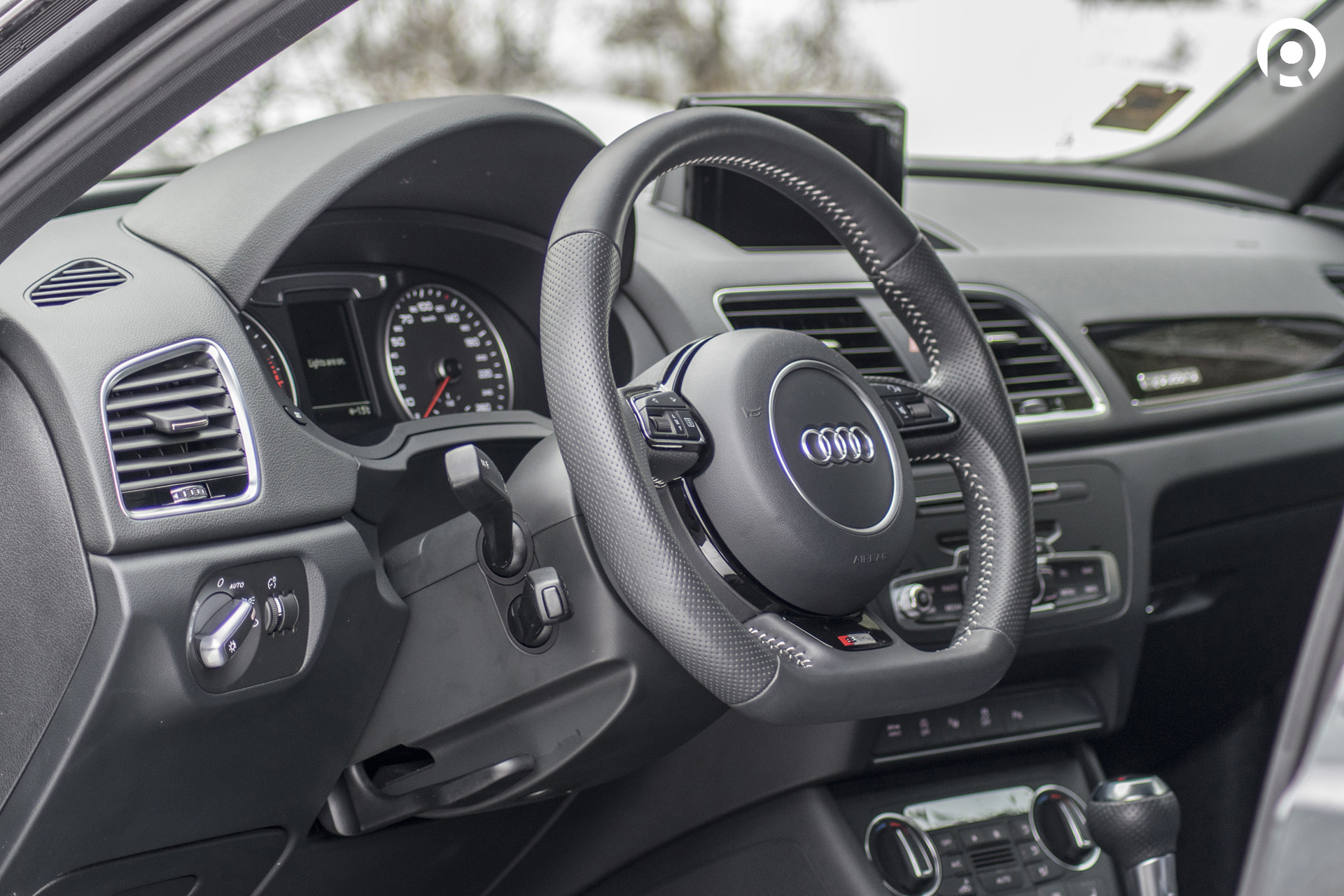
The moment you open the door of the Q3, you step into a world that feels like it came straight out of the late 1990s. Yes, the materials and build quality are up to modern standards—even for 2019—but just look at the dashboard layout:
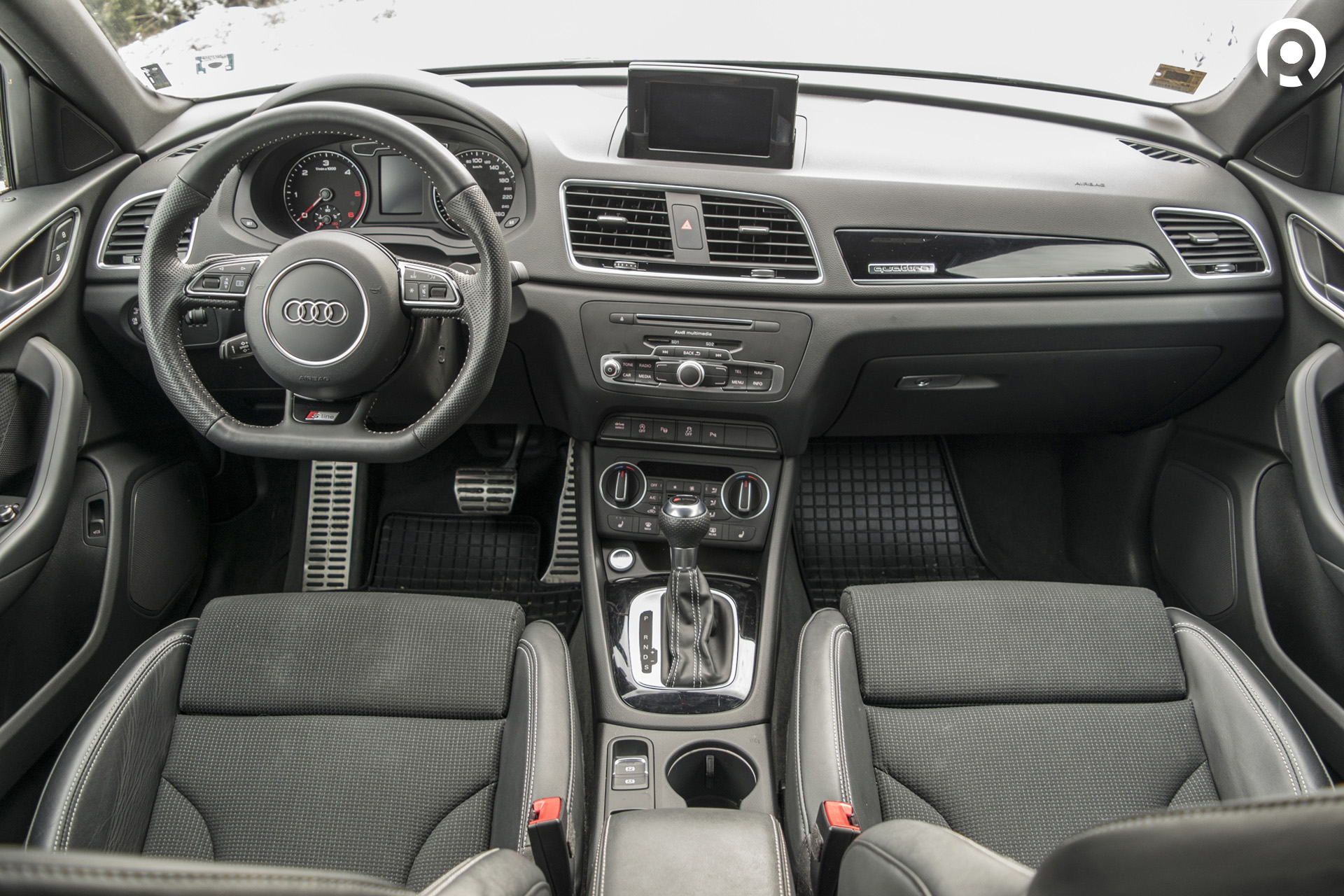
I find it plain and somewhat characterless. It’s hard to imagine what Audi were thinking when they approved this interior design. Ja, das ist wunderschön! Well… not quite.
That said, once I put my wounded sense of aesthetics aside, the cabin is actually a very pleasant place to be. It’s spacious, the seats are comfortable, visibility is excellent, and there are large door pockets and useful storage compartments. As expected from Audi, the build quality is solid, and the materials are good—soft-touch surfaces and rubberised plastics (with the exception of the infotainment control panel).
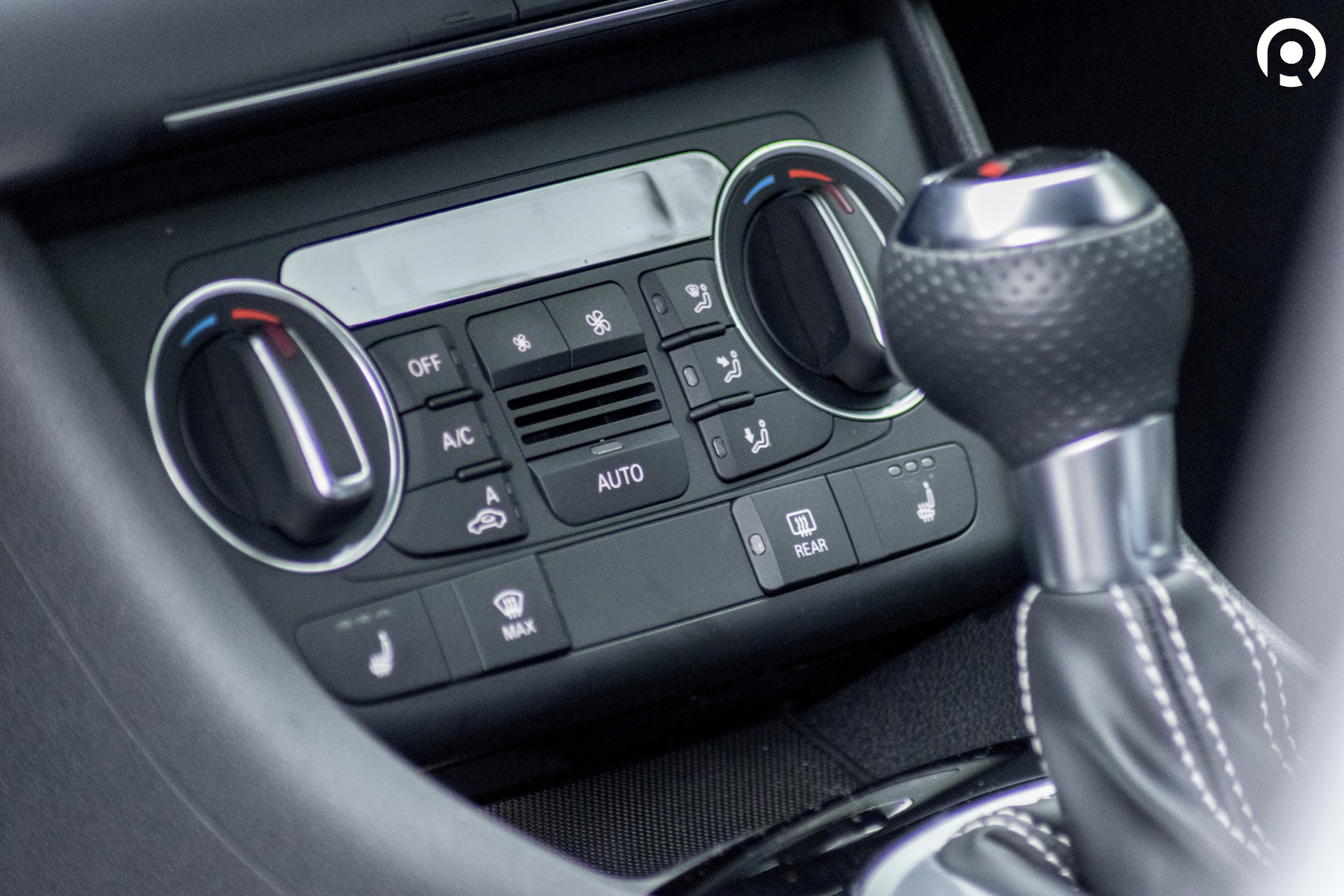
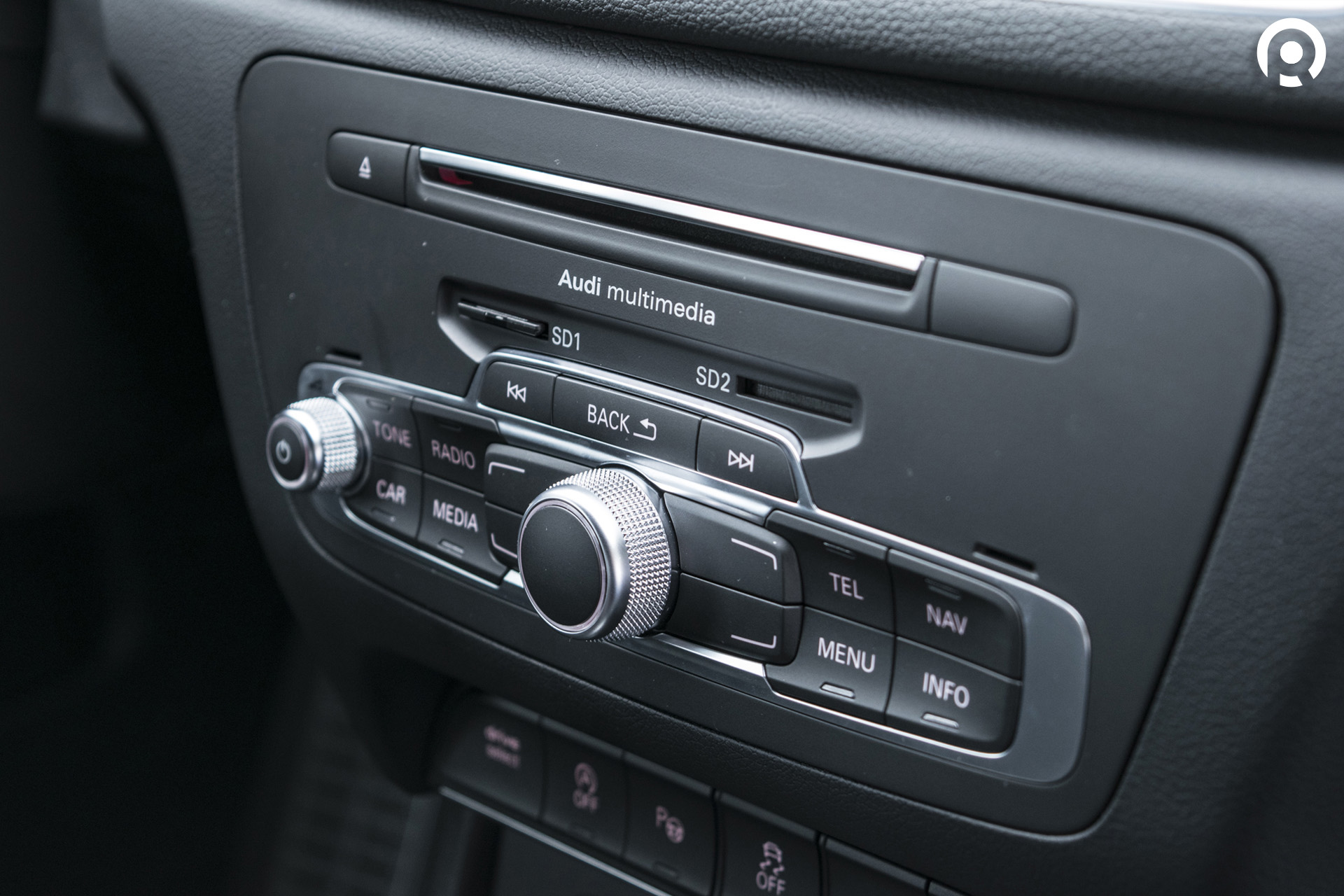
I did, however, notice a few oddities. First—there’s no USB port. Who on earth launches a car without USB connectivity?! After the initial shock—and the relief that I had a power bank with me—I turned my attention to the automatic climate control panel. Now that’s a classic design: two rotary-style controls for temperature, straight out of the pre-automatic climate control era. A true 90s throwback.
Another issue, which is more of a real flaw, is the awkward driving position. No matter how I adjusted the steering wheel and seat, the pedals felt too close, while the steering wheel was too far away.
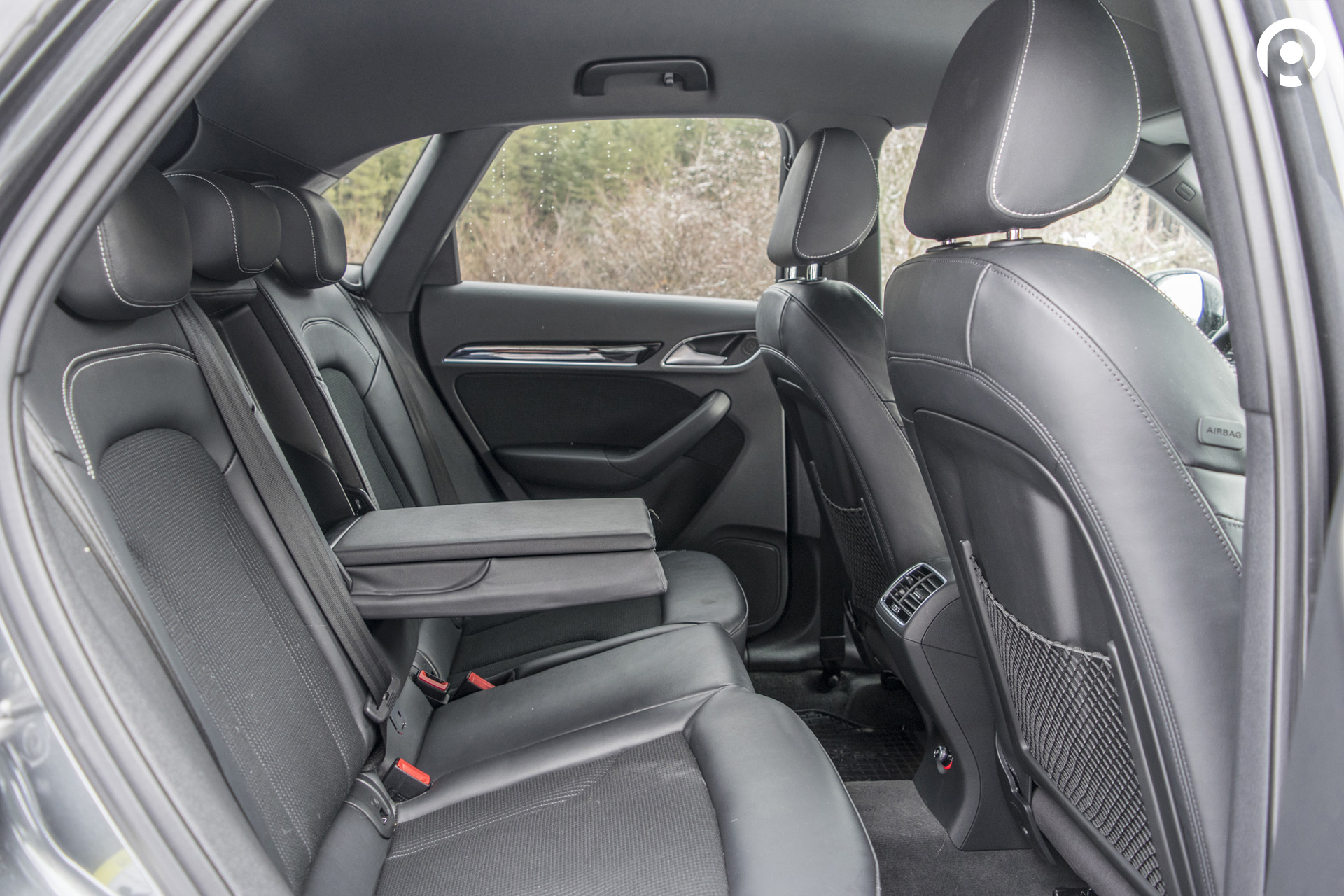
On the plus side, the interior space is used very efficiently. I didn’t expect a car in this class to offer such a wide and comfortable second row. I particularly liked the high seating position of the rear bench, which allows for genuinely comfortable seating.
On the road
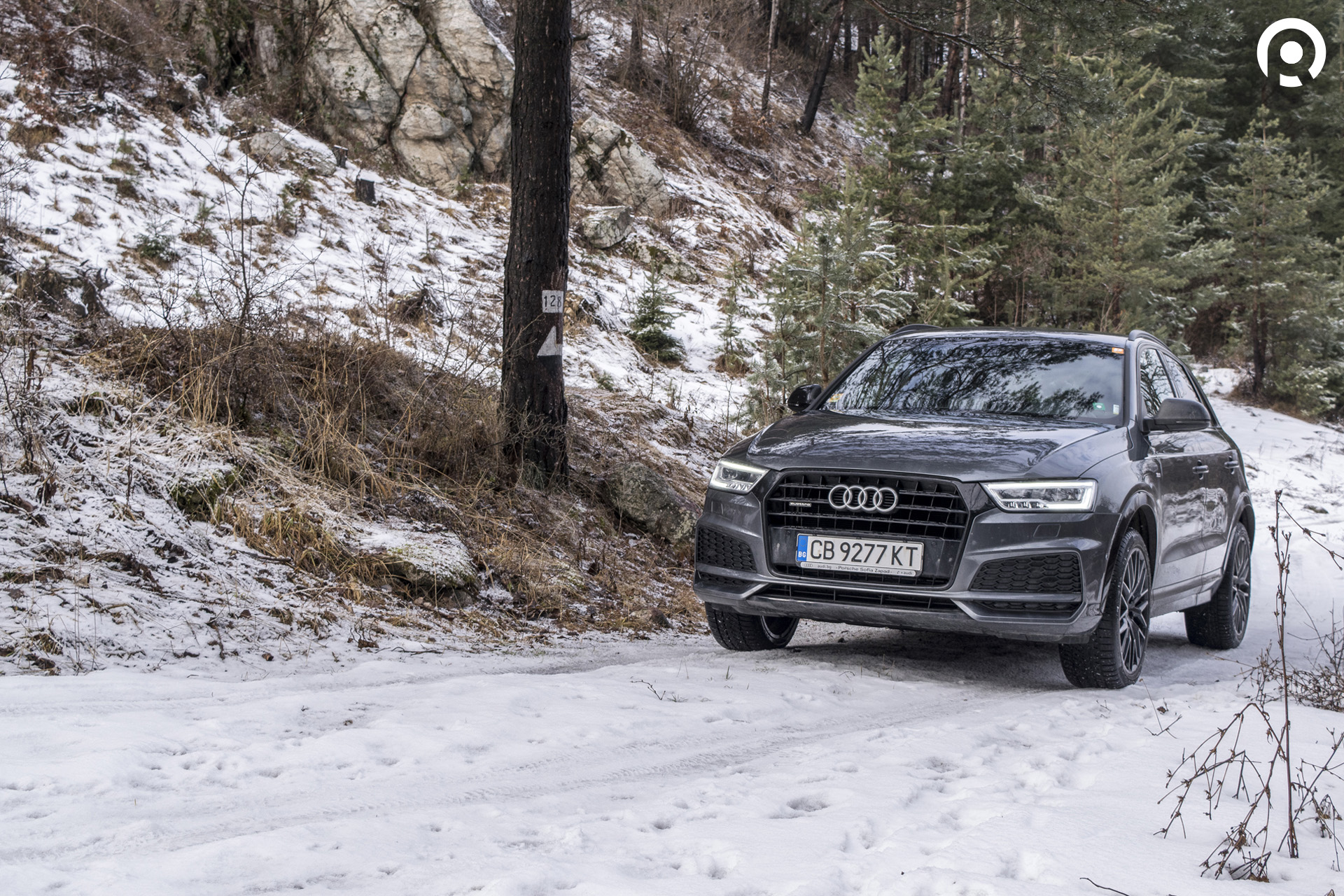
It was time to press the unusually low-mounted start button and get moving. The test car was powered by a 2.0-litre diesel engine producing 150 hp and 340 Nm, allowing the Q3 to accelerate from 0 to 100 km/h in 9.3 seconds and reach just over 200 km/h. The gearbox is a seven-speed dual-clutch automatic (DSG), and the car features quattro all-wheel drive with a Haldex system.
I set off through the crowded city towards Lyulin, planning to join the motorway and head towards the Rila mountains in search of better roads and views.
The first thing that impressed me was the engine—more specifically, its sound. For a moment, I even questioned whether I had correctly understood that this Q3 was a diesel. The 2.0 TDI is surprisingly quiet, refined, and smooth. I like that—it results in low noise levels and a high level of comfort, which is particularly welcome in a city full of… let’s say, overly confident drivers.
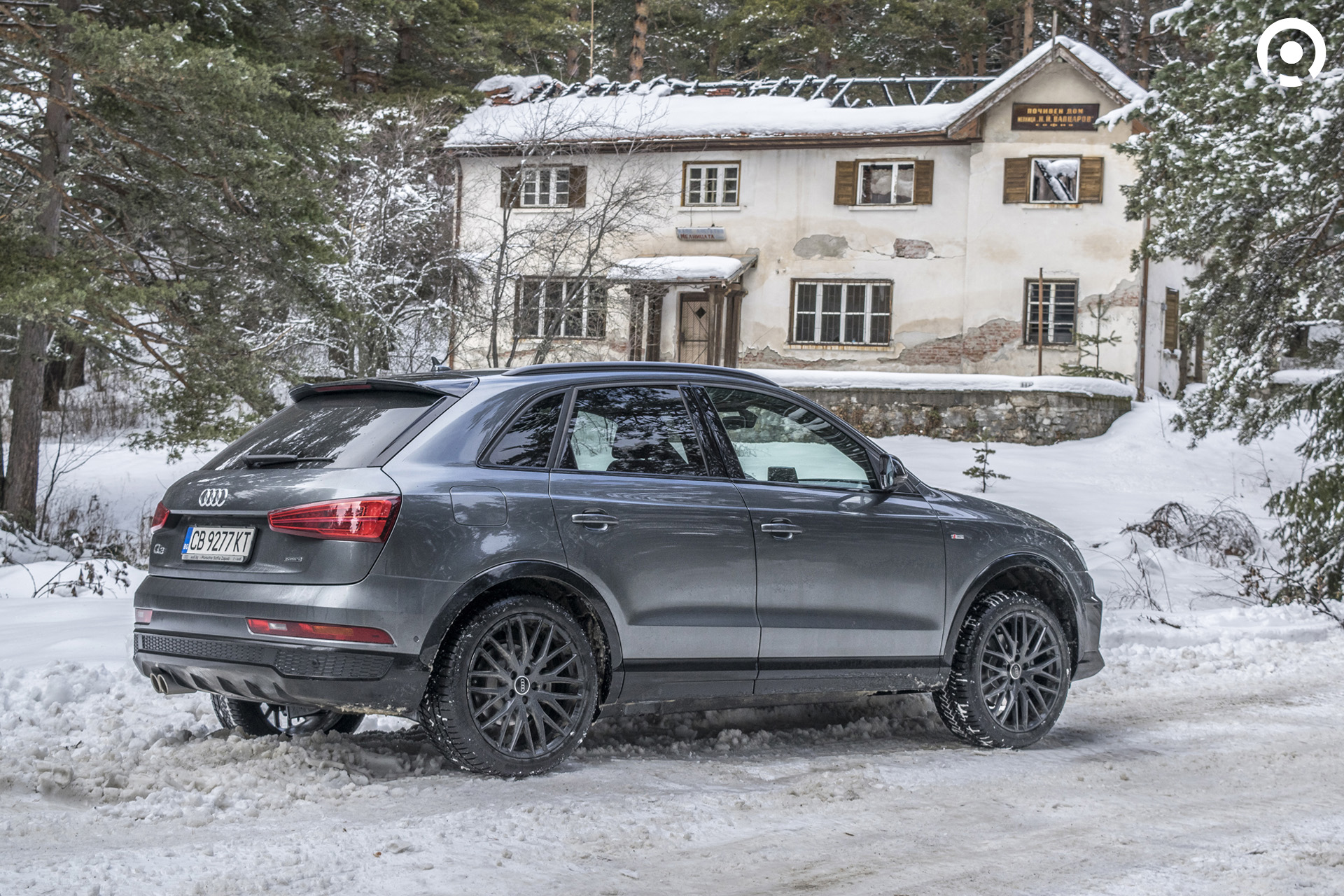
Once on the motorway, I set the cruise control and headed towards Dupnitsa. The Q3 performs well here too. Road noise is low, despite the large wheels, and aerodynamic noise is also well controlled—definitely a strong showing from Audi.
Fuel consumption on this stretch was 7.3 l/100 km. At first glance, that may seem a bit high, but considering the inclines and frequent accelerations due to tunnels and bridges, I’d say it’s reasonable. Later, with more economical driving on a secondary road, I achieved an average of 4.3 l/100 km.
I’ll spare you the details of the broken road between Dupnitsa and Sapareva Banya, but once I turned towards Panichishte on a narrow mountain road, I put my foot down. The Q3 responded eagerly—though the engine does become quite noisy at higher revs—and climbed with decent pace.
This is where I also paid closer attention to the gearbox. Being a DSG, it shifts extremely quickly, but at times it seems unsure which gear it wants. This may be due to the relatively modest engine, but if you plan on driving more enthusiastically, it’s better to use manual mode.
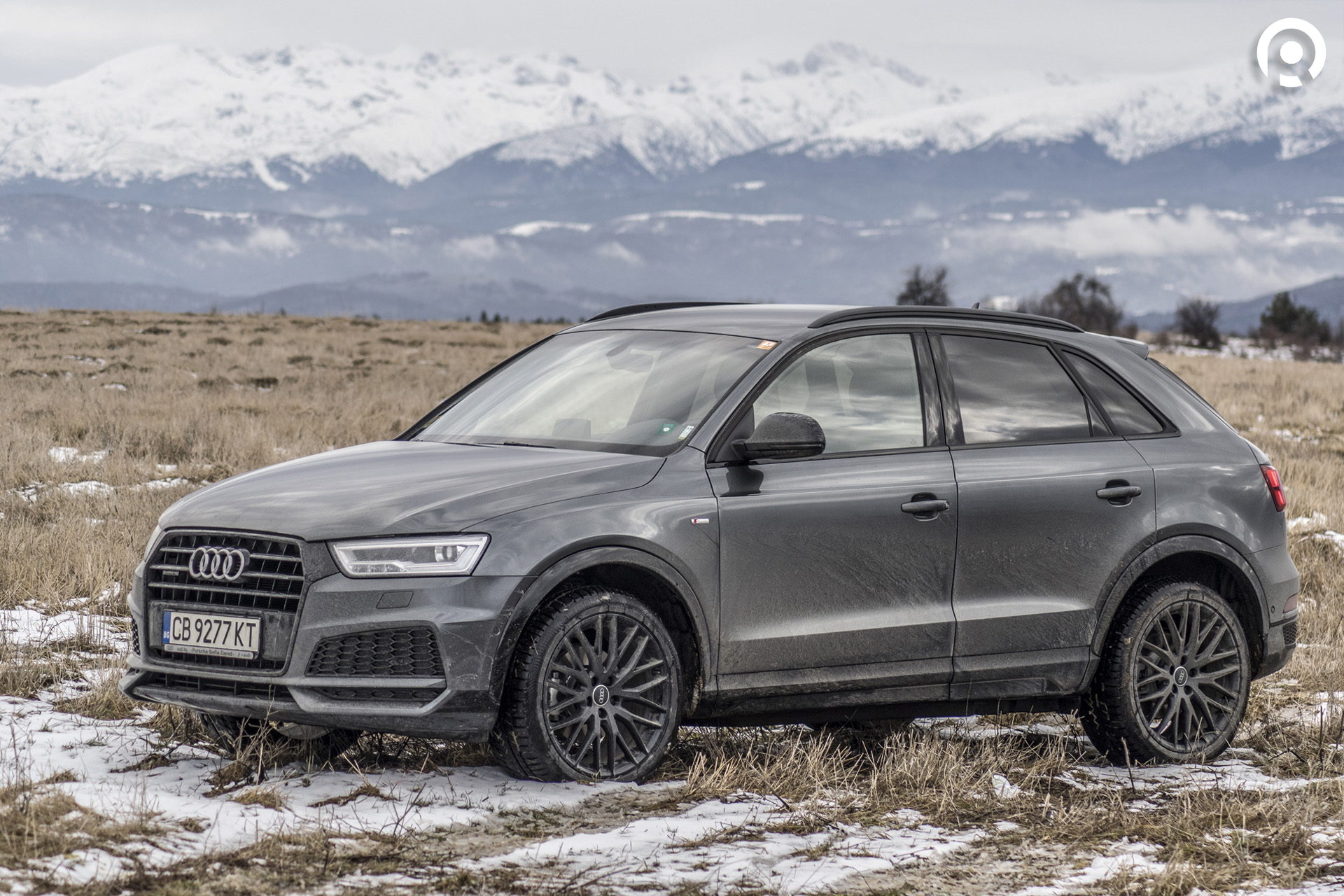
As for handling, the car feels stable, with moderate body roll and predictable understeer near the limit—which I only reached on snowy and icy sections. On dry roads, I simply couldn’t push the car to its limits, largely due to the nature of its steering.
To put it simply—I probably haven’t played enough PlayStation, because the steering feels about as informative as a plastic gaming wheel. You turn it, the car goes where you point it, but you feel absolutely nothing. As a result, it’s difficult to judge your speed accurately when entering corners.
Is that a bad thing? Not necessarily. It’s clear that the Q3 isn’t aimed at driving enthusiasts (who, in any case, don’t usually go for SUVs). But its easy, undemanding nature makes it perfectly suited for city driving and for people who see a car simply as a means of transport.
Conclusion
So, it turns out it wasn’t that bad after all. Despite a few shortcomings, Audi—and the Q3 in particular—have nothing to be ashamed of or to hide.
The car is comfortable, easy to drive, and offers very well-utilised interior space. Despite its relatively compact dimensions, it works well as a family vehicle. The Q3 is a well-thought-out product without any major flaws. It has its own character, but lacks the spark that would make it truly desirable for enthusiasts.
In my view, the Q3 is best suited for people who value the image of a proven German brand and see driving as a daily necessity—something that should be easy, comfortable, and safe.
Eng. Tsvetan Iliev