
Everyone knows the Fiat 500 — Fiat’s retro-inspired little city car which caused a sensation when it appeared on the market nine years ago. Its timeless design and strong sales secured it a long presence on the automotive scene. In fact, the first facelift only arrived last autumn in Frankfurt — eight years after the original car was introduced — a lifespan more than twice as long as what is typical in the automotive industry.
As an iconic car, the 500 has undoubtedly gathered many loyal fans over the years and since life moves on and people’s needs change, many of those fans inevitably started looking for something larger and more practical. Fiat gave them exactly that back in 2012 with the 500L — the MPV that desperately wanted to be “cool”, but which I personally find awkwardly proportioned and rather unattractive and, more importantly, unable to capture the spirit of the original 500.
Fiat’s second attempt at creating a bigger 500 arrived two years later and from the very first glance it was obvious that this time they had succeeded. The Fiat 500X is a modern urban crossover — essentially something with the dimensions of a C-segment hatchback, but taller and with a more rugged appearance — which looks attractive and to a certain extent has managed to preserve the charm of its smaller sibling.
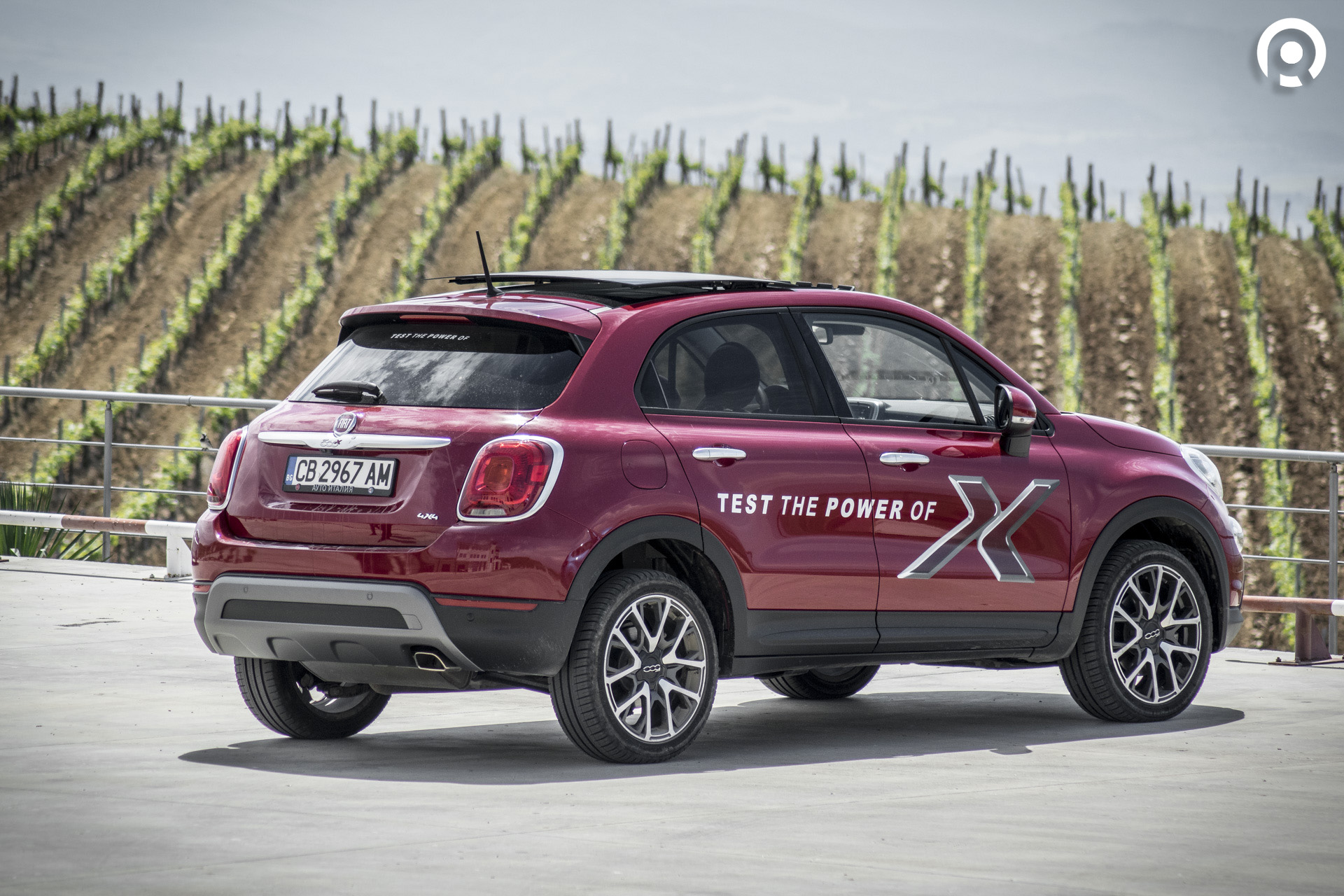
The 500X is offered in two main versions — Offroad and Urban. The most noticeable differences are the bumpers and lower body styling, with the former aiming for a more off-road-inspired appearance, while the Urban version features more classic city-oriented bumpers. Personally, I think the Urban version suits the car better and with a starting price of around €17,300 it is also about €3,600 more affordable than the basic Offroad version.
However, Fiat provided me with the Offroad variant equipped with a two-litre diesel engine, nine-speed automatic gearbox and four-wheel drive.
Design
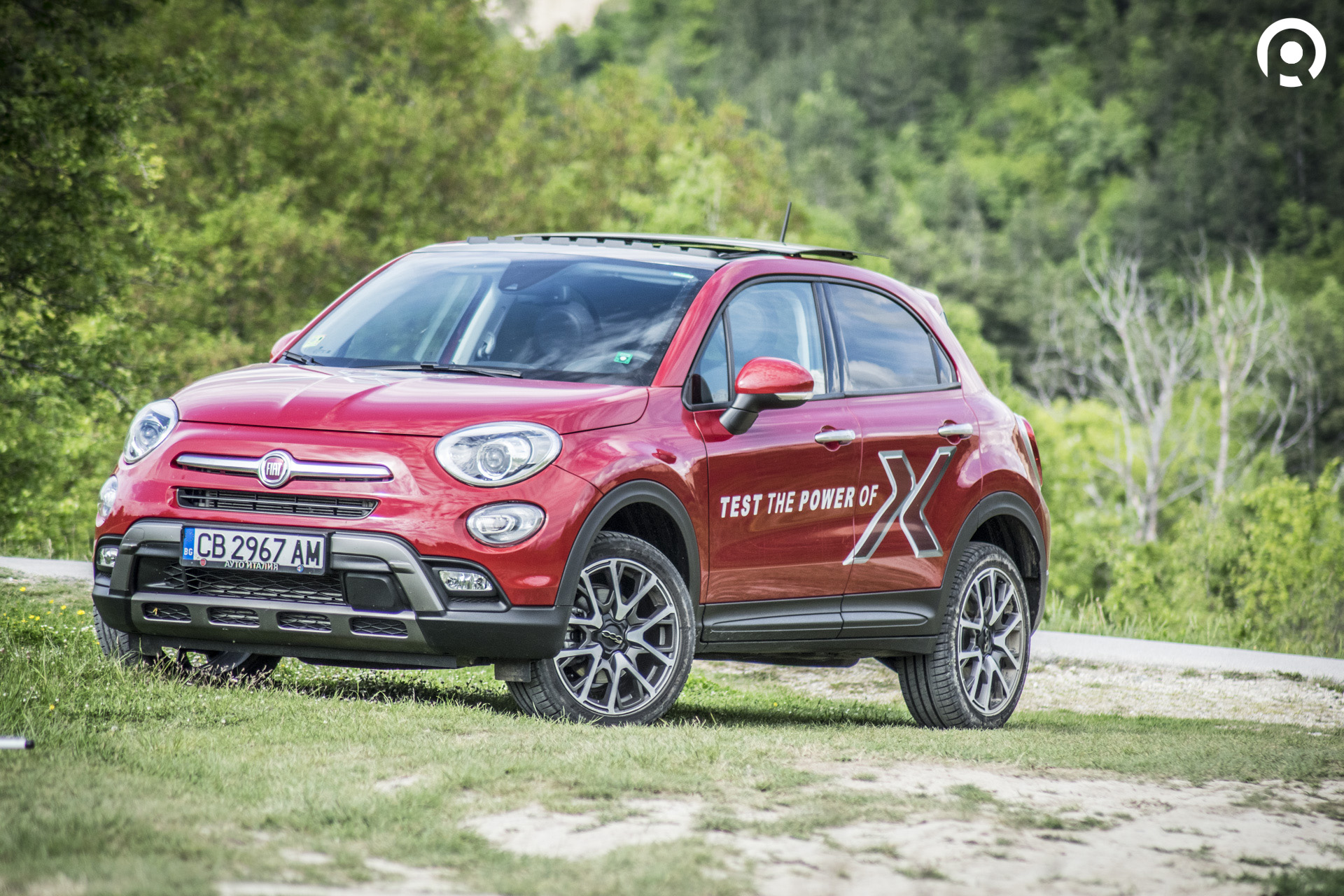
Design is almost always among the key factors when buying a car and that applies fully to the class where the 500X competes. Judging by the result, Fiat were clearly well aware of this.
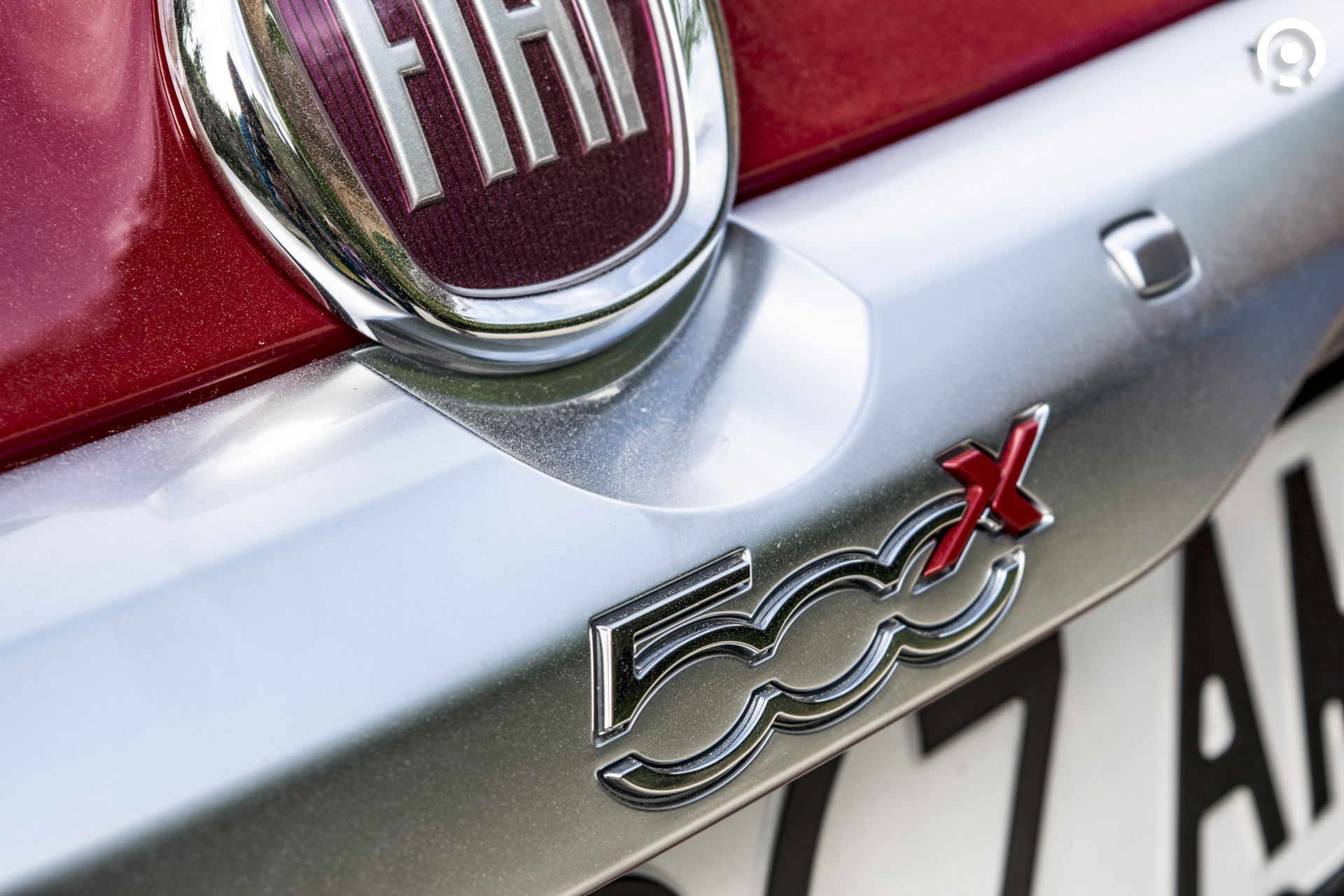
Overall, the car features a classic silhouette for the segment, which guarantees optimal use of interior space. What truly distinguishes it from its rivals and gives it a recognisable identity are the details. That includes the shape of the lights, the front fascia with the characteristic line and crease borrowed from the classic 500, the many satin grey styling elements and, to a large extent, the roofline which is typical for the entire 500 family.
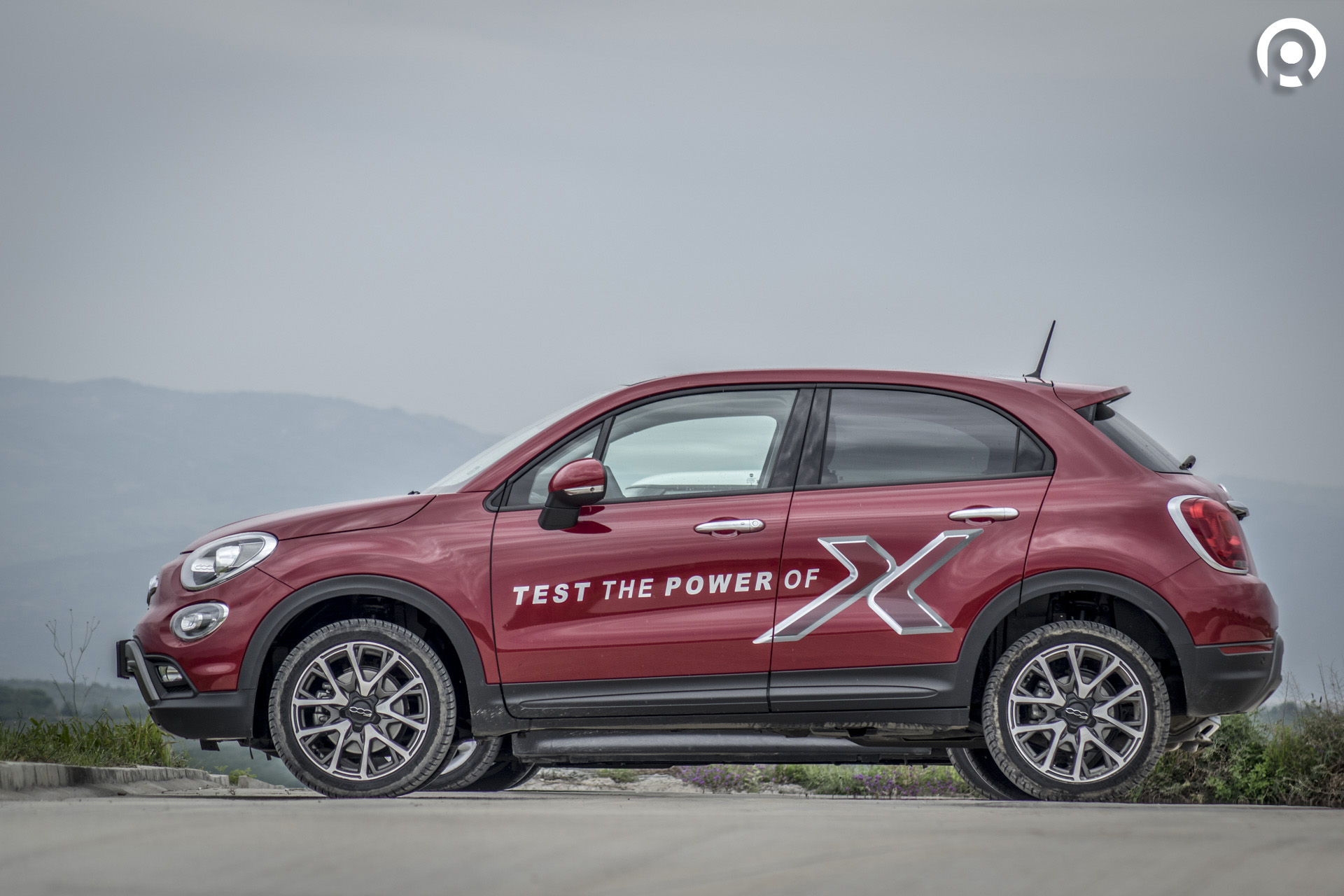
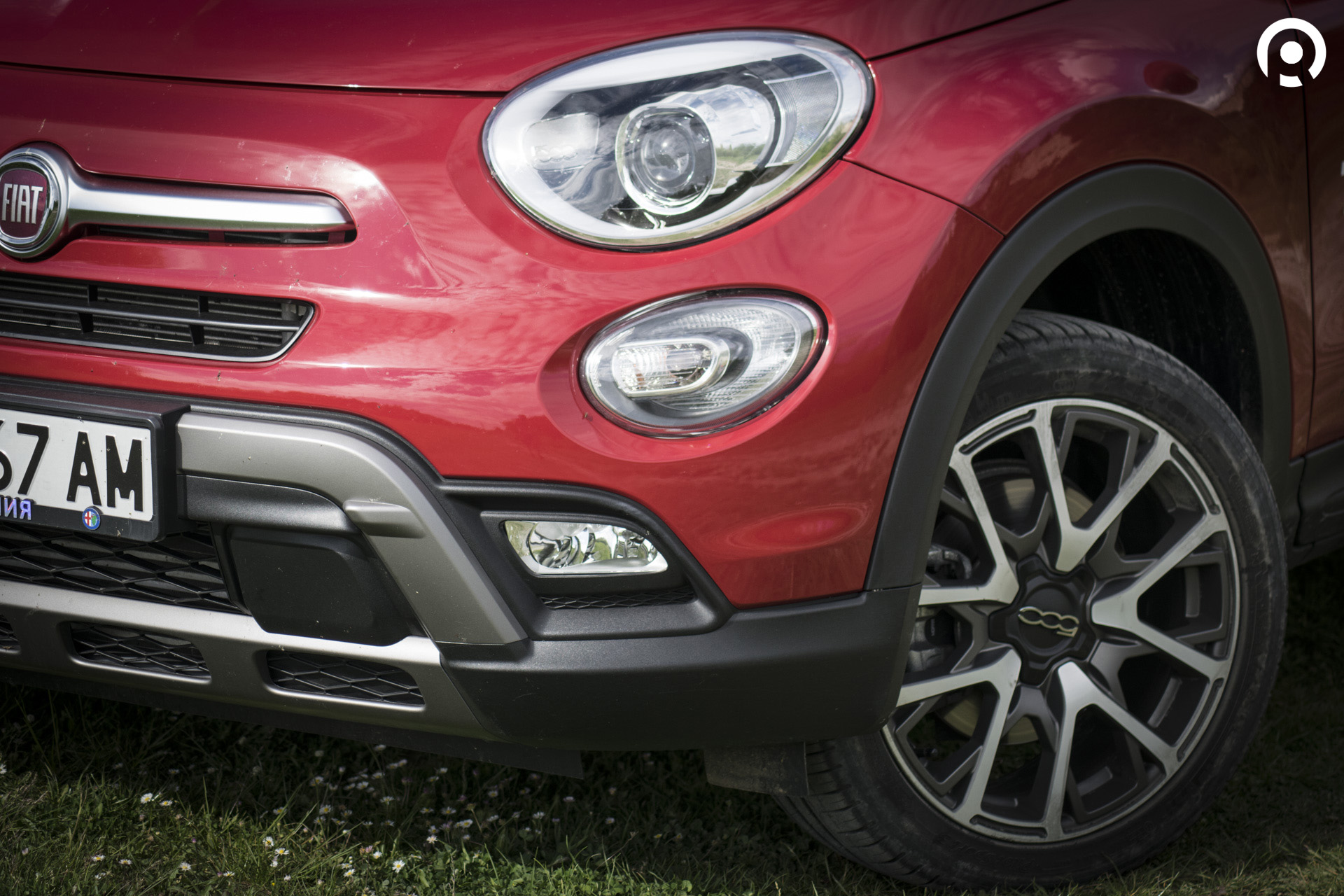
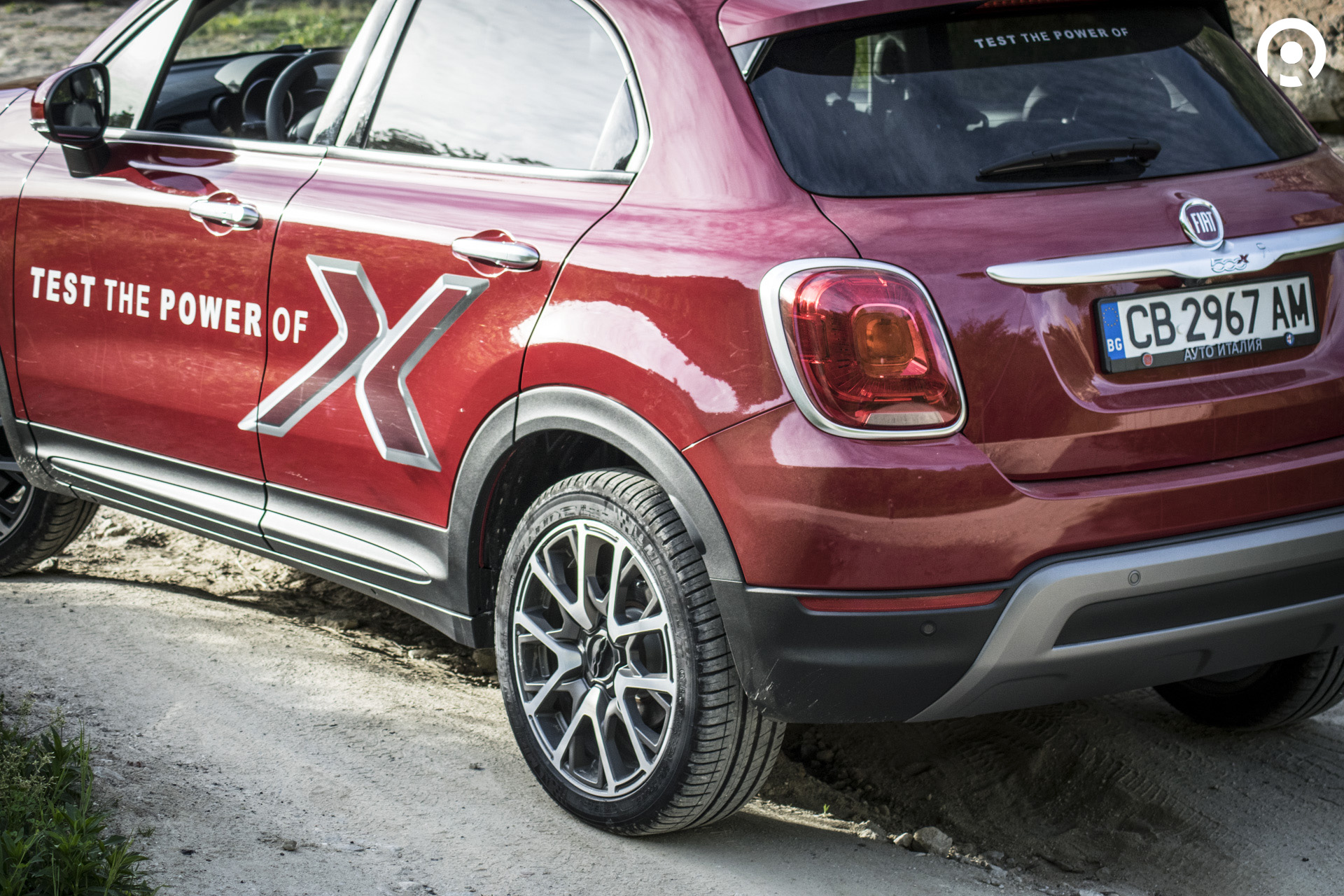
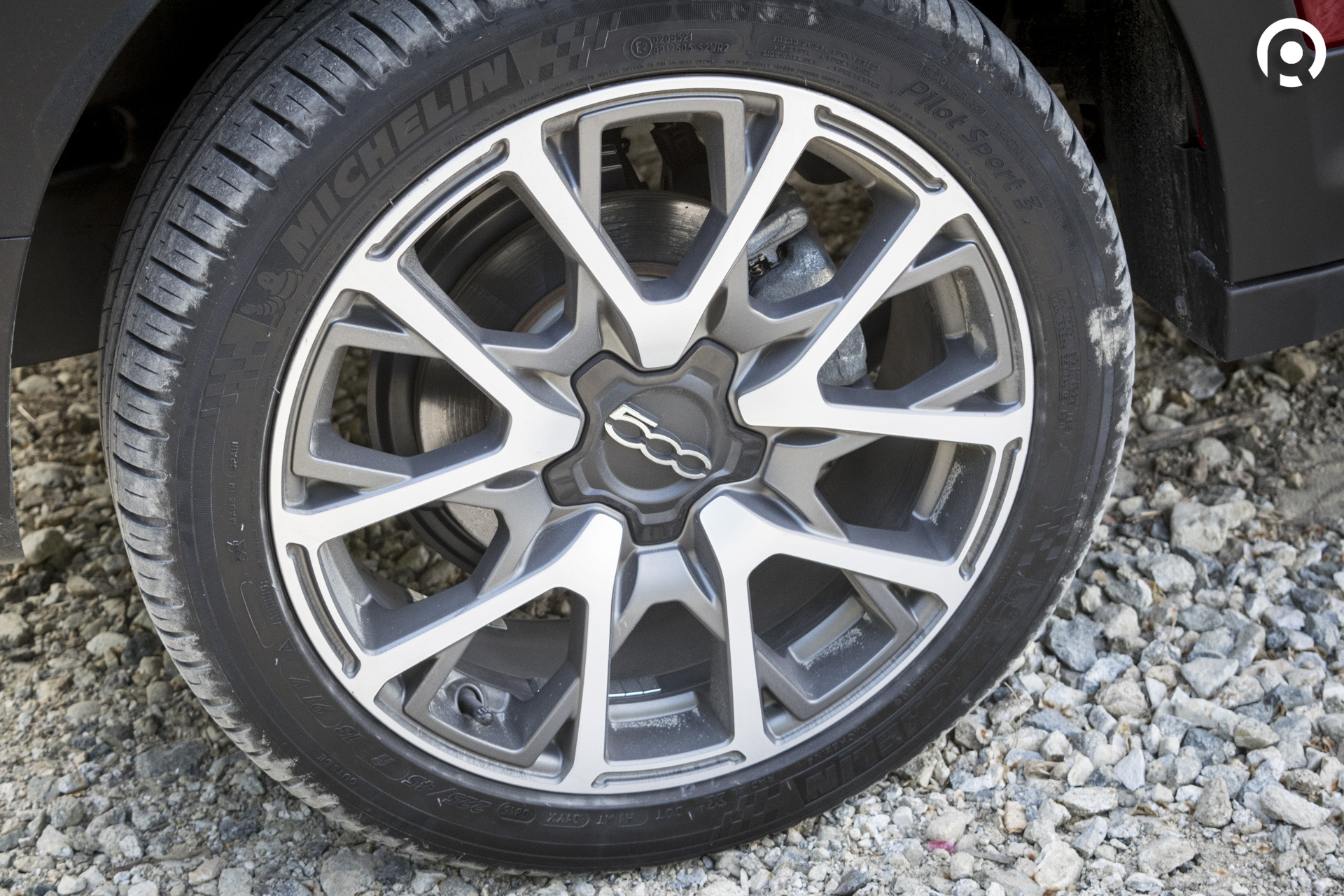
I have to admit that I really like the design, especially in Urban specification, while the colour palette and wheel options are also very well chosen.
If I have to point out weaknesses, I would mention that some of the plastic trim elements look cheap and a closer inspection reveals a few assembly imperfections around the decorative details. Still, considering the price of the car, this is hardly surprising — if you want more, you have to pay more.
Interior
Getting inside the 500X, I was not entirely impressed by the interior. At first glance there is a considerable amount of hard plastic, some of which does not look particularly good. Then again, I was not expecting anything different because I had recently driven the technical twin of the 500X — the Jeep Renegade. In the “American”, the materials and overall feel were no better, but somehow they suited the character of the car more naturally, whereas here they feel slightly out of place.
That is partially compensated for by the solid build quality, while the interior styling itself, although not particularly special, still looks good and undeniably carries the visual identity of the 500 family.
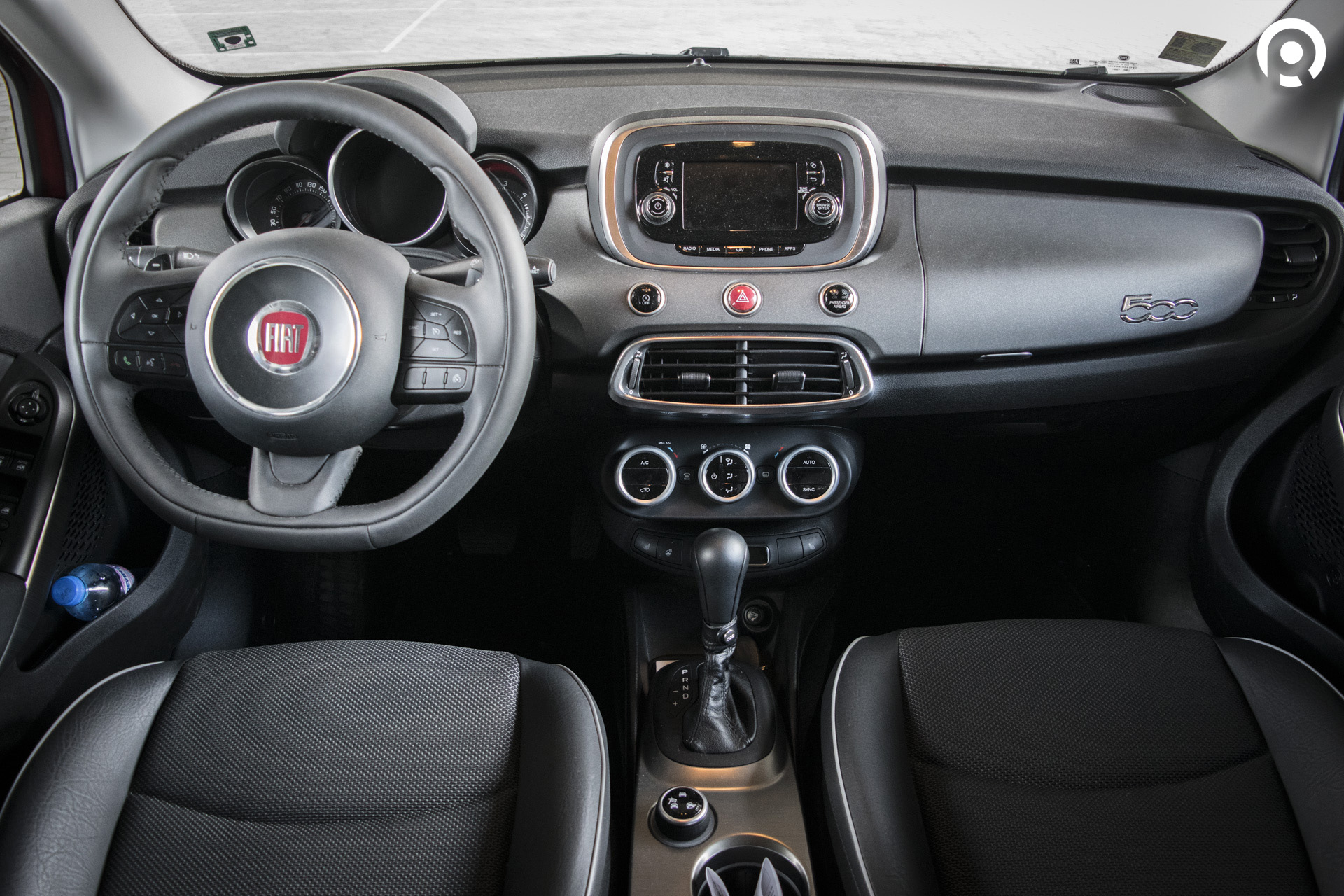
The details leave a pleasant impression — the 500 badge in front of the passenger, the elegant retro-style buttons above the central air vents, the old-school door handles (which unfortunately feel too plastic). The steering wheel itself is very comfortable and creates a quality impression, while the button layout is identical to the Renegade, meaning practical positioning and an almost absurd number of controls — twenty buttons without even counting the paddle shifters.
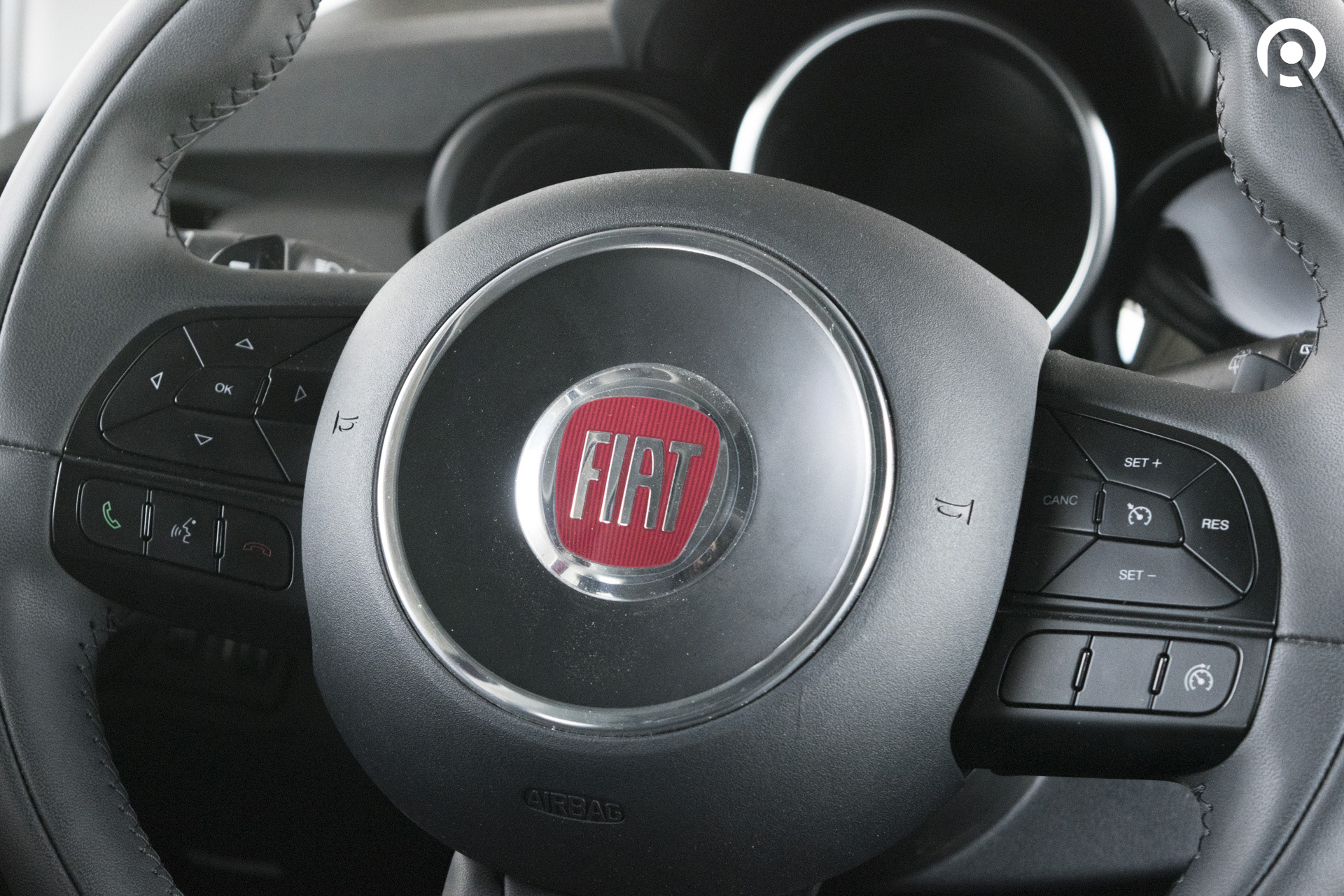
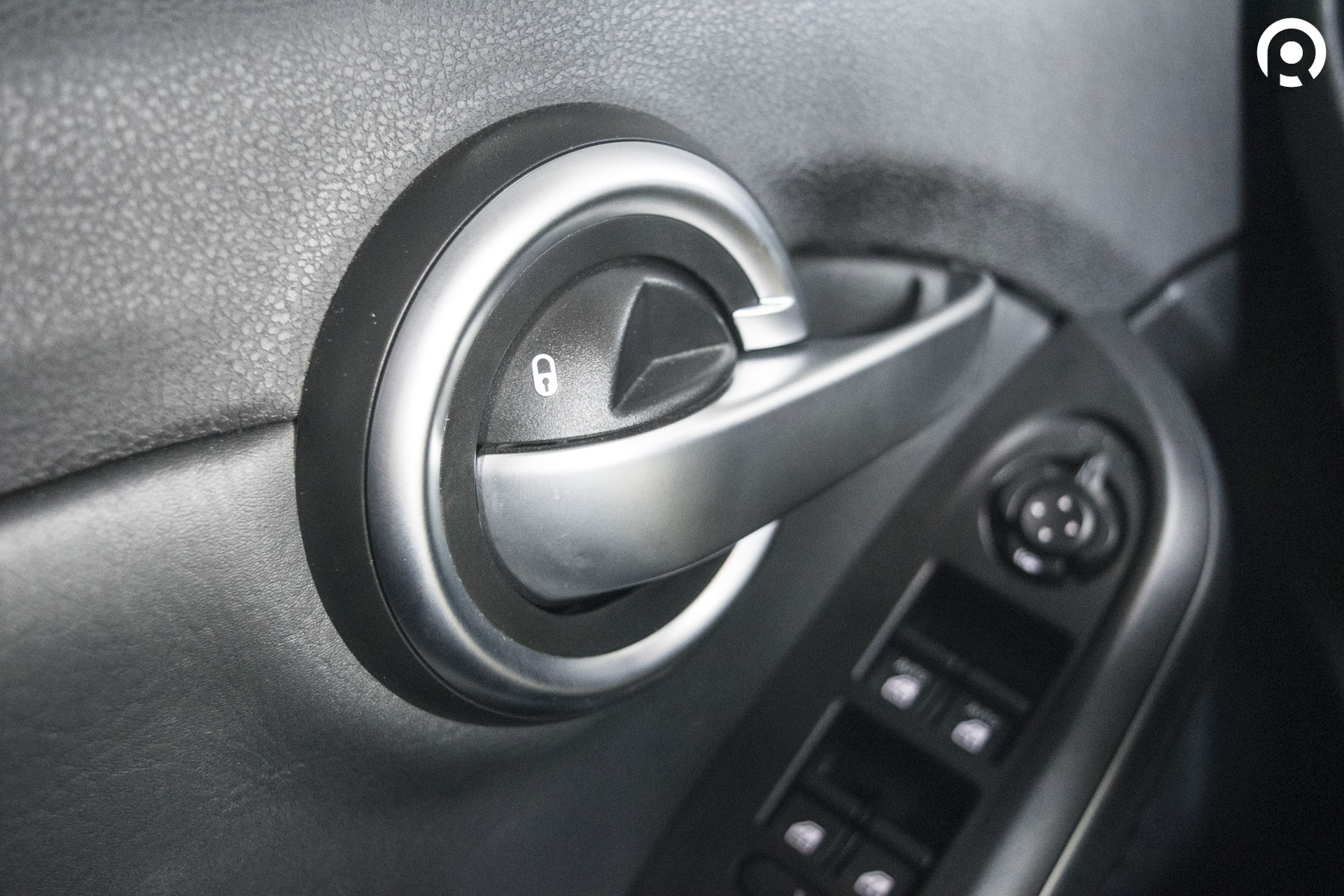
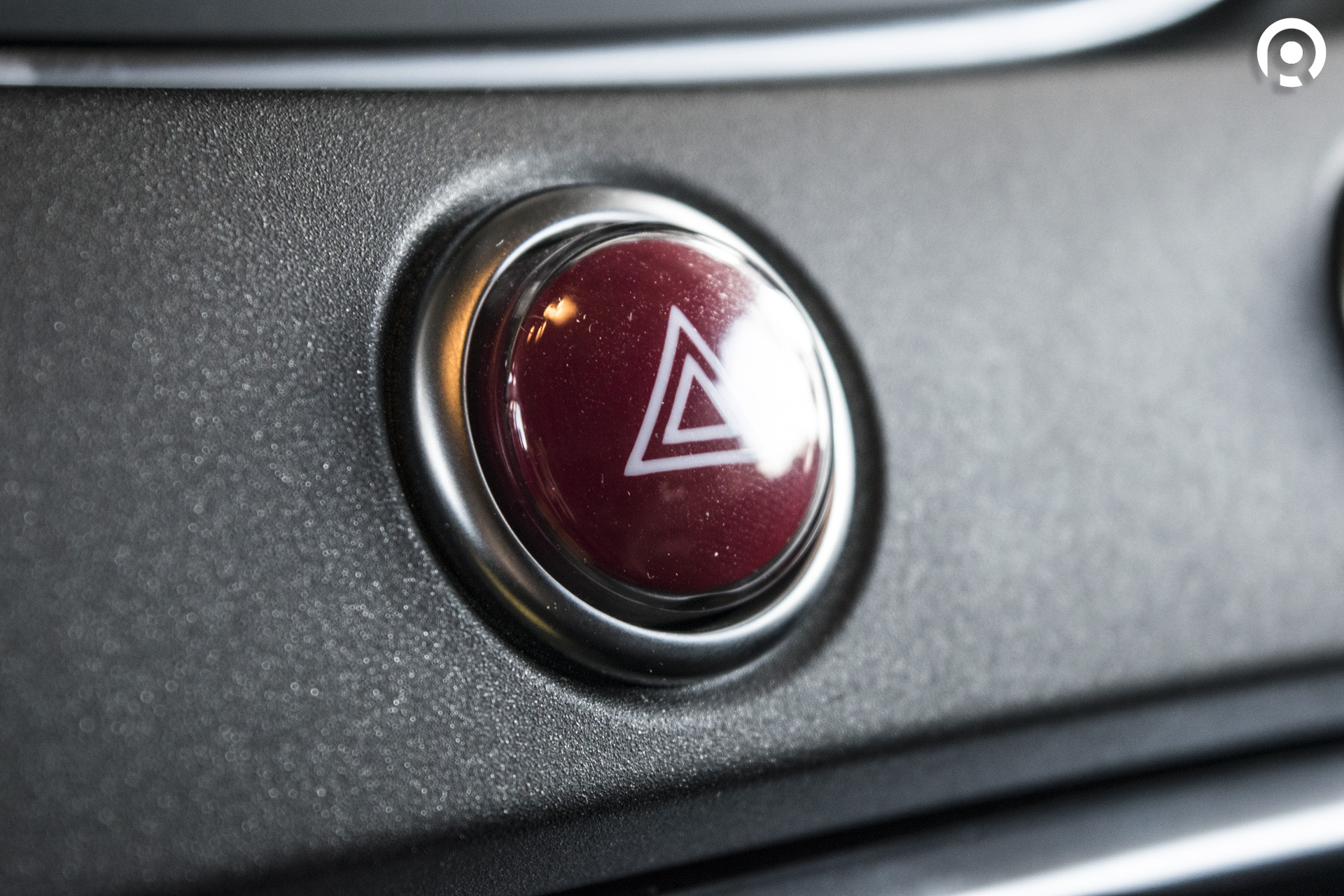
The seats also felt comfortable, which actually surprised me slightly because this particular car lacked lumbar support — something I usually consider important. The seat bases are somewhat short both front and rear, but this is not really an issue, especially for the short and medium journeys the 500X is designed for. Lateral support is not sufficient for dynamic driving, but then again this is not really the car’s primary purpose.
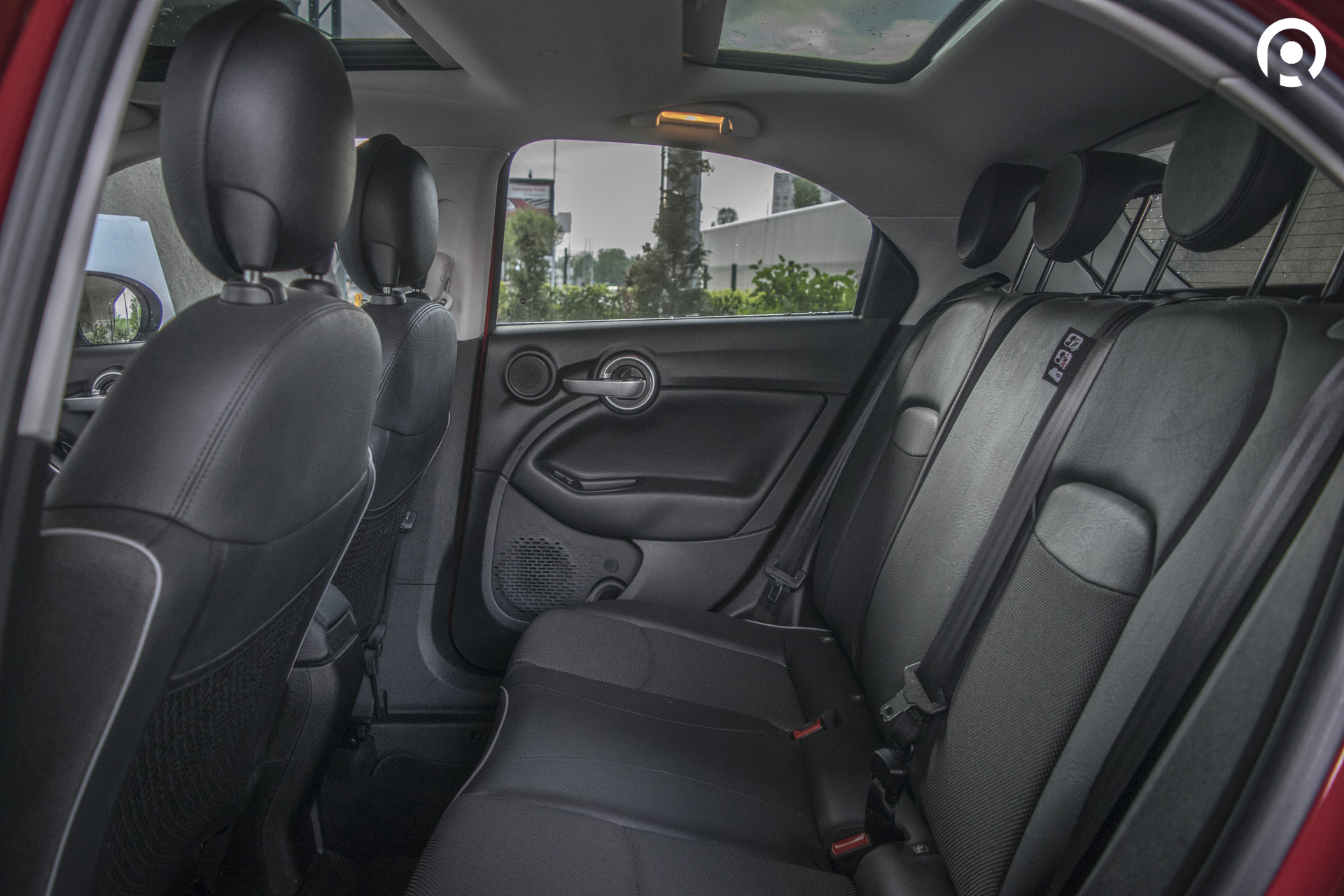
The 500X also surprised me with its spaciousness — it felt considerably wider than I expected. That applies to both rows of seats and in the rear three slim adults can fit without too much compromise. The boot is also well-sized and sensibly shaped. Overall, in terms of practicality and space utilisation, the car performs very well.
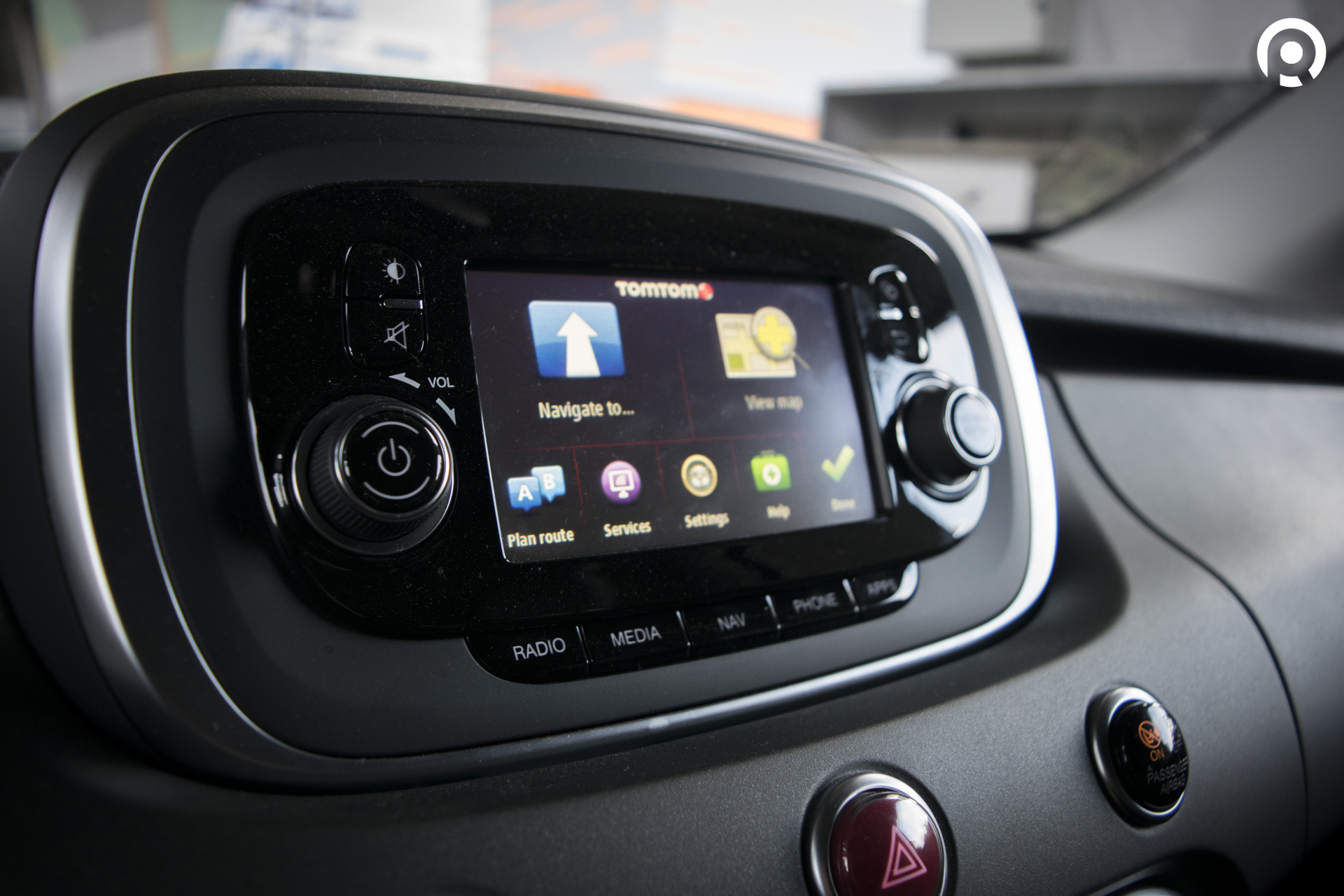
As for the infotainment system, it is identical to the one found in the Renegade. This is a simple and inexpensive setup that works properly and does exactly what you need without trying to impress with fancy graphics or a huge display. It is easy to use, Bluetooth pairing is effortless and the navigation system comes from TomTom. Personally, I think it suits the character of the car perfectly.
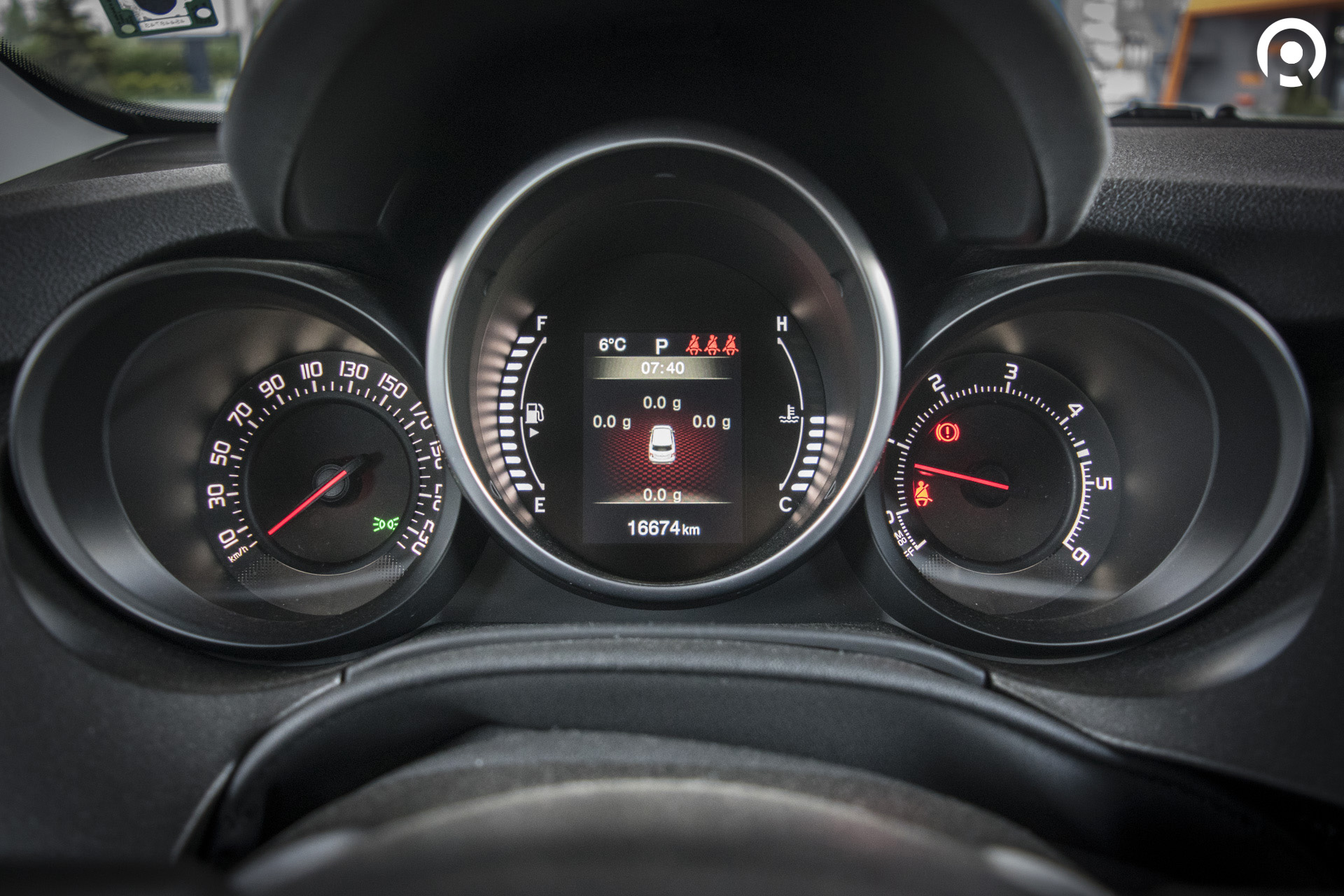
Another detail worth mentioning is the layout of the instrument cluster. The speedometer does not occupy the central position but instead sits to the left of the central display. At first glance this may look unusual, but in my opinion it is actually a very clever solution because the central screen can display numerous types of information, including the vehicle’s speed, giving the driver freedom to prioritise exactly what they want to see most clearly.
On the road
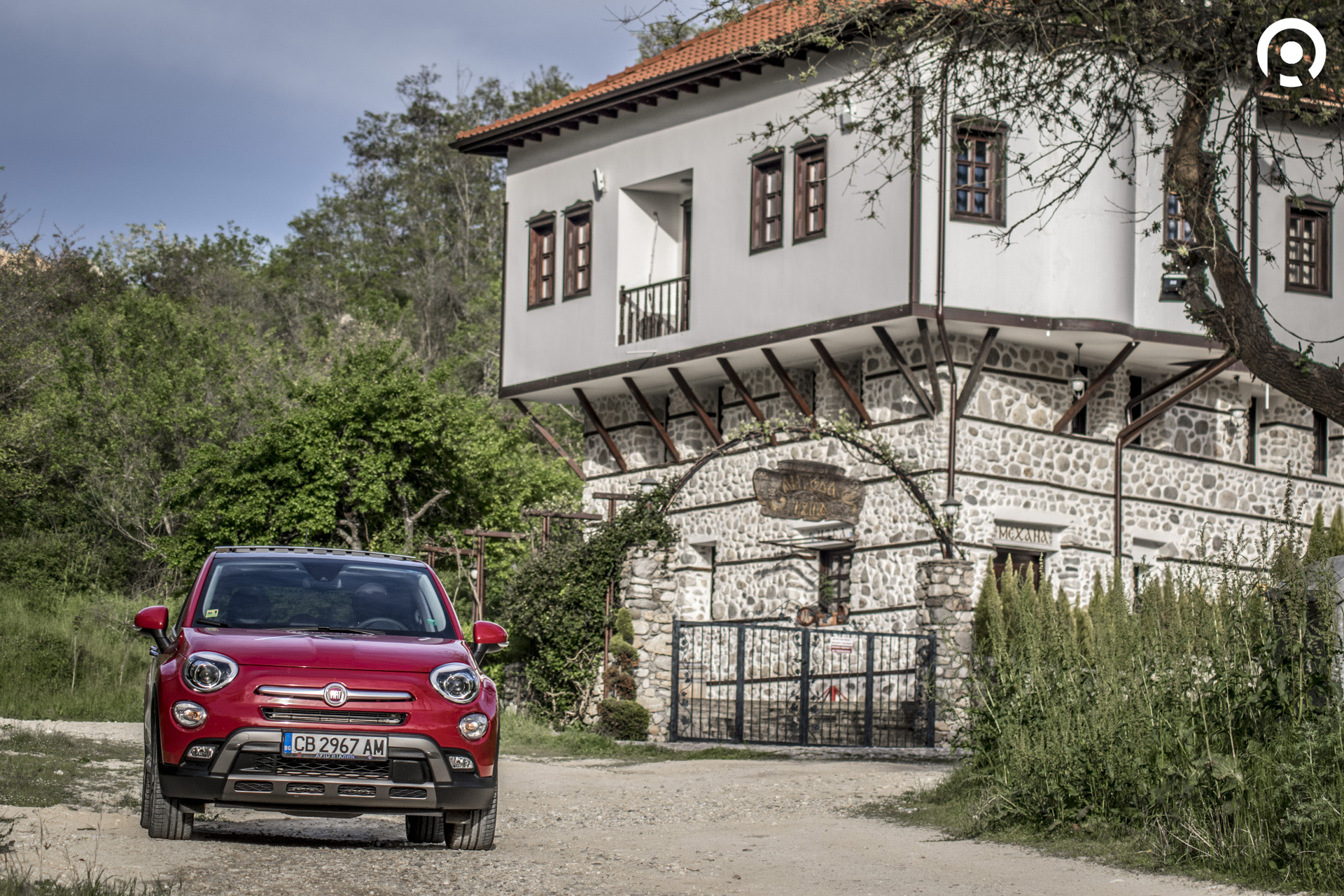
I picked up the 500X one Friday afternoon from Fiat’s dealership on Hristofor Kolumb Boulevard and headed into Sofia’s typical heavy traffic towards the exit road to Pernik.
The car immediately proved incredibly manoeuvrable and generally very suitable for urban traffic. The steering is light and there is even a button that increases the assistance of the electric power steering, making the wheel almost effortless to turn. Visibility in all directions is good and the elevated seating position makes city driving slightly less stressful.
The engine offers strong pulling power and brisk acceleration away from traffic lights, although fuel consumption sits around 7–8 l/100 km in these conditions. Unfortunately, when there is little surrounding noise, the rough operation of the 140 hp two-litre diesel reaches the ears of both driver and passengers without much filtering and at idle some unpleasant vibrations can also be felt — slightly less so in the manual version.
Honestly, as much as I liked this engine in the Renegade, I do not think it suits the 500X particularly well. In my opinion, the proper engine for Fiat’s crossover is the 1.4-litre turbo petrol unit or, if you really insist on a diesel, the 1.6-litre Multijet.
The diesels — especially the larger diesel — simply feel too heavy for the character of the 500X.
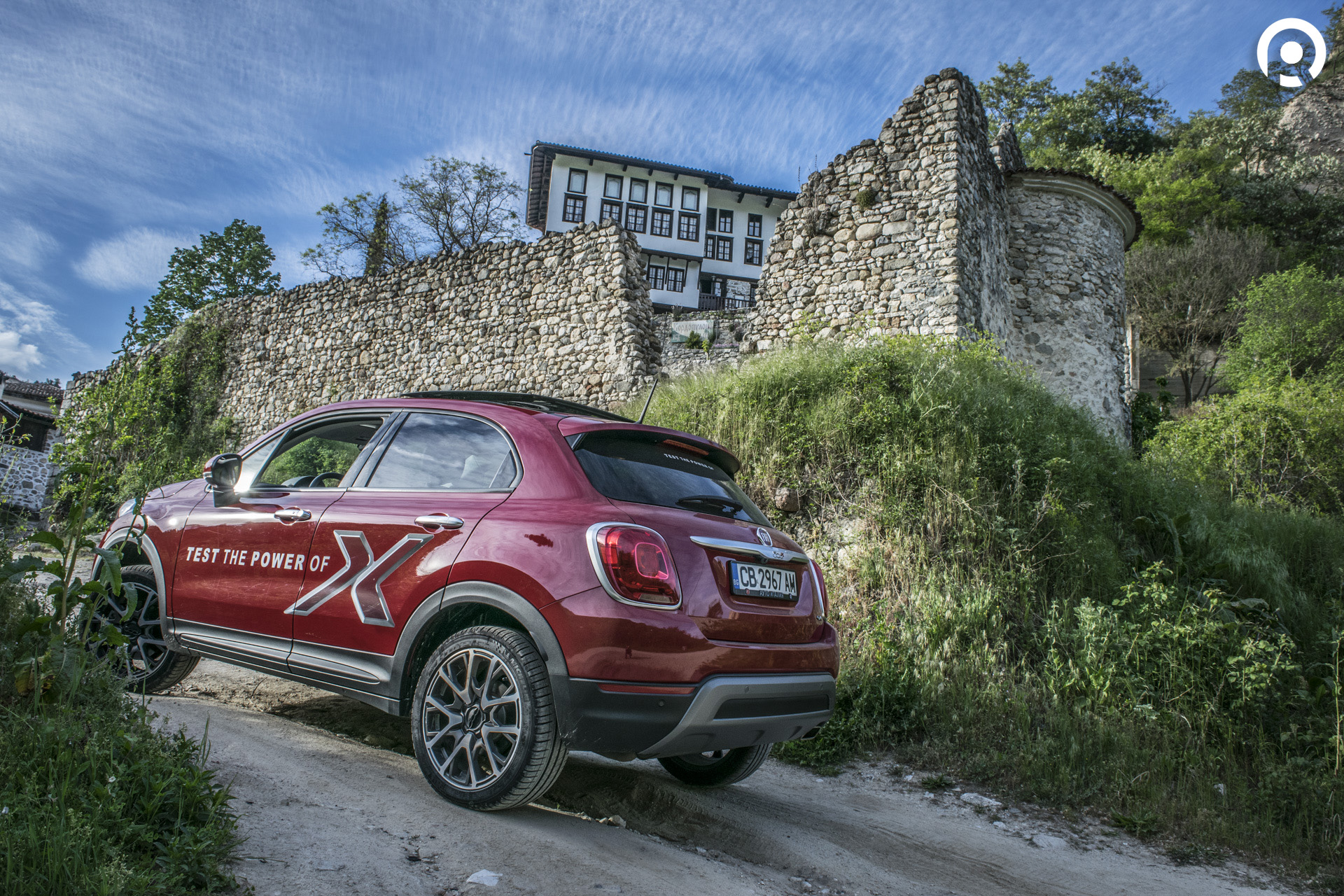
Once I escaped Sofia, I headed towards Melnik. I joined the motorway, set the adaptive cruise control to 130 km/h and started observing the behaviour of the Fiat.
At this speed road noise becomes dominant, although the engine still makes itself heard and due to the relatively short gearing it operates at fairly high revs. Otherwise, the compact Fiat feels perfectly stable and even if you accidentally drift out of your lane, the active lane assist gently nudges the steering wheel and guides you back — I tested it and it works exactly as intended.
Fuel consumption on the motorway at an average speed of 130 km/h was slightly above 8 l/100 km. Not exactly low, but considering you are driving a four-wheel-drive crossover with an automatic gearbox and generous ground clearance, it does not seem excessive. At lower speeds and on regular roads, the car consumes under 6 l/100 km.
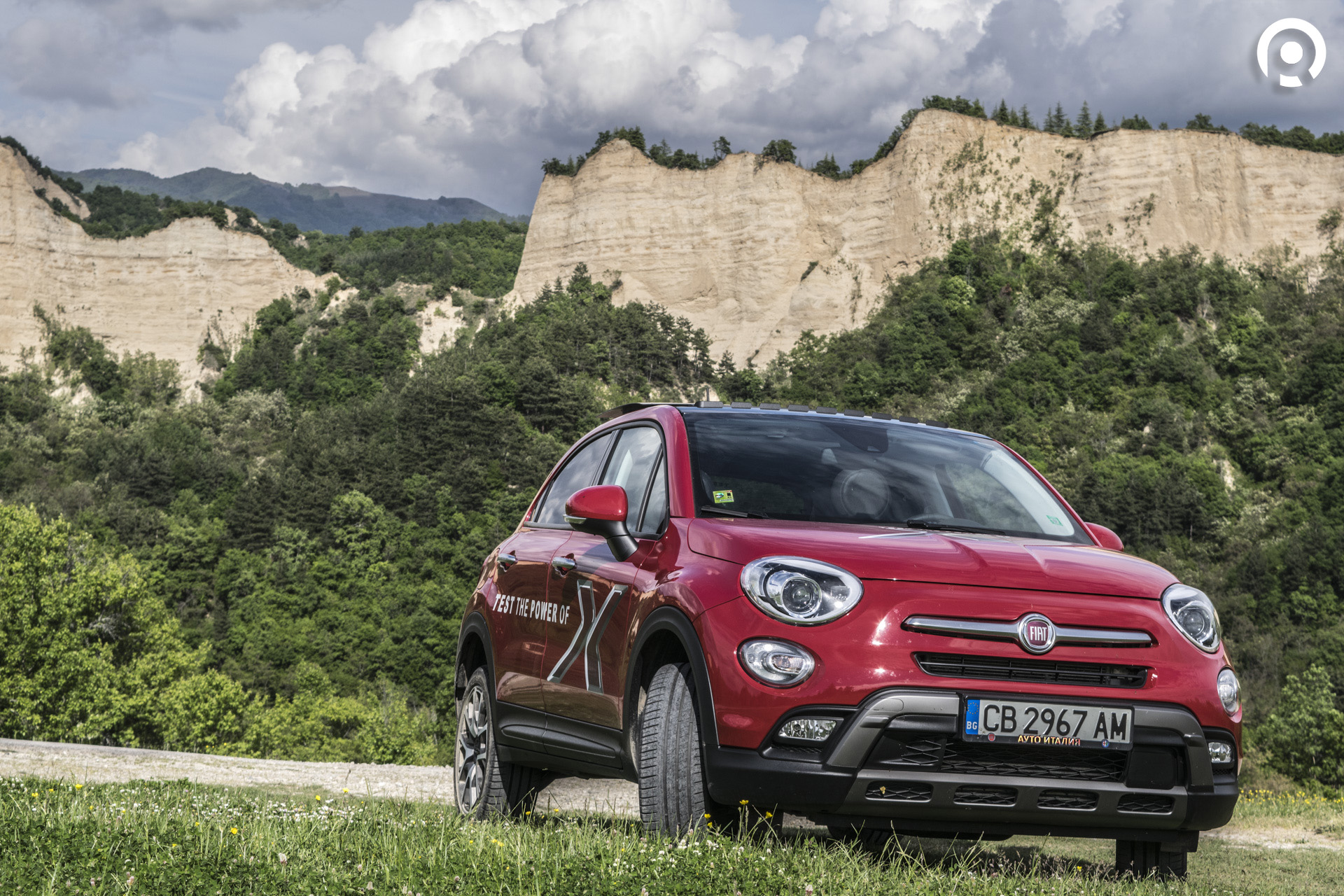
Around the Melnik region, I decided to explore the full potential of the 500X by testing both its dynamic behaviour and its off-road capabilities.
Driven harder, the 500X turned out to be a surprisingly enjoyable car. The steering is informative — contrary to some opinions I had heard before — while the car offers tremendous grip and a very high threshold before understeer appears. I suspect the all-wheel-drive system also plays a role here. Naturally, the body leans, but not excessively considering the relatively soft suspension setup.
Under these conditions, the powerful engine becomes a real advantage and thanks to the large number of gears there is always strong pulling power available. I genuinely enjoyed myself and at this type of driving the unrefined and noisy diesel character simply fades into the background.
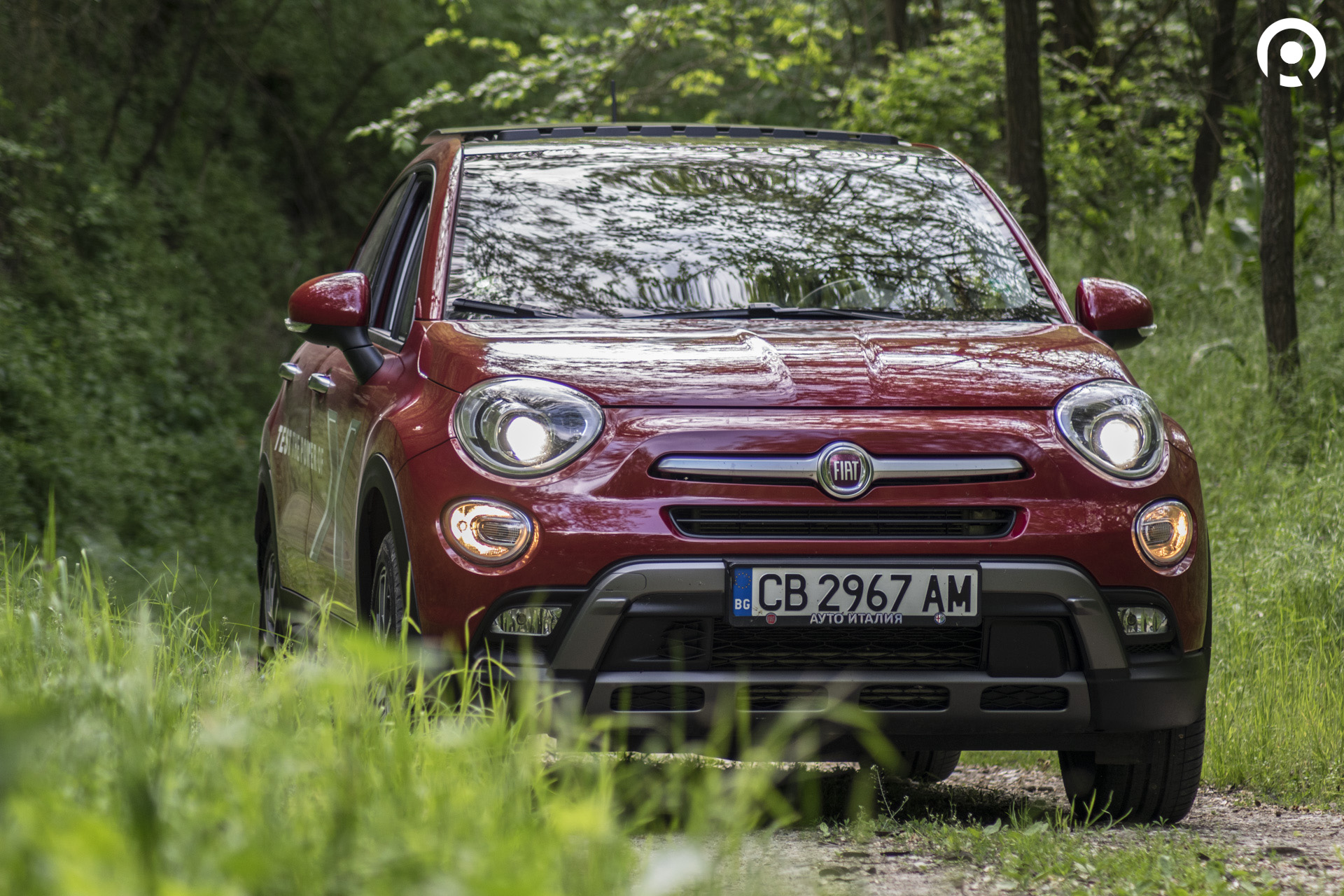
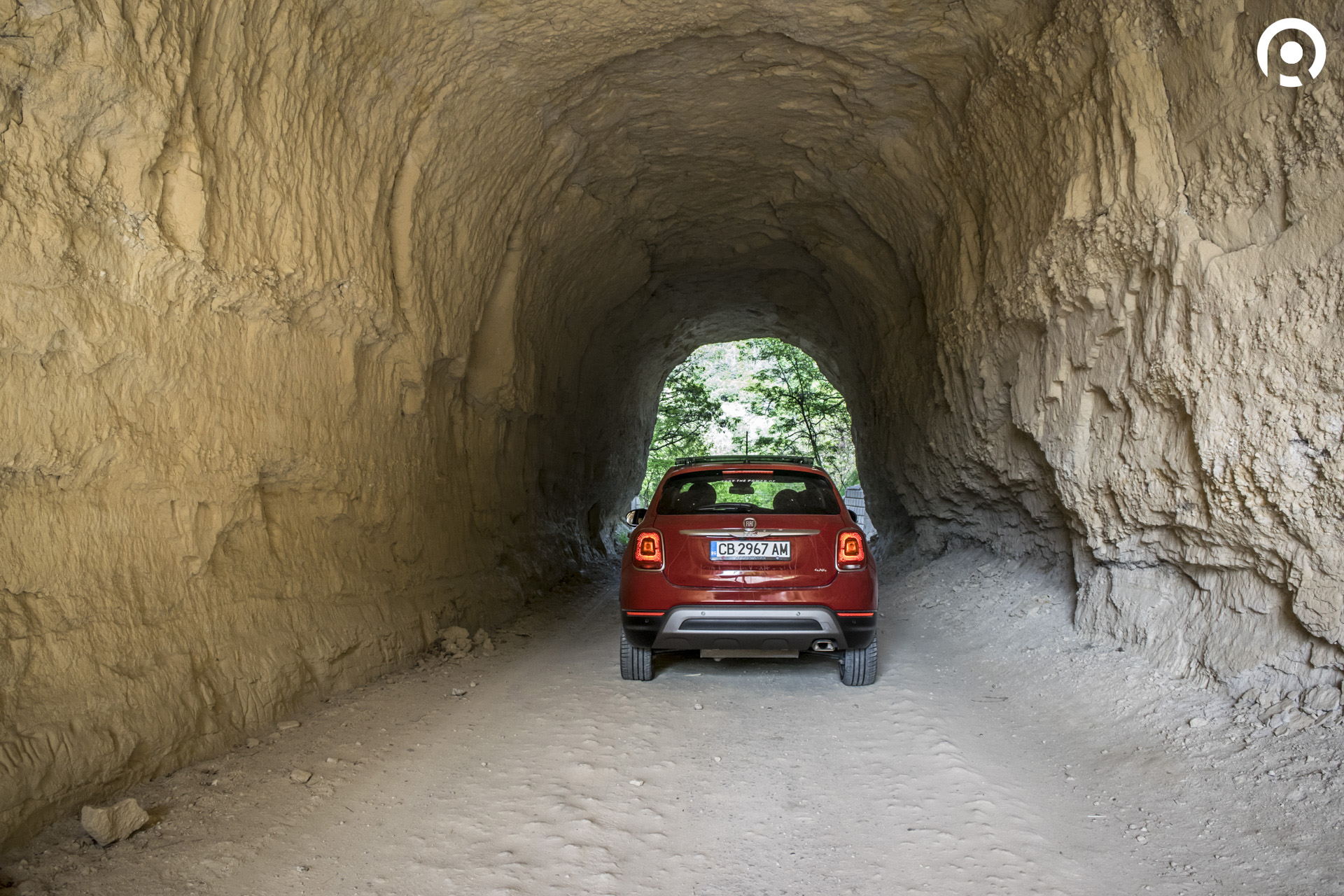
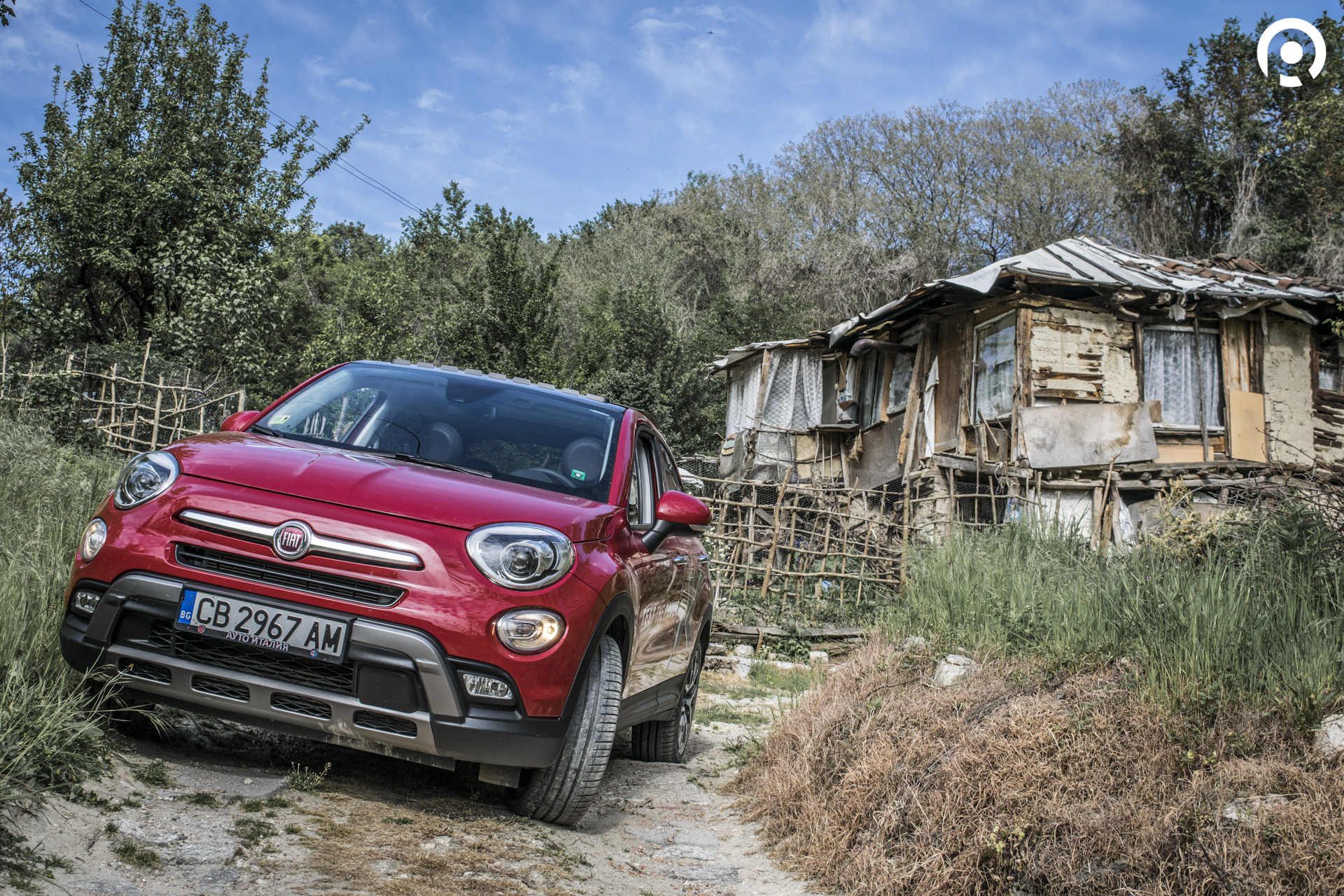
In fact, the car impressed me even more once I left the tarmac. It is genuinely surprising what these vehicles are capable of, even though realistically very few 500X owners will ever leave paved roads. The compact dimensions and generous ground clearance make light off-road routes remarkably easy.
Conclusion
I really liked the little Italian thanks to its attractive appearance and genuine charm. The car offers plenty of space within a compact package and I think it is especially suitable for people who do not travel long distances frequently and mainly stick to city driving, occasional weekend trips and a few longer journeys per year.
In my opinion, the 500X is an excellent representative of its segment and offers a very complete package with relatively few weaknesses.
Of course, people have different preferences and needs, but personally I believe that a 500X with a turbo petrol engine — because this is a car for annual mileage below 20,000 km, making a diesel unnecessary — front-wheel drive and a slightly more colourful interior configuration would be the ideal choice.
Such a version would cost a very attractive €20,400 in Urban Special Edition specification, plus perhaps a little extra for a couple of additional options on top of the already generous standard equipment.
Eng. Tsvetan Iliev


Интересно ревю. Аз бяхдоста предубеден за 500x. Нещо не ми харесваше дизайна му. Но след тази статия, както и след разглеждането на повечко снимки, включително и от интериора, си промених мнението. Определено правилна стъпка от Фиат.
Мен точно откъм дизайн ме грабна, видях един много хубав екземпляр в Холандия в началото на миналата година, който ми грабна вниманието (на снимки не ми беше харесал толкова). Интересна кола е и въпреки недостатъците си също смятам, че е добър ход 🙂