
Ten years ago, Dacia entered the compact SUV segment boldly—and at exactly the right moment—with the Duster. It was a simple car, full of compromises, but crucially—very affordable. At the same time, it was significantly more refined and modern than the cheapest off-road option available on our market back then—the Lada Niva (still around today, now called Lada 4×4 and still “scandalously cheap”).
And because not everyone looking for an affordable 4×4 is a hunter or a forester, the Duster effectively swallowed the Niva’s market whole. It became hugely popular, and if we had reliable local sales data, I wouldn’t be surprised if it turned out to be the best-selling SUV in Bulgaria for at least half of its time on the market.
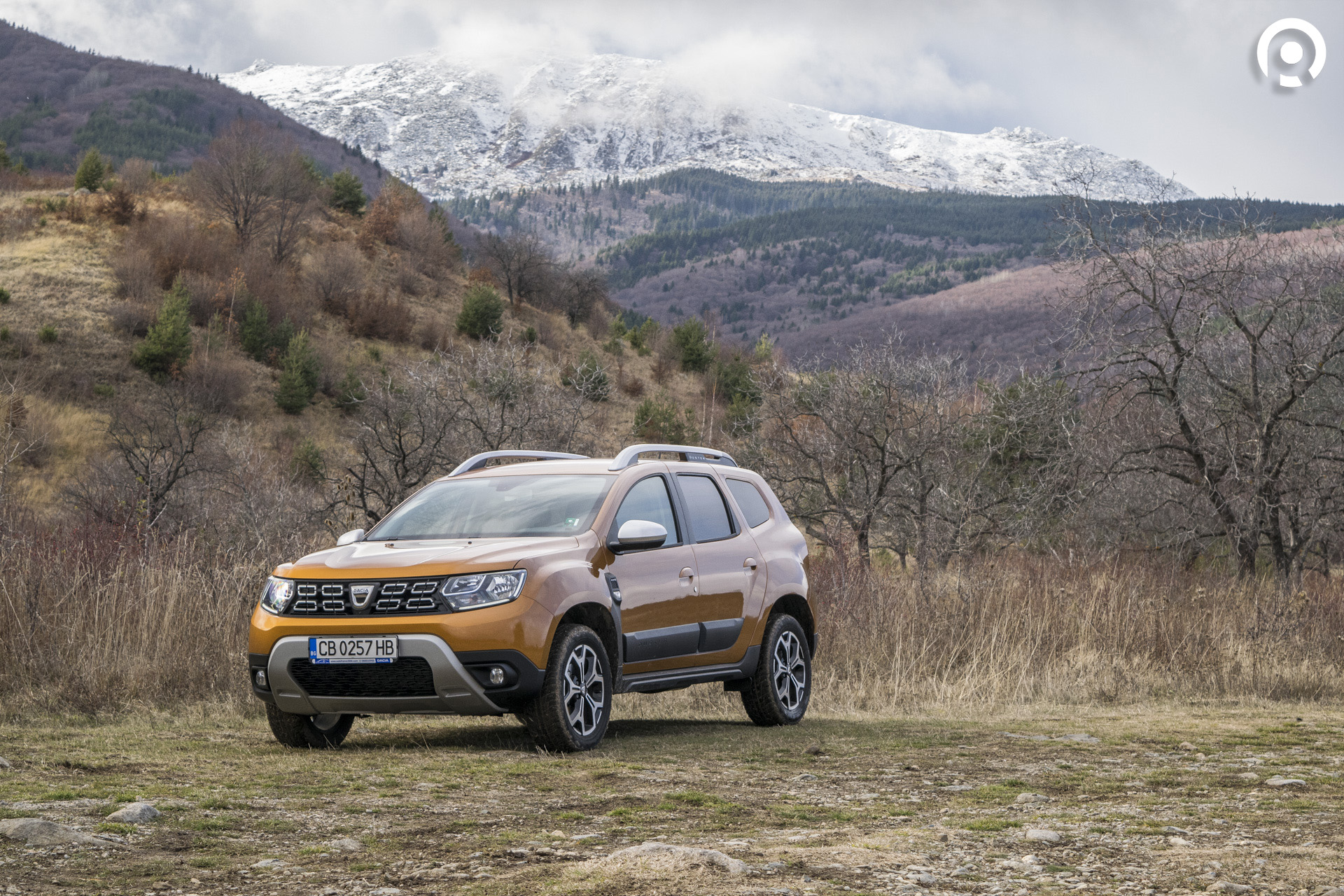
The second-generation Duster has now been around for two years—and it’s finally time for it to appear on Roadhunter.
Design
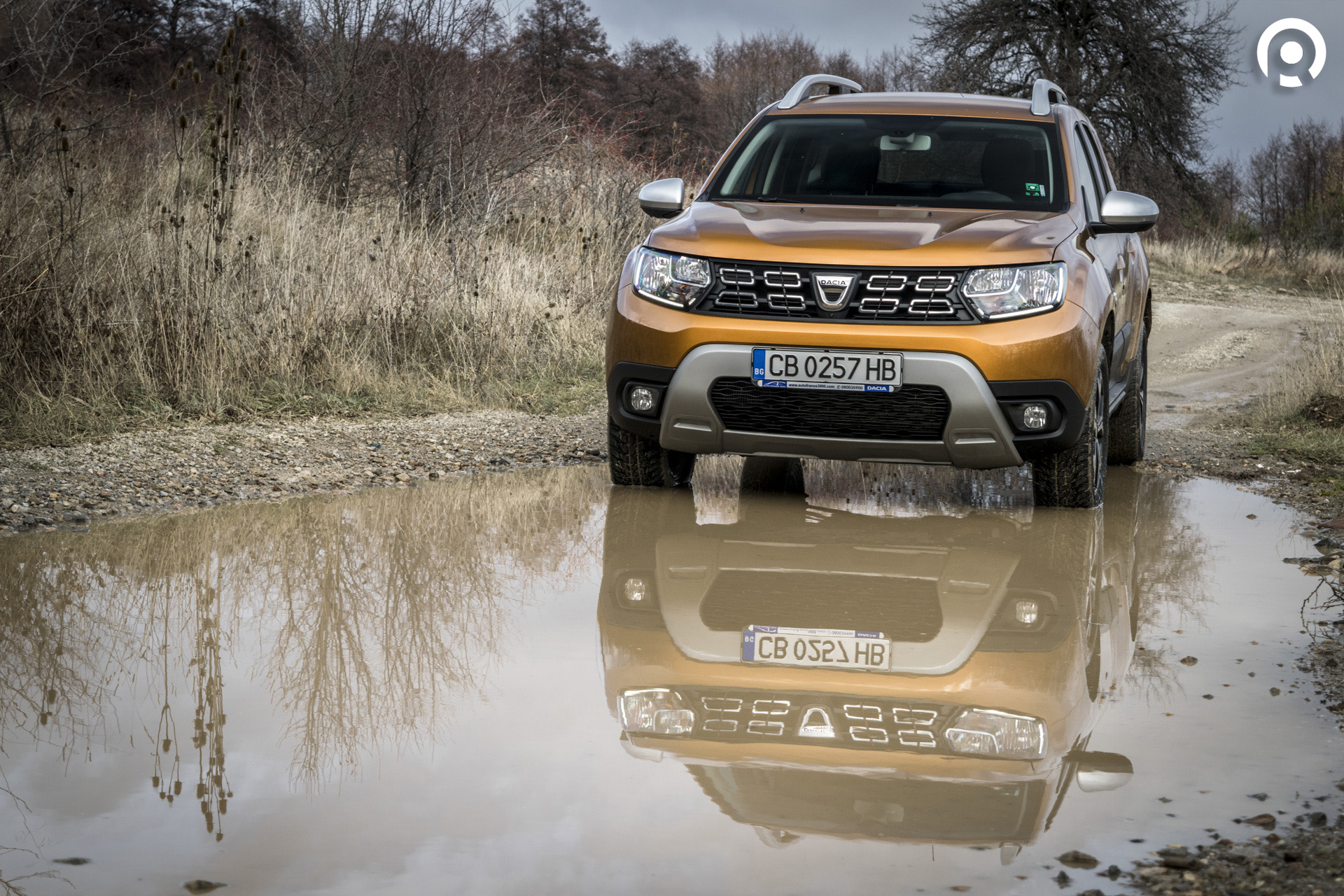
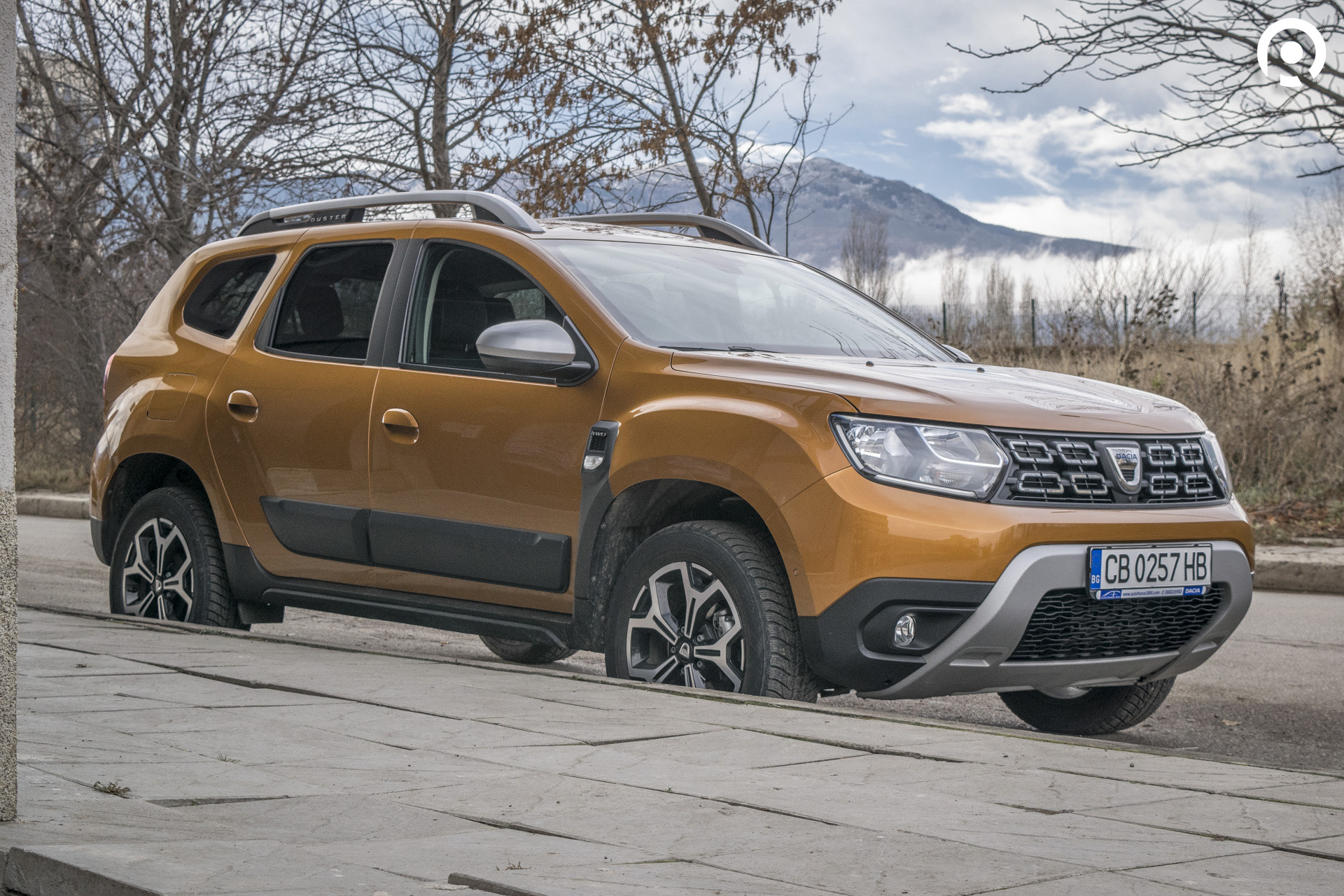
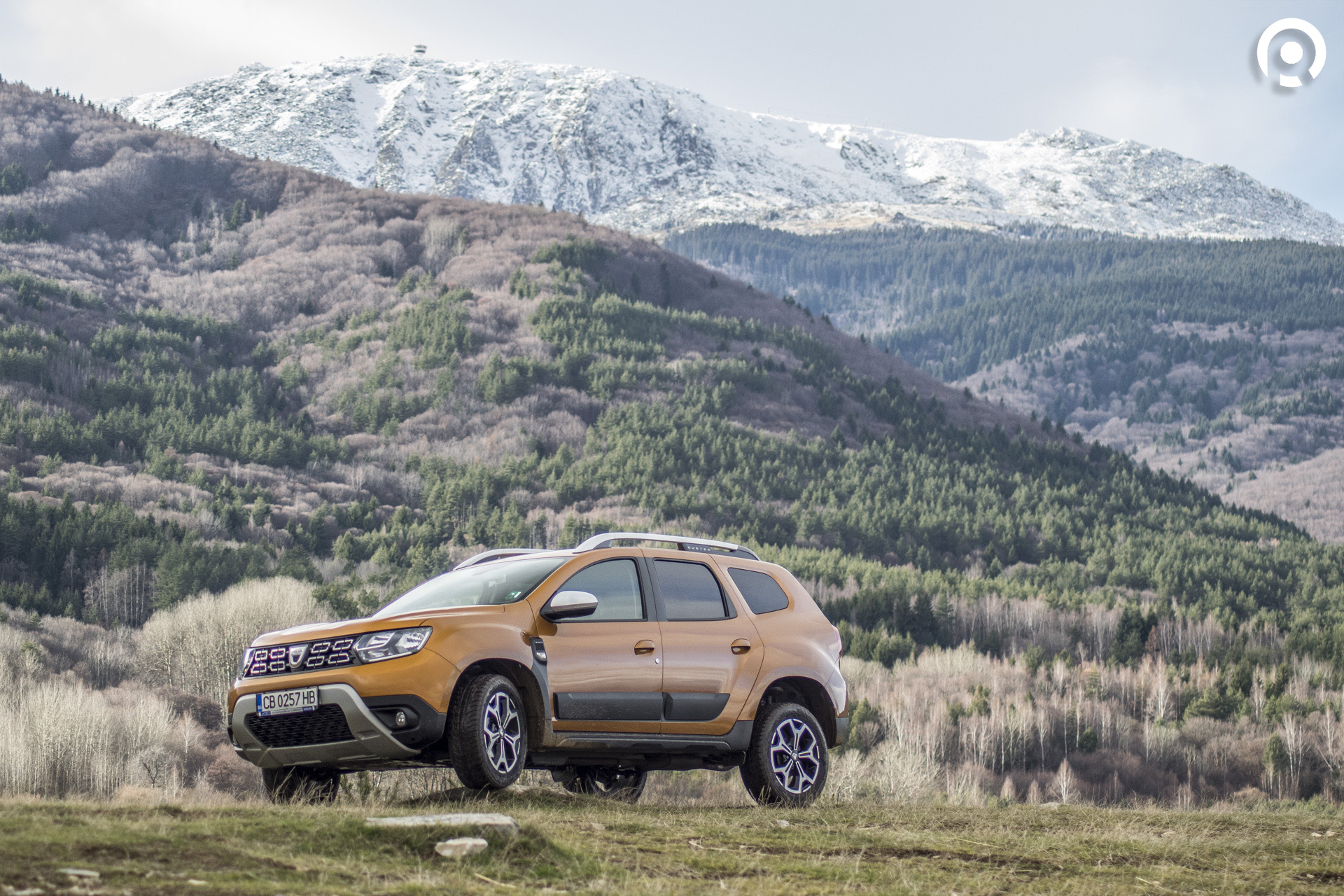
There’s no avoiding the comparison—the first Duster relied on a conservative design combined with wide wheel arches that gave it character and a muscular stance. The new model builds on that idea. If you’re not particularly into cars, you might even think this is just a heavy facelift.
It isn’t. This is an entirely new model, although it has taken on a slightly “softer” appearance. In other words, it looks more modern and less Spartan. The wheel arches are no longer as pronounced (which is a bit of a shame), and the lines are more rounded.
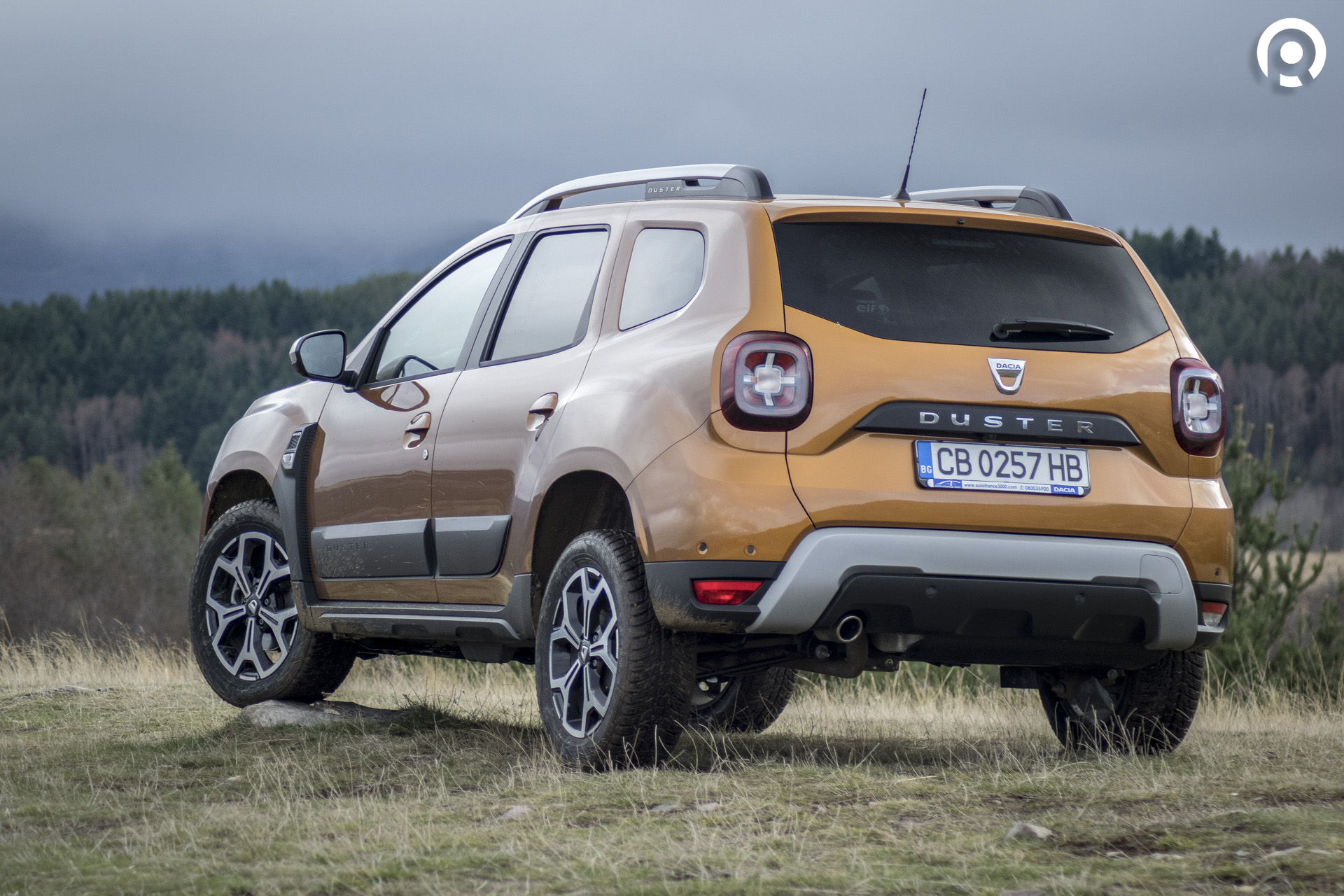
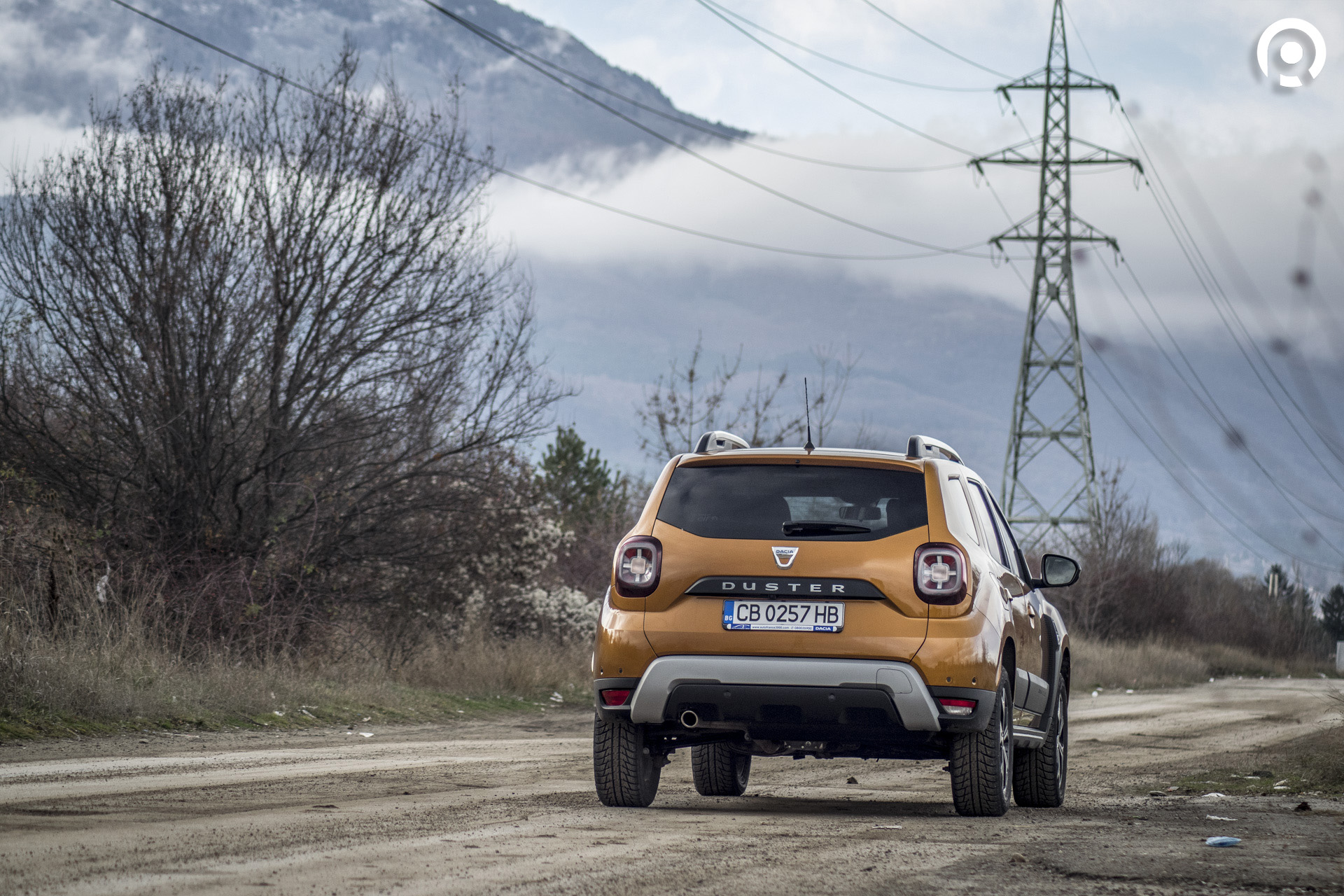
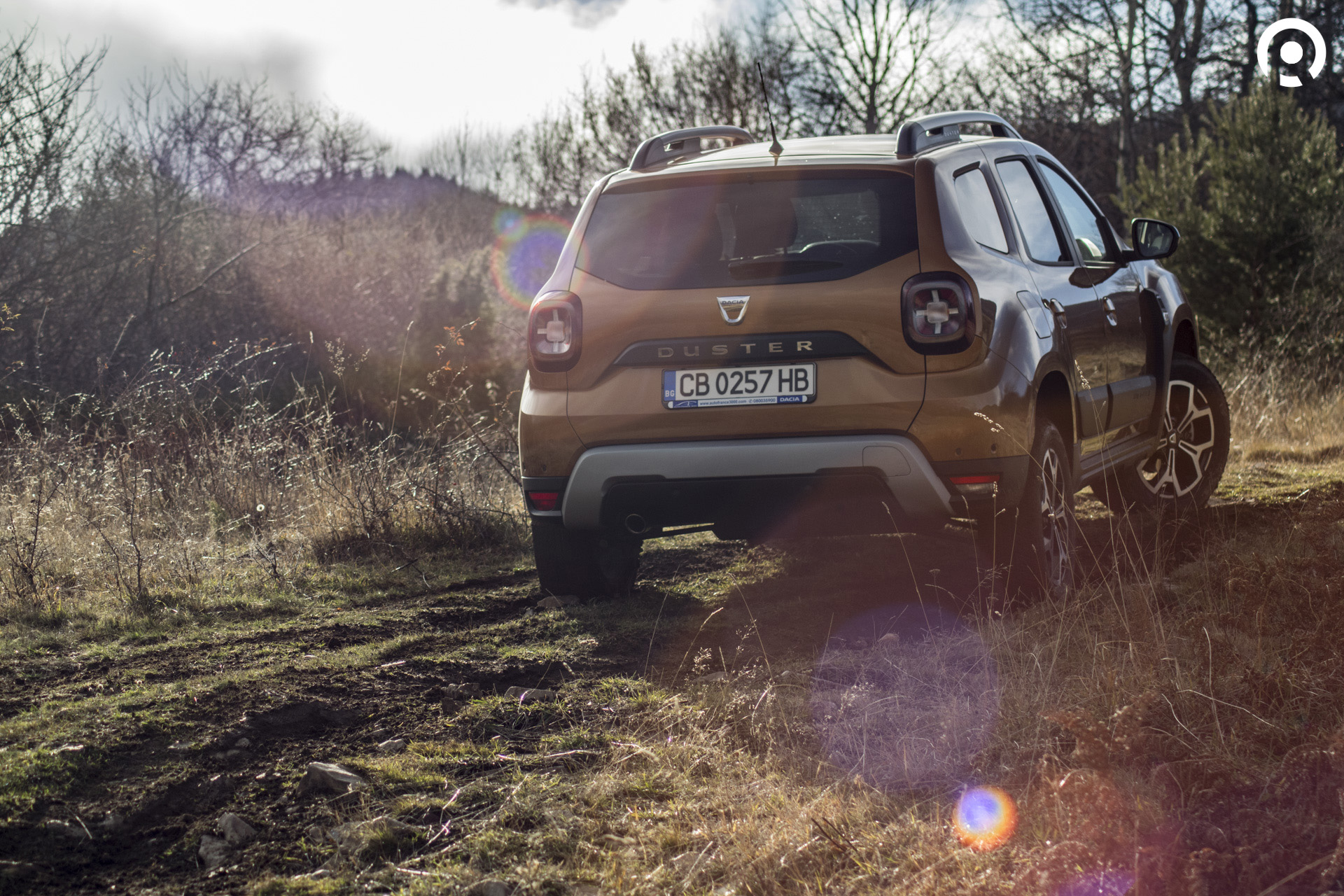
The rear end is particularly interesting and well executed. The light design even reminds me of the Jeep Renegade—not a bad reference at all.
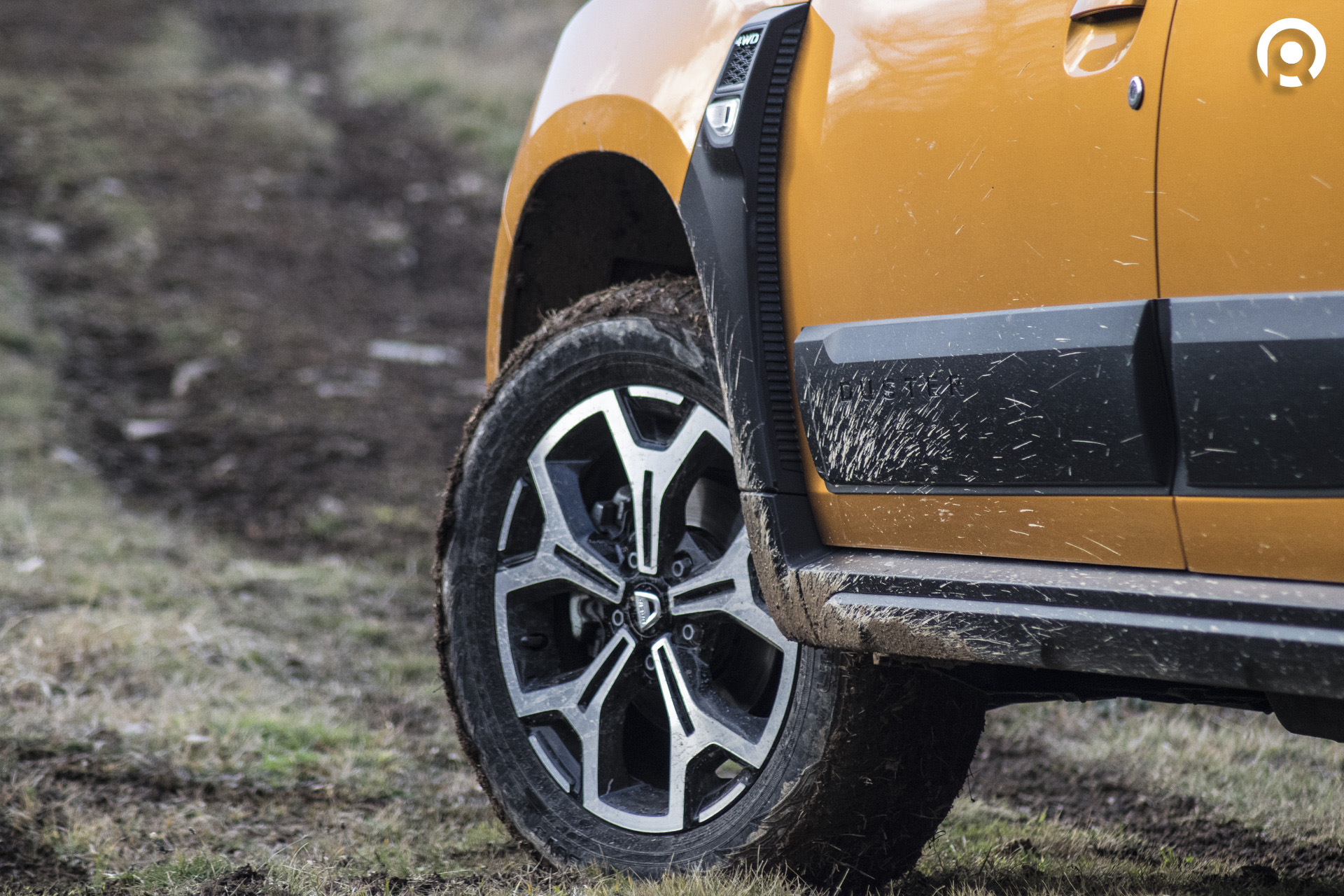
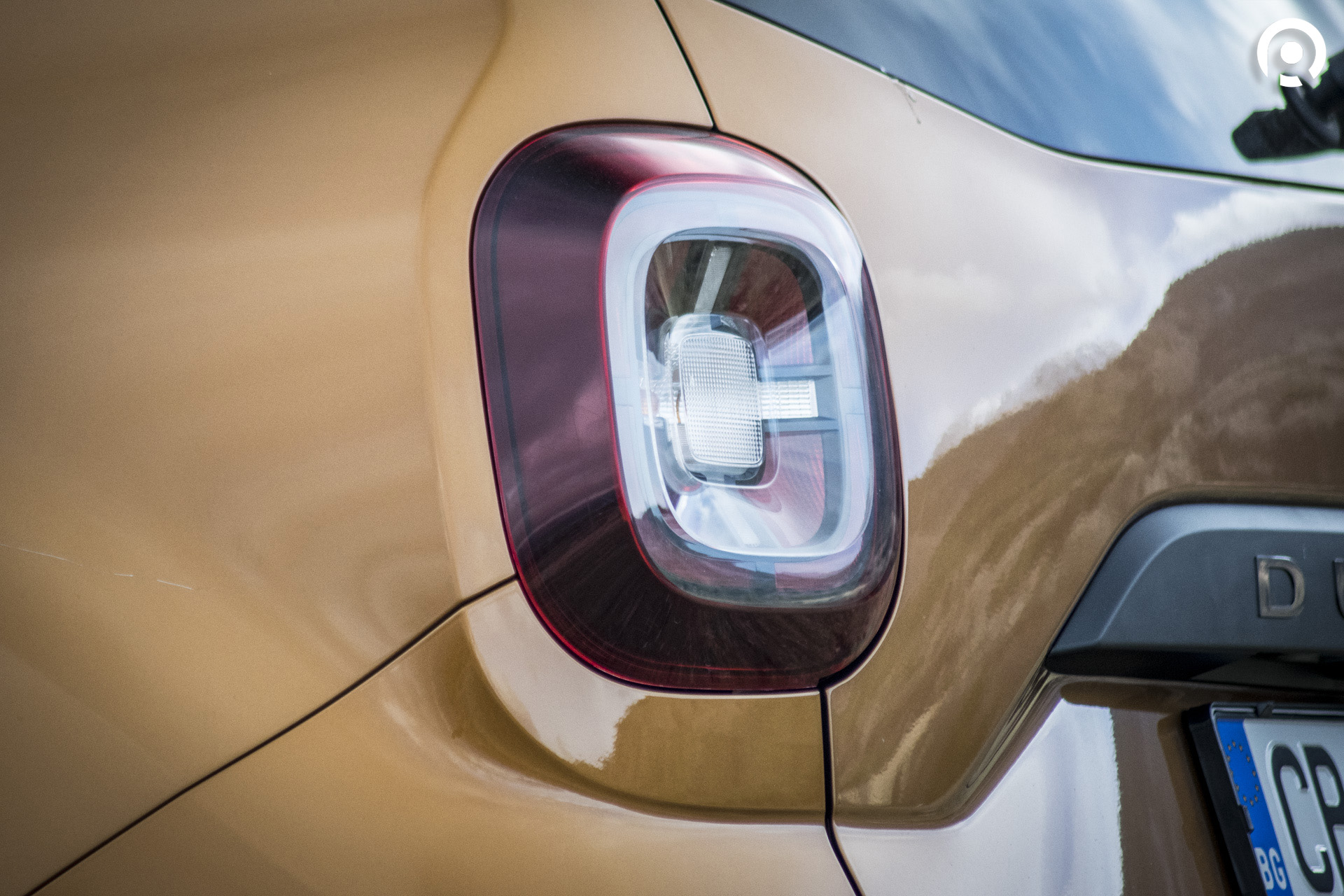
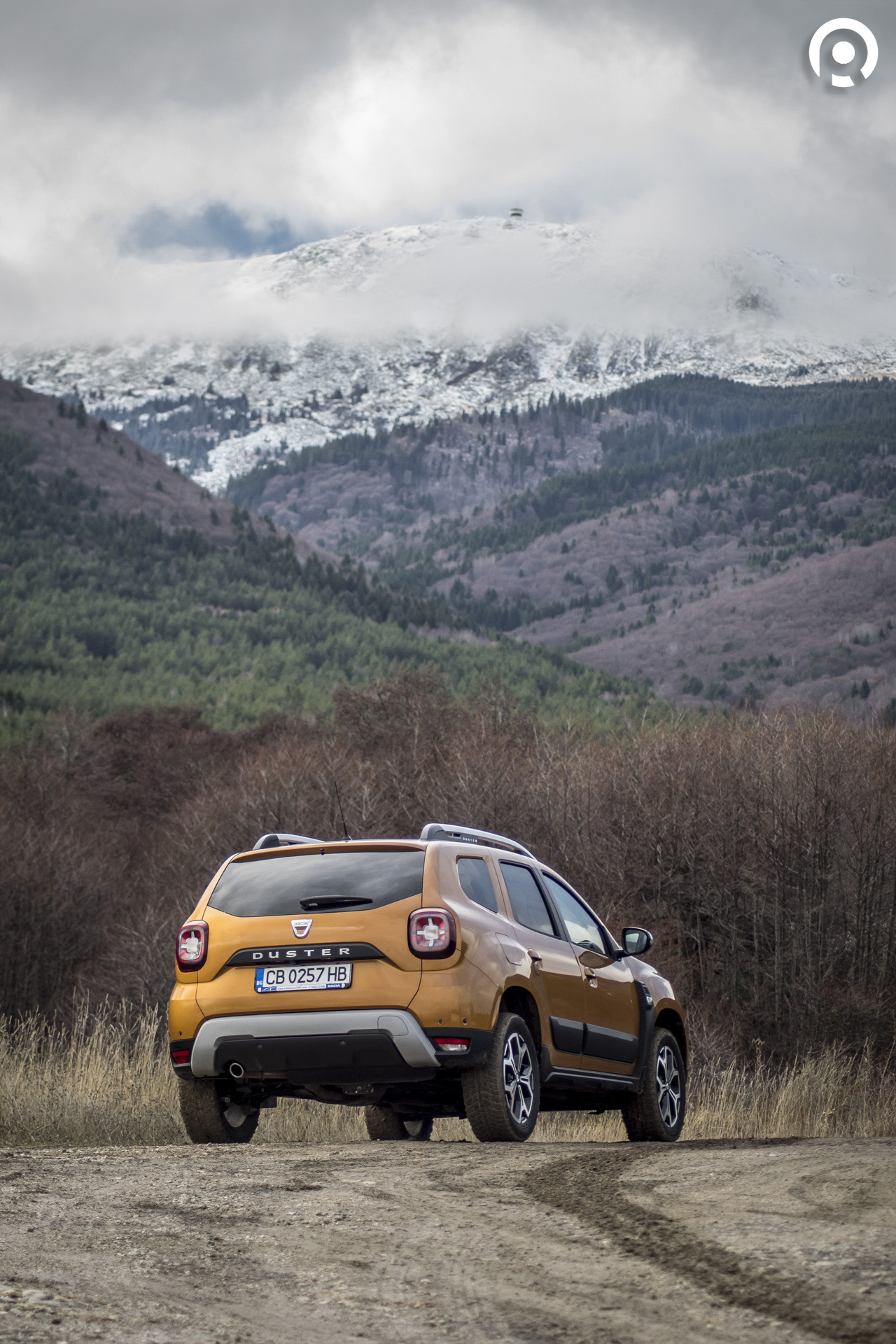
Overall, I like the way the Duster looks. It stands out from other compact SUVs and is instantly recognisable. Yes, it’s conservative—but not necessarily cheap or outdated.
Interior
While the exterior doesn’t immediately reveal the Duster’s affordable nature, stepping inside makes everything crystal clear—plastic, lighter plastic, darker plastic. That’s the reality. As a result, when driving over uneven surfaces, you’ll hear the occasional creak here and there. No surprises.
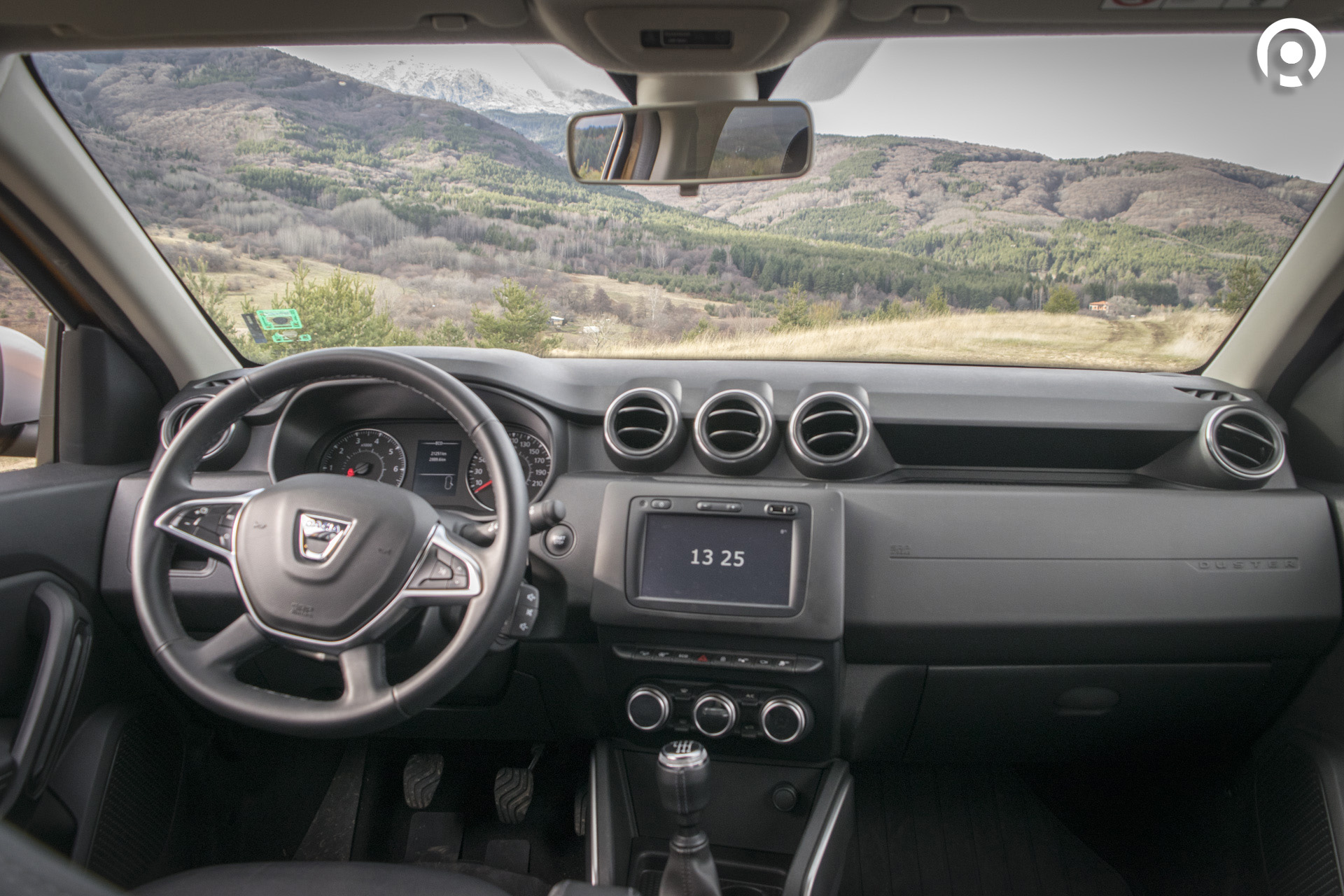
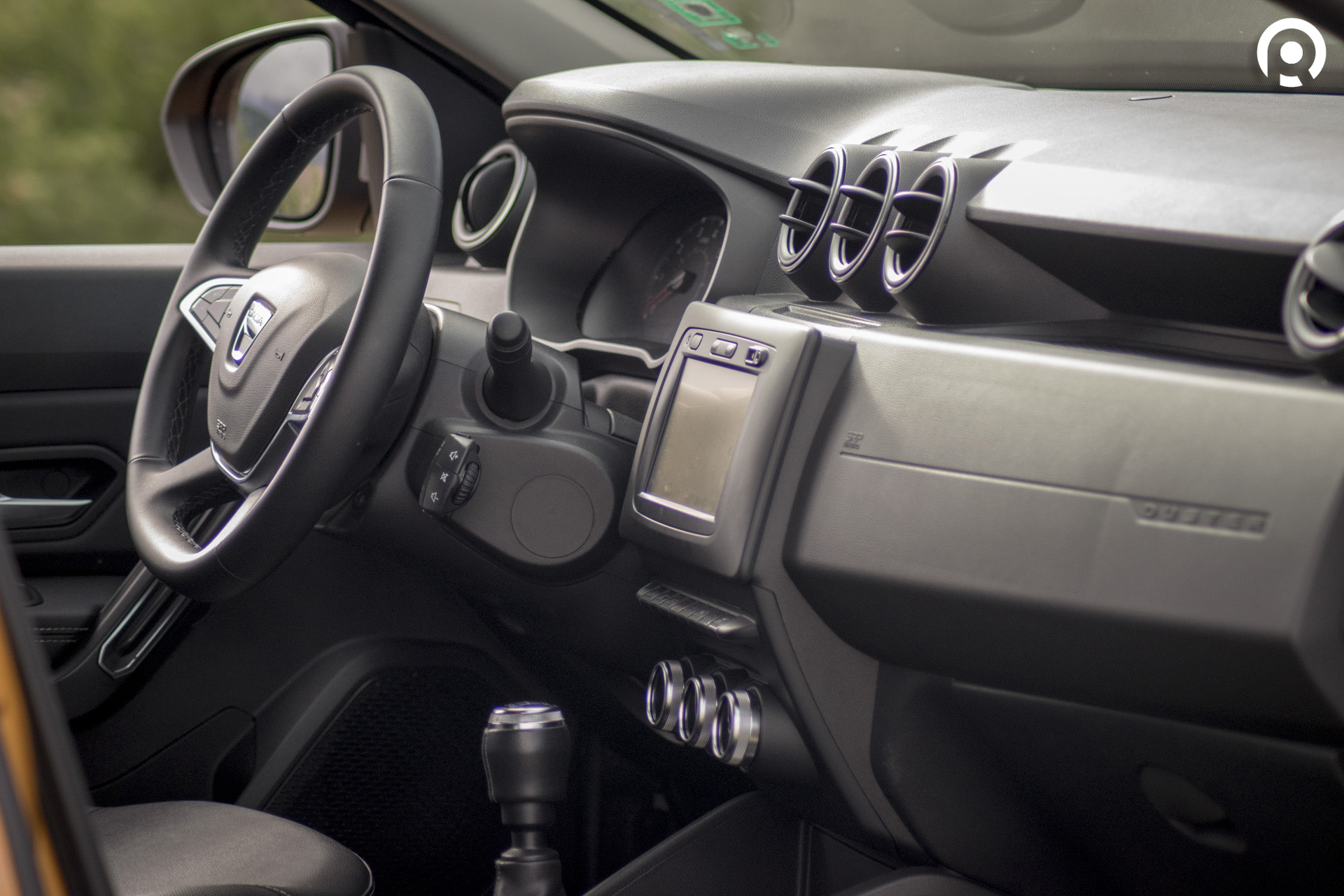
Still, there are signs of effort—contrast stitching on the seats, metallic-look climate control switches, a nicely finished gear knob, and silver trims around the air vents.
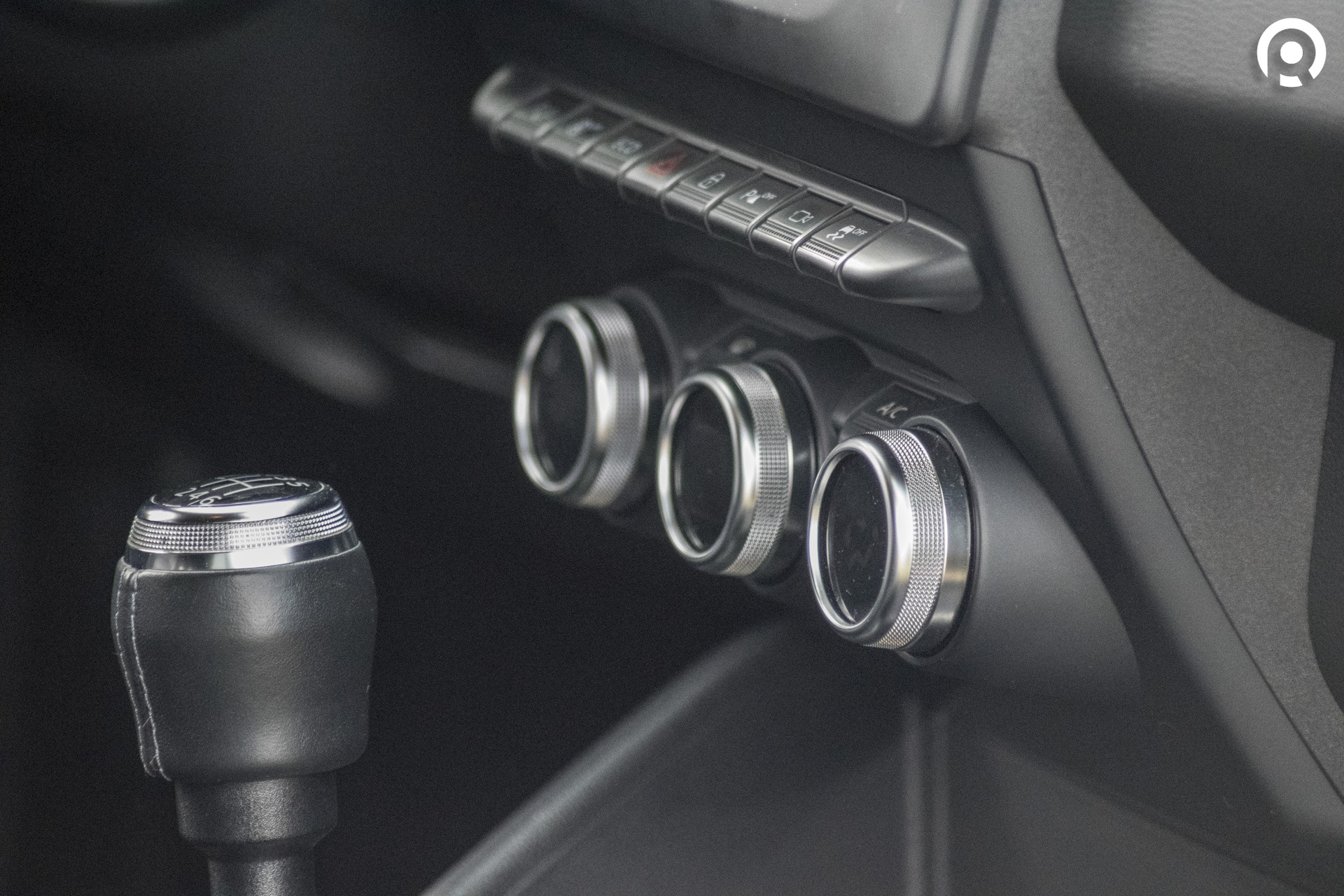
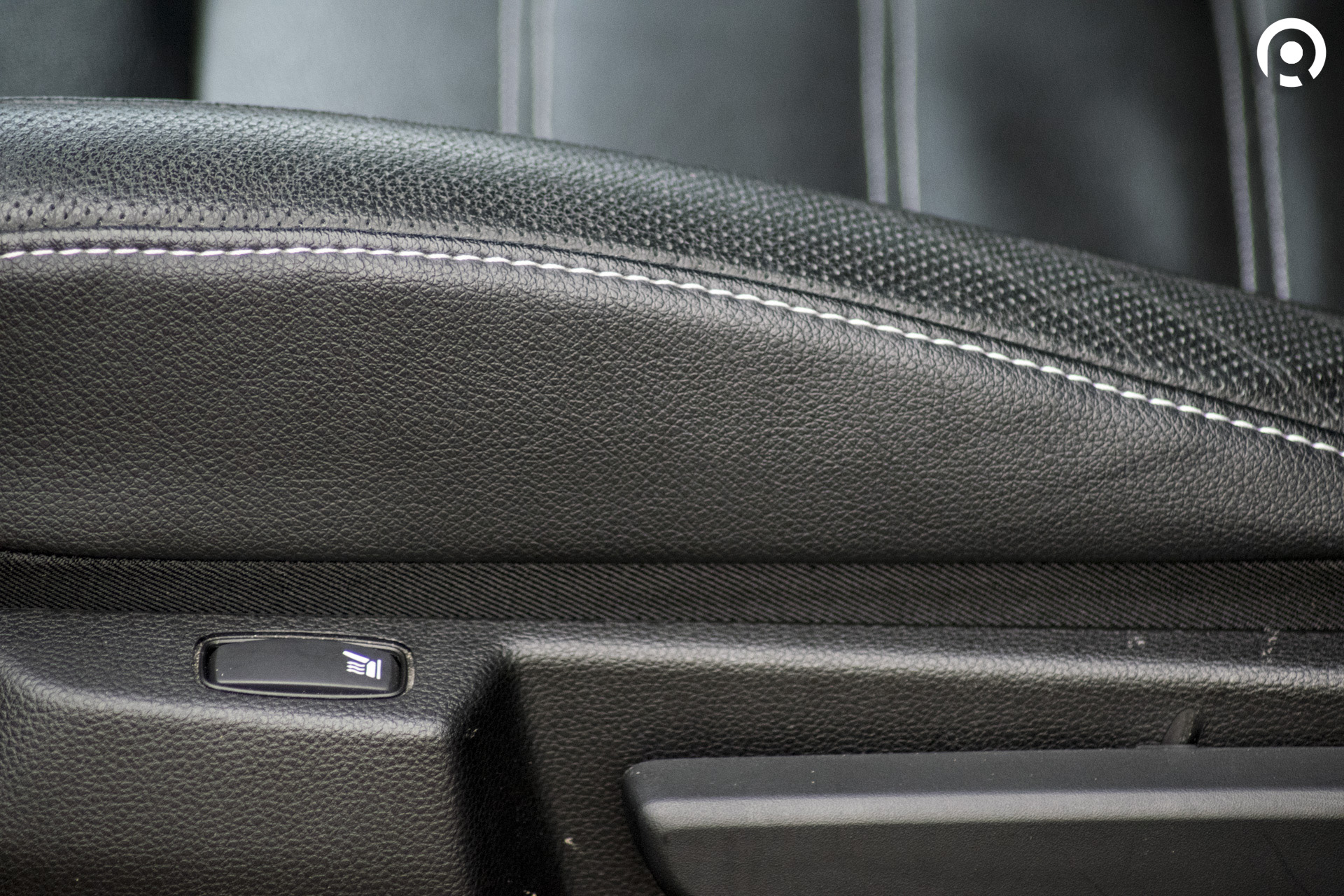
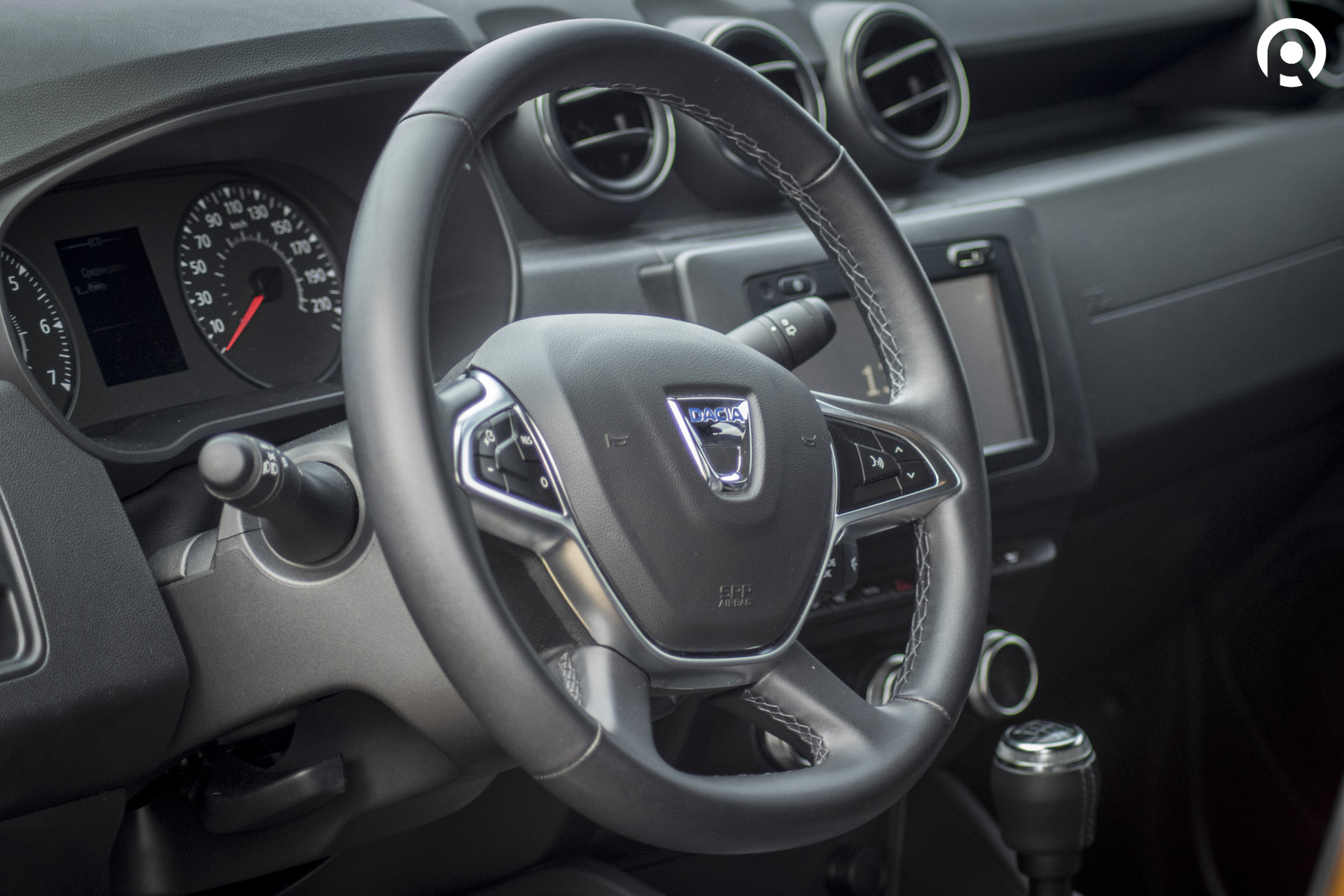
Once you look past the materials, the interior isn’t bad at all. Ergonomics are solid, the seats are more comfortable than expected, and there’s plenty of practicality—large door pockets, storage under the seat, decent cupholders and a central armrest… for the driver only.
Speaking of ergonomics, the cruise control and speed limiter are activated via a button placed somewhere near the handbrake. I’ve heard plenty of complaints about this, but I actually disagree—it’s well thought out. Once activated, everything is controlled via the steering wheel, including pause and resume functions. The awkwardly positioned button only comes into play when switching between cruise control and limiter.


Since it’s now 2020, even the Duster comes with an infotainment system (standard on Prestige, optional for about €510 on Comfort). The screen is seven inches—which by modern standards is tiny. Personally, I like it. I’m tired of massive screens lighting up my face while driving. If I want a cinema, I’ll go to the cinema. If I’m short-sighted, I’ll wear glasses. Seven inches here is just right.
Where it isn’t right is… almost everything else. There’s glare, low resolution, insufficient brightness, and slow response times. It’s a compromise. Yes, you get Apple CarPlay and Android Auto, and basic functionality is there—but you’ll need patience and modest expectations. Otherwise, it will drive you mad.


The good news is space. There’s a decent amount in both rows, and thanks to the nearly flat rear floor and high front seats, even three passengers in the back can travel reasonably comfortably. For two, it’s excellent—large windows and good outward visibility make a real difference.
As for the boot, the 4×4 version offers 411 litres. Not huge, but with a cargo net, you can easily make use of the space up to the roof.
On the Road
The Dacia Duster is available with 1.0- and 1.3-litre petrol engines producing 100, 130 or 150 hp, as well as a 1.5-litre diesel with 95 or 115 hp. The test car featured what appears to be the most sensible choice—a more powerful diesel, 4×4 drivetrain and a six-speed manual gearbox. It accelerates to 100 km/h in 12.1 seconds, reaches a top speed of 175 km/h and has a claimed average fuel consumption of 5.5–5.7 l/100 km.
On a long-awaited rainy day, Sofia’s dust turned into mud. I picked up the orange Duster from Auto France 3000 and headed towards the city centre. Friday, after 5 pm—you know the drill. Traffic jams, crawling speeds, and the occasional “important” individual driving as if rules don’t apply.
In these conditions, the Duster is actually quite pleasant. Visibility in all directions is excellent, thanks not only to the high driving position but also to the generous glass area. Add to that a light steering wheel, a reasonably precise gearbox and a comfort-oriented suspension.
The engine isn’t the most refined, but it doesn’t annoy with excessive vibration or noise.
Speaking of noise—the sound system is quite poor, even by my low expectations. Which is why I turned it off while sitting in traffic. That’s when I discovered what is, in my opinion, the car’s biggest flaw.
Even at low speeds, there’s a very unpleasant, constant electrical buzzing noise. At the next red light, the start-stop system shut off the engine—but the buzzing continued for a few seconds before fading away.
What is it? Most likely the AdBlue pump of the SCR system.
In simple terms—diesel engines produce harmful nitrogen oxides, which are treated in the exhaust system using urea (AdBlue). The fluid needs to be pumped from its tank to the exhaust, and that requires… a pump. In the Duster, that pump is annoyingly loud.
The good news is that the next day, on the Struma motorway, the increasing speed made the overall road noise loud enough to mask the buzzing. Apart from the relatively weak sound insulation, the Duster behaves well on the motorway—mid-range acceleration is adequate, and overall it feels more eager than the numbers suggest.
Its weakest performance, in my view, is on twisty secondary roads. There’s noticeable body roll, and the steering is extremely numb. Subjectively, I think the first generation handled these roads better—perhaps due to being around 100 kg lighter.
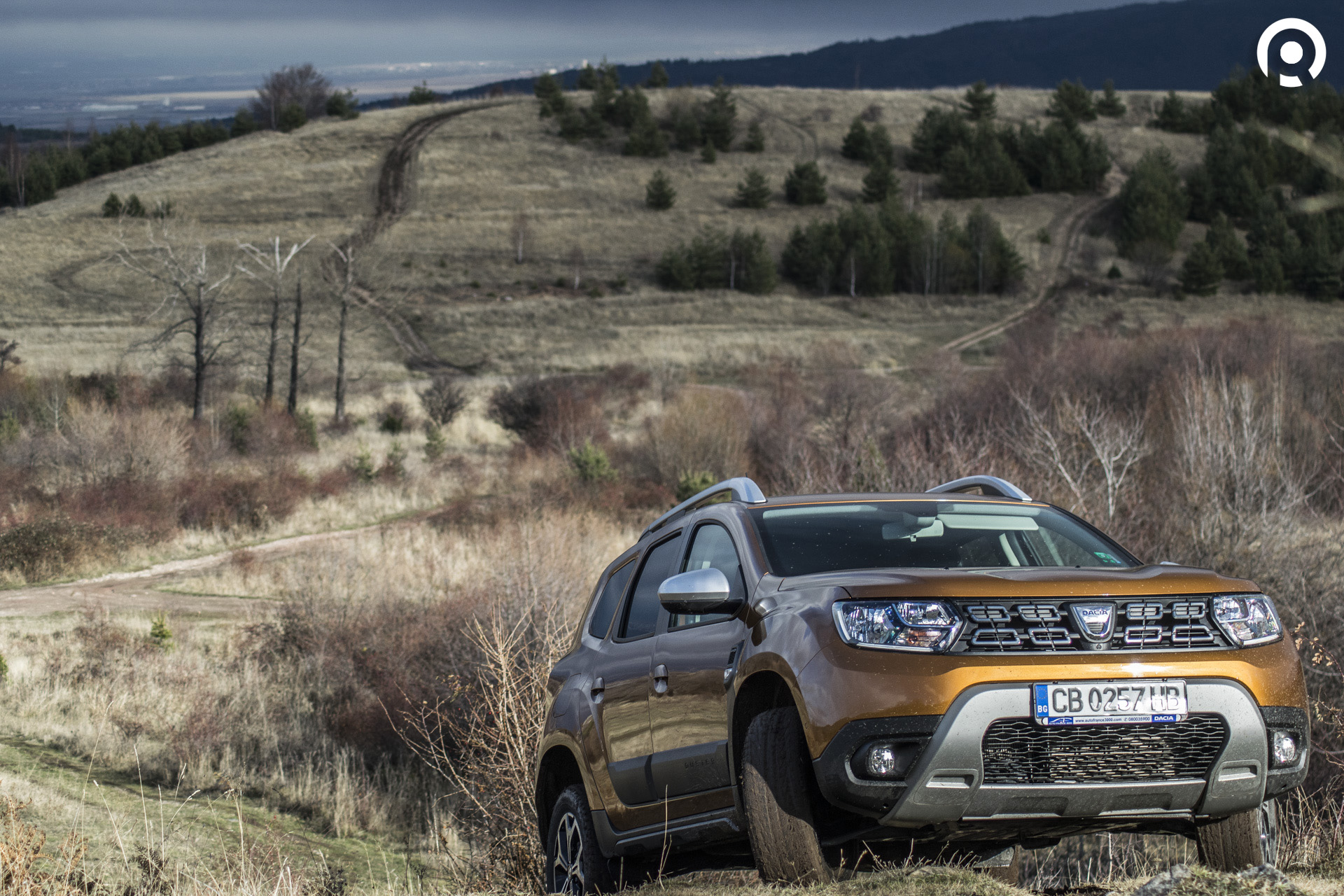
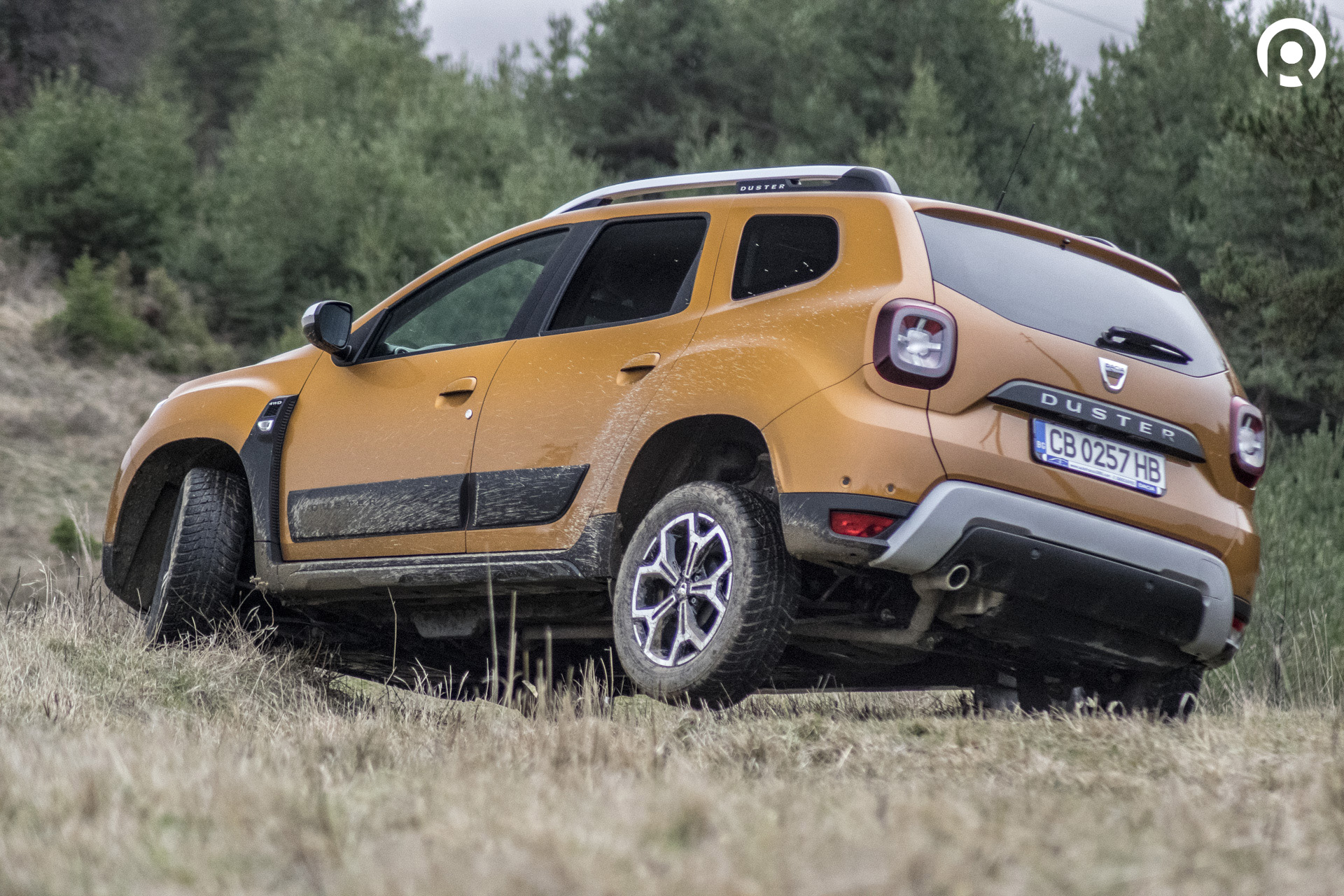
Where the Duster truly shines is off-road. It’s excellent. In many situations, you could go further with a Duster than with something like a Land Rover Discovery—not because it’s more capable, but because you’re far more willing to push a €20,000 car than one costing four times as much.
Jokes aside, it performs very well off the beaten path. I’ve previously spent time with the first generation, taking it to Bezbog hut and various unnamed spots in the Balkan Mountains. Any issues? No—except for a somewhat weak clutch.
With the new generation, I didn’t encounter such problems. Ground clearance is a respectable 21 cm, the 4×4 system can be locked, and there’s a capable hill descent control. Suspension articulation is somewhat limited, but despite that, the Duster can go surprisingly far. The available 360-degree camera system is also helpful off-road.
Fuel consumption is another positive. I recorded an average of 5.8 l/100 km—just 0.1 litres above the official figure, which says a lot about the newer testing standards.
Conclusion
The first-generation Duster was a simple car that required quite a few compromises and was best suited as a workhorse. Personally, I found it charming—it felt like stepping into a utopian past where everything was simpler.
The current Duster has undoubtedly moved upmarket. It’s more refined and offers more features. The problem, at least for me, is that I now take it more seriously. Subconsciously, I start comparing it to more established brands—and against them, the Duster inevitably loses points.
Still, the new Duster demands fewer compromises, making it more suitable for personal and family use. Its weaknesses are offset by its price—starting from around €11,500 (basic petrol version, white only, no air conditioning).
For a sensible configuration, you should look at the Comfort trim (from about €14,300 for petrol or €18,900 for diesel 4×4). If you want 4×4, the best option is the top Prestige trim at around €19,900.
Unfortunately, four-wheel drive is only available with the diesel engine—and that means living with the buzzing AdBlue pump.
Whether the price is tempting enough for you to ignore it… that’s entirely up to you.
Eng. Tsvetan Iliev

Comments are closed.