
This time, I’ll start with my personal view on electric cars – they should be city-focused. That’s it.
All the large electric limousines and SUVs are great for attracting attention and offering impressive performance, but they lack logic. In reality, they would feel more at home with a modern internal combustion engine paired with a hybrid system.
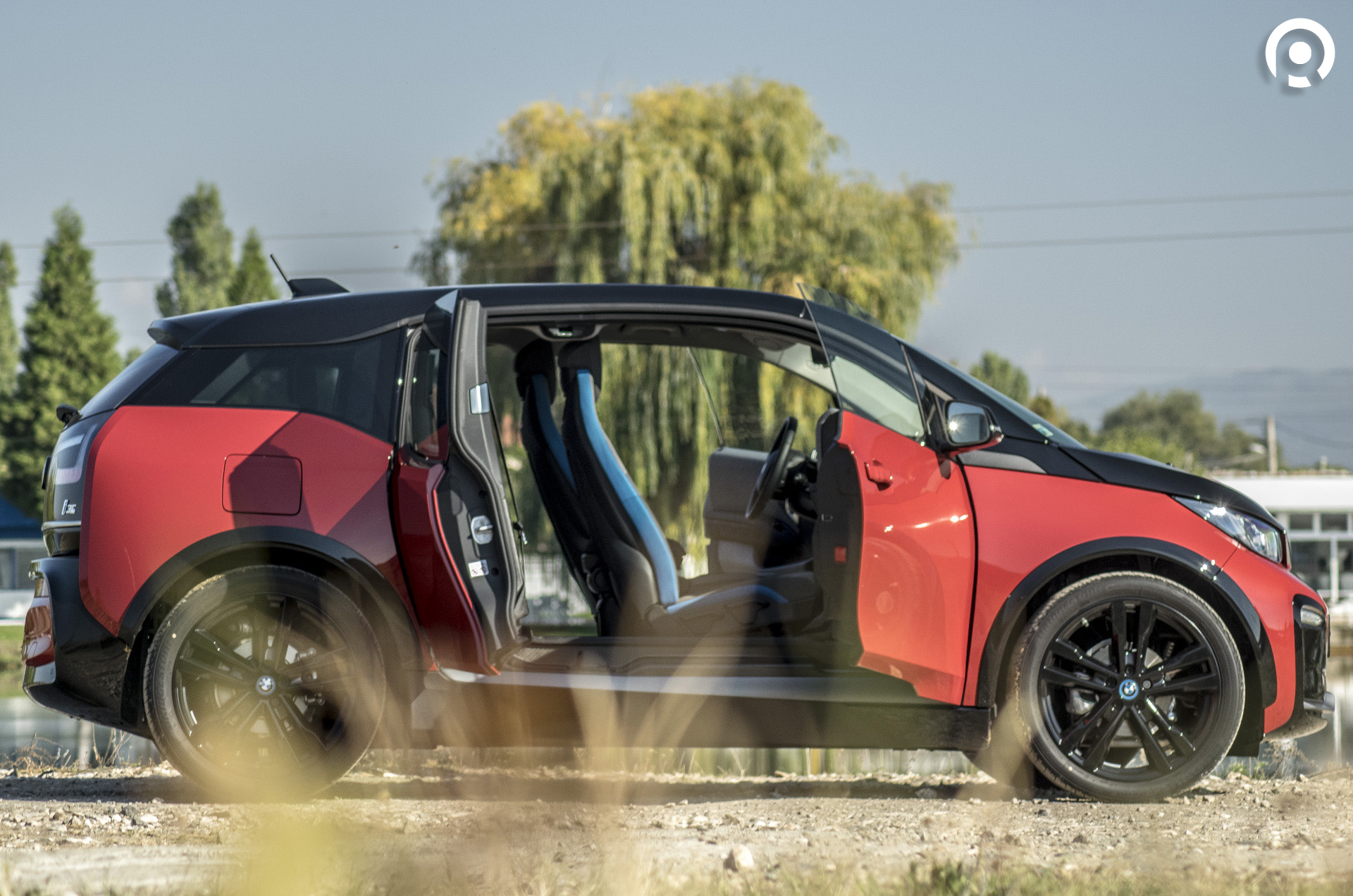
Six years ago, BMW entered the electric world with the compact i3 – a car that, at first glance, has all the ingredients to be a truly good representative of this type of mobility. Its sales continue to grow year after year, contrary to the typical trend of decline as a model ages. It’s worth taking a closer look – and to make things more interesting, let’s do it through the sportier i3s version.
Design
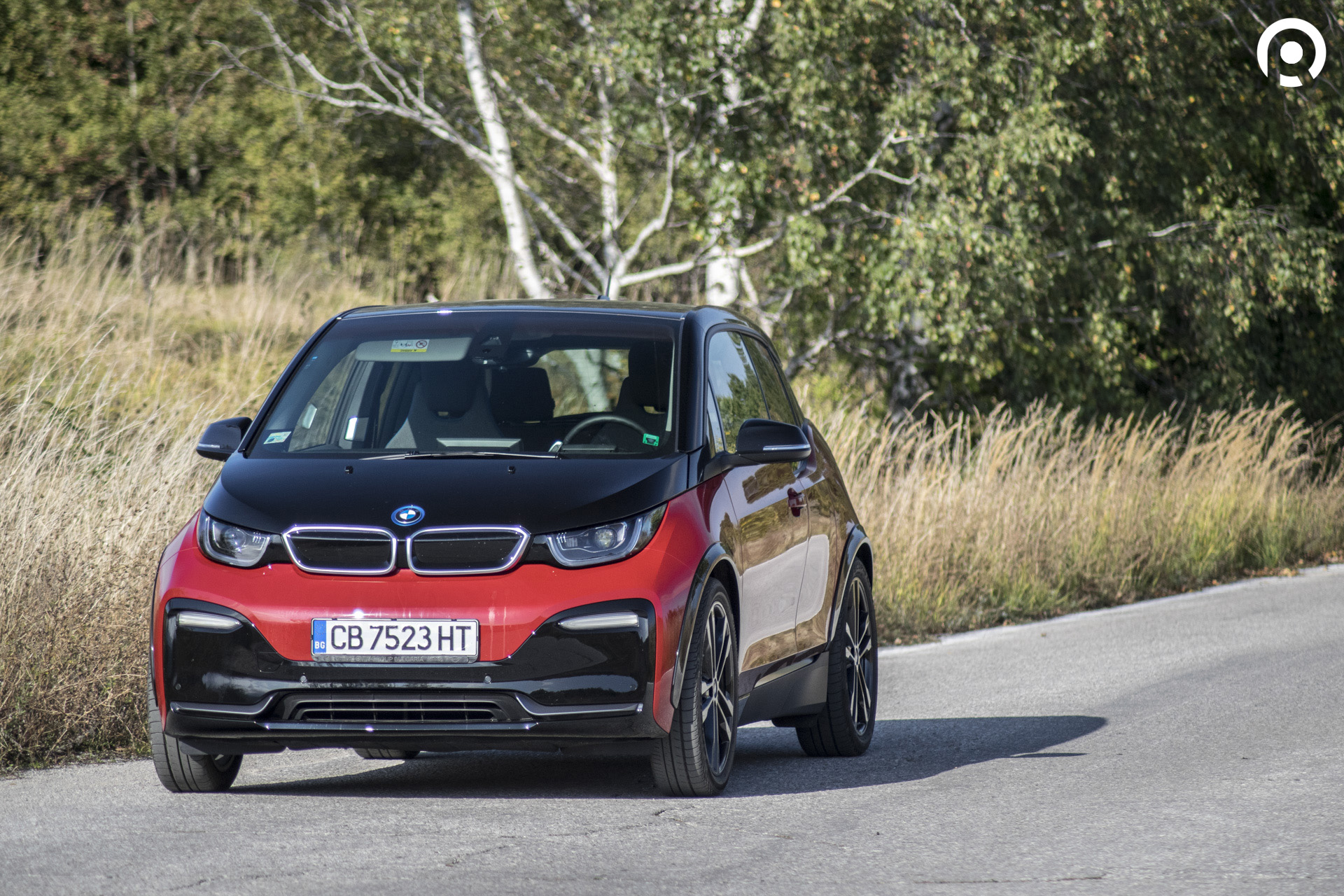
The design of the i3 can be described as bold, different, interesting, beautiful – or ugly. What’s undeniable is that it doesn’t leave people indifferent. In a way, it showcases the freedom that electric propulsion allows – an EV doesn’t need to follow the conventions of traditional cars.
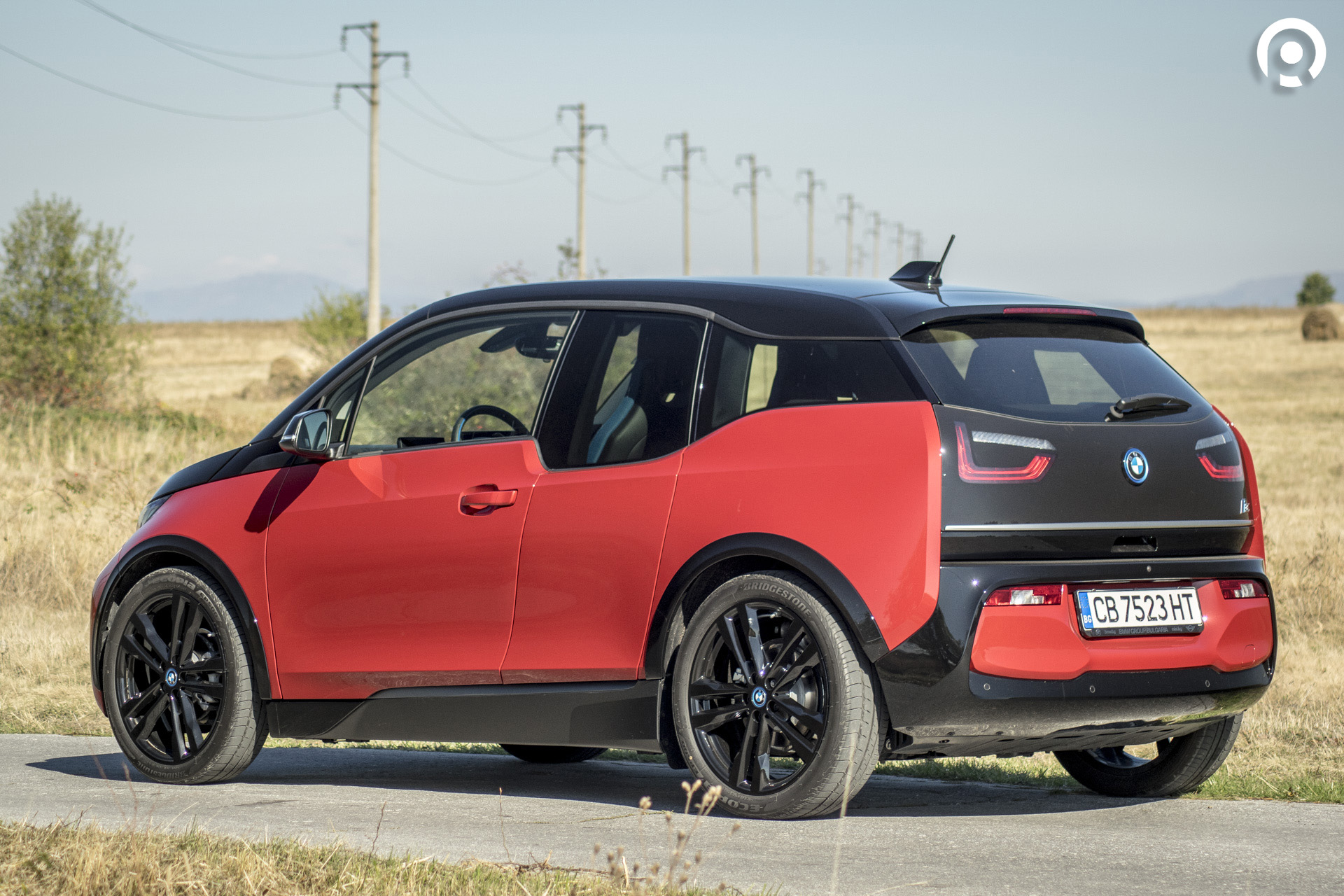
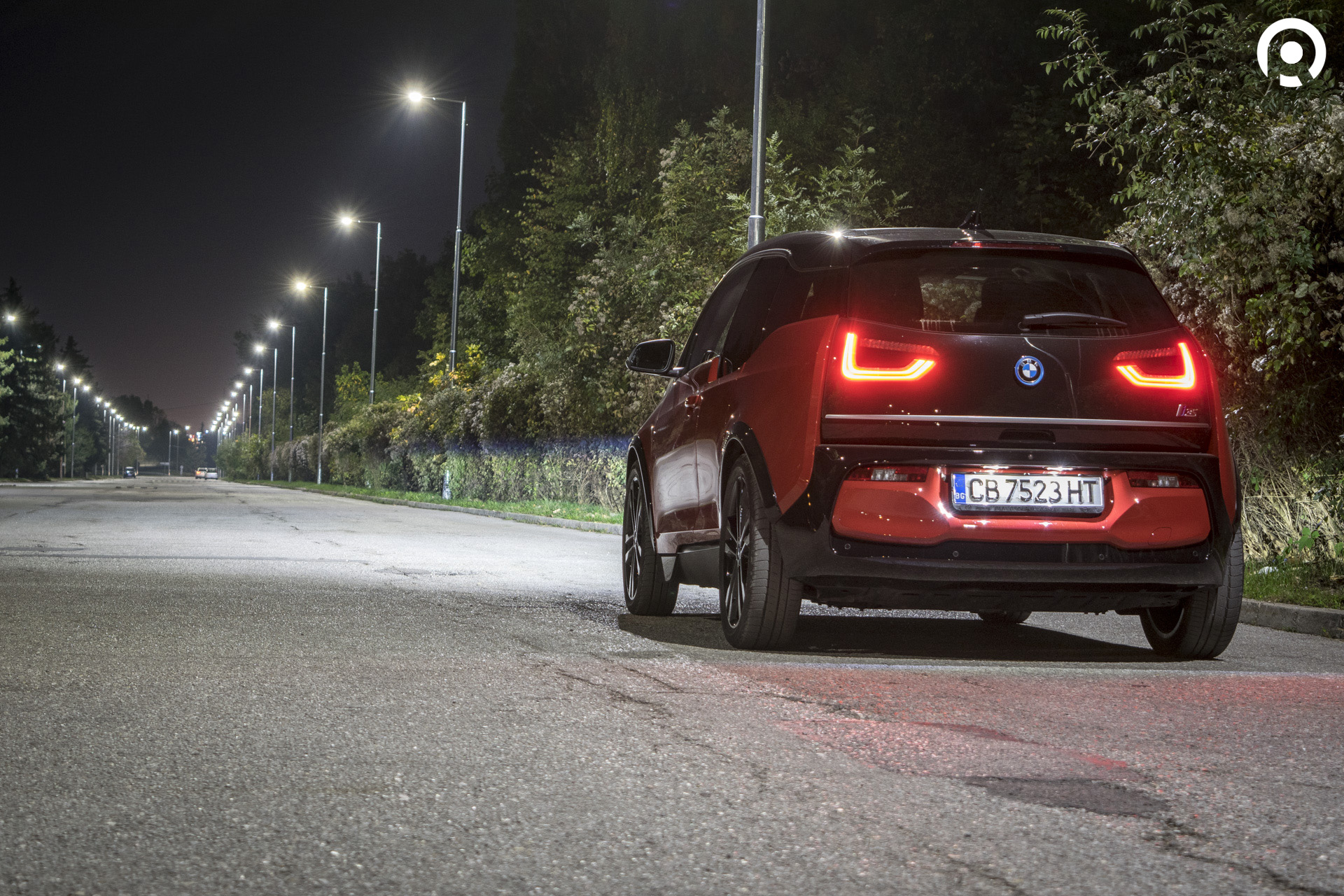
Key highlights include the glass tailgate with integrated lights, the unconventional window line that improves rear passenger visibility, and of course, the rear doors that open in the opposite direction – combined with the absence of a B-pillar.
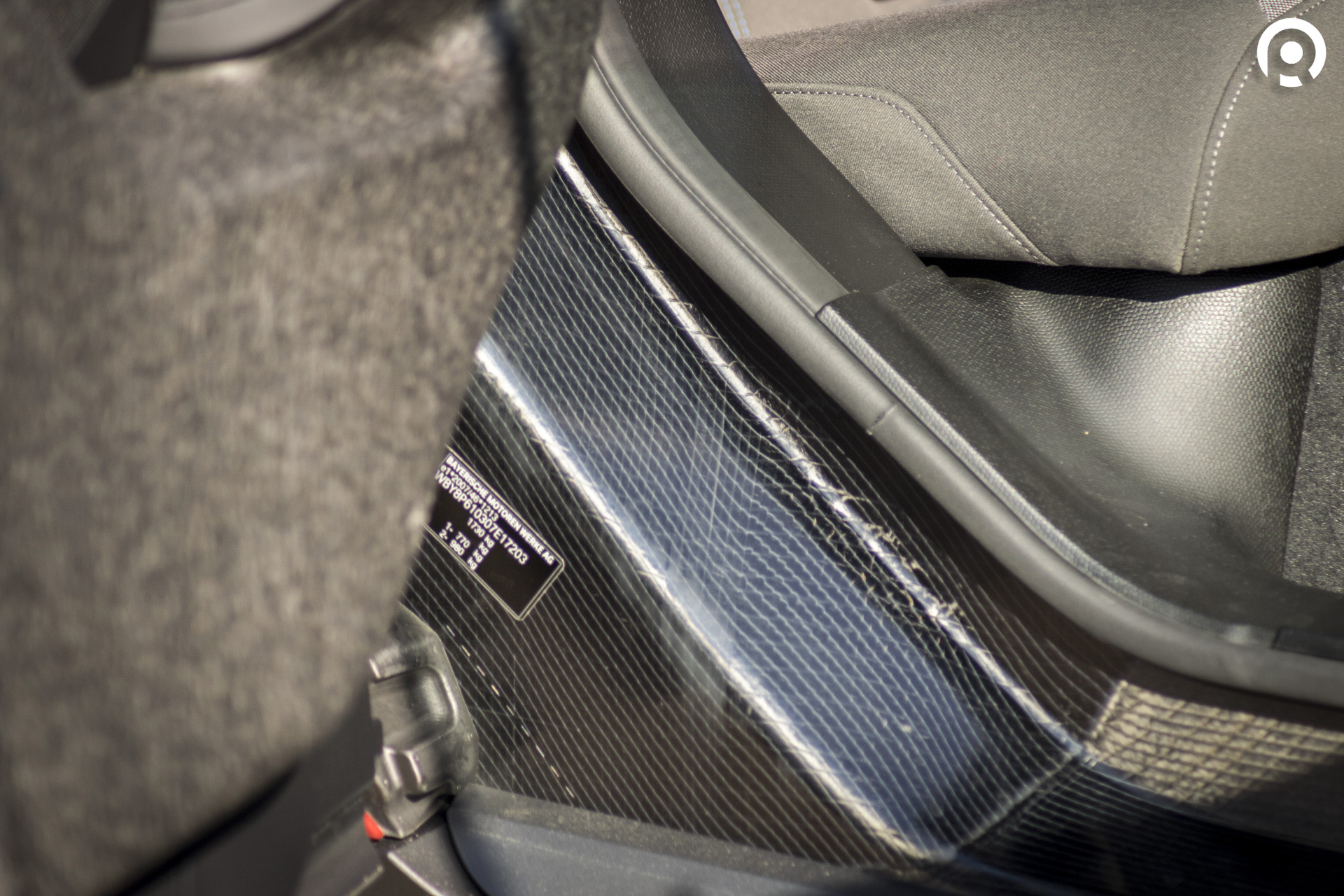
This requires exceptional structural rigidity, which leads us to one of the i3’s biggest highlights – a passenger cell made from carbon-fibre-reinforced plastic. Beyond strength, this concept also ensures very low weight.
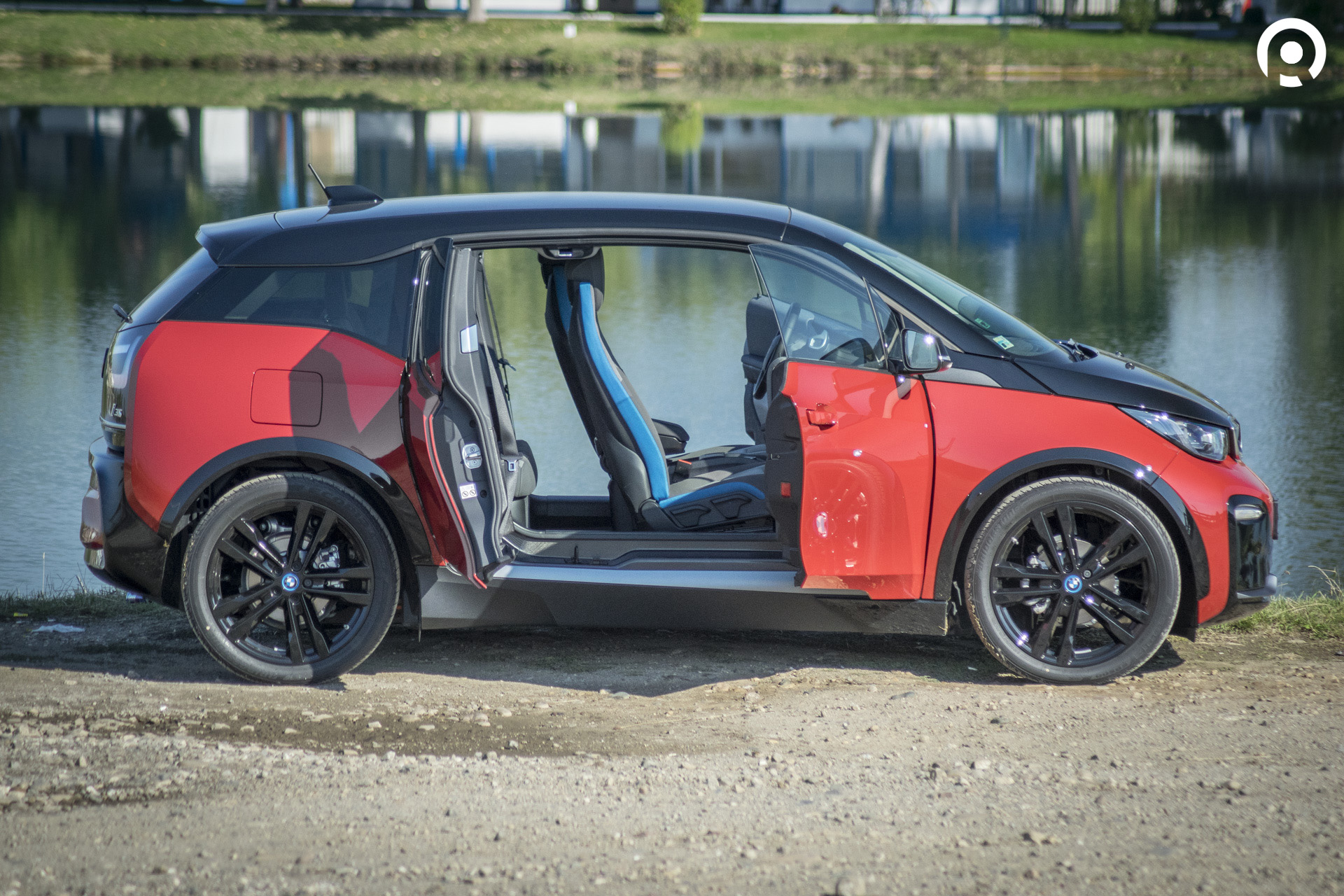
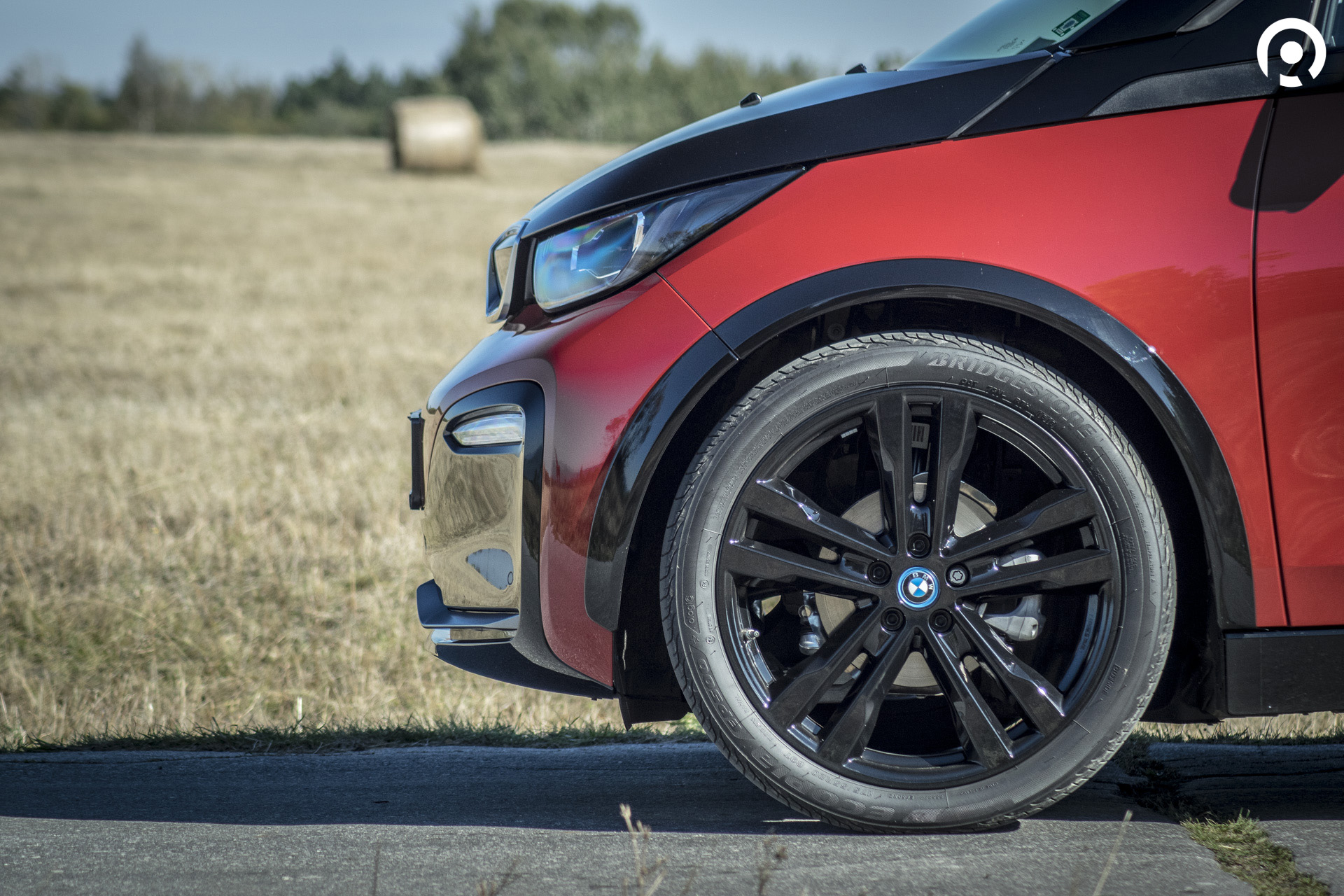
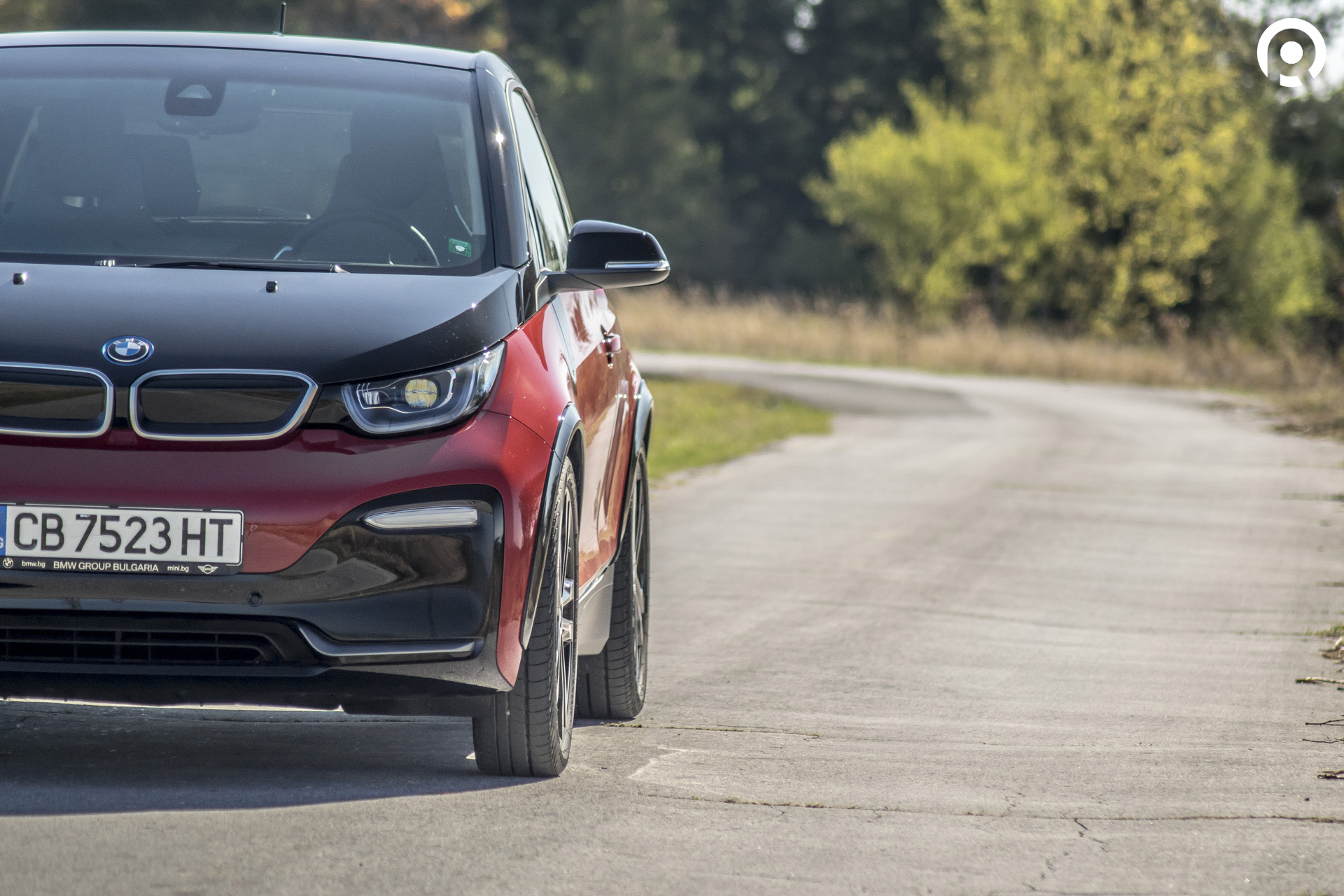
Back to design – this isn’t just an i3, but the sportier i3s. It sits slightly lower and wider than the standard model, with more aggressive bumpers (featuring gloss black elements rather than unnecessary “fake” openings) and black wheel arch extensions. The result is a noticeably better-looking car.
And let’s not forget – the i3 has been on sale for six years. The fact it still looks this fresh is a testament to excellent design work.
Interior
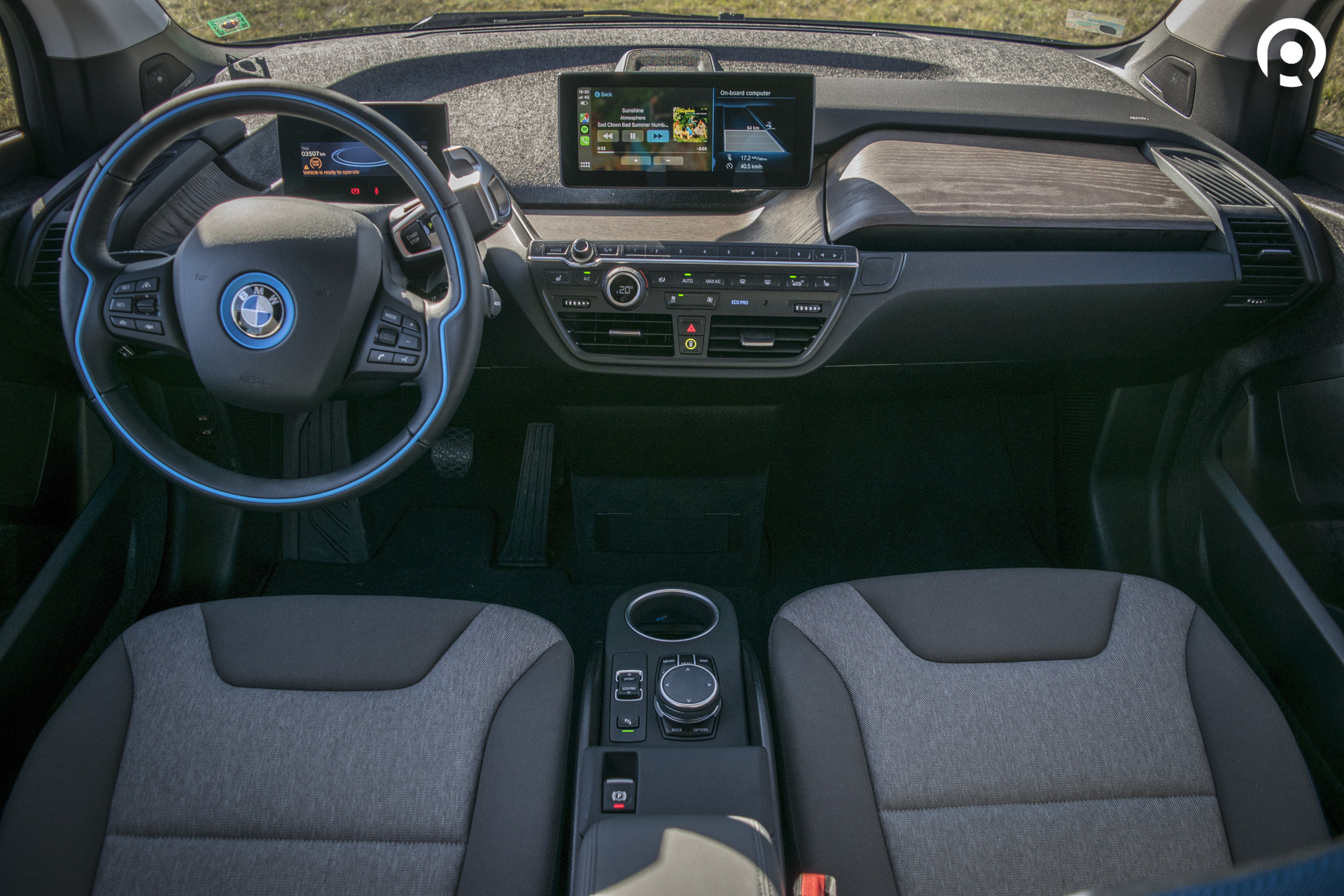
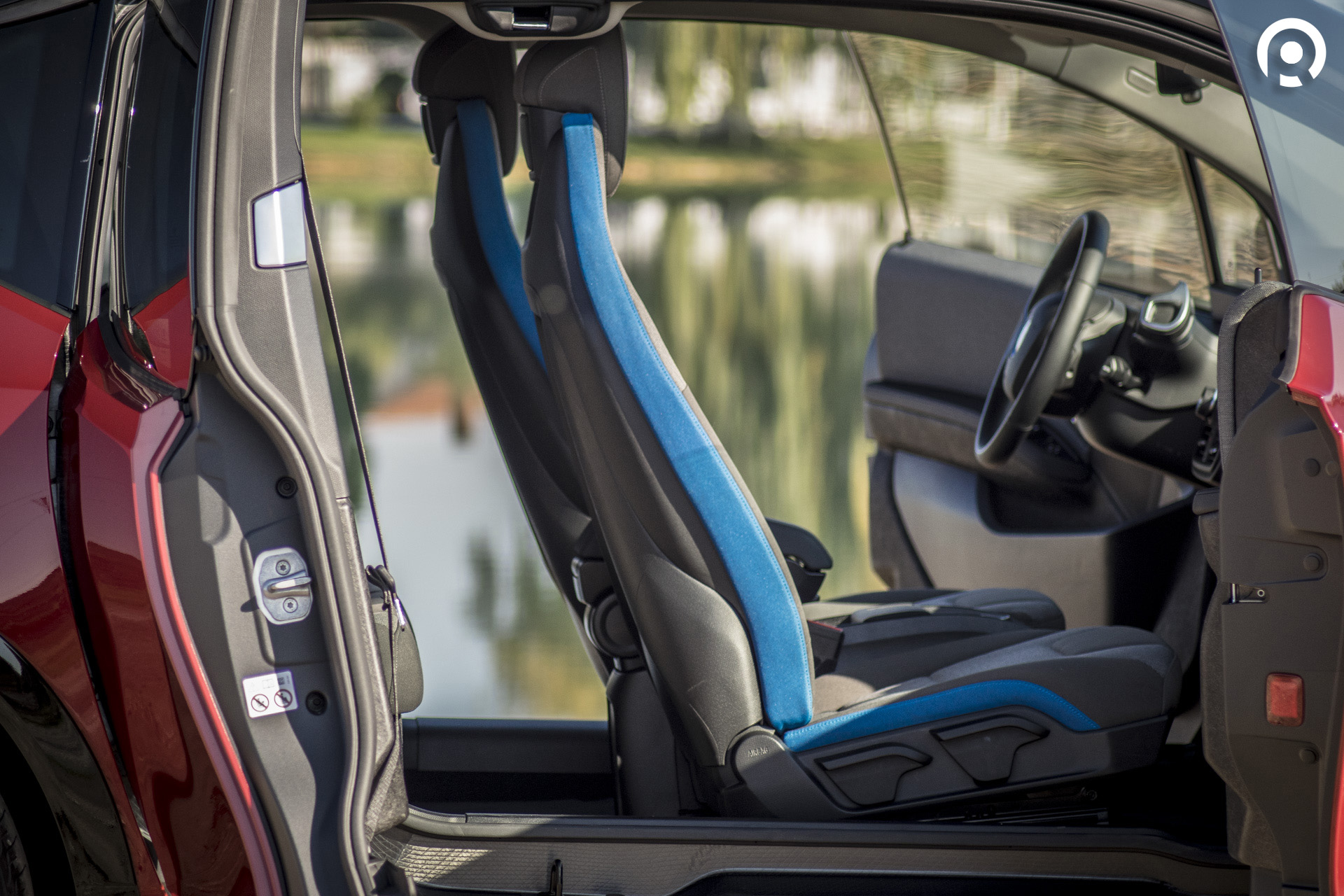
For me, the interior is what truly impressed during my first encounter with the i3. It’s high-quality, very unconventional, yet practical.

Those familiar with marketing theory may recall Everett Rogers and his “diffusion of innovations” model. Back in 2013 (and even today), electric cars were aimed at “innovators” and “early adopters.” These people are different from the typical mass-market buyer – and the i3 reflects that. You’ll find extensive use of recycled materials, often deliberately left with a raw appearance. There’s the floating infotainment display, the open space between the front passengers (no traditional centre console), and other unconventional solutions.
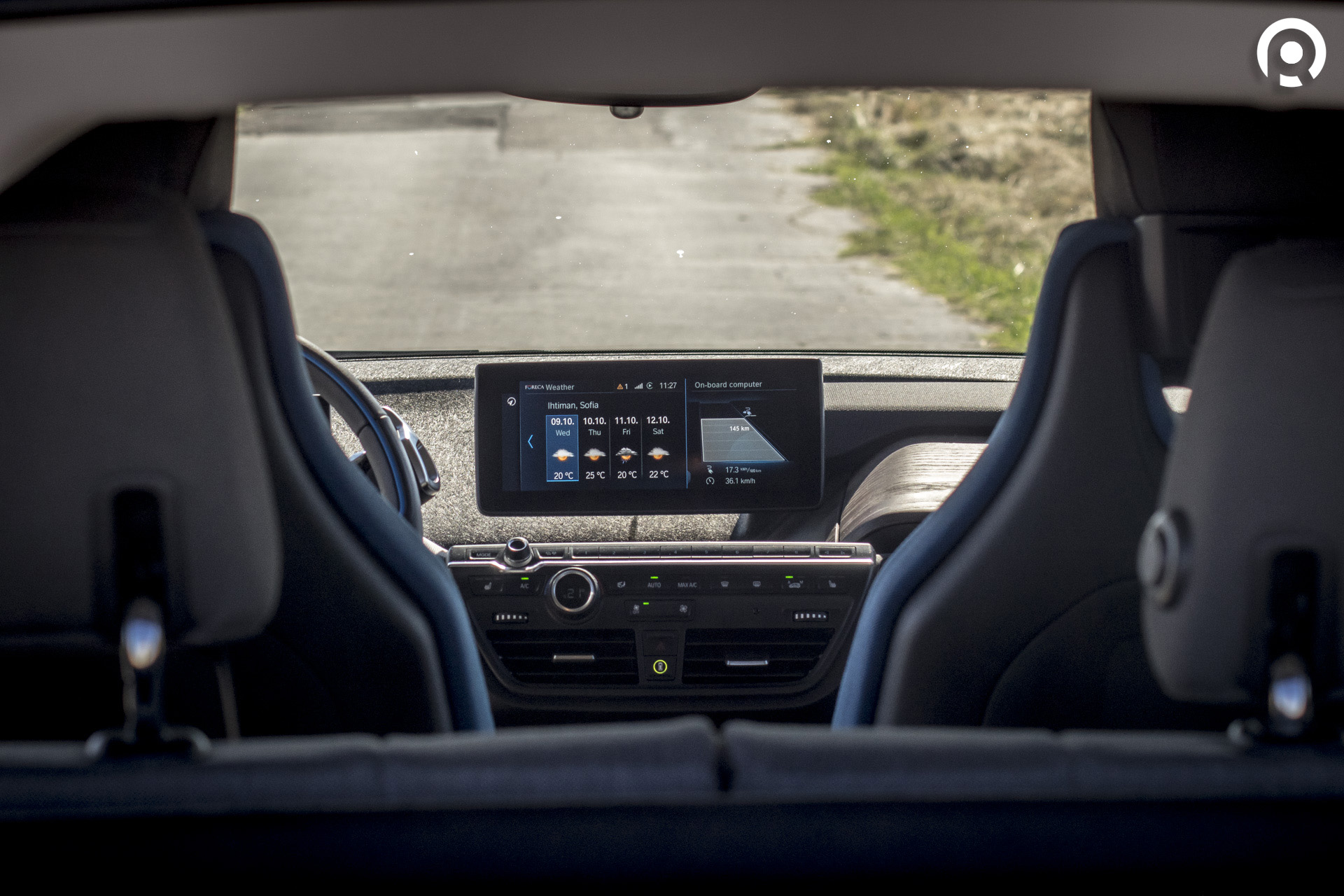

From a more traditional usability standpoint, things are quite good. Up front, there are large door bins that can hold a 1.5-litre bottle, as well as a spacious compartment under the central armrest, which includes wireless charging and Apple CarPlay connectivity without the need for cables.
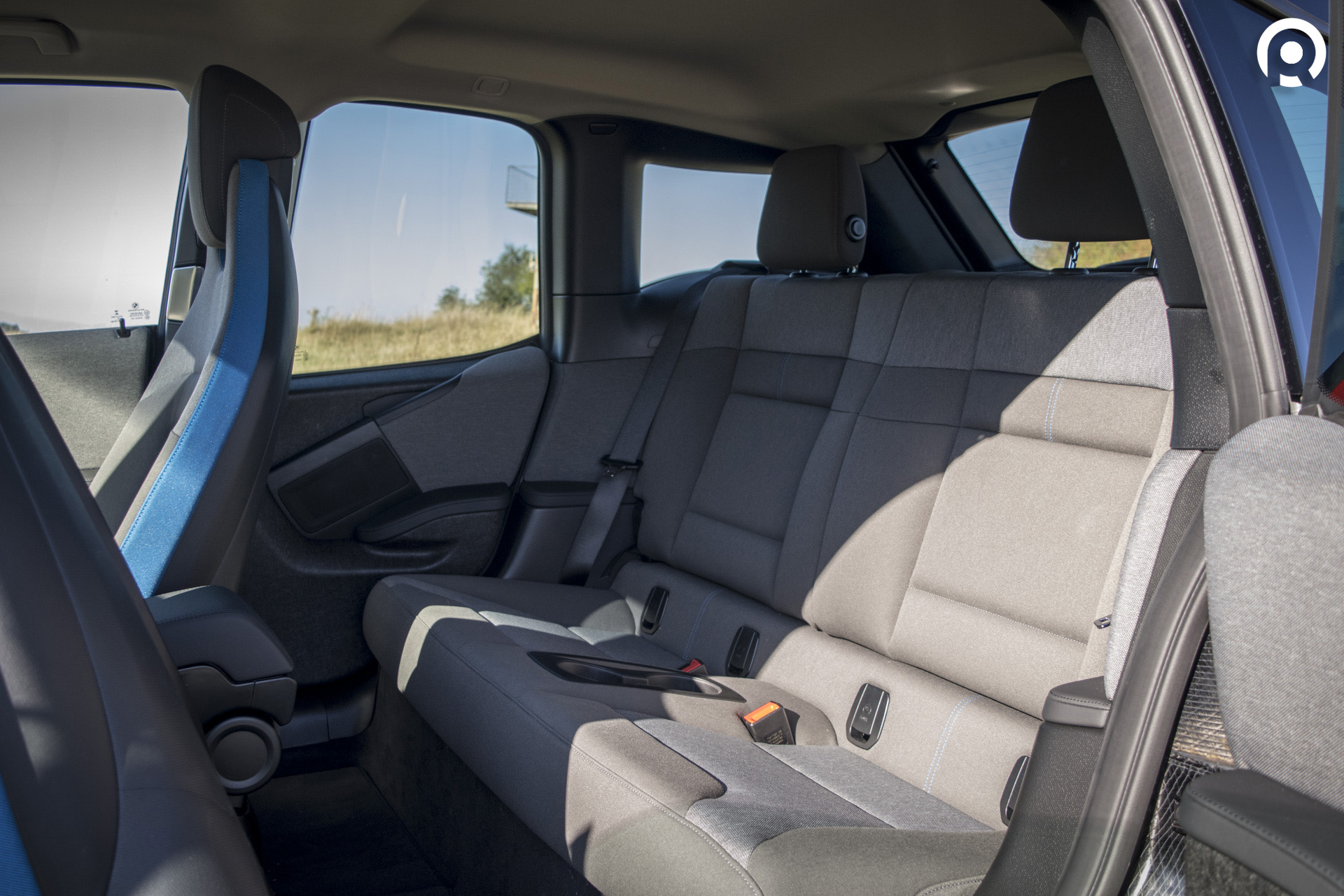
At the rear, there are no door pockets, so passengers must rely on two cup holders. Space is adequate, but the seats are slightly low, and the shape of the front seats limits forward visibility.
One element I didn’t like is the gear selector. It’s mounted on the steering column – a great idea in principle (as seen in Mercedes models), but here it’s not particularly ergonomic and, in my opinion, not very attractive. It reminds me of a gadget from a Star Wars fan shop.
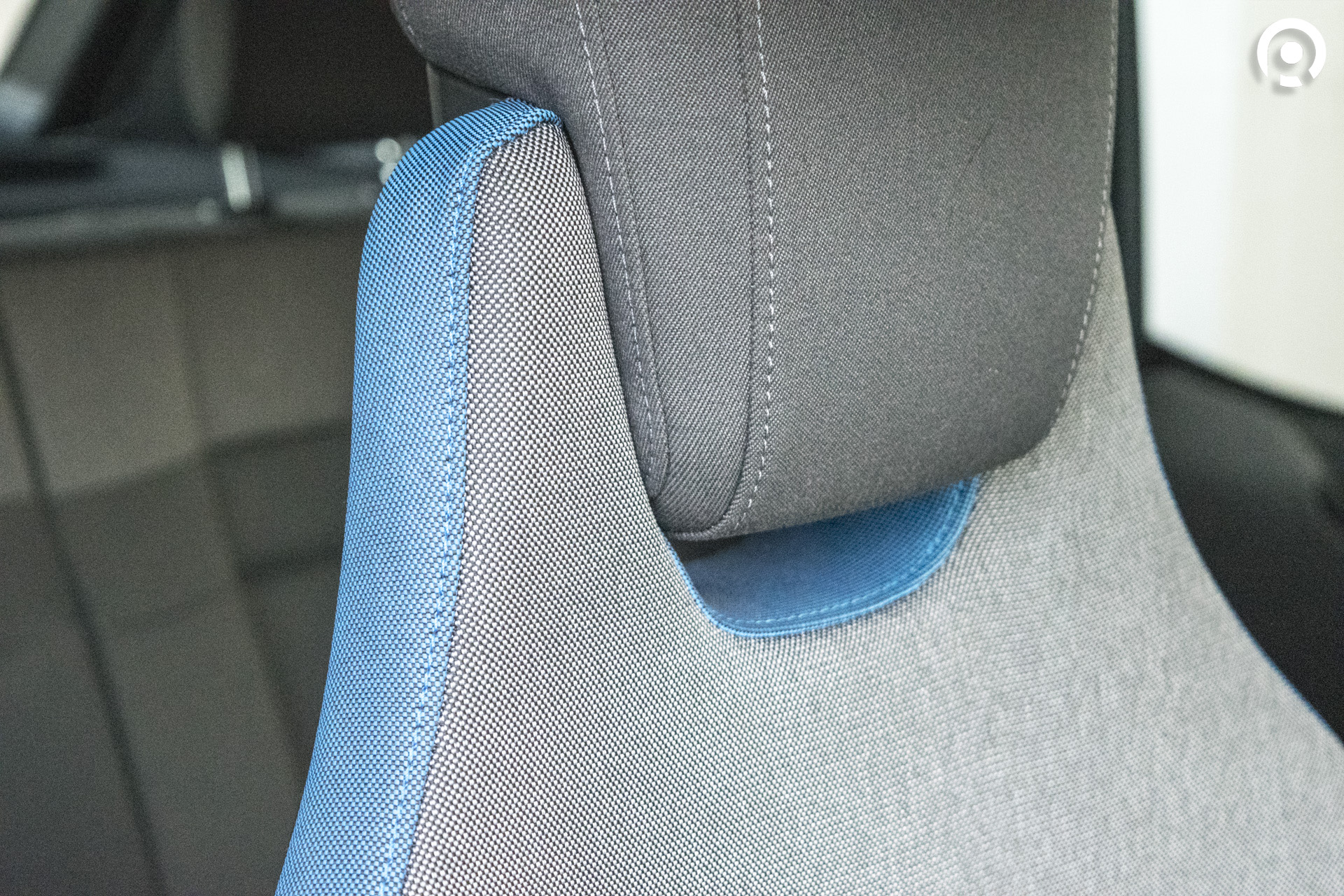
Overall, the i3’s interior is a pleasant place, with excellent space utilisation and quality materials. The availability of different “themes” – including wool upholstery and trim options like matte oak (as in the test car) – is a nice touch.
On the road
The BMW i3s uses an electric motor producing 184 hp and 270 Nm. More important, however, is the battery – a 352-volt lithium-ion unit with a capacity of 120 Ah, equivalent to 42.24 kWh.
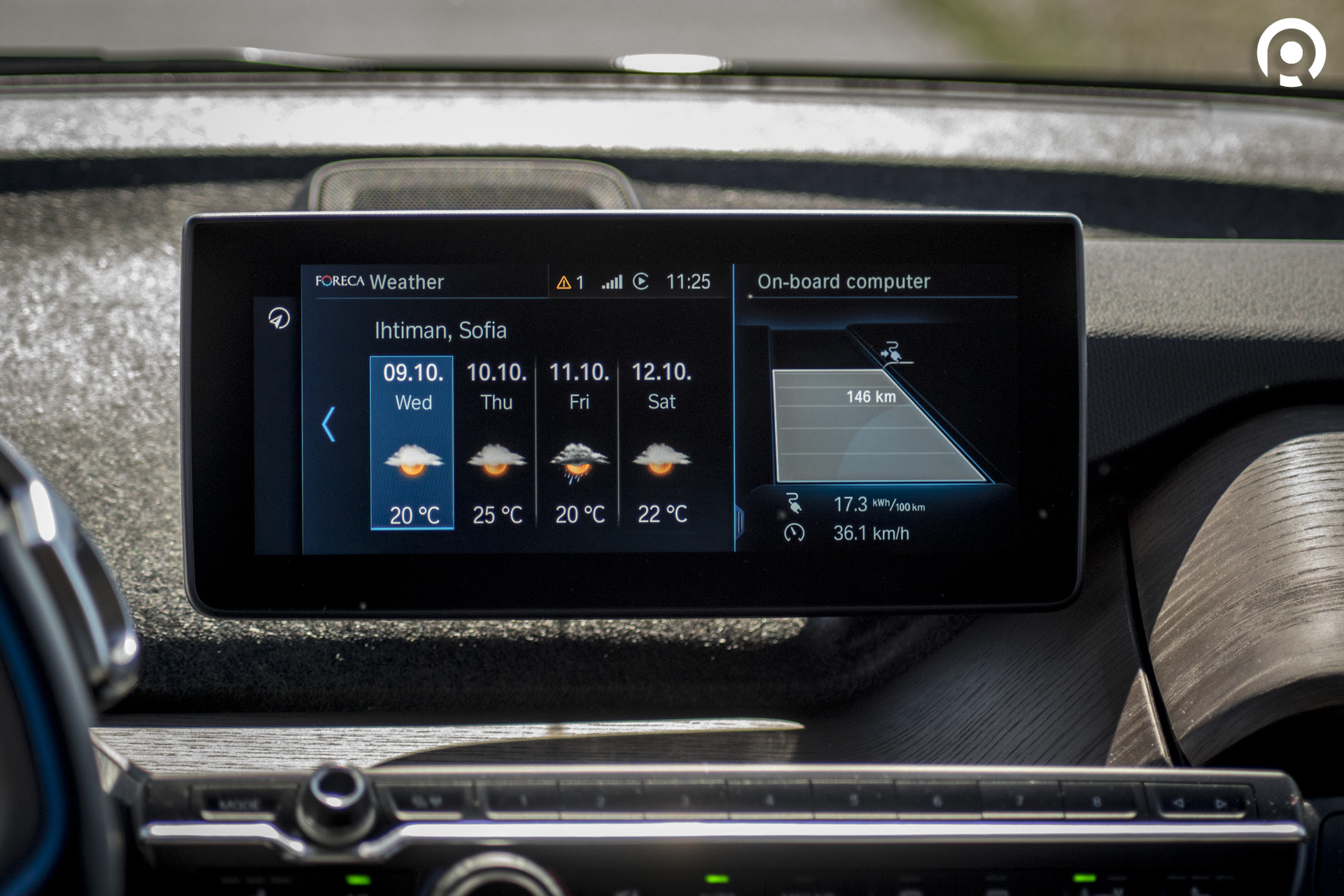
Top speed is limited to 160 km/h, and 0–100 km/h takes 6.9 seconds (I measured 7.2). Range varies depending on the testing standard – the outdated NEDC claims 345 km, the more realistic WLTP gives up to 285 km, while BMW itself suggests around 260 km in everyday use.
One more important detail – weight. At just 1,290 kg (without driver), it’s impressively light for an EV. For comparison, a Renault Zoe is over 150 kg heavier.

Finally behind the wheel, I set off through the busy streets of Lozenets. The concept immediately proves itself – the driving position is high, visibility is excellent, and the compact dimensions combined with outstanding manoeuvrability make navigating tight streets effortless.
It’s also clear that, despite its size, this is a premium product. It’s noticeably better insulated than the electric Hyundai Kona I drove before it. That matters in a car where drivetrain noise is reduced to a faint hum. Unfortunately, not all noises are so well managed – the test car had noticeable creaks from the door structure.
One interesting aspect is that the driver has no control over regenerative braking. It’s set to a strong level by default, meaning you rarely use the brake pedal. Simply lifting off the accelerator slows the car significantly. In my first kilometres through busy city traffic, I only touched the brake twice. It feels unusual at first, but you adapt quickly.

At one point, I found myself first in line at a traffic light for a left turn. Naturally, Sofia’s driving “culture” made an appearance – another driver tried to cut in. I did the logical thing: switched from Comfort to Sport, floored the accelerator, and the i3s launched forward with a slight twitch from the rear axle. I was through the intersection before the offender even moved.
I have zero tolerance for deliberate and arrogant traffic violations.
And the i3s excels in such situations. Throttle response is instant, full torque is available from a standstill, and steering is quick and precise. This makes for incredibly fast reactions in urban driving.
Outside the city, however, the i3s feels out of place. On the motorway, aside from increased wind noise, the range drops rapidly – a clear reminder that electric drivetrains are best suited to urban environments.
On a twisty road near Zheleznitsa, I pushed the car harder. Body roll is minimal despite the relatively tall stance, and grip is surprisingly good considering the narrow, efficiency-focused tyres. It’s actually quite fun to drive.
But after about ten minutes, performance started to fade. Acceleration became noticeably slower – likely due to battery overheating and power reduction. Another argument supporting my view: electric cars are city cars.
As for charging, if your daily usage is around 50–60 km, you can easily manage without public charging stations. A standard household socket (Schuko) is sufficient.
In terms of range, BMW’s estimate of around 260 km in real-world urban use proved accurate – I achieved roughly that, if not slightly more.
Conclusion
The BMW i3s represents what electric cars should be – city-focused, compact, and lightweight. The Munich-based model adds more to the equation: precise and engaging handling, strong acceleration, a modern and distinctive interior, and a refined driving experience, especially in urban conditions.
This is a car for people who primarily drive in the city and have access to a second vehicle. Having a garage is highly recommended to make charging easier.
Prices start at around €38,800 for the i3 and €43,400 for the i3s. It’s advisable to budget at least another €5,000 for options. That’s not a small amount – a similarly equipped compact premium car, such as a Mini, would cost around €12,500 less. It’s a difference that lower running costs are unlikely to offset, but we should remember that electric cars, while becoming more accessible, are still far from mainstream.
Eng. Tsvetan Iliev

Comments are closed.