
In 2018, the XC40 became the first model from Volvo to win the European Car of the Year award, with the jury highlighting quality, design, and safety as its key strengths.
Sales have also been strong, with the XC40 ranking fourth in the premium compact SUV segment in the first half of 2019.
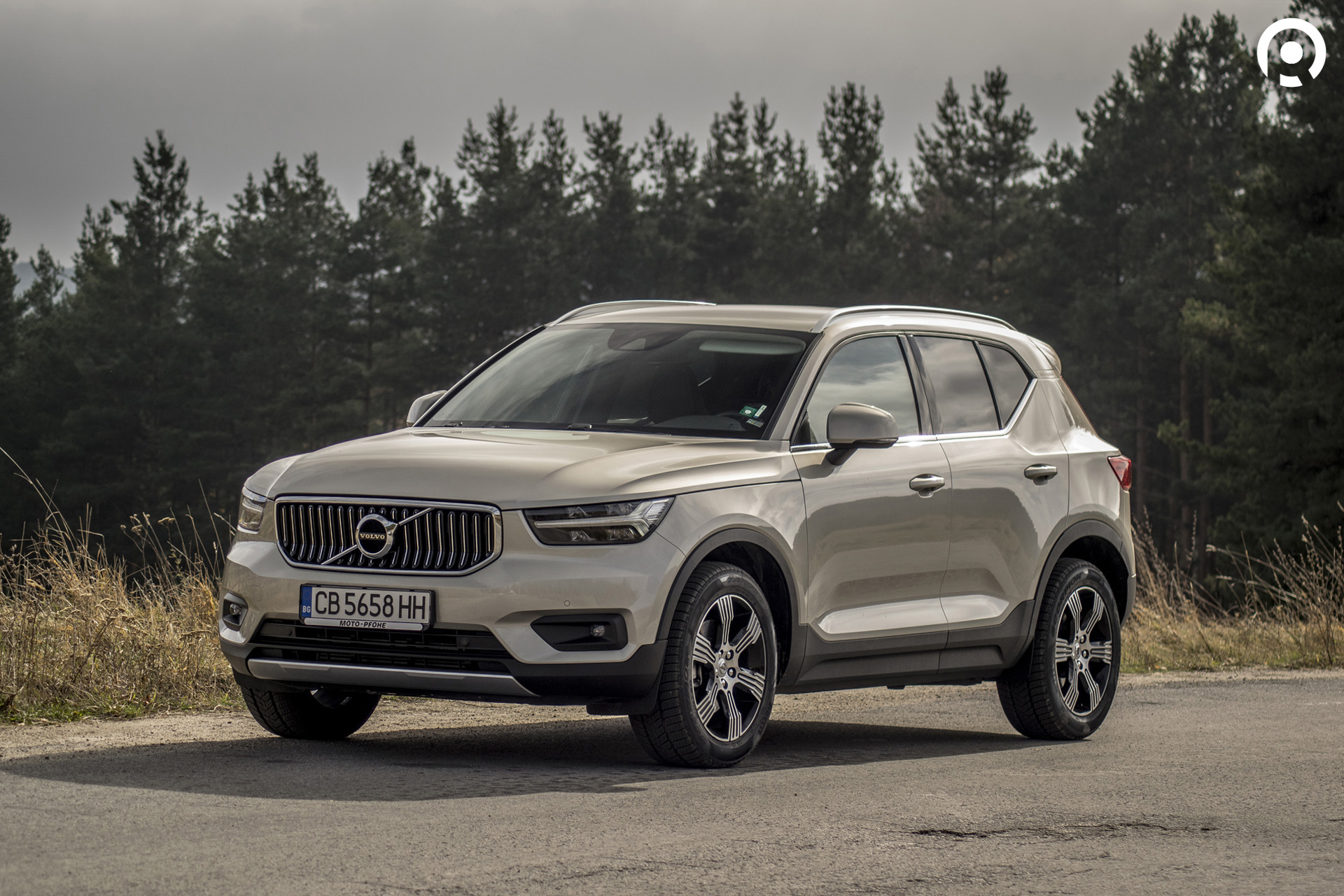
It’s time for a slightly overdue introduction to the model.
Design
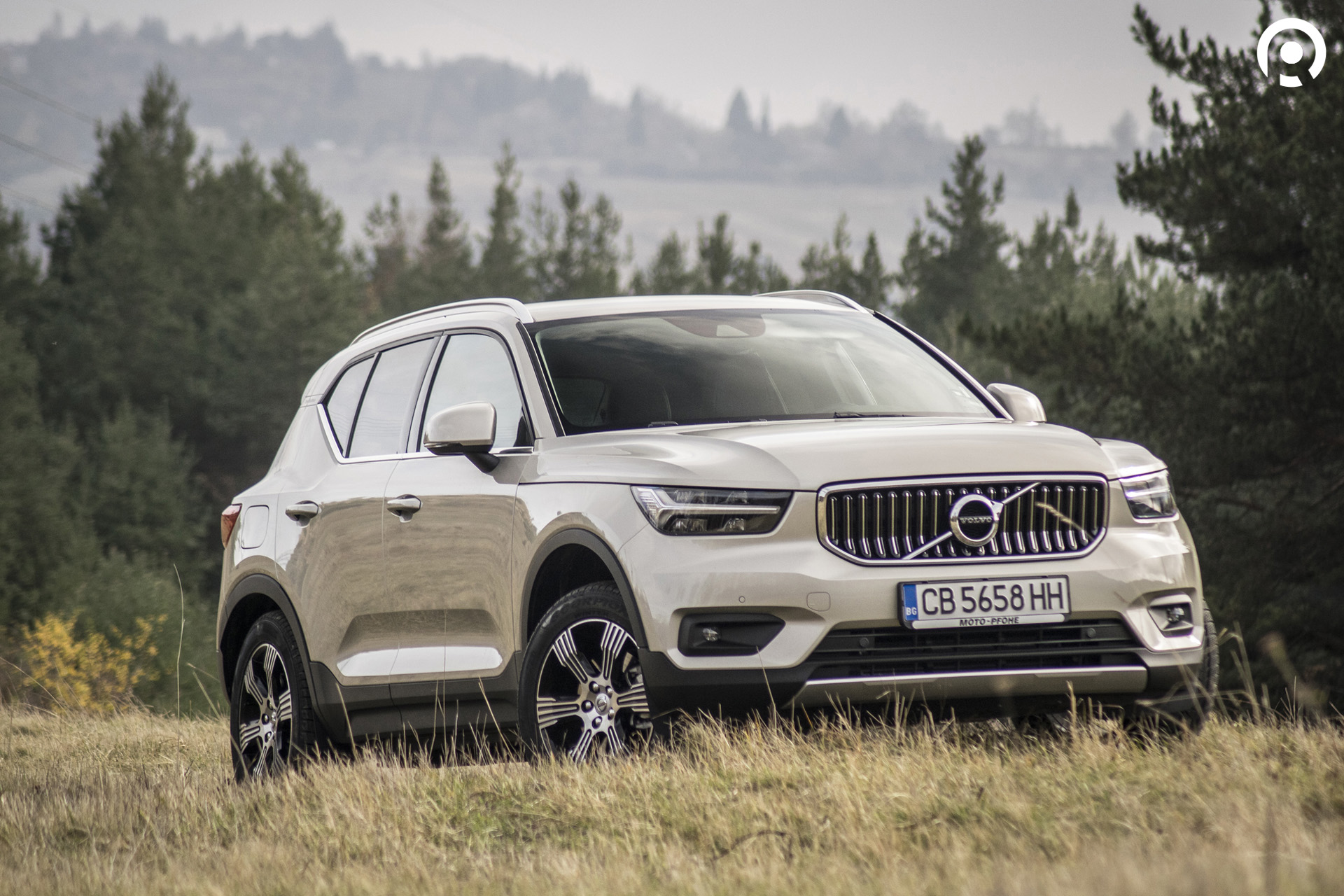
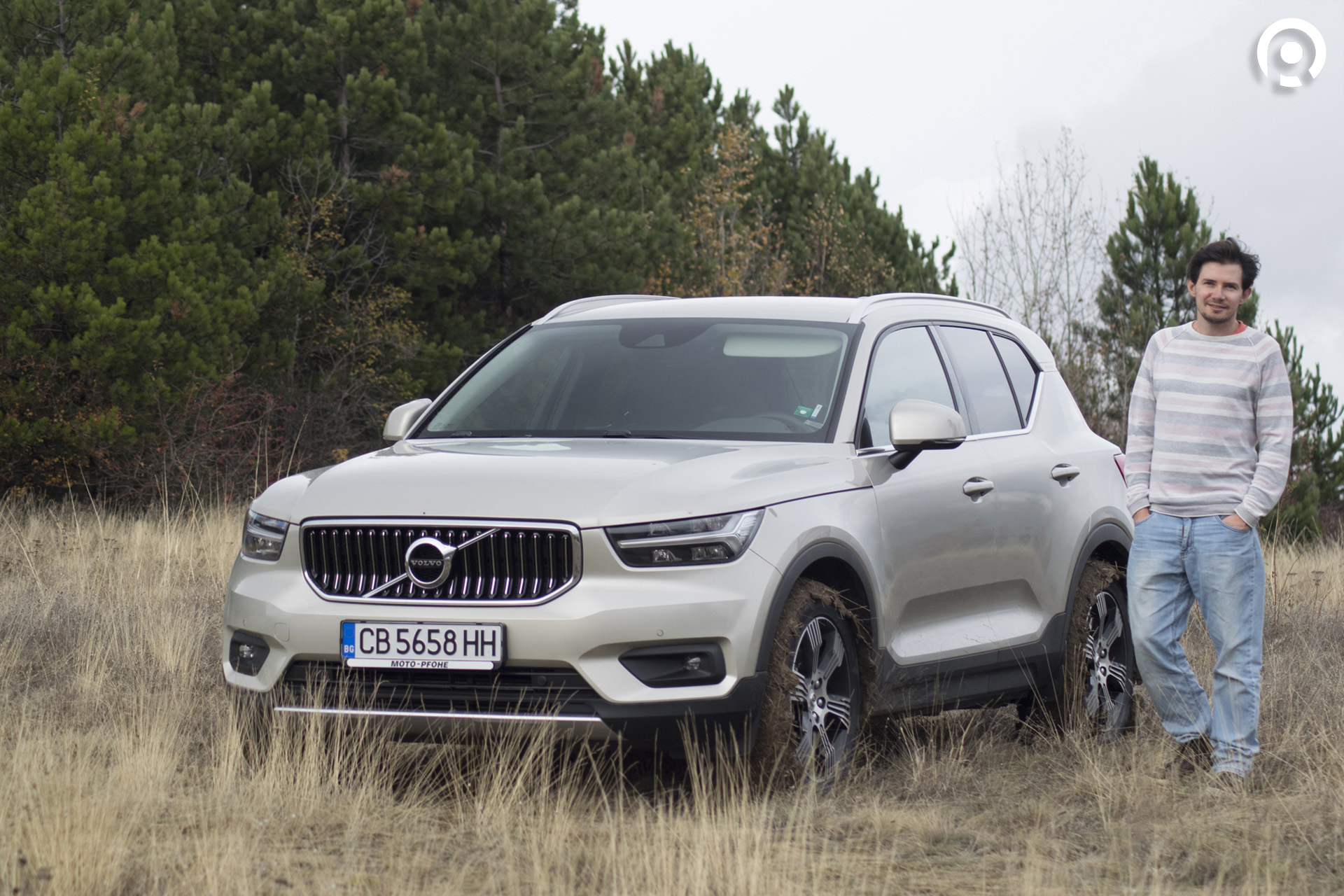
The Volvo XC40 is a compact SUV that carries the signature design language of the brand, yet clearly distinguishes itself from its larger siblings – the XC60 and XC90.
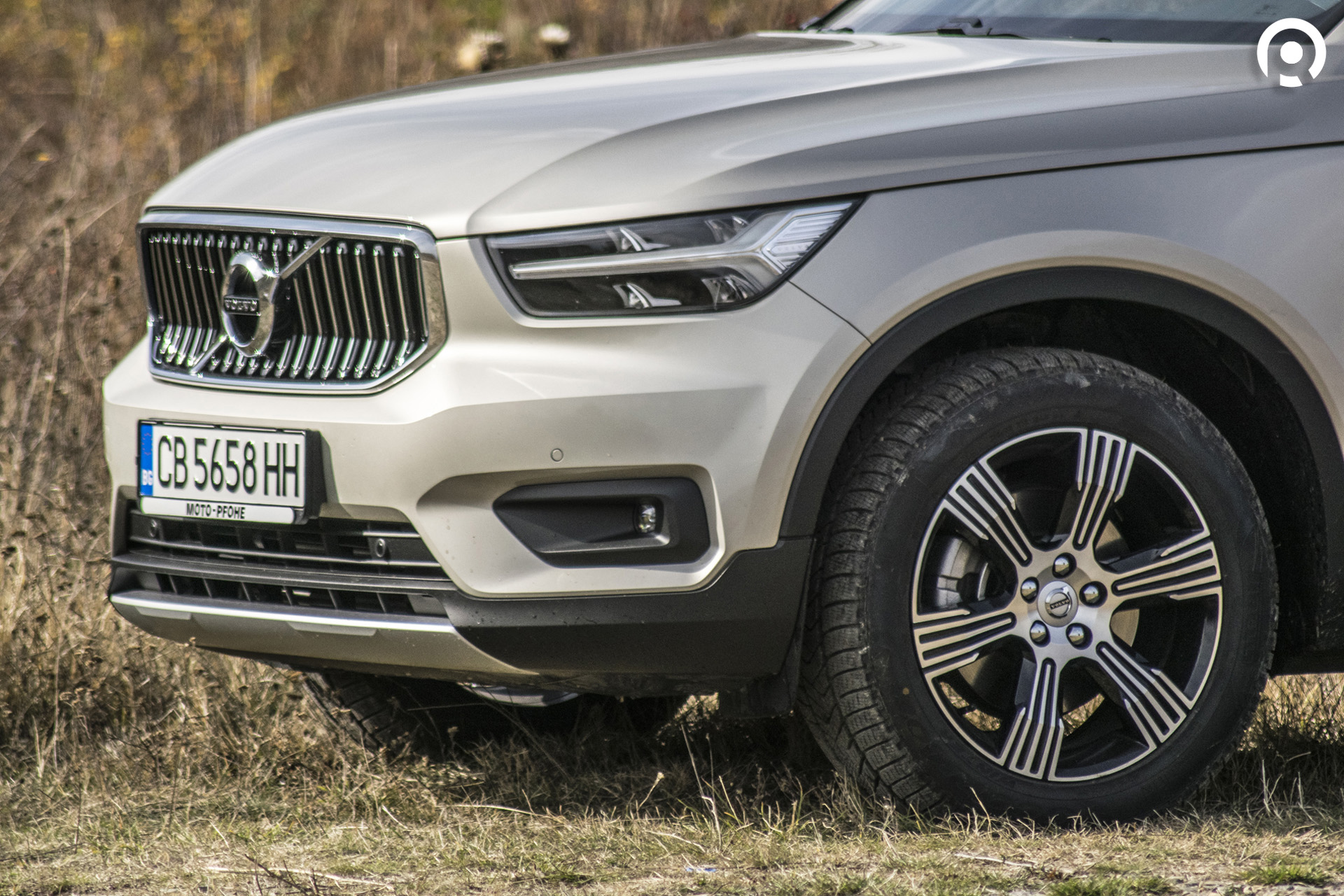
For some reason, I often hear that the XC40 looks sportier than the bigger Volvo SUVs. I don’t agree. With its more upright windscreen, the angle of the grille, the “frowning” headlights, and the rugged unpainted cladding, the XC40 actually has the most traditional and off-road-inspired presence in Volvo’s lineup.
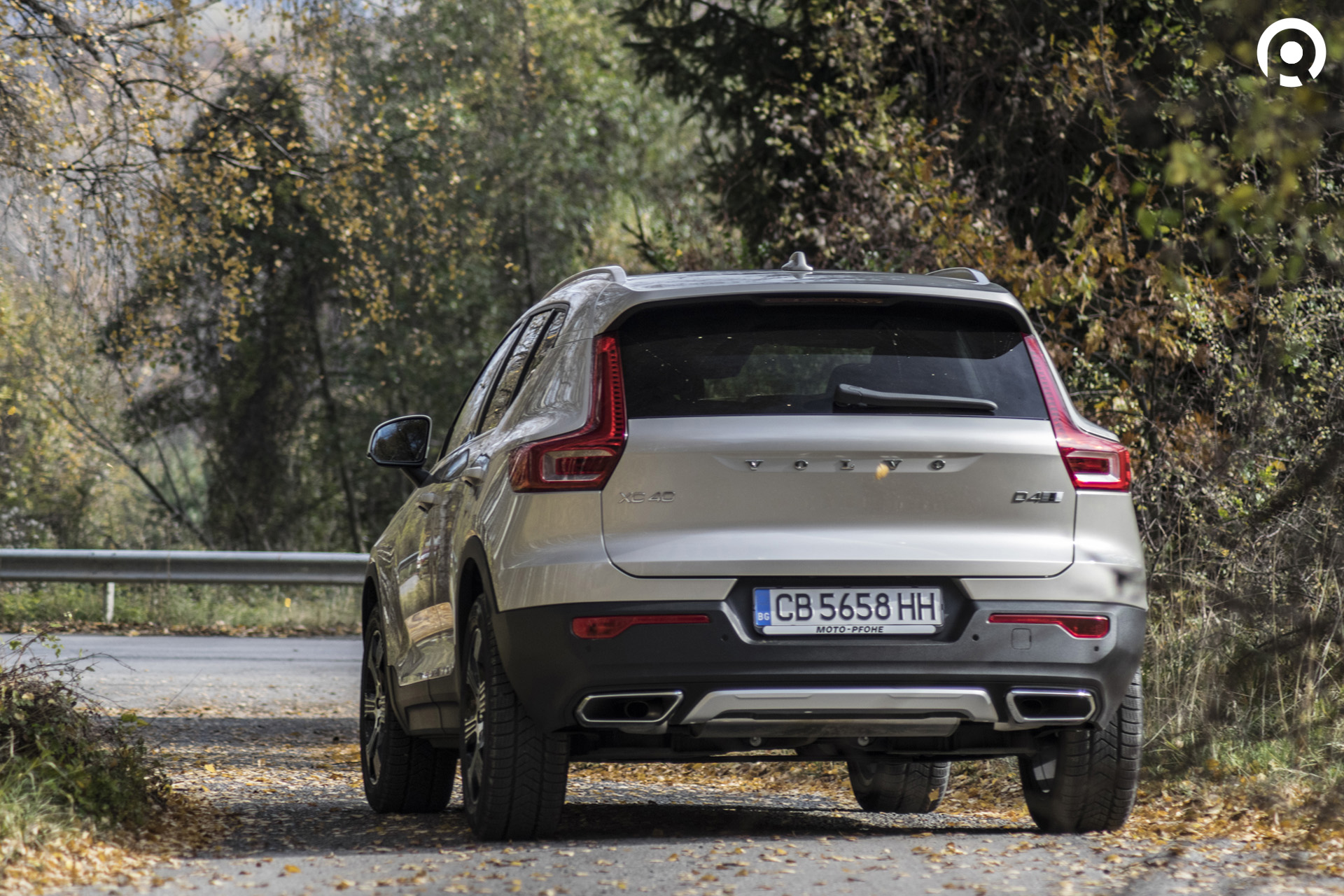
One of the distinctive elements in the design is the sharp angle in the side window line. To me, the result is somewhat debatable – it creates an area with too much metal, which not only looks questionable but also reduces visibility for both the driver and rear passengers.
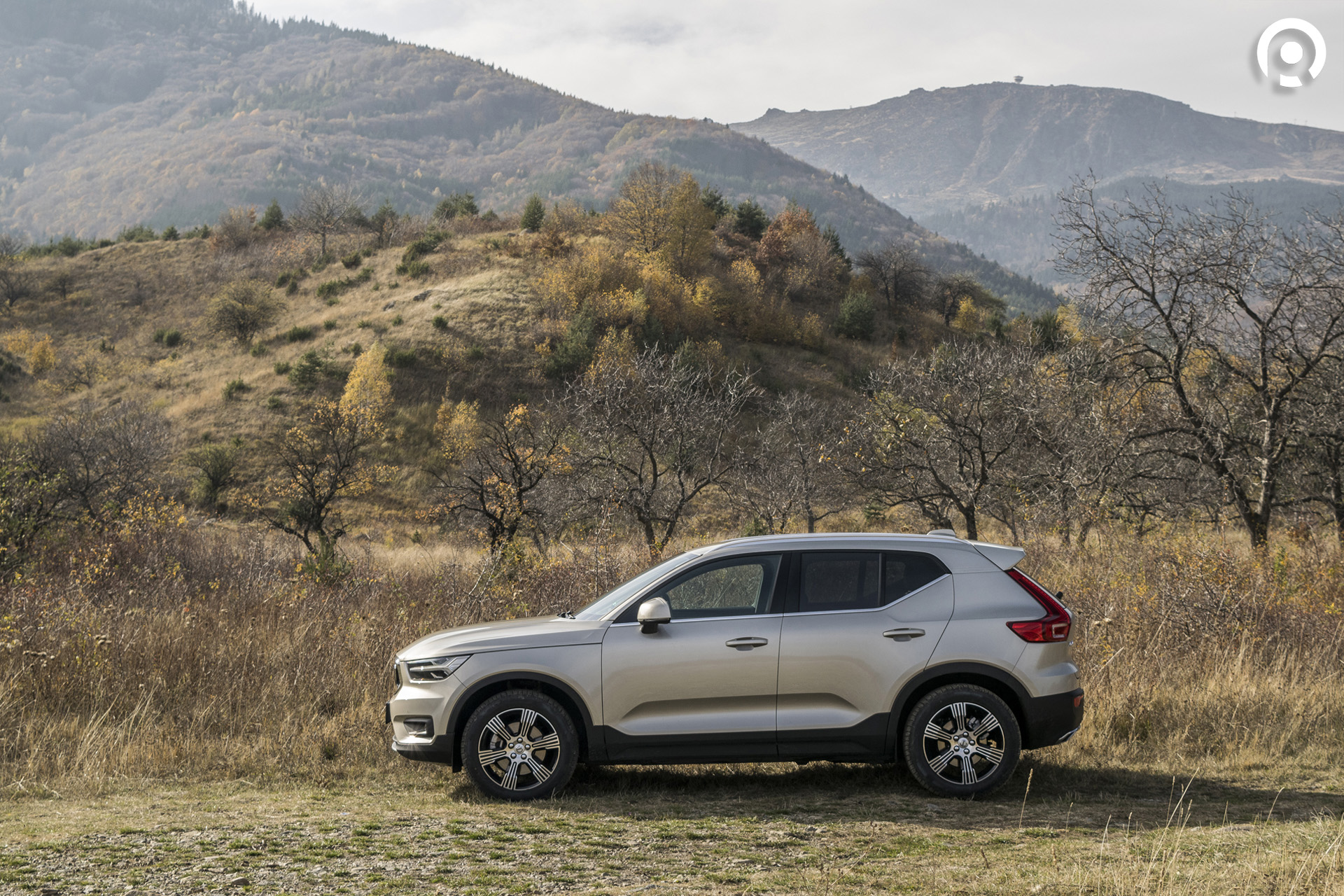
Overall, as with every modern Volvo, I like the design. It has a strong identity and that cold, Scandinavian elegance typical of Thomas Ingenlath’s work.
Interior
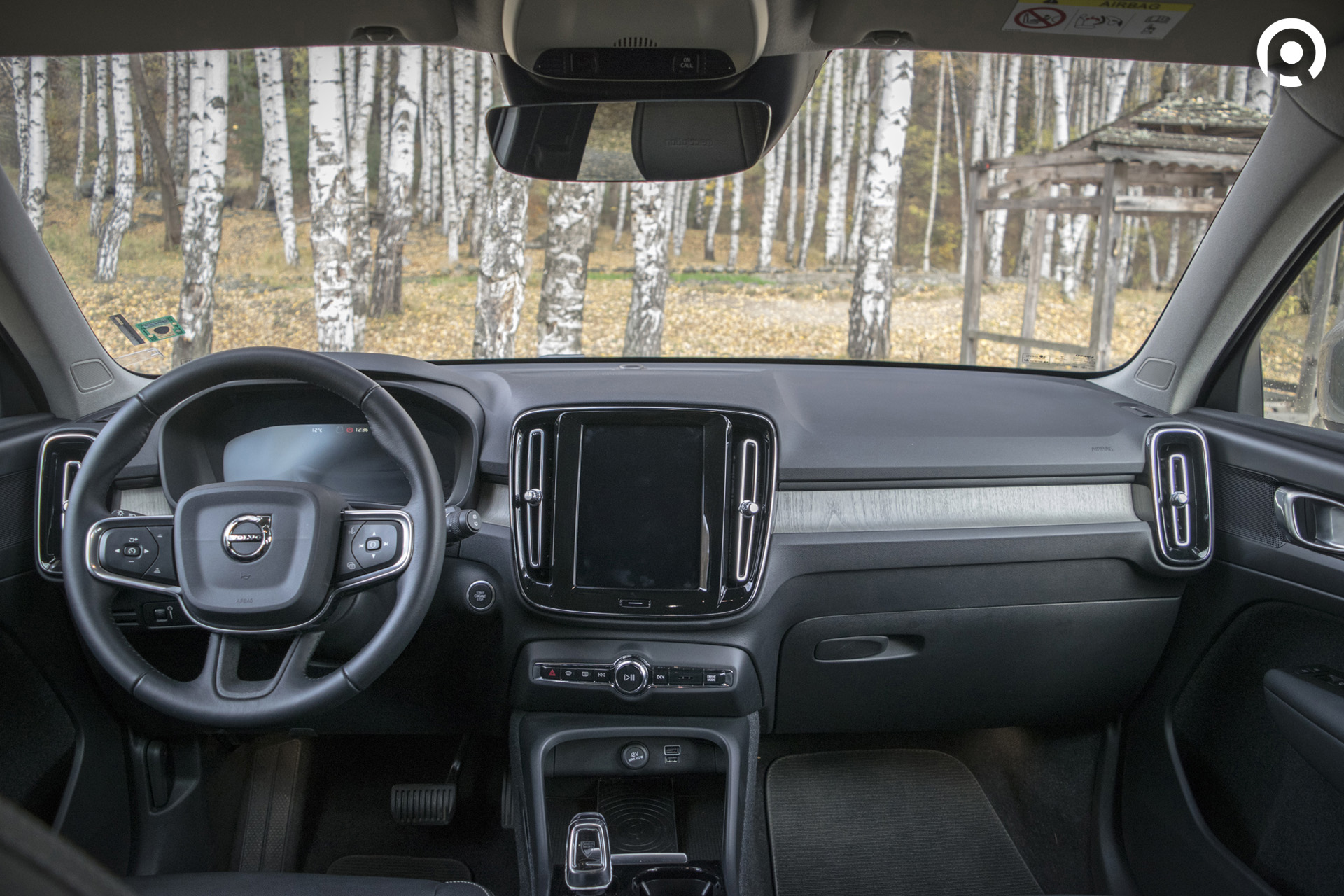
Since the second-generation XC90, Volvo has been in its element when it comes to interior design and attention to detail. Practicality, meanwhile, has long been one of the brand’s trademarks.
We see all of this here, albeit in a slightly simplified form. The design is clean and, combined with the materials used, creates a sense of modern luxury and comfort. Speaking of materials, the top trim level – Inscription – features decorative elements made from untreated wood, processed to resemble driftwood. The same trim also includes a crystal gear selector produced by Orrefors, which I find both beautiful and pleasant to the touch.

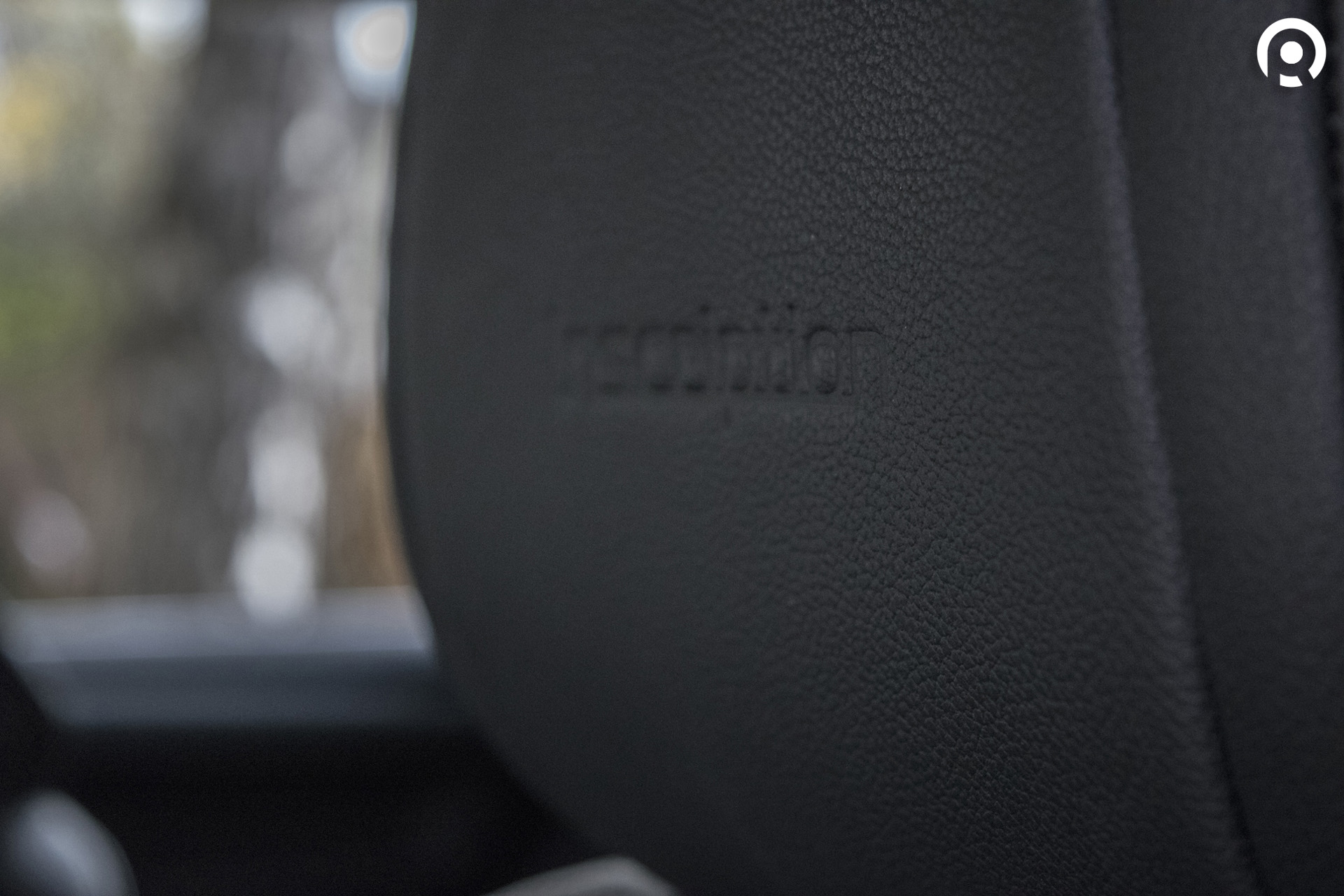
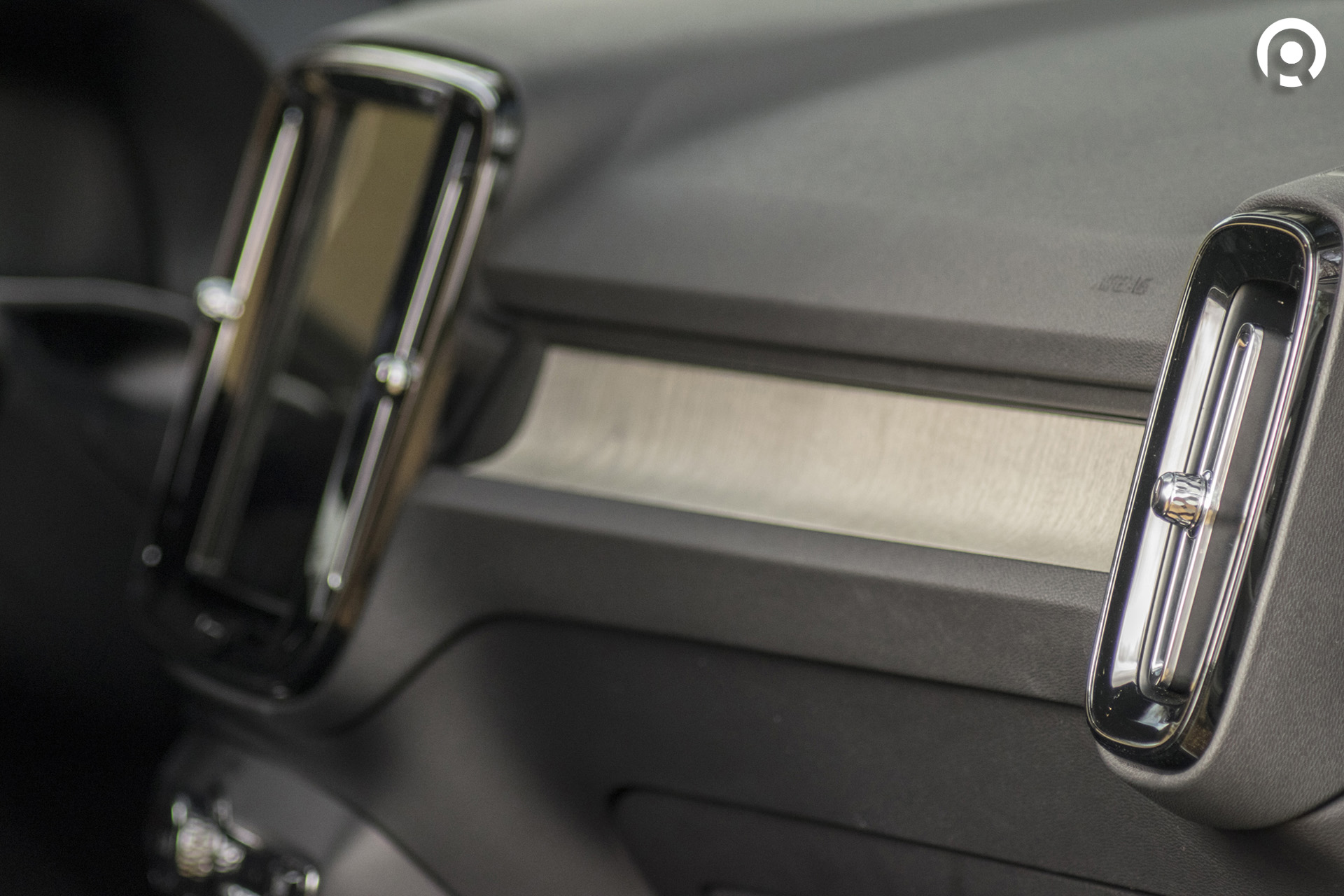
Another interesting use of materials can be found in the door panels, which feature a large section of thick textile – it feels like a traditional Balkan wool hat to the touch. I like the idea, and it looks great, especially in the sporty R-Design version, where the textile can be finished in orange.
That said, the XC40 also includes less impressive materials, such as hard, untextured plastic on the doors and centre console. It doesn’t look great, but at least it feels solid.
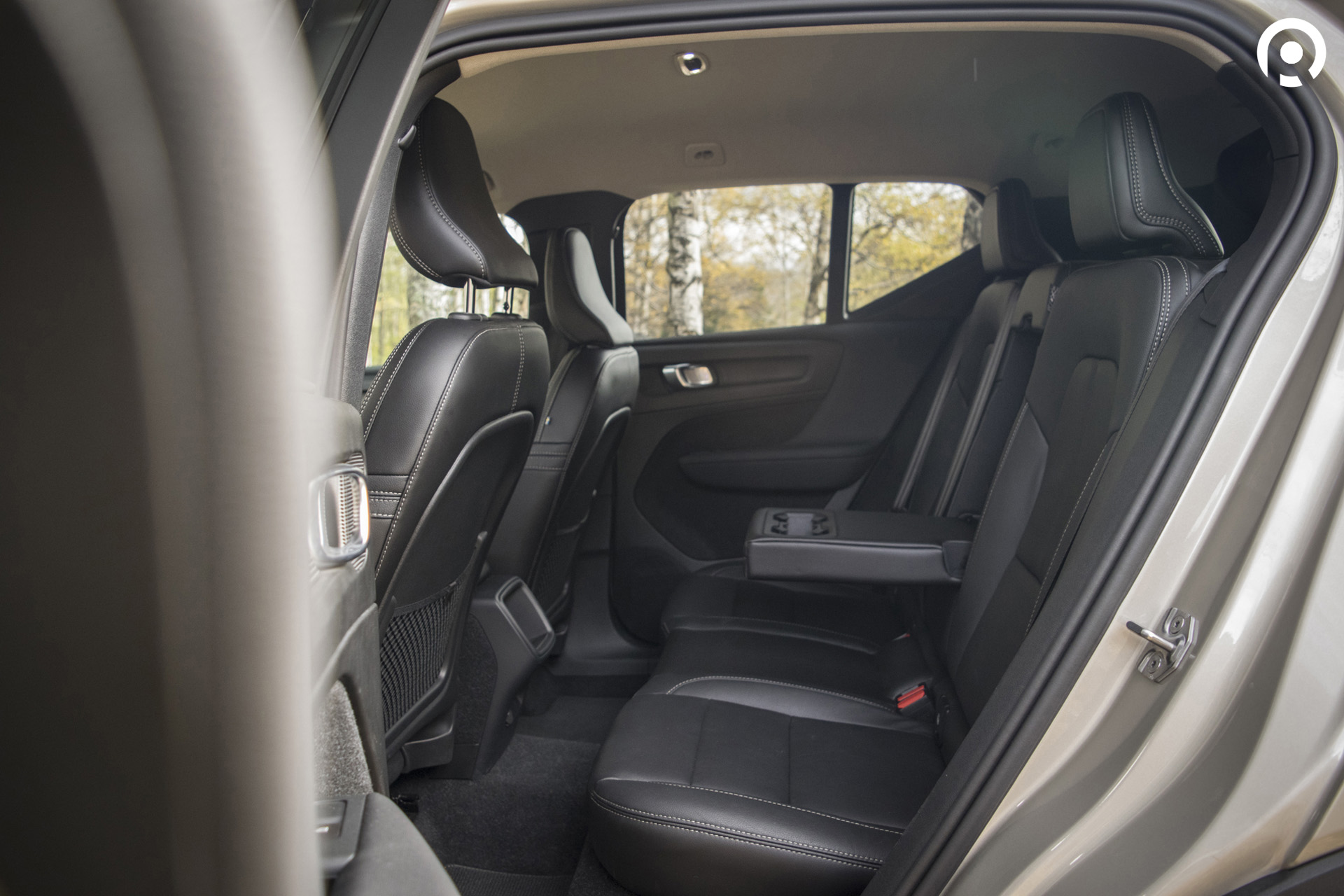
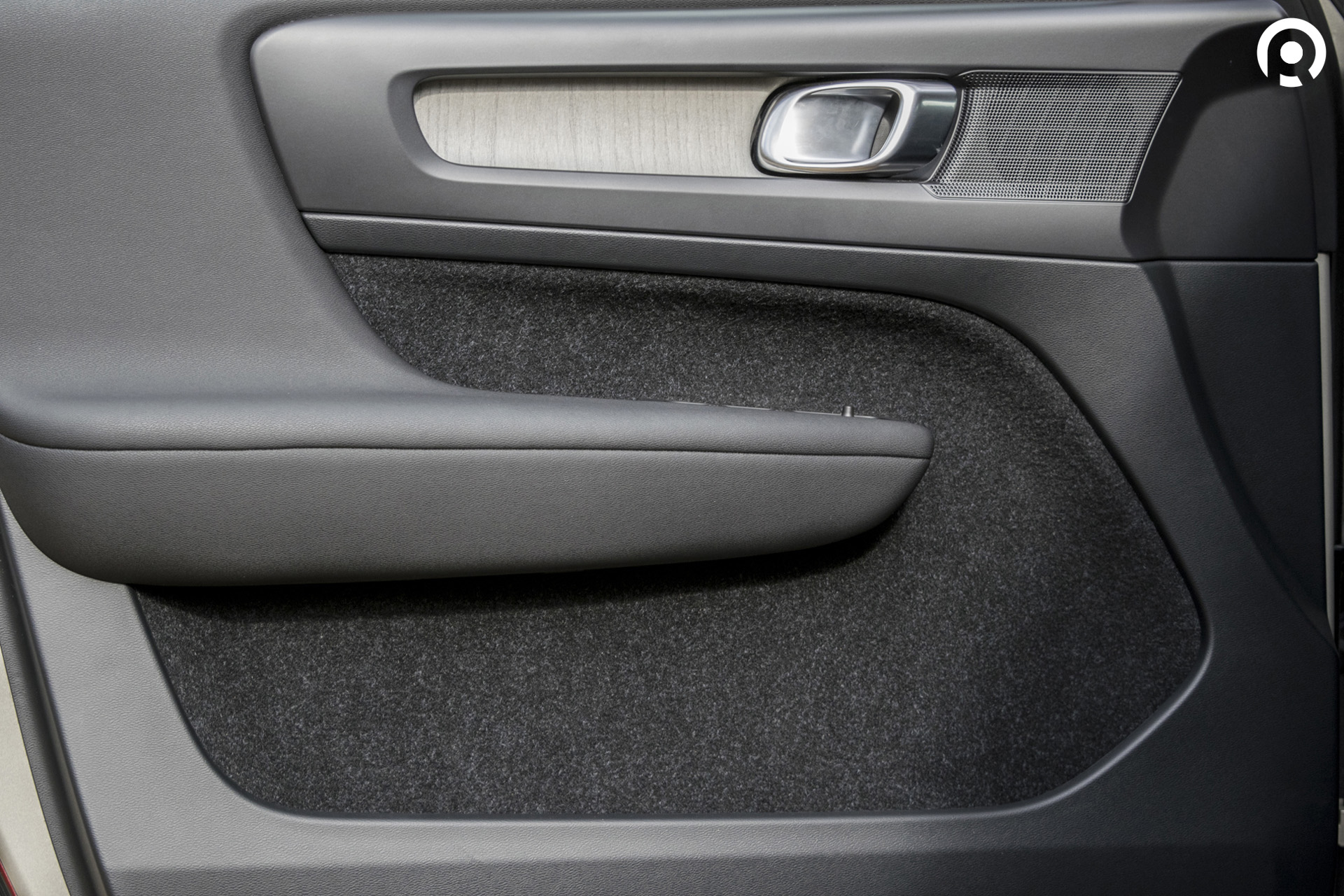
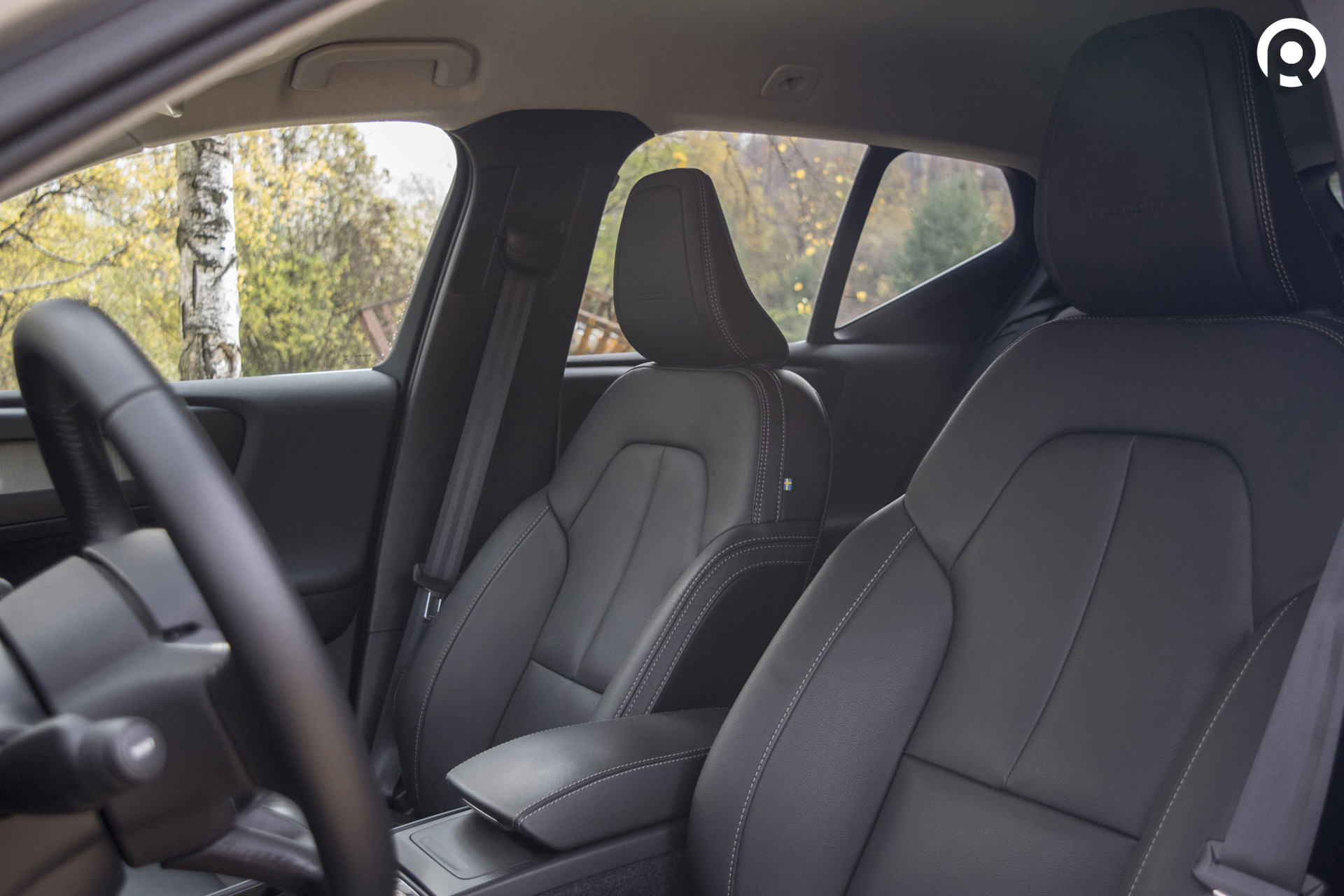
The cabin stands out with its practicality. Up front, there are large door bins, several cleverly shaped storage areas, and even a removable “bin” for rubbish, making cleaning easier.
Passenger space is also good. Rear legroom is generous, and the seat base is positioned high. The only compromises are slightly upright backrests and relatively small windows.
On the road
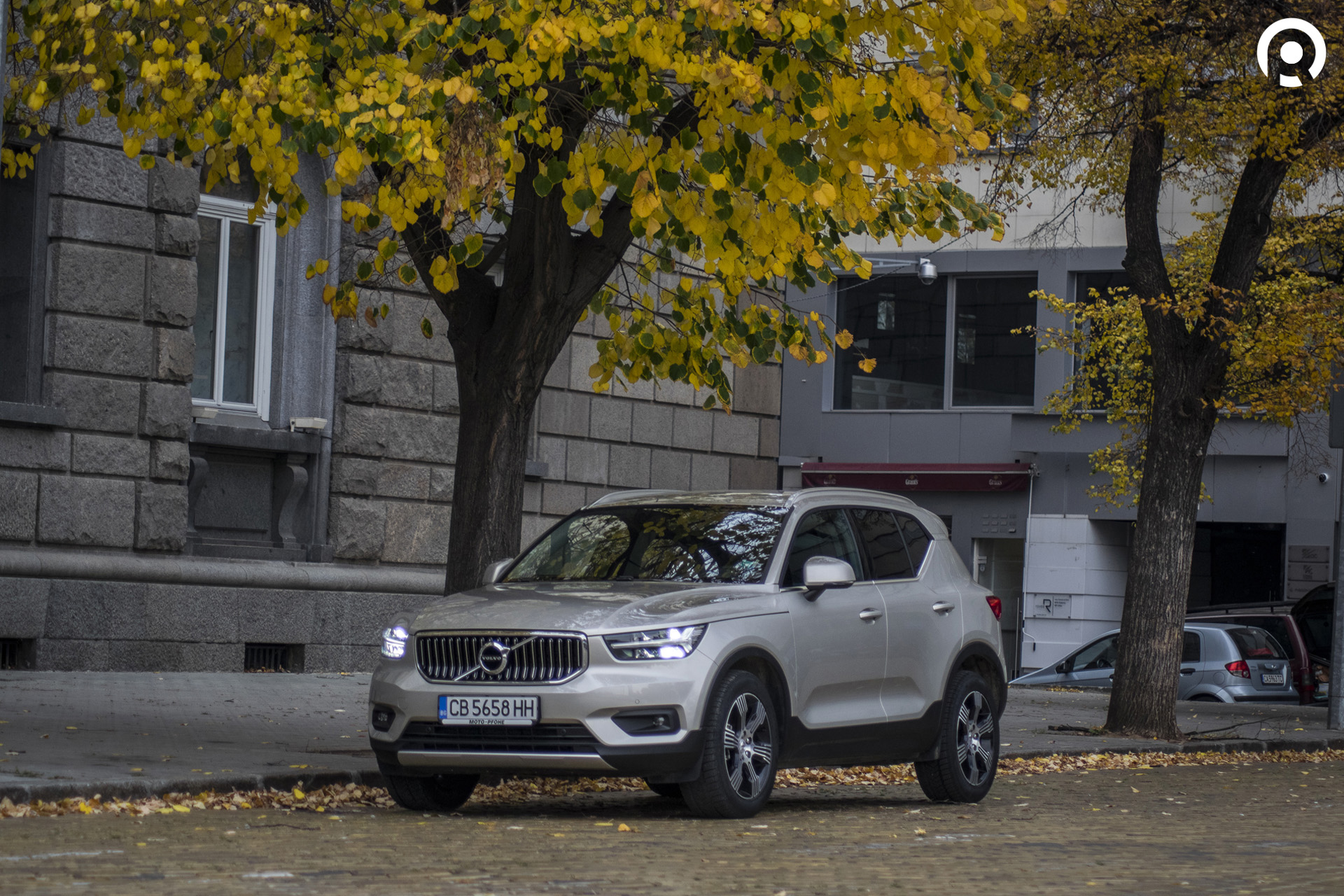
The model is offered with a range of powertrains – diesel, petrol, petrol plug-in hybrid, and now also fully electric. Output ranges from 150 hp in the base diesel (D3) to 408 hp in the electric P8. The car tested here uses the four-cylinder diesel D4 with 190 hp, but a small Polestar Engineered badge on the tailgate hints at a software upgrade. Power is increased to 200 hp, torque rises by 40 Nm to 440 Nm, and 0–100 km/h drops from 7.9 to 7.8 seconds. Power is sent to all four wheels via an eight-speed automatic transmission, and official fuel consumption is rated at 5 l/100 km.
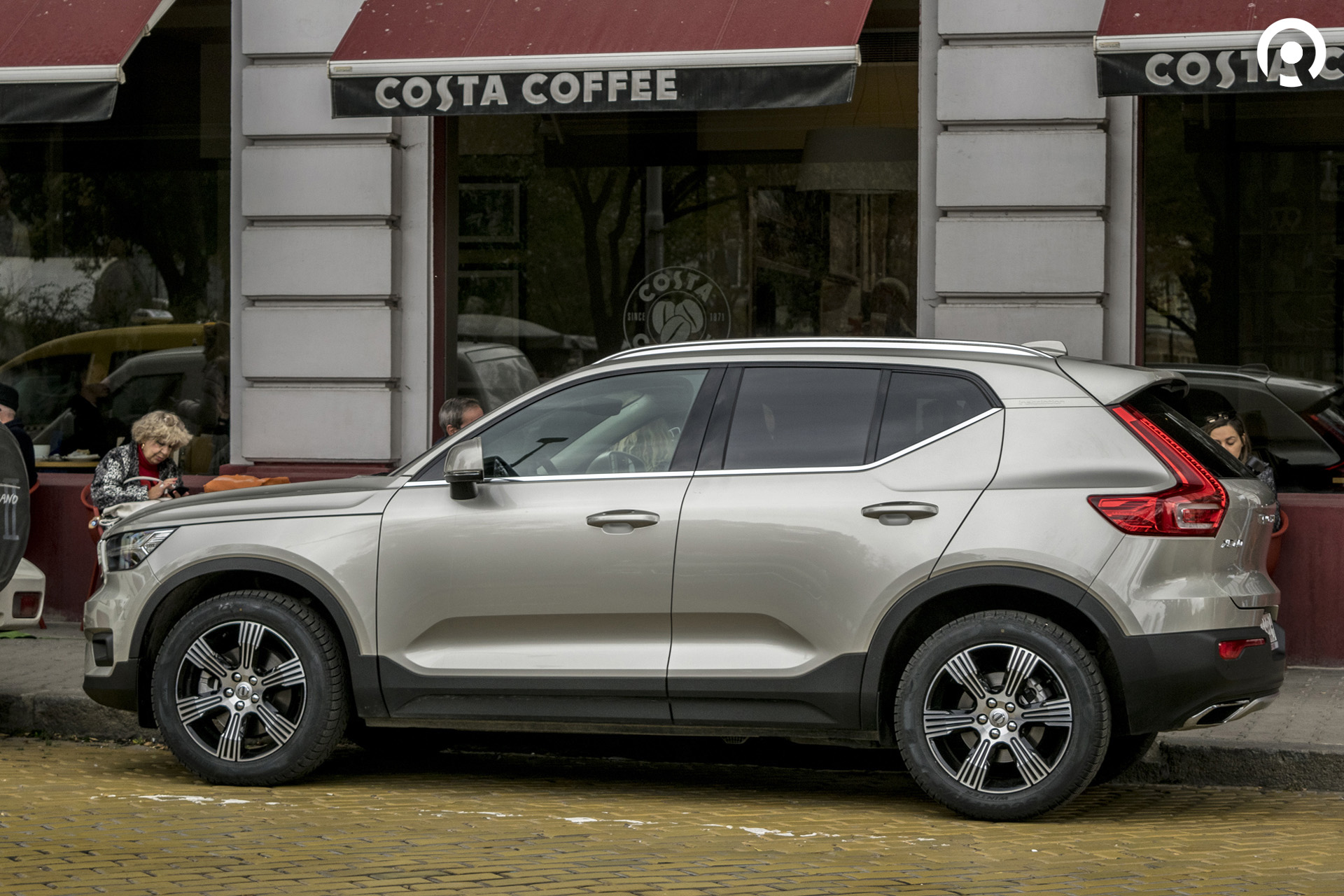
On one of the last “summer” days of November (if you’re reading this in 2030 – November 2019 was unusually warm), I tried to get into the XC40… and couldn’t. It turned out the car didn’t have keyless entry, which made me realise that Volvo’s otherwise beautifully designed keys are not particularly user-friendly. The lock/unlock buttons are positioned on the side and are awkward to operate. Lesson number one – add keyless entry to your configuration.
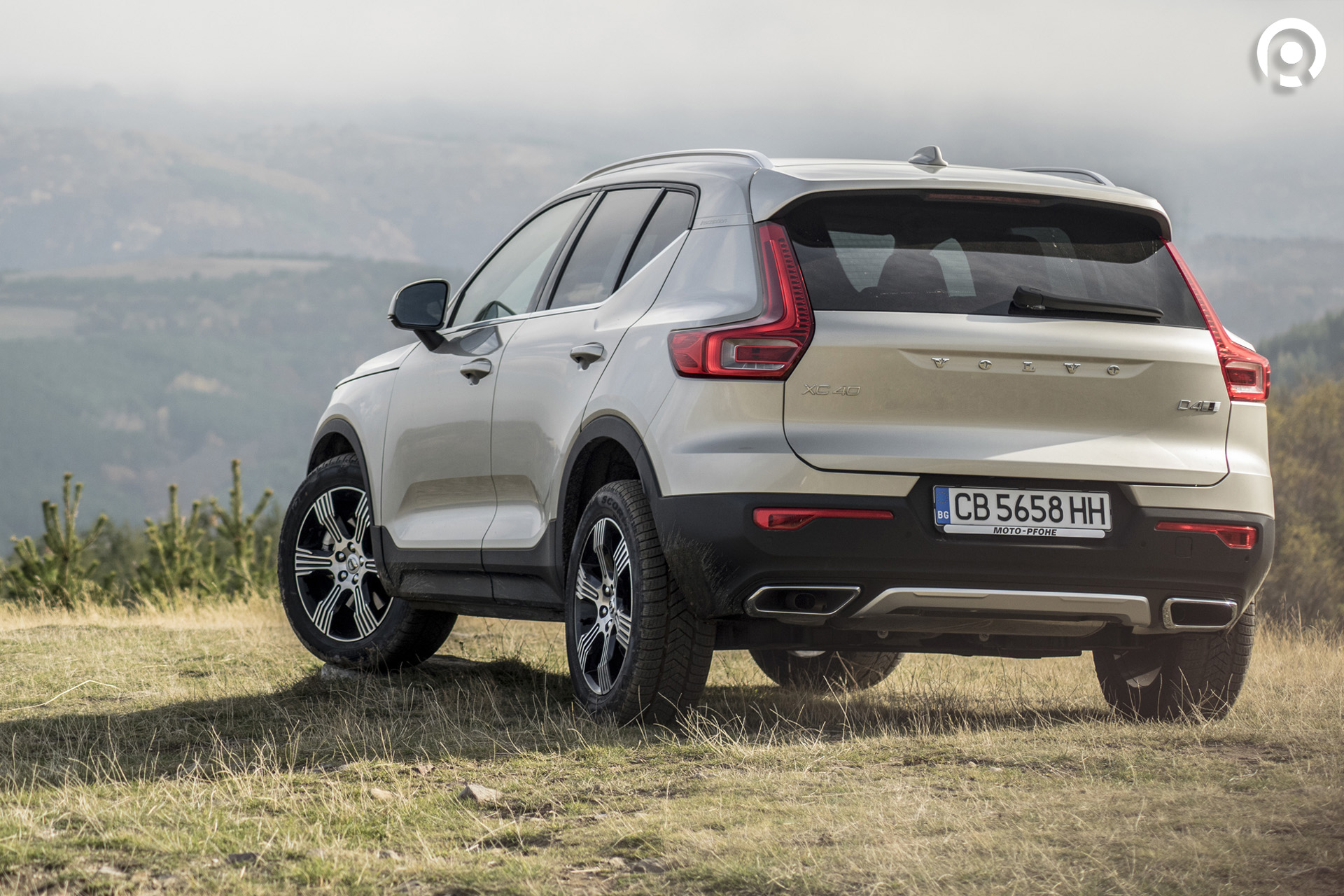
Once inside, I quickly forgot about this minor annoyance. The driving position and ergonomics are excellent. I started the engine and set off.
My first impression is that the XC40 is a pleasant car to drive and travel in. The overall experience leans more towards comfort than dynamics – as expected. At a relaxed pace, the car is quiet, but under acceleration the diesel becomes quite loud and even a bit rough, which doesn’t suit a premium model. Perhaps diesel isn’t the ideal choice here.
Driving through Sofia, I noticed another issue – the autonomous emergency braking system is overly sensitive. It activated the brakes several times without real need. Interestingly, I’ve driven a Volvo V40 since 2013, and over tens of thousands of kilometres, its system has only activated twice – both times correctly.
The next day’s plan was more interesting – some twisty roads and open fields around Zheleznitsa and Bozhurishte.
Once out of the city, I pushed the XC40 a bit harder. The car handles well enough, the engine provides sufficient power for quick progress and easy overtaking (albeit with more noise than expected), and overall road manners inspire confidence. Still, corners and a tall body don’t mix perfectly – body roll is noticeable. This isn’t where the car excels, and in terms of driving enjoyment it falls behind the Audi Q3. But let’s not forget – this is a Volvo, and its priorities are different.
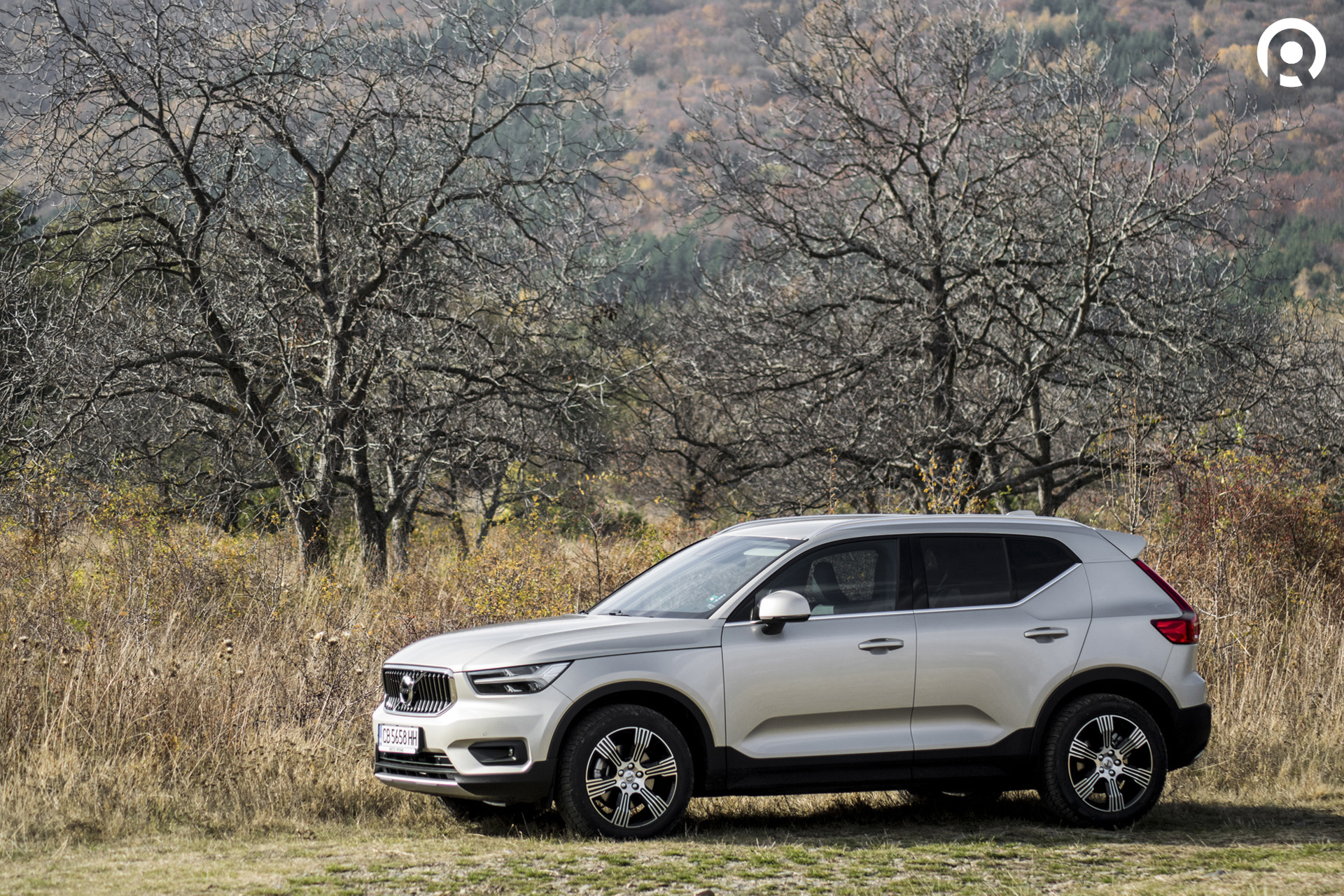
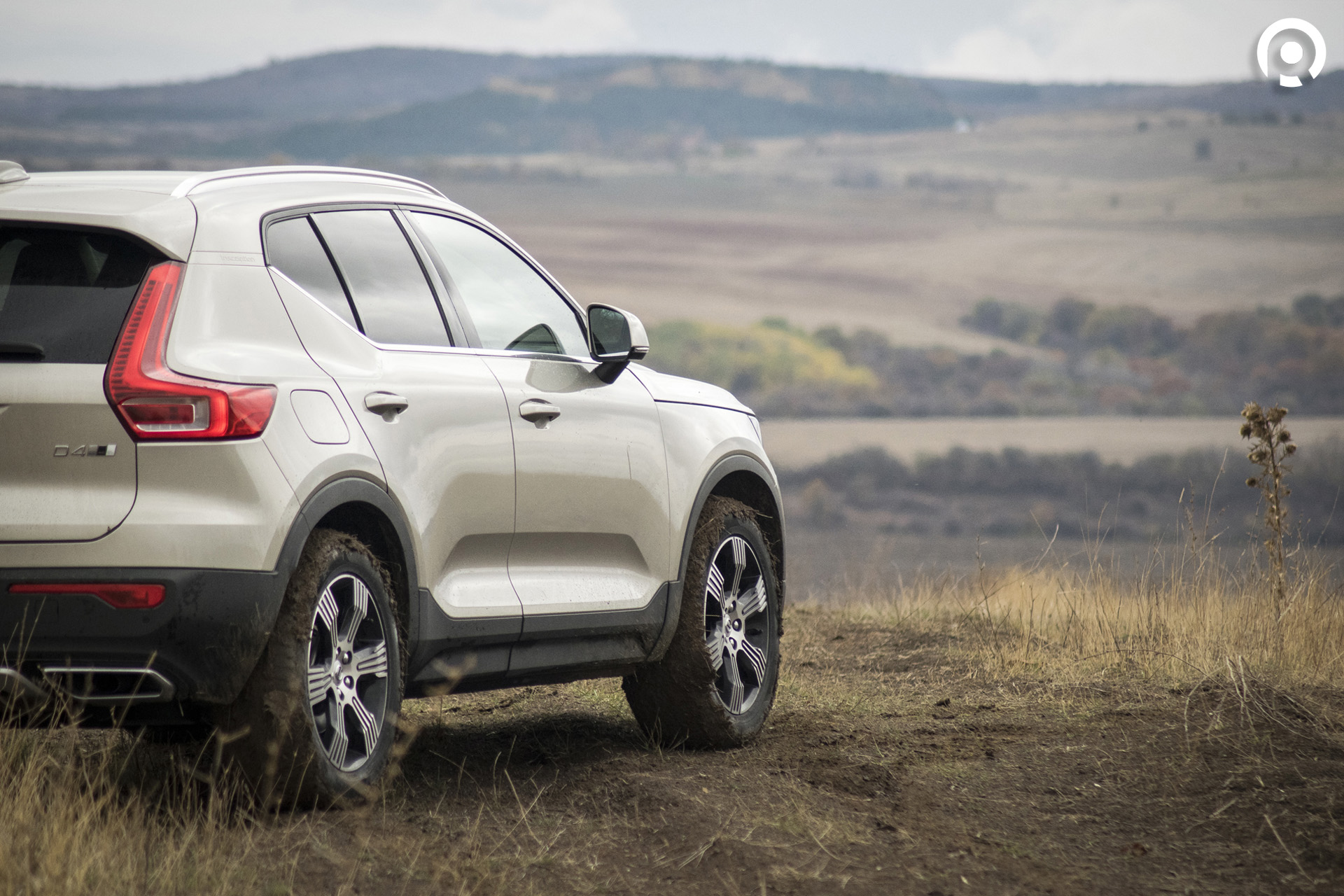
Things became more interesting once I left the asphalt. Expectations for off-road ability in compact SUVs are usually low – but the XC40 surprised me.
Dirt road plus recent rain equals plenty of mud. With all four wheels working, the XC40 climbed a slippery hill with confidence. My initial expectation – that I’d once again have to reverse out of trouble – quickly disappeared. Yes, the winter Pirelli tyres helped, but the all-wheel-drive system itself reacts quickly and distributes power effectively.
Going back down wasn’t difficult either, thanks to the hill descent control system, which kept speed low and the trajectory stable. Here, the XC40 showed genuinely unexpected capability.
As for fuel consumption, I was less impressed. Real-world figures ranged between 7.5 and 9 l/100 km, which is significantly higher than the official numbers.
Conclusion
The Volvo XC40 is another successful model from the Swedish brand and a deserving winner of the 2018 Car of the Year award.
What I like about it is the balanced design and the cosy interior, which is also highly practical, comfortable, and spacious. I was pleasantly surprised by its off-road capability. The downsides lie in some minor usability issues and the diesel engine’s roughness under load.
This is a car suited to calm drivers who value style, comfort, and safety.
Prices start at around €34,500 and go up to approximately €50,000. A well-equipped example can be had for around €41,000–€43,500.
Eng. Tsvetan Iliev

Как ми се иска и аз да покарам това малко бижу :).