
I’m not one of those people who get excited before meeting any kind of SUV. I don’t deny that something like a Range Rover, for example, could be everything you need in a car, but this type of vehicle has never really been close to my heart. I tend to look at them more pragmatically.
Not this time. This time I wasn’t just excited – I was genuinely nervous. On my way to AUDI, I was studying Google Maps in detail, wondering which direction to take. Calculating distances and asking myself, “what if I get stranded?”
The reason? The first electric car test in Roadhunter.
Range anxiety and the question of how far the “charge” will take you is one of the fundamental concerns people face when switching to electric mobility.
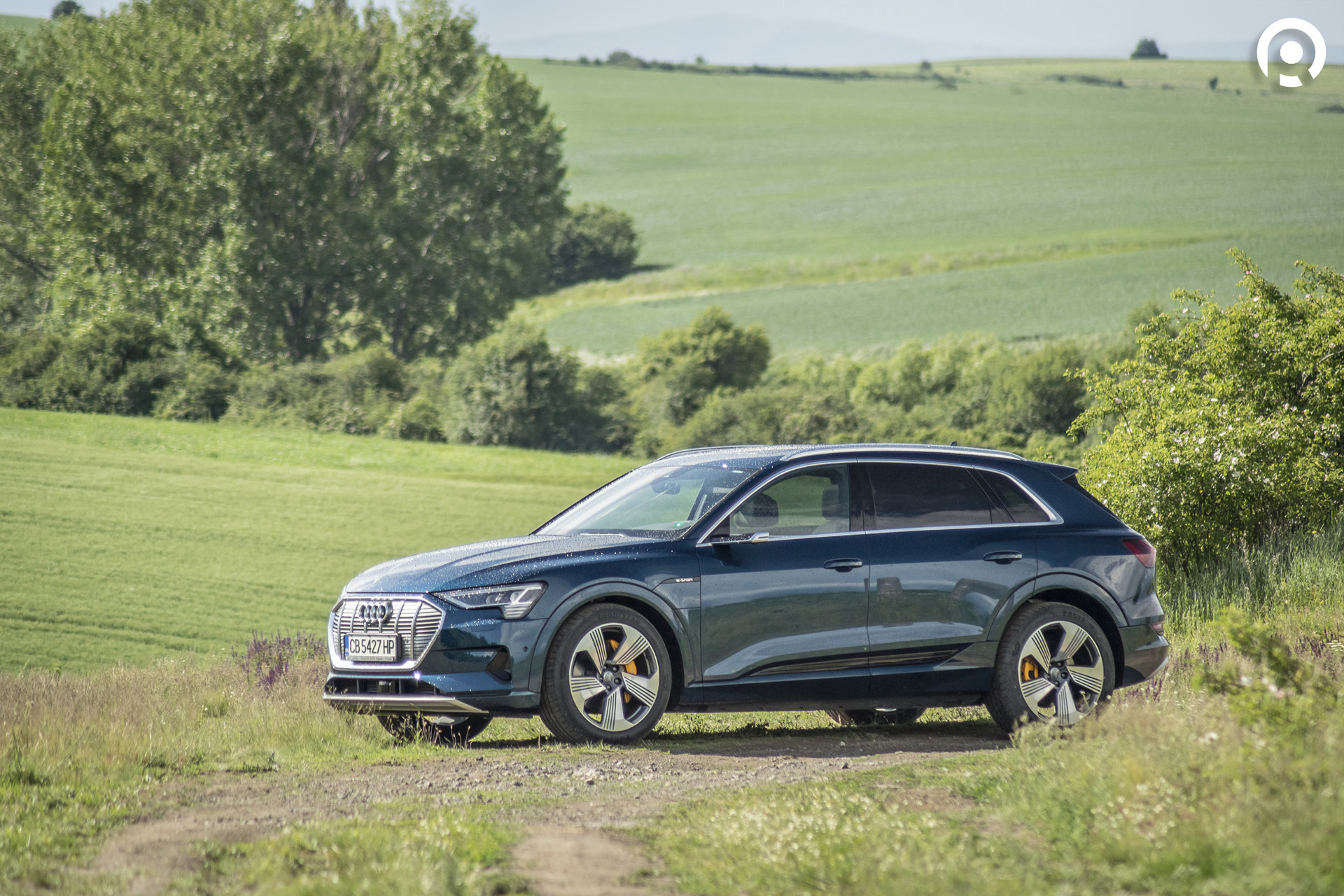
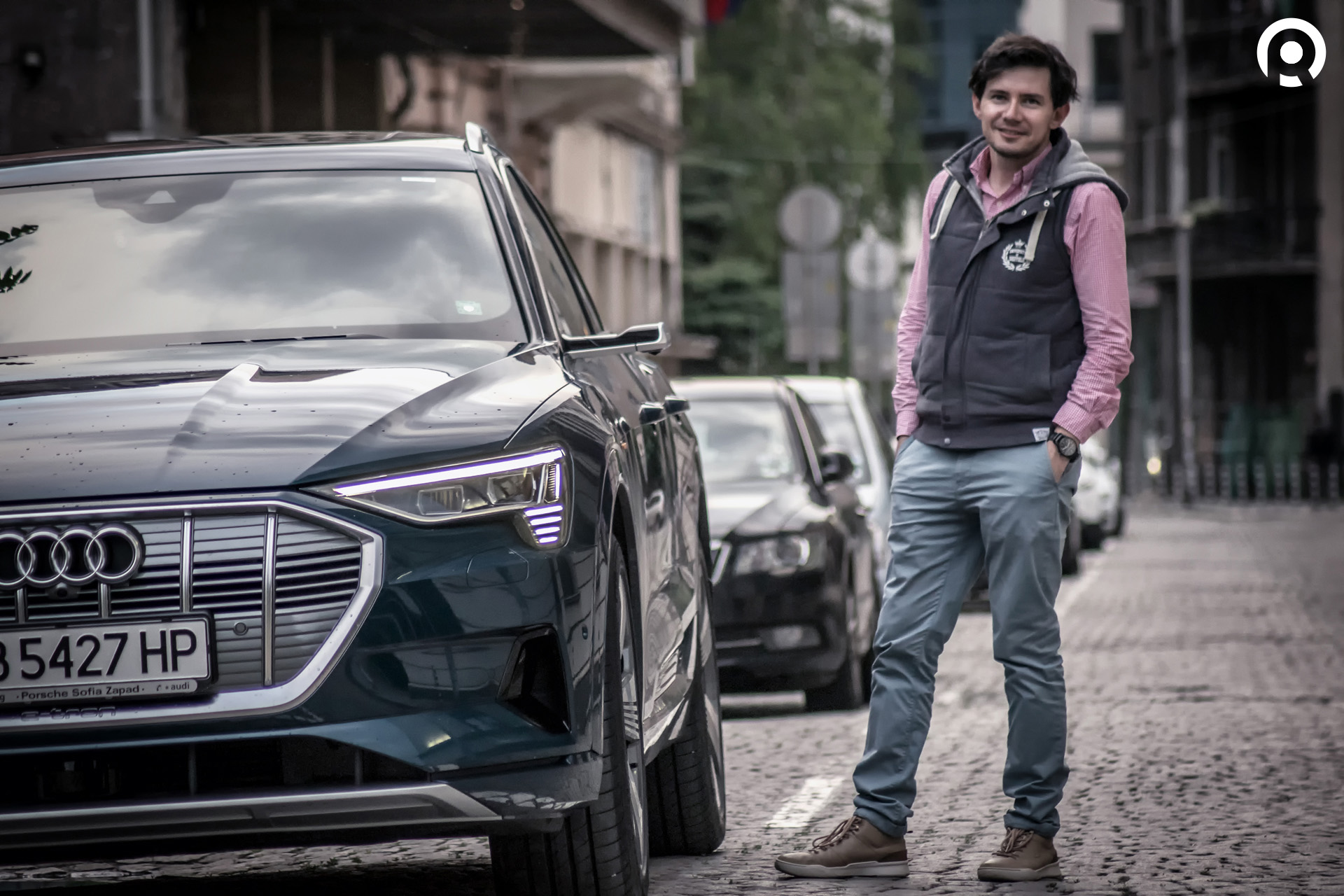
And the test car is AUDI’s first fully electric model – the e-tron.
Where are the mirrors?!
Since the electric vehicle market is still quite specific at this stage, every car needs a standout feature to impress the so-called “early adopters” – the first users of new technologies. In the case of the Tesla Model X, these are the folding rear doors that open upwards. With the e-tron – it’s the absence of mirrors.
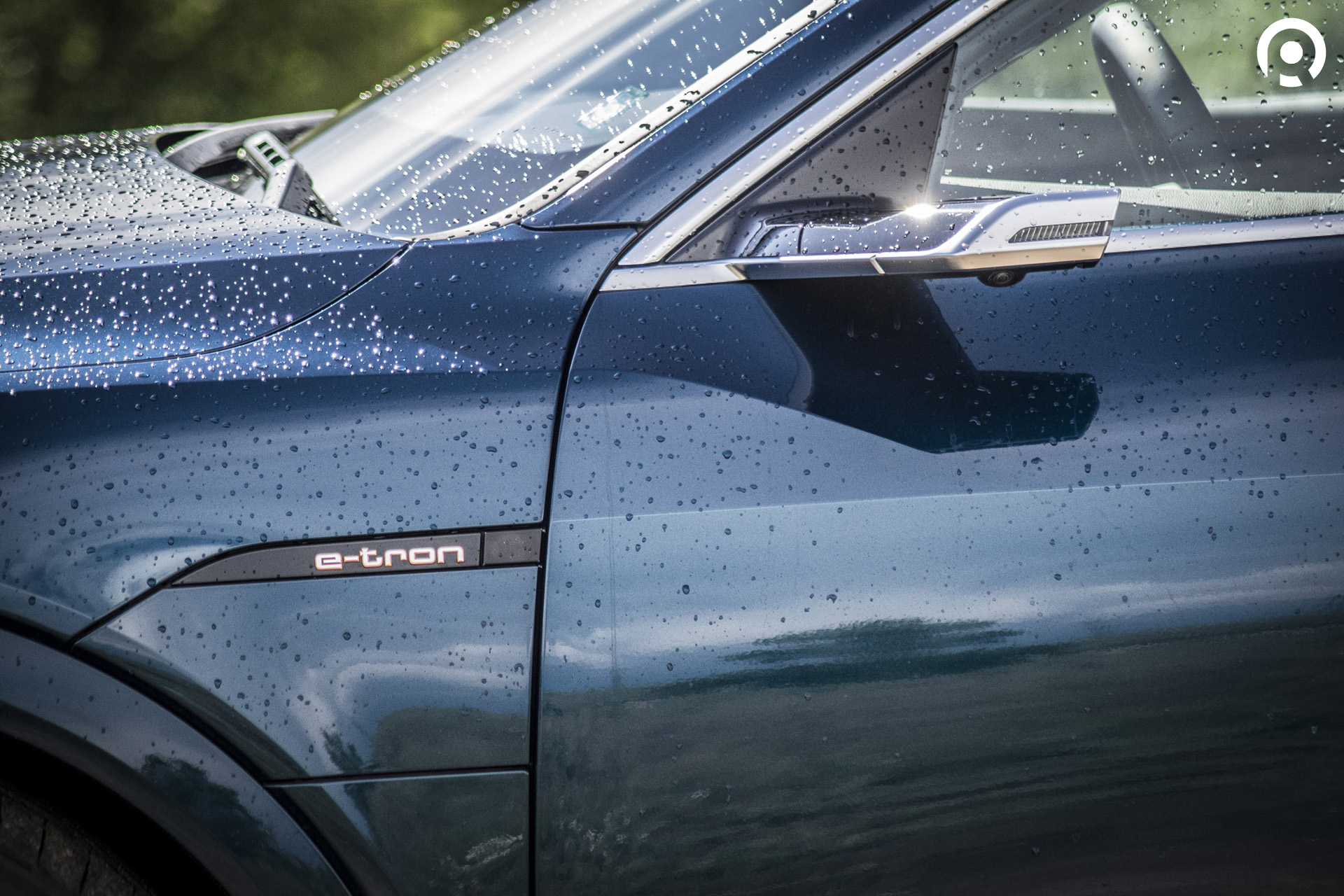
Well, they’re not exactly missing – they’ve been replaced by cameras and OLED displays. This is the first such system in a production car, which makes it genuinely interesting. The screens provide a high-quality image, and in heavy rain or at night, what you see is much clearer compared to conventional mirrors. Also, poorly adjusted headlights from other drivers won’t blind you.
Brightness is adjusted automatically, and once you set the cameras according to your preferences, you don’t really need to touch them again.
Being a new technology, these so-called virtual mirrors come with some drawbacks. The main issue is the placement of the screens – too low in the doors instead of being integrated around the A-pillars. This requires you to look away from the road, and it’s simply not something you get used to. Even after a million kilometres in the e-tron, you’ll still need to shift your gaze to see the “mirrors”.
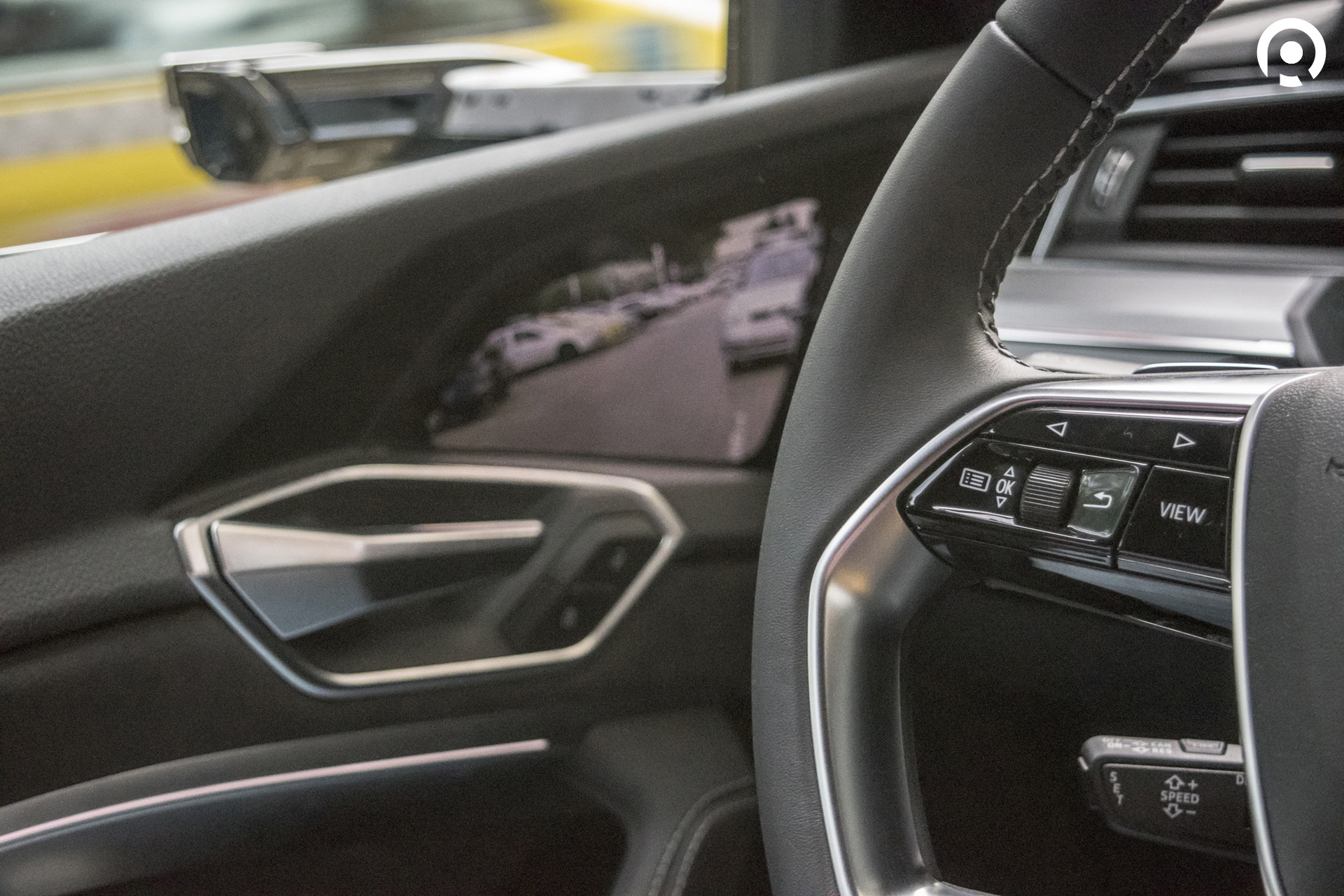
There’s something else. These mirrors reduce drag by 0.01Cd. The benefit is less turbulence, less noise, and lower energy consumption. However, in real-world terms, you won’t feel that in your wallet, because the mirrors themselves are an optional extra costing around €1,800.
My opinion? Virtual mirrors are interesting, they attract attention and spark conversations, and they do have advantages in poor weather conditions. But ergonomics are questionable due to their placement, and the price is high. Still, if you want to feel “extra special”, they might be worth it.
Design
At this stage, the average buyer isn’t really purchasing electric cars. That’s why (and also due to technological freedom), manufacturers often go for more unconventional designs. Look at the Tesla Model X, which almost looks like a caricature, or the Jaguar I-Pace, which tries to be everything at once and ends up hard to define.
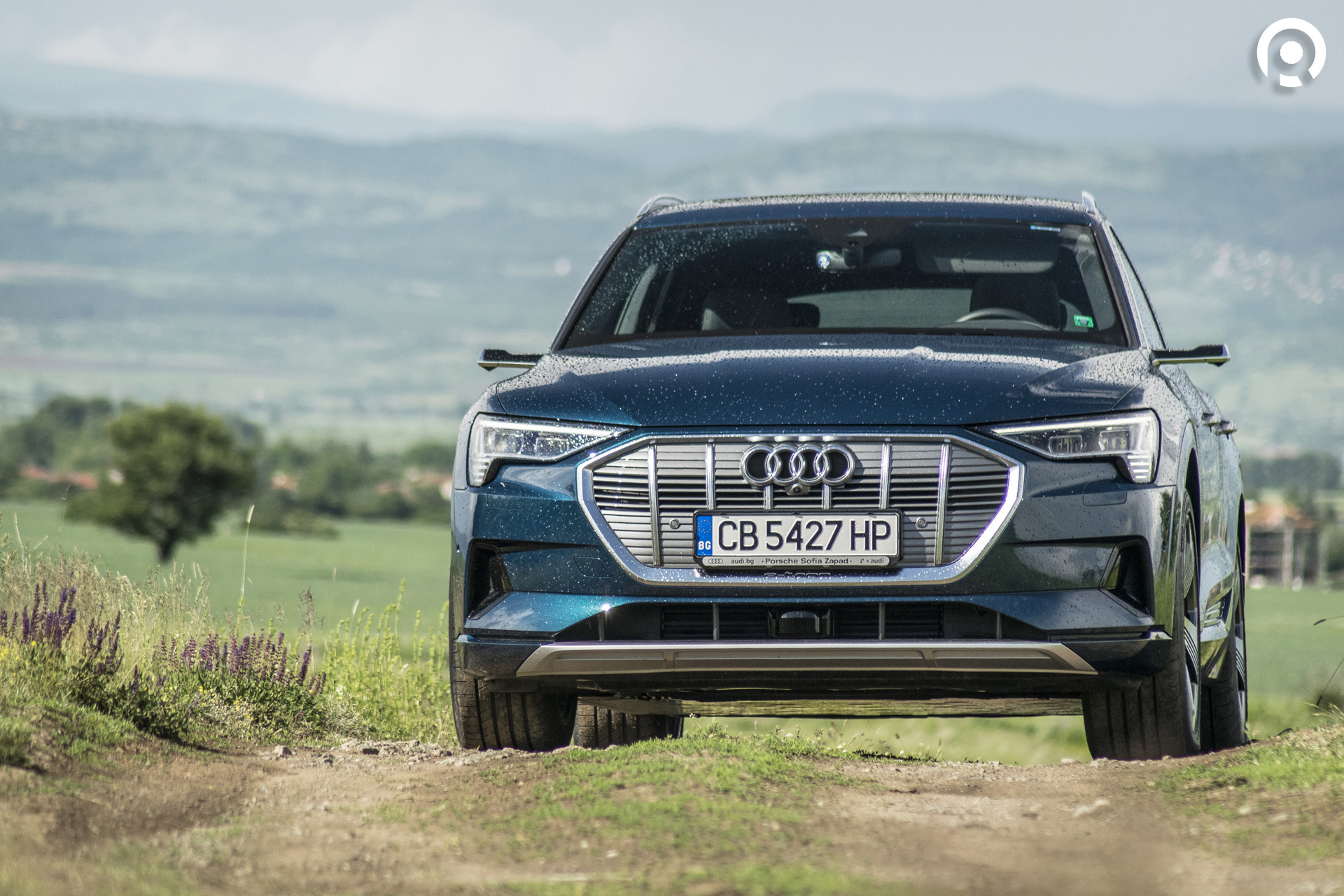
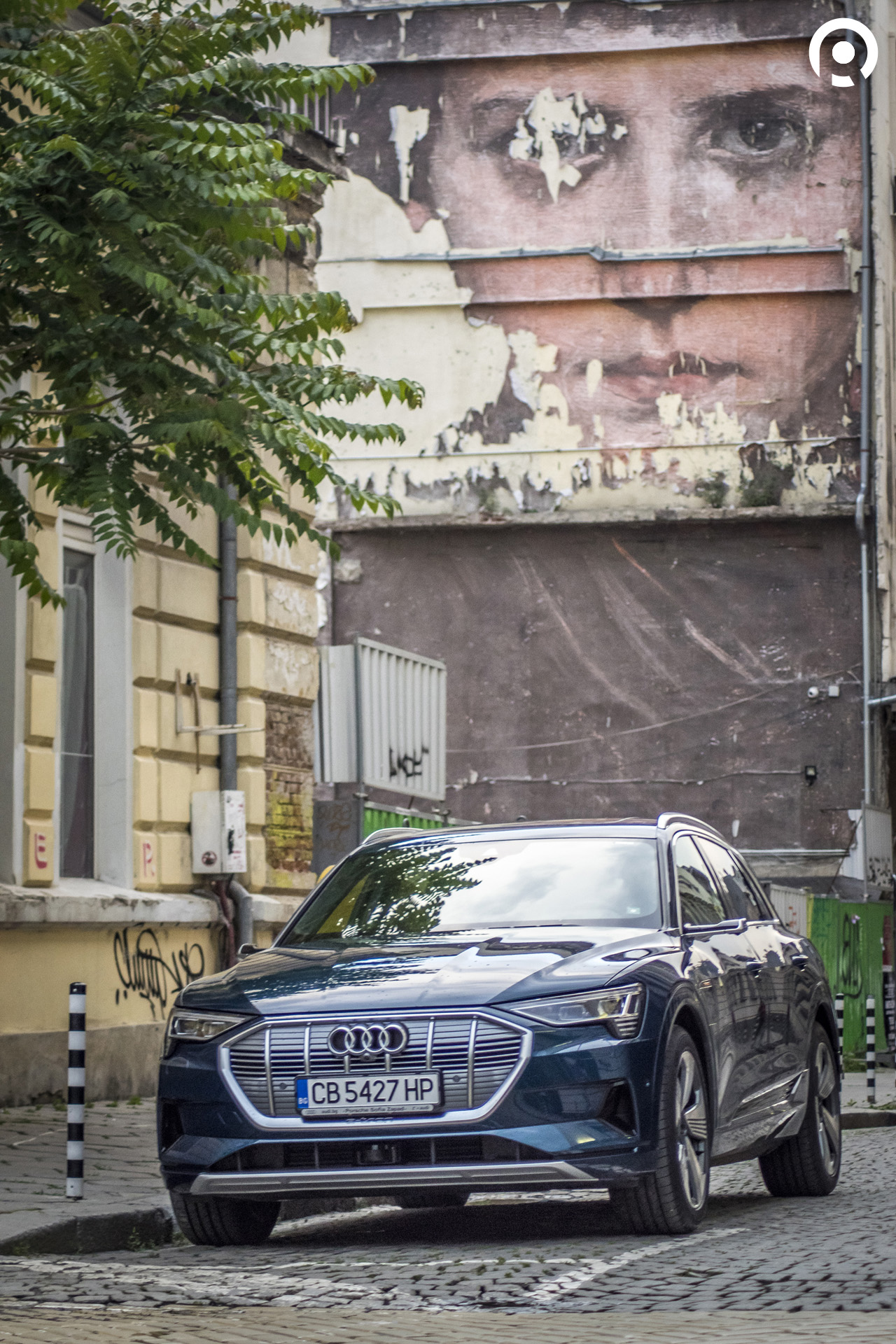
AUDI, however, has taken a different approach by creating a car with a conventional design that doesn’t immediately reveal its electric nature.
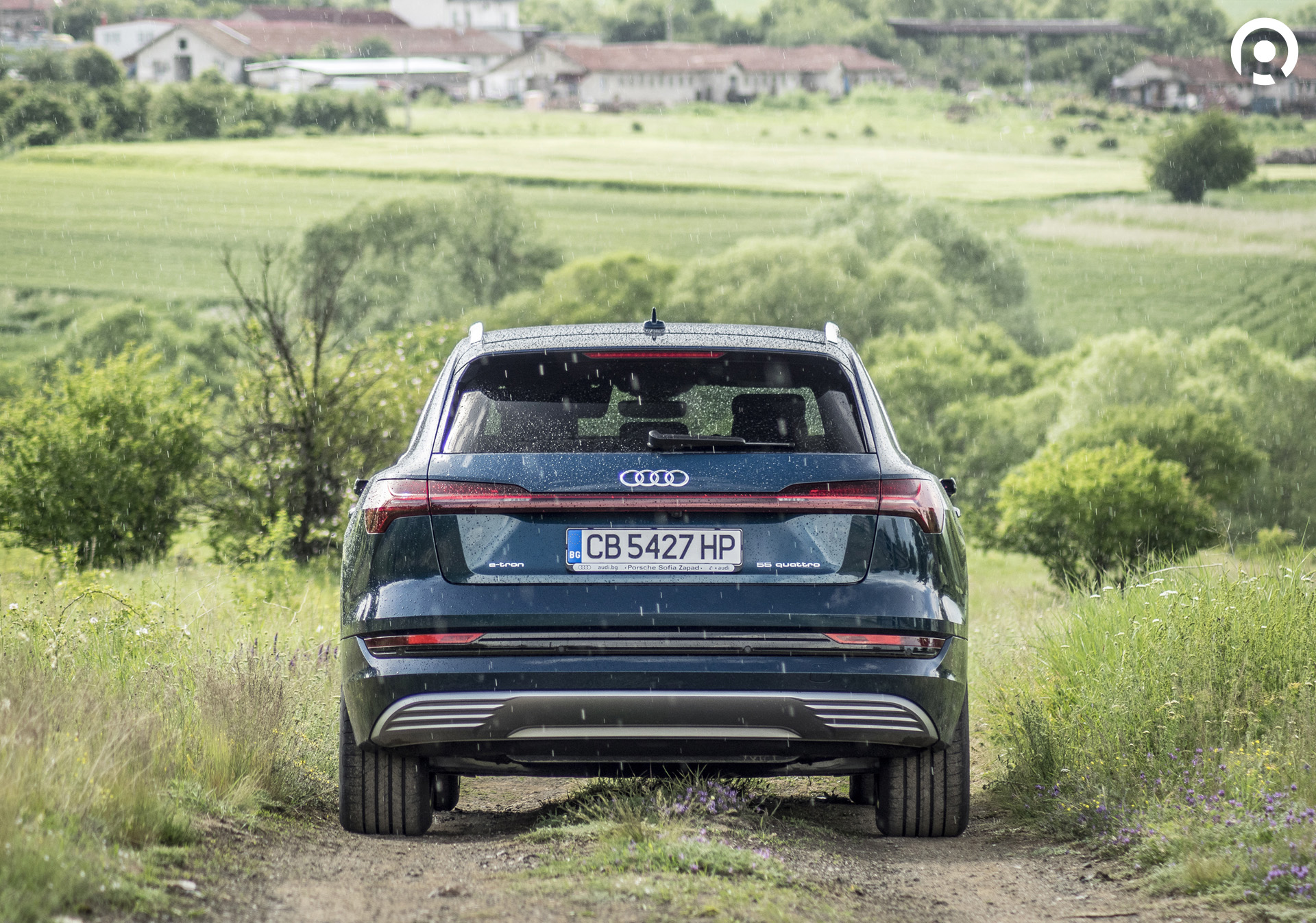
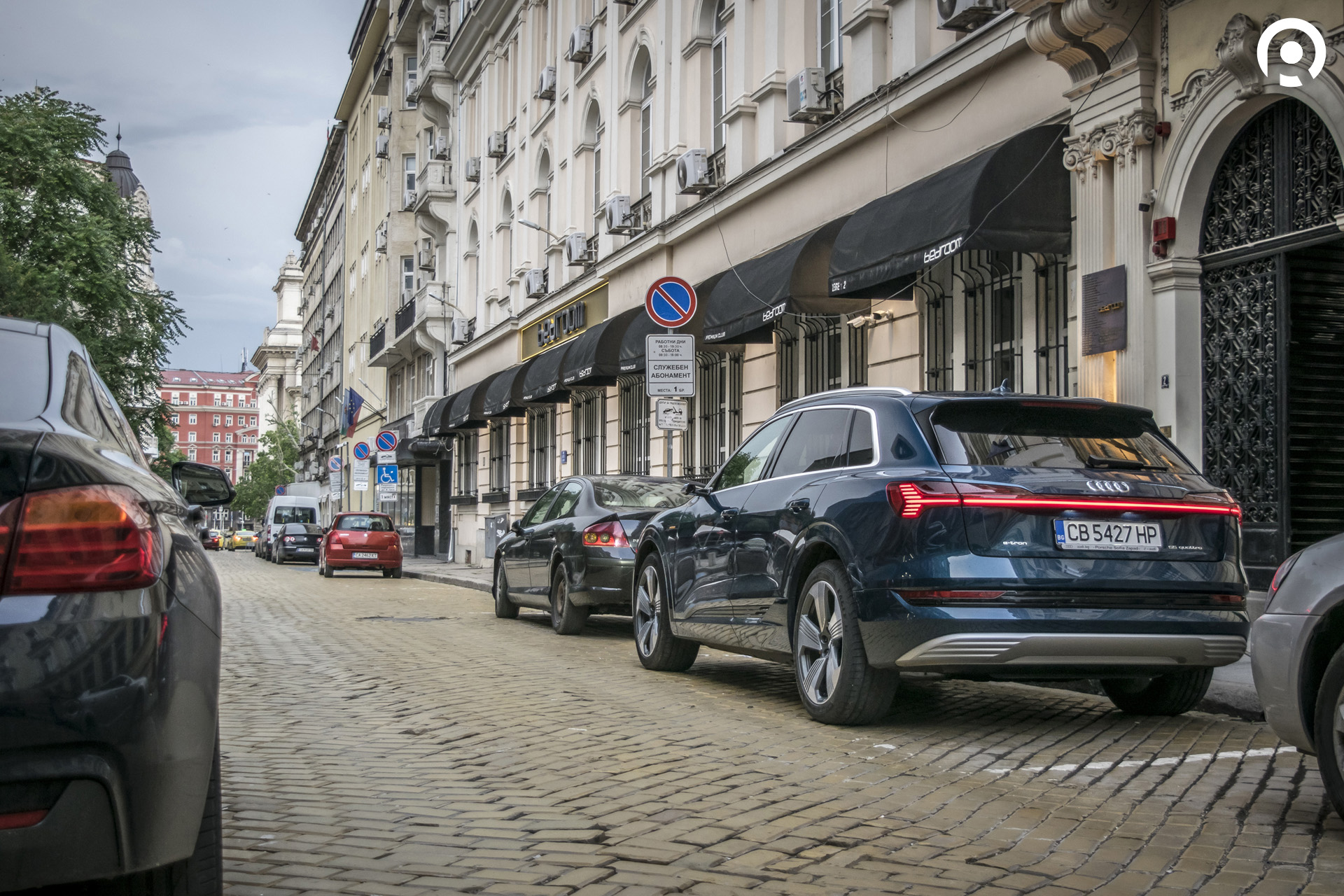
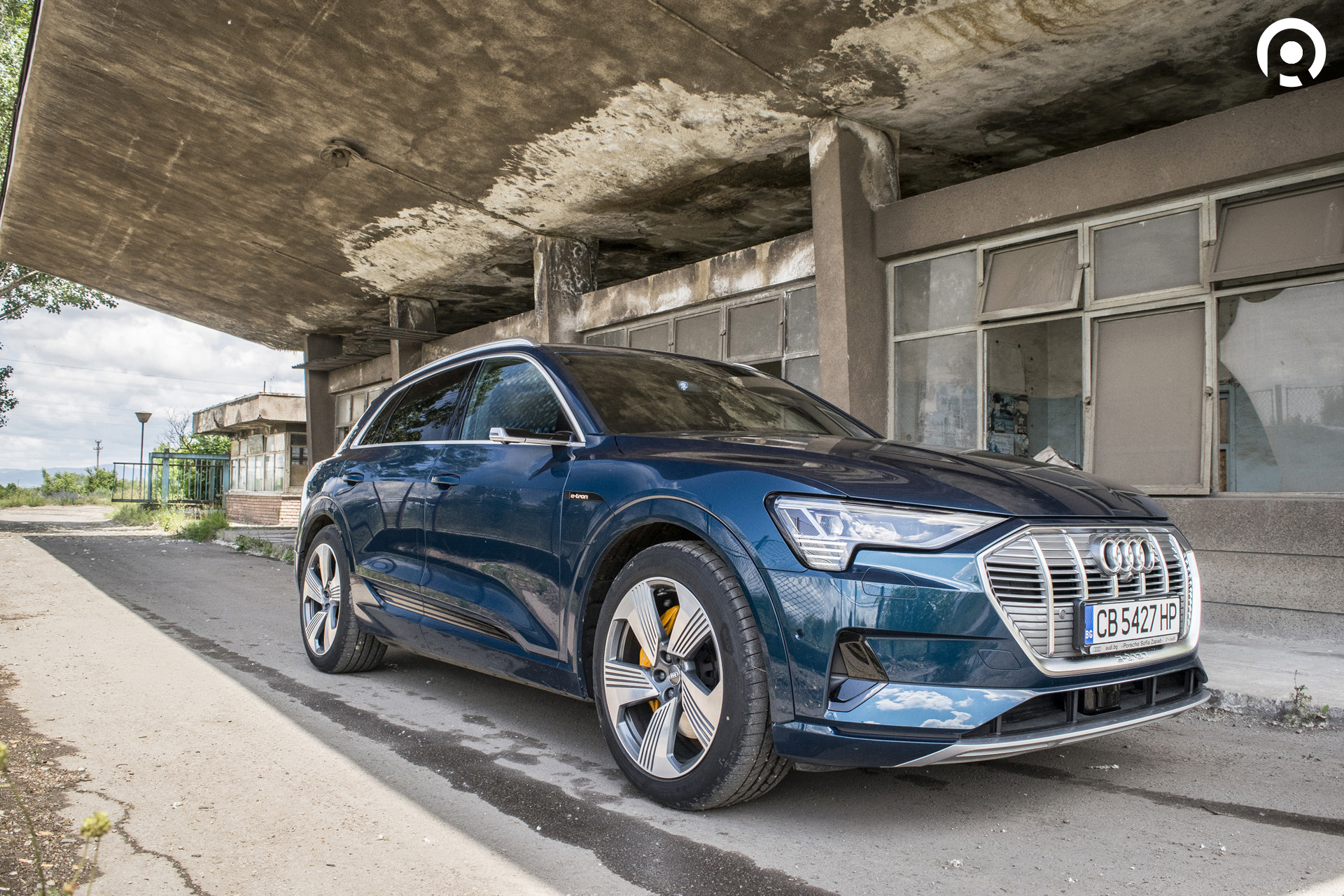
The e-tron is a conventional large SUV, measuring 4.90 metres in length, relying on classic AUDI design with a few subtle details. It looks modern, but not extravagant. The proportions and silhouette are very pleasing, and the large wheels add a dynamic touch and overall harmony to the body.
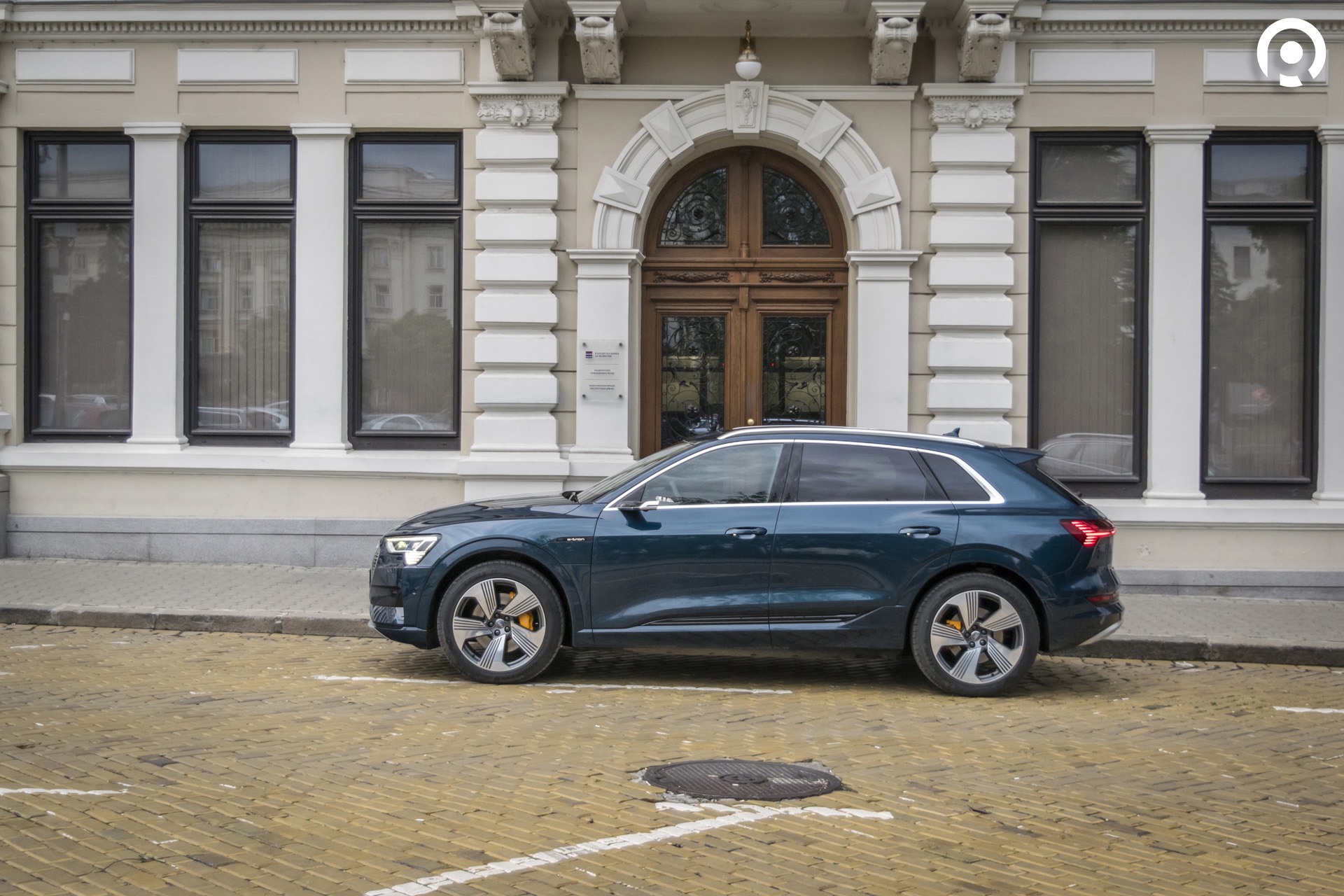
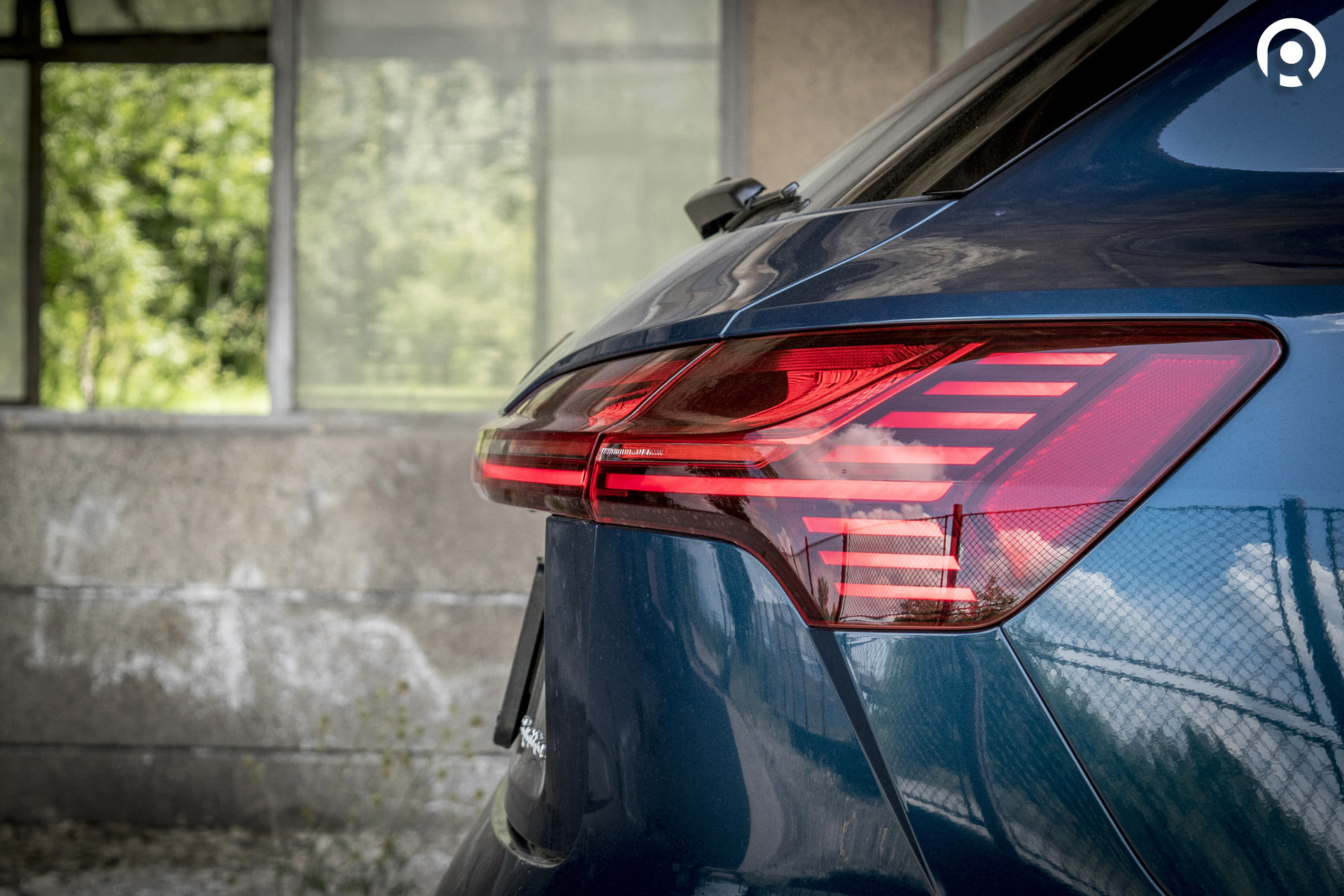
I particularly like the rear light design, the shape of the rear wheel arches, and the availability of more interesting colour options. In this case, Galaxy Blue Metallic suits the e-tron perfectly, especially combined with the orange-painted brake calipers (which, to me, look yellow – but AUDI calls them orange).
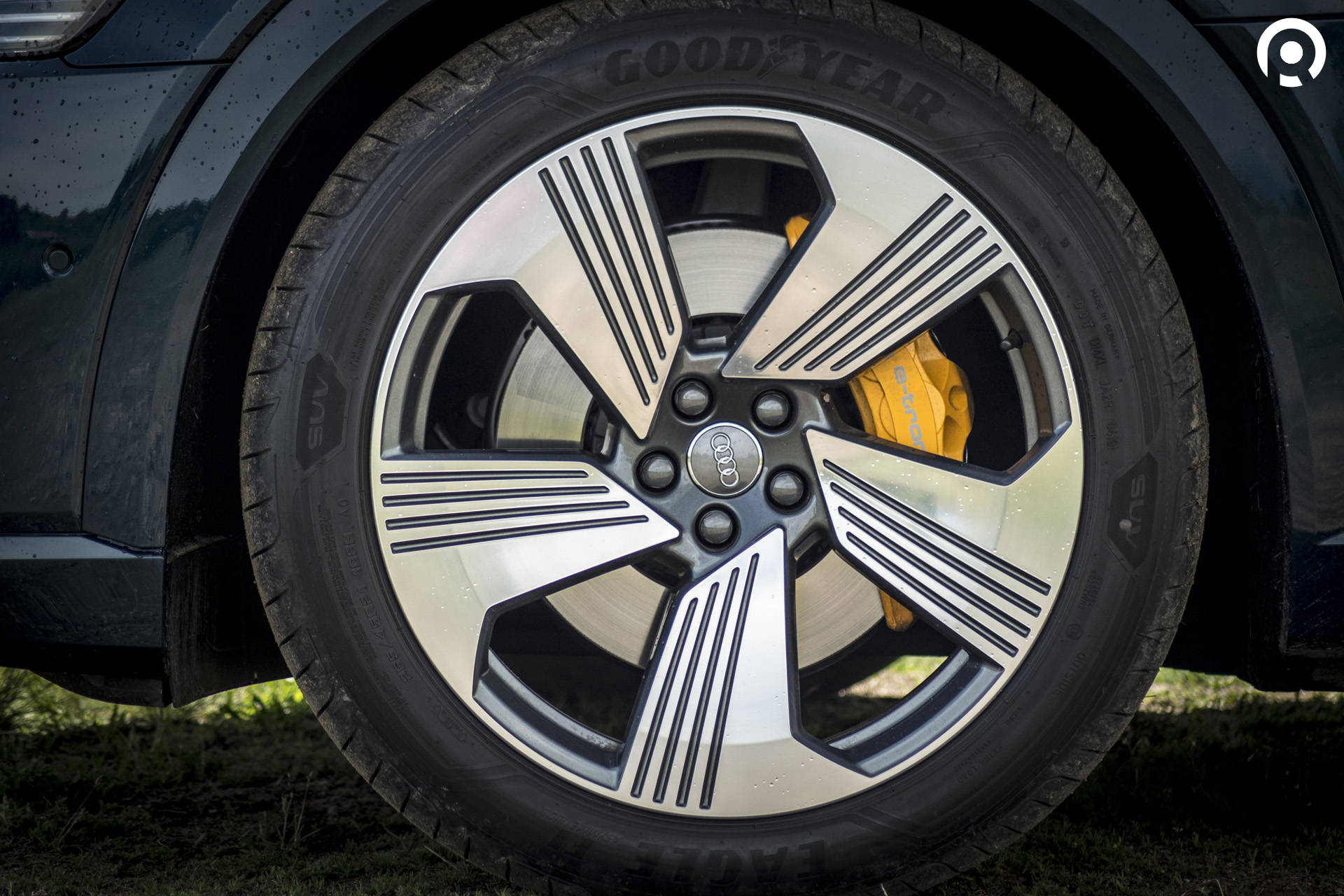
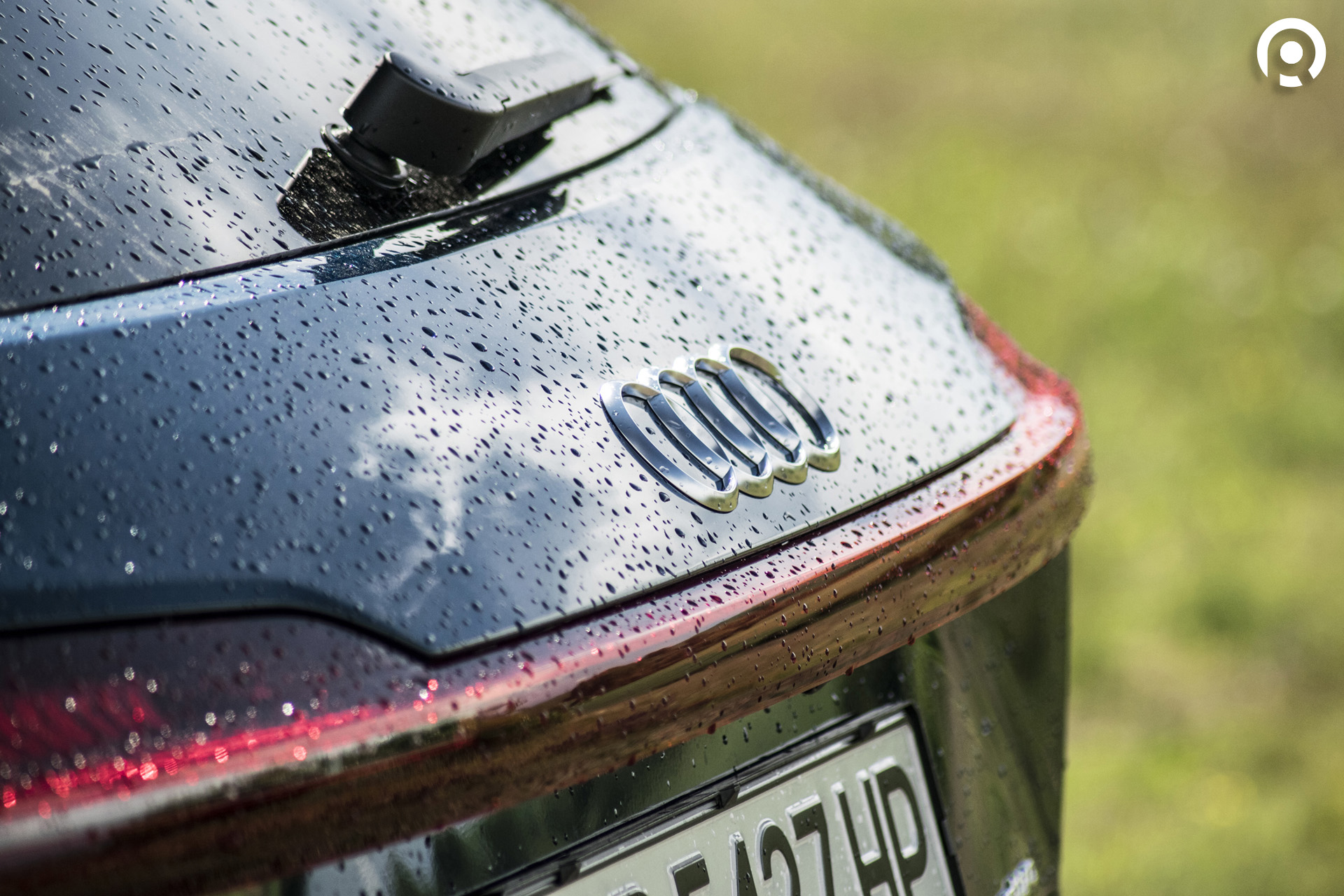
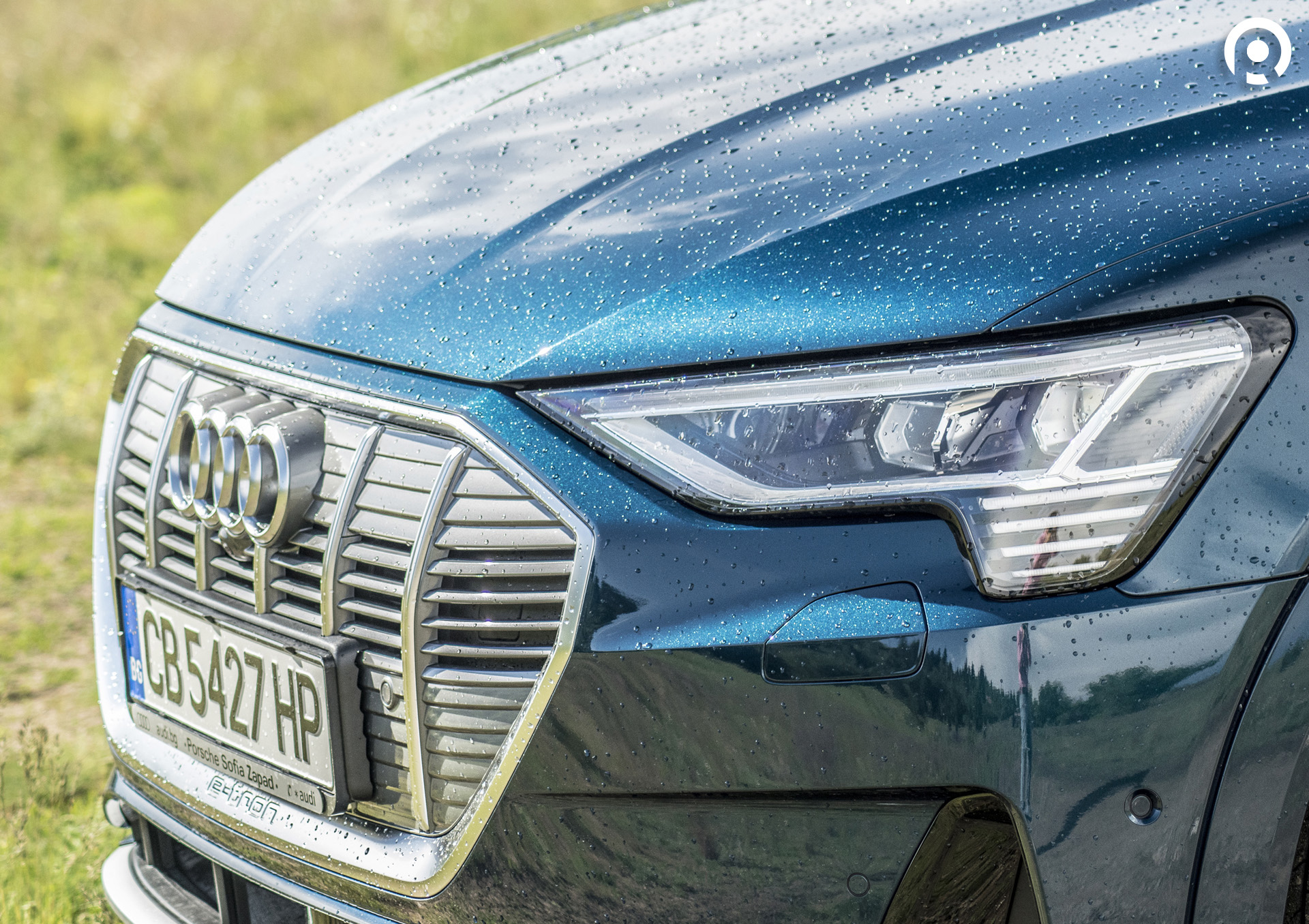
Overall, I like the design of the e-tron and believe the decision to keep it more conventional is the right one. Most people are, frankly, a bit conservative, and a more traditional design will appeal to them – and ultimately, sales are the goal.
Interior
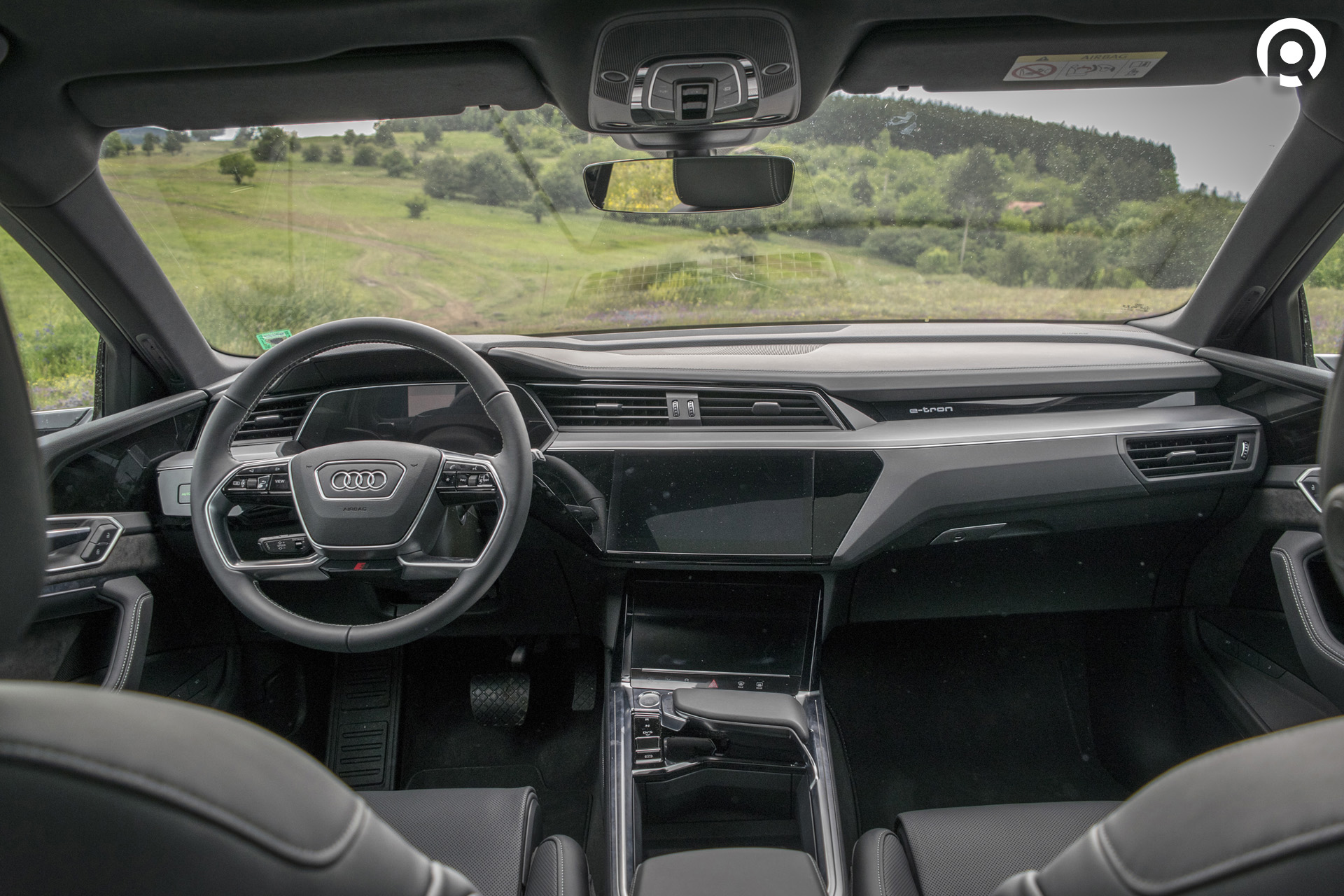
Inside, the e-tron also feels like a typical AUDI. The design is restrained – perhaps even a bit dull – but the build quality and materials are up to standard. The only part I’m not entirely satisfied with is the lower section of the centre console, which feels more plasticky than it should, as well as the door pockets, which lack textile lining.
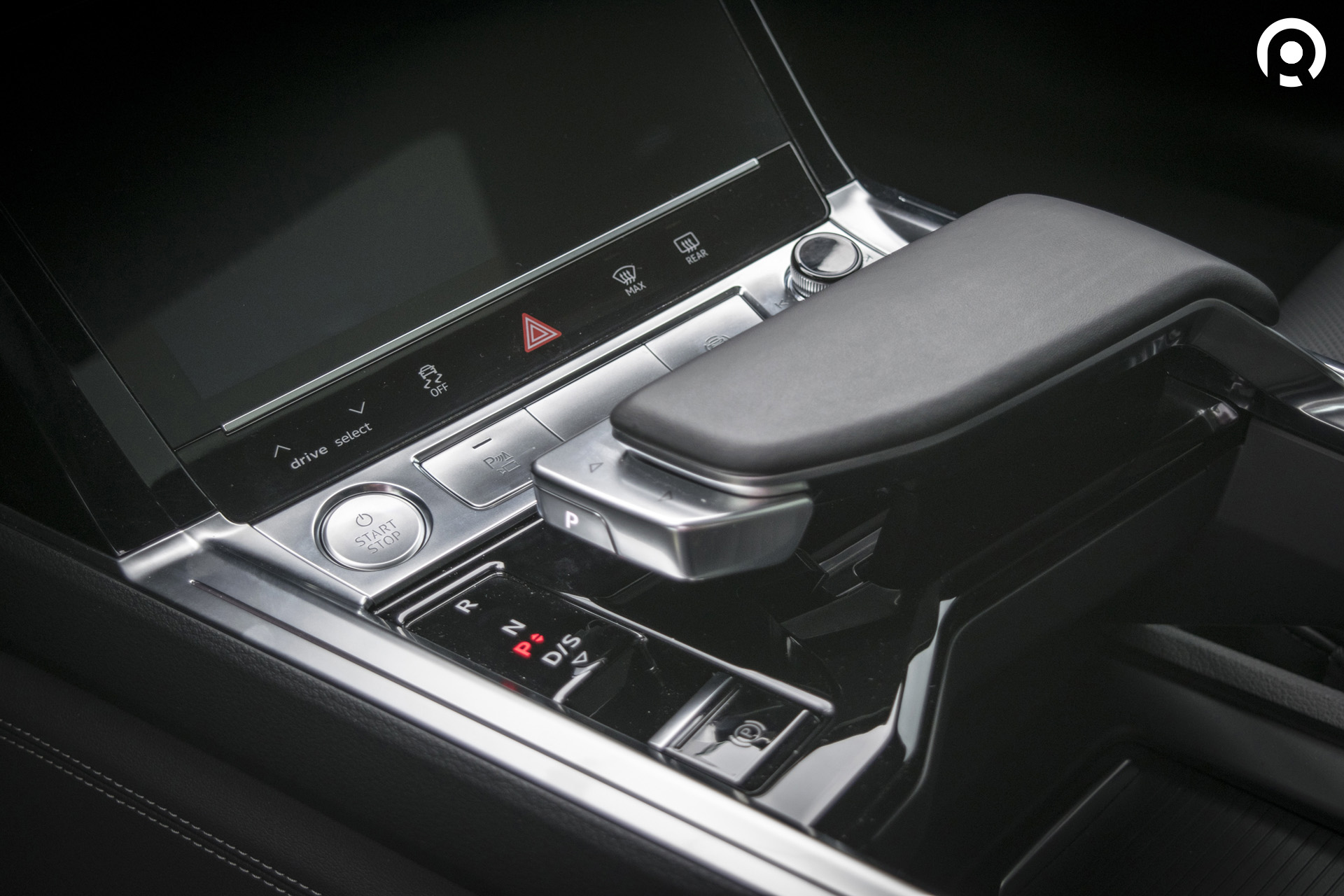
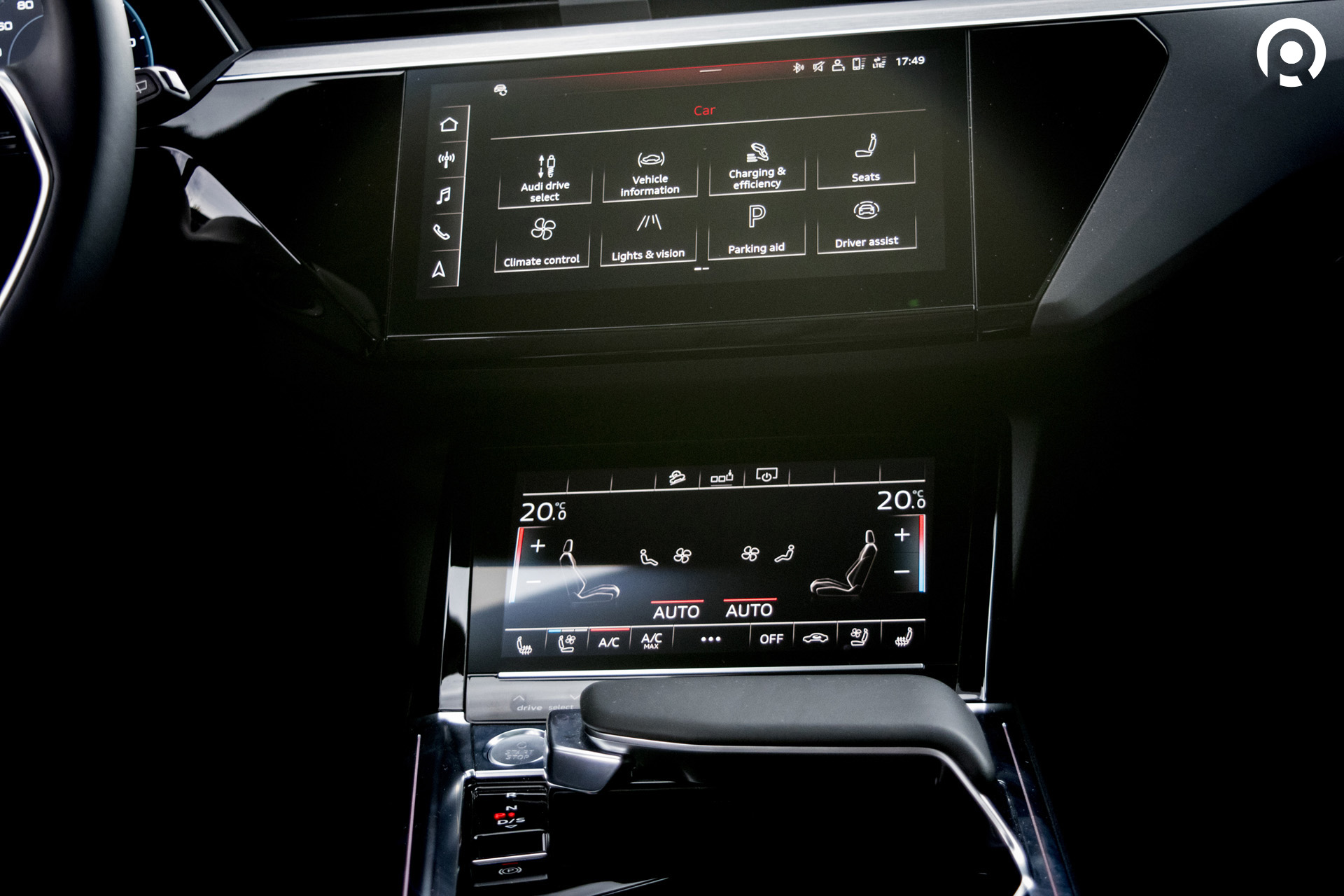
Otherwise, you get the latest MMI system, featuring two large displays (10.1″ and 8.6″). The upper screen controls vehicle settings and infotainment, offering excellent resolution, clean but attractive graphics, and overall intuitive operation. A great touch is the dedicated button to turn the screen off – because for me, these displays can be irritating at night.
The lower screen controls the climate system, seat ventilation and heating, and other related settings. I’m usually not a fan of replacing physical buttons with touch controls, but this is undoubtedly the best implementation I’ve experienced. That’s thanks to the haptic feedback, which makes operating the screens while driving much easier – similar to the “Home” button on the iPhone 7 and 8.

The e-tron also comes as standard with a 12.3-inch digital cluster, allowing you to configure the displayed information according to your preferences and current needs. It works flawlessly, is intuitive, and refreshes quickly and smoothly. My only criticism is that it’s a bit too glossy and prone to reflections.
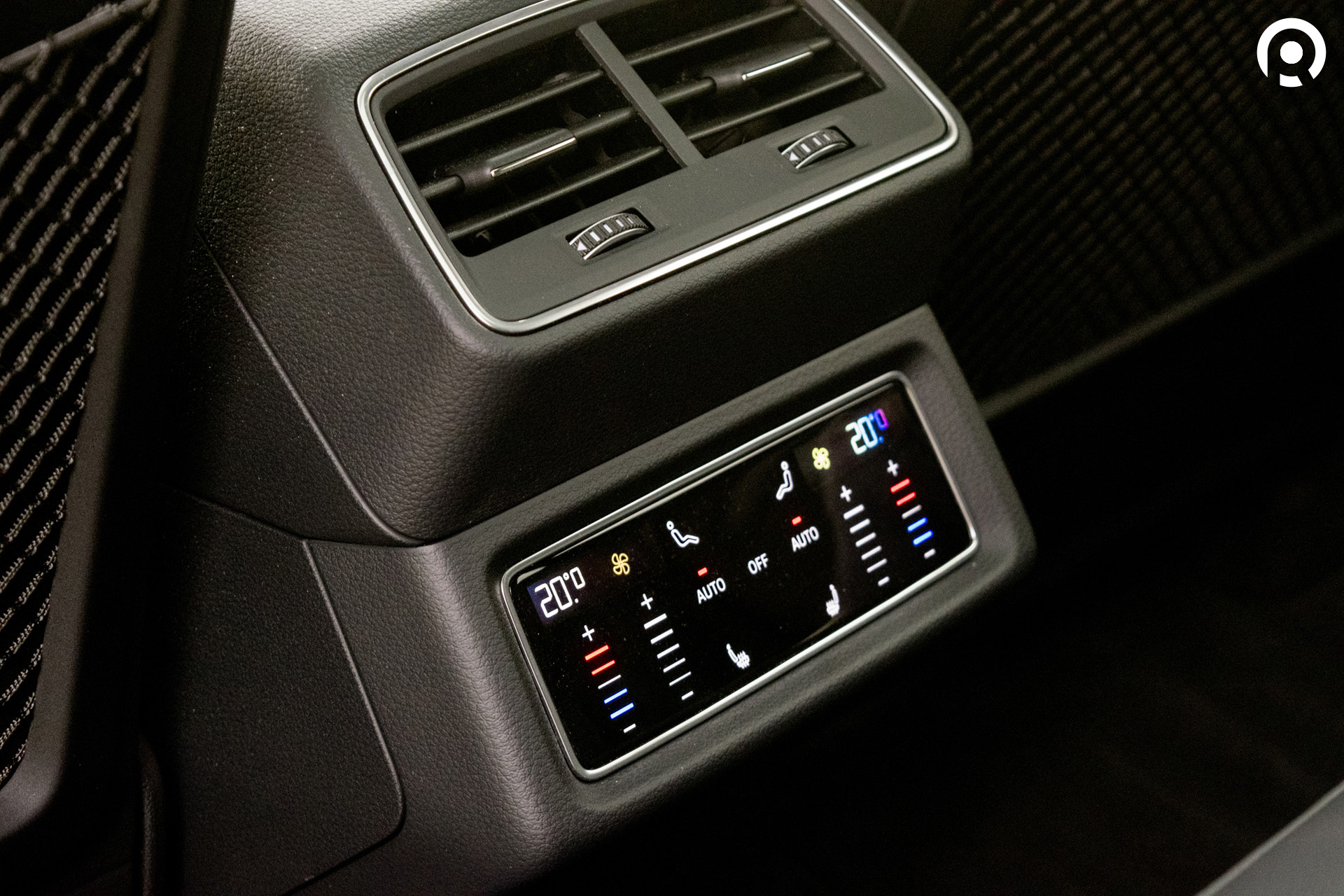
Against this backdrop of modern screens (five in total, including the mirrors), the rear climate control panel looks almost disco-retro – like something from a 1979 concept of “cars of the 21st century!”. On the plus side, I appreciate the illuminated seatbelt buckles in the rear – a practical touch.
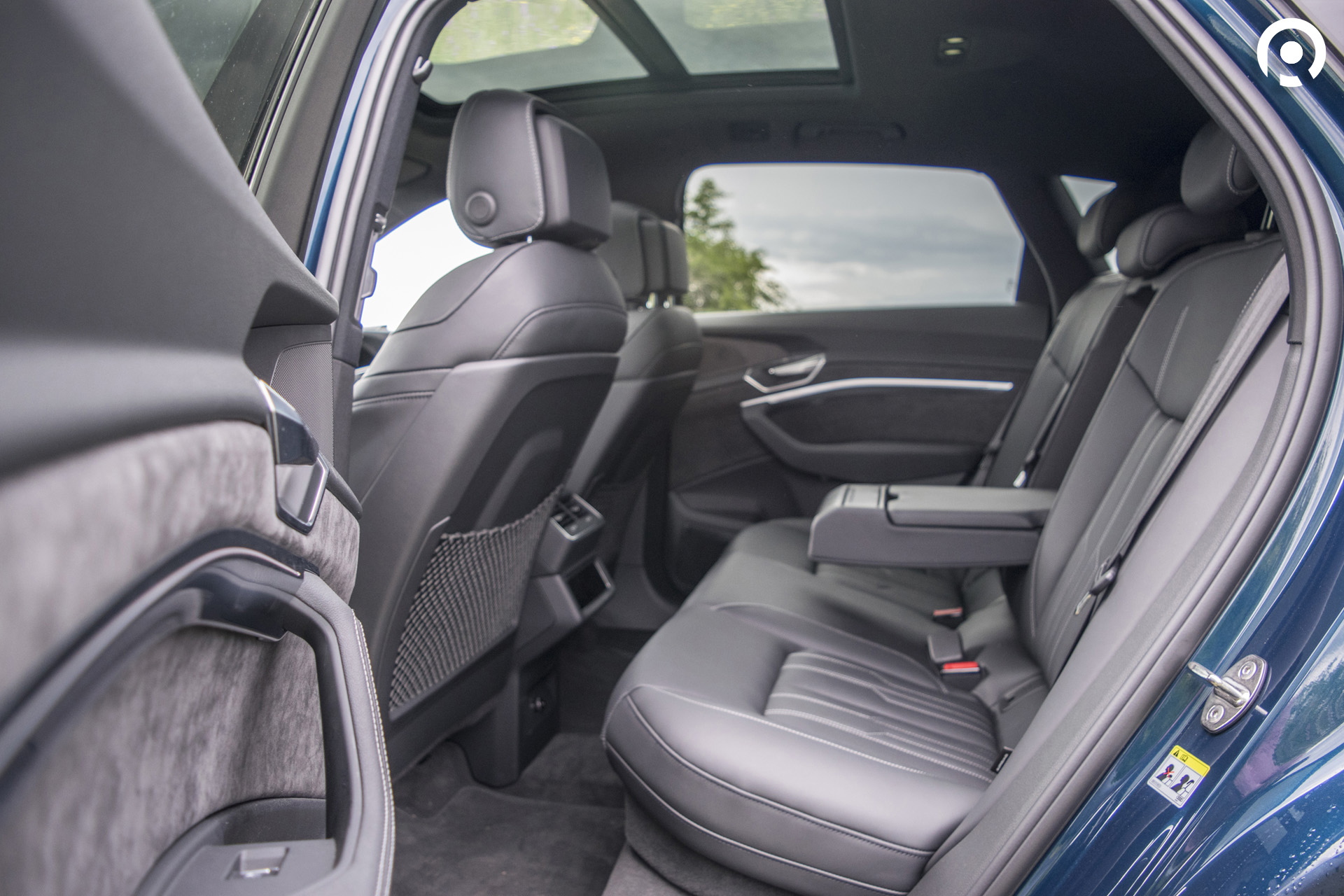
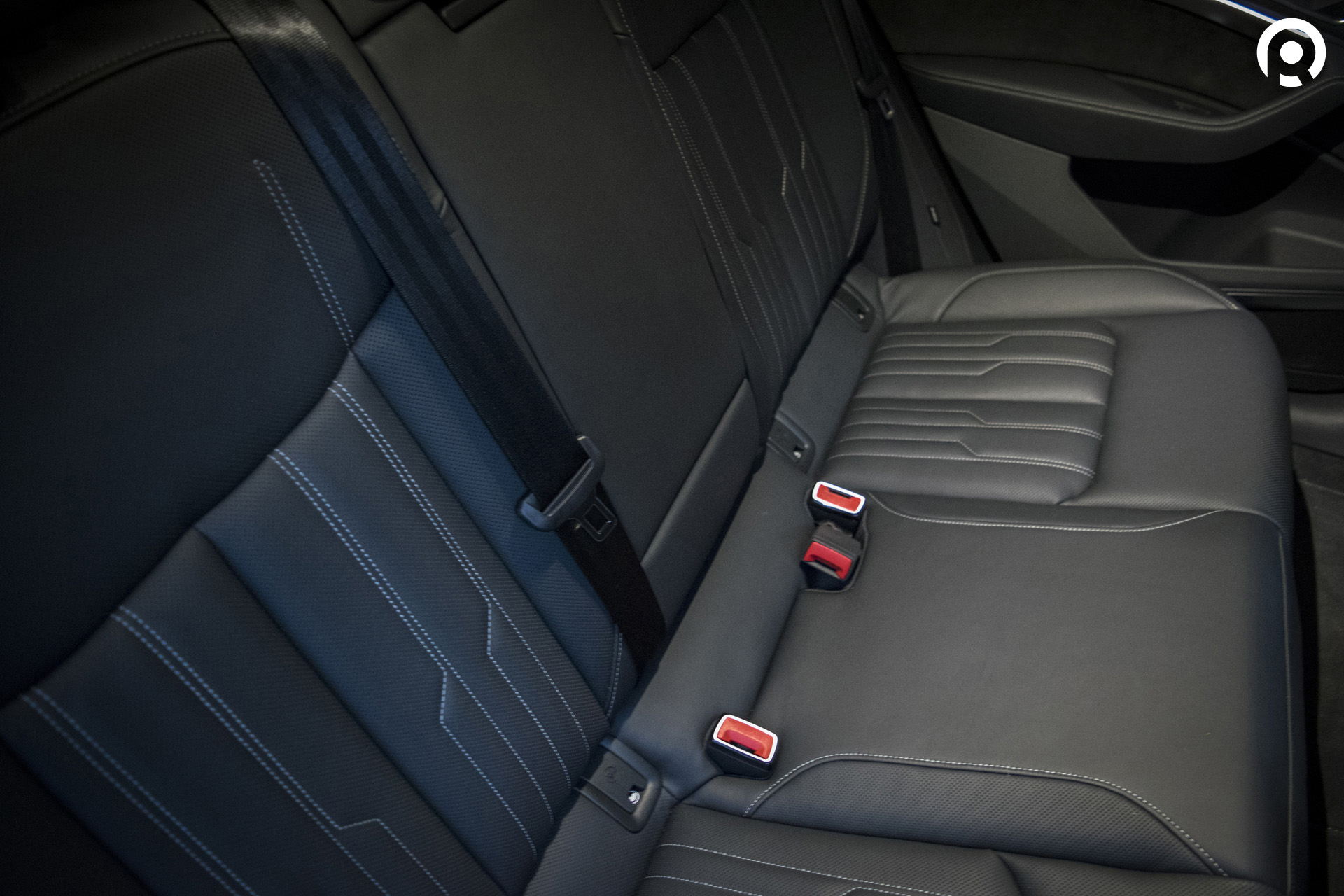
Beyond these details, what truly deserves attention is space. Despite the batteries being mounted under the floor and measuring 34 cm in height, there’s no compromise in interior usability. The rear seat is positioned high, offering plenty of legroom and headroom, along with a genuinely comfortable seating position. Large windows further enhance visibility.
All of this, combined with a 600-litre boot, makes the e-tron perfectly suitable for long journeys with four adults.
On the road
As you might expect, there are no drivetrain options with the e-tron. You always get a maximum output of 408 hp in “boost” mode (for a limited time), 664 Nm of torque, 0–100 km/h in 5.7 seconds, and a top speed limited to 200 km/h.
It’s worth noting that those 5.7 seconds can’t be repeated continuously like in petrol or diesel cars, because they are achieved in “boost” mode – which delivers maximum performance for up to eight seconds. Outside of that mode, acceleration takes about a second longer.
The batteries have a capacity of 95 kWh (a full “tank” costs roughly €3 on a night tariff or up to €23 at public charging stations), and the system operates at 396 V. Official range is 400 km – but let’s see in reality!
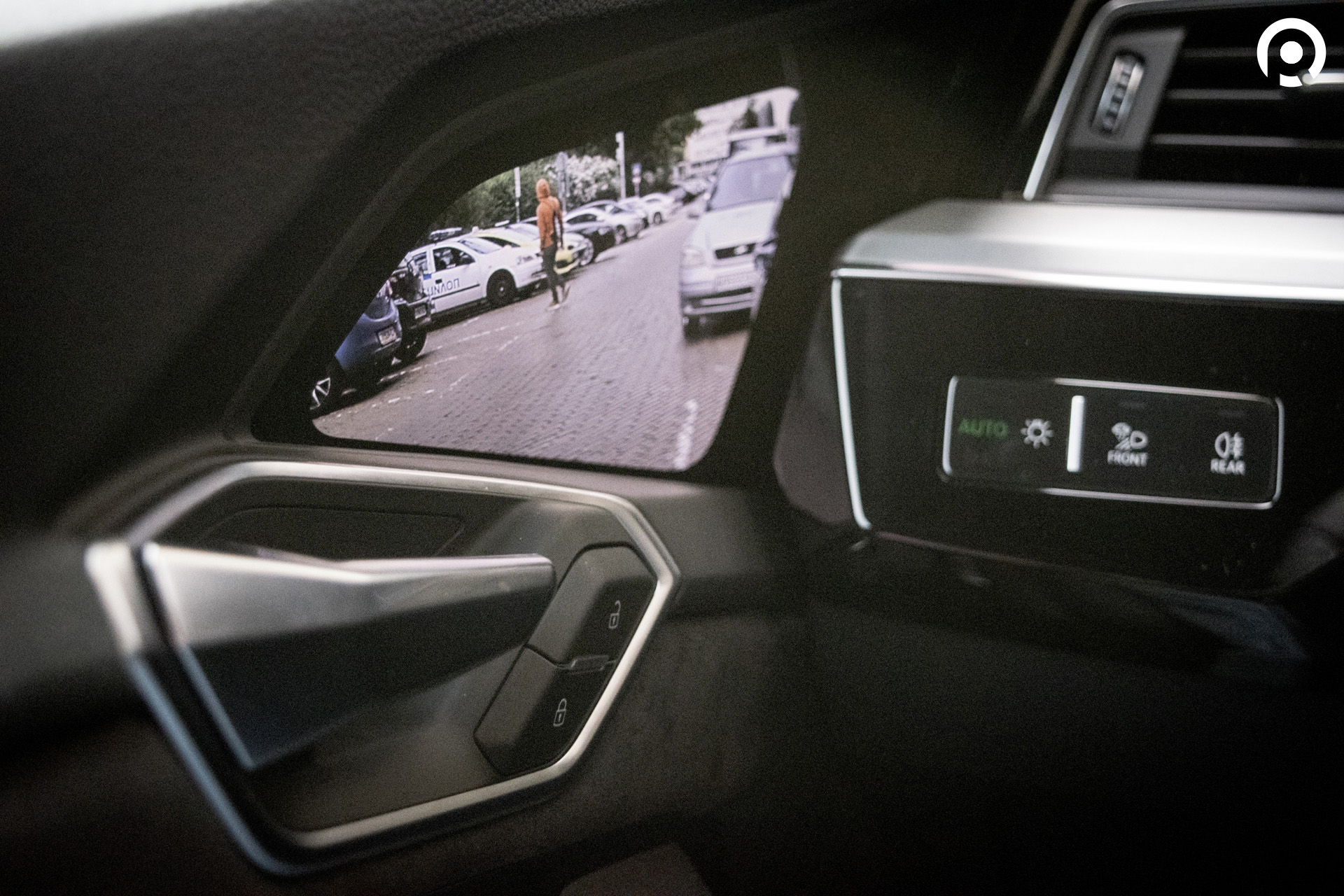
Once inside the e-tron, I naturally focused on the mirrors. Adjusting them turned out to be intuitive – just touch the screen and fine-tune the camera angles. Easy.
I set off and, still slightly anxious about the range, switched to eco mode.
The car moves in an unusually quiet way. As a regular user of Spark (electric car sharing), I’m used to it, but for first-timers, it’s definitely surprising. At low speeds, the only sound is a faint high-pitched hum, which older people probably won’t even hear. In the city, apart from some road noise on rough surfaces, there’s almost complete silence.

As for dynamics – in eco mode, there’s basically none. The car feels sluggish and heavy off the line. If I hadn’t been in a big, shiny AUDI, I’m pretty sure people would have honked at me. Still, if needed, a full press of the accelerator will launch you ahead of everyone.
Leaving Sofia towards Bozhurishte and Pozharevo, I noticed how natural the car feels to drive. Apart from the silence and lack of vibrations, there’s nothing fundamentally different from a conventional car. That means switching from a diesel to an e-tron requires no adaptation – which is a good thing.
After passing Pozharevo, I decided it was time to try sport mode. Foot to the floor, accompanied by the sound of tyres rolling, the car accelerated sharply. Now it showed what it’s capable of – instant power delivery and strong acceleration. Fast, though not explosive. For example, the launch of the Infiniti Q50 Hybrid felt more aggressive.
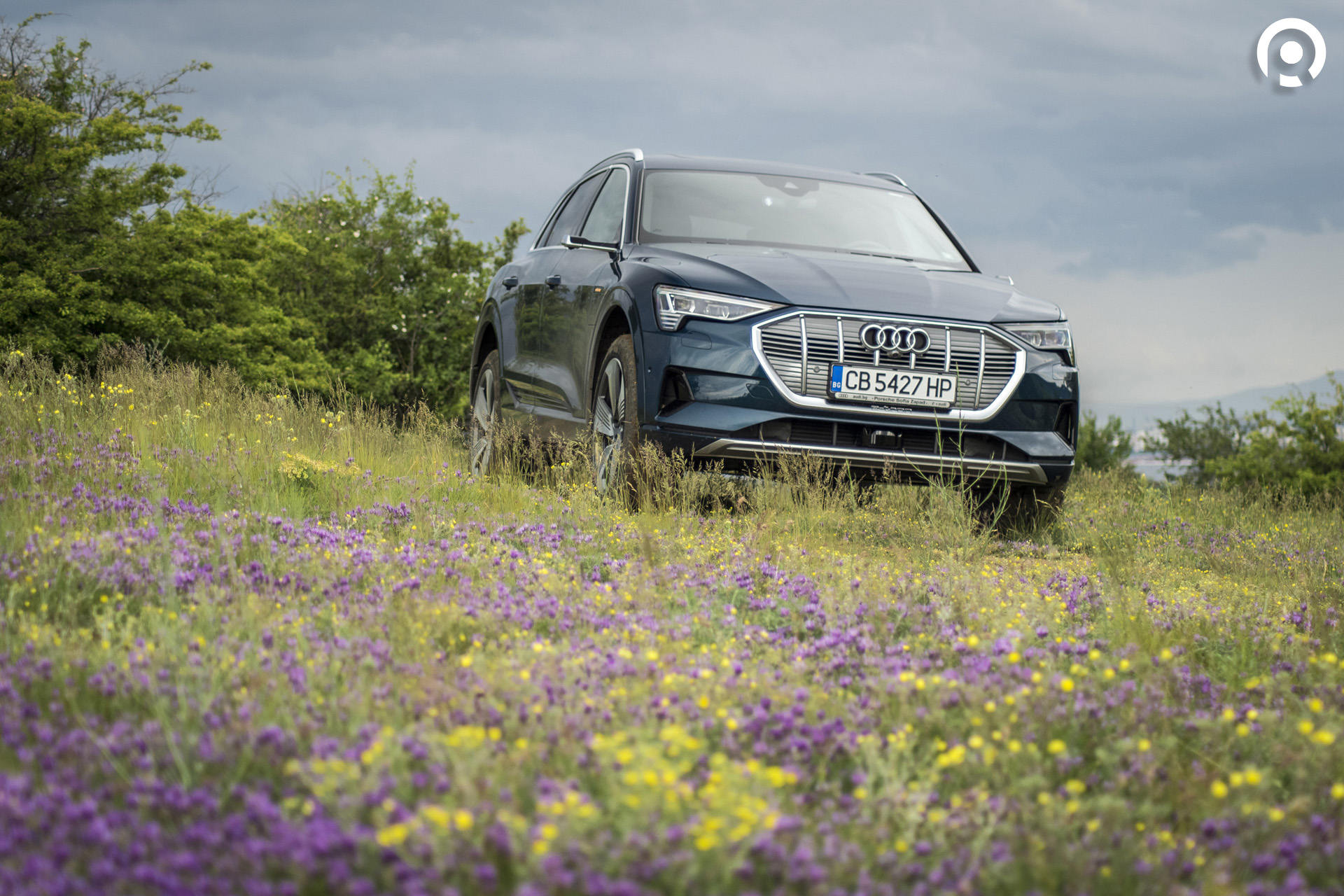
Soon, a series of corners appeared. I turned the wheel and the car reacted instantly and precisely. At the same time, I felt like I was 15 again – not because of excitement, but because this is the most “PlayStation-like” car I’ve driven. Lightning-fast responses, but almost no road feedback. Add to that the low centre of gravity (remember the 700 kg battery under the floor), air suspension, and the clever interplay between brakes and electric motors, and you get a very unique kind of stability and neutral cornering behaviour. It creates an oddly artificial experience – interesting, but slightly unsettling, as it makes it harder to judge the car’s limits.
A few more corners later, I slowed down – the brakes were starting to overheat, and my range dropped by 10 km in just one kilometre.
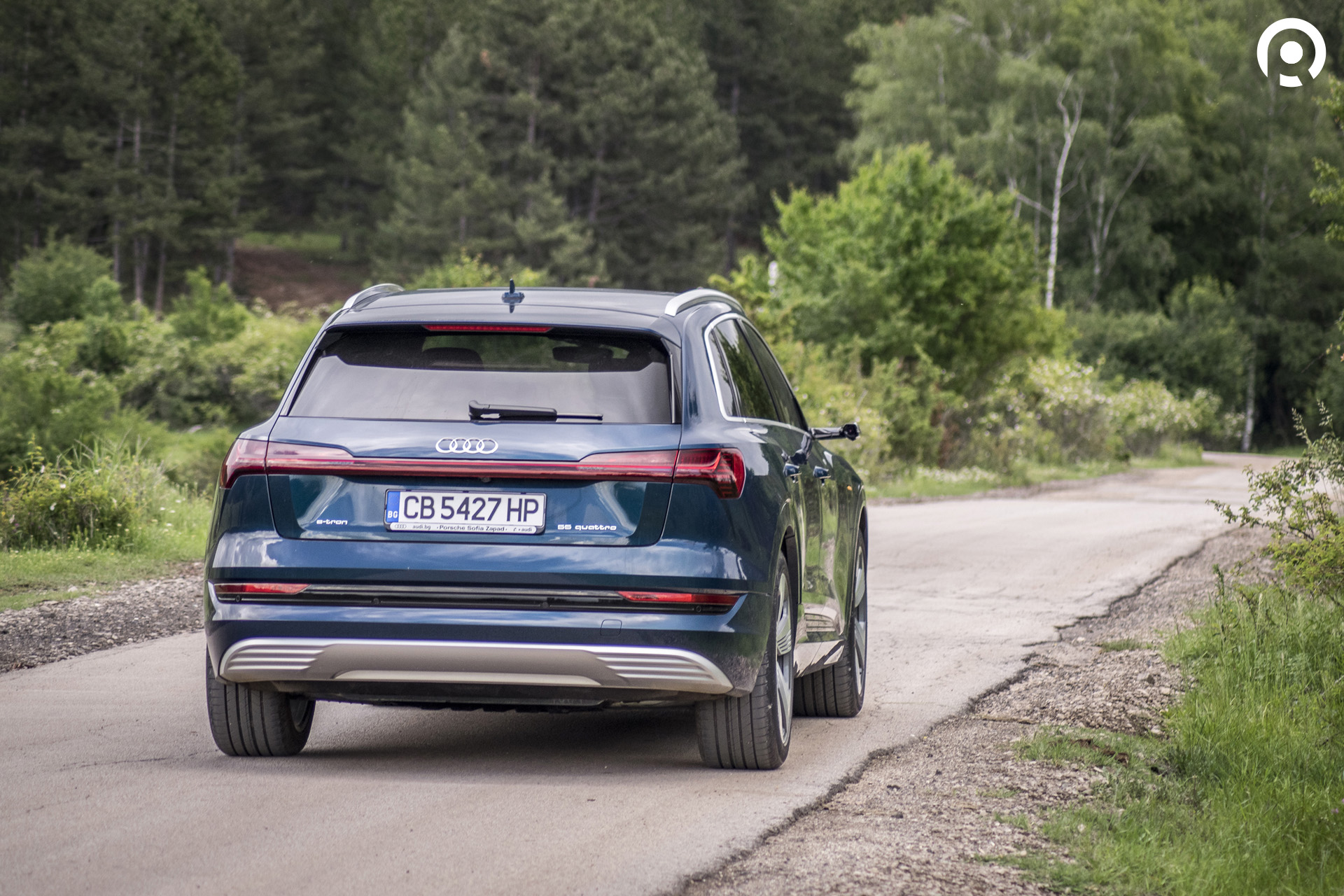
Next challenge – light off-road. I switched to “offroad” mode, and ground clearance increased from 17.2 cm to 22.2 cm. I entered the mud – and more importantly, I got out.
The quattro system here works faster than in conventional models, distributing torque where needed within 30 milliseconds. The car handled the terrain well, and I think that’s more than enough for what most buyers will ever need.
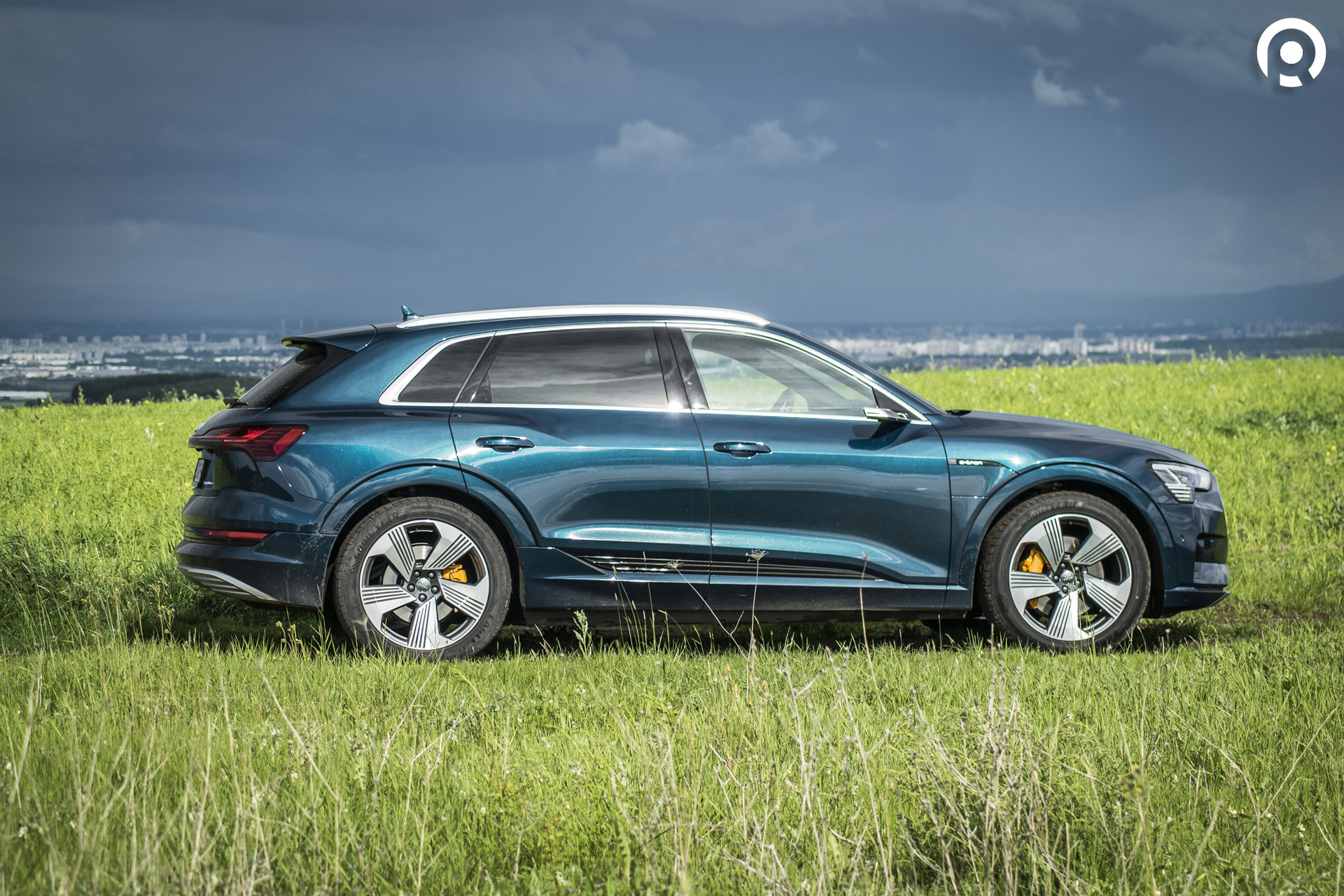
The next day, I headed to the motorway. Above 100 km/h, the benefit of the virtual mirrors becomes most noticeable in terms of aerodynamic noise. There’s simply less turbulence. Otherwise, the car feels stable and predictable, driver aids work well, and you can relax a bit. I even switched from eco to comfort mode.
Still, even then, the car feels relatively firm for a large luxury SUV. That’s likely due to its weight and suspension tuning.
After some more driving, I returned the car to AUDI. Distance covered? I played it safe – 190 km driven, with 103 km remaining. That’s a real-world range of about 295 km. Less than the claimed 400 km, but I did some dynamic driving and mostly city use. It’s hard to judge exact range, as it depends heavily on conditions – much more than with petrol or diesel cars. But generally, the e-tron, like most EVs, performs best in the city.
On electric cars
I can’t miss the opportunity to briefly share my broader views on electric cars. I wrote about this years ago, and my opinion hasn’t changed much. I still believe the technology isn’t fully suitable yet and that its rise is somewhat “forced” by political populism and misconceptions. Don’t get me wrong – I also want lower emissions (soot, CO2, NOx, everything), but I’m not convinced this is the right path.
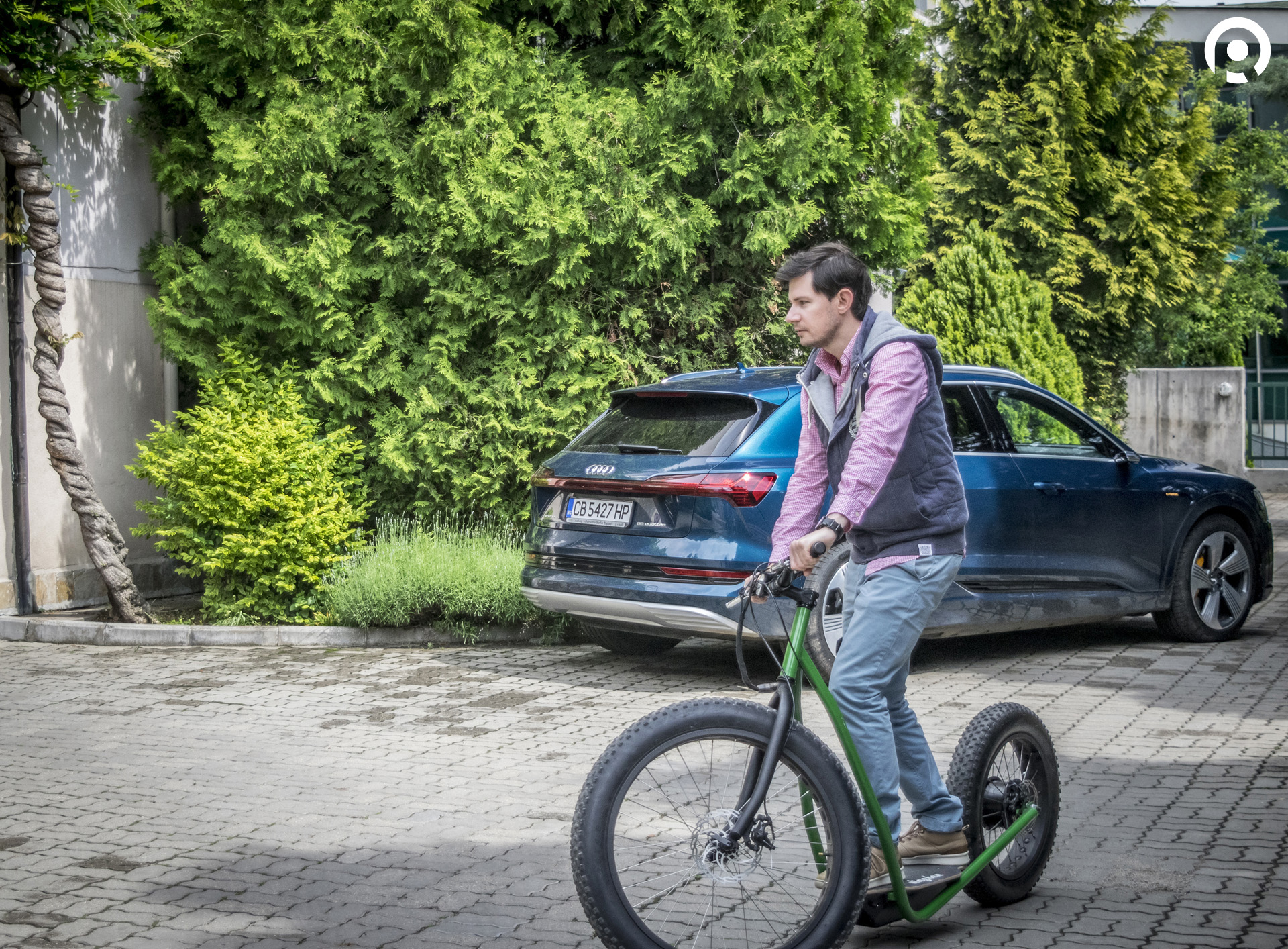
Electric propulsion makes sense in small, light vehicles – bicycles, motorcycles, scooters (not by chance I started Vinghen), or microcars limited to 45 km/h.
The issue is cost. Customers are more easily attracted by a €82,000 luxury SUV than a €25,000 supermini. That’s understandable, but for larger vehicles, I still believe the better solution at this stage is clean diesel combined with small batteries for 30–40 km of electric range – in other words, plug-in hybrids.
Conclusion
Putting my views on electric mobility aside, I have to say that AUDI has created a car with real potential for strong market success.
The e-tron feels close to a conventional car and carries typical brand traits – modern design, quality interior, and refined road behaviour. I like the spacious cabin, the silence and calm while driving, and the excellent MMI system.
There are a few things I don’t like – small interior details, the fact that I have an ergonomic issue with AUDI doors (I often don’t close them properly on the first try, and they lock half-shut – happened with the Q3 as well), and of course, the range.
The e-tron combines a body suitable for long-distance travel with a drivetrain best suited for urban environments. But since people in Bulgaria love driving big SUVs in the city, I actually see strong potential for success on our market.
With its conventional design, it will appeal to a wide audience of traditional SUV buyers who are simply looking for something different – and perhaps unlimited parking in the Blue Zone.
Eng. Tsvetan Iliev

Comments are closed.