
A few months ago, while driving through the city, I spotted what I thought was the facelifted Jeep Grand Cherokee in the distance. It caught my attention because it’s not exactly a common sight on Sofia’s streets—and I tend to notice such things.
Everything seemed normal, but the closer I got, the stranger it looked. At some point I slapped my forehead, put my glasses on, and realised I was actually following the third-generation Kia Sorento.
Not because the two cars are that similar. I had simply missed the arrival of the new Sorento altogether—both on the road and in the media. It seems I had subconsciously decided not to pay attention to the model until it matured into something worth noticing.
Well, the third-generation Sorento has definitely grown. In design, in quality, in size, and in price.
Design
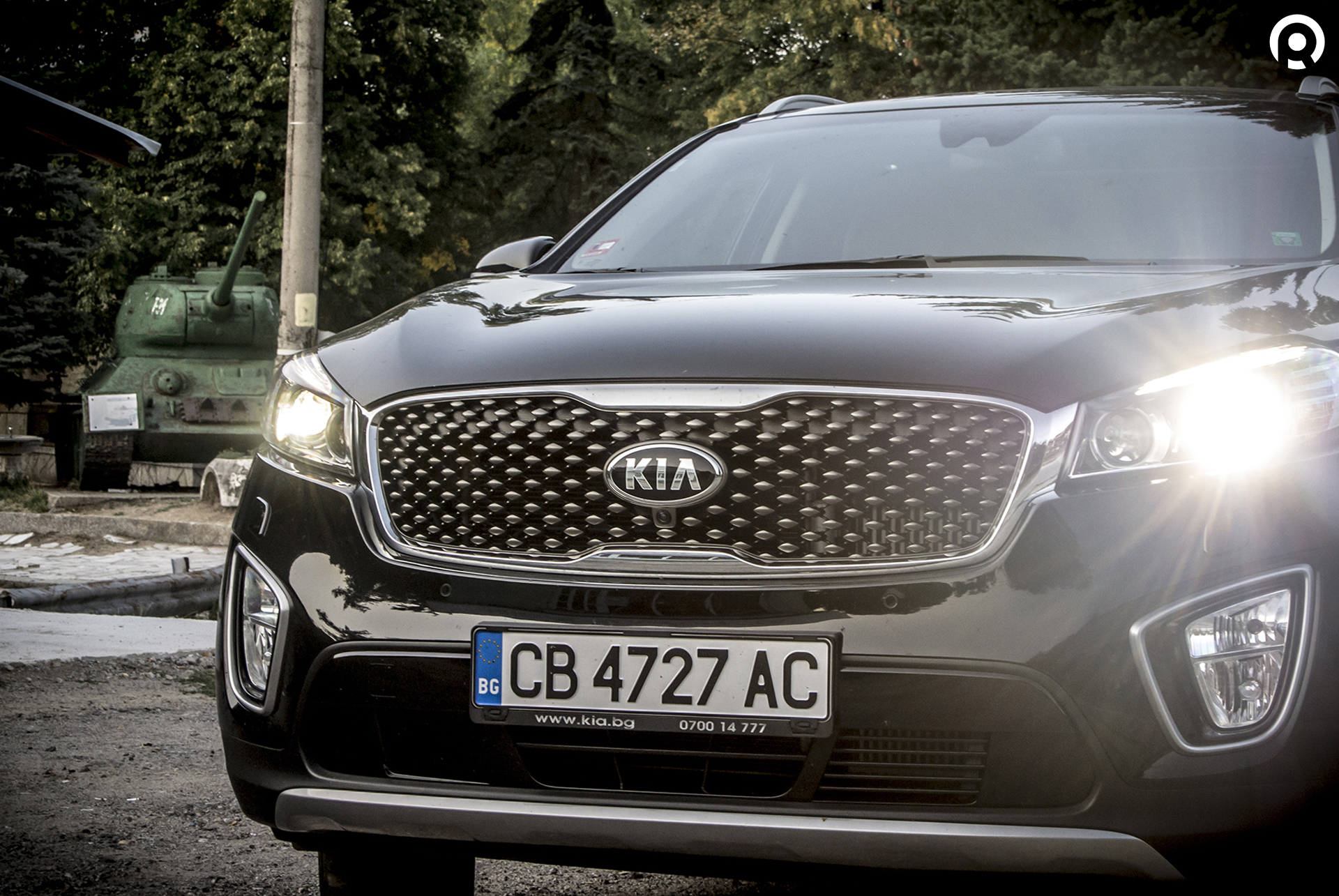
The design is undoubtedly a step forward compared to the previous model. Teams from Kia’s studios in California, Germany and South Korea worked on it, and the result is genuinely good.
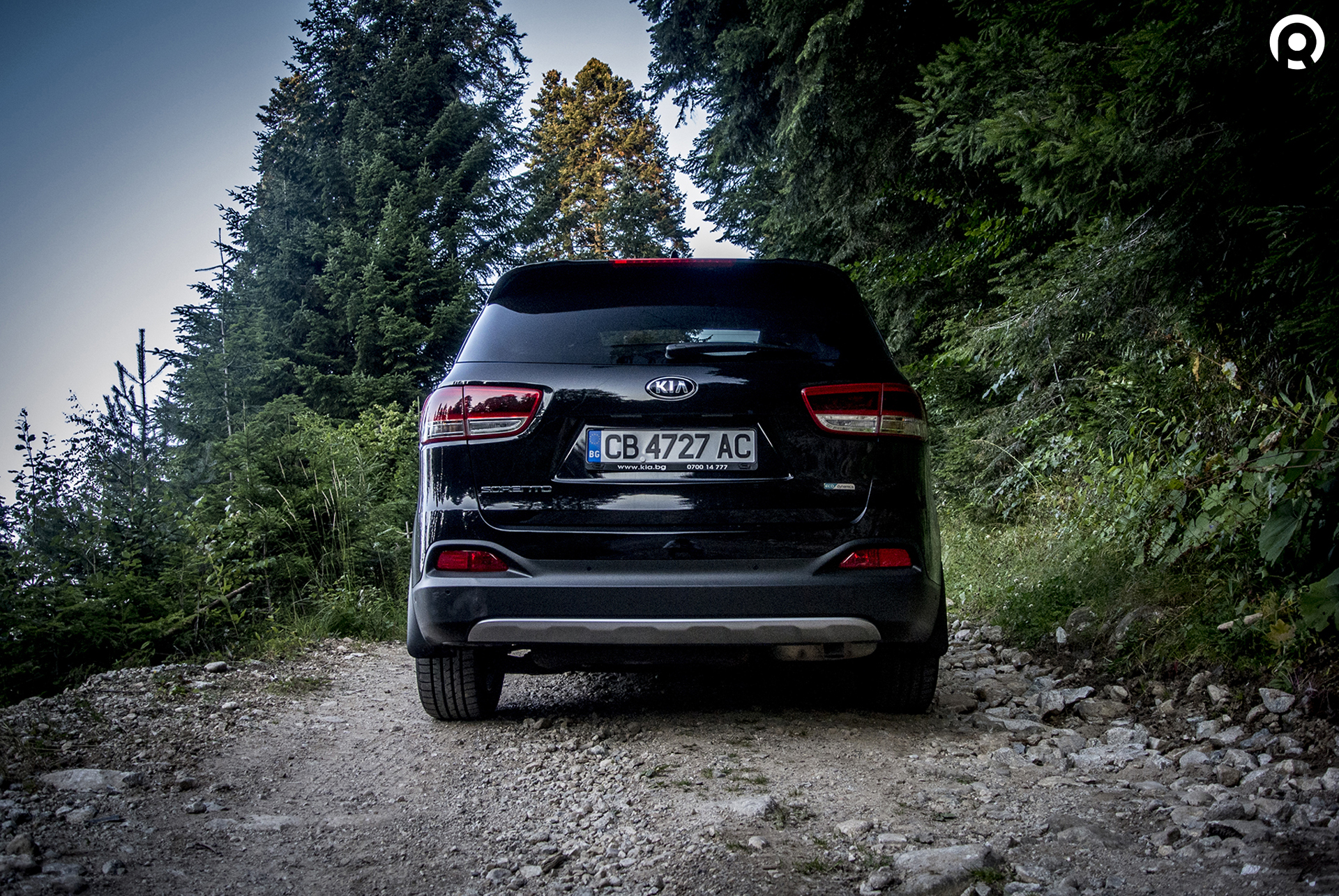
The Sorento has a strong yet elegant presence. Since it is sold across many global markets, there are no experimental design elements. The overall impression is one of restraint, which I personally appreciate, especially when combined with well-balanced proportions.
One detail I particularly like is the straight line of the side windows. It does not rise towards the rear, as is common in many modern cars, and this gives the Sorento a more stable and composed look.

Interior
The interior was primarily developed by Kia’s German design studio, which was a wise decision.
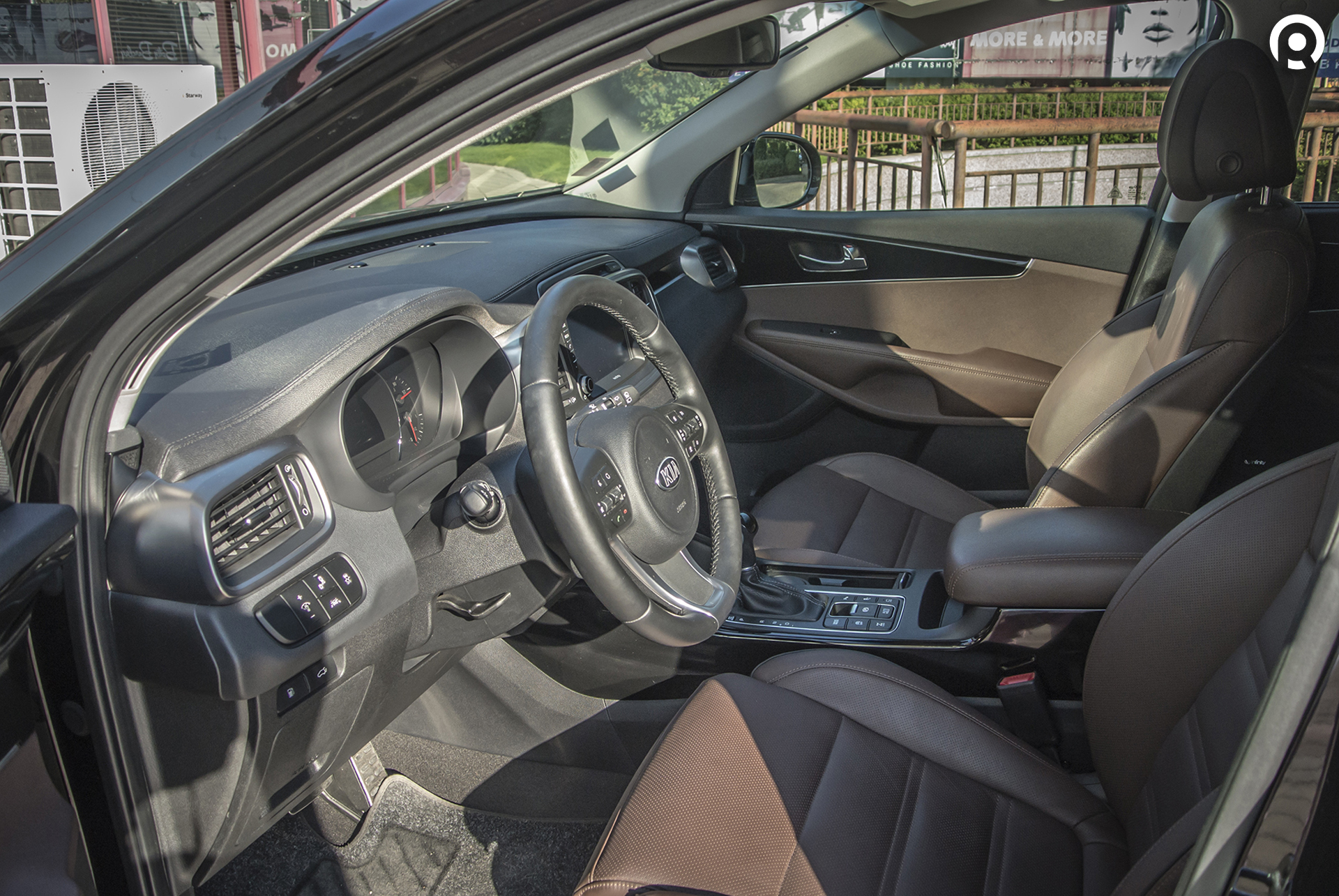
The result is a pleasant atmosphere, excellent driving position, good ergonomics, and at least visually, a sense of quality. Here and there you can spot influences from other manufacturers, but nothing feels excessive. Kia is still a developing brand, and learning from established players is part of the process.
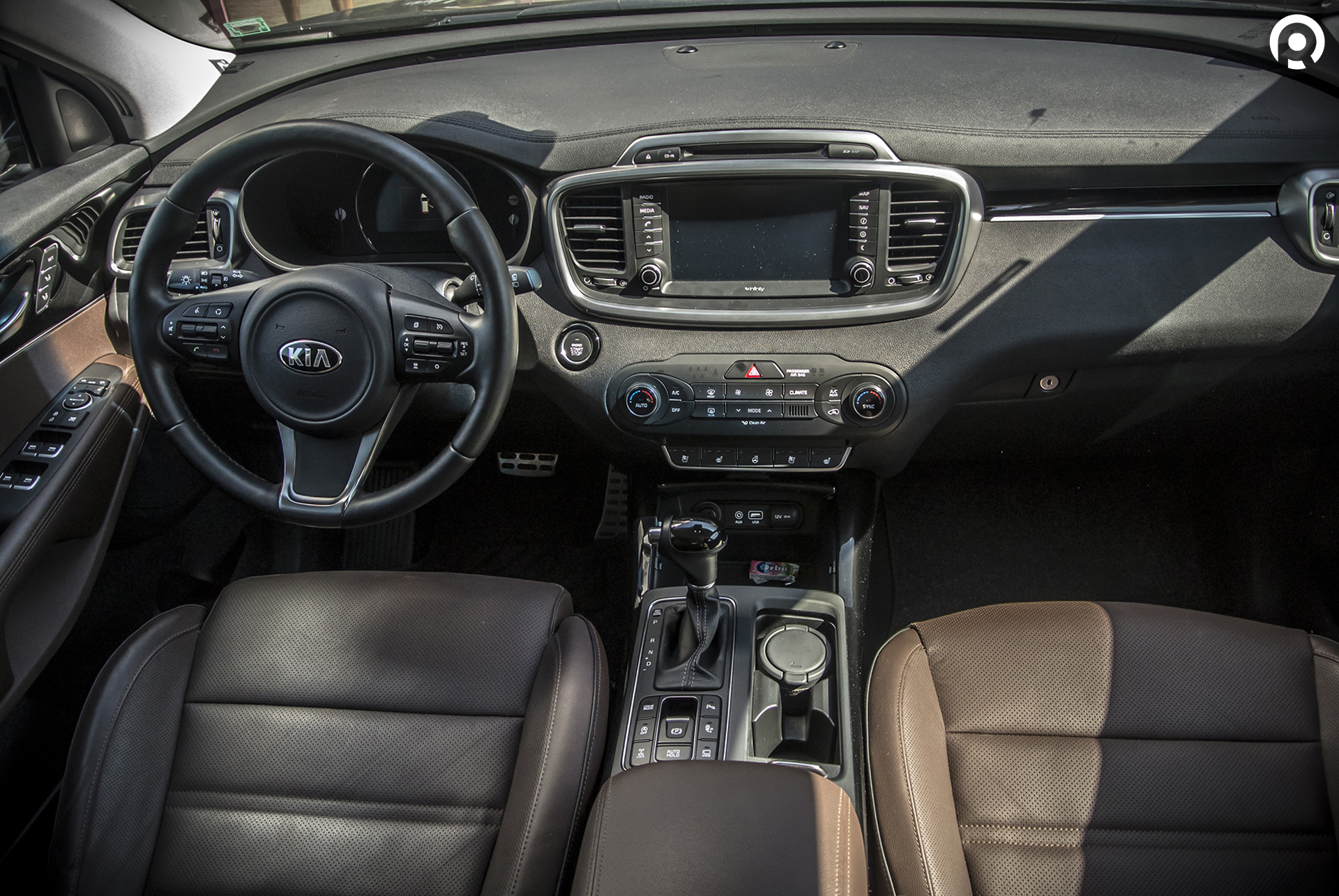
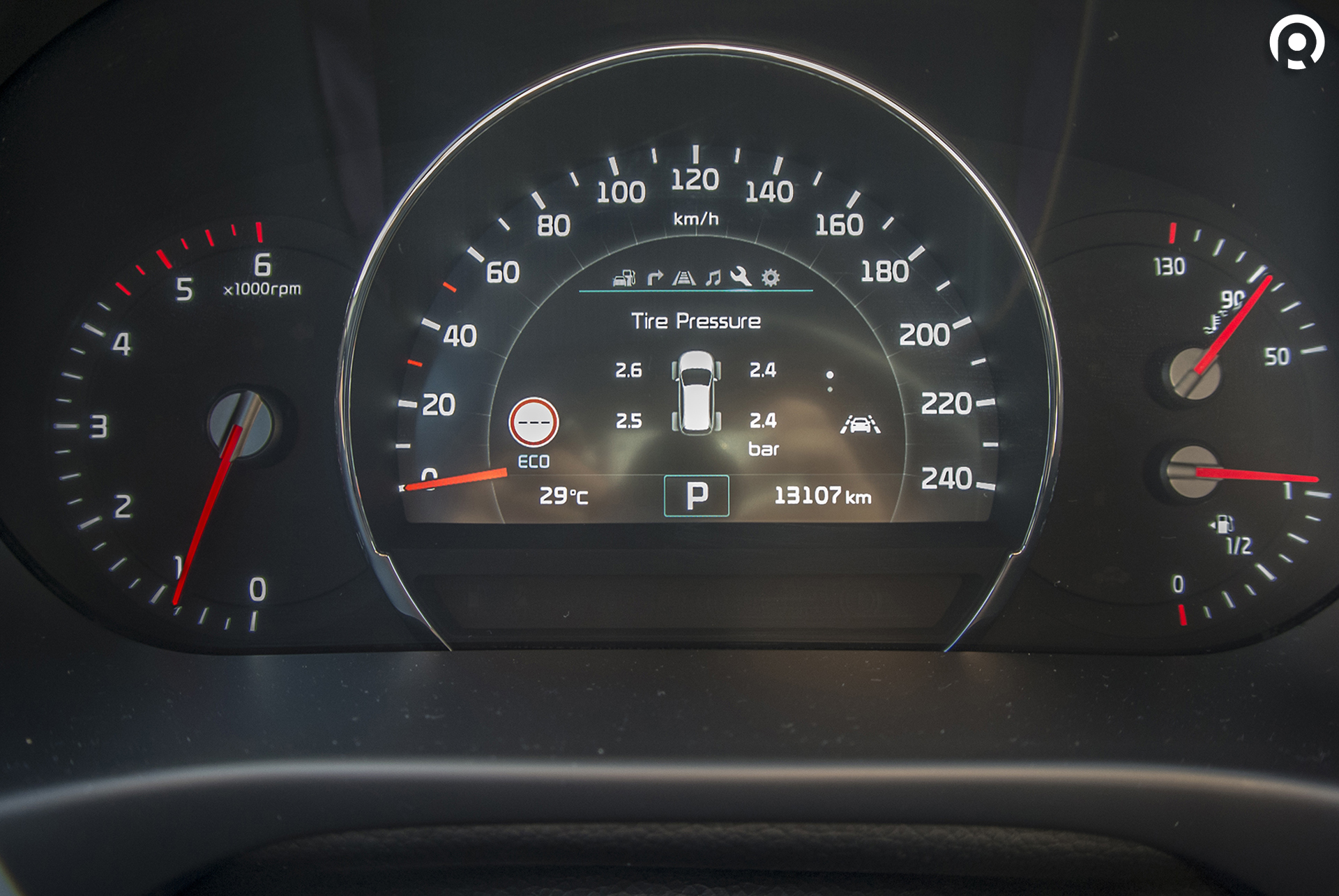
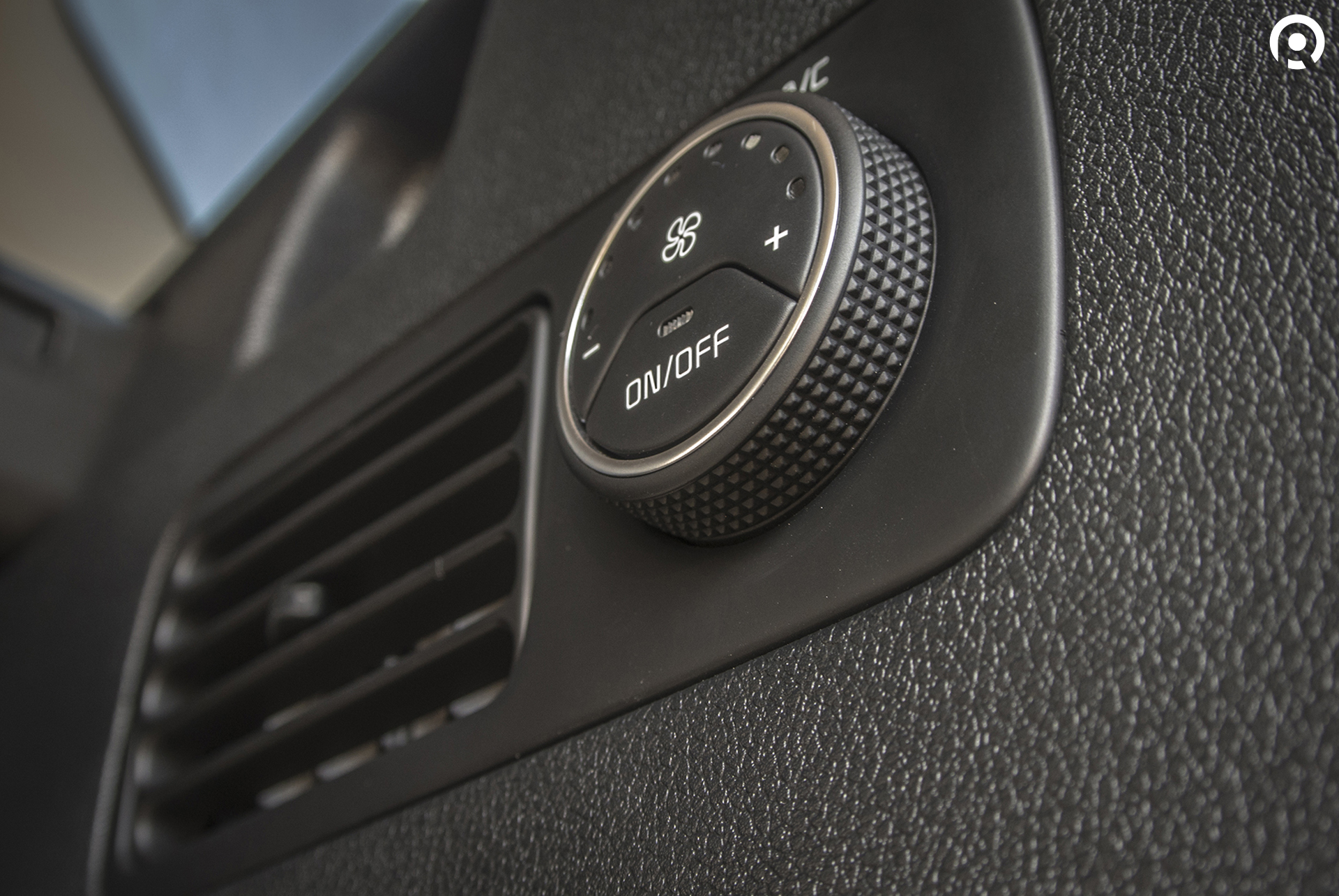
What stands out is the large number of buttons. Both the steering wheel and the centre console require some getting used to. The infotainment system also looks slightly outdated.
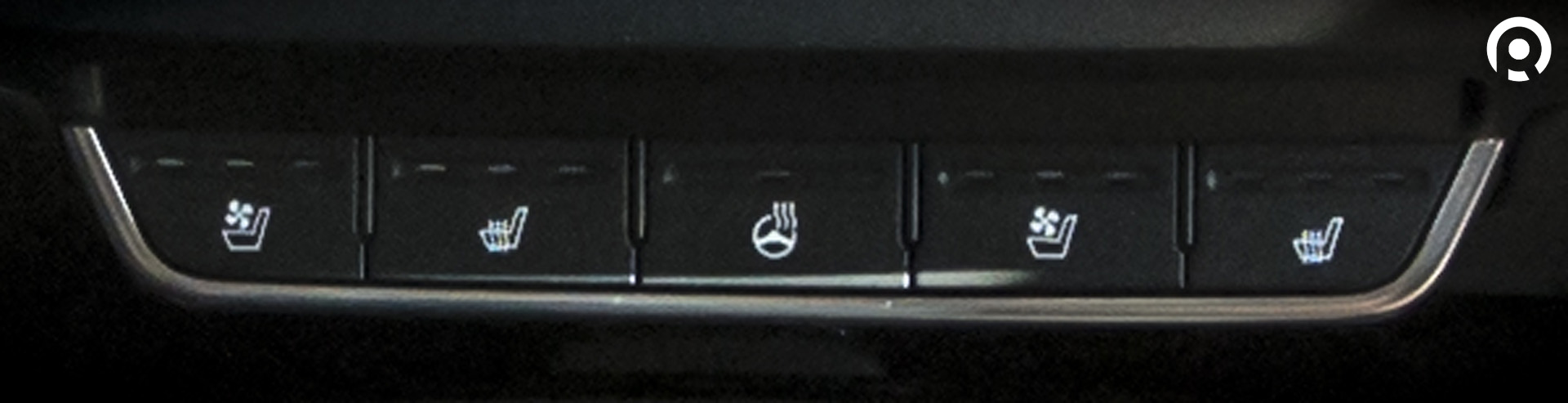
Another odd detail is the asymmetrical placement of the seat heating and ventilation controls. It feels unnecessary and slightly confusing.
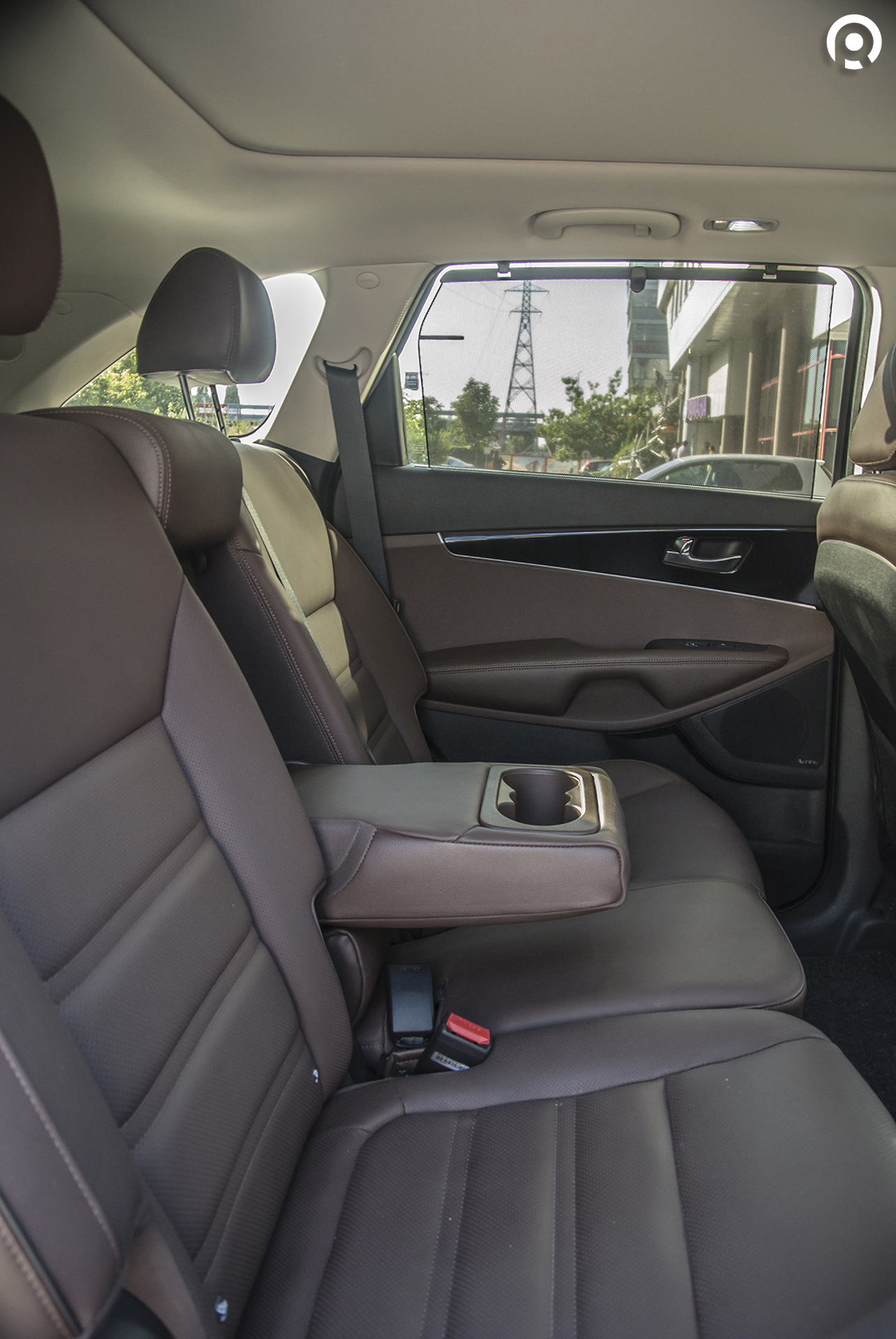
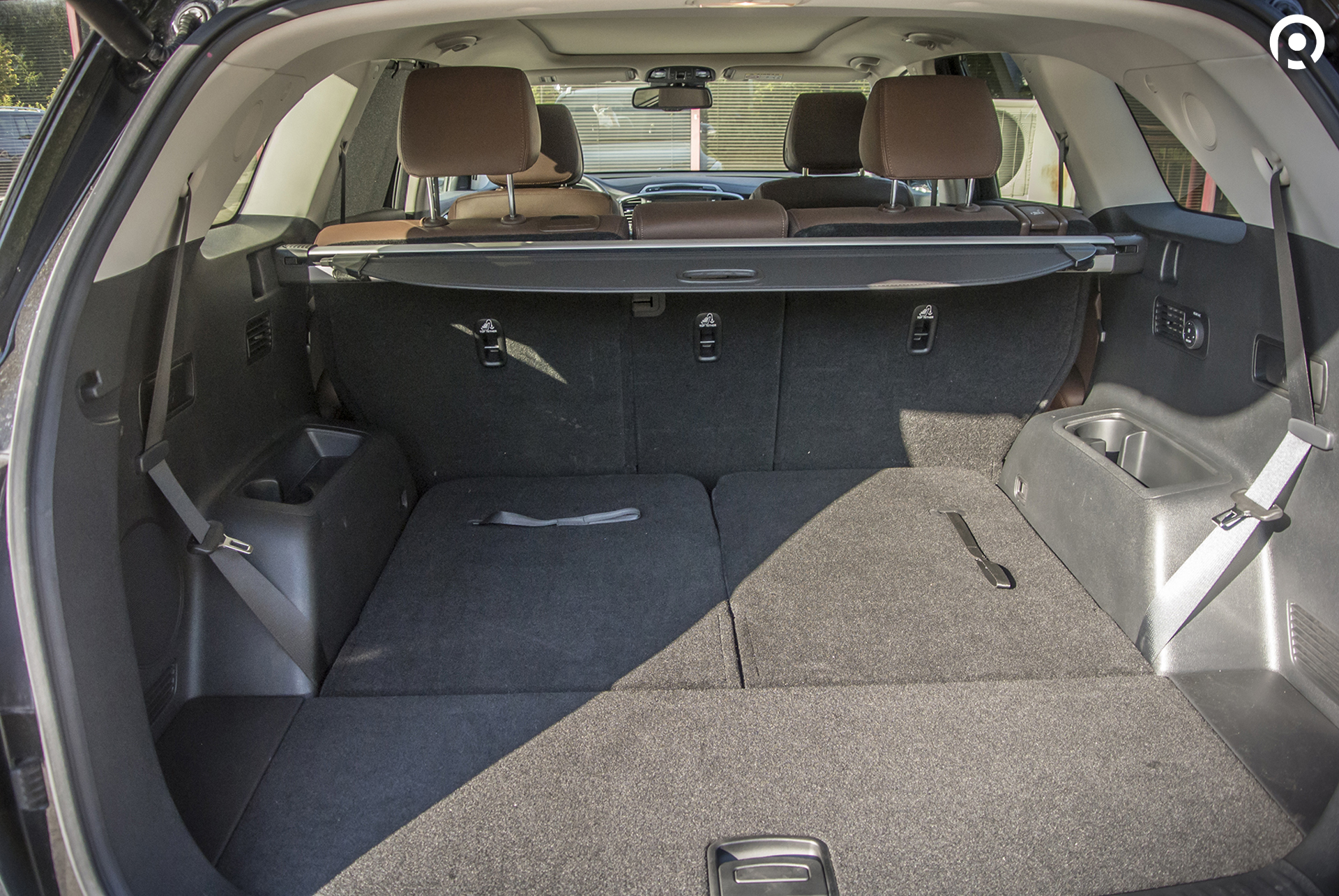
That said, the cabin as a whole is a very pleasant place to be. The seats are comfortable, clearly above average for the segment. Space is sufficient in both rows, visibility is good, and as expected from Kia, there are plenty of storage compartments of all shapes and sizes.
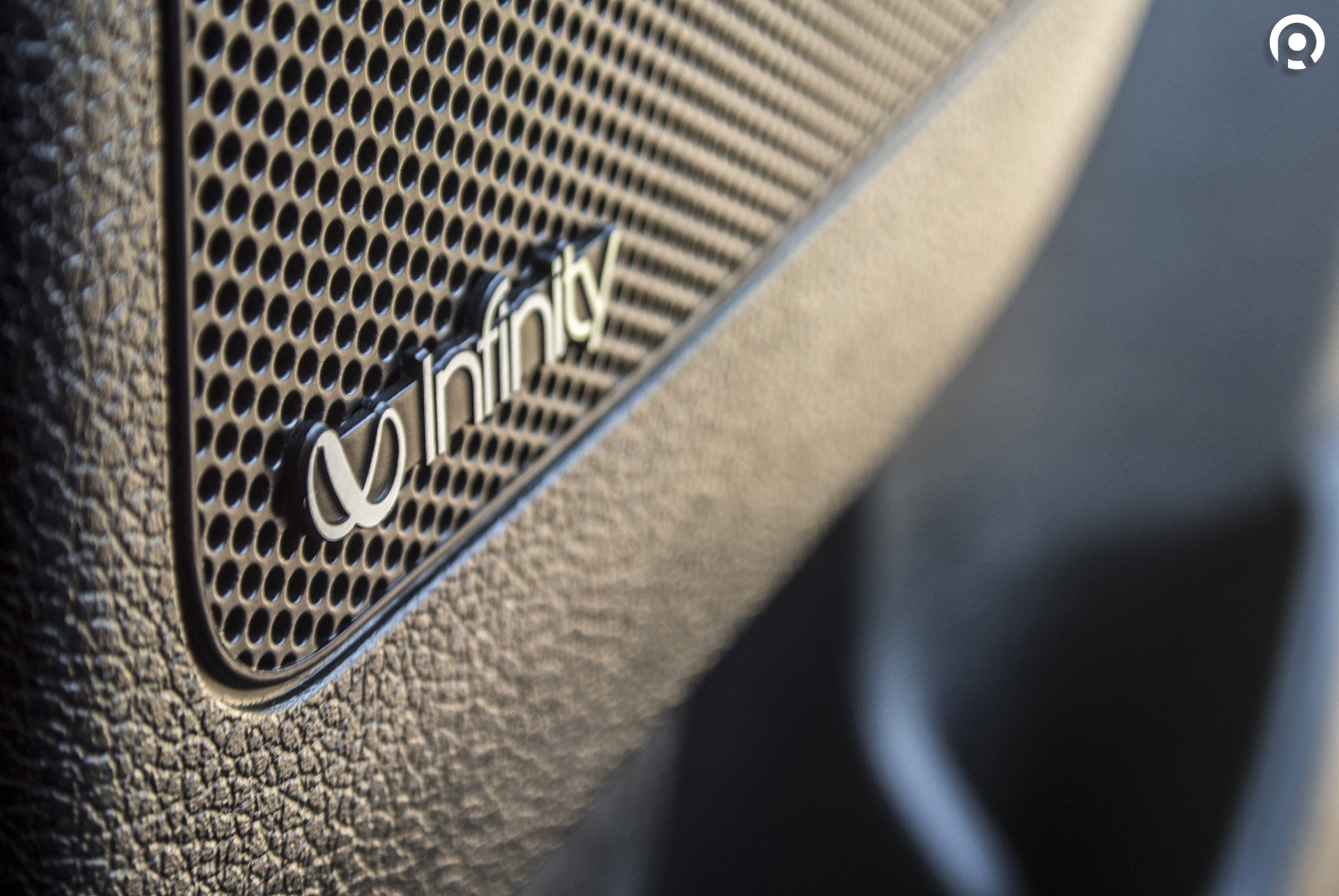
At the top trim level, you also get features that until recently were reserved for premium cars. These include ventilated front seats, a heated steering wheel, an Infinity sound system that performs well, adaptive cruise control that can bring the car to a full stop, and a four-way electric lumbar support for the driver.
On the Road
The Sorento is offered with two engines. One is a 2.4-litre petrol, which I suspect will sell in very small numbers in Bulgaria. The one that matters is the 2.2-litre diesel, producing 200 hp and 440 Nm of torque.
This is enough to accelerate the car to 100 km/h in 9.6 seconds, which is a respectable result. The engine itself is pleasant, with strong pulling power and only a slight turbo lag, which most drivers will barely notice.

Kia has done a very good job with sound insulation. The engine is well muted and only becomes noticeable under heavier acceleration. Fuel consumption is around 7.5 l/100 km on the open road, which is quite reasonable given the size and performance of the car.
The figures could be even better with a more modern transmission. The current automatic is not bad. It shifts smoothly and quickly, but it only has six gears, which feels a bit outdated.
The suspension also leaves a good impression. It is clearly tuned for comfort. Noise from the road is low, and it handles uneven surfaces well, including at motorway speeds.

However, once you leave the motorway and head onto smaller, twistier roads, you need to be more careful. Body roll is noticeable, and at higher speeds the weight transfer can become problematic. Even the stability control system has its limits.
In simple terms, the Sorento is not designed for dynamic driving. Which makes the presence of a Sport mode somewhat pointless. It artificially increases steering weight and may adjust throttle and gearbox response, though I did not notice a meaningful difference.
Let’s be honest, the word “Sport” sells, but calling this a sporty car would be misleading. The Sorento is a family vehicle built for comfort and relaxed driving.
Conclusion
After spending enough time with the third-generation Sorento, I can confidently say that it has matured into a car worth paying attention to.
It is a full-size, seven-seat SUV that works best as a family car or even as a company vehicle for higher management. It suits drivers who prefer a calm driving style and need to cover long distances without fatigue.
The comfortable seats, good sound insulation, compliant suspension, strong diesel engine and good visibility all contribute to this.
The test car, in top specification with diesel engine and automatic gearbox, costs around €49,500. Is it worth it?
In my opinion, before approaching the psychological €50,000 mark, Kia needs to improve interior materials and offer slightly more refined technology.
The better value lies in the mid-level EX trim, priced at around €42,800. It offers everything you actually need, plus Kia’s seven-year warranty up to 150,000 km, which remains one of the brand’s strongest selling points.
Eng. Tsvetan Iliev

Comments are closed.