
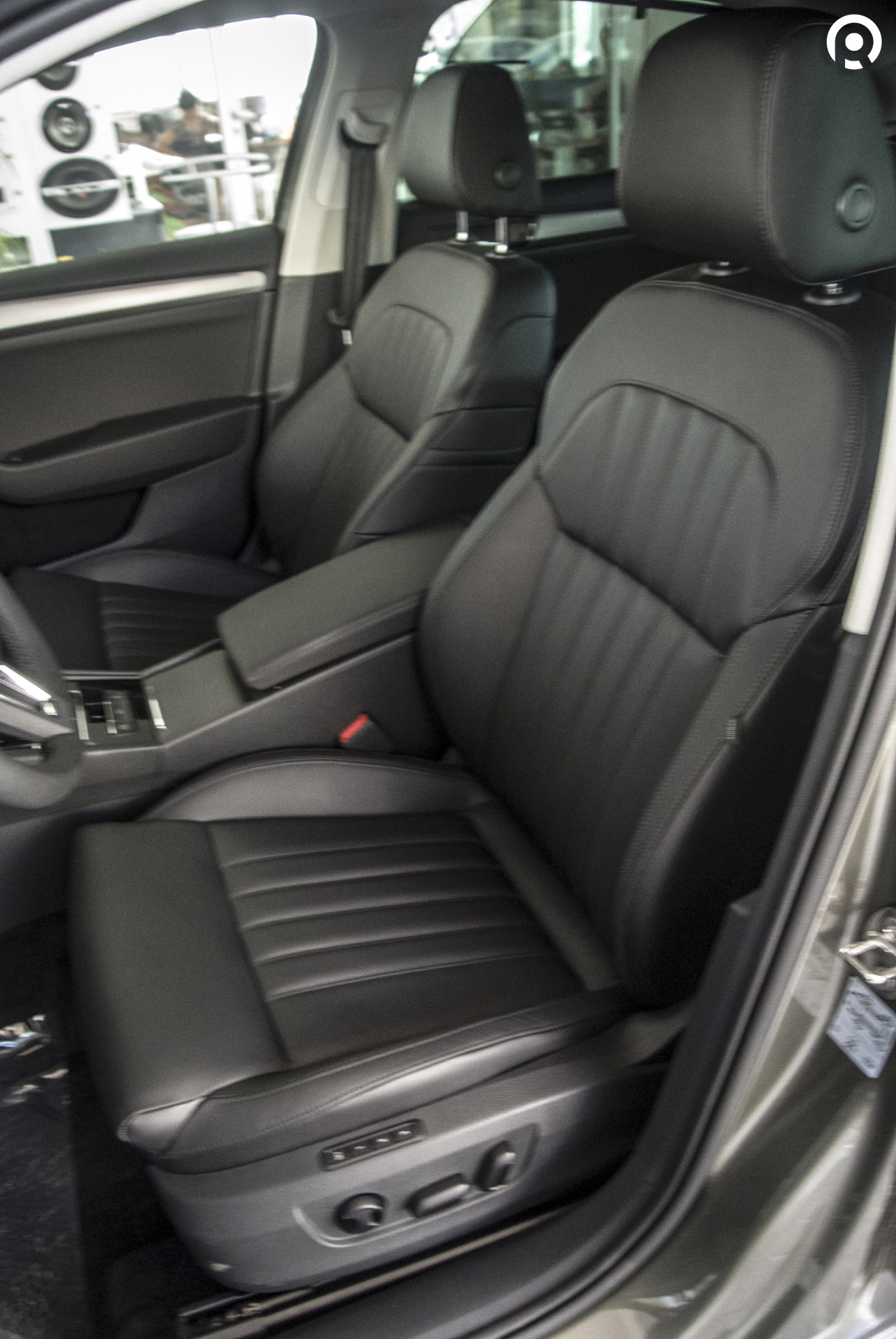
I’ll start this one on a negative note. I don’t like the seats in the new Škoda Superb.
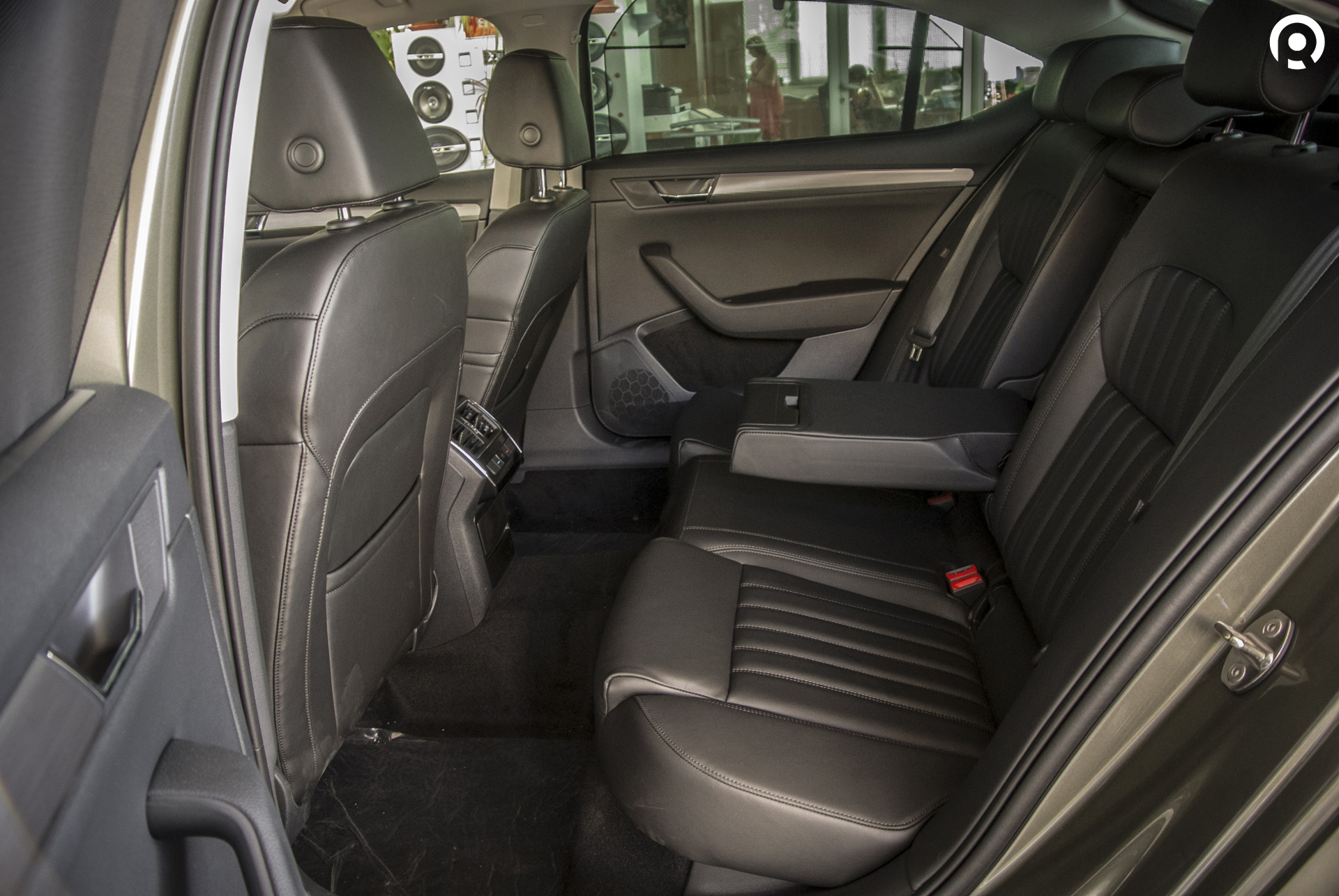
The base is too short, and I’m not particularly tall, just under 1.80 m. Side support is also lacking if you decide to drive a bit more enthusiastically on twisty roads. The lumbar support, at least in the base seats, isn’t great either, and there’s no adjustment for the front height of the seat base.
That’s it.

Everything I didn’t like about the new Superb fits in four lines. And apart from the colour and wheels of the test car, which are easily fixable, nothing else annoyed me.
So let’s move on to what I did like. And there’s quite a lot of it.
Design
When the first images of the model appeared earlier that year, I was genuinely impressed.
The last time Škoda managed to surprise me visually was when I was about nine years old, when the brand moved on from cars like the Favorit and Felicia and introduced the first Octavia. Then again, I probably didn’t know much back then.
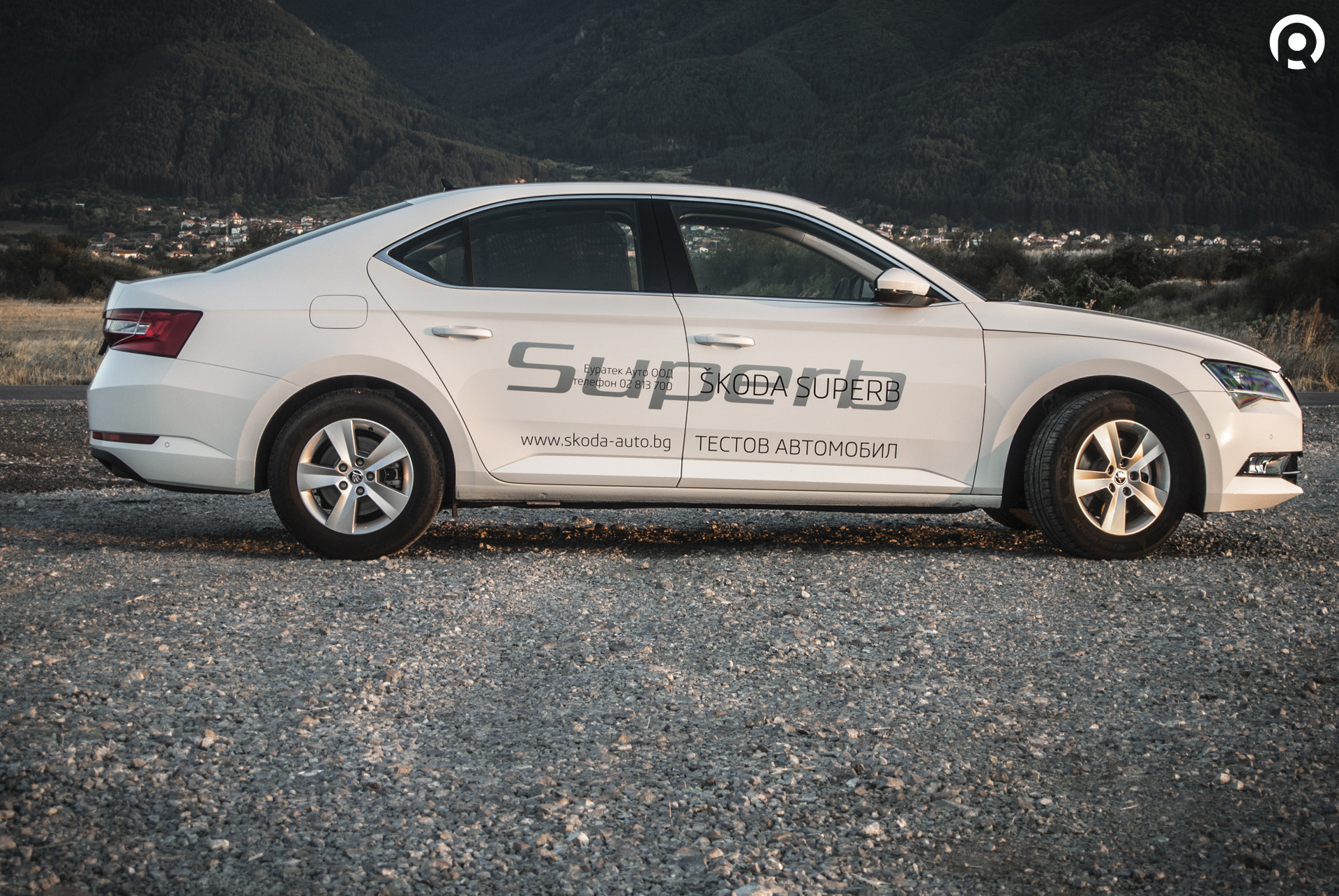
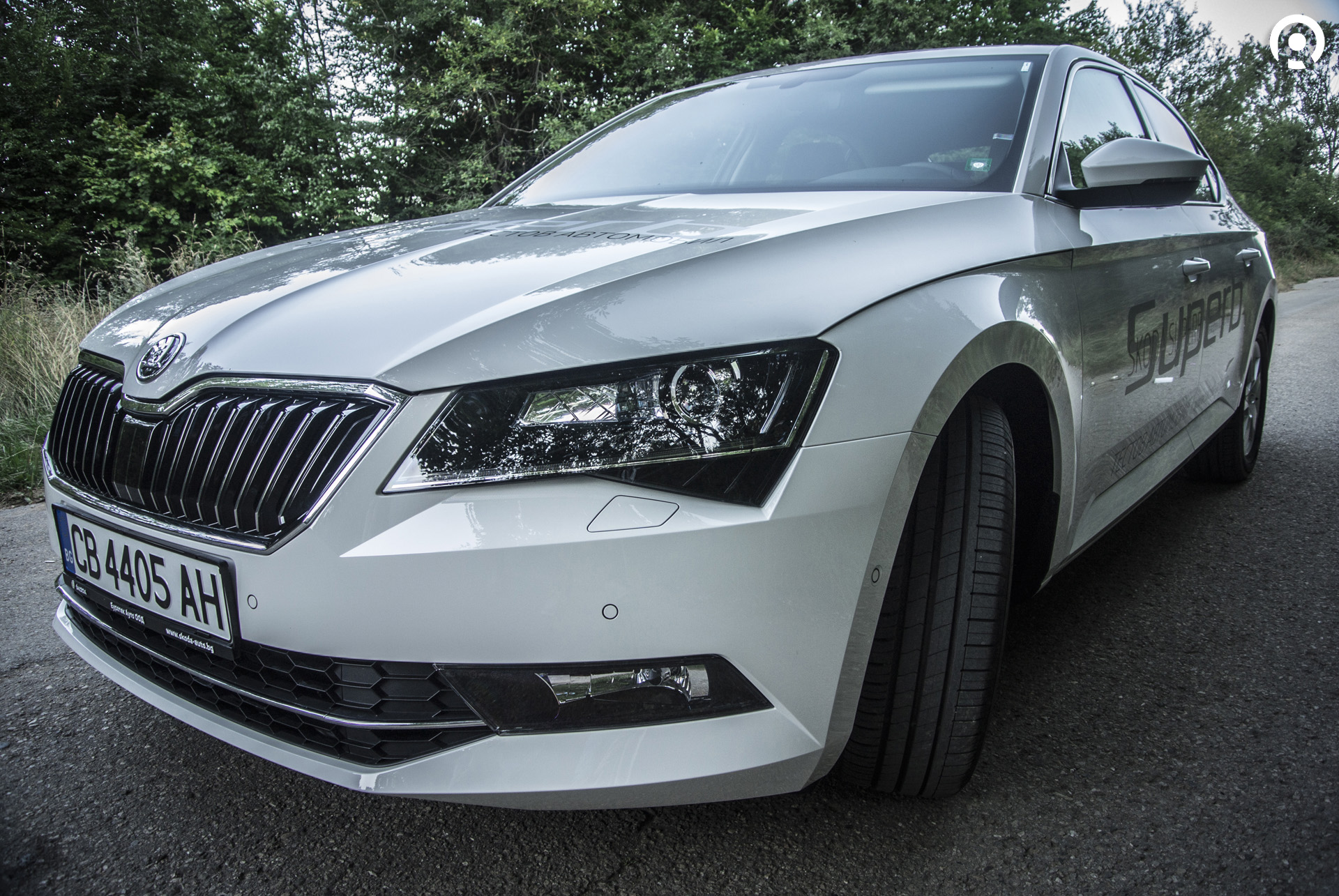
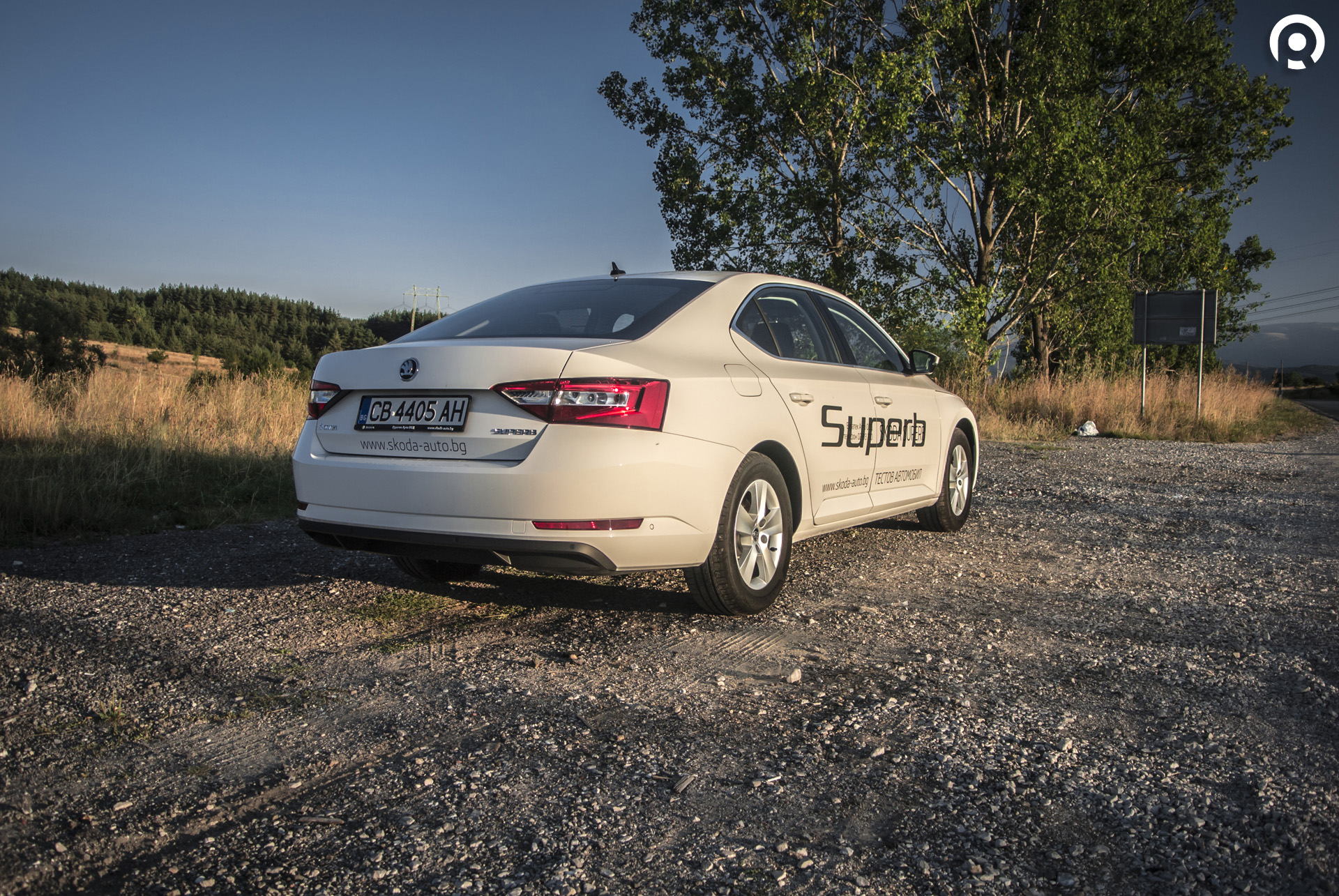
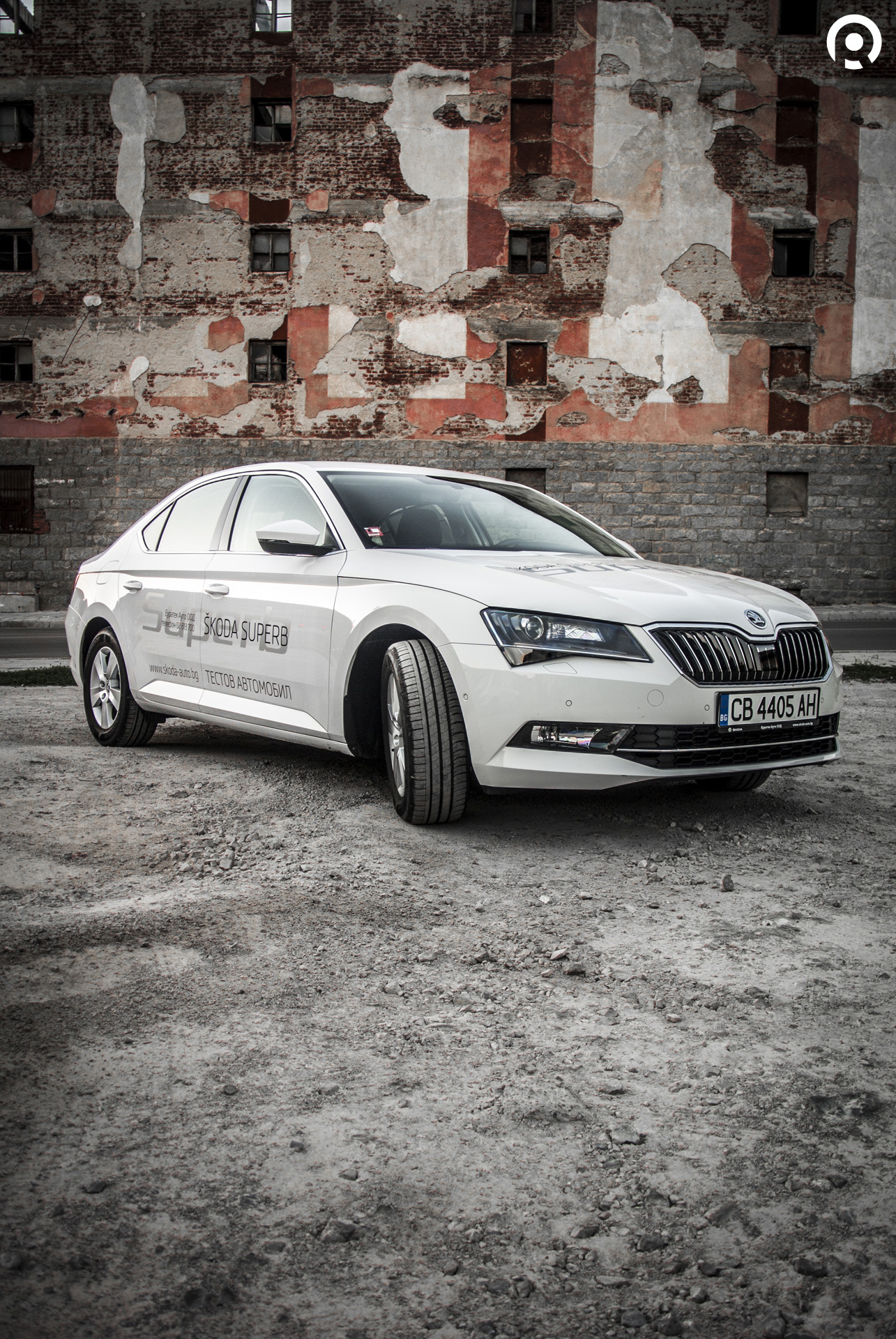
The new Superb finally has the right proportions. The design is simple but elegant, relying on details rather than drama. It looks modern, mature and well balanced.
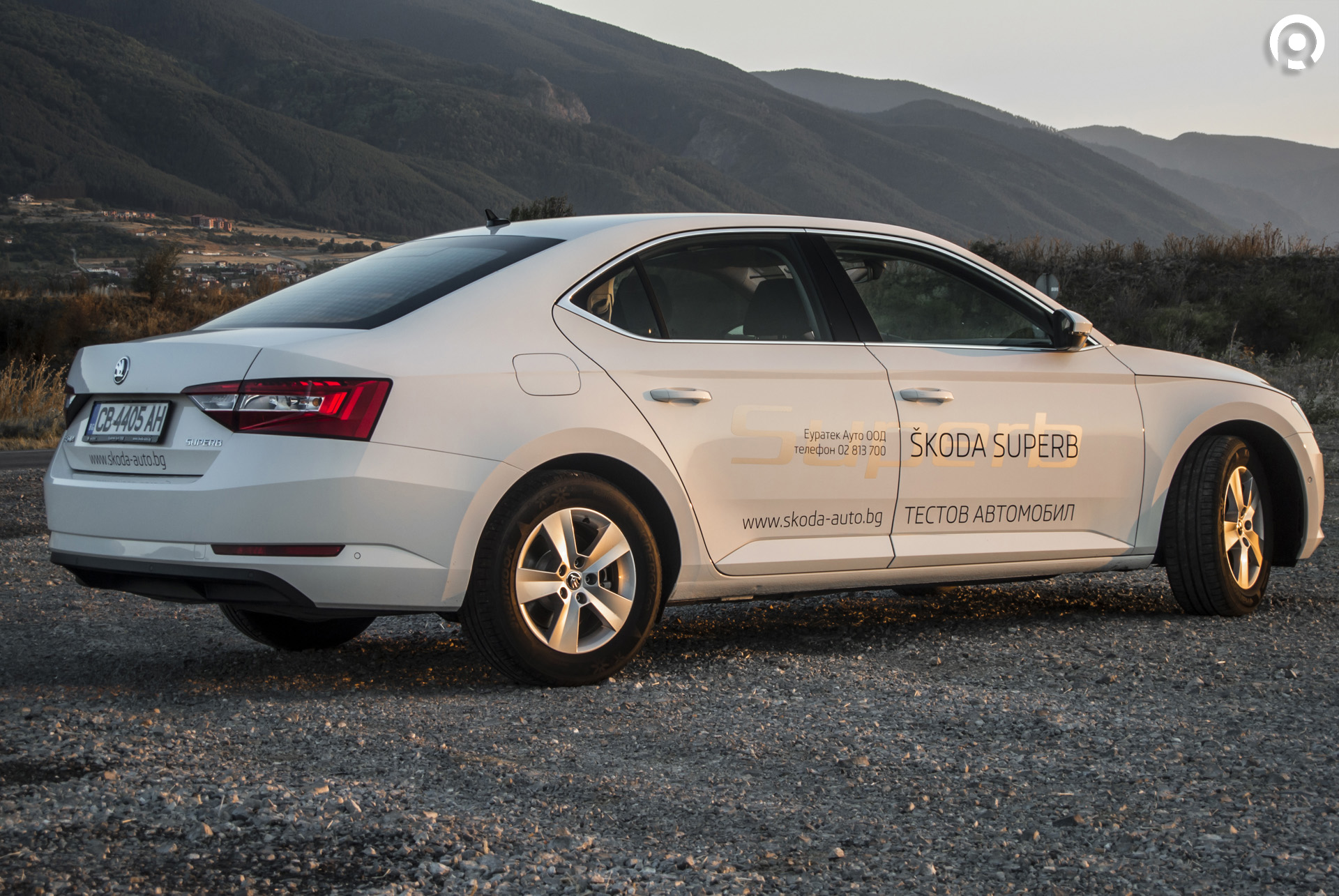
What I particularly like is the silhouette. It resembles a proper sedan, even though this is technically a liftback. On the road, the car looks larger than it actually is. It may not be quite as striking as in photos, but it still looks very good, provided you avoid white paint and undersized wheels.
Interior
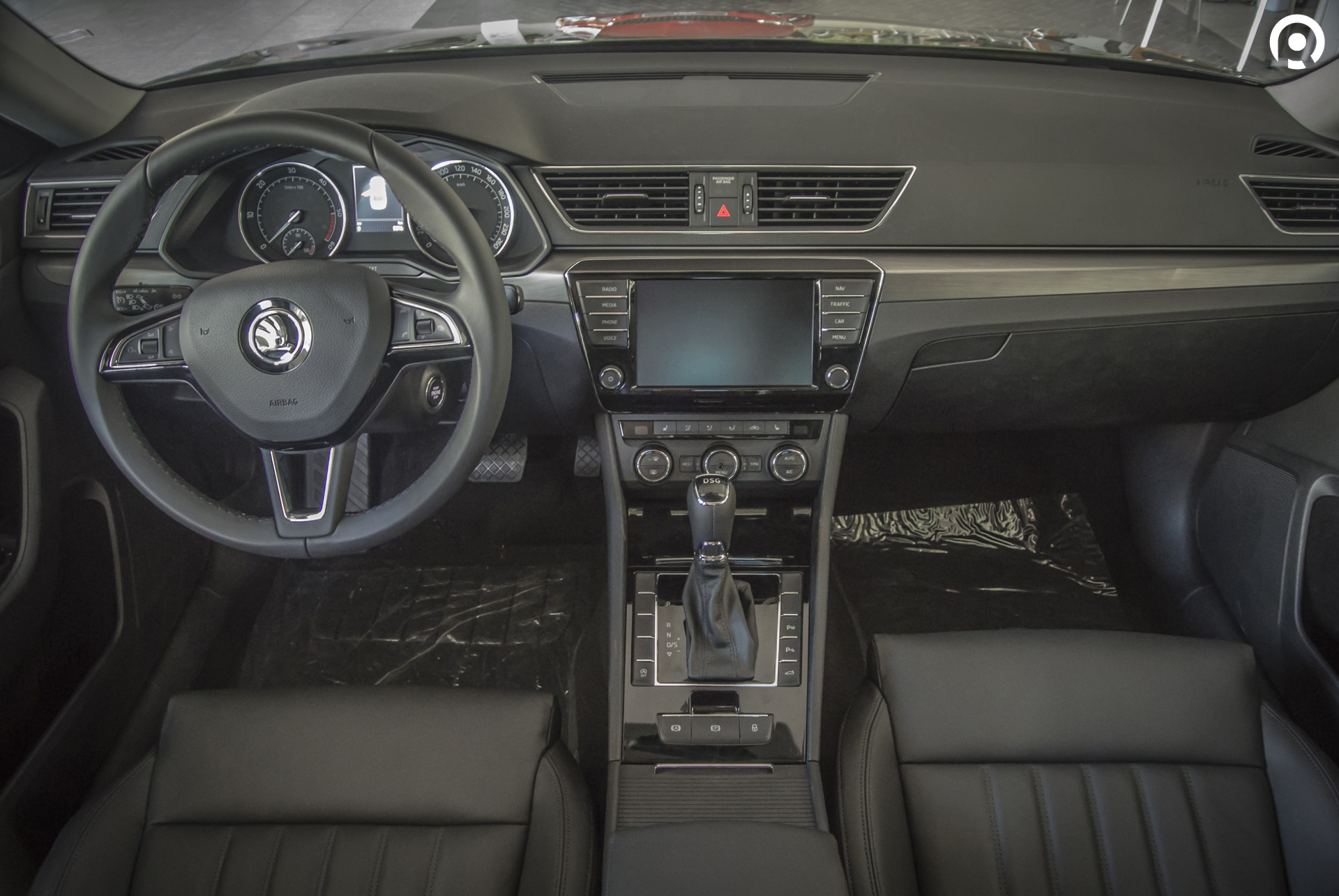
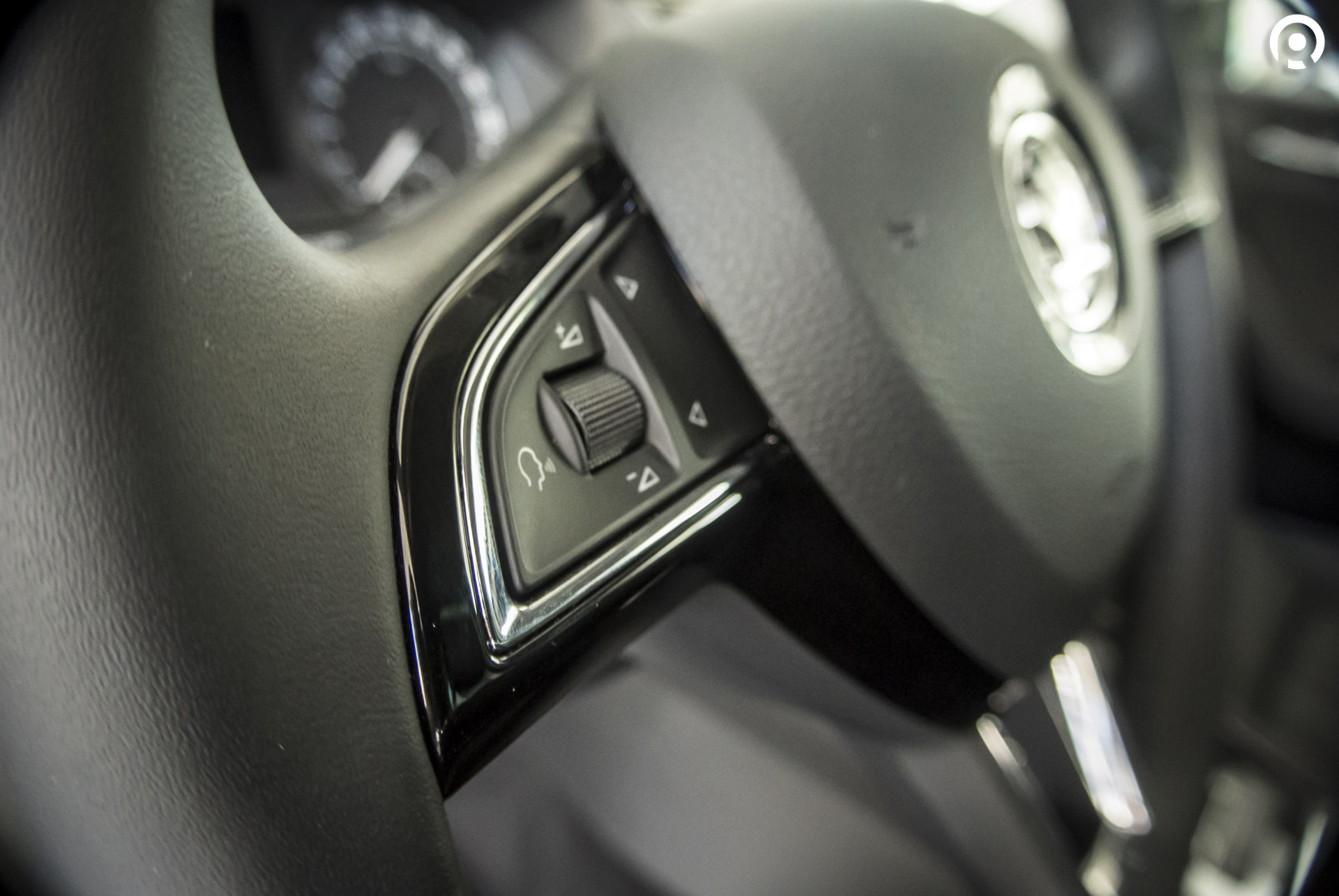
The interior follows the typical Volkswagen Group formula. Functional, well built, and a bit… dull.
There is no point pretending otherwise. VW and its related brands aim for mass appeal, so the design has to be universally acceptable. That is exactly what you get here. It may not excite, but it is executed properly.
Material quality is generally good. One thing I didn’t like is the lack of an option to replace the plastic trim elements with real metal. That said, these are some of the best plastic trims I have seen, and in practice, they don’t really bother you.
Where the Superb truly shines is space.
At 4.86 metres long, it is not a small car, but I have been in plenty of vehicles of similar or even larger size that offer significantly less interior room. Rear seat space is particularly impressive.
The same applies to the boot. You get 625 litres of cargo capacity in a very usable rectangular shape, plus easy access thanks to the large tailgate. How Škoda managed to package so much space without resorting to the awkward rear design of the previous generation remains something of a mystery.

On the Road
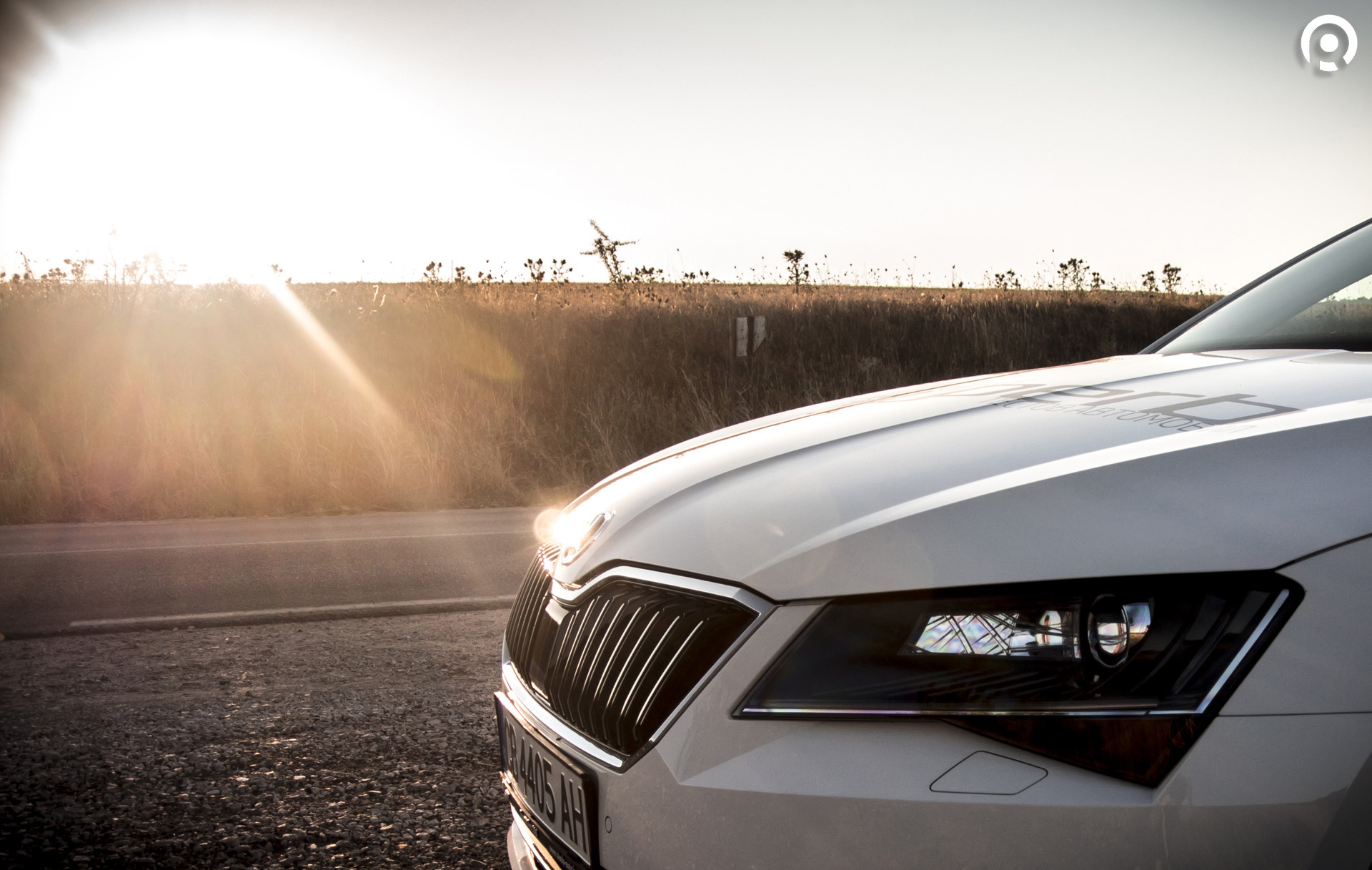
During my test, I didn’t get lucky with the colour or wheels, but I did get to drive what I consider the most interesting engine.
This is the 1.4-litre turbocharged petrol unit with 150 hp and 250 Nm, paired with a six-speed manual gearbox and cylinder deactivation technology.
In certain conditions, the system shuts off fuel to two of the cylinders. It doesn’t turn the engine into a true two-cylinder, since friction losses remain, but according to VW, it can reduce fuel consumption by up to 20 percent in specific scenarios.
In reality, over a normal 100 km drive, the savings are more modest. Still, it’s приятно to see the system working.
As for real-world consumption, I recorded 5.4 l/100 km in extra-urban driving at normal speeds, rising to 6.2 l/100 km with about 40 percent motorway driving. That’s higher than the official 4.8 l/100 km, but still a very good result.
The engine is not only efficient but also reasonably lively when needed. Acceleration from 0 to 100 km/h takes 8.6 seconds. However, it is not designed for постоянна динамична driving. If you push it hard, fuel consumption rises quickly.
If you enjoy driving fast and want to avoid frequent fuel stops, a diesel might be the better choice.

What impressed me most from behind the wheel, however, was not the engine, but the overall driving behaviour.
The Superb is genuinely pleasant to drive. It comes surprisingly close to the benchmark in this segment, the Ford Mondeo. The steering offers good feedback, and the suspension strikes an excellent balance. It is composed in corners while still handling road imperfections very well.
It is also a quiet car.
For relaxed driving, it is excellent. If you push harder through corners, body roll becomes more noticeable than I would like. For those who drive more dynamically, the optional adaptive suspension is probably worth considering.
One final highlight, the headlights. The adaptive bi-xenon units are excellent. You really need to drive the car at night to appreciate how good they are.
Conclusion
For the first time, I found myself in a Škoda that I genuinely like. And I tend to be a bit demanding.
The car is very well put together. Attention to detail is evident, and it shows. The engine range is broad, with petrol options from 125 to 280 hp and diesels from 120 to 190 hp.
Equipment levels also vary widely, and importantly, optional extras are priced more reasonably than in many competitors.
This means that a well-configured Superb can be had for around €33,000, which represents very good value.
I believe the Superb is an excellent choice as a family car or as a company vehicle, especially for someone who travels a lot.
As for its ambitious name, Superb, I think with this third generation, Škoda has finally earned it.
Eng. Tsvetan Iliev


Comments are closed.