
I remember that when I was a child in the mid-1990s, I mainly associated Renault with its large models – the 21 and the Safrane. Back then, they looked to me like huge, heavy ships and I imagined they must have been incredibly comfortable and interesting for long journeys (because at that time, if you remember, reaching the seaside took six or seven hours – exhausting work, especially if you happened to be a bored seven or eight-year-old child). Those two models were also the last large Renaults commonly seen on the streets because, after the Safrane went out of production, Renault took a short break before attempting to attract attention in the segment with the bold Renault Vel Satis. I personally found it interesting as well, but it was obviously too unconventional – even slightly bizarre – to appeal to the majority of buyers.
After the failure of the Vel Satis, Renault decided to make another mistake by launching the Renault Latitude, a model developed by Renault Samsung. I clearly remember seeing one for the first time somewhere along Slivnitsa Boulevard and thinking, “Well, look at that, Renault has made a very large budget car!”. It later turned out the model was not budget-oriented at all, but to me it honestly looked like a larger version of the Clio Symbol.
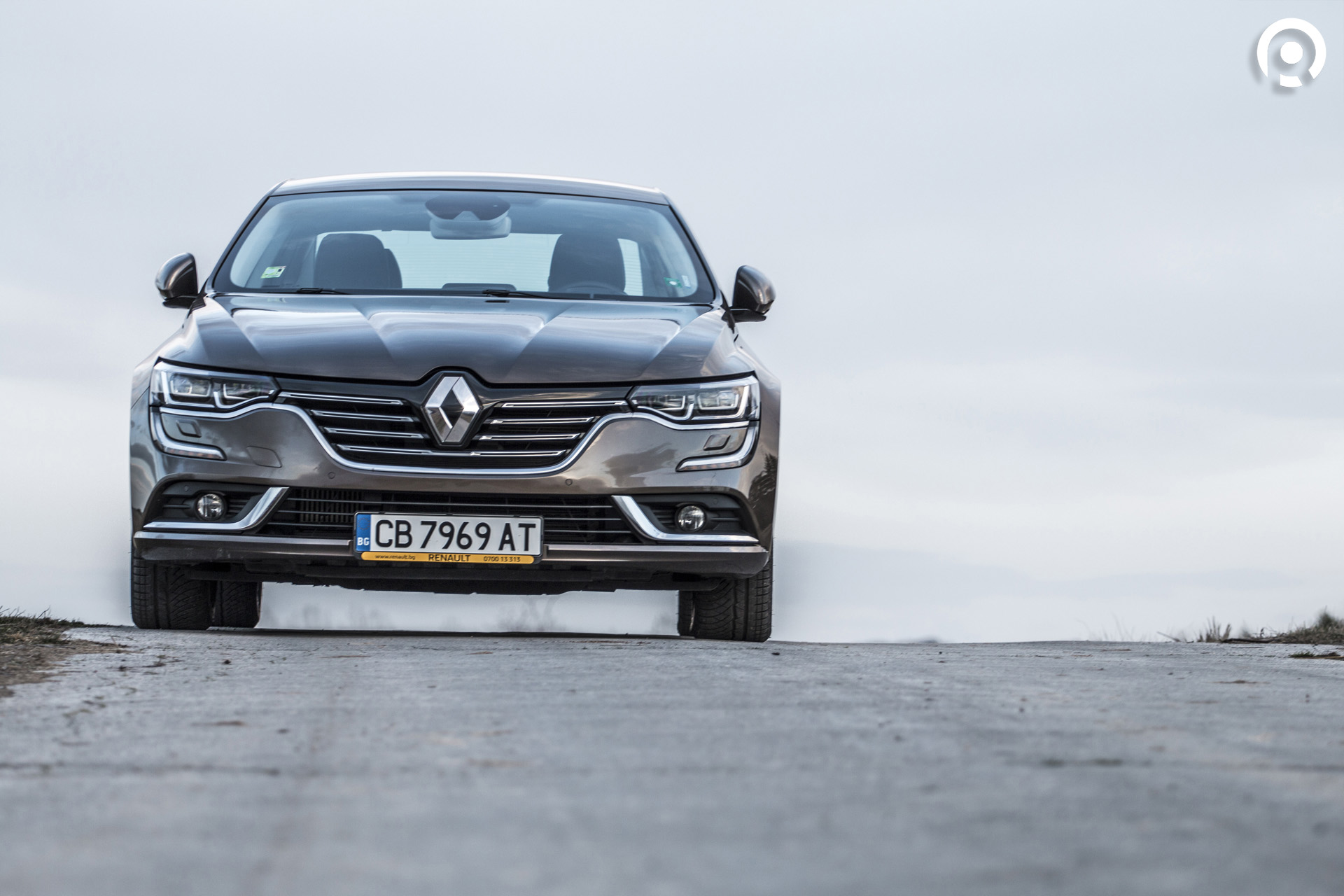
And so, after two failures, Renault finally decided to return to the large family sedan segment with a model that genuinely has something to offer and looks bold without being eccentric. That model is the Renault Talisman, which I first encountered last autumn in Frankfurt and which immediately grabbed my attention. A few months later, I finally had the chance to drive it and find out whether it could impress me in the same way as the large “ships” from the past.
Design

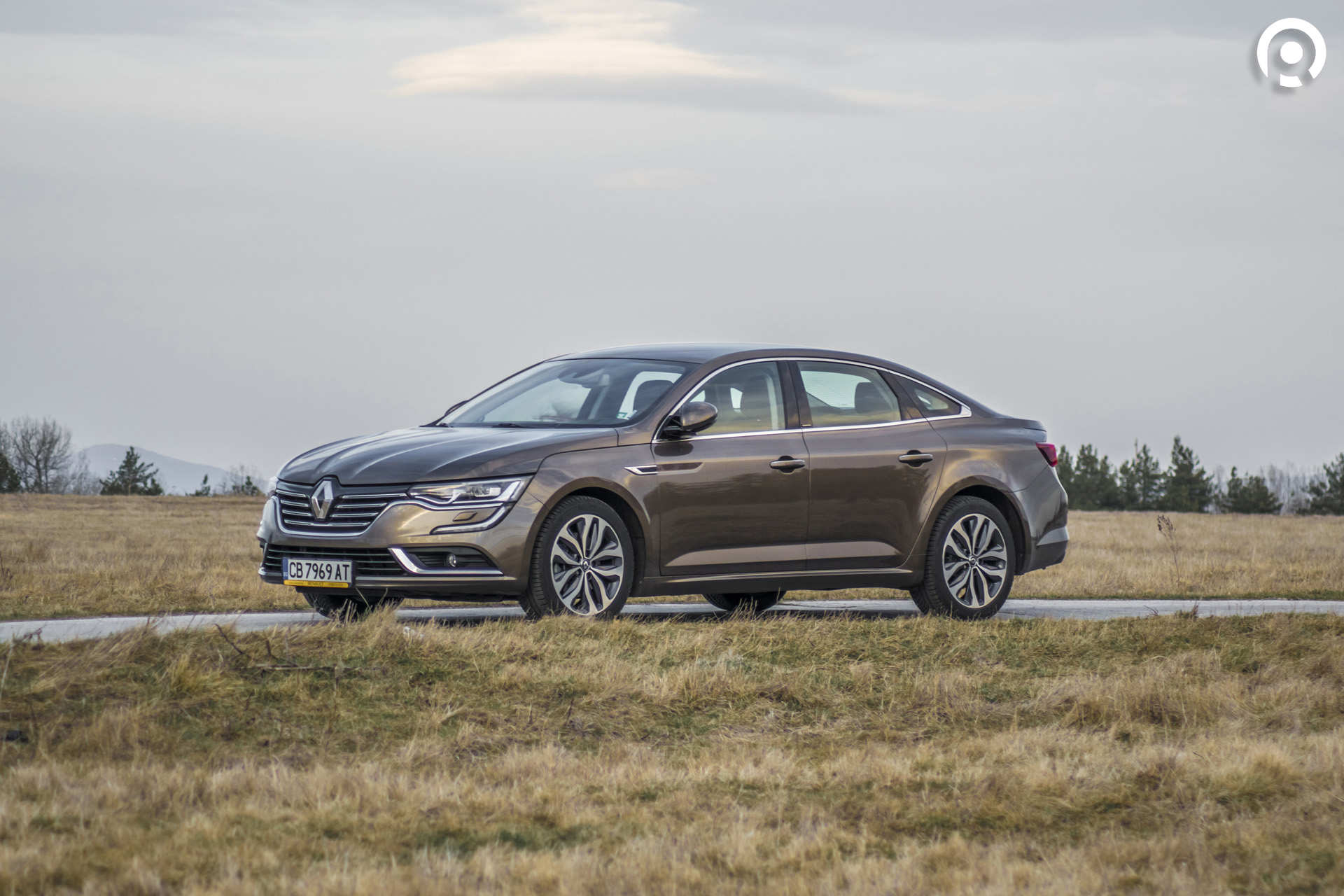
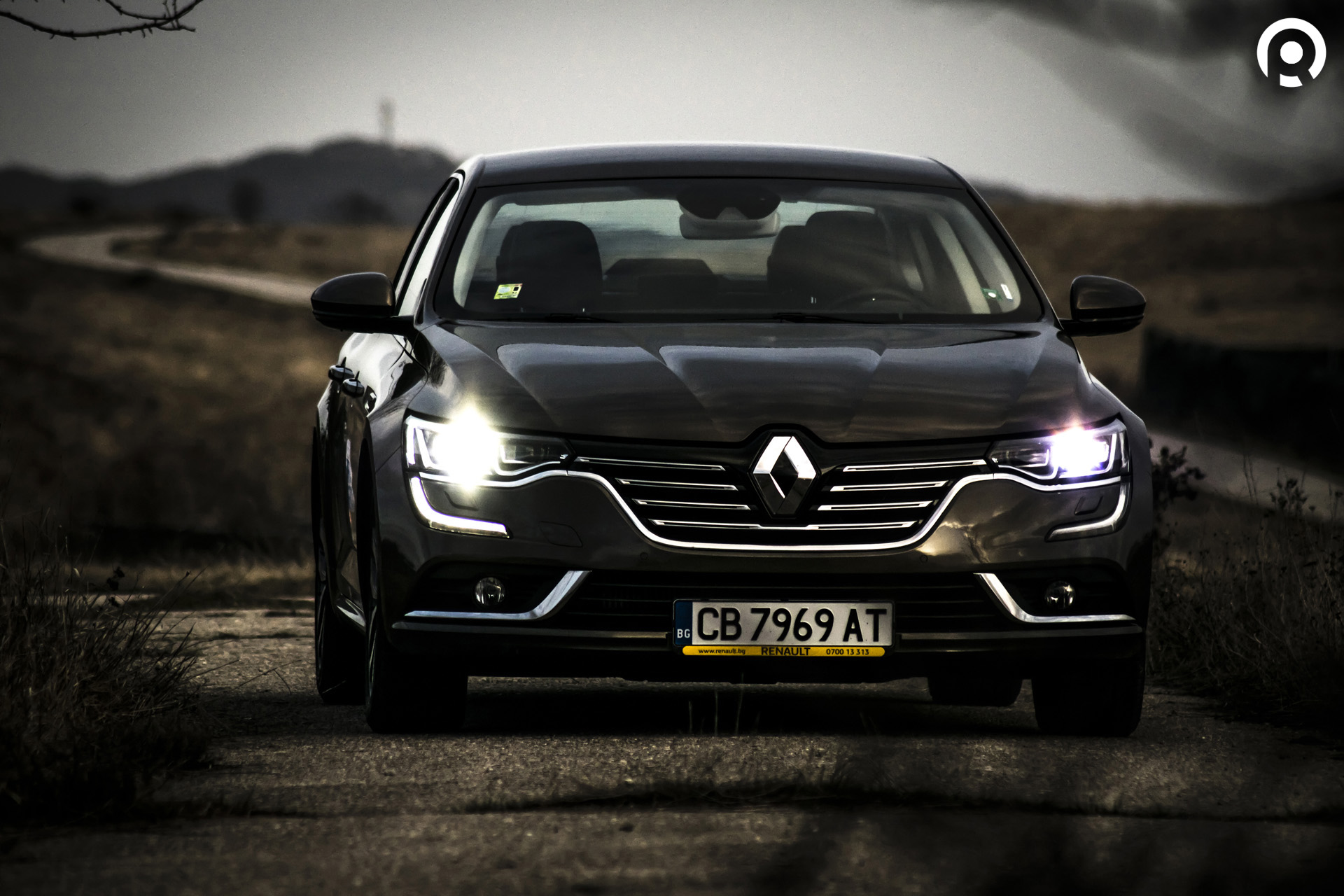
As we all know, design sells, and Renault seems to have learned its lesson after the Vel Satis and Latitude because its new flagship is certainly among the most striking cars in its class. The front end, for example, is impossible to mistake for anything else – the bold shape of the headlights and daytime running lights definitely stands out, while the combination with the large grille gives the car a strong dynamic presence.

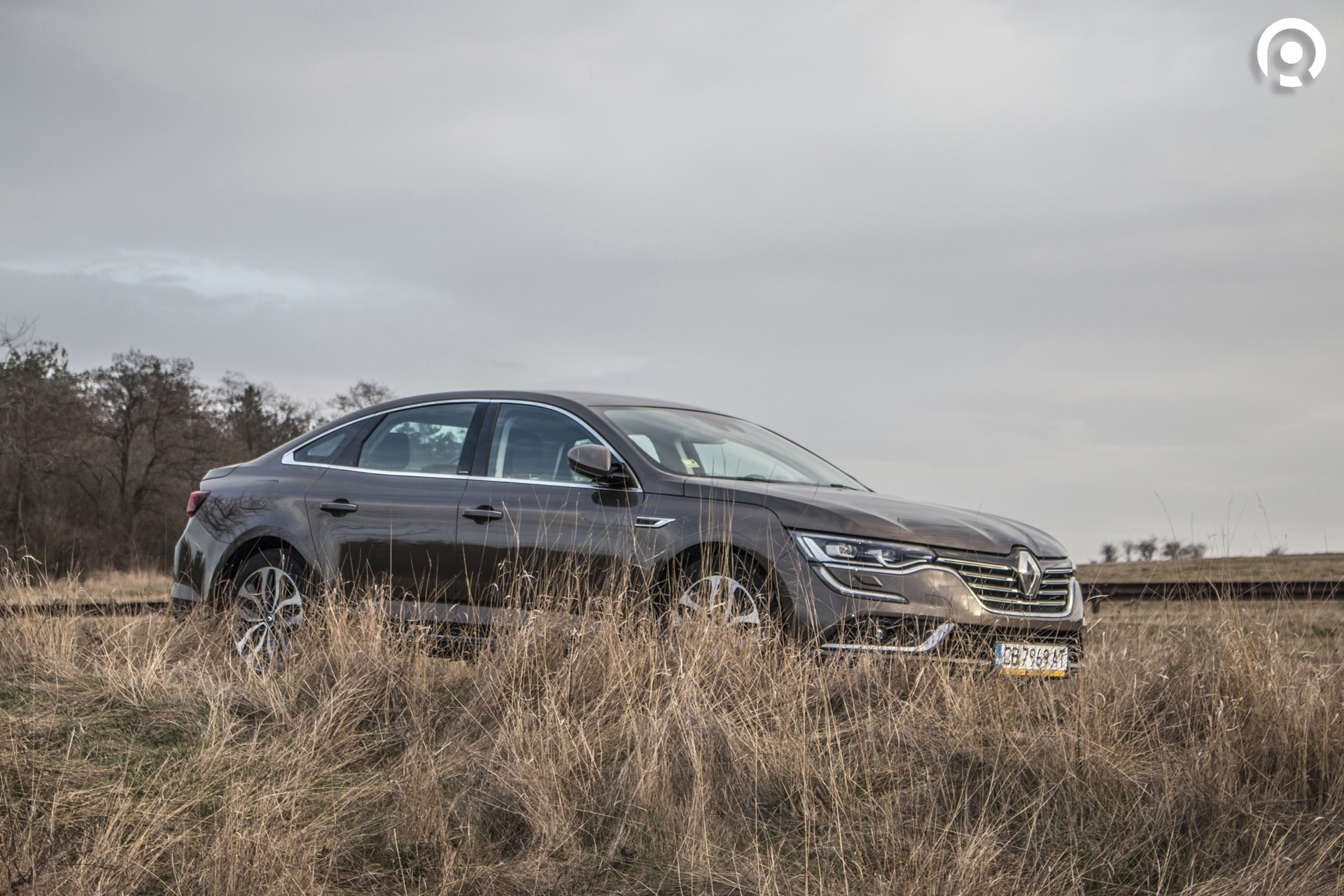
The side profile, meanwhile, is relatively conventional, which I consider a huge advantage in this segment, where buyers want to appear modern but are not prepared to experiment too much.
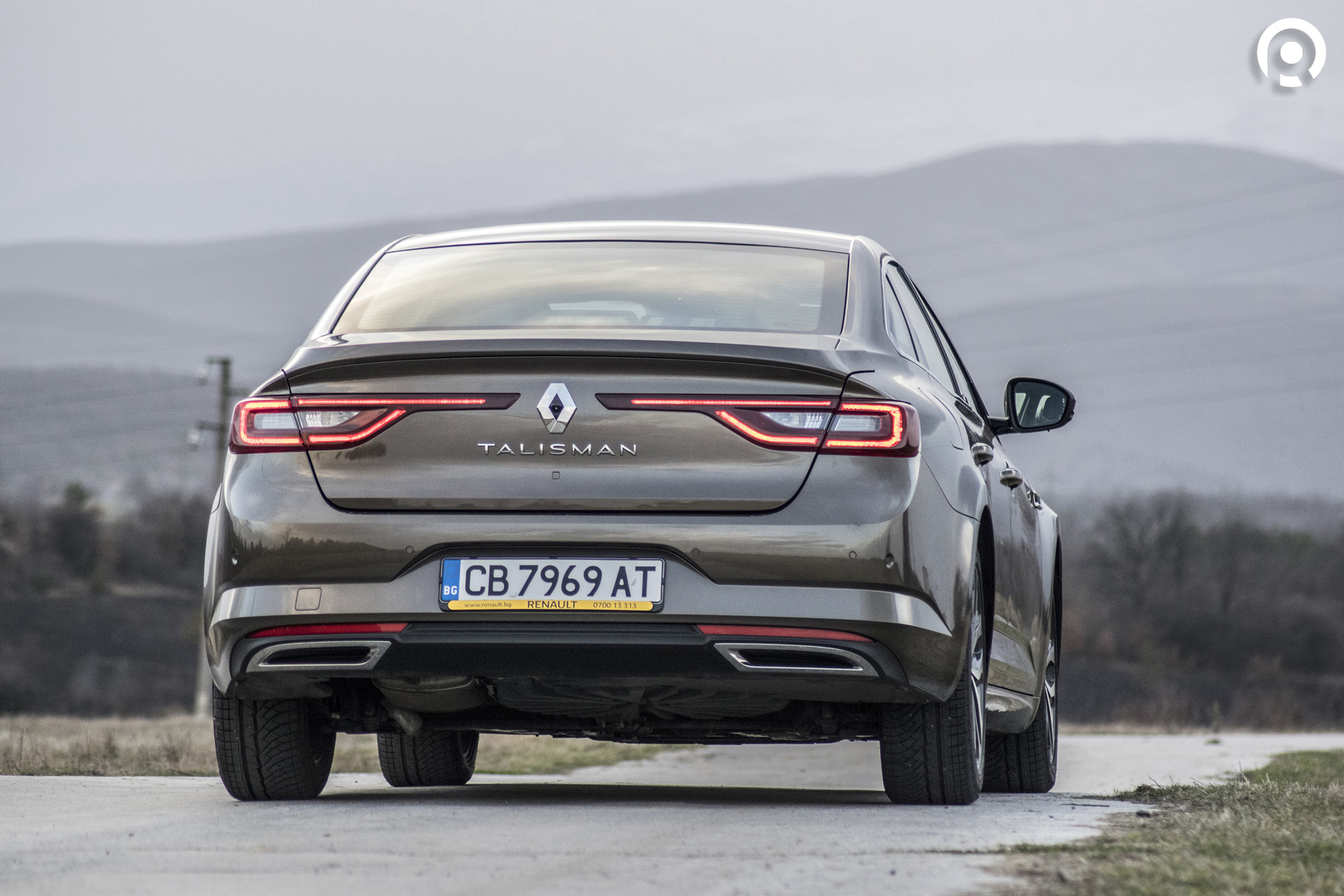
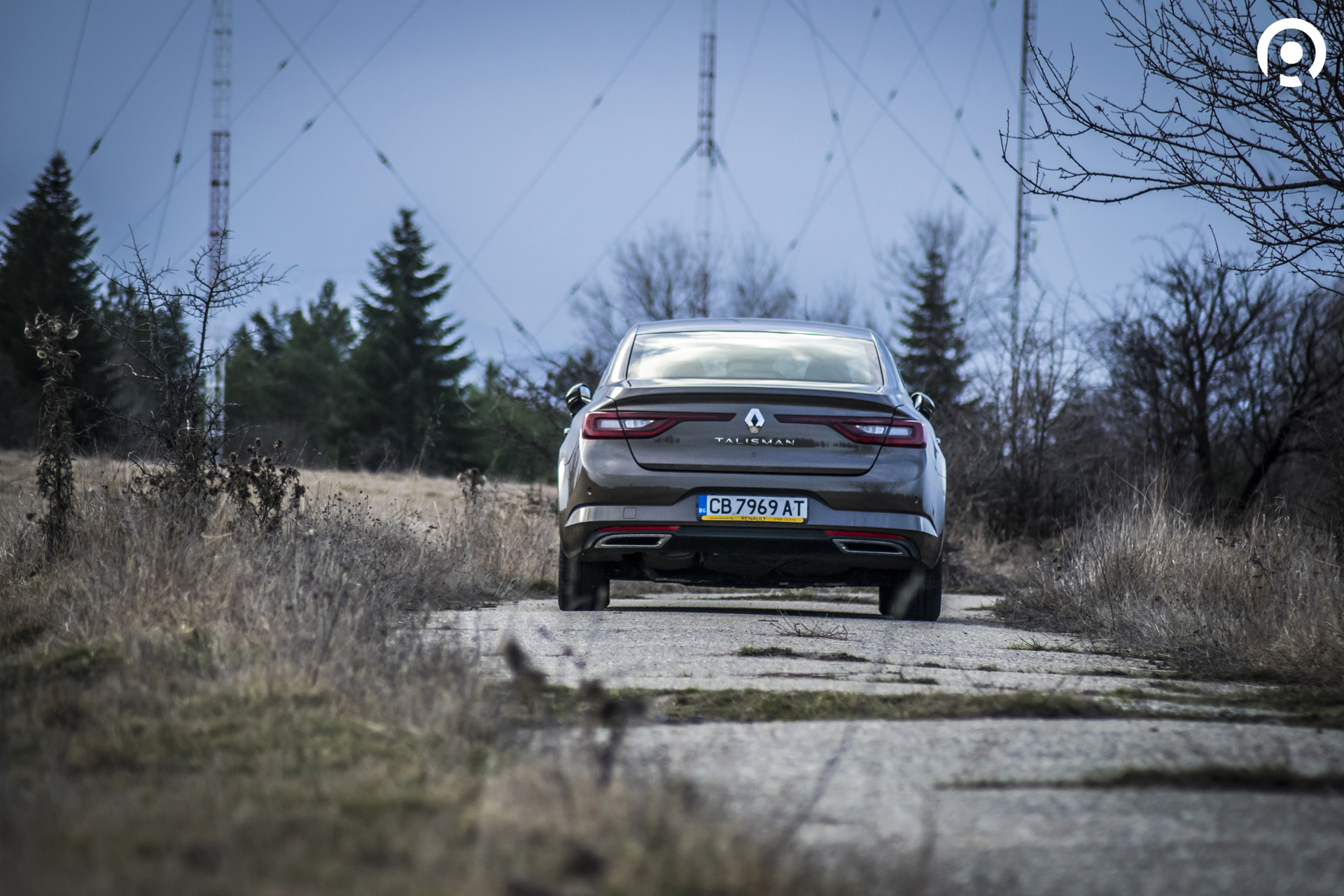
Finally, we reach the rear, which once again leans towards boldness thanks to the taillights stretching across almost the entire width of the boot lid. Personally, I like it. I also like the slim C-pillar and the additional side window behind the rear door.
Interion
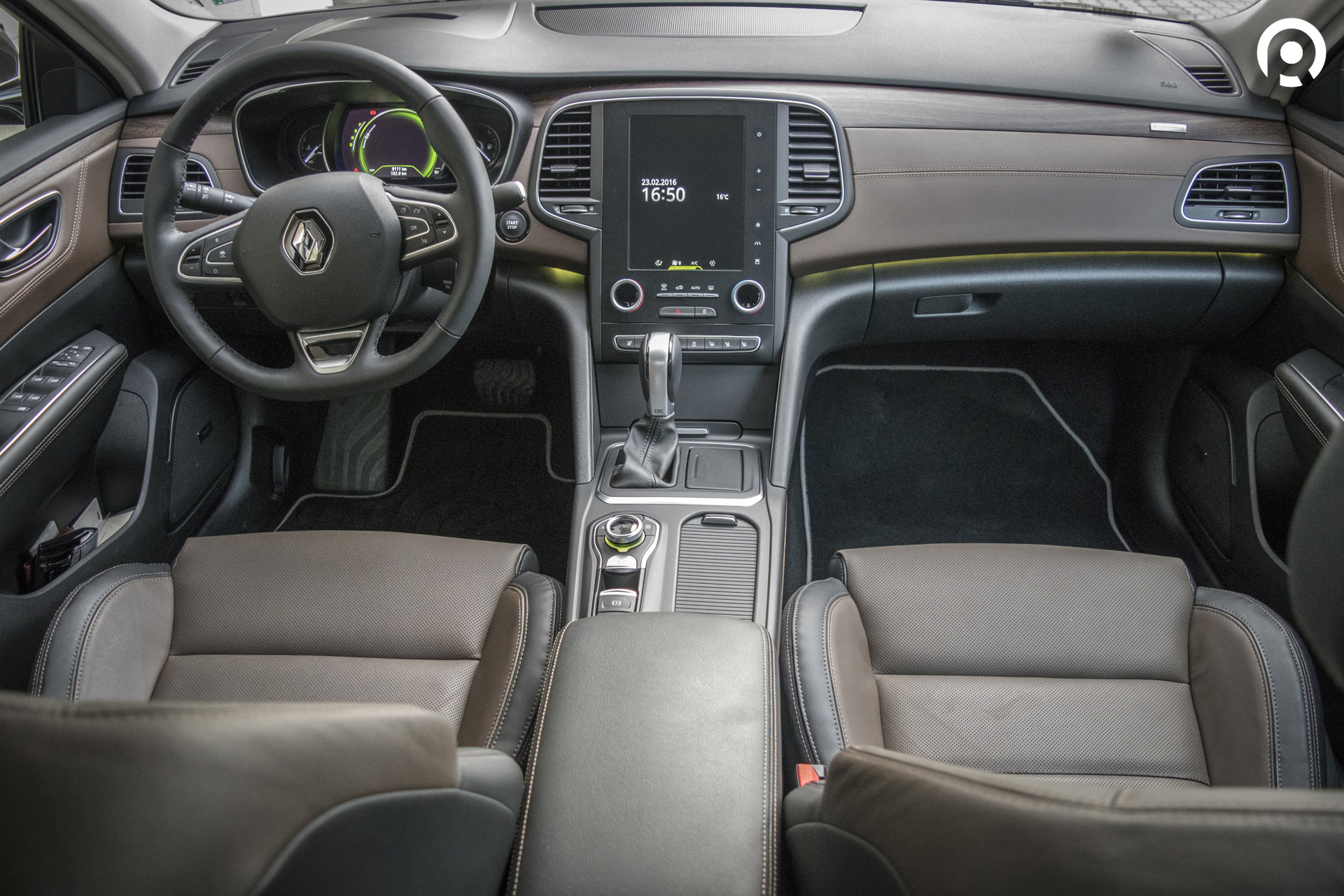
The atmosphere inside the cabin is equally pleasant and modern. Naturally, the reduced number of physical buttons and the central touchscreen for controlling the car’s functions immediately catch the eye.
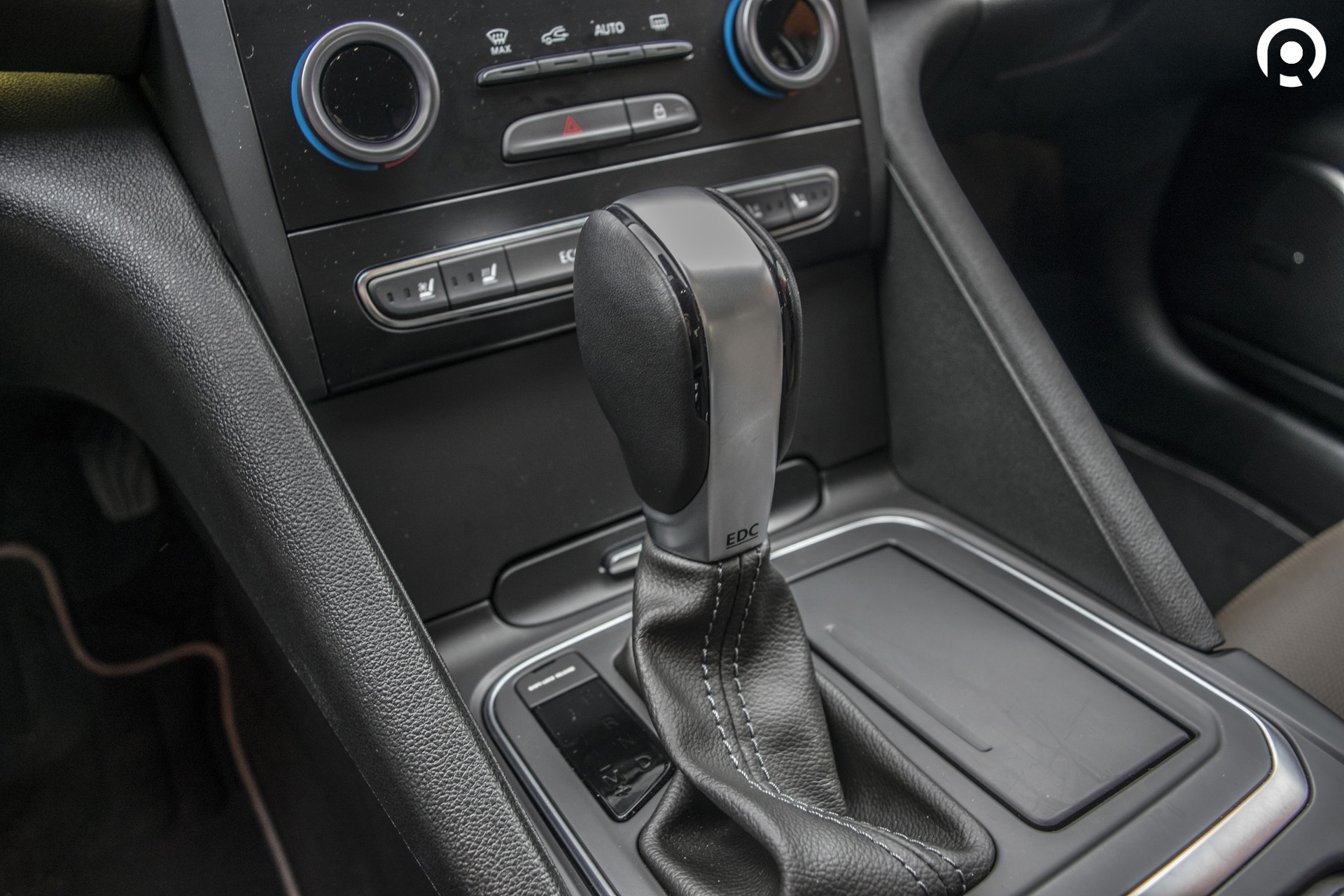
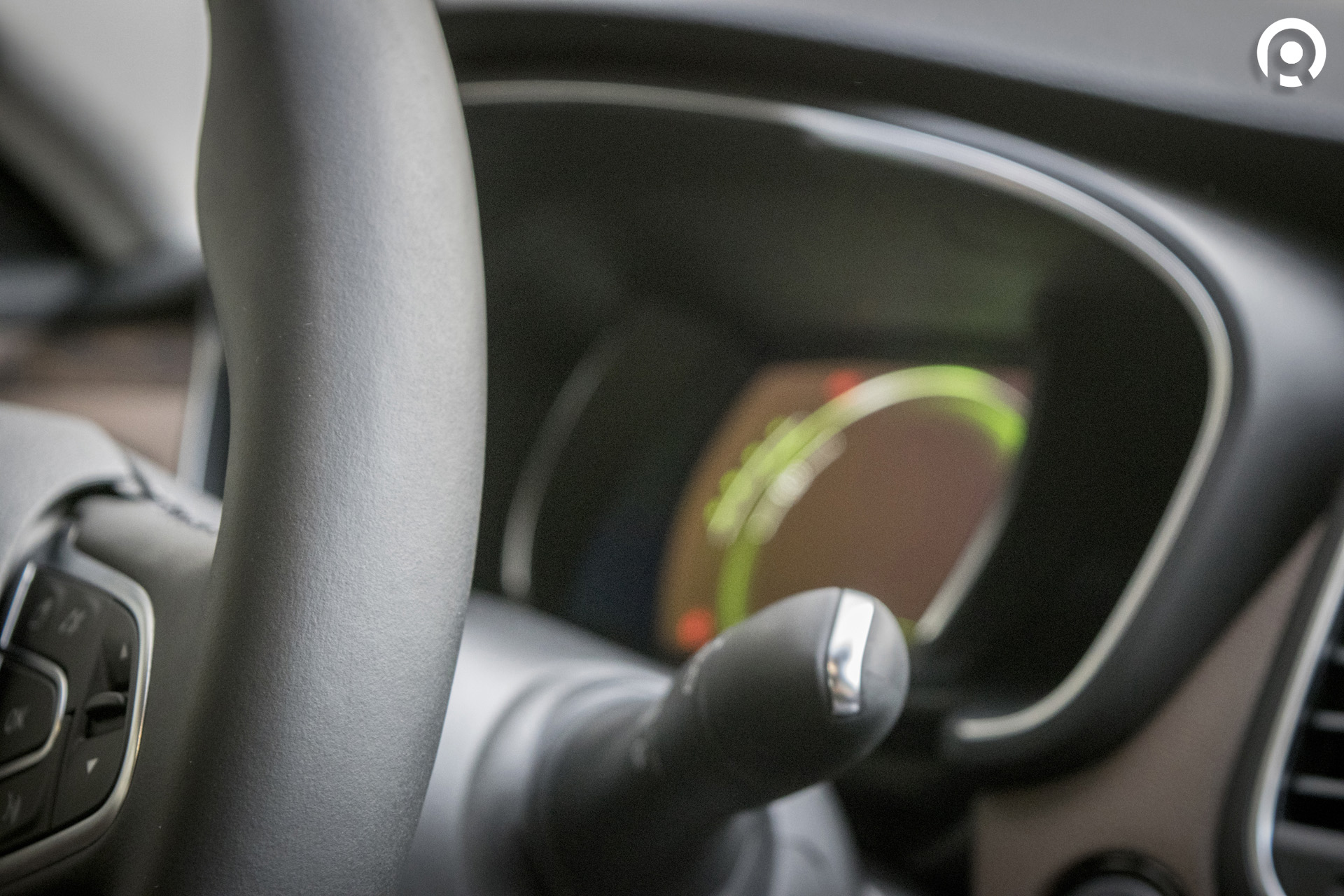
In the top-spec Intens trim fitted to the test car, Renault’s desire to achieve a higher-quality and more luxurious atmosphere is obvious. Yes, the decorative “wooden” panels are plastic (which is perfectly normal for a car in this class), but they are executed extremely well and, despite being a passionate opponent of fake materials, I did not find them irritating. Furthermore, the cheaper and harder plastics generally look good and are located in places that rarely fall under the driver’s gaze – and even less frequently under their fingers. The only exception is the gear selector, which could certainly feel a little more substantial.
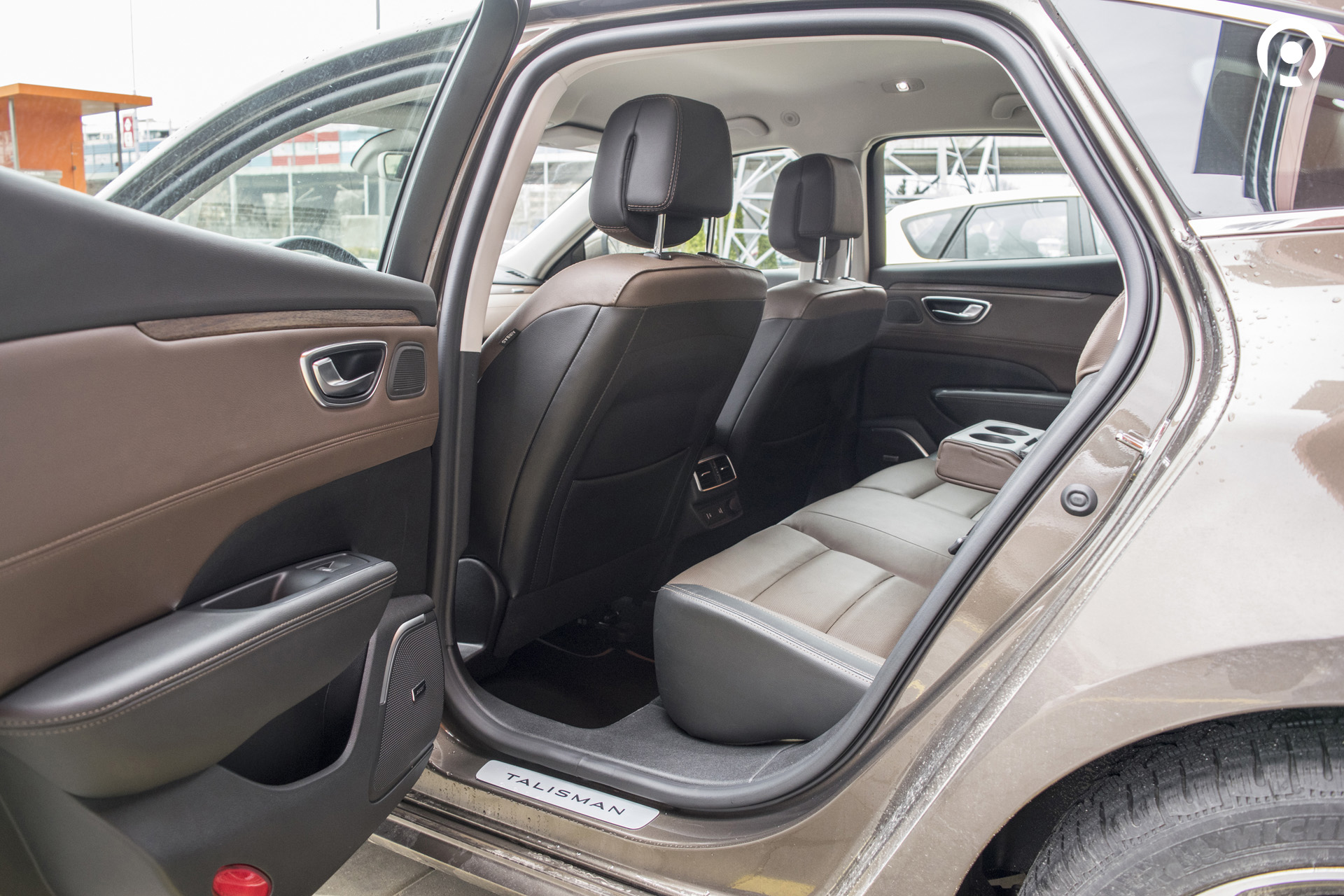
Space is entirely sufficient as well, although I personally found the front cabin slightly too wide because I somehow could not properly make use of the armrest integrated into the door. Rear-seat passenger space is also generous, although the bench itself is mounted slightly lower than would be ideal for an adult. Then again, this is a family sedan and perhaps, in most cases, children and teenagers will be sitting there anyway.
Since we are on the subject of seating, let’s also talk about the seats themselves. They are quite wide and, in Intens specification, come with an impressive number of luxuries. These include heating, ventilation and massage functions. Not bad at all, right? There is also four-way lumbar support, which is a major plus in my book. And the good thing is that it is not only impressive on paper – the seats are genuinely comfortable, allow you to easily find an ideal driving position and do not become tiring on long journeys. As for the massage function, I personally find it somewhat unnecessary and, although it offers three different massage modes, all three felt fairly similar to me. Still, better to have it than not 🙂

Another thing that creates a good first impression is the ambient lighting, integrated into the dashboard in a way familiar from significantly more expensive German premium models. It looks good, feels pleasant, and once you get used to a car with ambient lighting, stepping into one without it suddenly feels less natural. In complete contrast to those elegantly integrated LEDs, however, Renault fitted an absurdly annoying light in the roof lining that shines far too brightly. Although it can be switched off independently from the dashboard lighting (unfortunately not via a dedicated button, but through the depths of the settings menu), it turns itself back on every time you change the driving mode.

Finally, the Talisman offers enough storage compartments and a huge 608-litre boot. However, it appears noticeably smaller because of its elongated and somewhat awkward shape, as well as the relatively narrow opening. Anyone regularly loading large luggage should probably look towards the estate version – which, incidentally, looks very good.
On the road
The car I collected from the Renault-Nissan office in Sofia was equipped with the most powerful diesel engine in the range – a four-cylinder 1.6-litre unit producing 160 hp and 380 Nm of torque. This was paired with a six-speed dual-clutch gearbox, active suspension and four-wheel steering.
After sitting inside and surprisingly quickly finding a comfortable driving position, I spent some time driving around the city, where I achieved fuel consumption of 6.7 litres per 100 kilometres during Sofia’s heavy afternoon traffic. That may be far from the 5.1 litres claimed by Renault, but it is still a good figure for a large sedan with an automatic gearbox in busy urban conditions. I noticed the light steering and the good isolation from the outside world. The suspension felt slightly firmer than expected (after all, in my mind large Renaults were supposed to be floating boats), and I also noticed that it was relatively noisy over bumps – at least compared to the excellent insulation from engine and road noise.
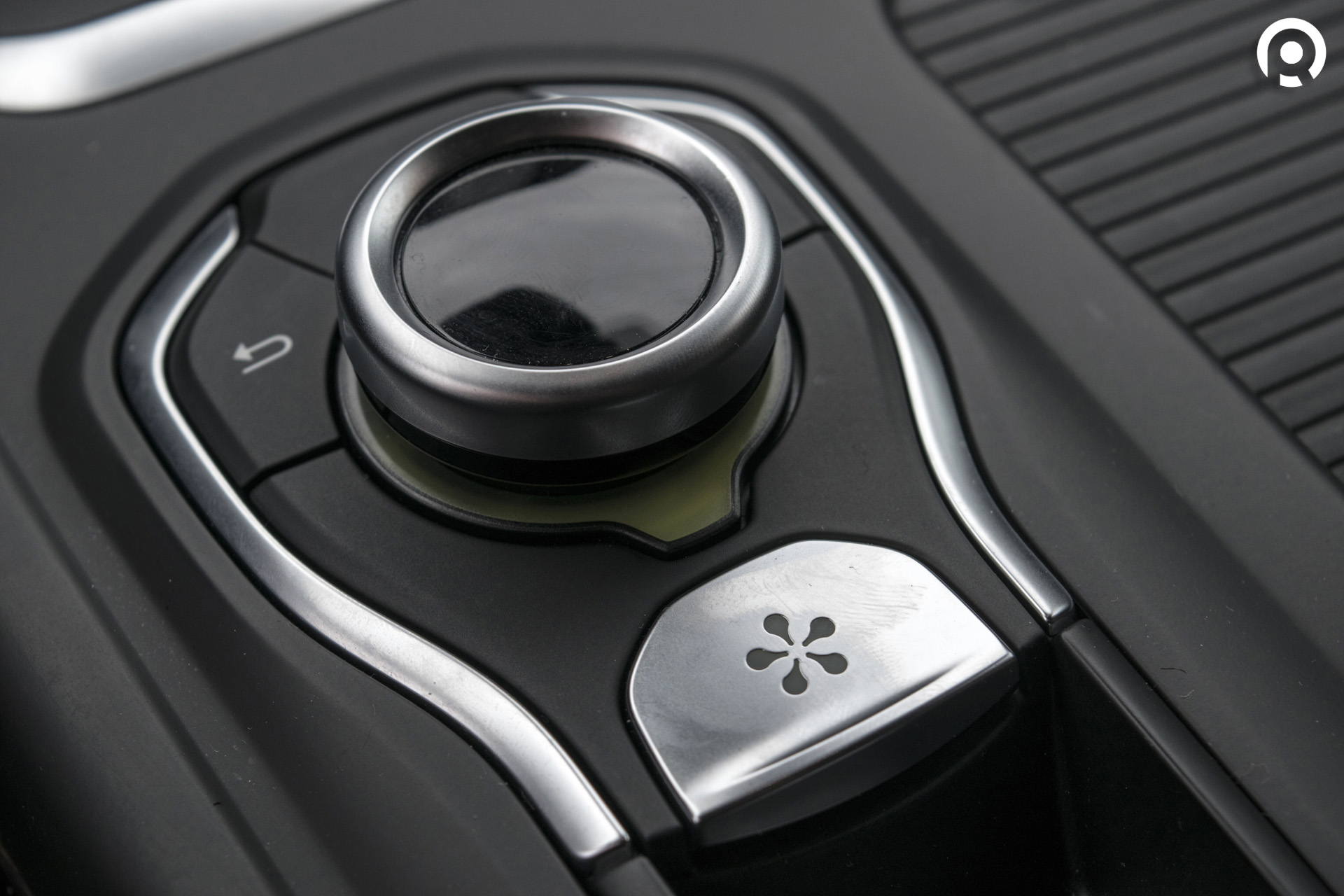
While driving around the city, I tried to familiarise myself with the infotainment system and the controls for the car’s functions. I liked the fact that, in addition to the touchscreen, the car also features a rotary controller, which I personally consider the most convenient solution for operating such systems. Navigating through the menus felt easy and, overall, the system is intuitive. The only thing I disliked was the lack of a dedicated Home button near the rotary controller.

After getting to know the car properly, I headed towards the Trakia Motorway, where, as always, I floored the accelerator immediately after the police checkpoint to verify that the Talisman accelerates confidently. At first, however, I honestly felt as though I was driving the 130 hp version – there is certainly enough power, but far from an abundance of it. Officially, the more powerful diesel accelerates from 0 to 100 km/h in 9.4 seconds, but subjectively it felt slightly slower to me – somewhere above 10 seconds. Nevertheless, thanks to the strong torque, the car continues to accelerate confidently at higher speeds and never feels seriously underpowered during overtaking.
But back to the motorway – after playing around with the throttle, I activated the adaptive cruise control, which functions up to 140 km/h. I had never encountered a car where the system worked only up to such a relatively low speed before, but at least it guarantees you will not receive speeding fines. It was precisely through the curves at the beginning of the motorway that I realised something I had not expected from Renault – the car feels exceptionally stable and firmly planted on the road.
Road noise remains low at higher speeds, just as it does at lower ones, while aerodynamic noise is equally well suppressed. However, because of the relatively low number of gears (for 2016 standards), the engine operates at slightly higher revs and is therefore more noticeable inside the cabin. The gearbox itself features six gears and otherwise performs entirely well. The petrol versions, meanwhile, are available with seven-speed gearboxes. Because of those higher revs, combined with the mountainous beginning of the Trakia Motorway, fuel consumption reached 7.5 litres per 100 kilometres. I suspect that over a longer journey – to Burgas, for example – the car would probably consume slightly under 7 litres per 100 km.
After the motorway, I headed towards Kostenets, Borovets and from there to Zheleznitsa. The road offers plenty of corners, climbs and descents, beautiful scenery, dinner in Borovets (I never refuse the restaurant run by Resmi) and finally my favourite corners near Zheleznitsa.
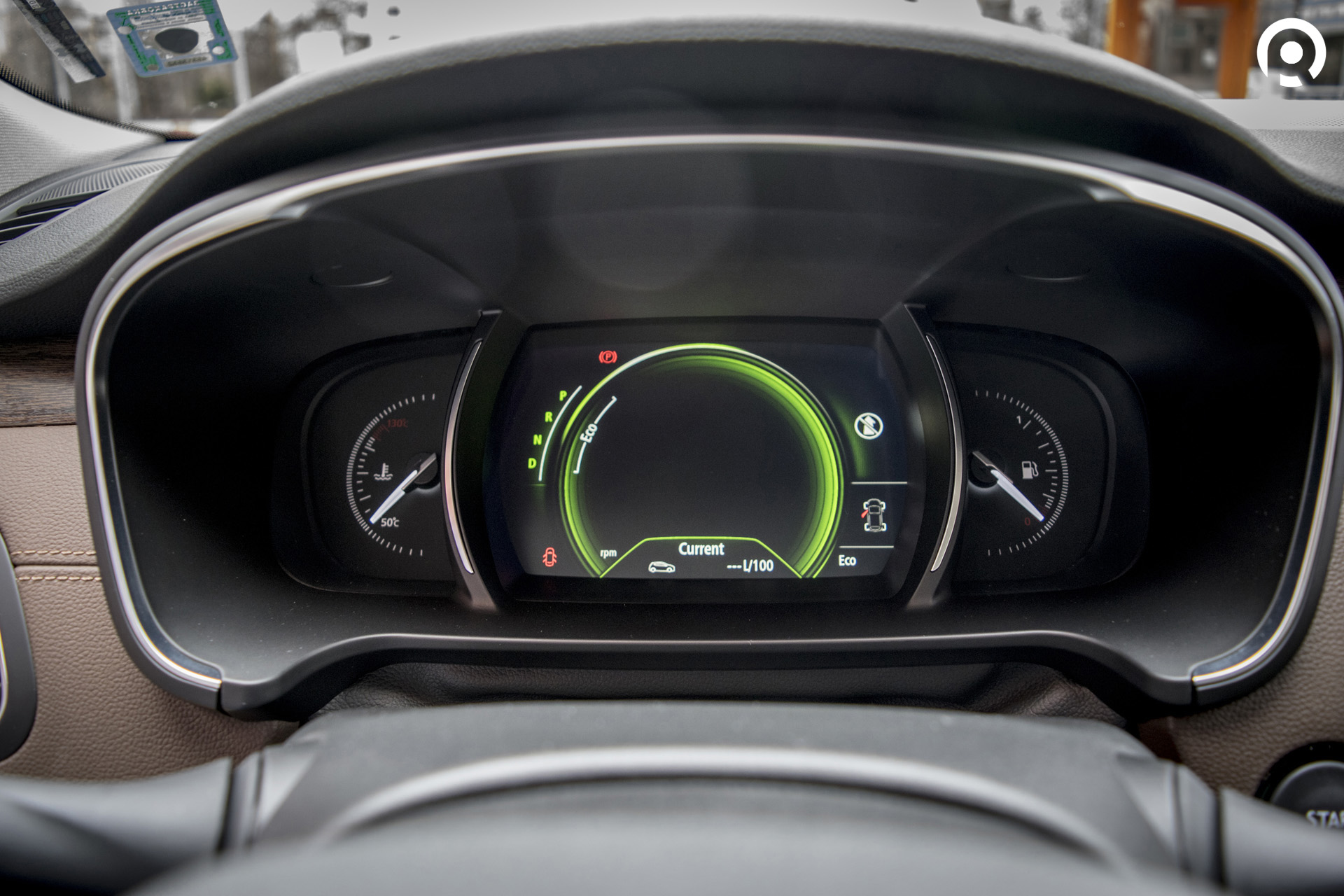
I began the route in Eco mode and drove calmly in order to see how economical the Talisman could be. I was positively surprised when the trip computer settled at slightly above 4 litres per 100 kilometres. By the time I reached Sofia, however, the figure had climbed above 5 litres because I had switched into Sport mode.
Regardless, throughout the journey the car maintained the same calm and confident behaviour and truly proved itself to be extremely pleasant to drive. In fact, after Ford “tamed” the Ford Mondeo and turned it into a more comfort-focused car, I think the Talisman may now claim the title of the most enjoyable-to-drive car in its class.
The only issue comes from the engine, which is simply too weak for such an excellent chassis. Still, we should not forget that the test car featured active suspension, which certainly contributes to the increased driving enjoyment. And there is something else – the active suspension comes packaged together with four-wheel steering.
While the rear-wheel steering remains largely unnoticed during calm driving, it definitely makes itself felt during sudden manoeuvres. The result is a slightly surreal sensation when changing direction, accompanied by a mildly unnatural sense of stability. It is very interesting and definitely worth experiencing, and I also believe it could prove extremely useful in emergency situations. Furthermore, in urban conditions it reduces the turning circle by 80 centimetres.
Conclusion
Renault has finally launched a genuinely competitive car in the large family sedan segment. That particular segment, however, is shrinking and filled with strong competitors that offer plenty without any major weaknesses. Nevertheless, I believe the Talisman possesses qualities that distinguish it from the rest of the class and will certainly help it build a loyal following.
For me, the car’s strongest qualities are its design, road manners and, to a large extent, its price. The Talisman starts at around €21,000, while the highest trim level with the 200 hp petrol engine (which would be my personal choice) costs approximately €28,000 – or around €29,000 for diesel enthusiasts.
For that amount, you receive a large sedan packed with features such as navigation, front and rear parking sensors, leather upholstery, a heated steering wheel, ventilated massage seats, full LED headlights, keyless entry and start, and much more. It certainly sounds like an excellent offer and, in my opinion, one that will attract quite a lot of buyers.
Eng. Tsvetan Iliev

Comments are closed.