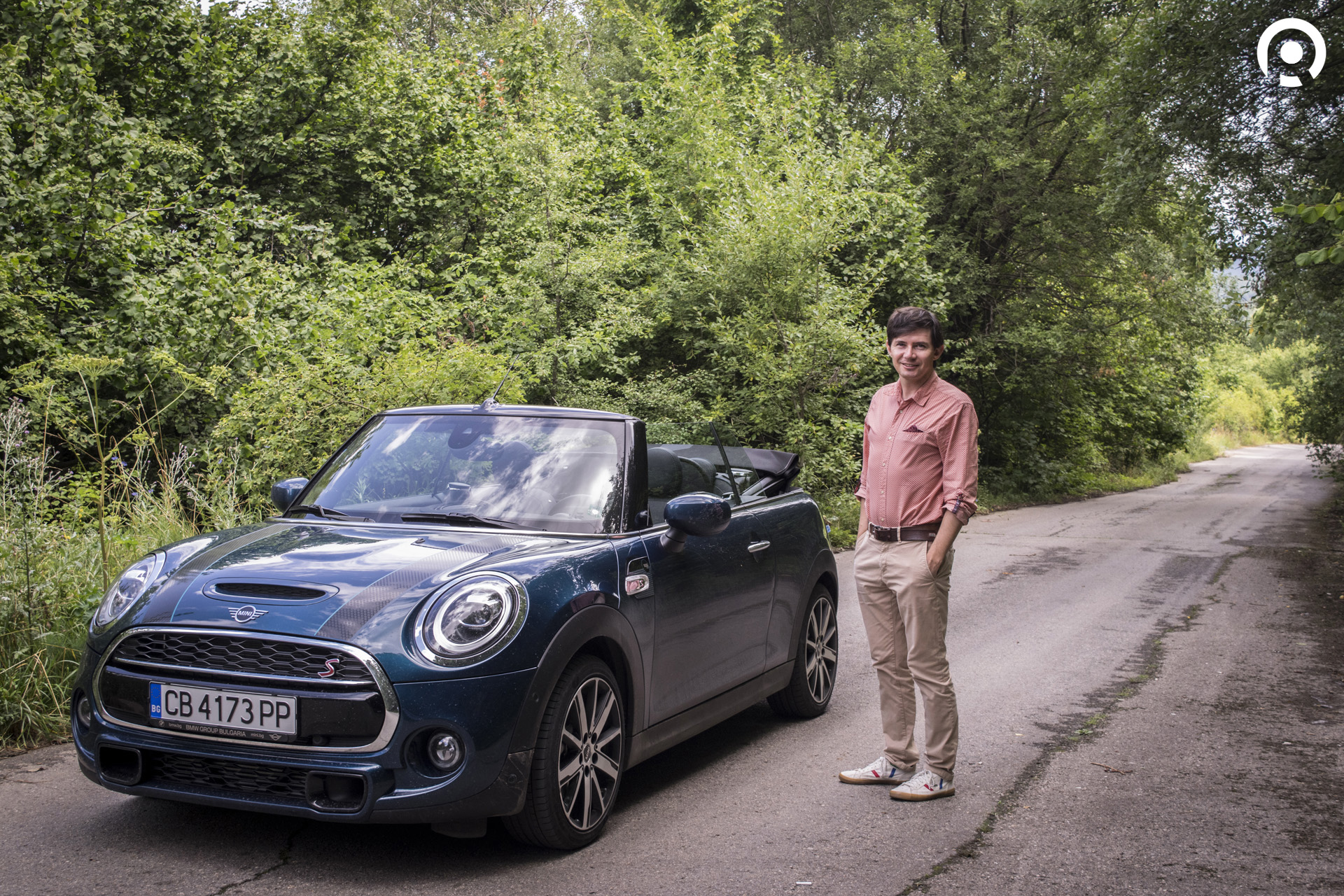
A teacher of mine once told a story about his best friend, who rented a Ford Mustang Convertible for a summer holiday. He set off on a ten-hour drive to Southern California and decided it would be a good idea to get a tan before even reaching the beach. Roof down, T-shirt off… and by the time he arrived, he checked into a hospital instead. Without realising it, the combination of speed and airflow had left him badly sunburnt.
Every time I drive a convertible in the peak of summer, I remember that story and never set off without a hat and sunscreen. This time, however, the risk was minimal. For the test of the MINI Cooper S Convertible, I happened to hit the three rainiest days of this rather strange summer season.
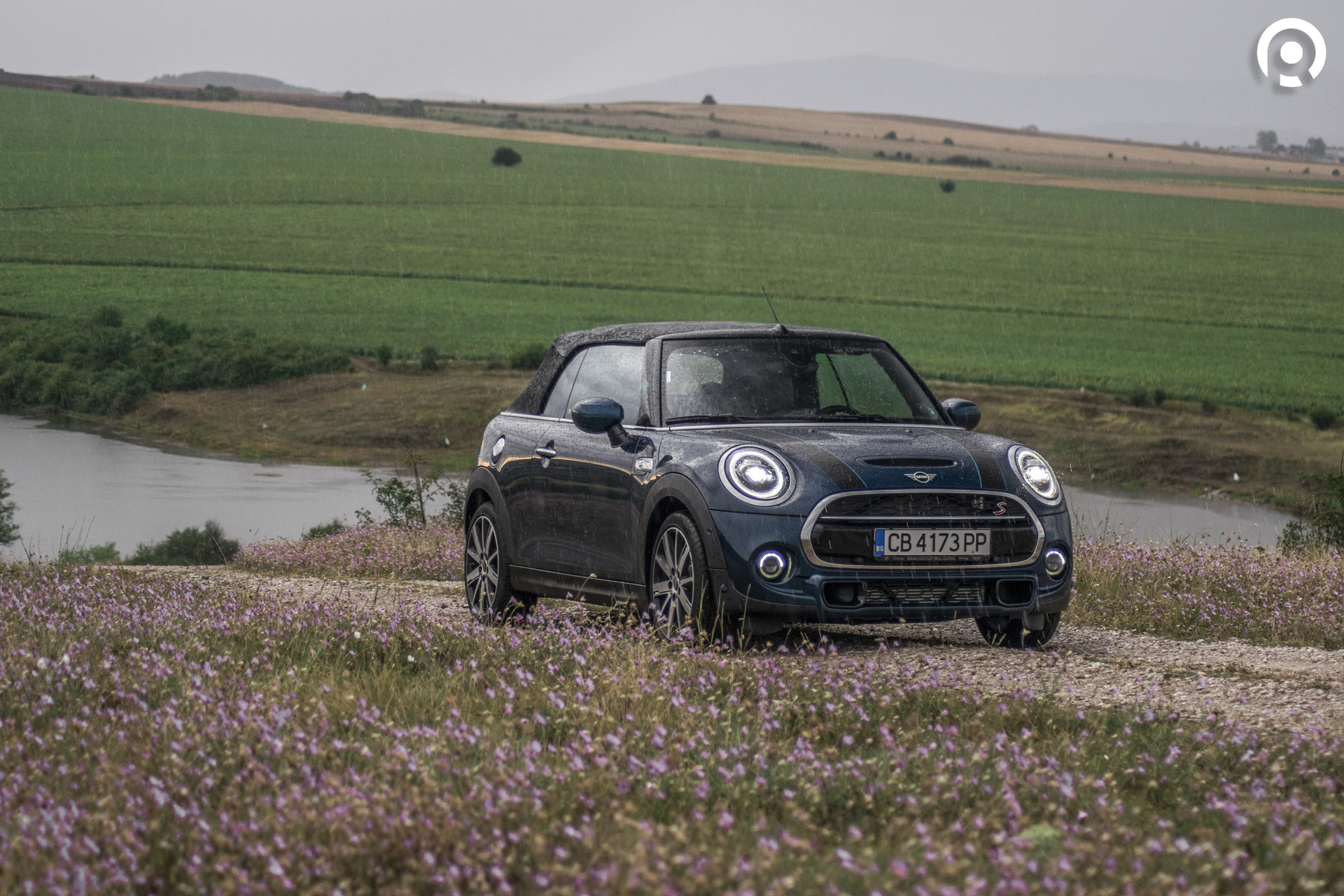
Thankfully, MINI—especially in Cooper S form—delivers enough driving pleasure to compensate for the whims of the weather.
Design
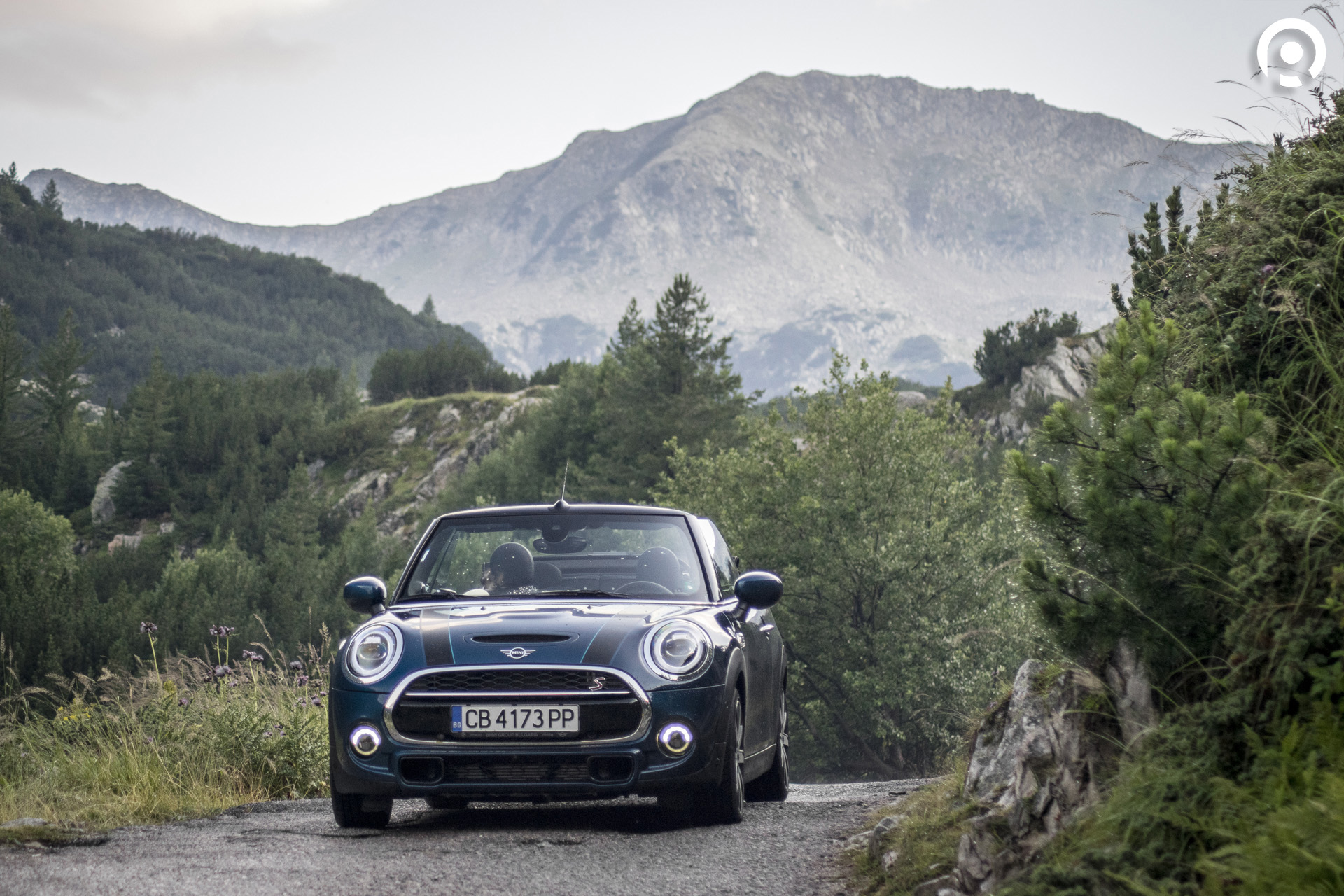
MINI is one of those cars whose design has become part of popular culture. It is instantly recognisable, even by people who usually distinguish cars only by colour.
There are many signature elements—the upright windscreen, short overhangs (now slightly longer than before), the headlights, chrome window surrounds, even the door handles. It’s a collection of unusual details that somehow work perfectly together, creating a classic yet not retro appearance.
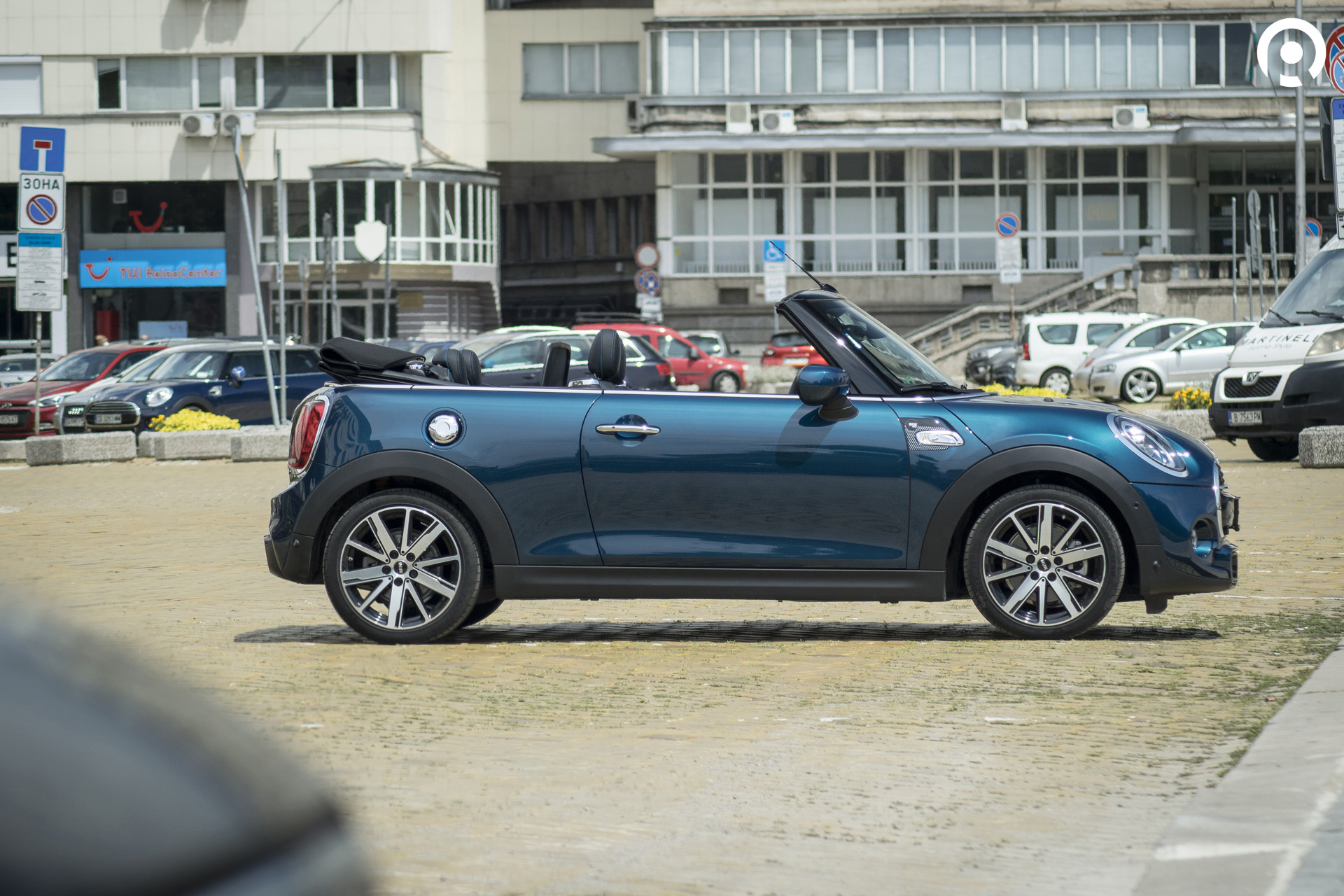
That’s exactly why the current generation still looks fresh, despite being on the market since 2013. A facelift a couple of years ago introduced subtle updates, the most notable being the Union Jack rear lights—a detail that fits perfectly with MINI’s identity.
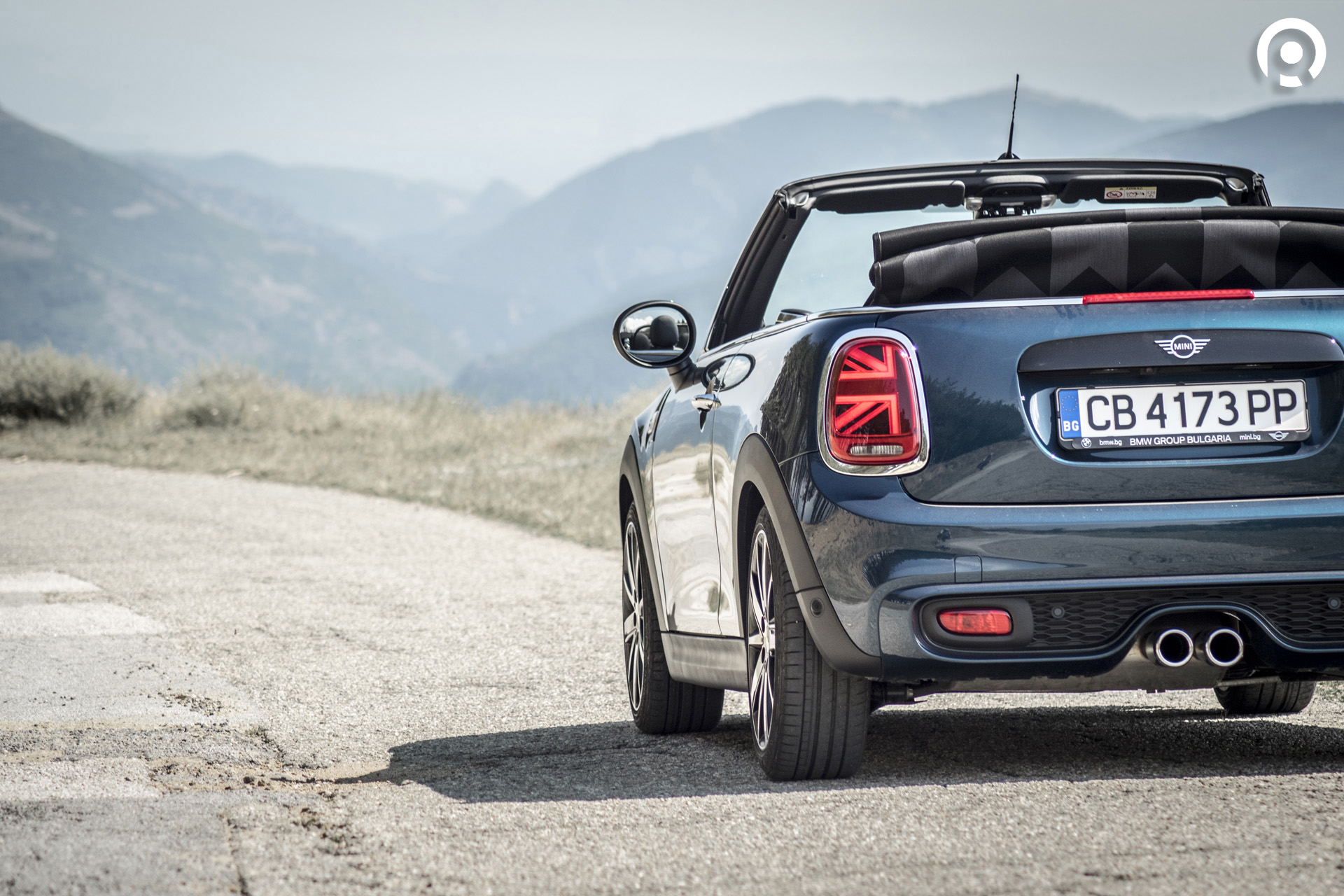
ersonally, I really like the MINI Cooper S Convertible. The sporty touches work well, and I particularly appreciate the “flat” side profile rather than the rising beltline trend seen elsewhere. Having owned a MINI in the past, I admit I have a soft spot for the brand. That said, I still think the previous two generations had an even stronger design presence for their time.
What makes this test car more interesting is that it’s not just a Cooper S. This is the special Sidewalk edition, aimed at buyers who prioritise design and standing out in traffic.
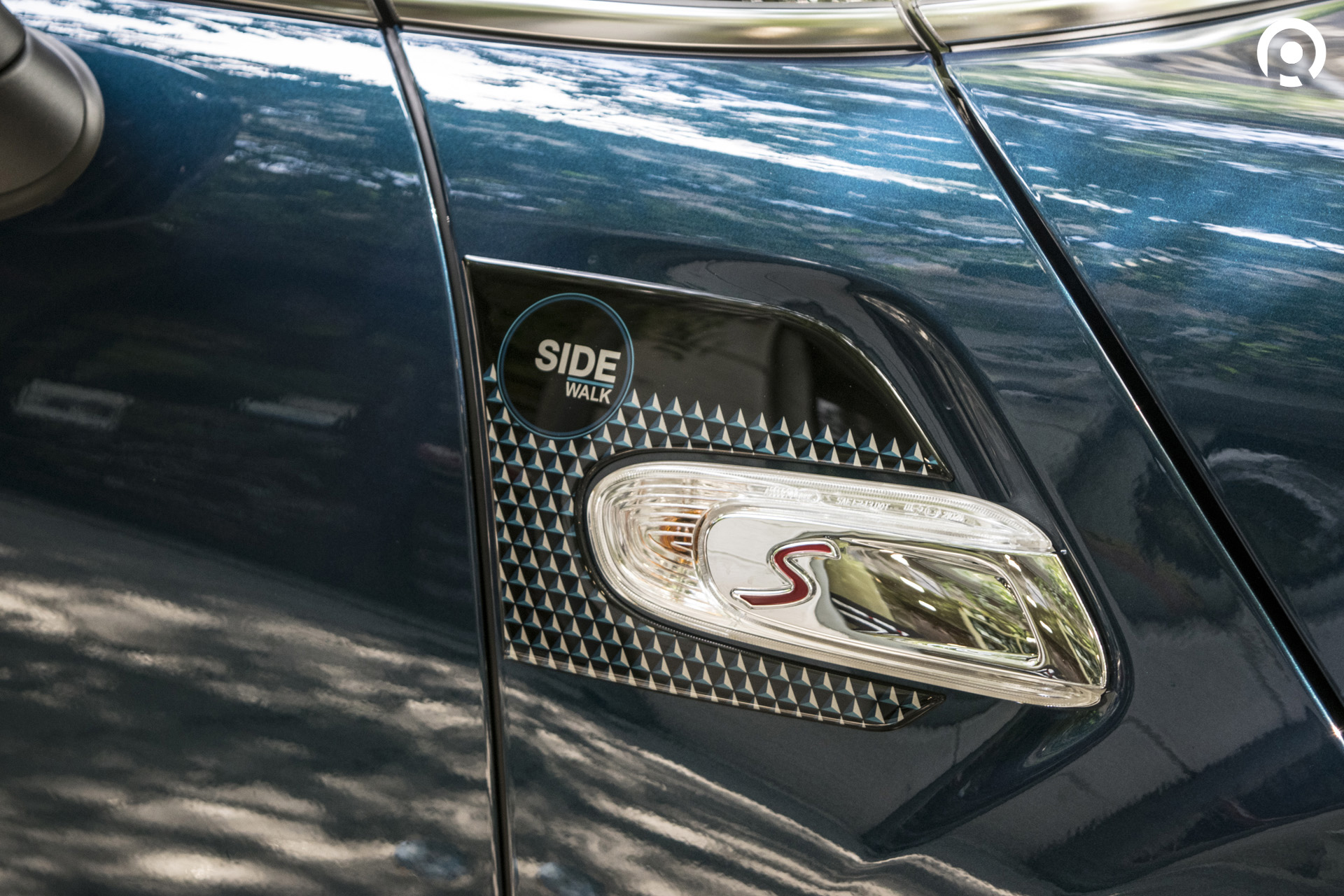
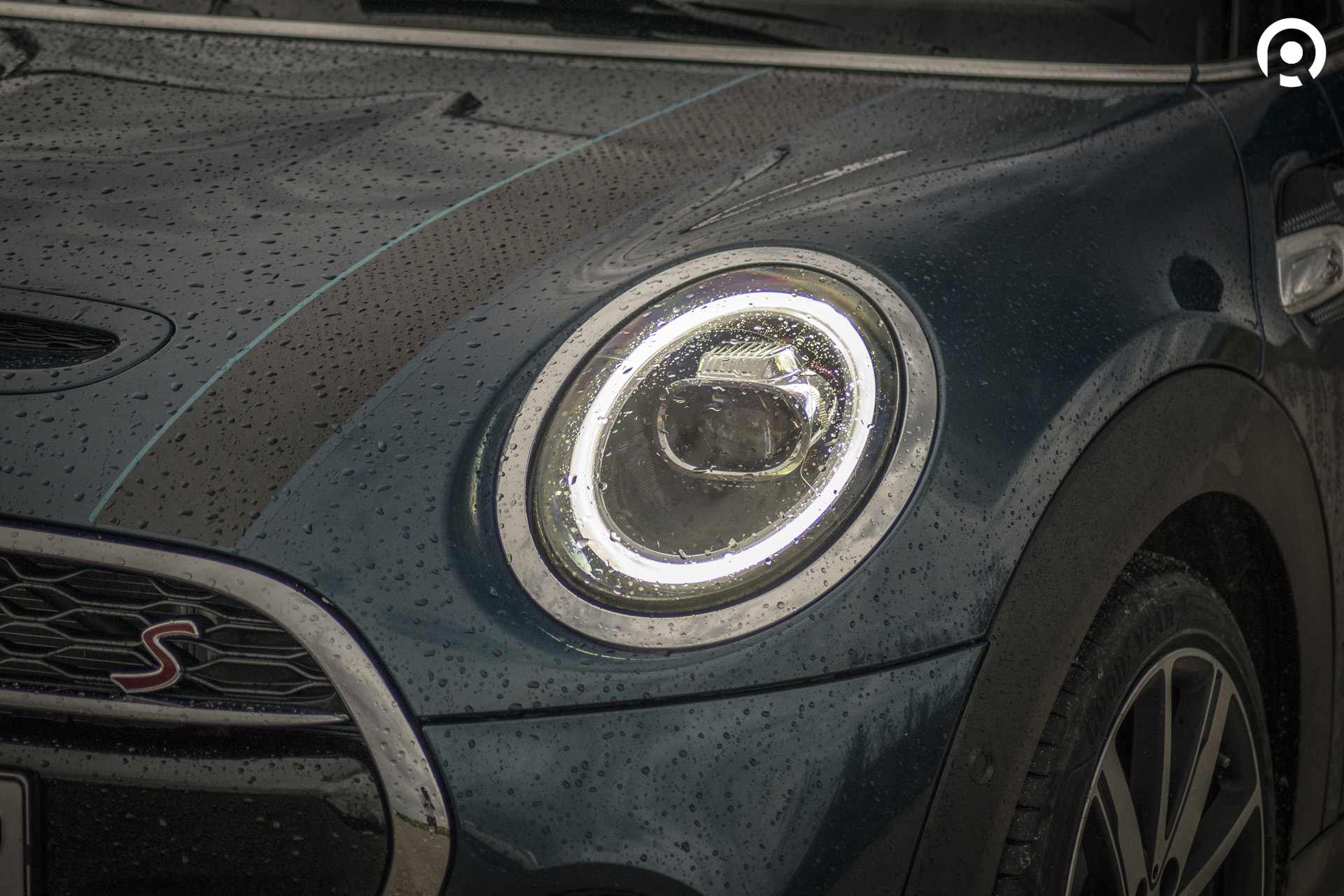
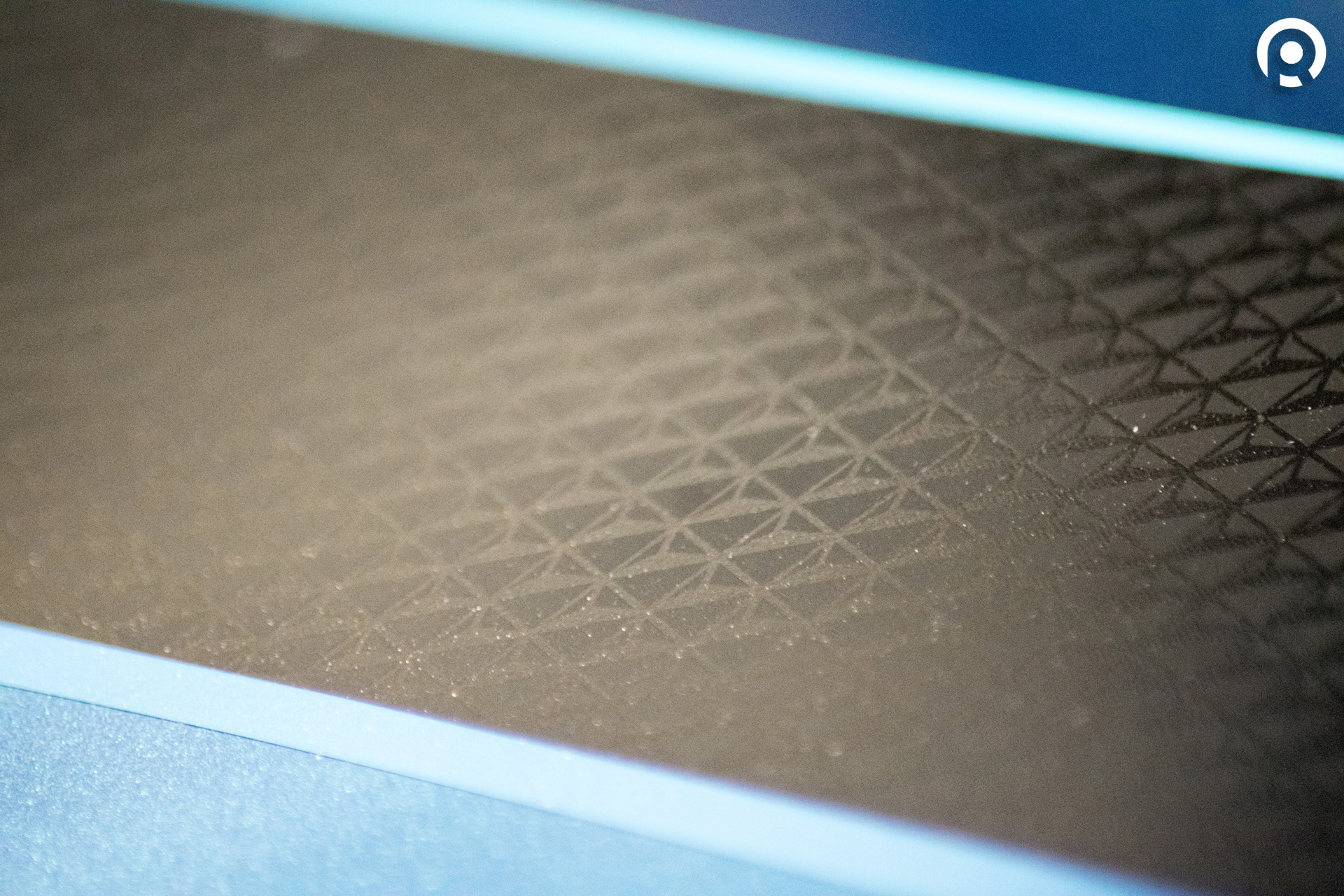
The Sidewalk version comes in the exclusive Deep Laguna colour. The bonnet stripes feature a unique graphic, which is also repeated on the fabric roof and side indicator trim. The details continue with specific side sills and interior changes, which we’ll get to next.
Interior
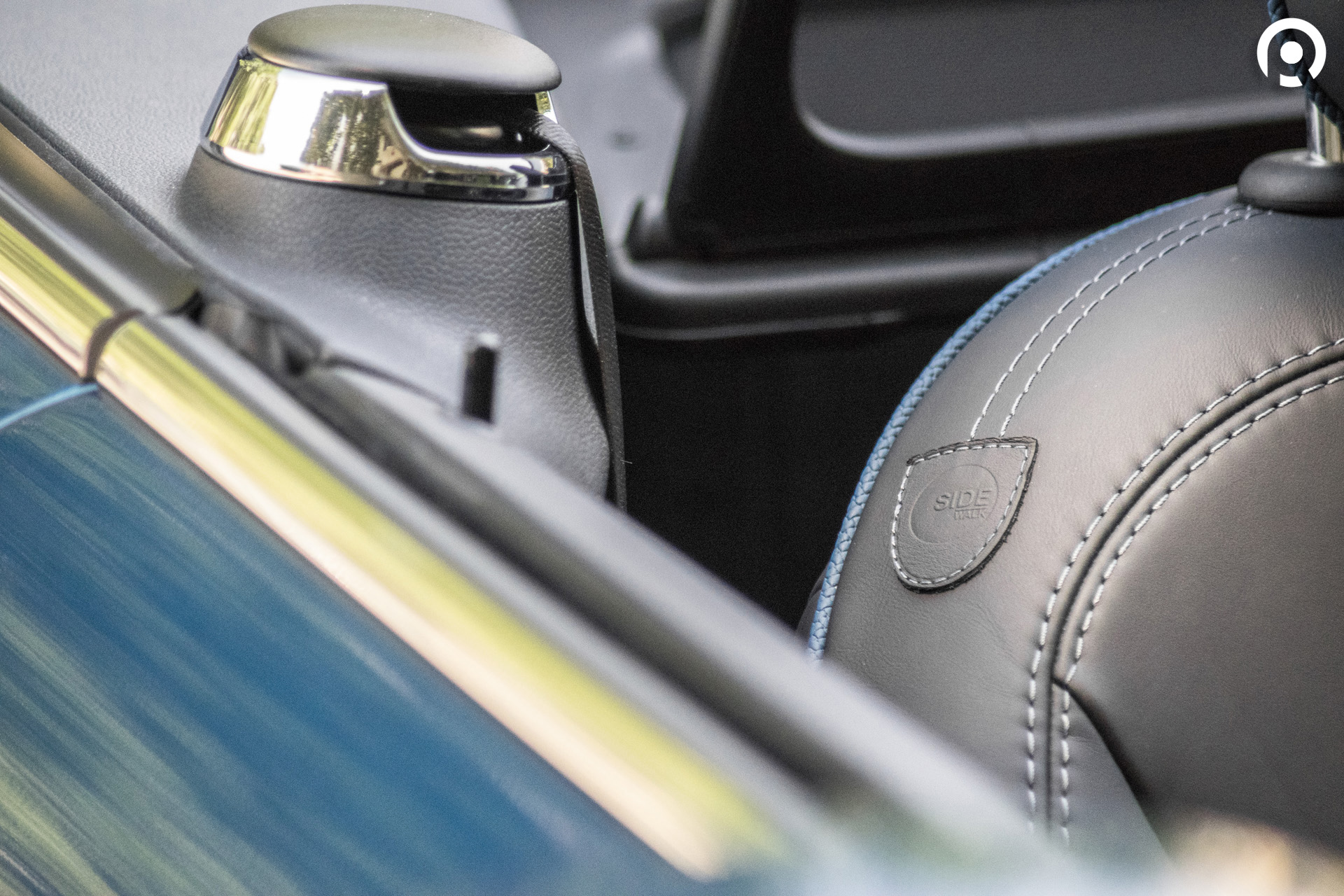
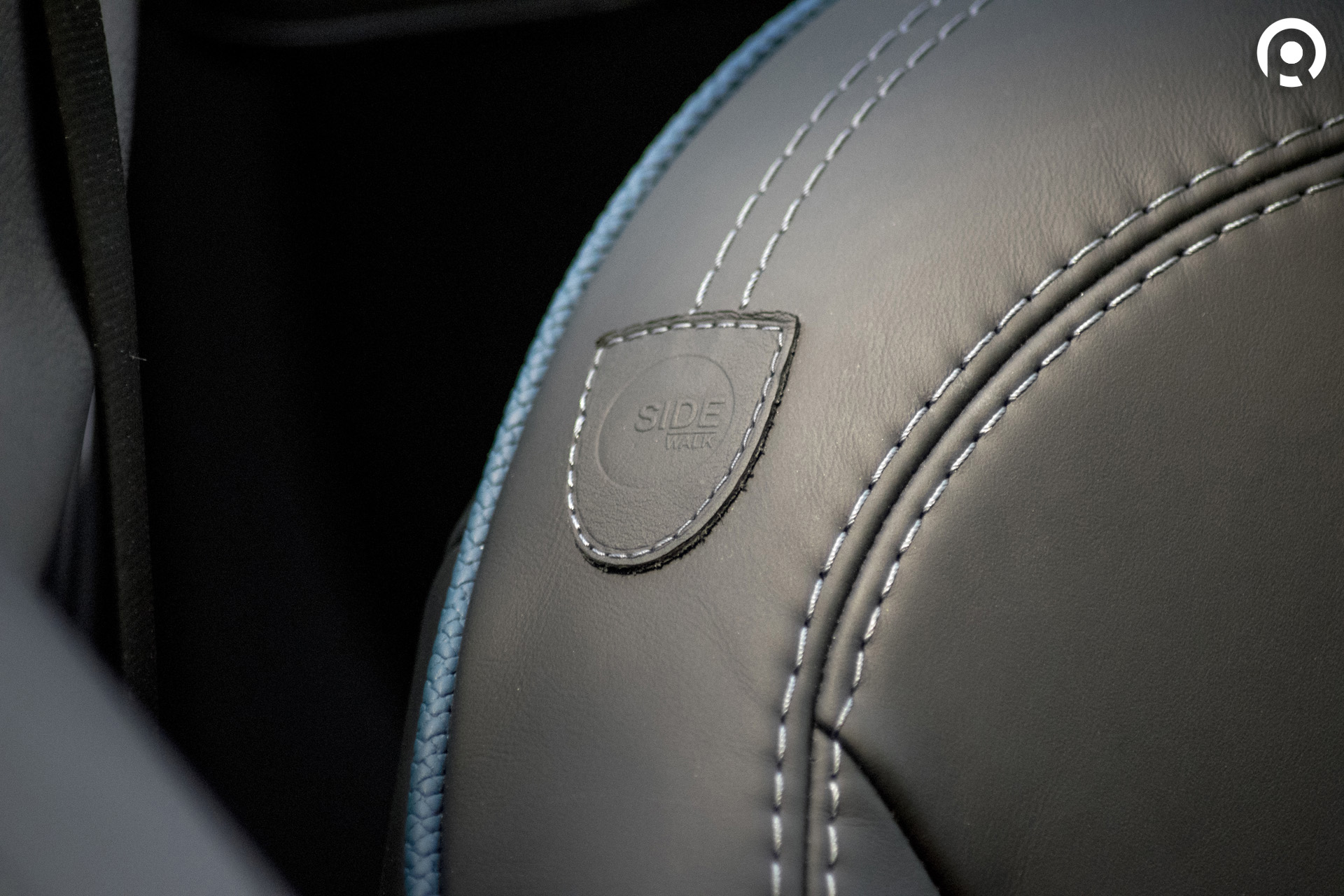
The Sidewalk theme carries over inside with black leather seats, yellow stitching, and blue piping. The door trims are also blue, while the dashboard panels feature the same graphic seen outside—this time illuminated. Finally, there’s the Sidewalk badge on the seats. The details add character and make the MINI interior feel more special, although I do have reservations about black leather in a convertible—especially without seat ventilation.
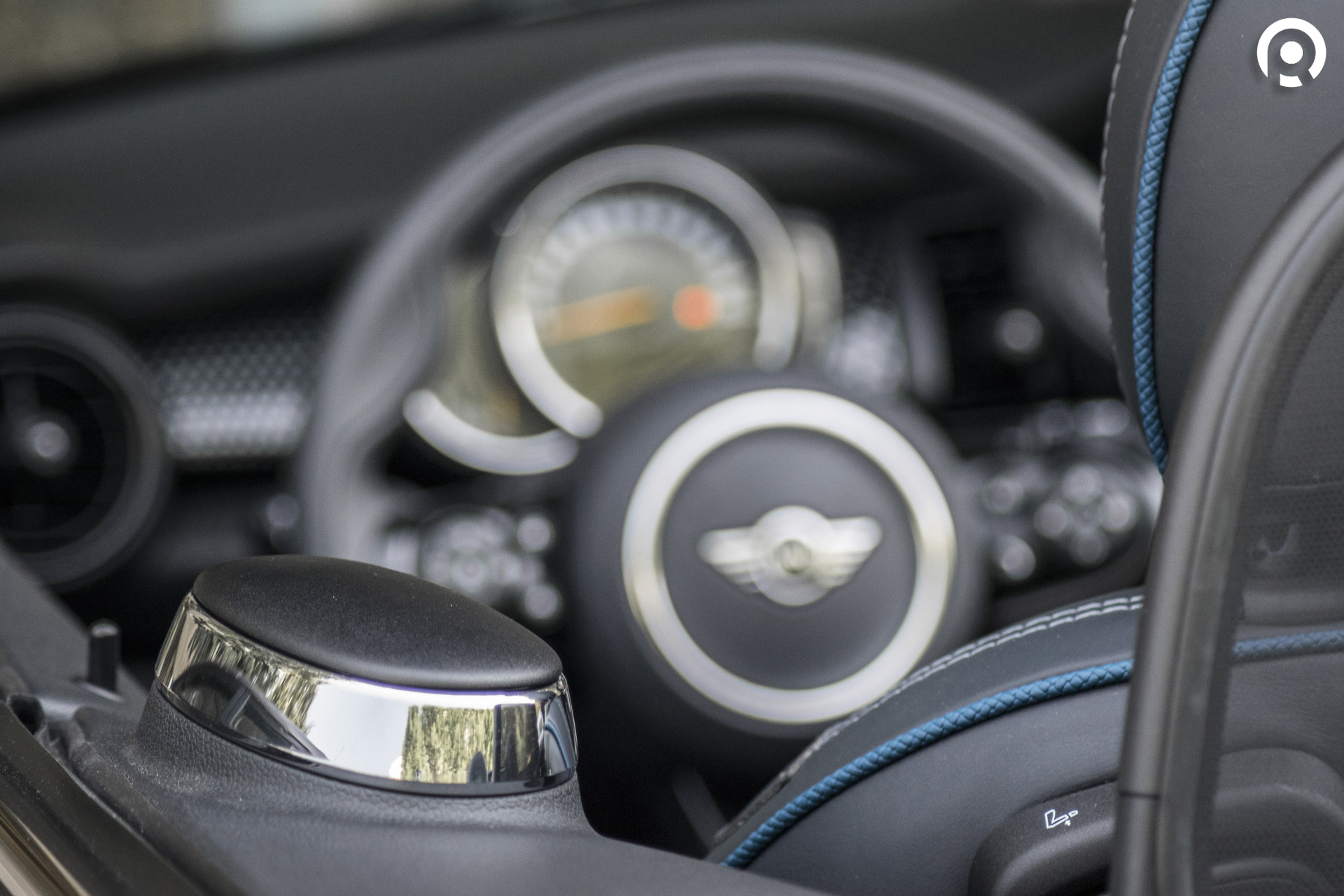
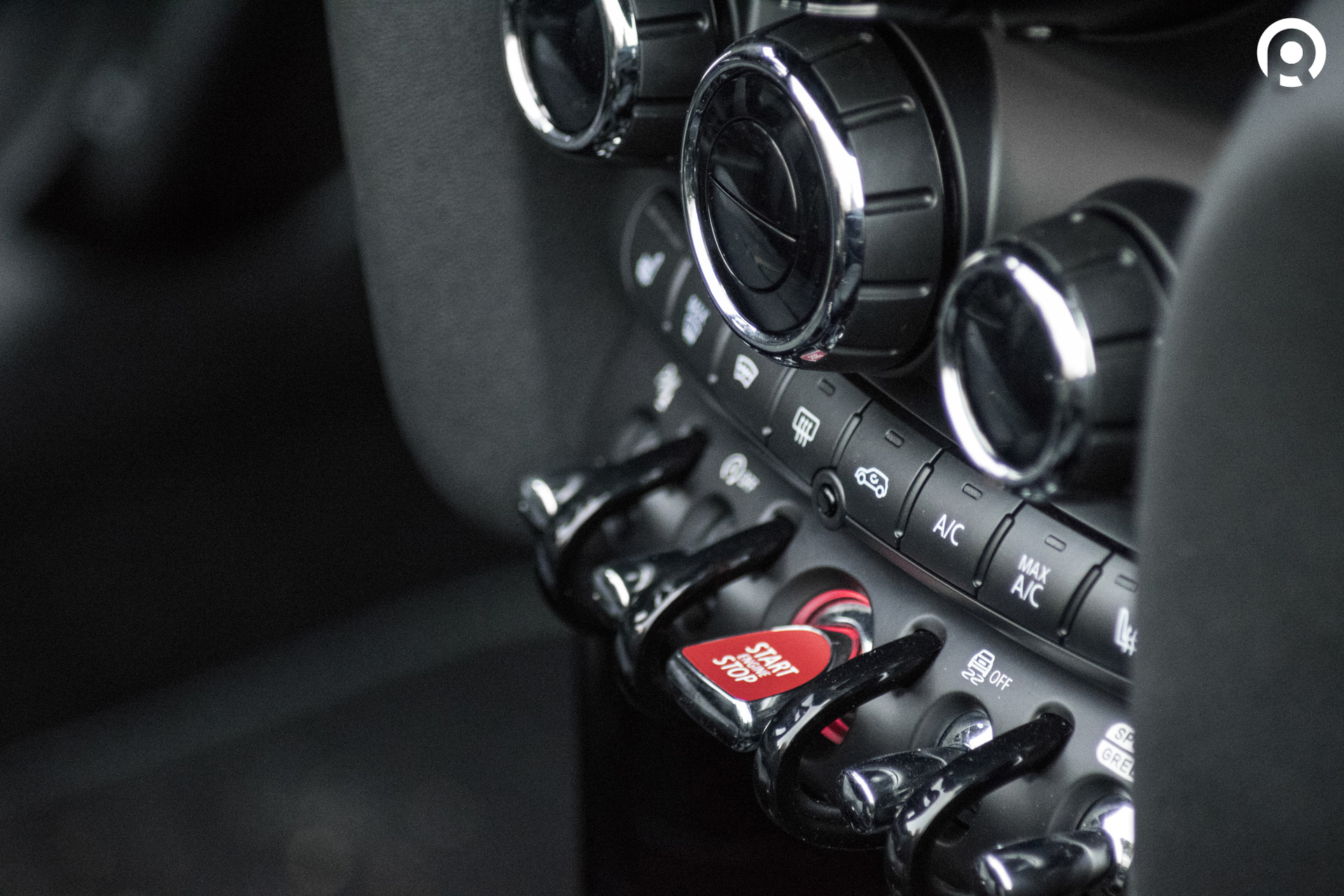
Otherwise, the interior is unmistakably MINI. It’s dominated by the circular housing around the infotainment display—a reference to the centrally mounted speedometer of older models. Without that function, it looks slightly odd at first, but you get used to it.
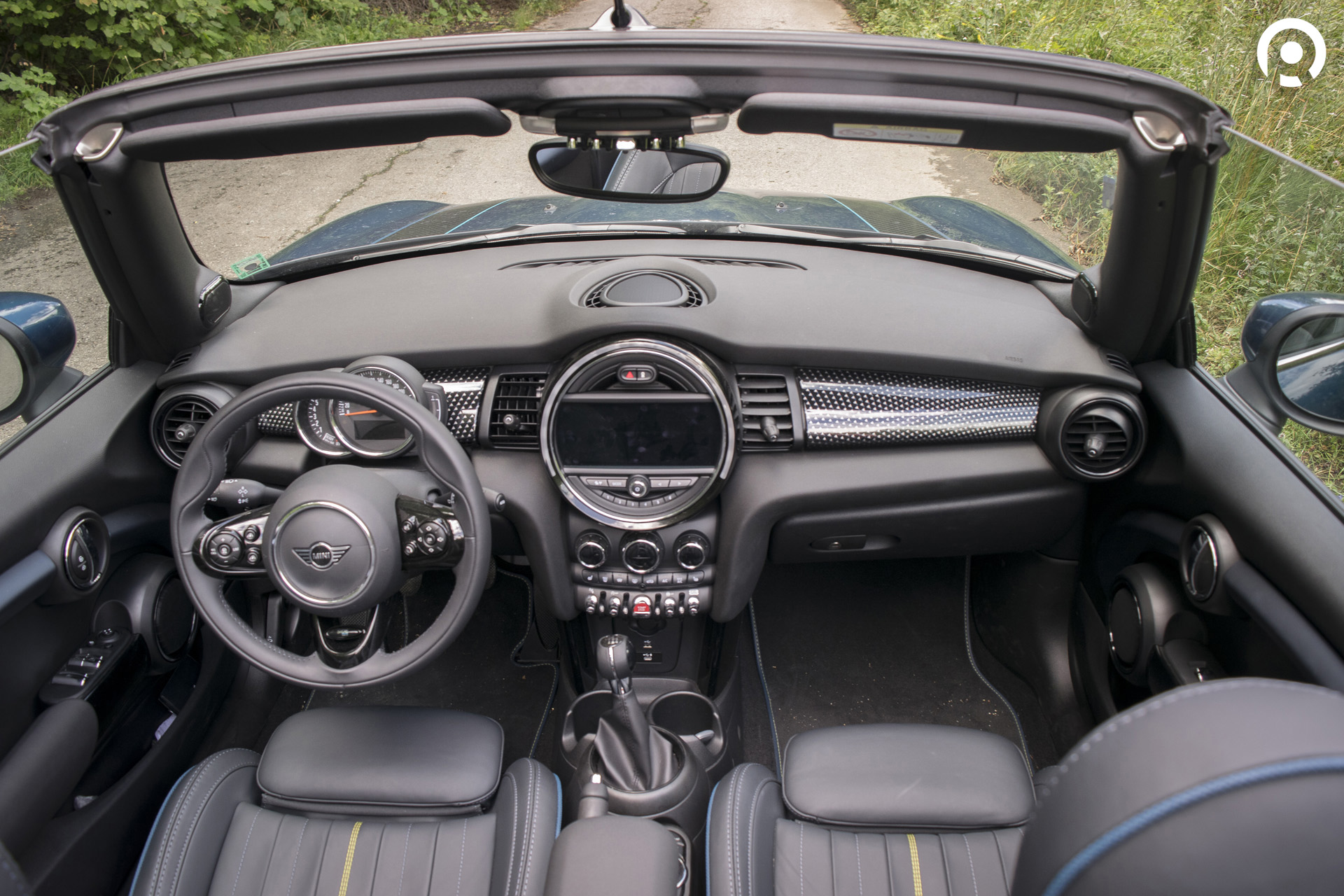
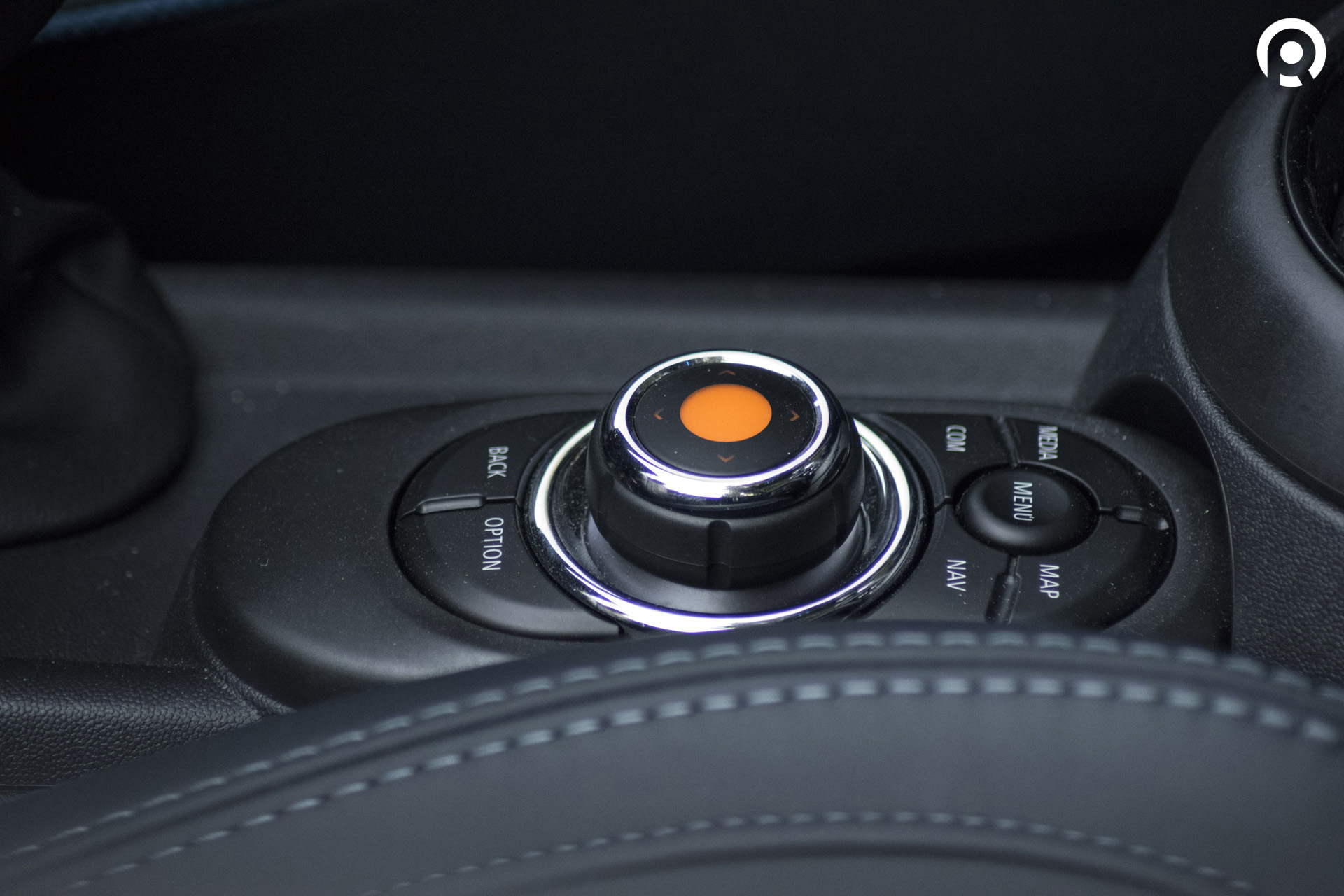
By today’s standards, the infotainment screen isn’t particularly large, but it’s excellent in use—sharp, bright, and intuitive. The system is among the best in the segment, controlled via a central joystick and shortcut buttons, although their low placement makes them slightly awkward to use.
There’s no digital instrument cluster as standard. You can get one as an option (around €200), but I actually think the analogue dials suit the MINI character better. The downside is that the speedometer is a bit cluttered, making it harder to read precisely in city driving. I would recommend the optional head-up display instead.
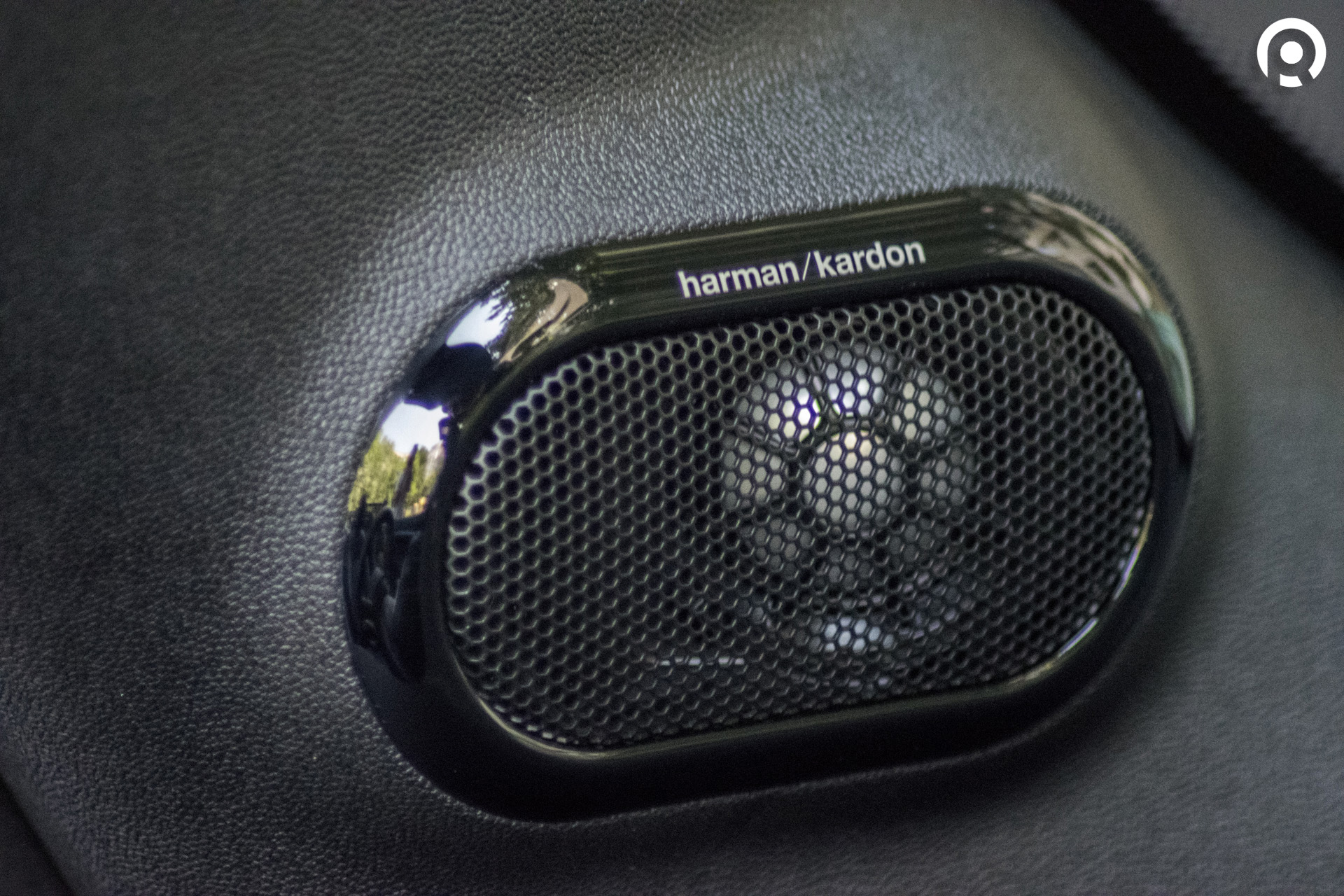
Another must-have option is the Harman Kardon sound system (around €815). It delivers rich, powerful sound and is especially worthwhile when driving with the roof down—which, let’s be honest, is the whole point!
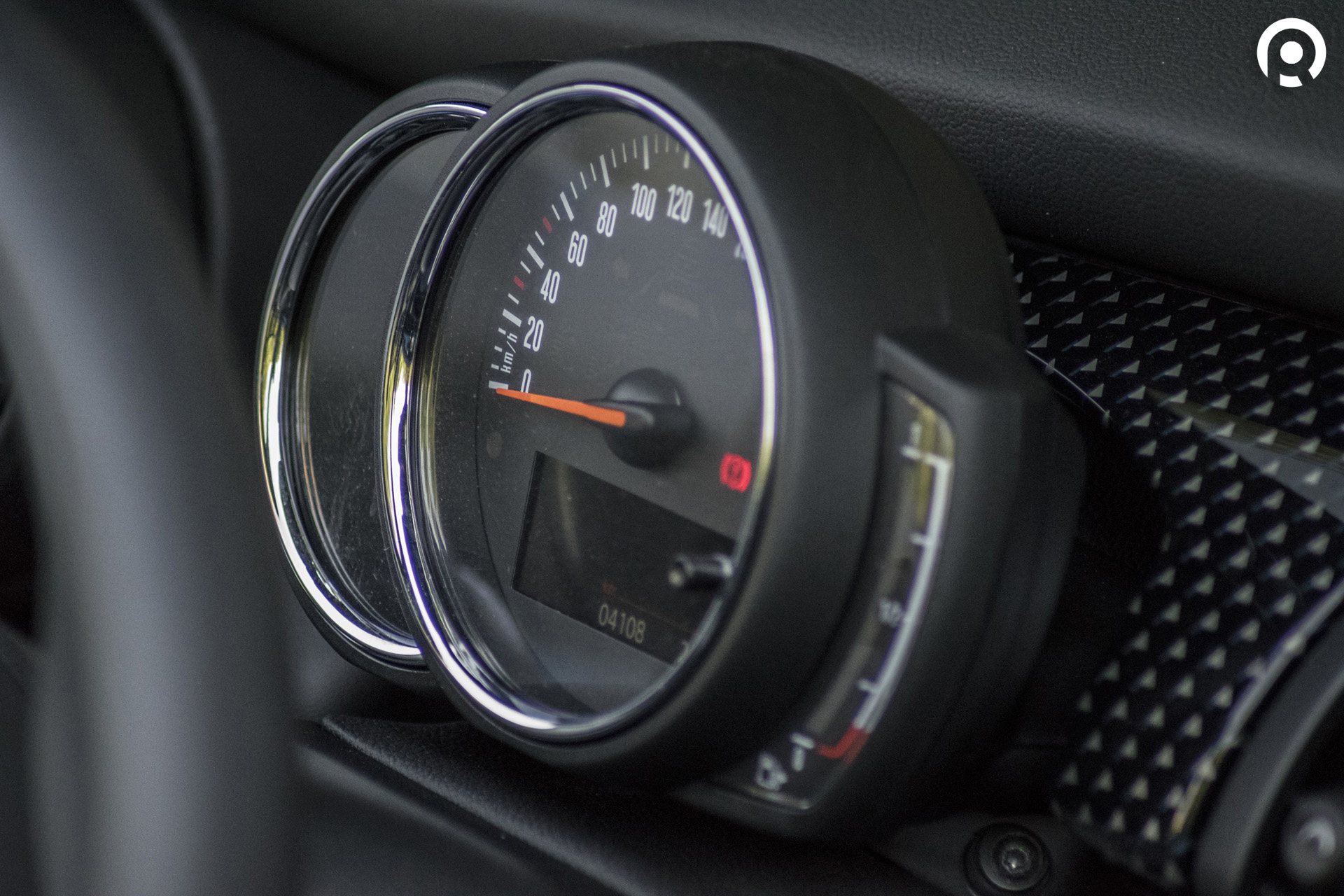
Material quality is good in key areas, but expectations are higher given the price. Small cars like the Renault Clio have significantly improved in this regard. Also, as with many convertibles, you’ll occasionally hear creaks from the roof mechanism.

The seating position is excellent, with supportive sports seats. The rear seats are usable only in emergencies and often serve better as extra luggage space. With the roof down, the boot shrinks to just 160 litres.
On the road
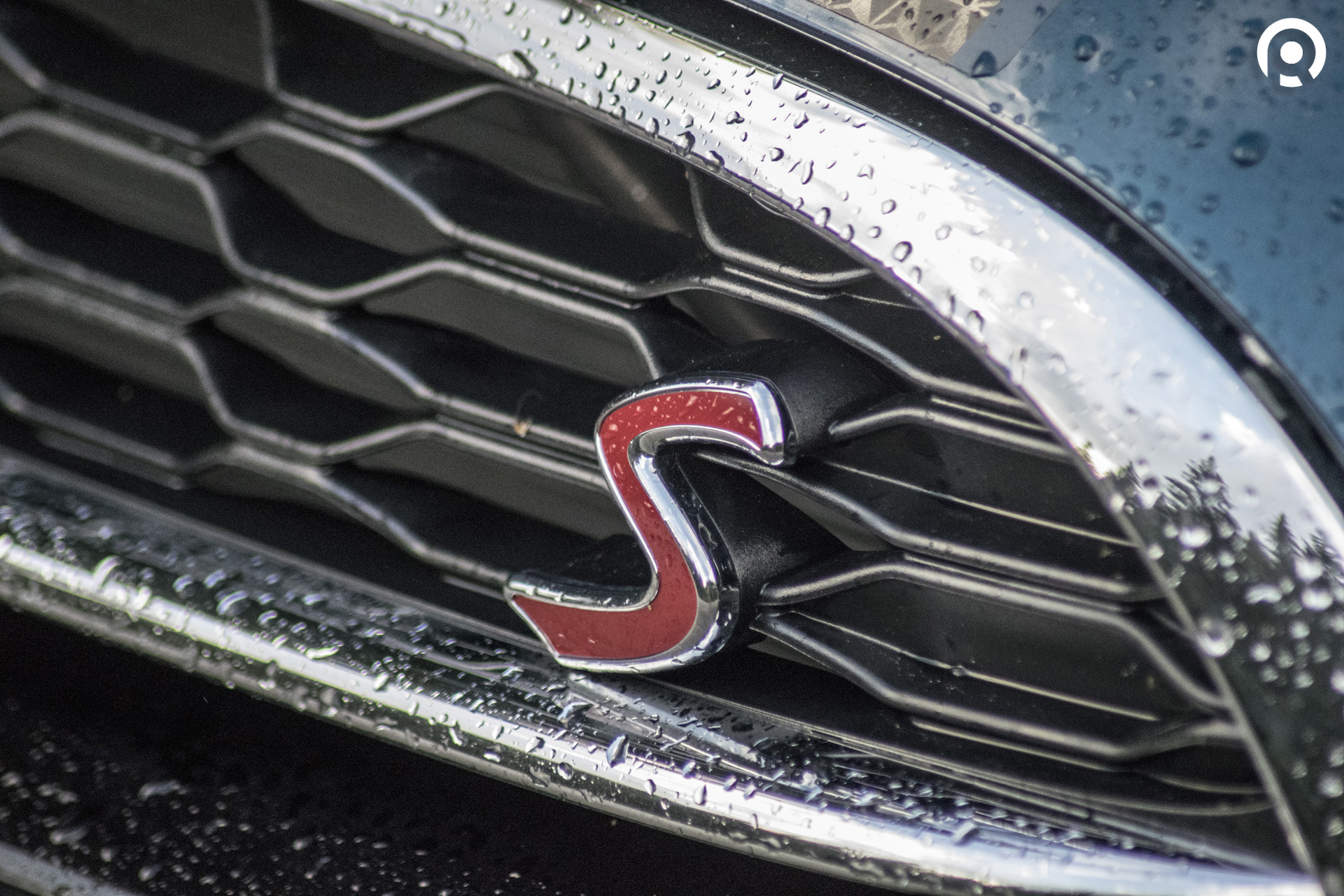
What does Cooper S actually mean? Beyond the sporty bumpers, bonnet scoop, and centrally mounted dual exhaust, it’s about what’s under the bonnet—a 2.0-litre turbocharged four-cylinder engine producing 192 hp and 280 Nm. With the six-speed manual gearbox, the Convertible reaches 100 km/h in 7.2 seconds and tops out at 230 km/h. Official fuel consumption is between 7.2 and 7.5 l/100 km.
Interestingly, the weight remains relatively low for a convertible—1,370 kg, just 95 kg more than the hatchback.
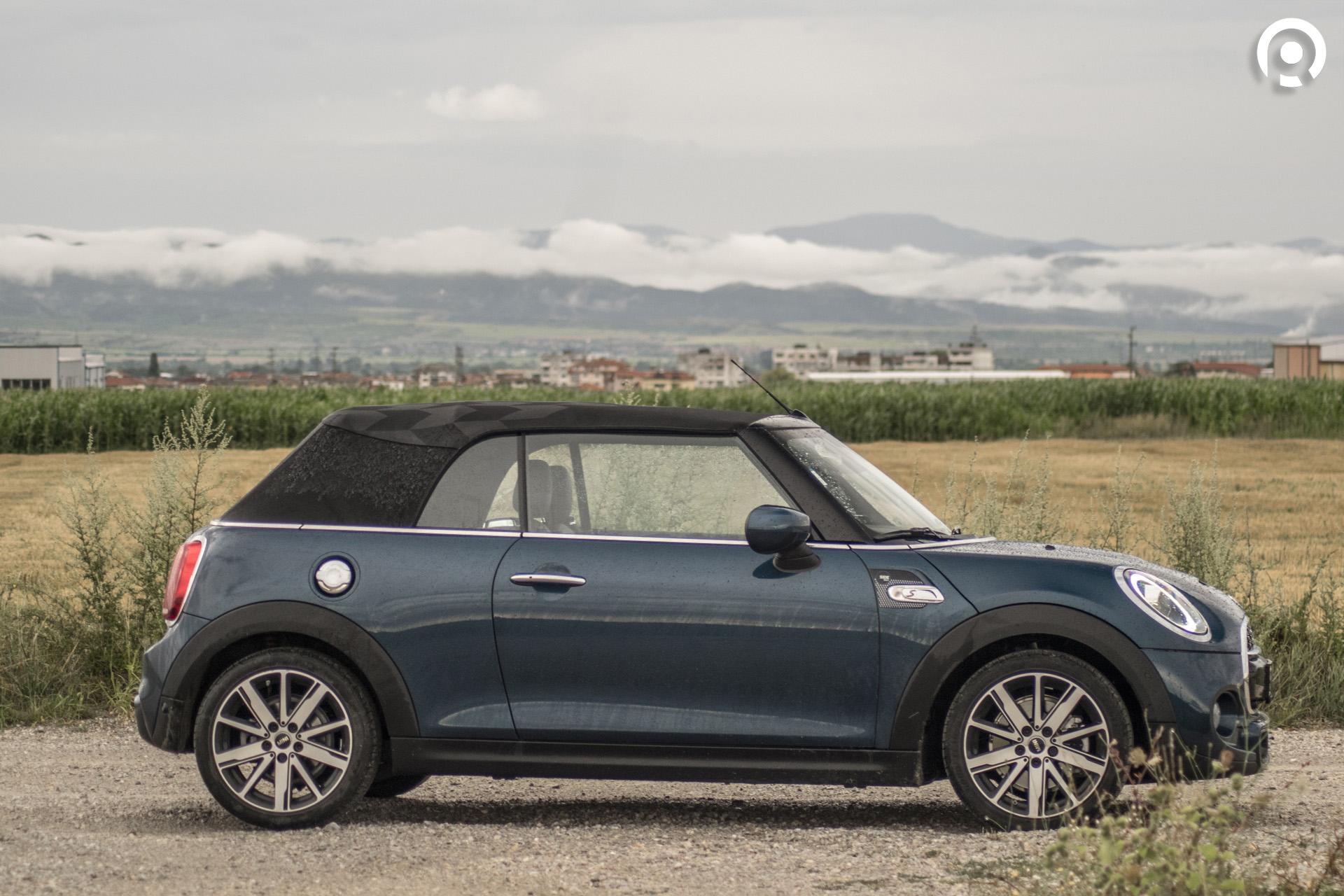
I left BMW’s parking lot in Sofia and headed straight towards the Pirin mountains. Not the most typical route for a supermini, but the Cooper S loves corners, I wanted open-top driving without city pollution, and experience has shown that long distances don’t intimidate a MINI.
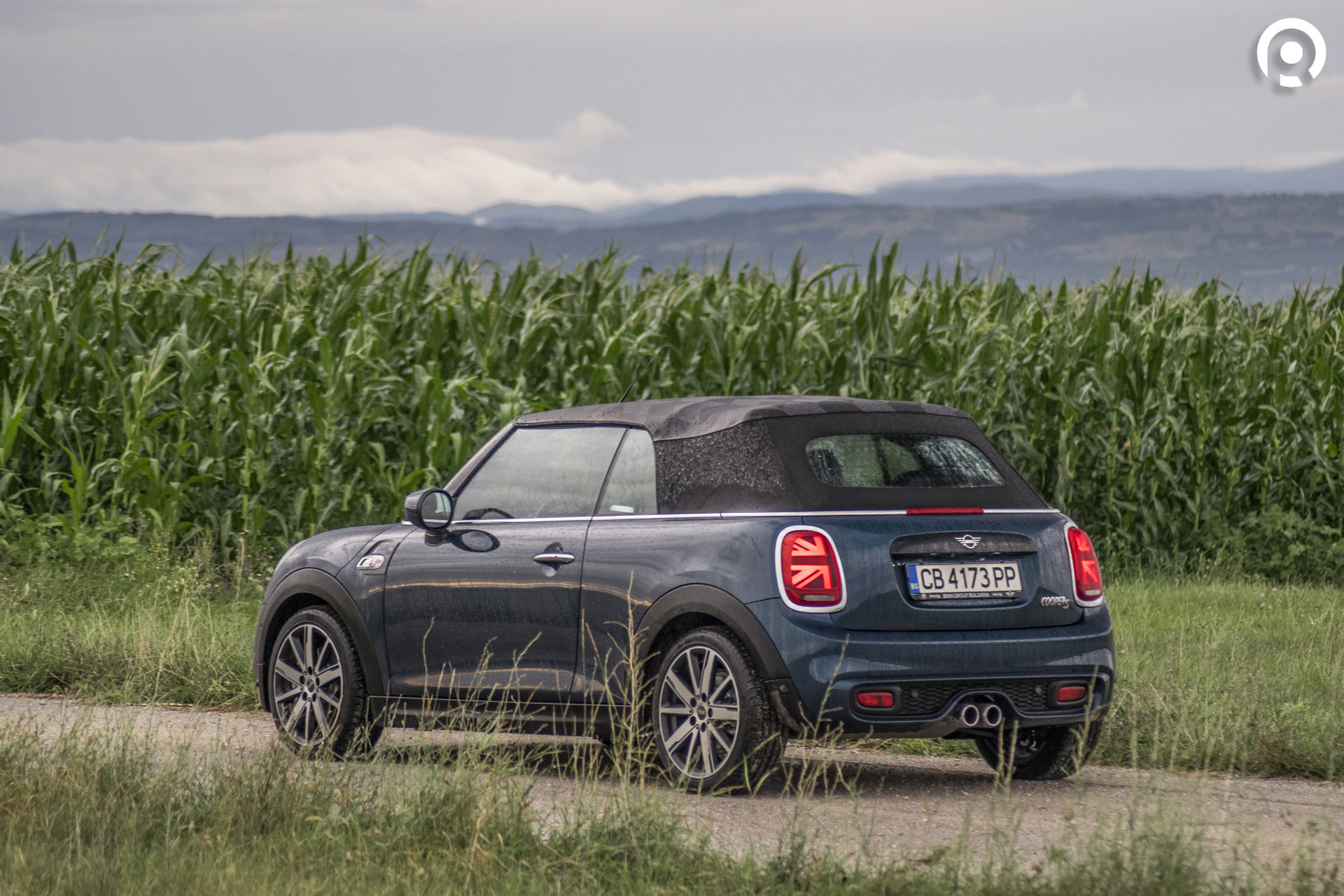
On the motorway, the car feels surprisingly mature. It remains stable even at higher speeds, making long journeys relaxed and effortless. Compared to something like a Ford Fiesta ST, which feels more nervous, the MINI is calmer and requires fewer steering corrections.
Acceleration is strong and effortless, and under throttle you get a distinctive exhaust note—remarkably similar to the first modern Cooper S from nearly 20 years ago.
Of course, aerodynamic noise is present. The upright windscreen and fabric roof generate noticeable wind sounds, but they remain within acceptable limits.
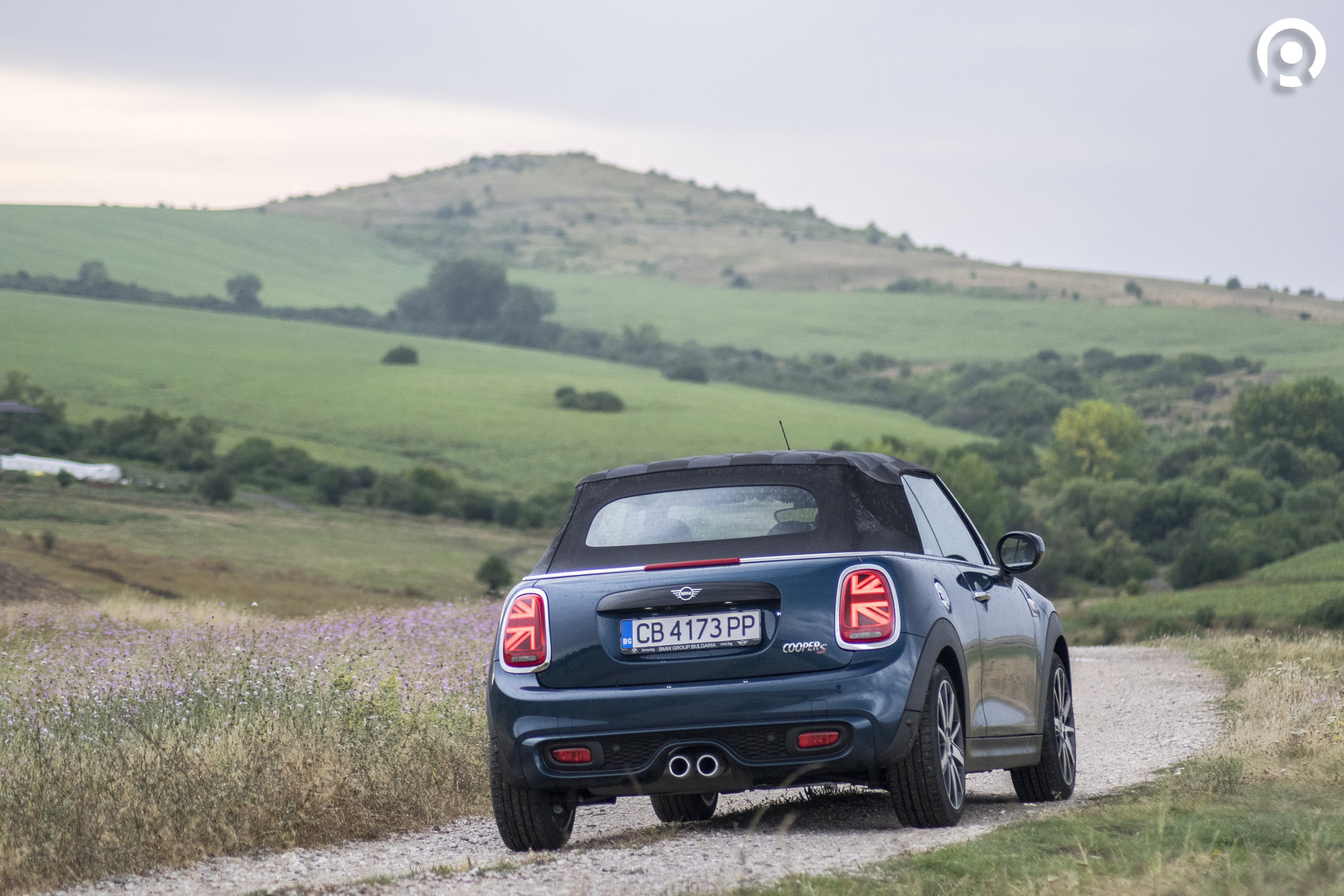
After leaving the motorway and finally finding some proper twisty roads near Simitli, I lowered the roof, switched to Sport mode, and headed towards Bansko.
Sport mode transforms the car. It feels like the baseline setup, while the other modes seem artificially softened. The steering gains weight, throttle response sharpens, and everything feels more natural.
The steering is direct and precise without being nervous. The car takes corners with stability and enthusiasm, with minimal body roll. The exhaust becomes more pronounced, although I did miss some crackles—likely subdued by modern emissions filters.

Обратно на пътя
Back on the road
After that “lyrical detour”, I return to the drive—just after leaving Simitli, where I finally pulled over, pressed the button that quickly and fully folded the soft top into the boot, switched the car into Sport mode, and set off towards Bansko.
I have to say, Sport mode makes a serious difference to the car’s behaviour. In fact, it feels like this is the setting the car was really built around, while the others are more like an artificial softening. In Sport, everything feels natural. The heavier steering is spot on, and the throttle response is sharpened just enough.
Without overdoing it on the throttle, I simply enjoyed the road. The steering is direct and precise without being nervous, and the car takes corners with stability, minimal body roll, and—somehow—with genuine eagerness. The exhaust note becomes more pronounced here, although I do miss a bit of crackle. Either my hearing is failing me, or the presence of a particulate filter has toned things down. Even so, the car remains engaging and sounds good.
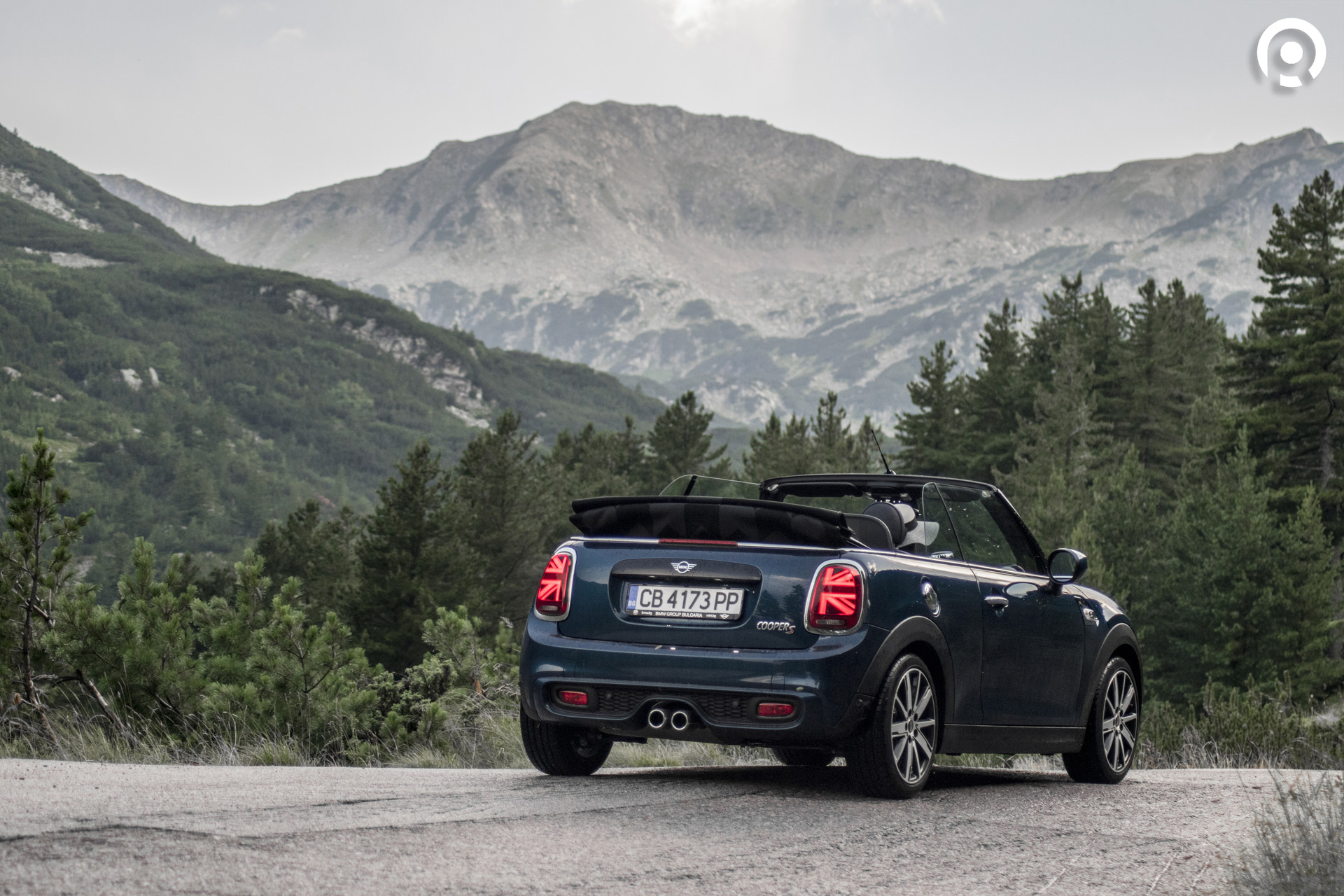
Another entertaining detail is the pronounced whoosh of the valve releasing pressure from the turbo when lifting off the throttle. And one more particularly satisfying feature in Sport mode—the car automatically rev-matches on downshifts, adding a perfectly timed blip of throttle. The result is quicker, smoother gear changes and, ultimately, more accessible fast driving.
As for airflow in the cabin, there’s quite a bit of it—even with the wind deflector mounted behind the front seats. But then again, if a bit of wind bothers you, a convertible probably isn’t for you 🙂
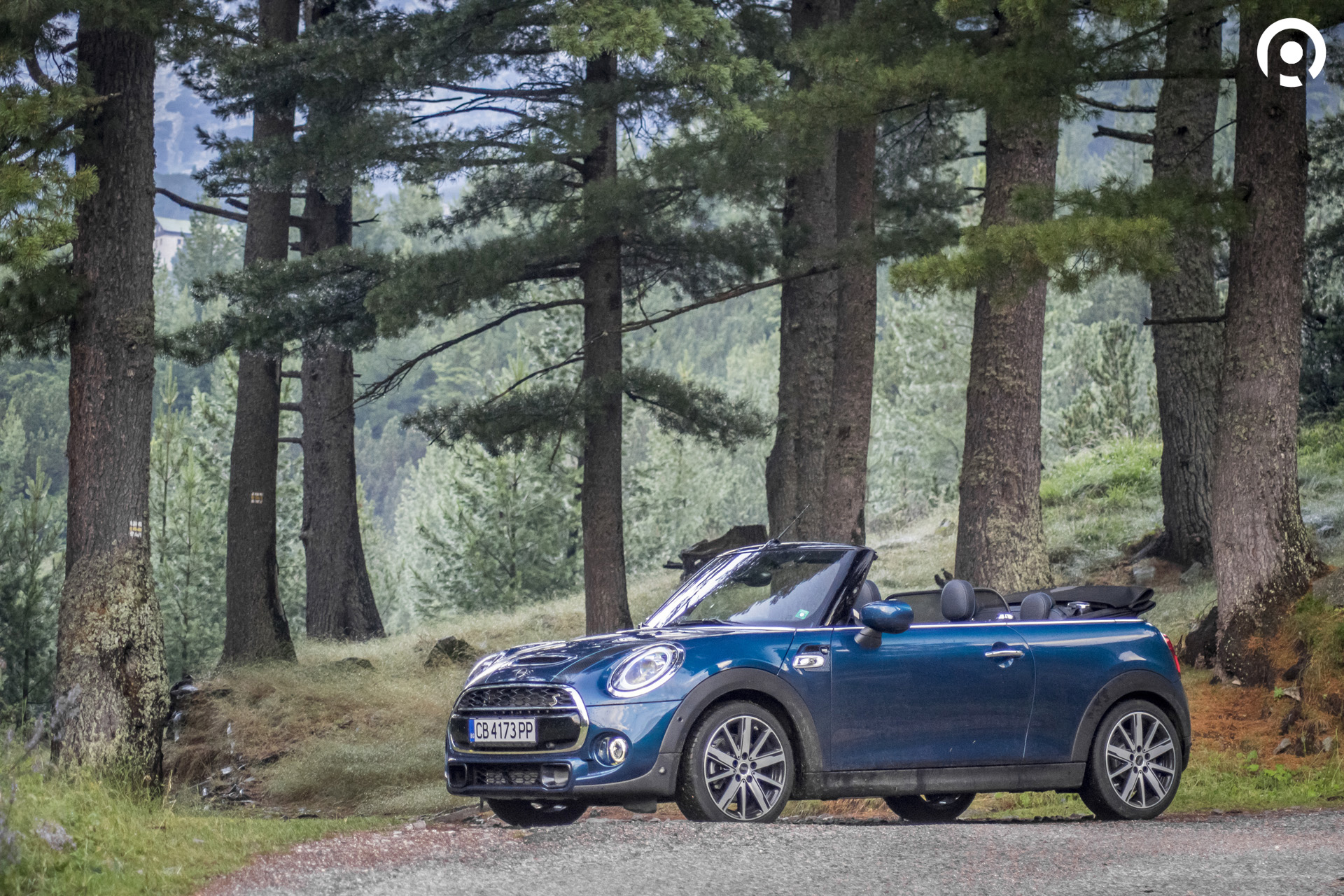
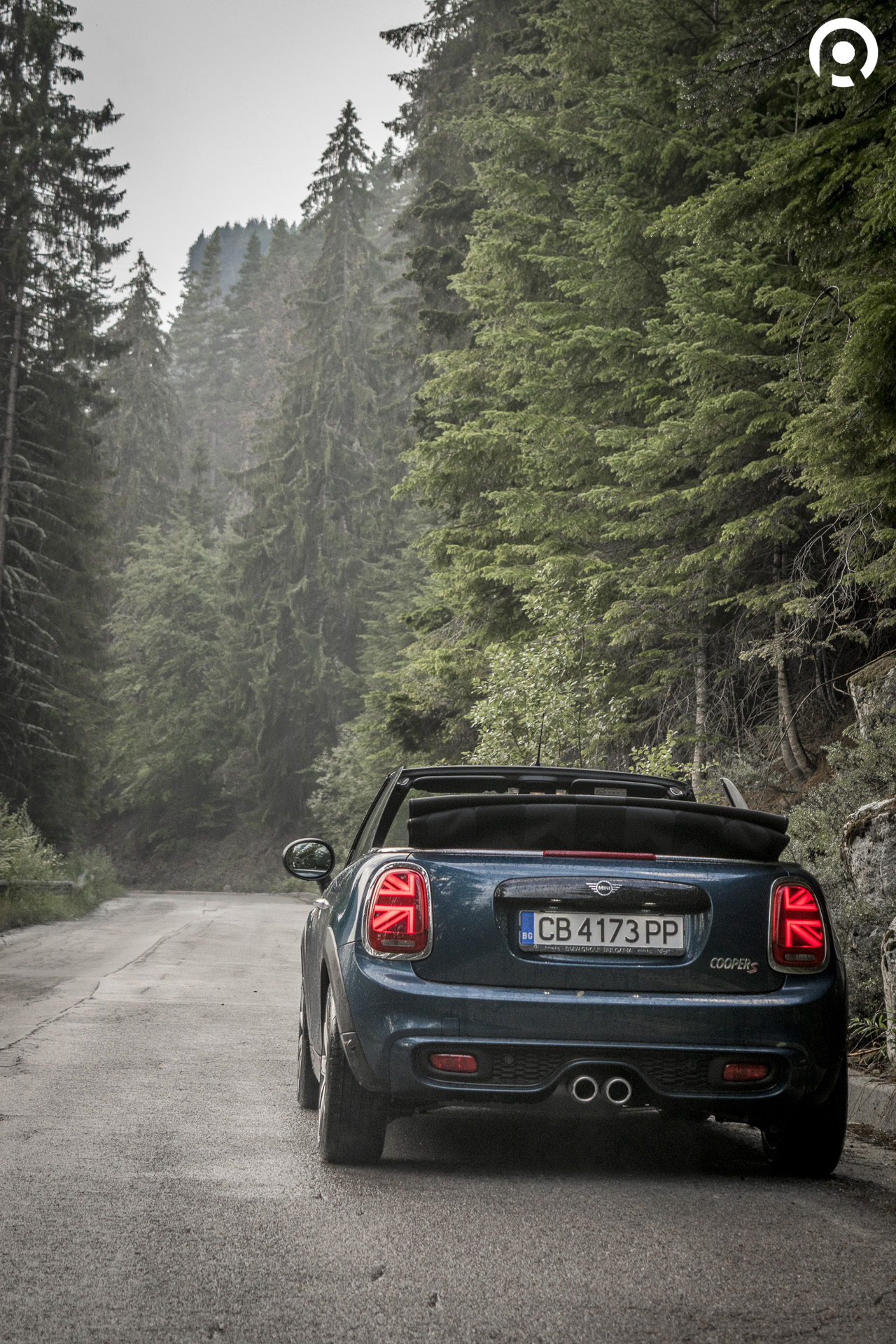
What truly impressed me was the fuel economy. After mixed driving—open and closed roof, city traffic, spirited mountain runs—I averaged 7.5 l/100 km.
That’s an excellent result, matching the official figures. On the motorway it rises to around 9 l/100 km, while relaxed driving at 90–100 km/h can drop consumption below 5 l/100 km.
Conclusion
The MINI Cooper S Convertible is a well-crafted machine built for enjoyment, full of character. It wins you over with its charming design and engaging driving experience.
It manages to combine hot hatch DNA with a more mature road behaviour—fun when you want it to be, but also capable of relaxed driving.
The powertrain deserves praise for its strong performance, smooth delivery, excellent manual gearbox, and impressive efficiency.
The downsides come from the segment—limited space and practicality. The firm suspension can also be tiring on poor roads, and the roof mechanism can produce occasional noises. But if you want a convertible, these are compromises you’ll have to accept.
The Sidewalk version adds even more style, and the overall package is visually striking. However, its price of over €4,000 makes it a matter of priorities.
Would I buy a Cooper S Convertible? Yes. It’s not cheap—but it has a lot of charm 🙂
Eng. Tsvetan Iliev