
When it first arrived on the market in 2003, the original BMW X3 stood out with astonishing road behaviour for its size and weight—at the expense of almost complete lack of ride comfort. Initially, the model wasn’t particularly well received due to its controversial design (to put it mildly, without the M package it didn’t look good at all), but it turned out to be a huge market success.
What drove that success? Mainly its practicality and—just as importantly—its road manners. The X3 combined the usability of a 3 Series Touring with generous cargo space and excellent handling, along with the higher driving position typical of SUVs.
The second generation was more “neutral”—the design was accepted, competition had already arrived (mainly in the form of the Audi Q5 and Mercedes-Benz GLK), but it didn’t stand out with anything particularly special.
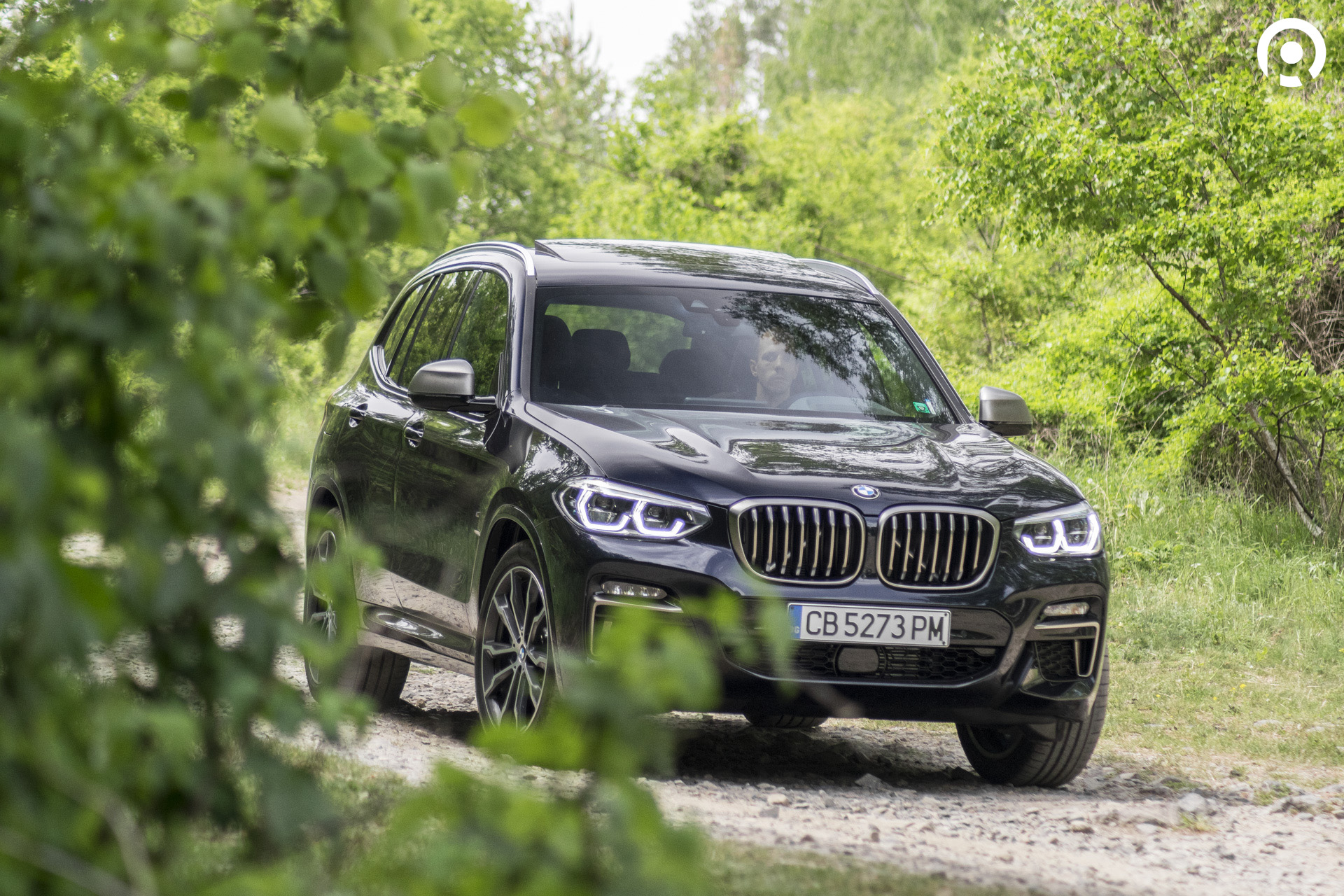
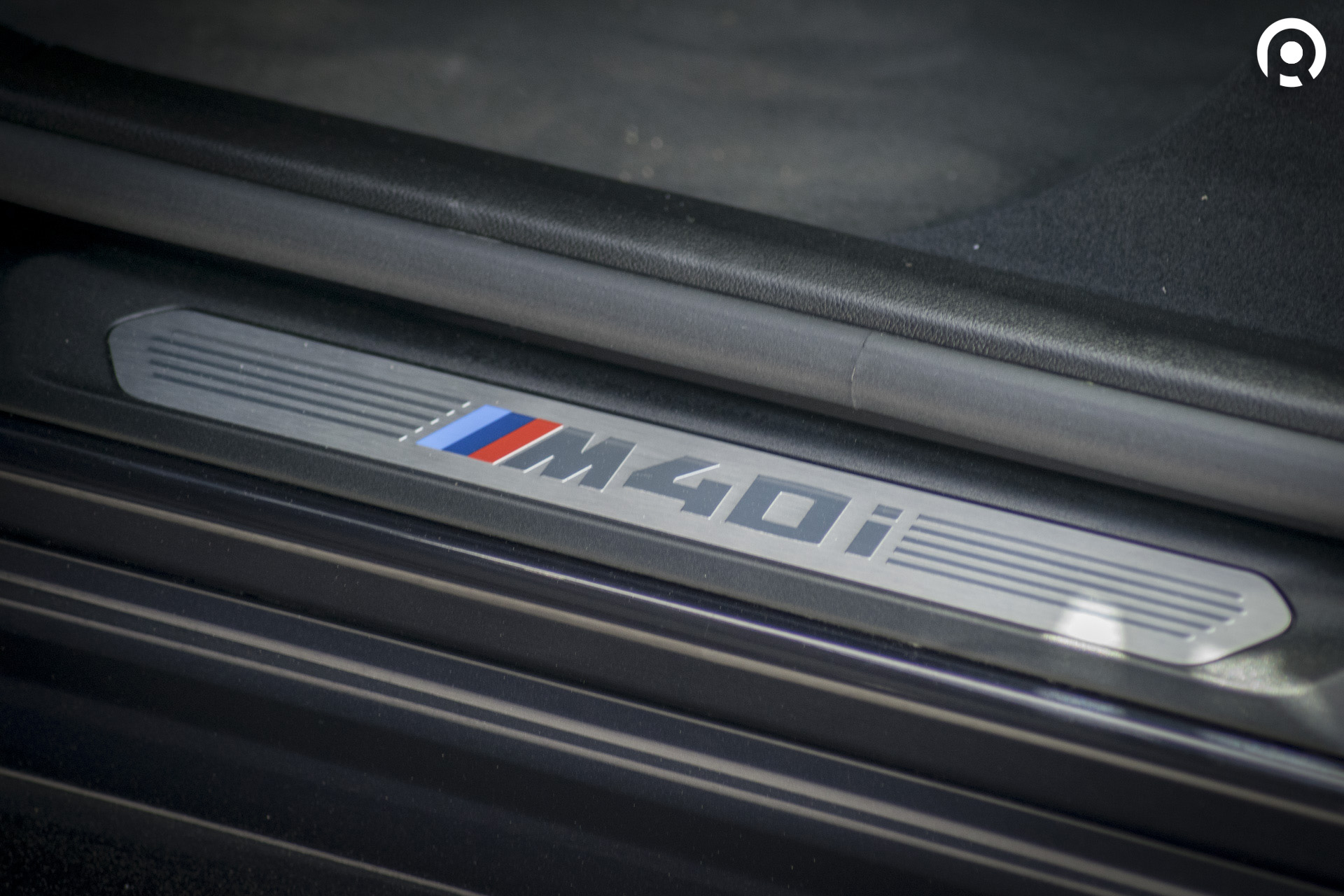
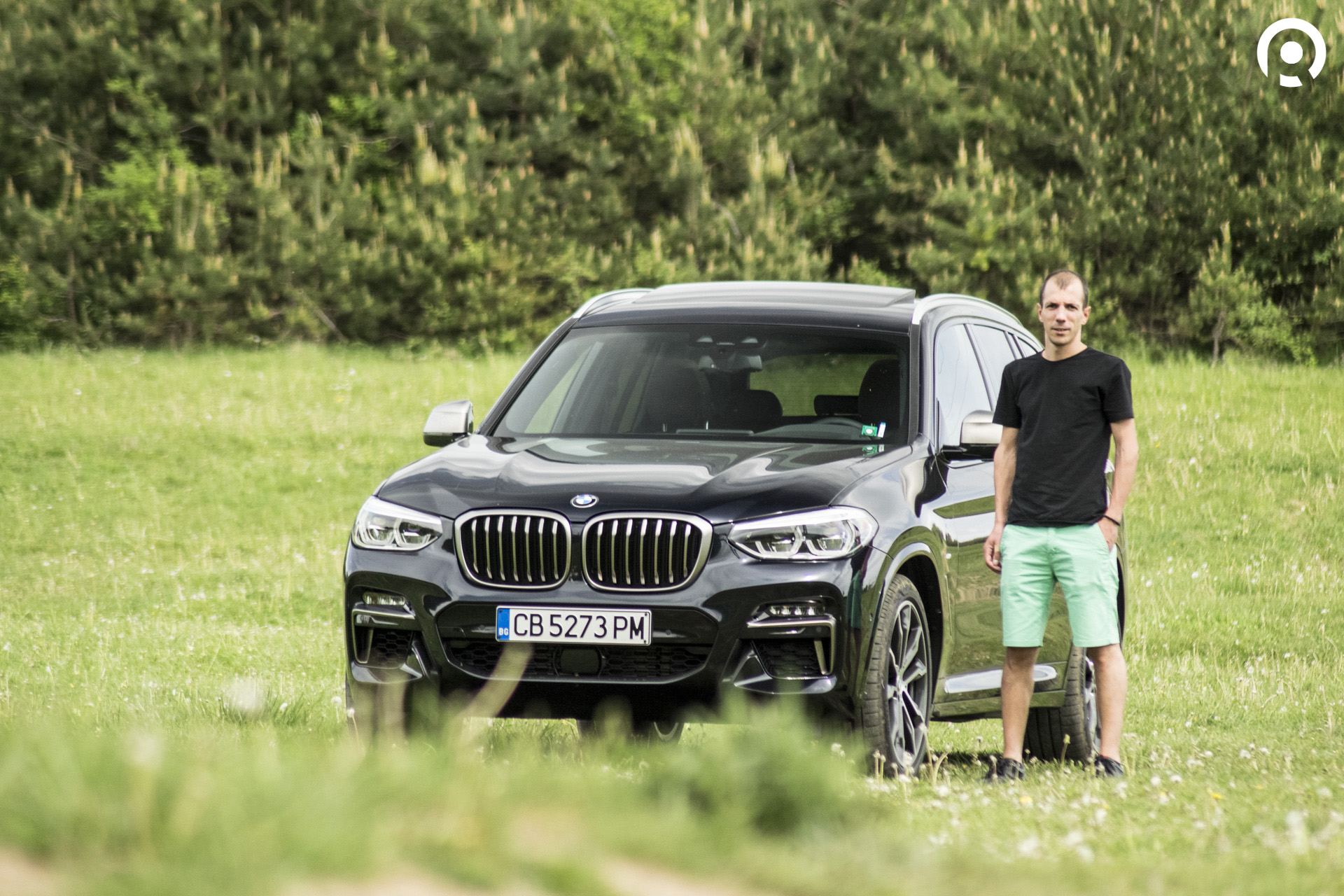
In 2018, the third generation of the BMW X3 was introduced, and thanks to M Car Sofia, we had the opportunity to test the top version short of a full M model—the M40i. This generation clearly brings a more luxurious interior and improved comfort, while the version we tested also adds serious performance.
The question is—can the X3 still successfully combine power, practicality and comfort?
Design
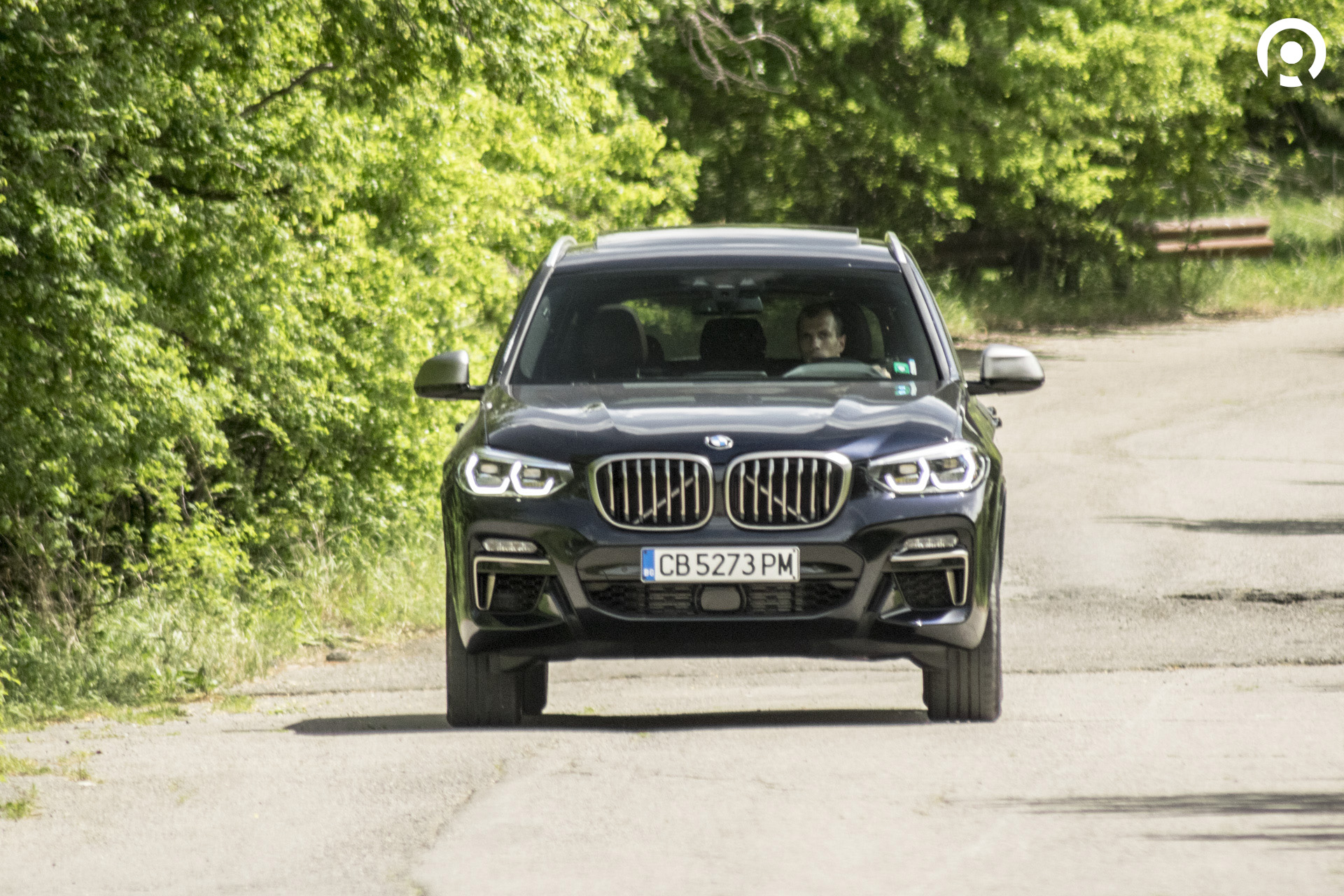
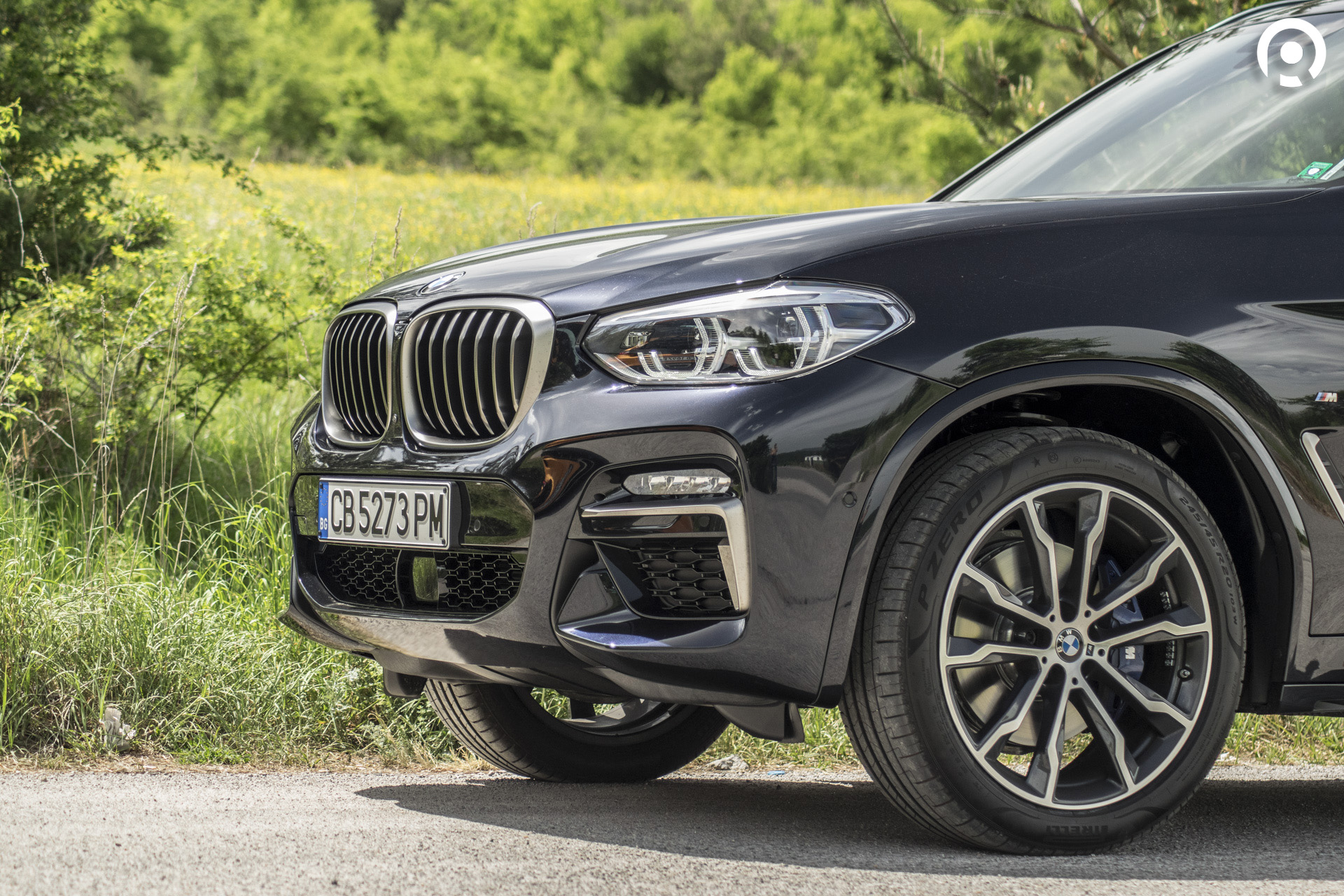
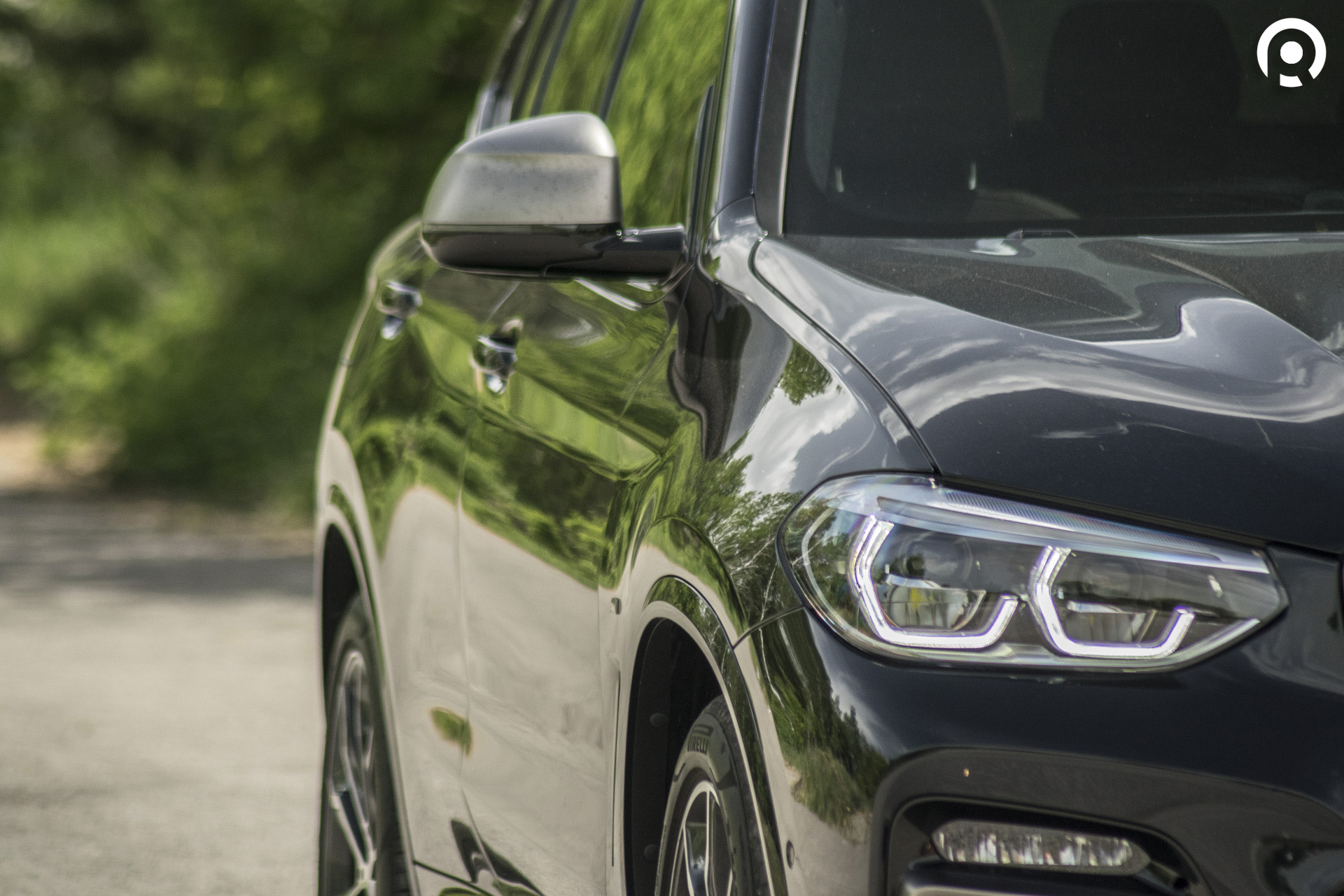
BMW’s current design trend of enlarging the kidney grille is clearly visible here compared to the previous generation—which, in principle, would normally bother me. In this case, however, the grille hasn’t yet grown to excessive proportions, and the X3’s size helps it integrate well into the front end.
Overall, the design is rather conservative and restrained. The fog lights are positioned directly below the main headlights and, when the engine is off, can easily be mistaken for daytime running lights.

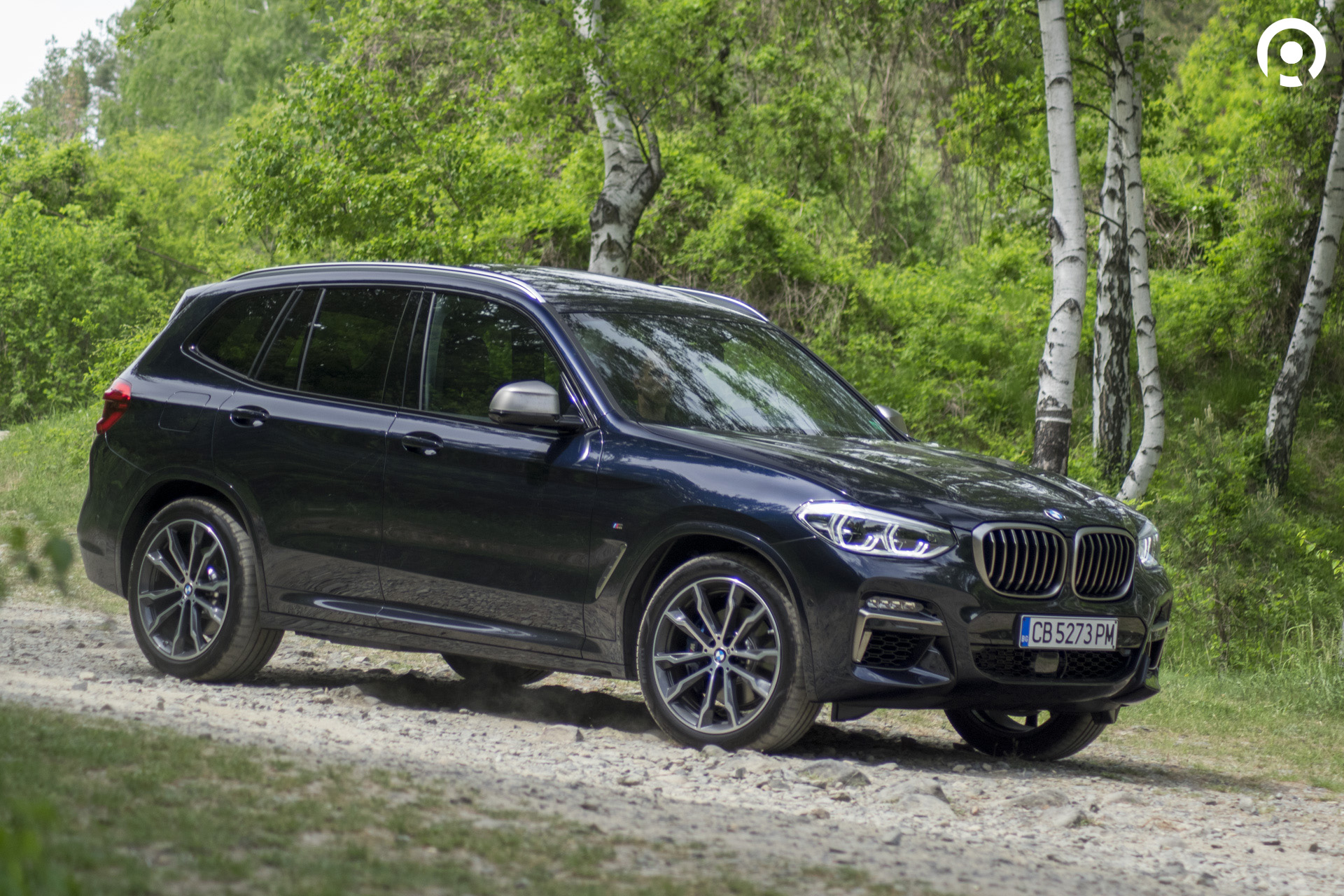
The M40i sits between the xDrive30i and the full X3 M. In terms of design, it’s closer to standard models equipped with the M Sport package, which adds a more dynamic look through larger air intakes, side skirts and bigger wheels. The test car came with 20-inch wheels, which, in my opinion, suit it very well.
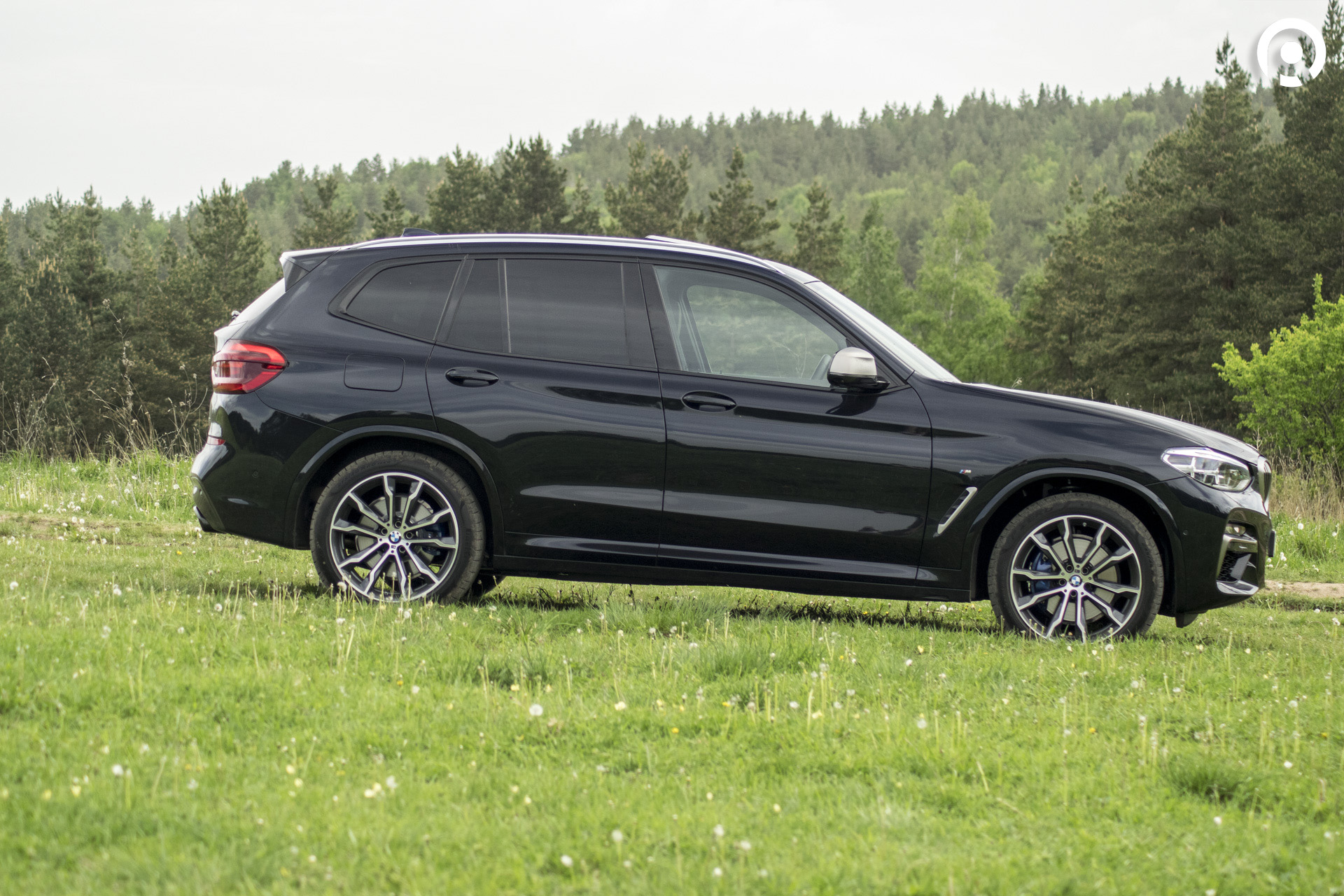
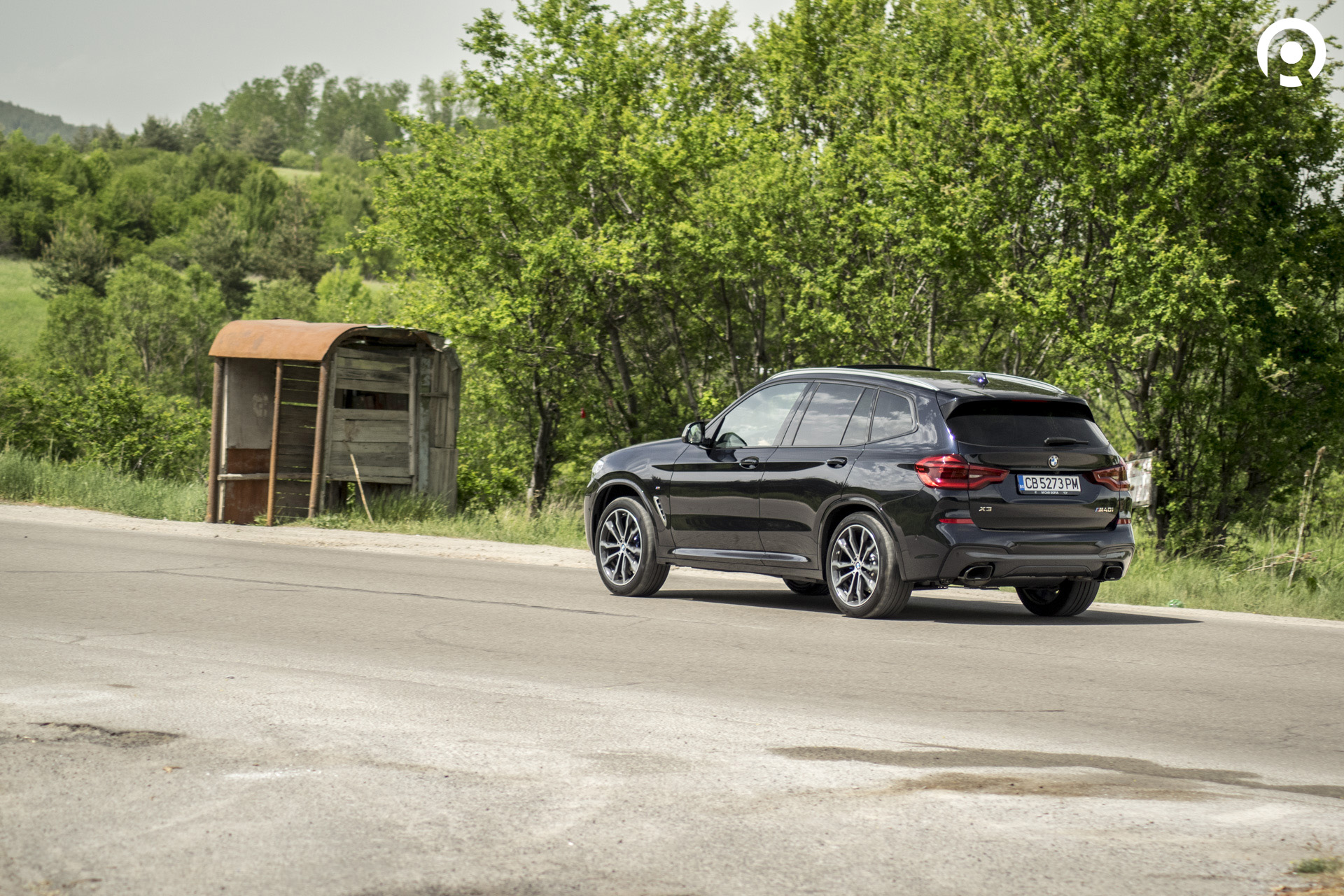
Personally, I find the rear of the X3 more appealing than the front, with sharper lines and a proper dual exhaust—both outlets are real. While the design isn’t particularly striking, I like it for another reason—the X3 is clearly distinguishable from the X1 and X5. That’s not something you can always say about other brands—or even BMW in certain segments.
Interior
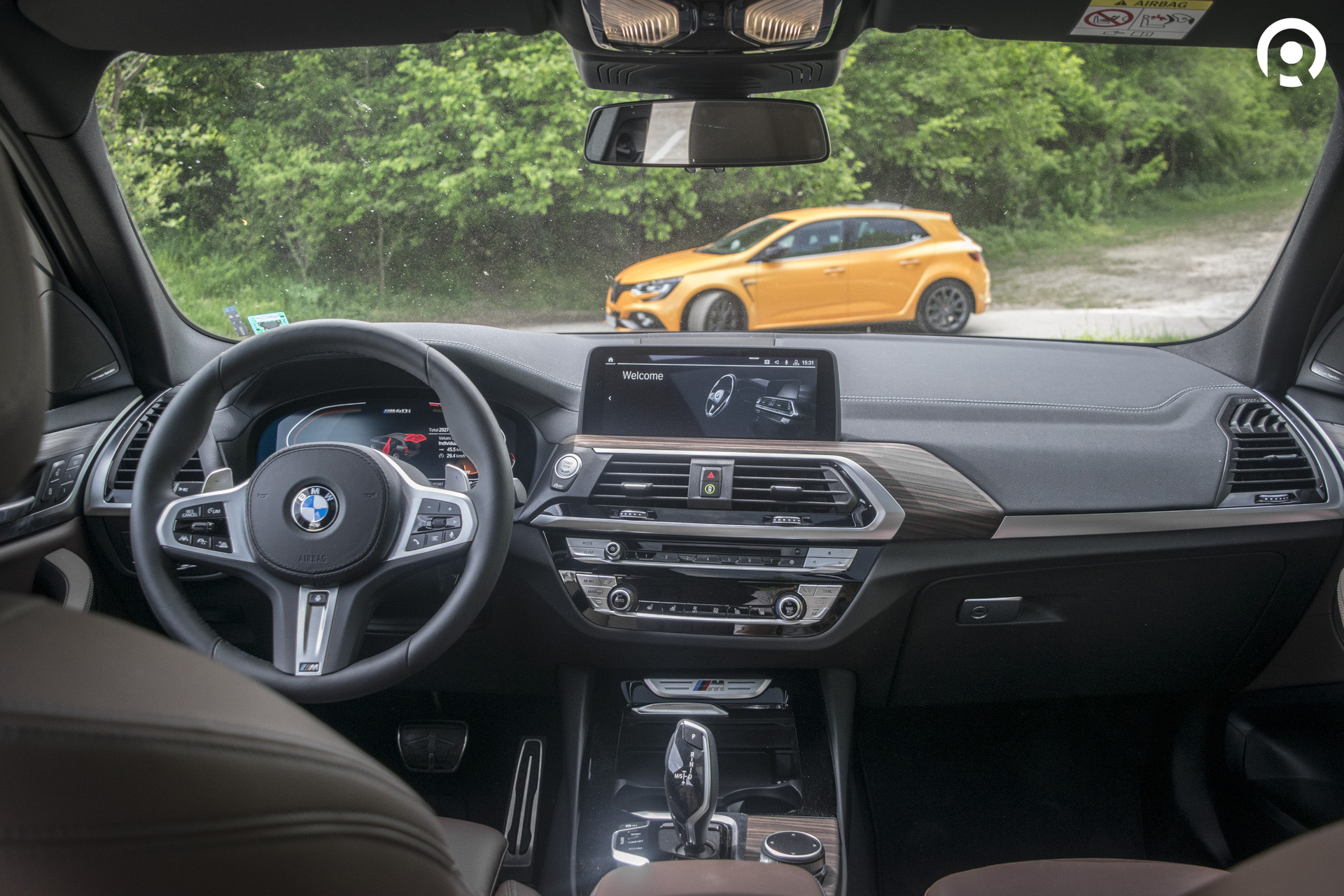
From a design standpoint, the interior of the BMW X3 M40i is very similar to… every other BMW—and I consider that a positive, not a drawback.
The first generation’s interior felt closer to the E46 than to BMW’s contemporary models at the time. The second generation made significant progress in both quality and technology, but the X3 still didn’t quite match the brand’s more premium offerings.
This test car features a very приятна комбинация от кафява кожа и декоративни лайсни, имитиращи дърво—translated: a very pleasant combination of brown leather and decorative trims imitating wood. The build quality is high, exactly as expected from a car with a starting price of around €70,000.
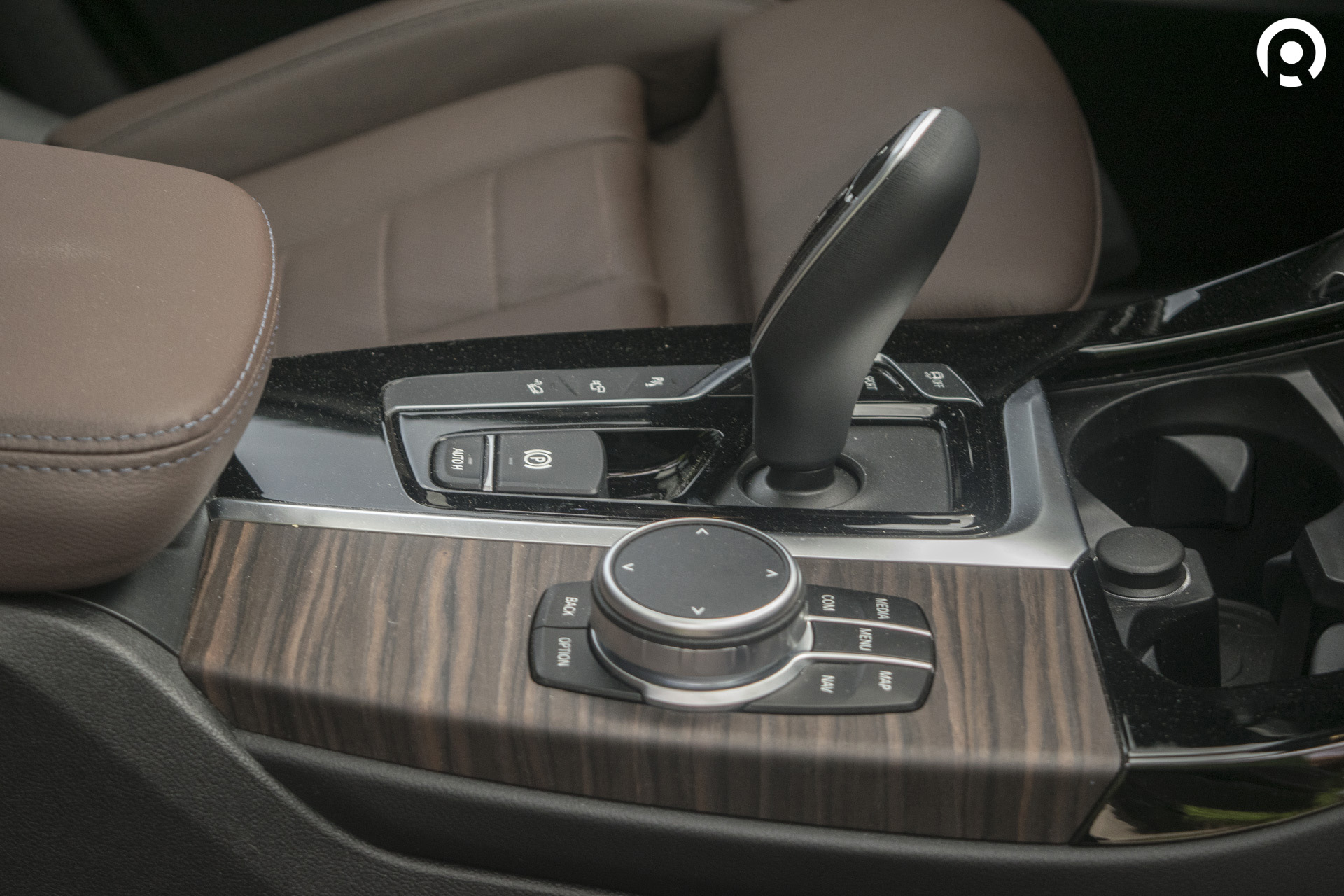

I did notice a fair amount of hard plastic in the lower parts of the doors, which contrasts with the otherwise premium feel. That said, it doesn’t stand out visually, and everything is assembled solidly, with no unwanted noises.
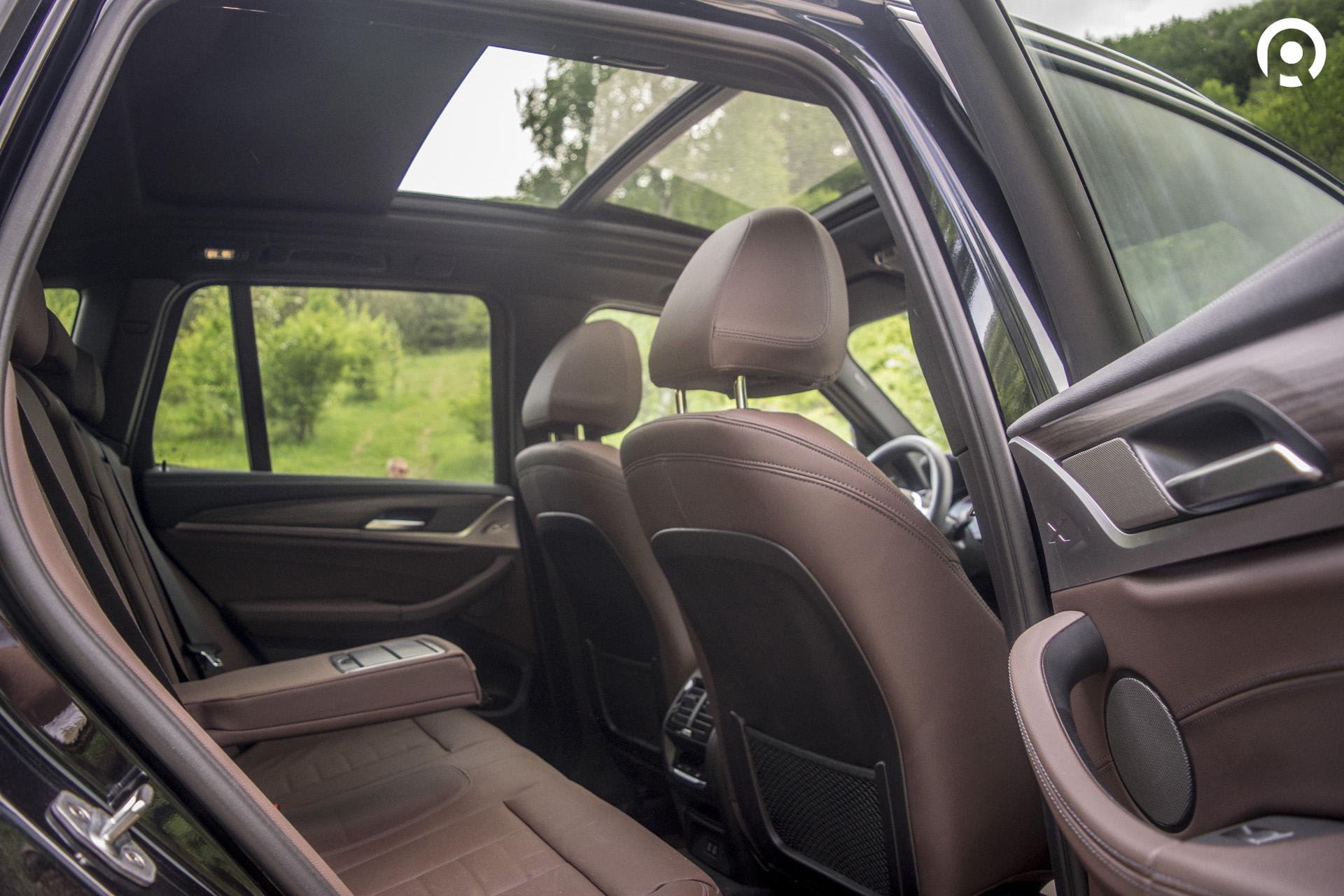
In terms of space, the X3 M40i impresses. The new generation is around seven centimetres longer than before, and passenger space—especially in the rear—has increased noticeably. Combined with the panoramic roof, the cabin feels very spacious.
Boot capacity remains unchanged at 550 litres with the rear seats up. Storage space is also plentiful—large door pockets can hold 1.5-litre bottles, and both the central armrest and glovebox are generously sized.

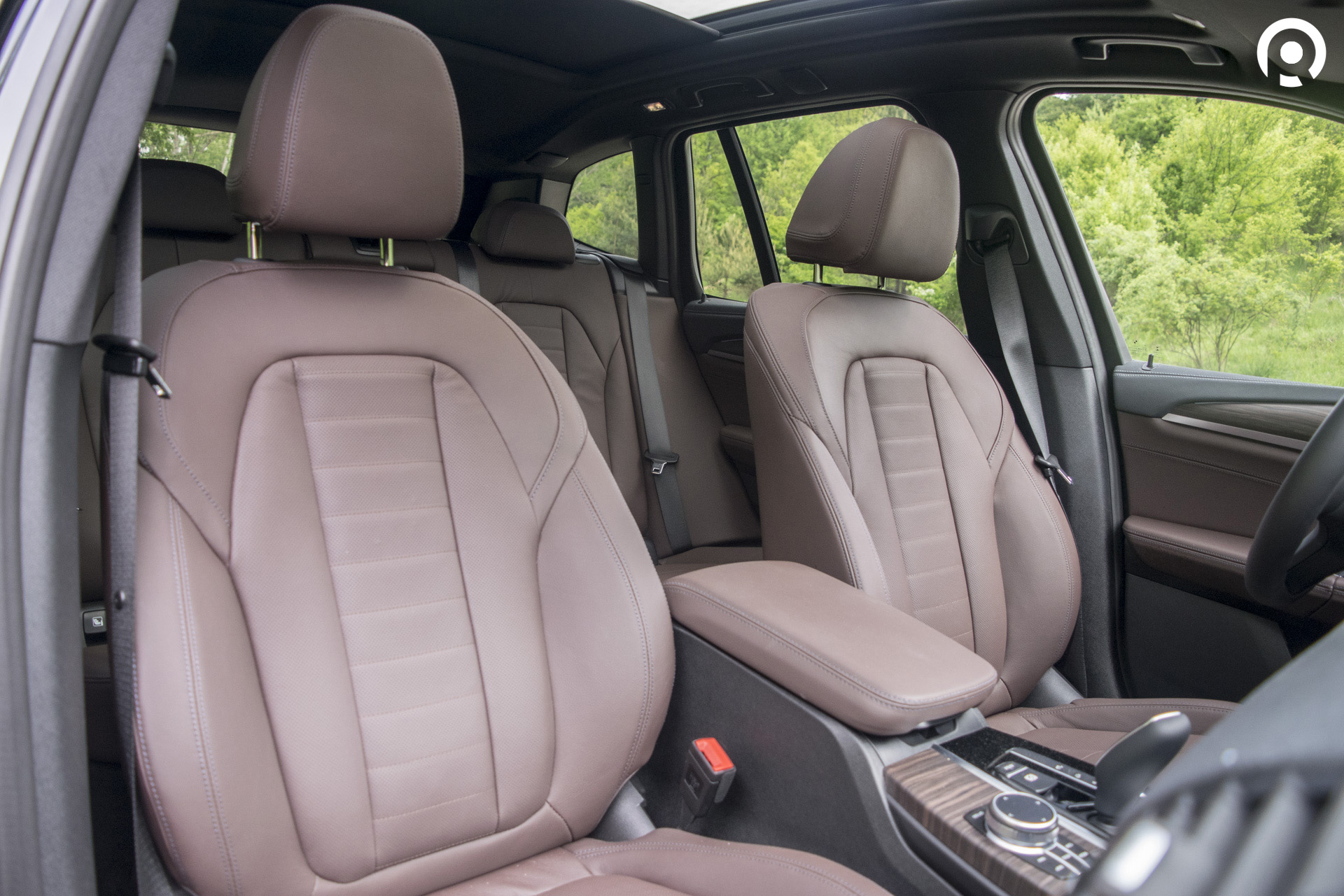
I found two minor drawbacks in the interior. First, although the seats are sporty, they don’t provide enough lateral support during more aggressive cornering. Second, the paddle shifters are positioned in such a way that achieving an optimal grip requires placing your fingers directly on them—which isn’t particularly comfortable.
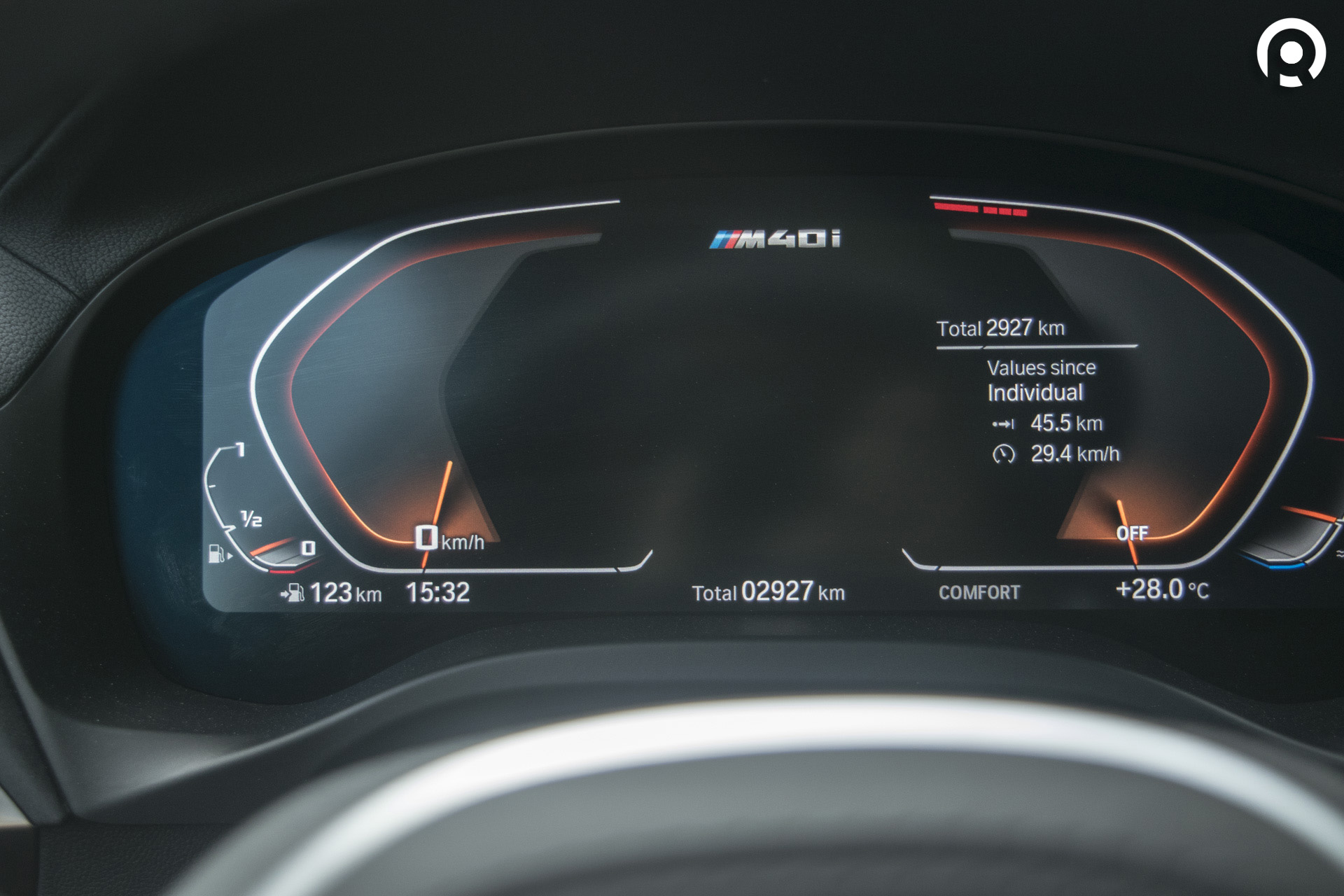
I’ll finish this section with what is both the most standard and the best part—technology. I’ve long said that BMW’s iDrive system is among the best on the market, and this test confirms it again. It’s extremely intuitive and user-friendly, with the added benefit of physical buttons.
The display supports touch input, but I avoided using it due to fingerprints. The digital instrument cluster is modern and consistent with other BMW models. Our test car was equipped with numerous driver and parking assistants, which, personally, I find unnecessary and simply add to the price. The Harman Kardon sound system is excellent and a perfect complement to the infotainment setup.
On the road

You wouldn’t normally expect a two-ton SUV—especially one that isn’t a full-blown M model—to be particularly impressive in terms of performance. I didn’t expect it either. And it turns out I was wrong, despite being familiar with the specs on paper. After picking up the car and adjusting the electric seat (a side note—despite all the tech, the steering wheel is still manually adjusted), the first thing I did was switch to Sport mode. As luck would have it, I found myself first at a traffic light, with a clear road ahead. I floored it. I was literally pinned to the seat until I lifted off the throttle. The X3 M40i is seriously powerful.
On paper, it features a 3.0-litre turbocharged inline-six with 354 hp and 500 Nm, paired with an 8-speed sport automatic transmission. The official 0–100 km/h time is 4.8 seconds—and it feels very close to that. The car also uses the latest generation of BMW’s xDrive all-wheel-drive system, along with optional Performance Control, which distributes power between the rear wheels.

After the initial excitement, I calmed things down and switched to Comfort mode. I spent quite a bit of time driving in the city, where the X3 still feels slightly “on edge”. Even in Comfort, the engine reacts quickly and sharply to throttle inputs. That led me to try Eco Pro mode—which probably won’t be the most popular choice among X3 M40i owners.
Still, in heavy city traffic, it actually makes the most sense. The car feels much calmer, almost like a less powerful vehicle—which in this case is a good thing. When needed, kickdown is always there. The X3 launches forward again, albeit with a slight delay after pressing the throttle.
In Comfort and Eco Pro, the suspension is genuinely comfortable—arguably the best in the model’s history—despite the 20-inch wheels. Road imperfections are barely noticeable, which shows BMW has done a great job here. Personally, I would prefer a slightly firmer setup, but for most users, this will be ideal.
The steering is direct, the rack is quick, and combined with the active steering system, the overall feel is very pleasant.
Everything changes dramatically when you switch to Sport or Sport Plus. The steering becomes even sharper, the suspension very firm—worthy of a proper M car—and the exhaust note more engaging.
What really impressed me is how the engine delivers its power. For the first time in a turbocharged car, turbo lag feels practically non-existent. Technically, it’s there—but so minimal that even the most demanding drivers won’t notice it.
In city driving, combining all three modes, fuel consumption averaged 16.8 l/100 km. With a bit more restraint, you can get it below 16, but going much lower seems unlikely.

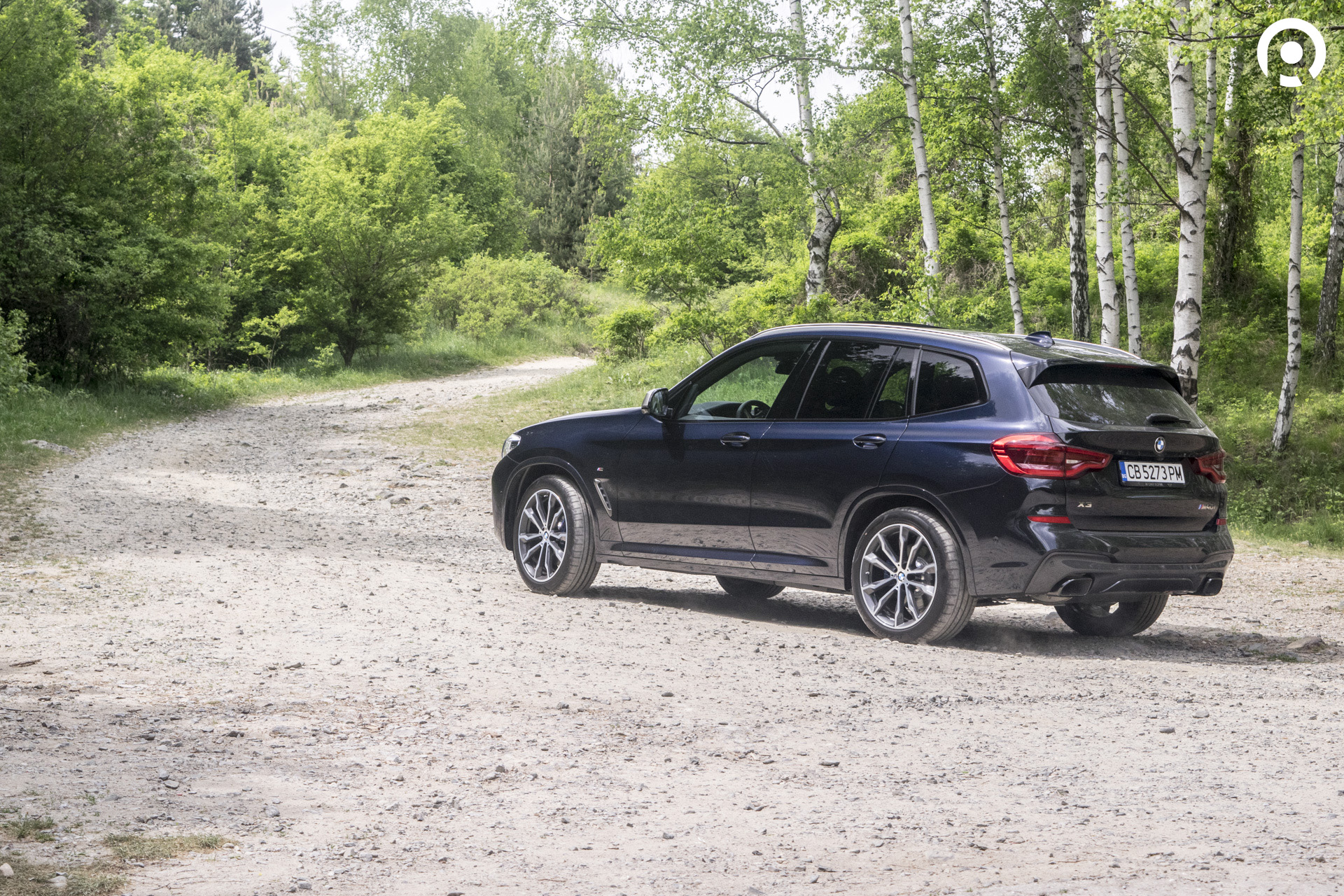
Later, it was time to escape the urban jungle. I headed towards Bistritsa, Zheleznitsa and the Plana mountain. Up to Bistritsa, I stayed in Comfort mode, which results in noticeable body roll in corners.
That didn’t last long. Once outside the village, I switched to Sport. The steering becomes precise, the car follows the road perfectly, and acceleration is brutally quick. The brakes also impressed me—strong and well-matched to the car’s performance.
Back on twisty roads, the X3 is shockingly capable, especially considering its size and weight. Overtaking is effortless, which made me curious about mid-range acceleration. From 50 to 110 km/h, it takes around—or even under—5 seconds.
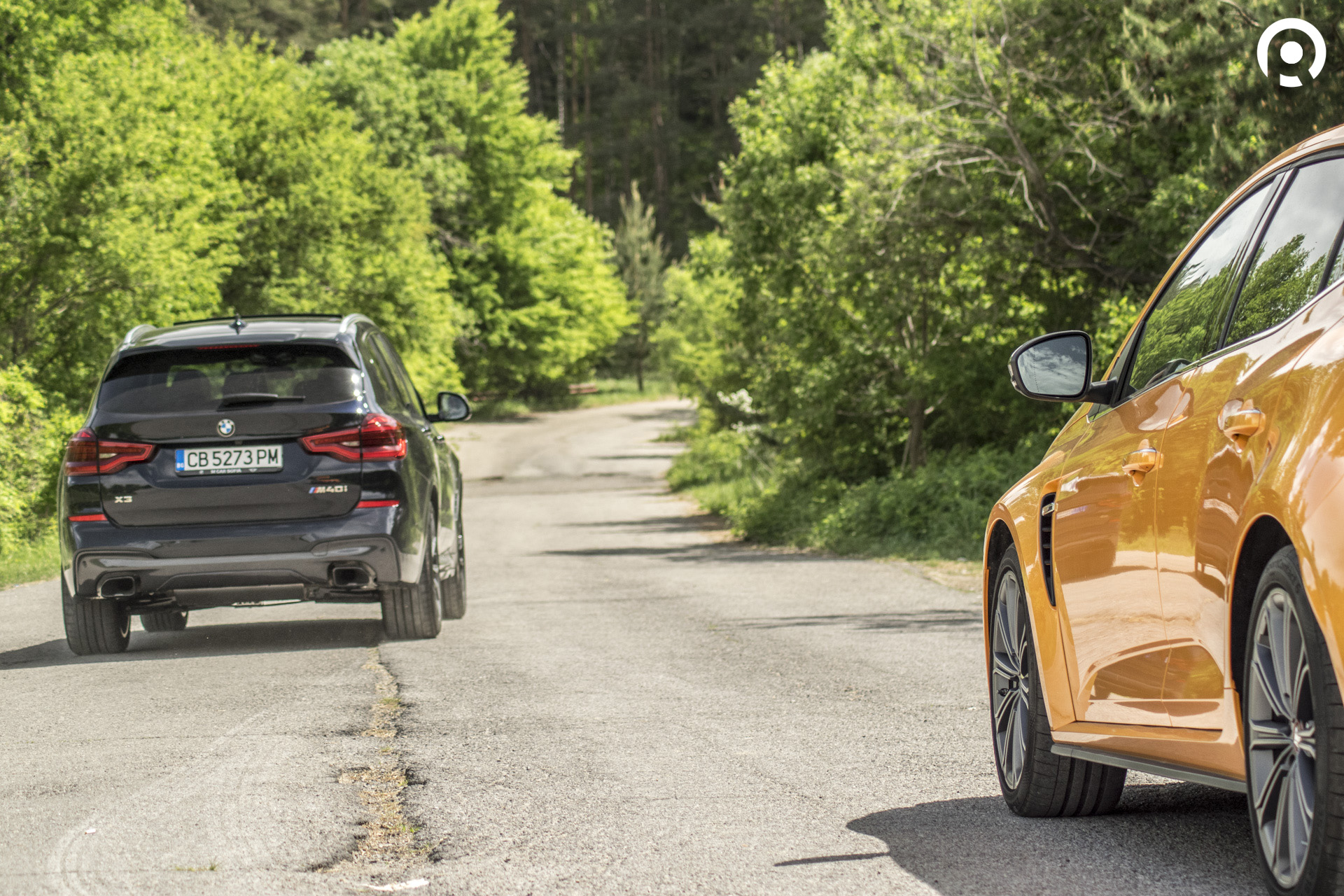
At times, I did notice some traction issues when pushing harder into corners. However, I don’t believe the problem lies with the car or the tyres. Driving alongside a Renault Megane R.S., which showed similar behaviour, suggests the real issue was the poor-quality asphalt. In those moments, the traction control system worked exactly as it should—when left on 🙂
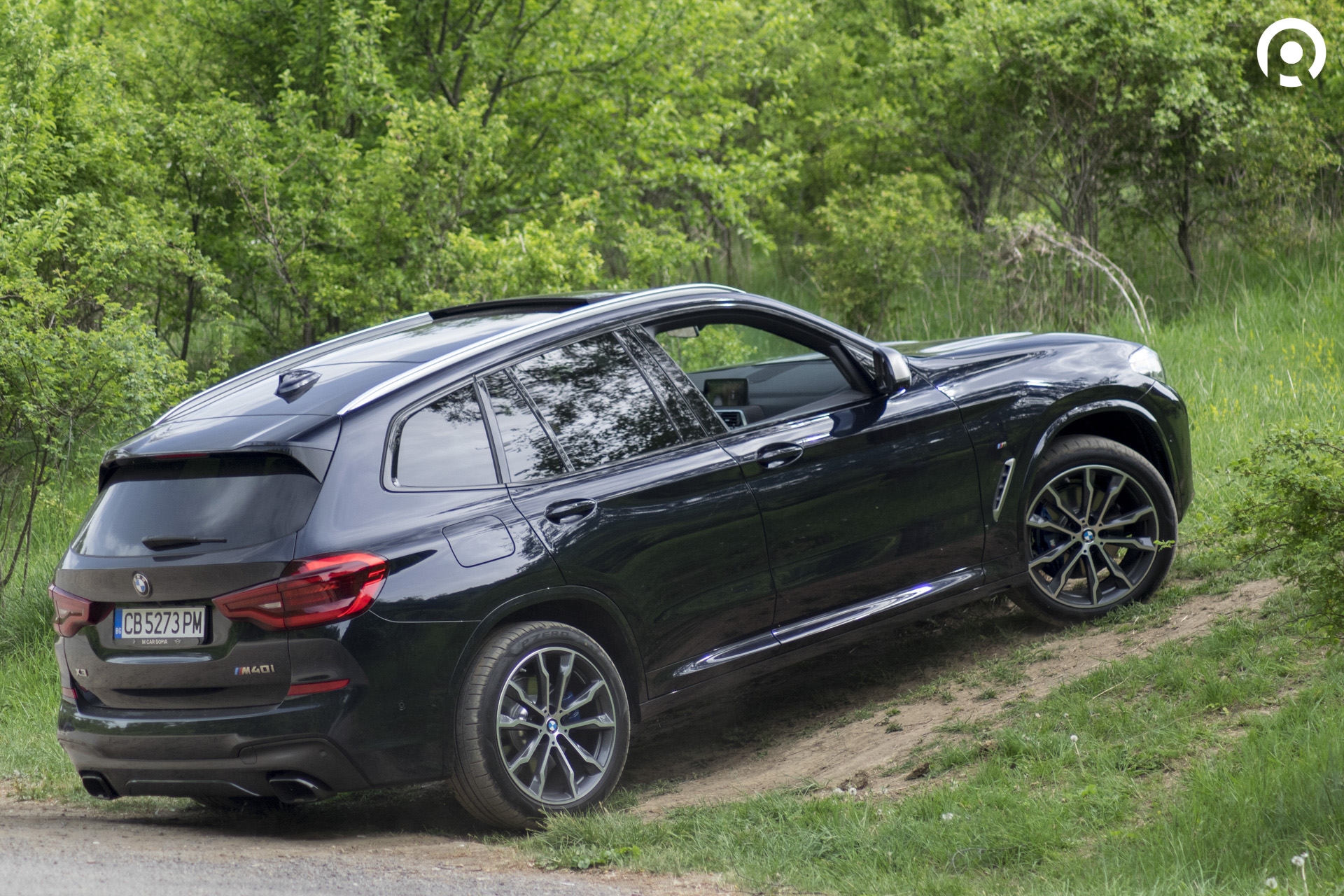
In the city and during tight manoeuvres on narrow mountain roads, I also noticed that the X3 isn’t as manoeuvrable as I expected. The turning circle is 12.1 metres, compared to 11.9 metres for the previous generation. Combined with my expectations, this left a slight impression of reduced agility.
As mentioned earlier, city fuel consumption is around 16 l/100 km. My time outside the city was more limited, but on suitable roads I recorded figures of around 10 l/100 km. BMW claims a combined figure of 10.5 l/100 km—I personally wouldn’t bet on achieving that easily.
Conclusion
The third generation of the BMW X3 can be described as highly successful—especially in the M40i version we had the chance to test. The X3 is undoubtedly among the leaders in its class, with a significant step forward compared to its predecessor.
First and foremost, the X3 M40i is a practical family car—and from that perspective, it delivers. Its size and weight make it suitable both for city driving and long-distance travel. Comfort is at a high level, and both passenger space and boot capacity are generous. While the interior design is familiar from other BMW models, the quality is excellent—comparable to that of higher segments.
When talking about BMW, regardless of the model, driving pleasure is always part of the equation. How does the X3 M40i perform in this regard? In my view, it’s a true Bavarian. Its size doesn’t compromise its on-road ability in any meaningful way. The power is impressive and more than sufficient for most drivers. The handling is very good, thanks to the overall engineering and the latest xDrive system.
Despite a few minor drawbacks—which for some may not even matter—the X3 M40i is likely one of the best options on the market when it comes to combining practicality, comfort, power, and driving dynamics.
The base price in Bulgaria starts at around €70,000, but it can easily climb higher with optional driver assistance systems, parking features, and additional extras. If fuel consumption seems too high, you can always consider the less powerful versions or the M40d.
Petko Choevski

Поредното ревю от хора, които не са си научили урока … постарайте се малко поне, явно така сте били и в училище – 3ка.
Как искате странична упора като имате обдухване на седалките и заради това нямате сайд съпортите в седалките …
Подобни коментари, показват пълна липса на разбиране и осъзнаване на текст и принципно заслужават директно триене, но този път ще отговоря.
Не знам вие като какъв специалист се изявявате, но авторът на теста коментира, че опората е недостатъчна. Какви са причините не стои на дневен ред. Той констатира наблюденията си, а тестовете ни са именно затова. Да не говорим, че аз като автомобилен инженер не виждам какъв е проблемът с вентилацията и опората, но Вие като изявен всичколог явно разбирате доста повече.
А иронията как коментирате “страничната Упора” е силна. Ние може и да сме завършили училище с тройки, но Вие май сте с двойка по милост.
Съветвам Ви да ходите да гледате Бричка. RoadHunter не е за хора като Вас!