
Not familiar with DS? You’ve probably heard of the legendary Citroën DS – the car that caused a sensation at the 1955 Paris Motor Show with 12,000 orders in a single day. Or perhaps the 1962 assassination attempt on Charles de Gaulle, when his DS, despite being riddled with bullets and running on two damaged tyres, managed to escape thanks to its hydropneumatic suspension.
In Citroën’s modern history, DS started as a premium sub-brand before evolving into a standalone marque within the PSA group. Today, DS models are available in Bulgaria, with dedicated showrooms on the way.
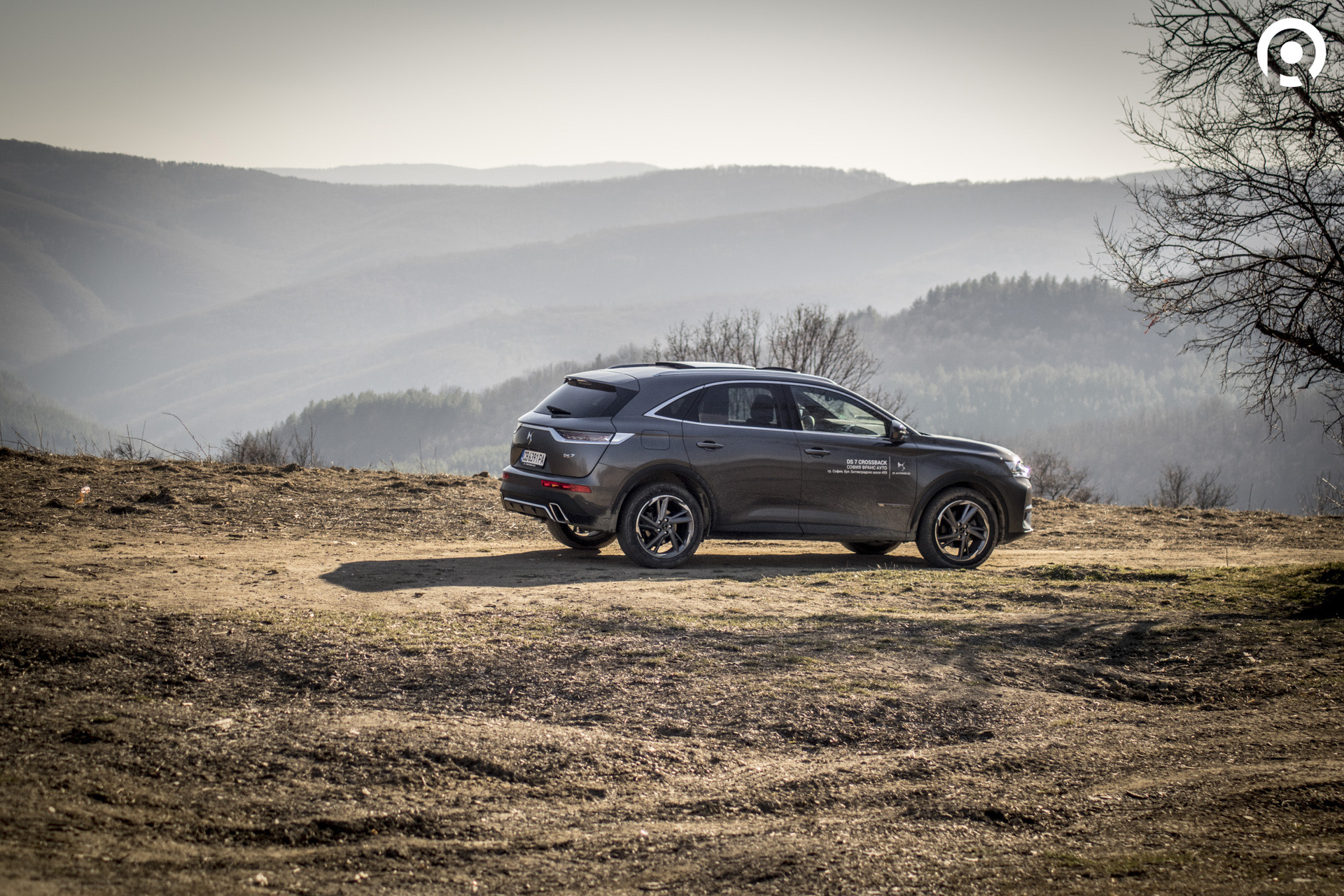
The DS 7 Crossback is one of the brand’s first serious entries in our market—a luxury SUV aiming directly at established premium competitors.
Design
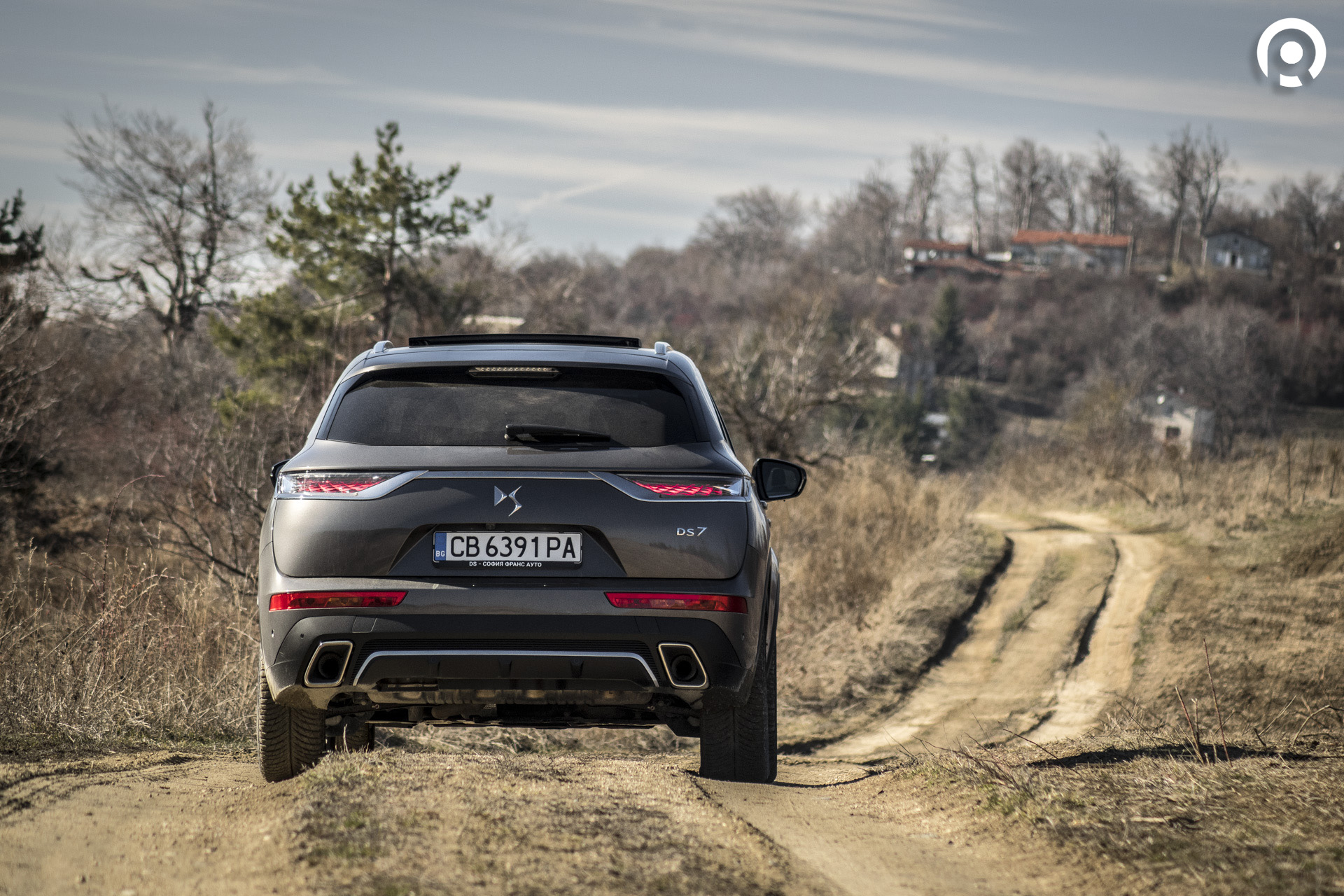
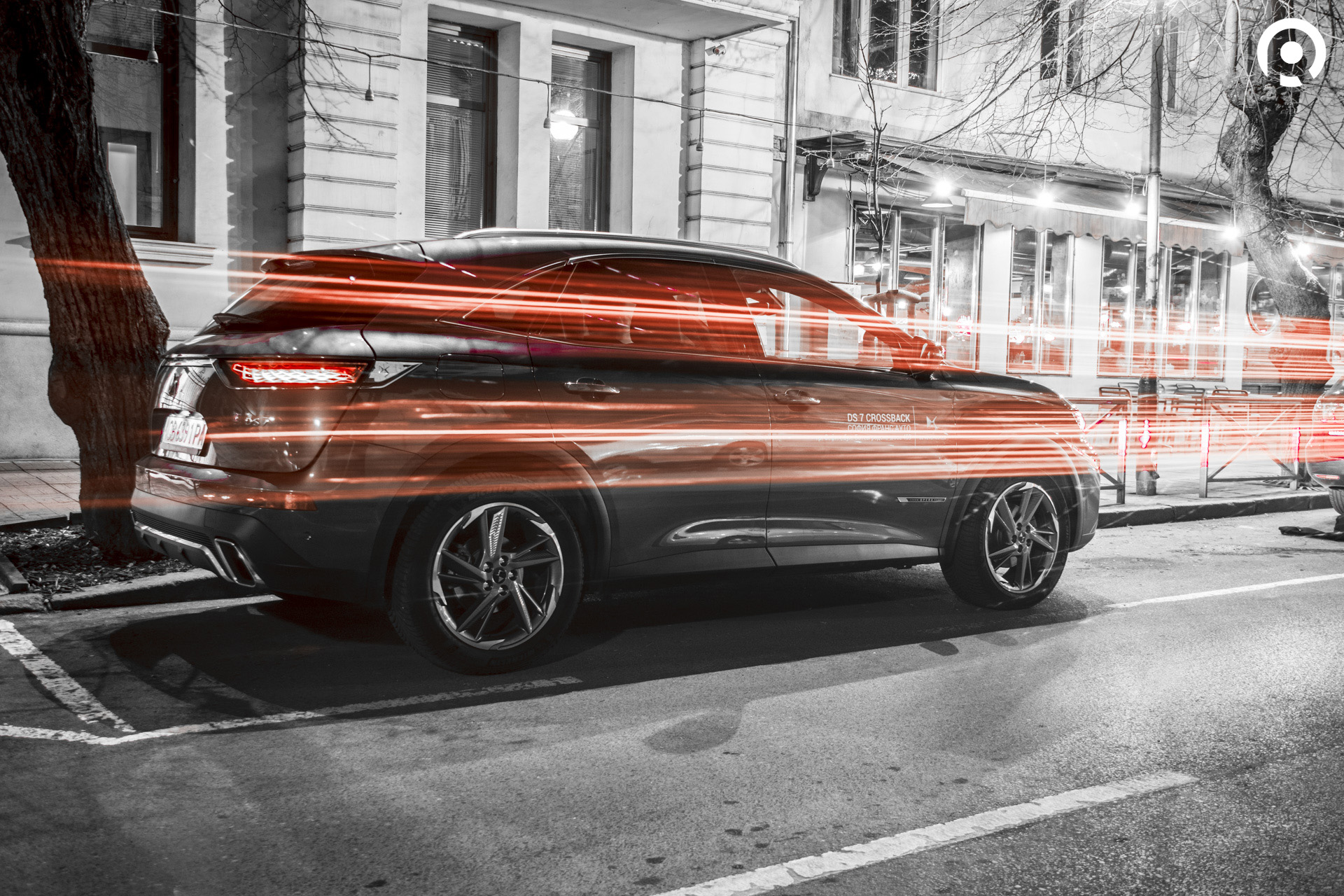
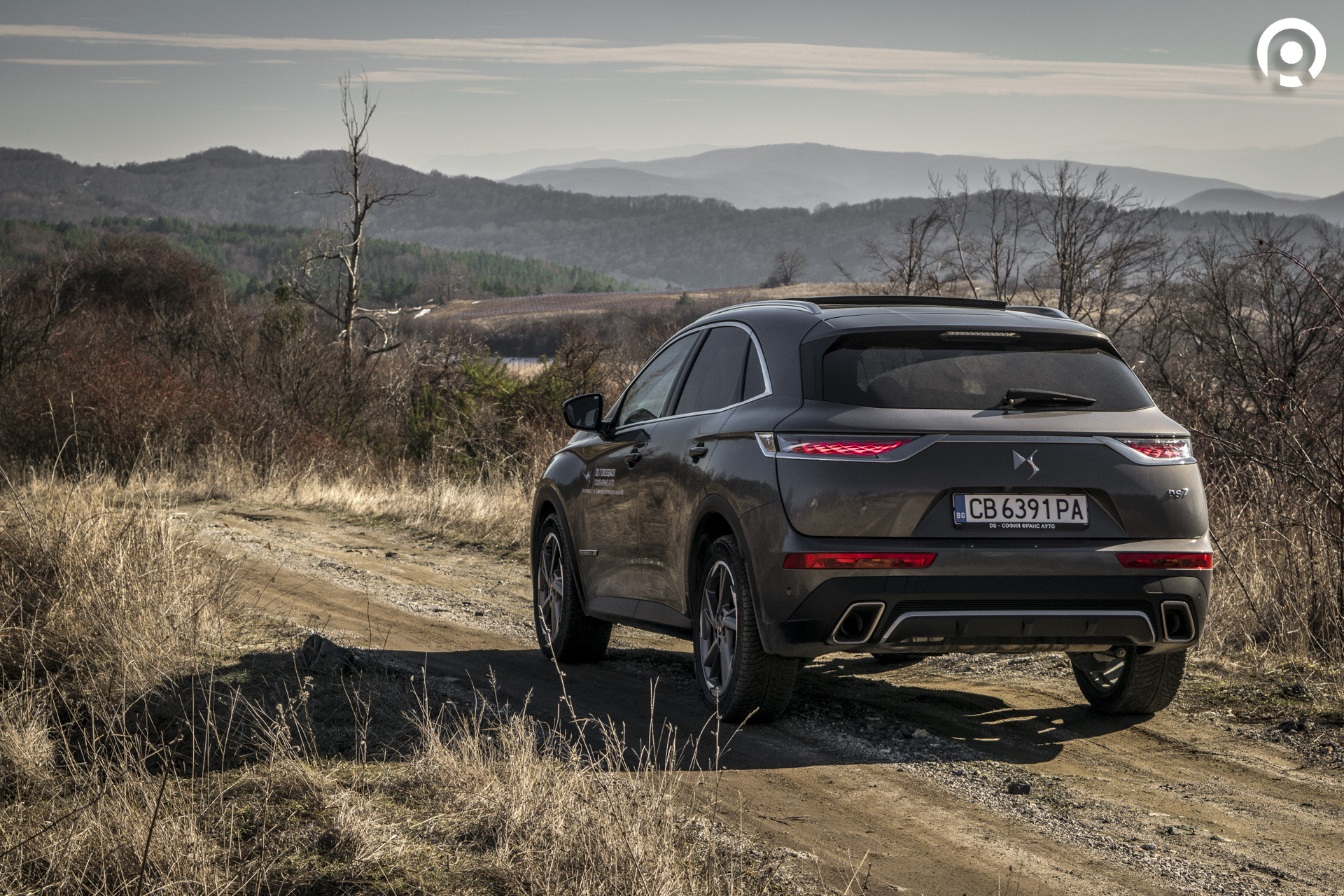
I’ll start from the rear, because that’s where the DS7 truly shines.
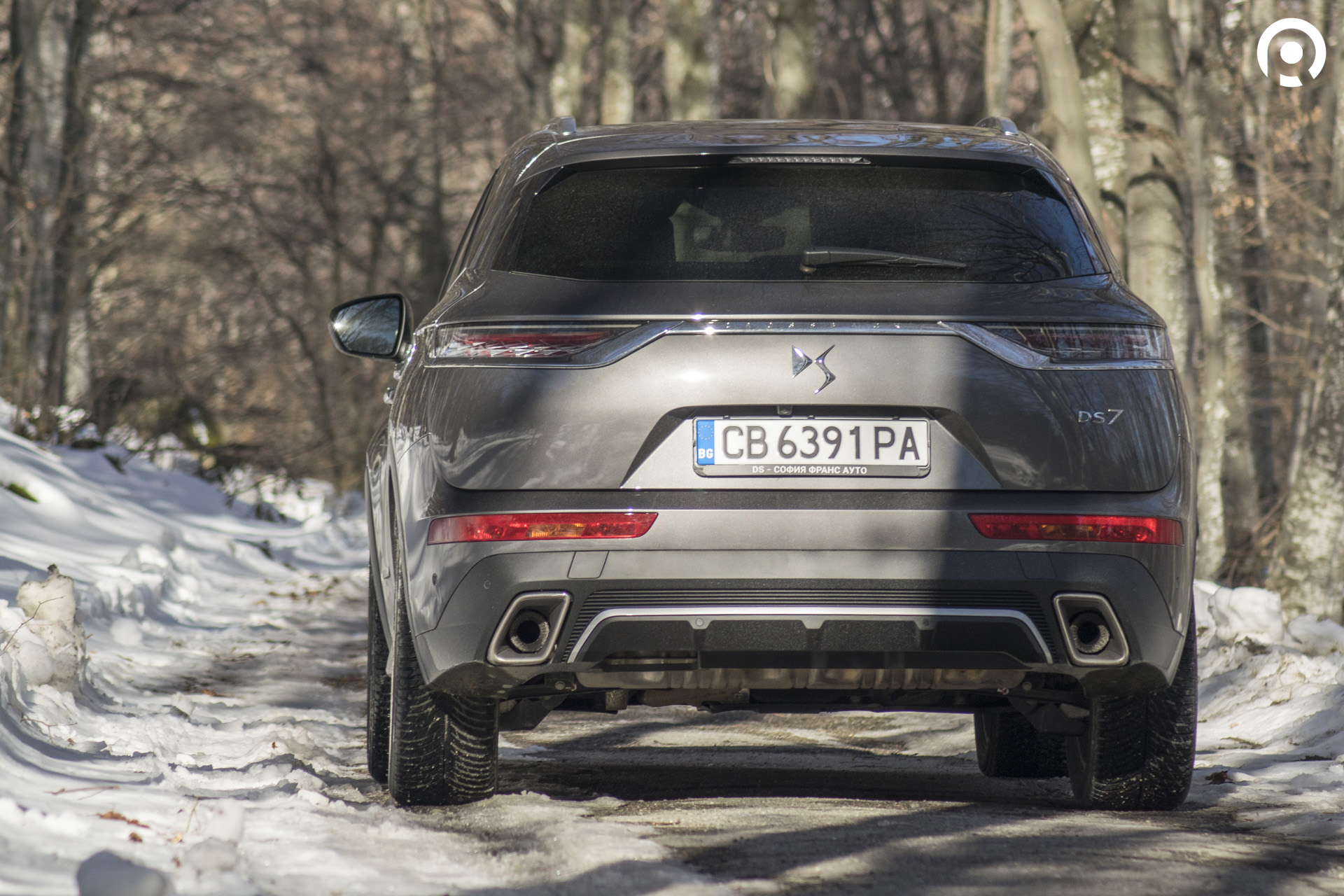
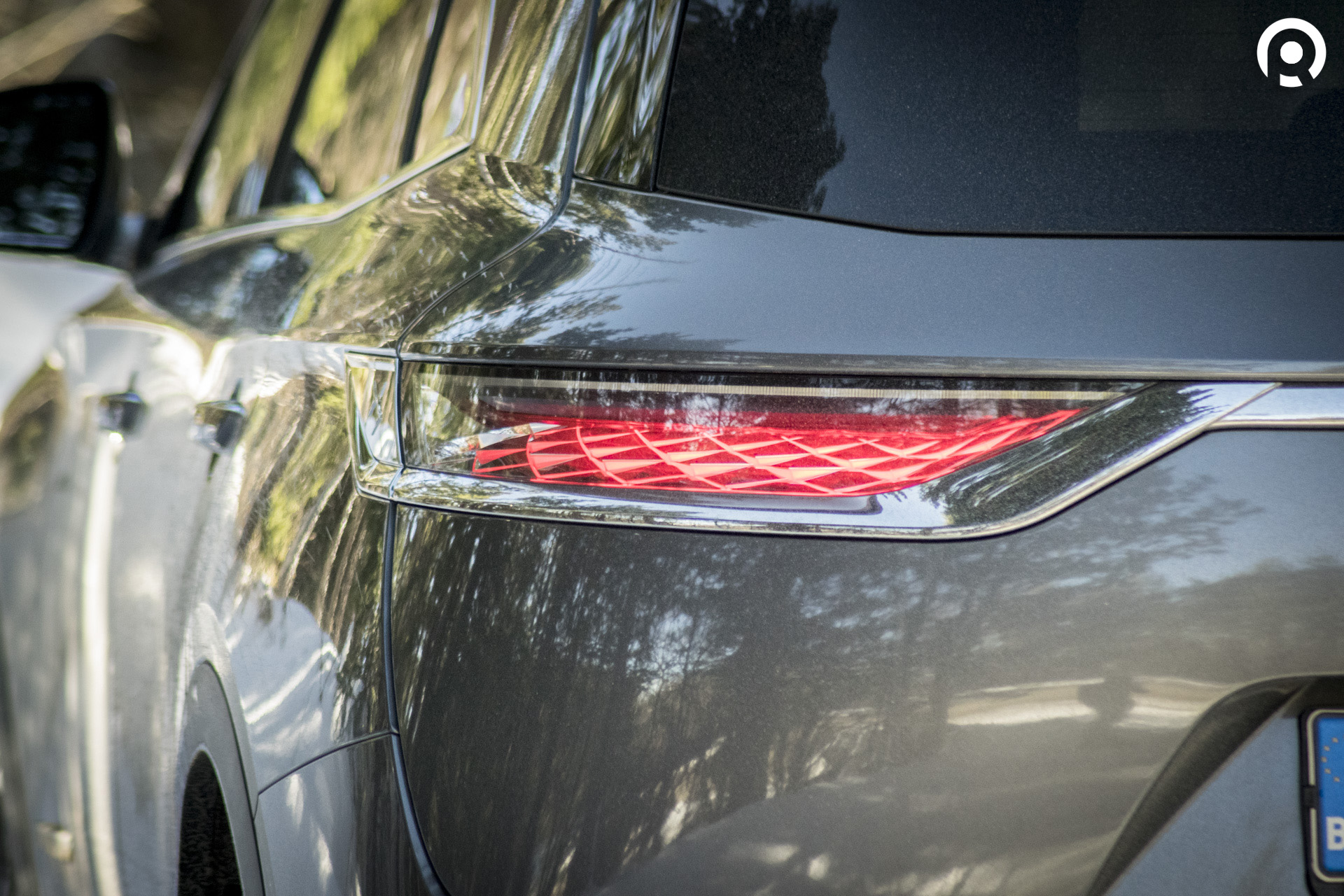
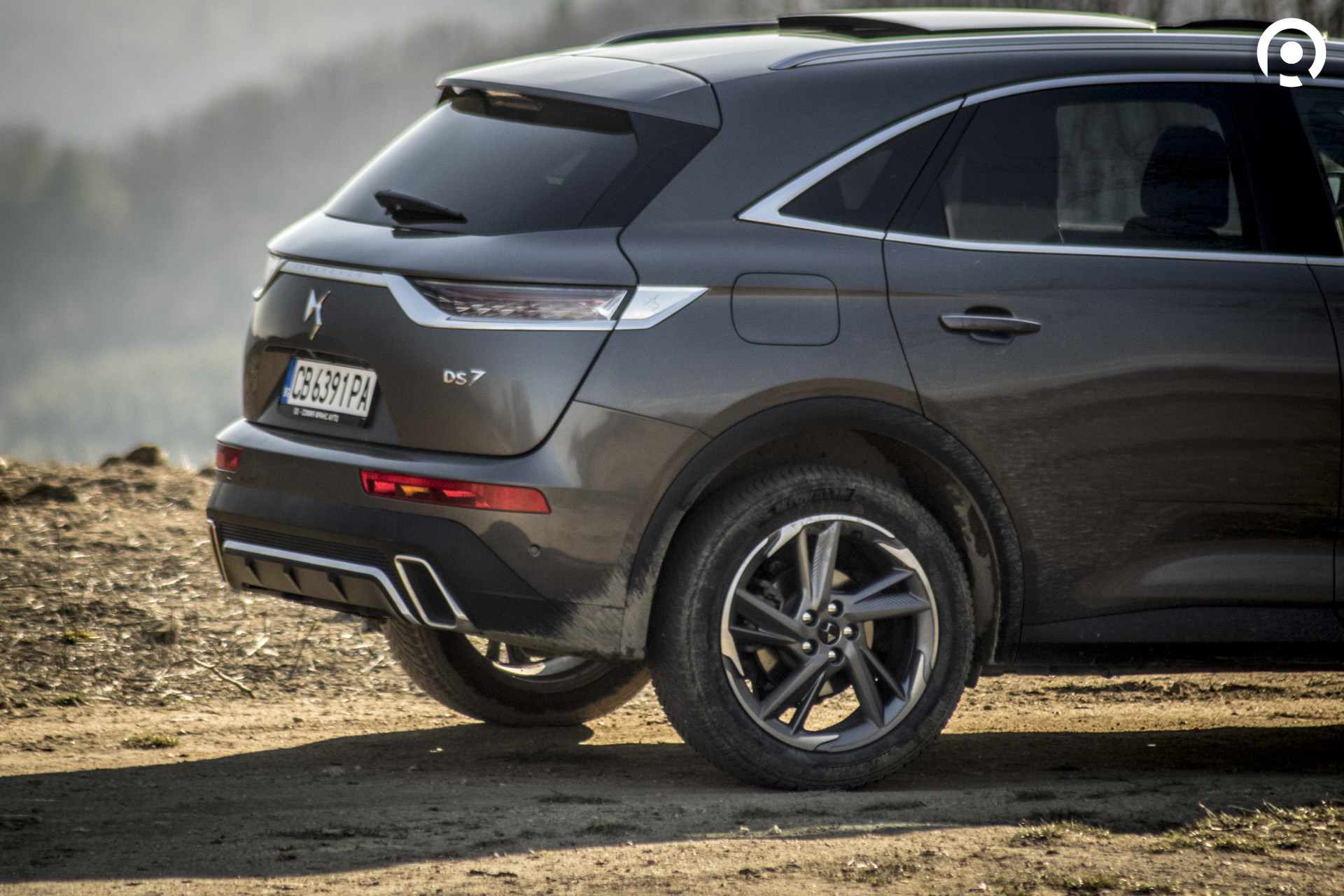
The overall shape is smooth and elegant, but the real highlight is the lighting. If the taillights of the Peugeot 508 look like they belong on a concept car, here that effect is even stronger.

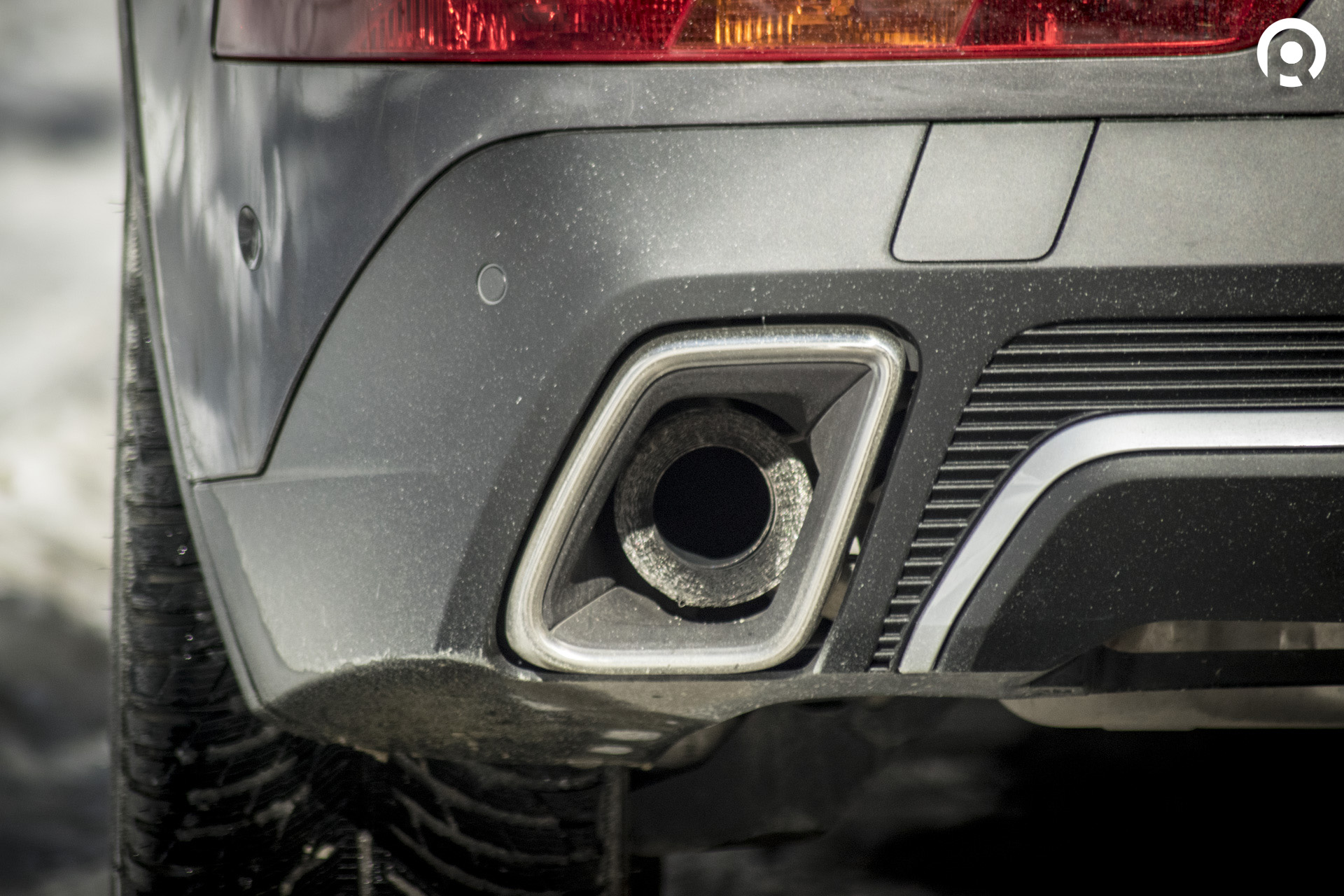
And there’s something else—real exhaust pipes (at least on the petrol version). These are becoming increasingly rare.
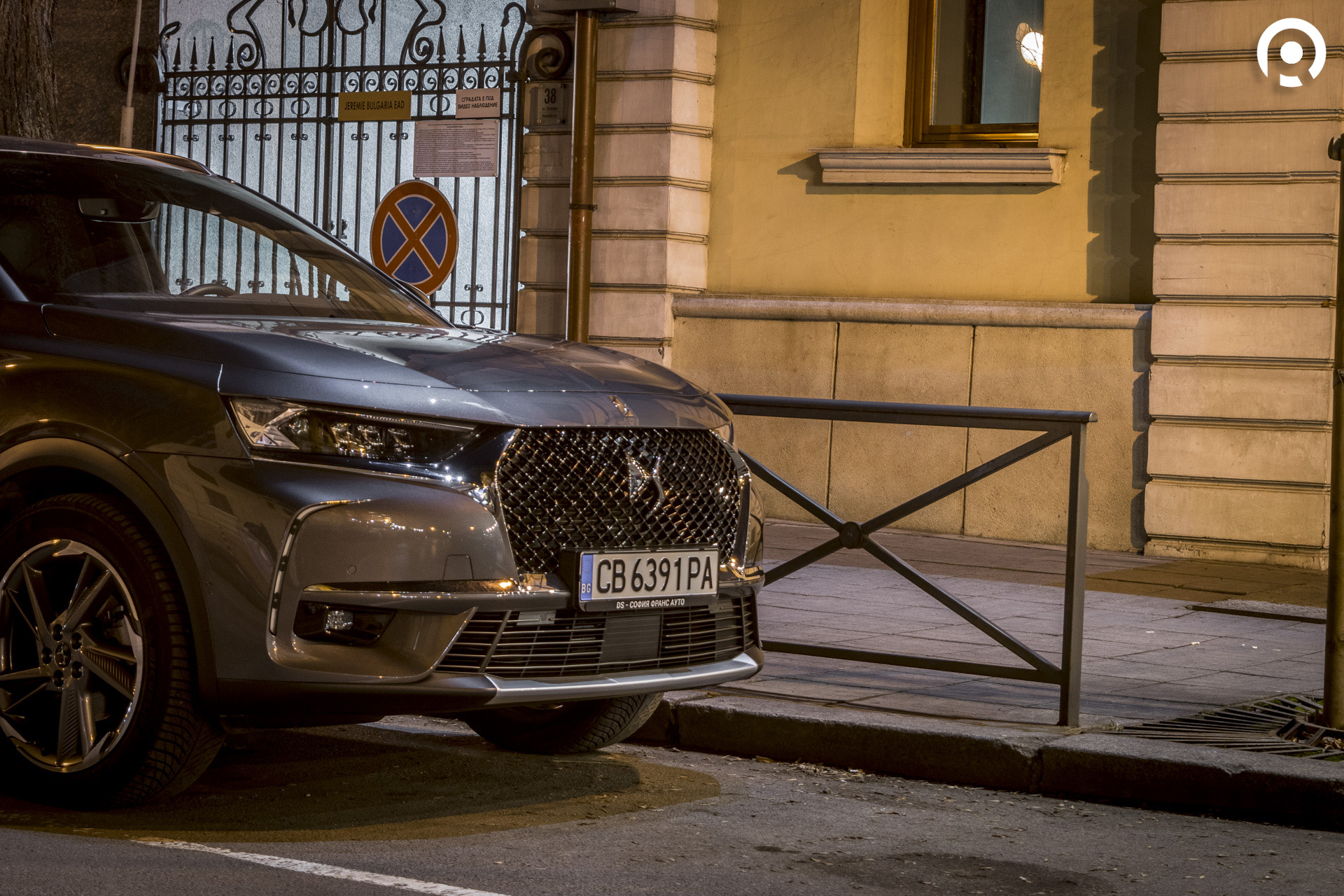
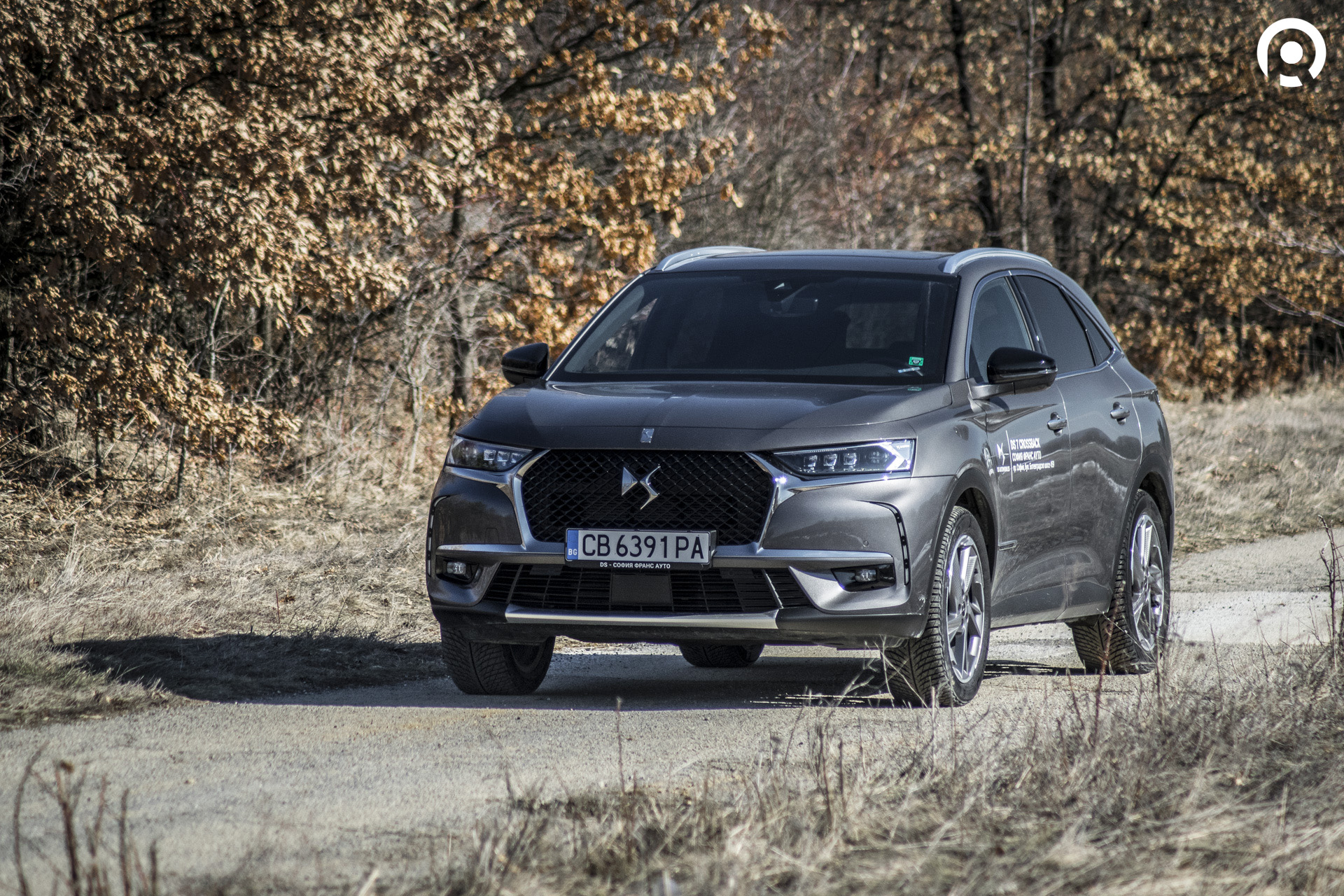
The front design is more controversial. The overall shape is relatively conservative, but then come the oversized chrome elements and large grille. To me, it feels like a design tailored for the Chinese market. If you prefer a cleaner look, the Performance Line trim replaces chrome with matte black accents.
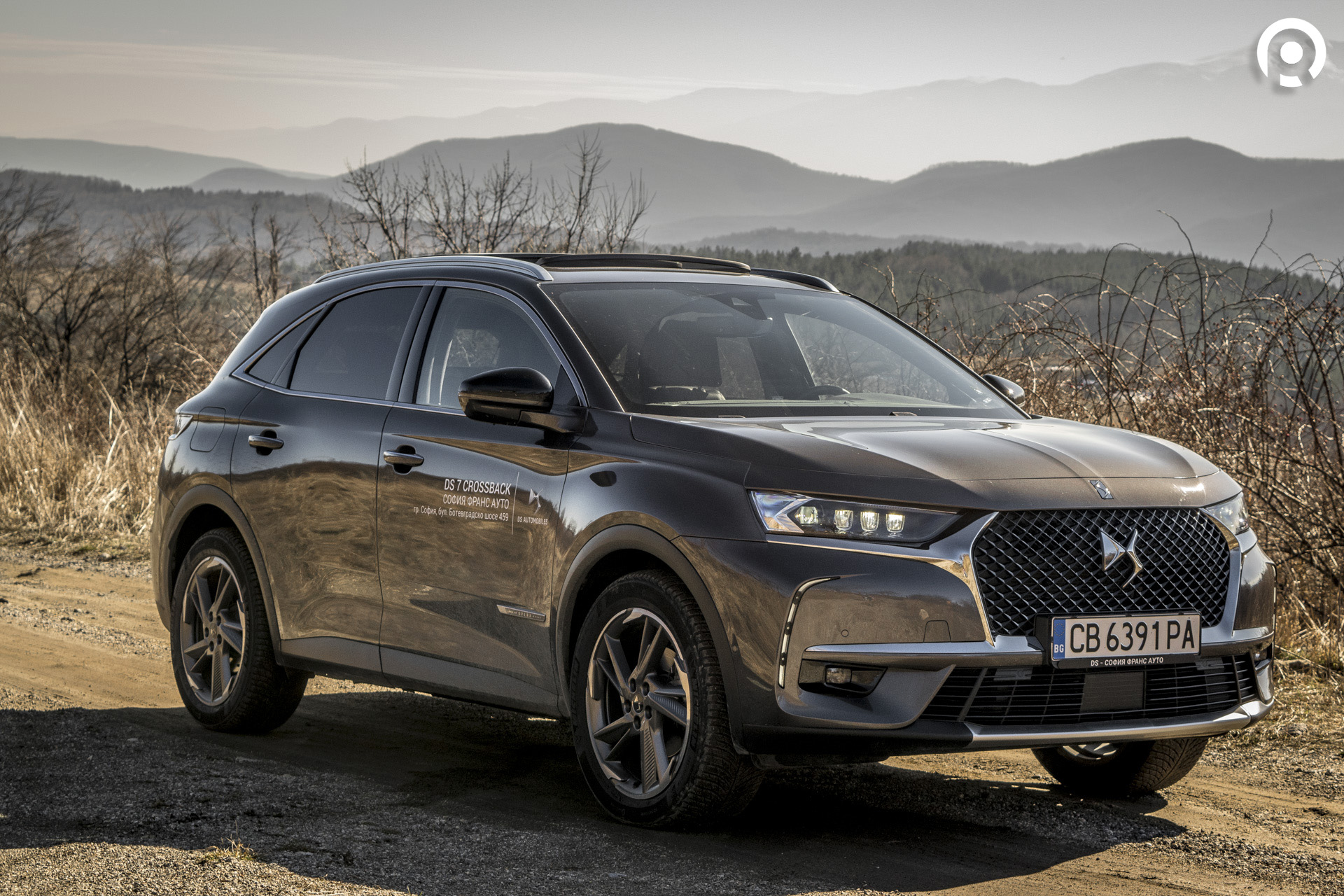
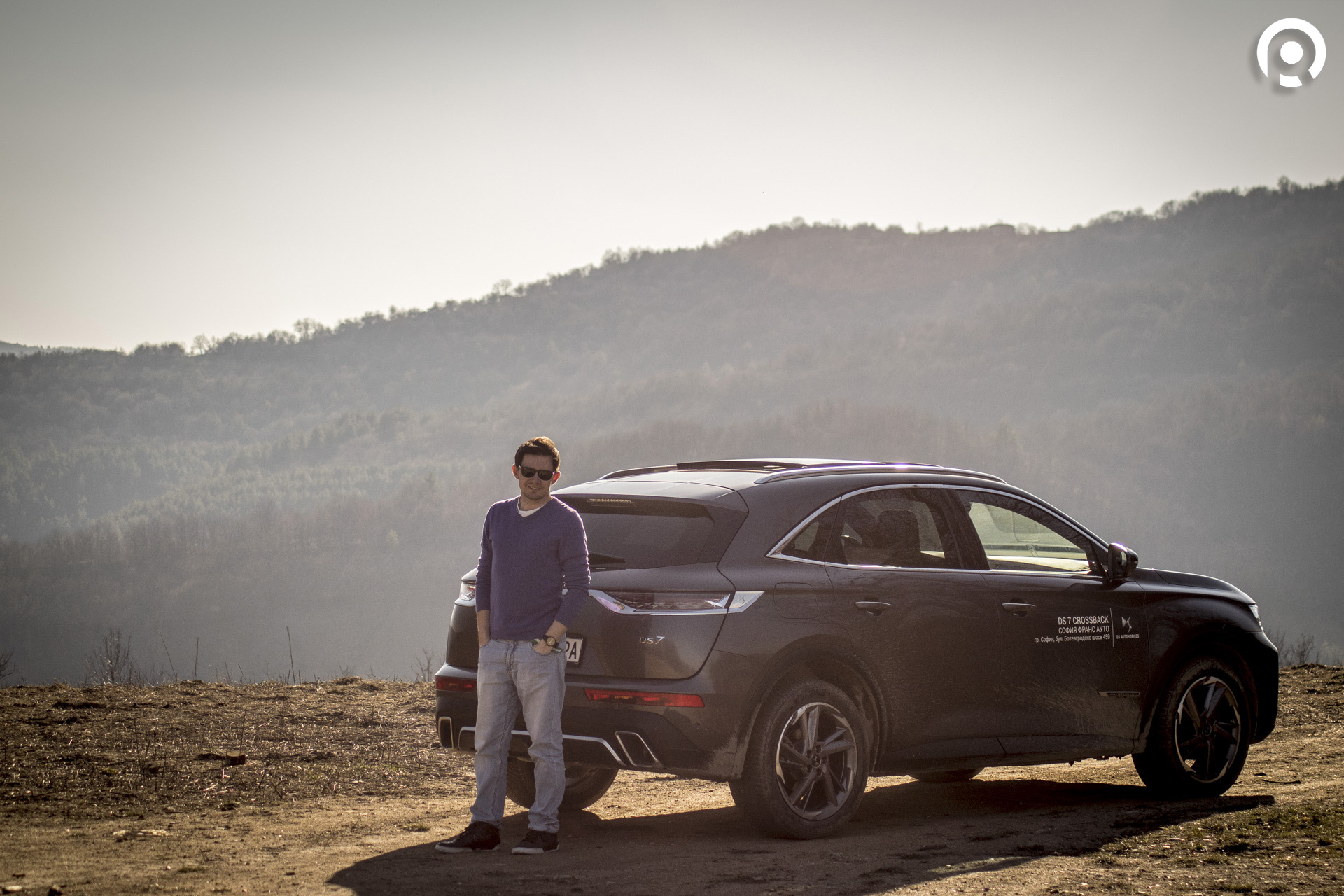
From the side, the DS7 is less distinctive. The smooth lines vaguely remind me of the Infiniti QX70. A practical touch is the way the doors cover the sills, helping keep your clothes clean when entering the car—very useful in real-world conditions.

Size-wise, the DS7 sits somewhere between competitors like the Audi Q3 and Audi Q5, while pricing aligns closer to the smaller class. In that sense, it occupies its own niche.

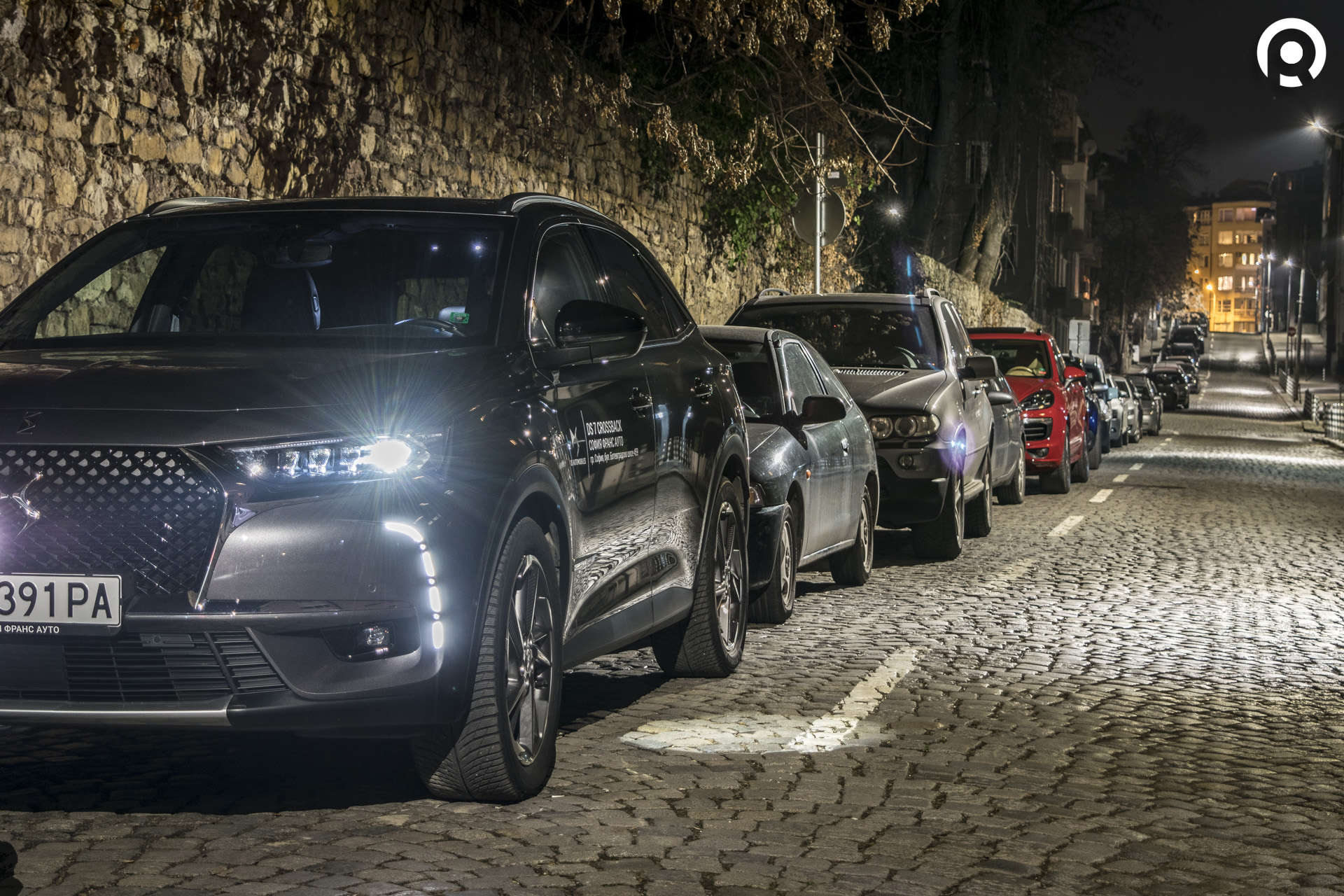
And then there’s the light show. Modern cars often greet you with LED animations—but the DS7 takes it to another level. It’s flashy, maybe even excessive, but undeniably impressive.
More importantly, the headlights are excellent. Developed by Marelli, they adapt to different driving conditions and work with great precision, providing strong illumination without dazzling other drivers.
Overall, the DS7 stands out through its details, even if the core design remains that of a classic SUV.
Interior
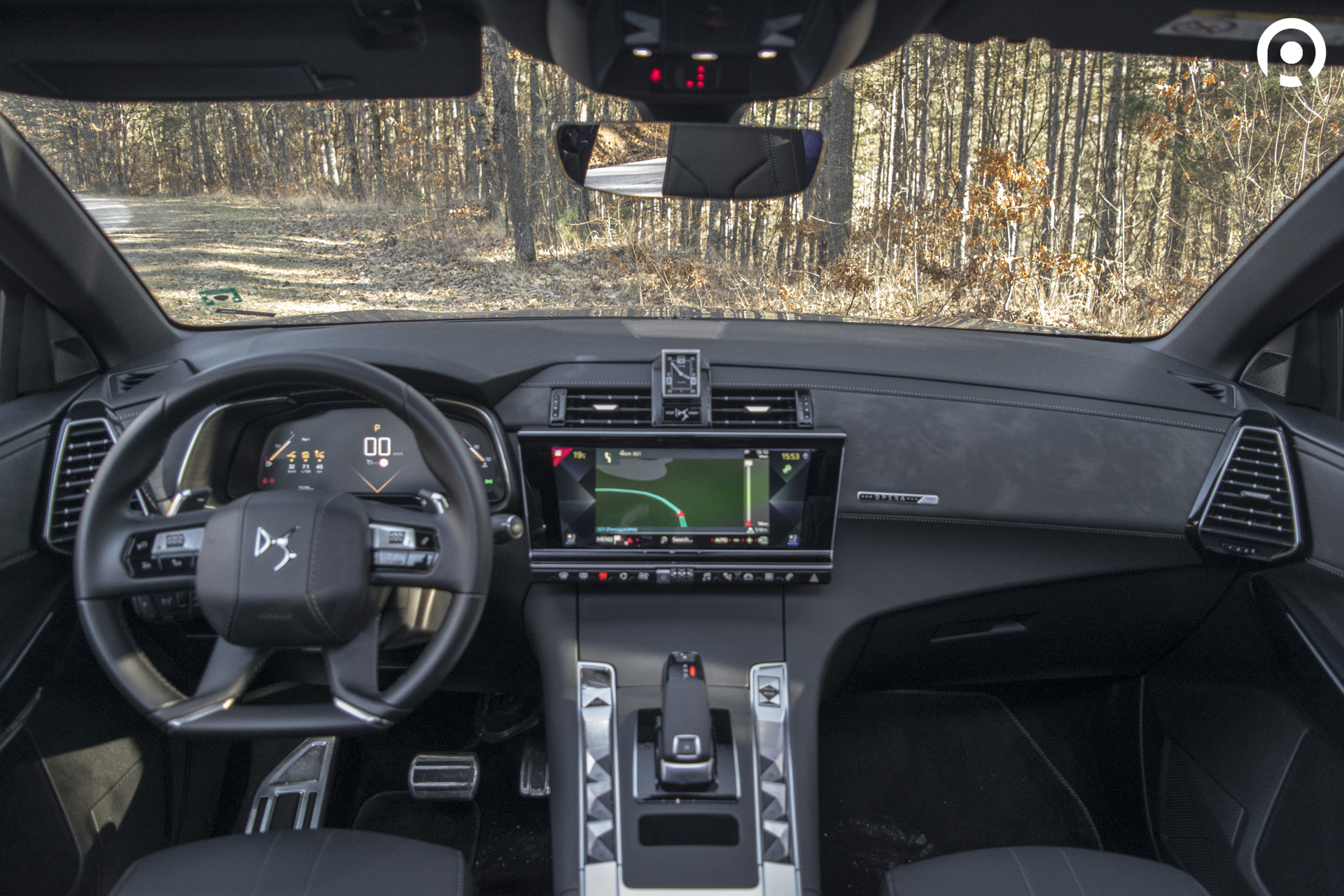
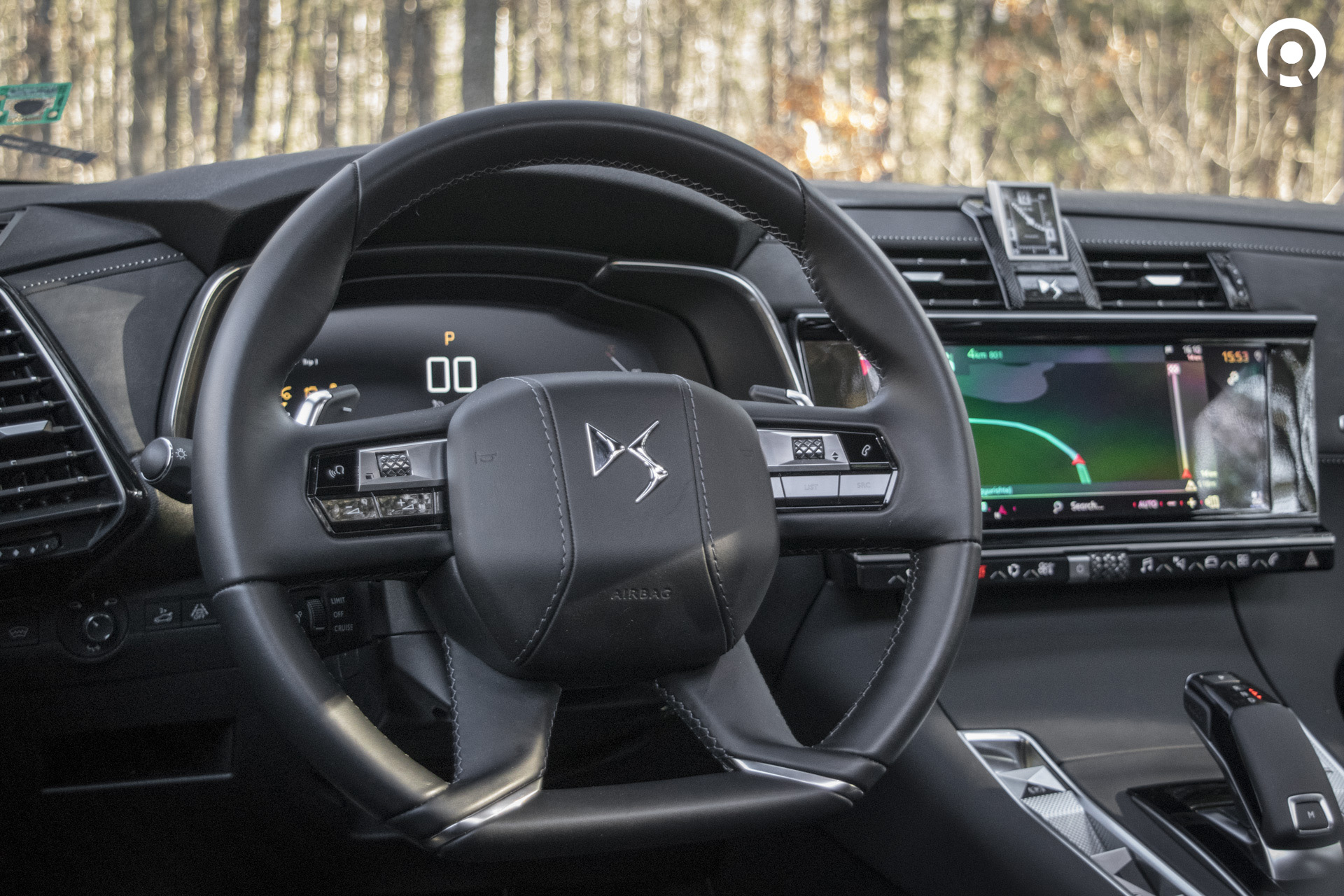
Inside, the French approach to luxury continues—with an obsession for detail that sometimes borders on excess.
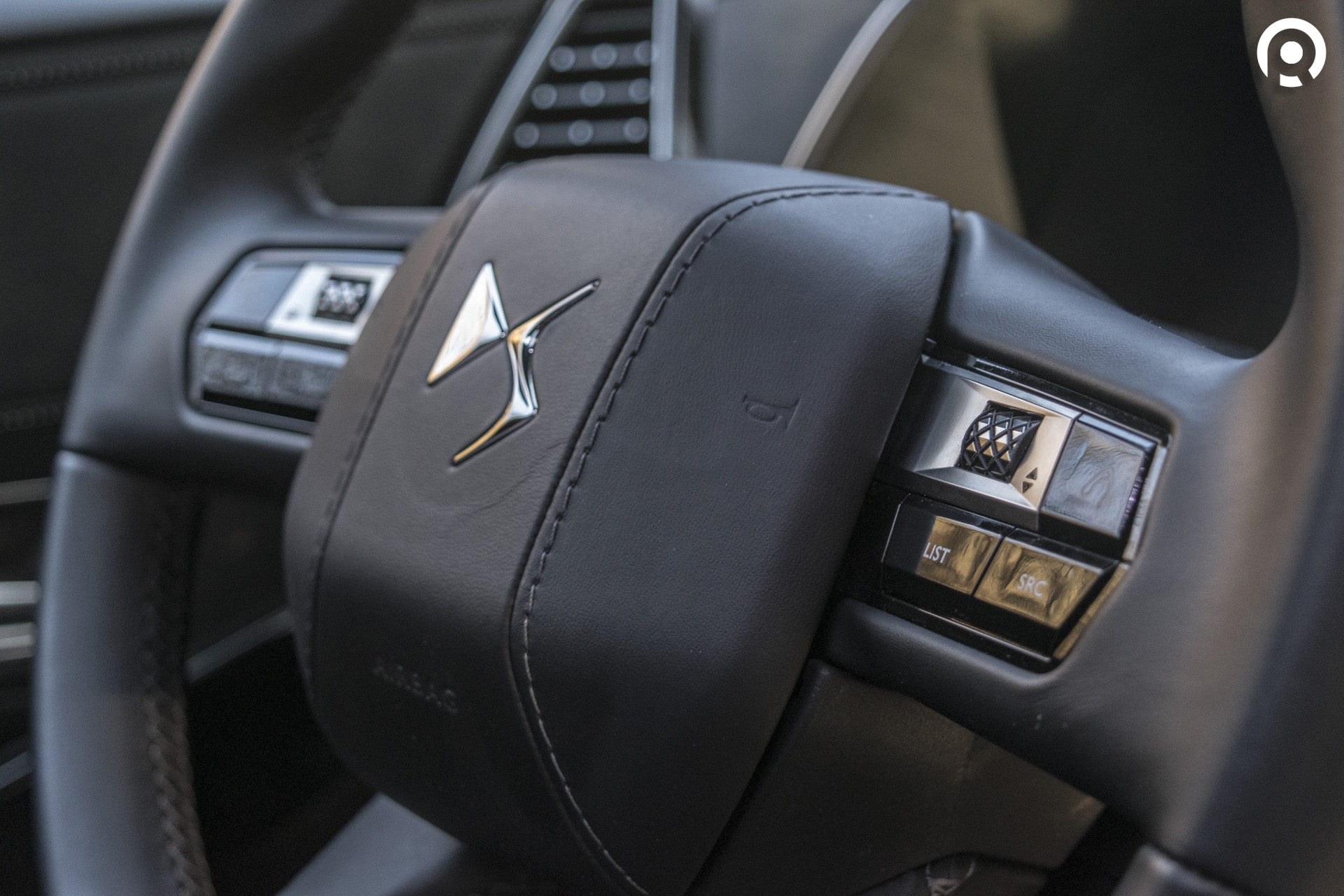
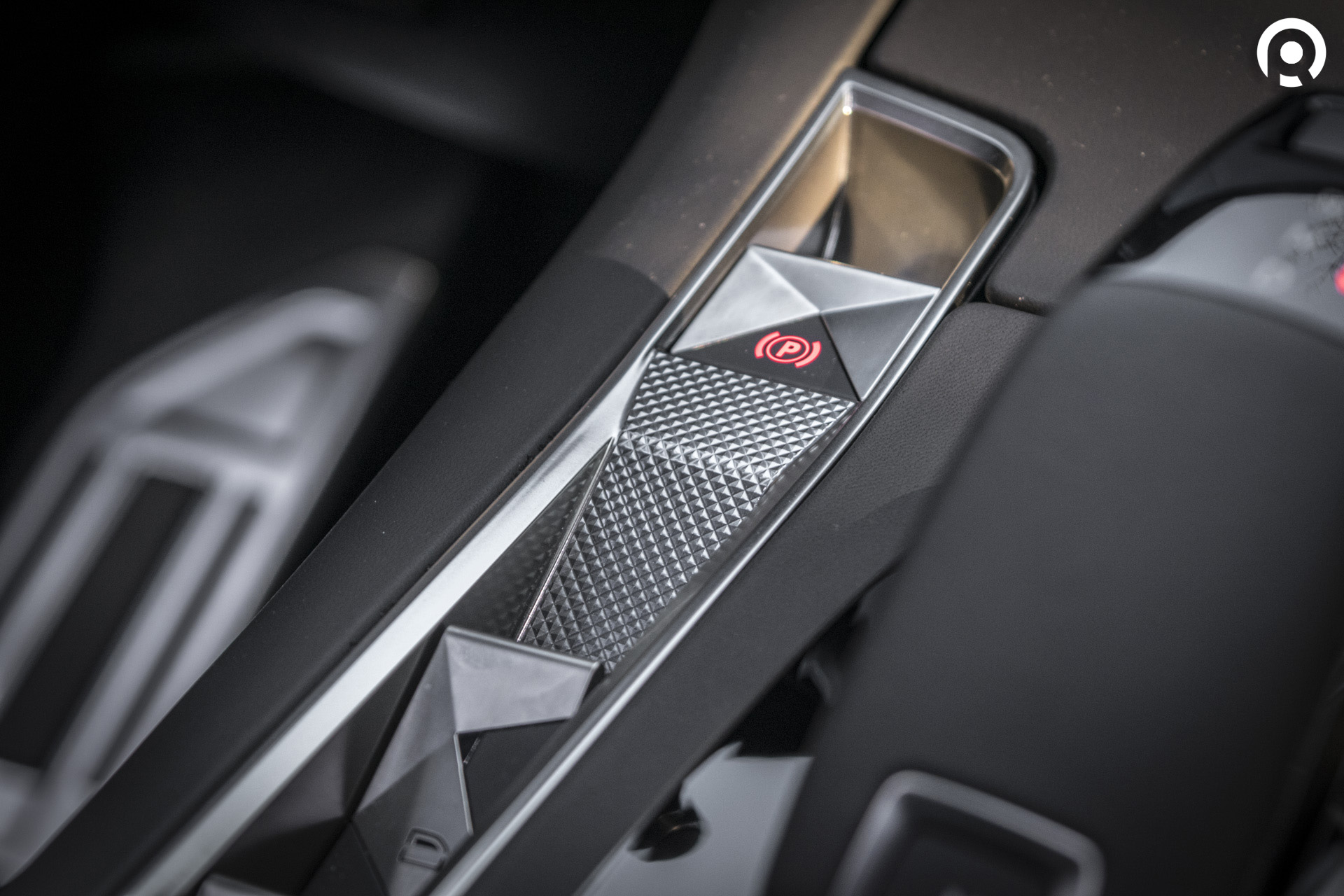
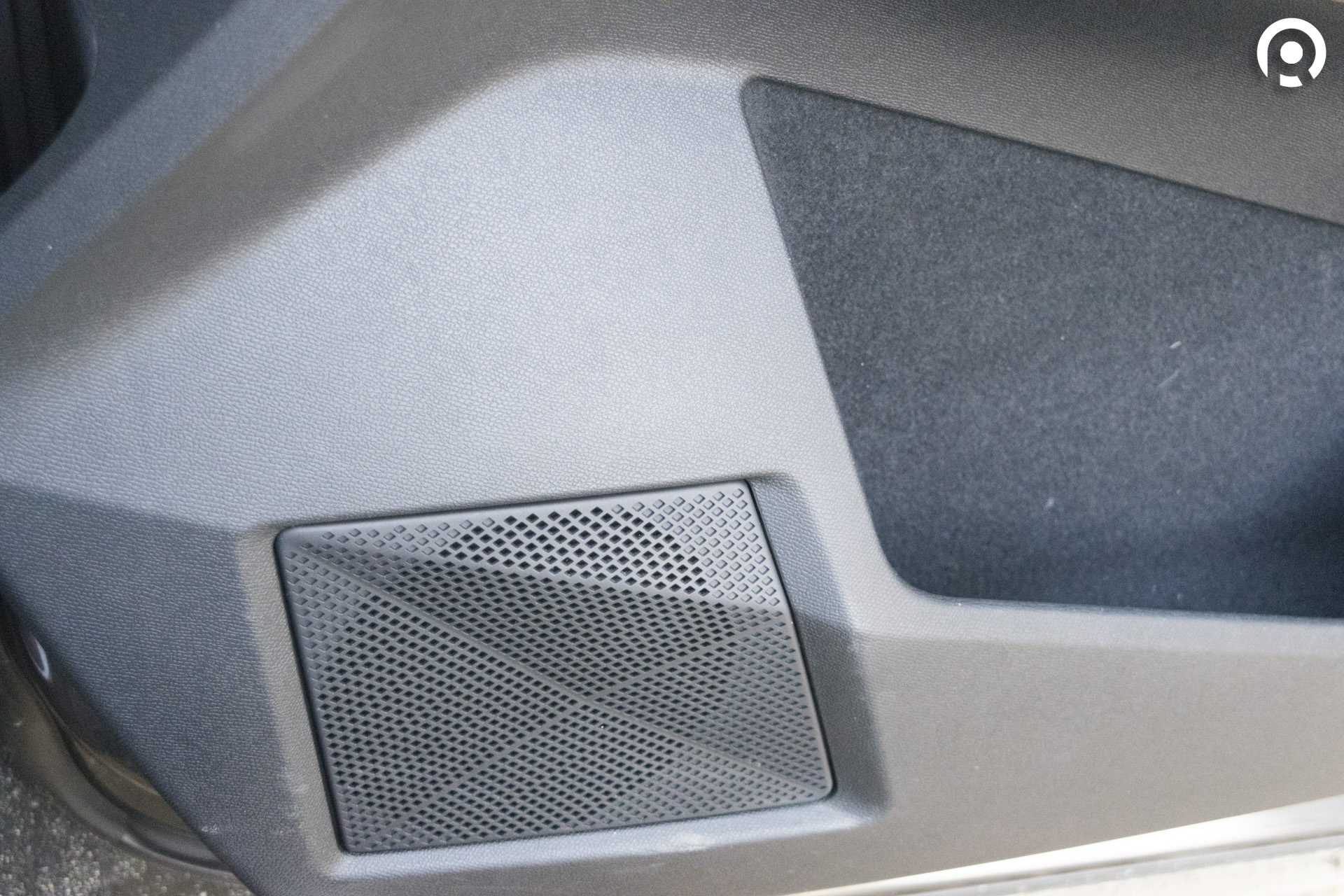
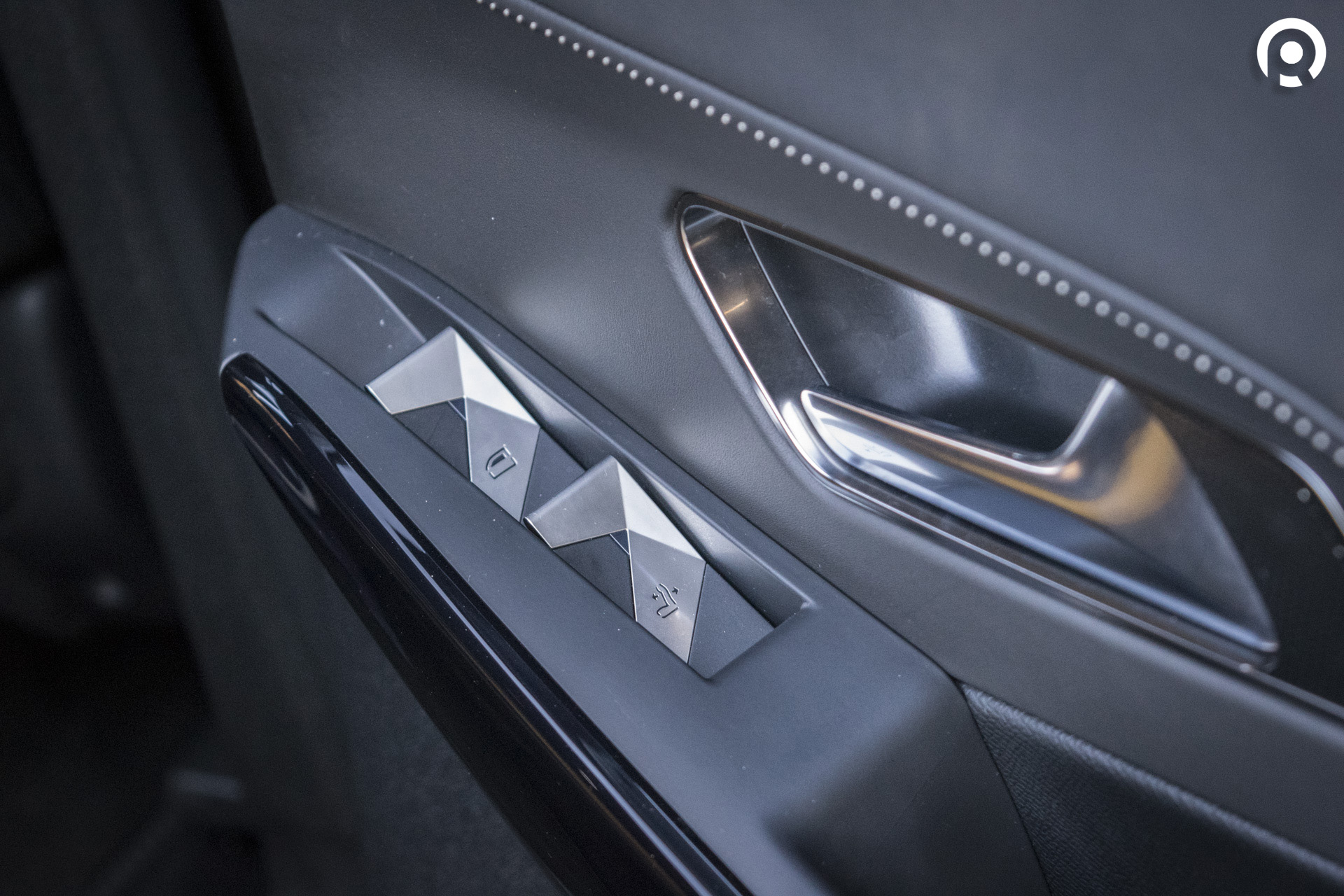
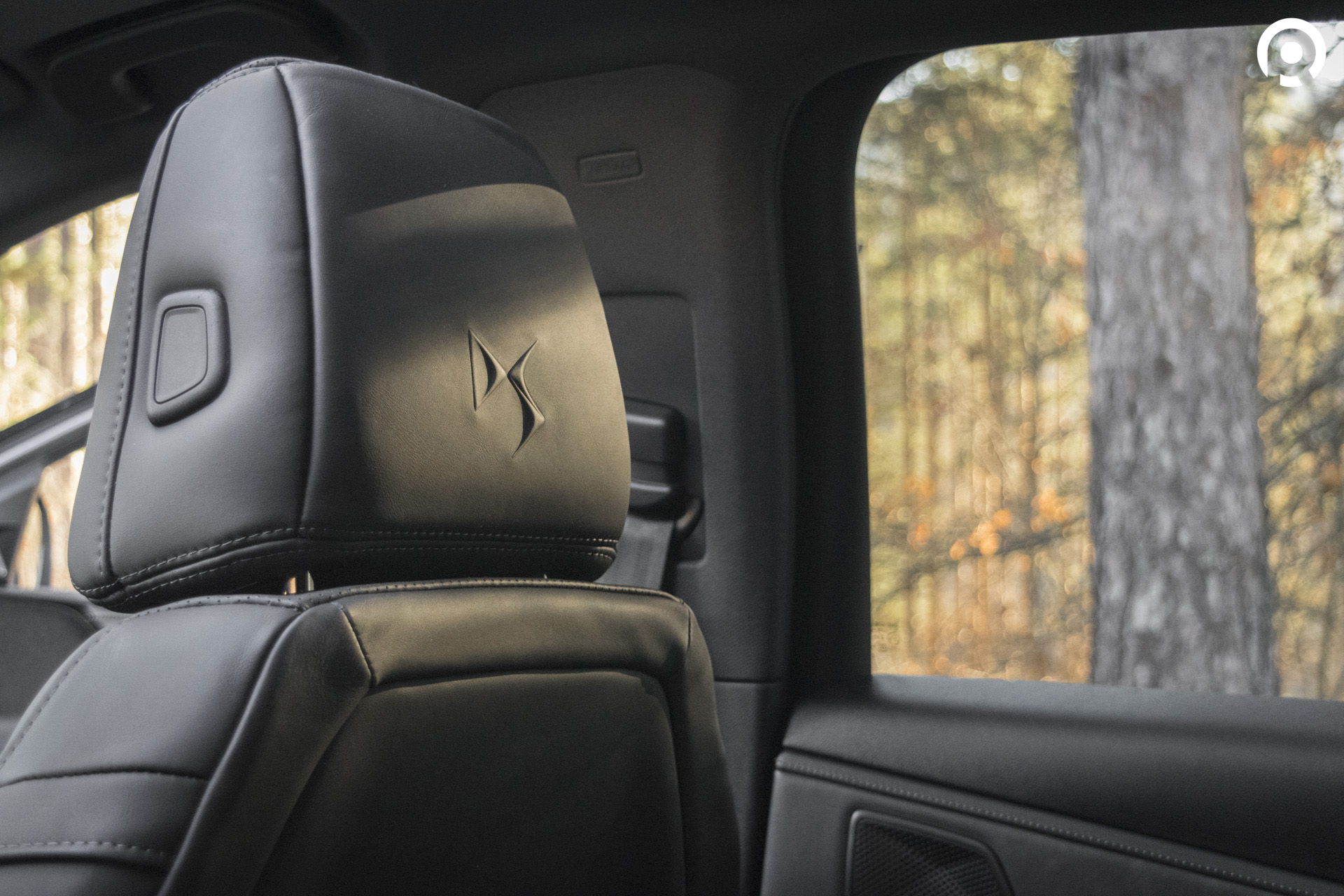
There’s a lot going on: contrast stitching everywhere, diamond-pattern textures, metallic-looking switches, geometric seat designs, and intricate speaker grilles. Each element on its own is appealing, but together they can feel overwhelming.
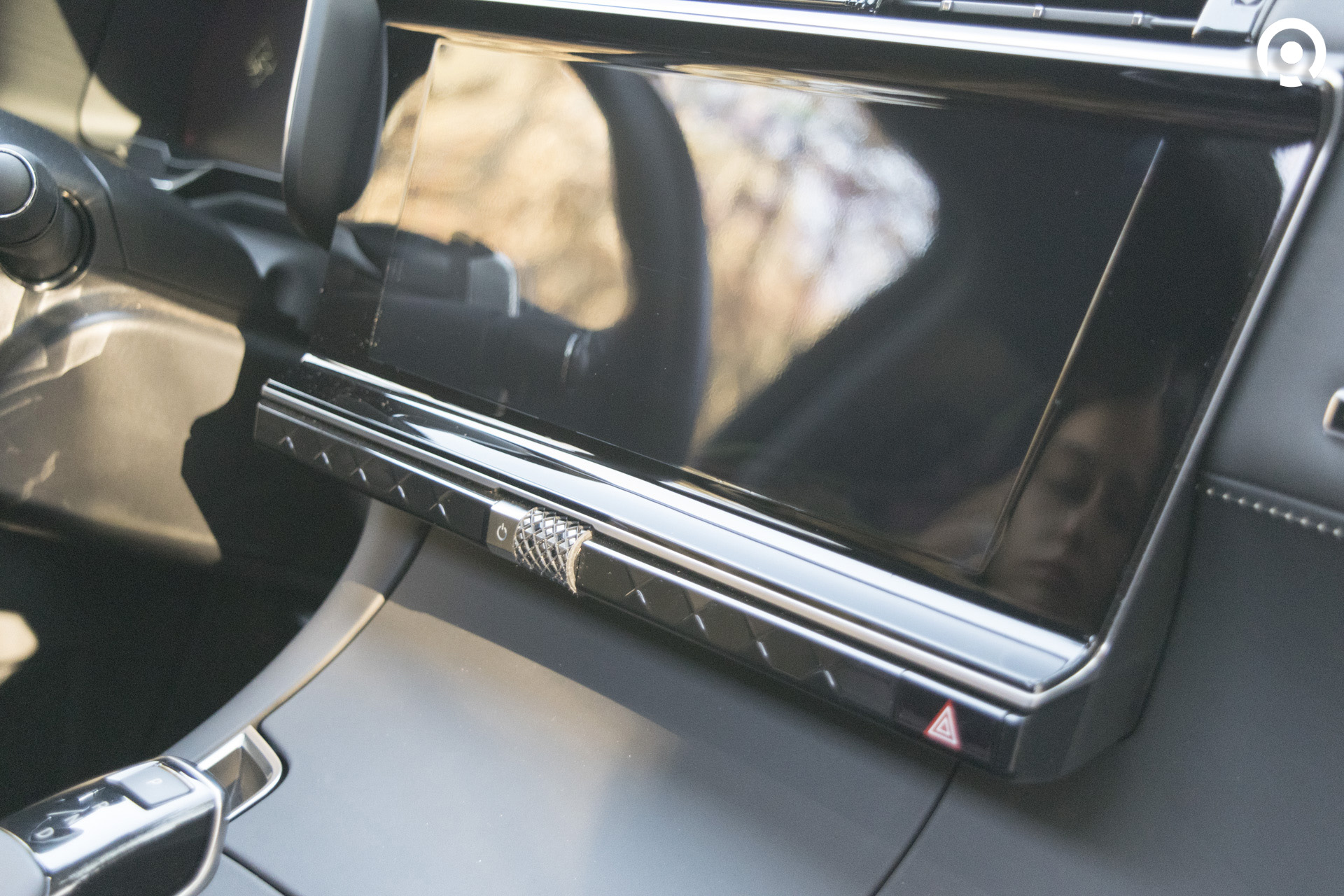
Some choices are less convincing. The metallic-looking trim around the centre console feels too plastic. The extensive use of capacitive controls—including the buttons below the infotainment screen—remains inconvenient in real driving conditions. The glossy display also suffers from reflections in bright light.
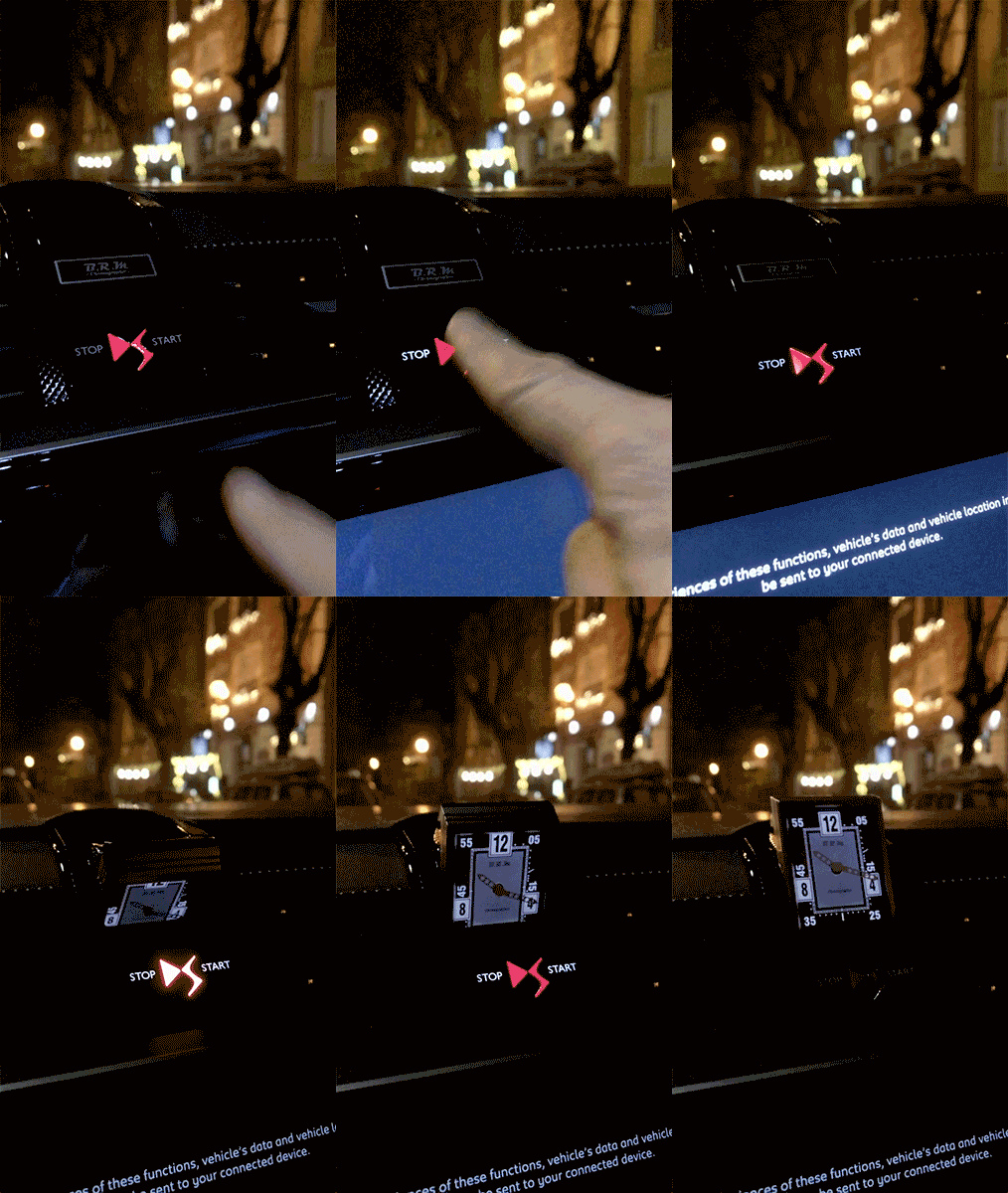
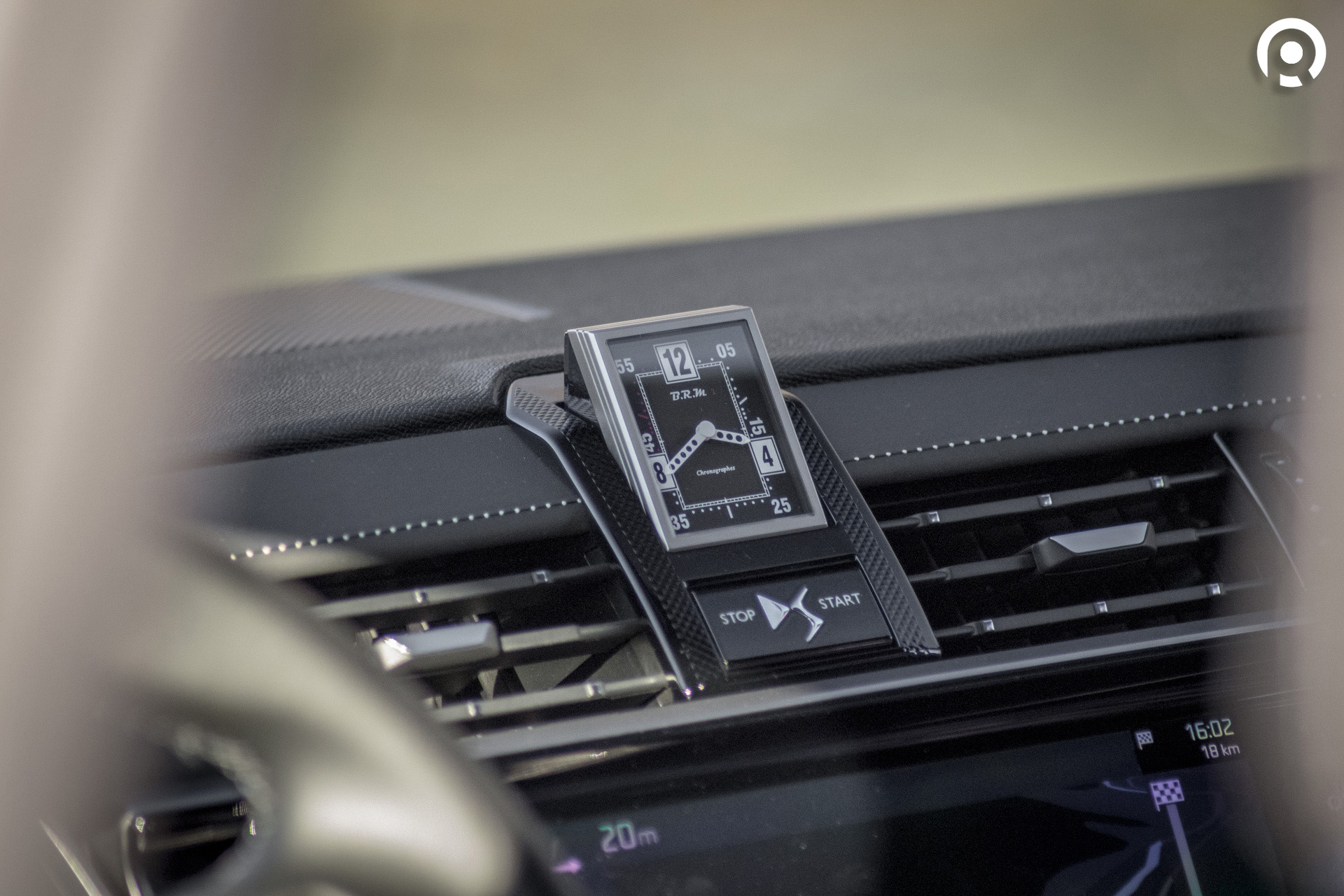
Then there’s the clock. It rises theatrically from the dashboard when you start the car. Unnecessary? Yes. But luxury often thrives on such theatrics. The watch itself is made by B.R.M, though its design isn’t exactly to my taste.
Putting these aside, the cabin impresses with quality materials—especially with the optional DS Opera package. Nappa leather seats, leather-wrapped details and fine stitching elevate the interior to a level comparable with more expensive premium cars.
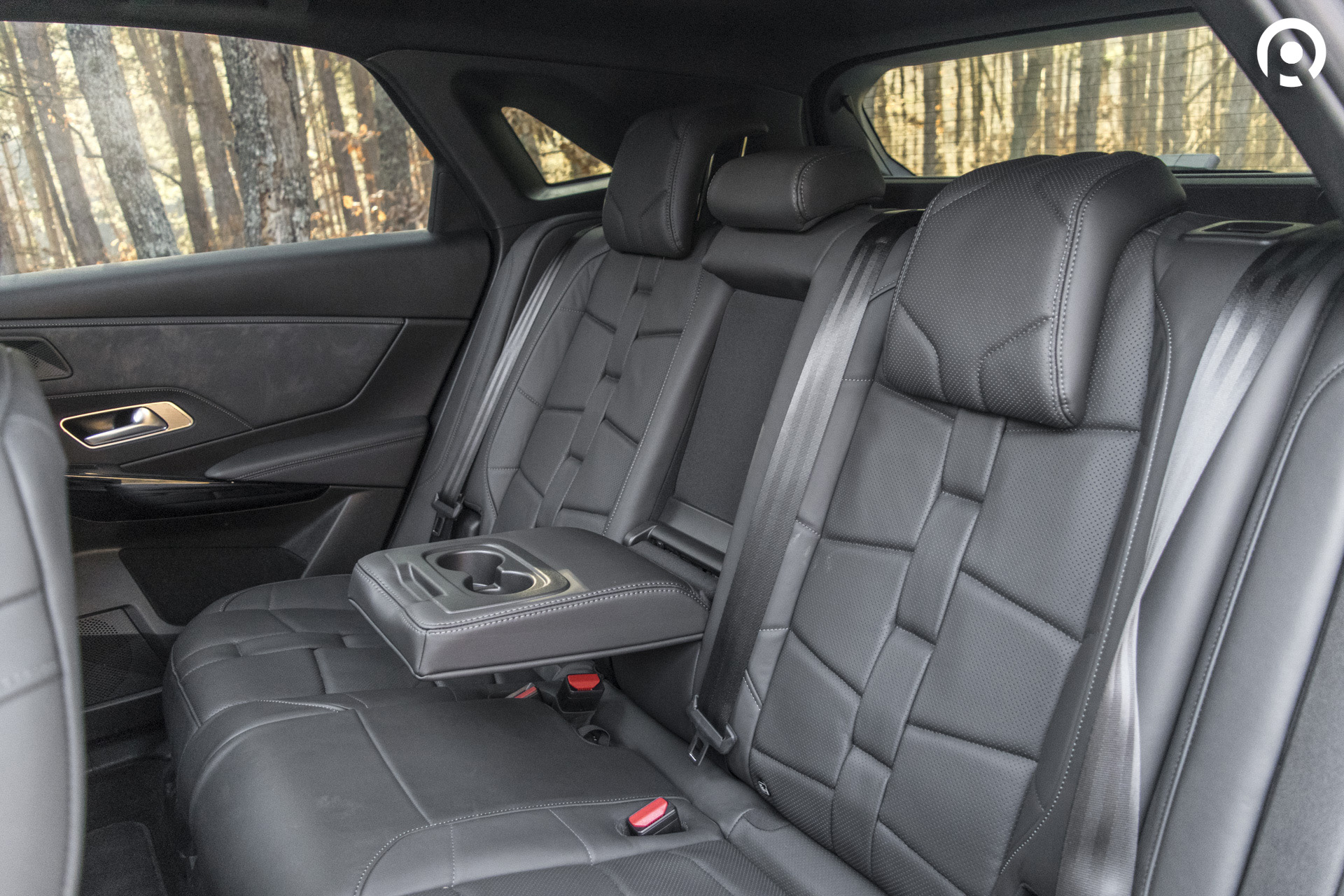
Practicality is another strong point. Large door bins, a deep centre armrest compartment, multiple storage areas and wireless charging add everyday usability.
Passenger space is generous, especially in the rear, thanks to slim front seatbacks. Rear seats even offer electric backrest adjustment—unnecessary, perhaps, but undeniably luxurious.
On the Road
The DS7 is available with petrol engines (130, 180, 225 hp), diesels, and a plug-in hybrid with 300 hp and all-wheel drive.
The test car featured the sensible 180 hp petrol engine paired with an eight-speed automatic gearbox. Acceleration to 100 km/h takes 8.9 seconds.
Starting the car was unexpectedly confusing—the start button is hidden beneath the B.R.M clock.
Once on the move, the DS7 immediately delivers what it promises: comfort.
In the city, it’s extremely quiet. The engine is well insulated, and higher trims include laminated acoustic glass, creating a calm, refined environment even in heavy traffic.
The suspension stands out. Even without the optional camera-based adaptive system, it feels exceptionally soft—arguably softer than anything I’ve driven. It reminds me of luxury models like the Mercedes-Benz S-Class.
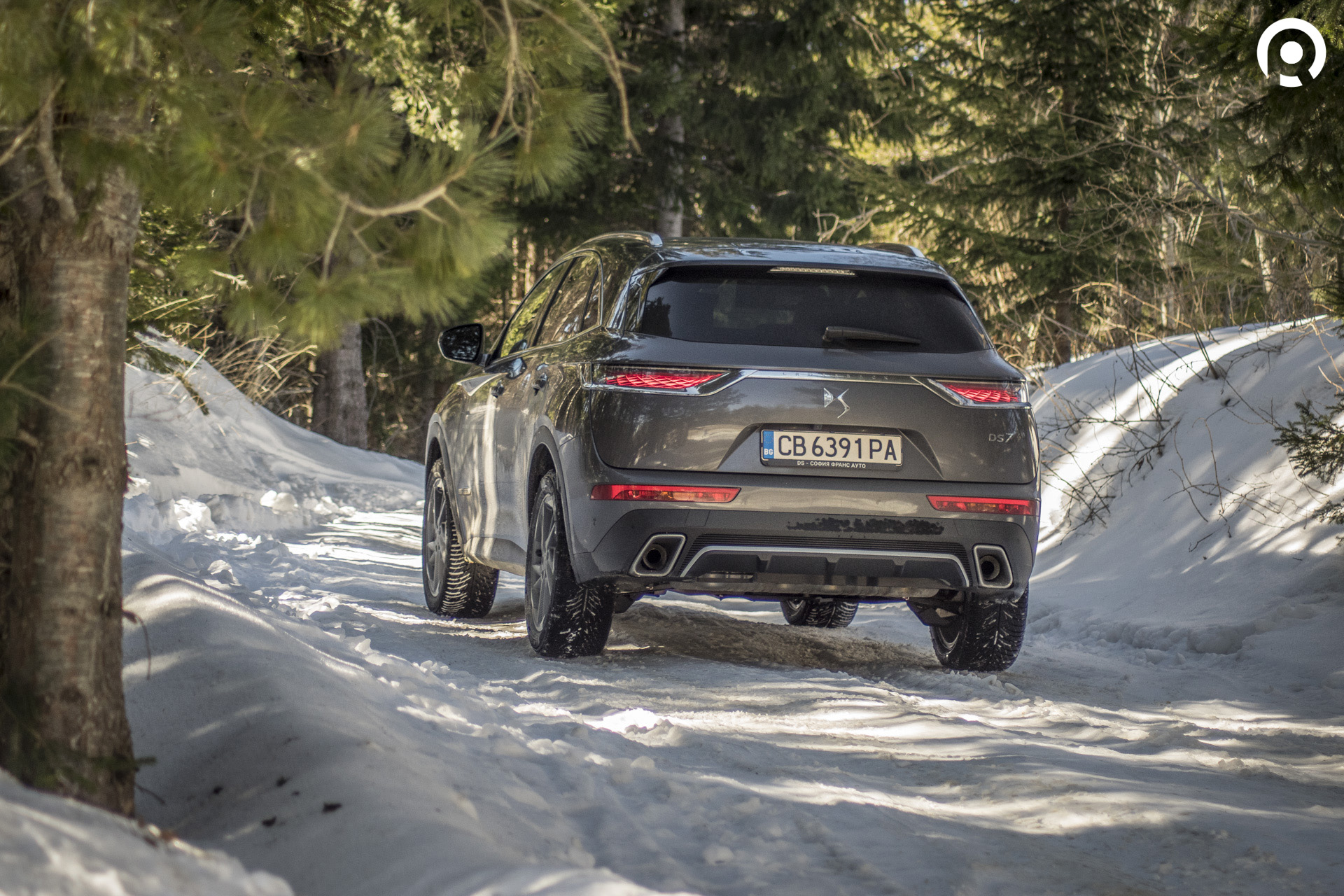
The downside? Noticeable body movement over bumps and significant body roll in corners. Rear passengers, in particular, may not appreciate this.
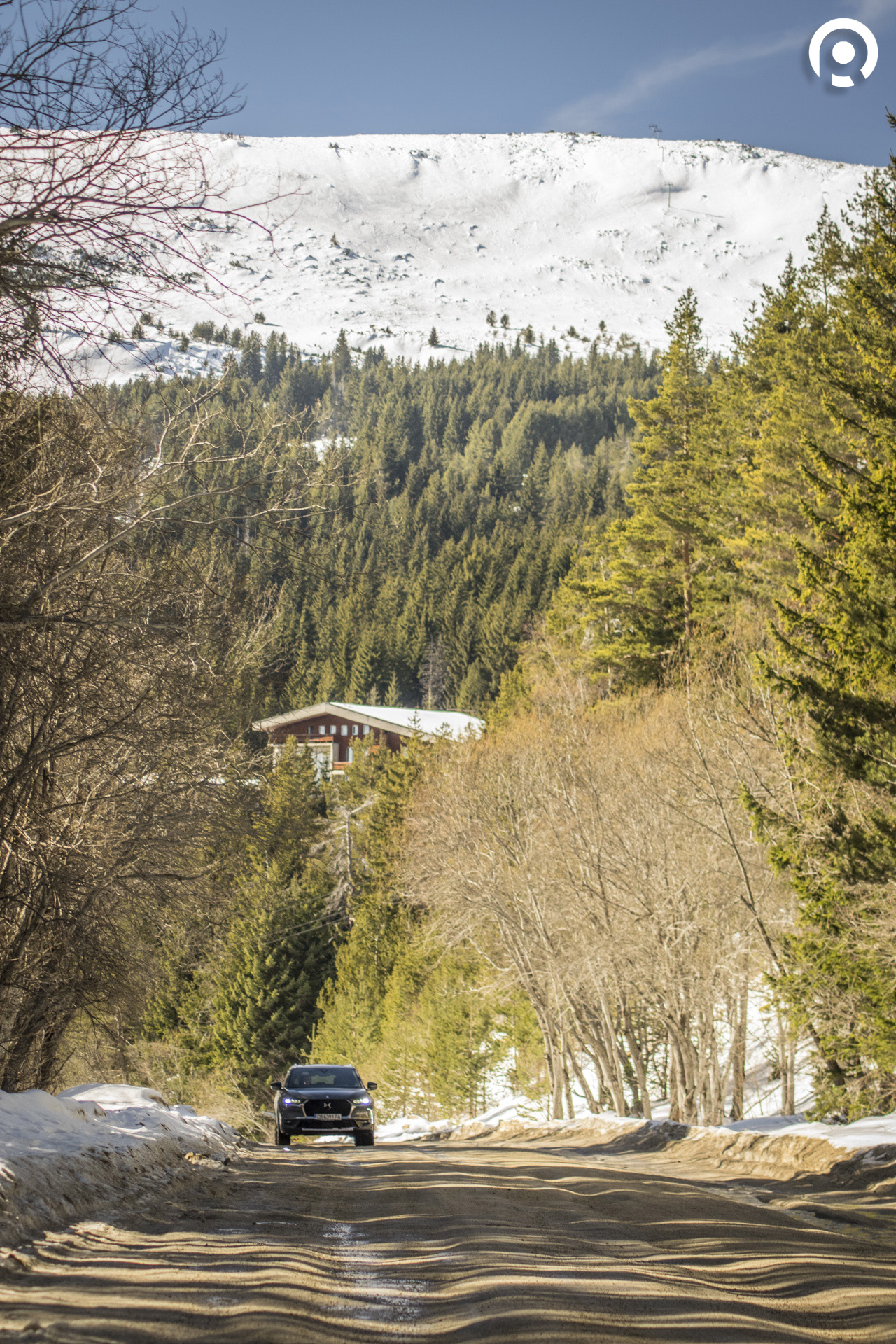
On rough mountain roads toward Vitosha, the DS7 remained incredibly comfortable, though I did notice occasional interior creaks—something that shouldn’t happen in a car with premium ambitions.
On twisty roads, the DS7 confirms its priorities. The engine provides adequate performance, but the driving experience isn’t engaging. Steering lacks precision, and body roll limits confidence in corners.
But that’s missing the point.
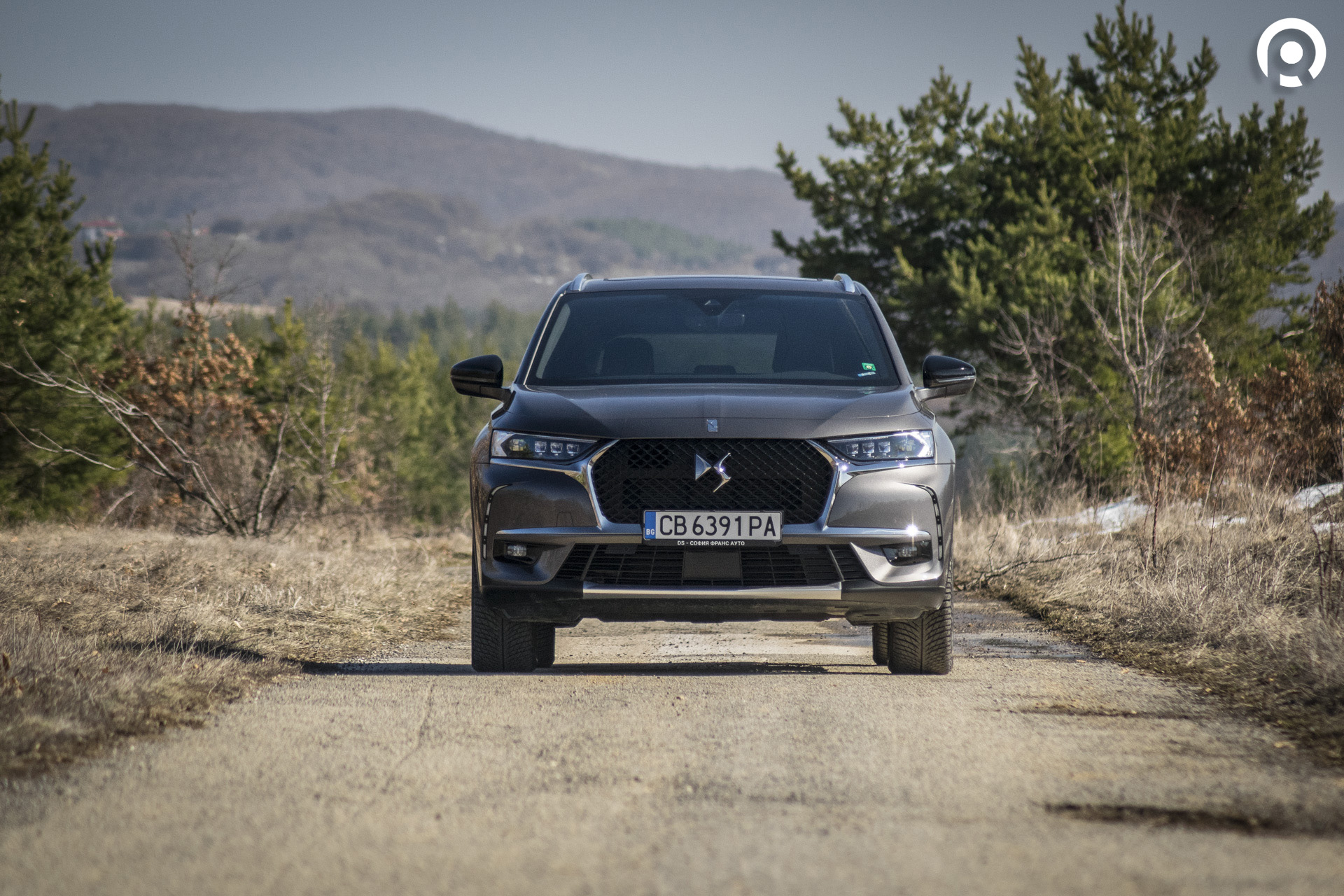
This car isn’t about driving excitement—it’s about relaxation. Massage seats, ventilation, panoramic roof… the DS7 encourages you to slow down and enjoy the journey.
On the motorway, it remains quiet and composed even at 140–150 km/h. Engine noise is minimal, appearing only under hard acceleration.
Fuel consumption is reasonable. With careful driving, around 5.5 l/100 km is achievable, while highway driving can push it above 10 l/100 km. My combined average was 8.6 l/100 km.
Conclusion
The DS 7 Crossback is a distinctive offering in the premium compact SUV segment.
Its design focuses on presence and detail, especially inside. This is not a car for those who prefer minimalism.
Where it truly excels is comfort. With soft suspension, excellent sound insulation, comfortable seats and rich equipment, it delivers a classic luxury experience.
For drivers seeking dynamic handling, however, the DS7 is not the right choice. Its steering lacks precision, body roll is significant, and performance—while adequate—is not exciting.
This is a car best suited for relaxed drivers who value comfort, high seating position and interior space. With 19 cm of ground clearance and front-wheel drive (in non-hybrid versions), it’s designed for civilized roads rather than off-road adventures.
Prices start at around 60,300 BGN, while a well-equipped version with the 180 hp engine reaches approximately 85,000–95,000 BGN.
Eng. Tsvetan Iliev

Comments are closed.