
Late 1990s – little Tsvetan (that’s me) is obsessively browsing Teletext, searching for cinema listings. Why? To find where and when they’re showing Taxi. You remember it – that French film with the modified Peugeot 406. I still remember how excited I was to watch it, and naturally, I didn’t care about the plot – I cared about the car scenes.

Summer of 2000, Sofia Motor Show. A slightly older Tsvetan (still me) is holding a video camera with trembling hands, filming as the French ambassador and another gentleman unveil the new Peugeot 607. The result, of course, was a terribly shaky and barely watchable video.
So what does all this have to do with today’s test? Simply that back then, Peugeot models felt genuinely exciting to me – because design matters, and it sells. Later on, the French brand lost its charm, merging the successors of those two models into the 508, which became as bland as a VW Passat, albeit with more questionable qualities.
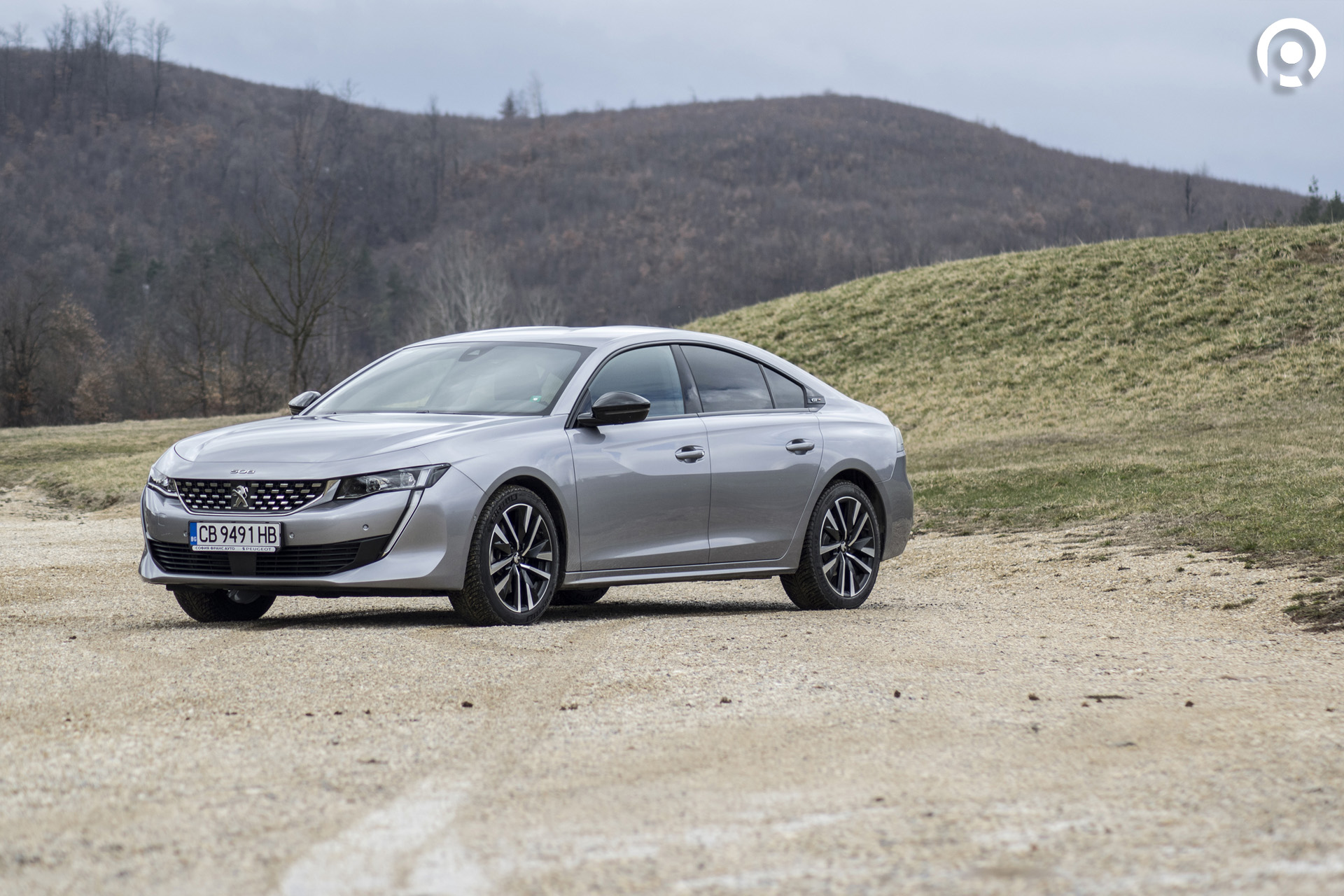
Well, last year, for the first time since my childhood, a Peugeot genuinely excited me the moment I saw it at the Geneva Motor Show – and that was the second-generation 508.
Design
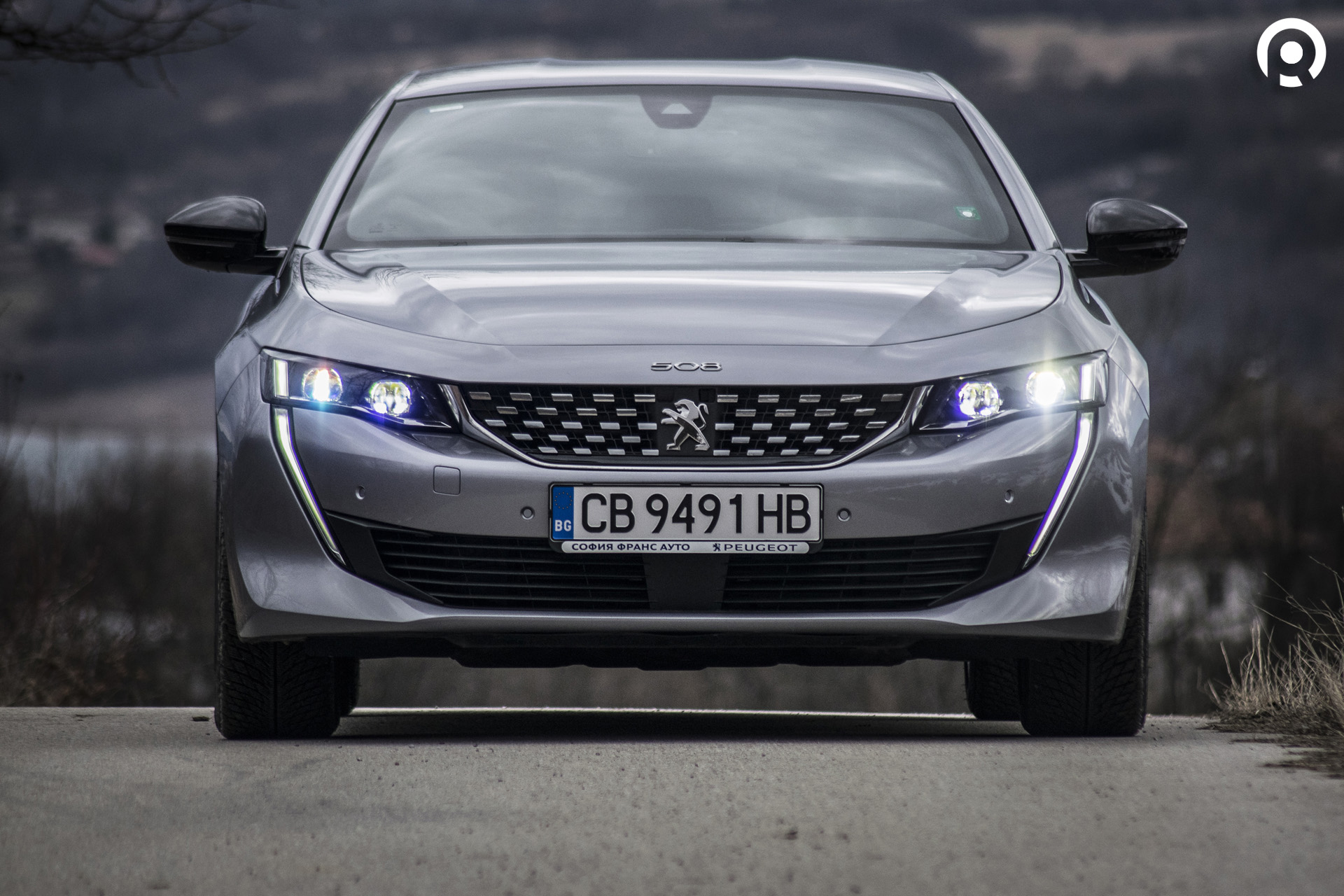
As already mentioned, it’s a well-known fact that attractive design sells. In today’s era, where everyone is chasing SUVs, traditional sedans are struggling. That means they need bold, eye-catching design more than ever.
Peugeot clearly understands this. The new 508 moves away from the classic large family sedan and steps into the territory of “coupe-like” models, such as the VW Arteon.
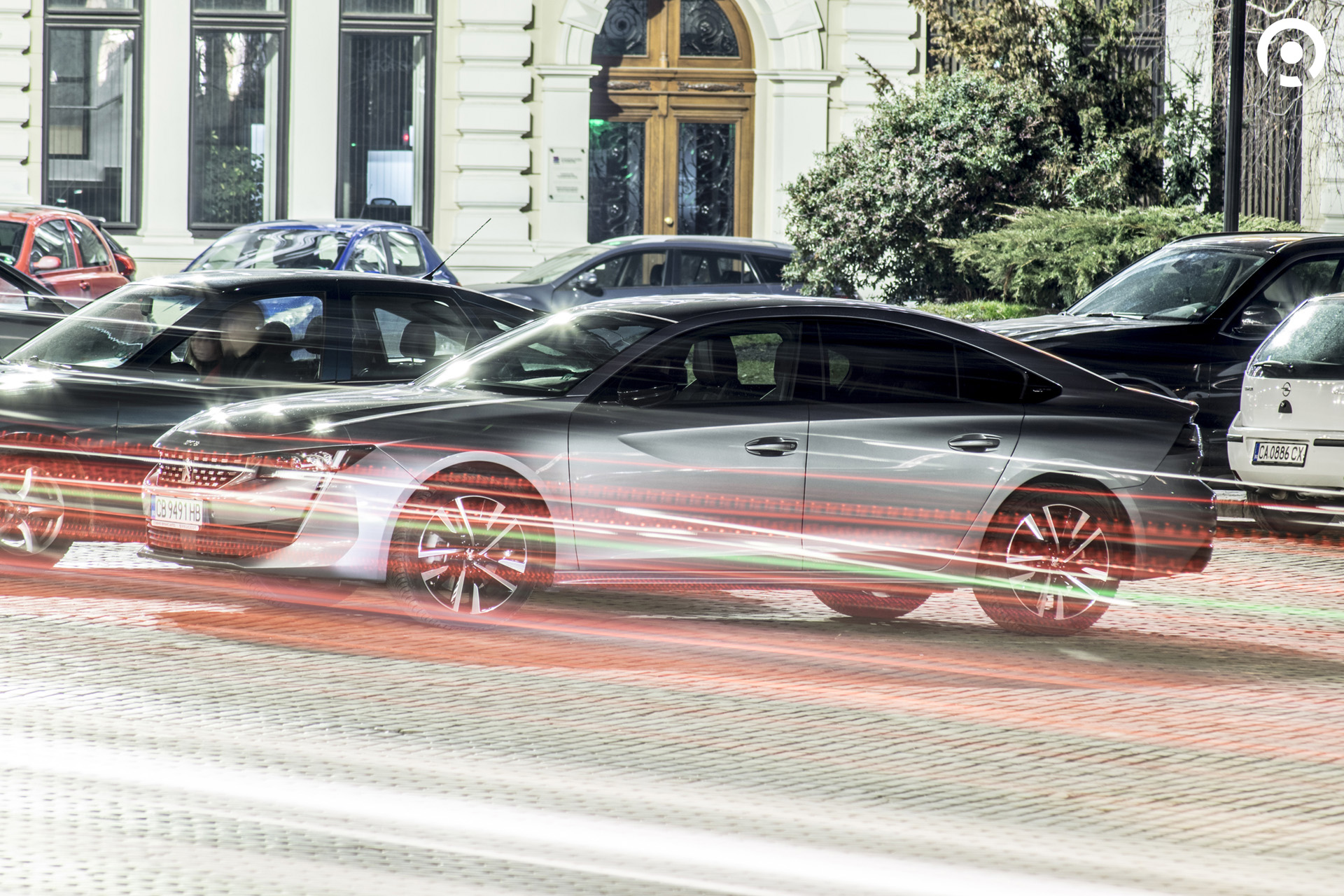
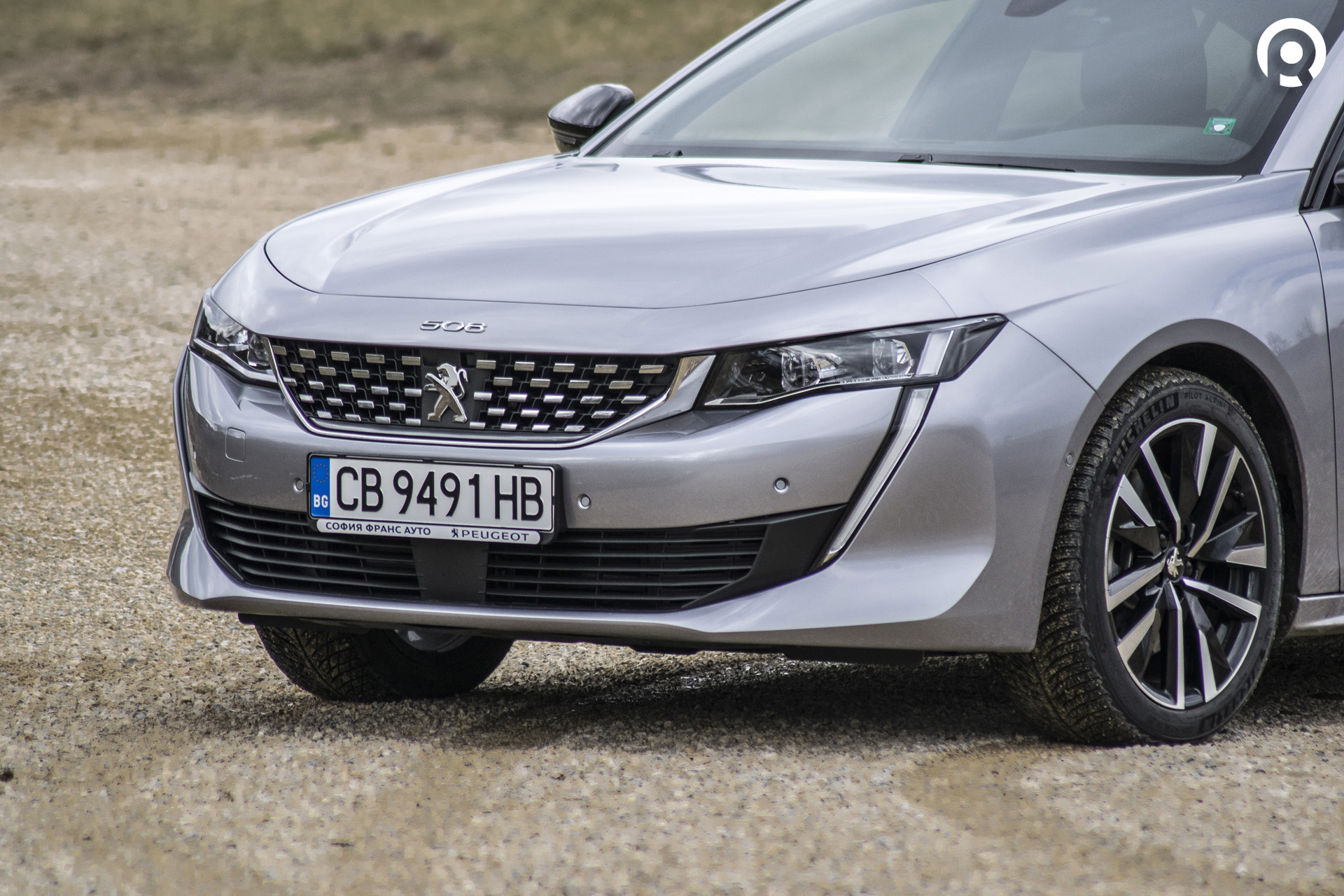
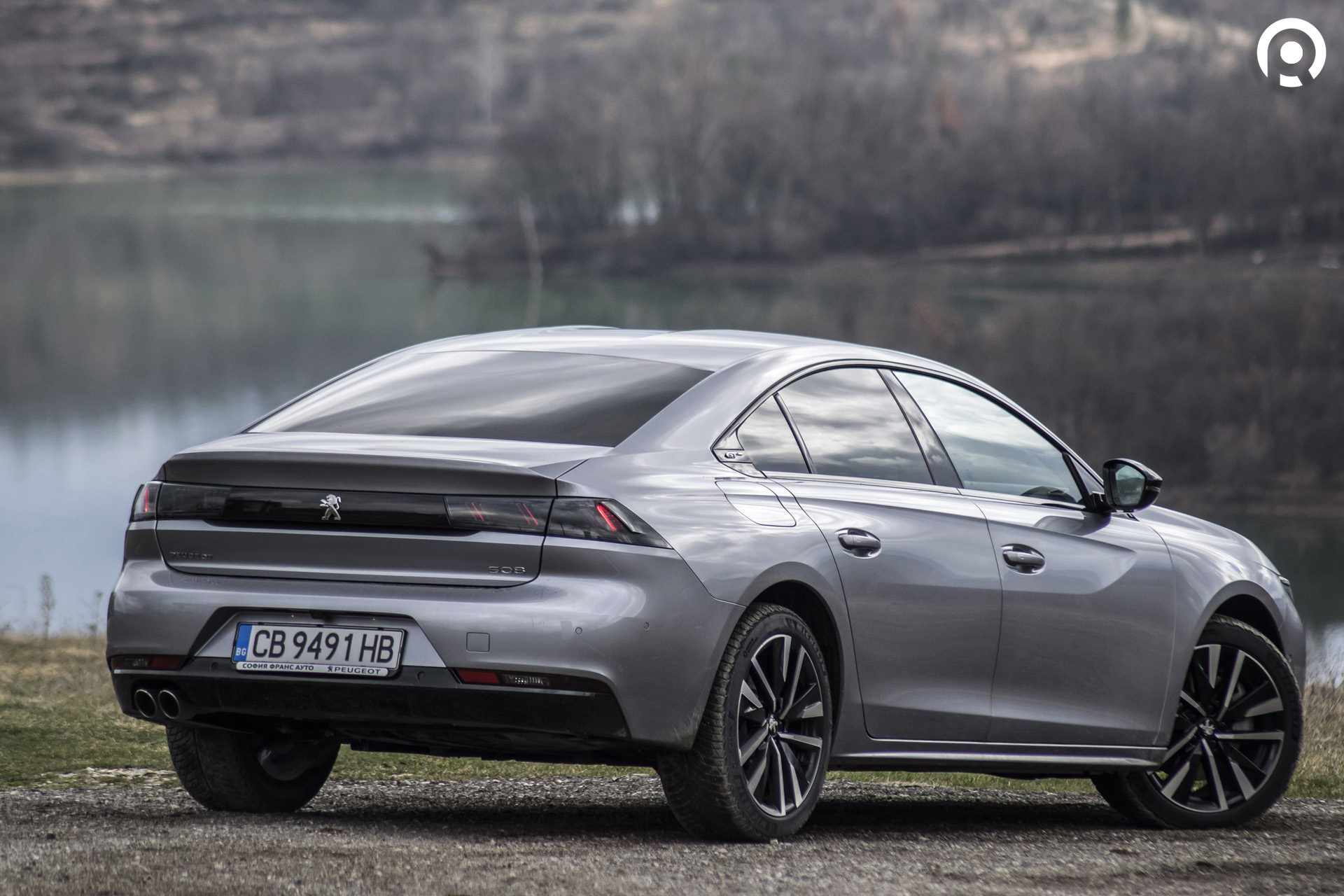
Technically, it’s not a coupe, but a five-door car that Peugeot calls a sedan – while I would describe it as a liftback. Either way, the profile is dynamic, the frameless side windows add flair, and the front end looks aggressive, almost like a wild predator. The daytime running lights resemble fangs – which I believe was exactly the designers’ intention. Judging by how quickly cars moved out of my way on the motorway, that impression seems to work.
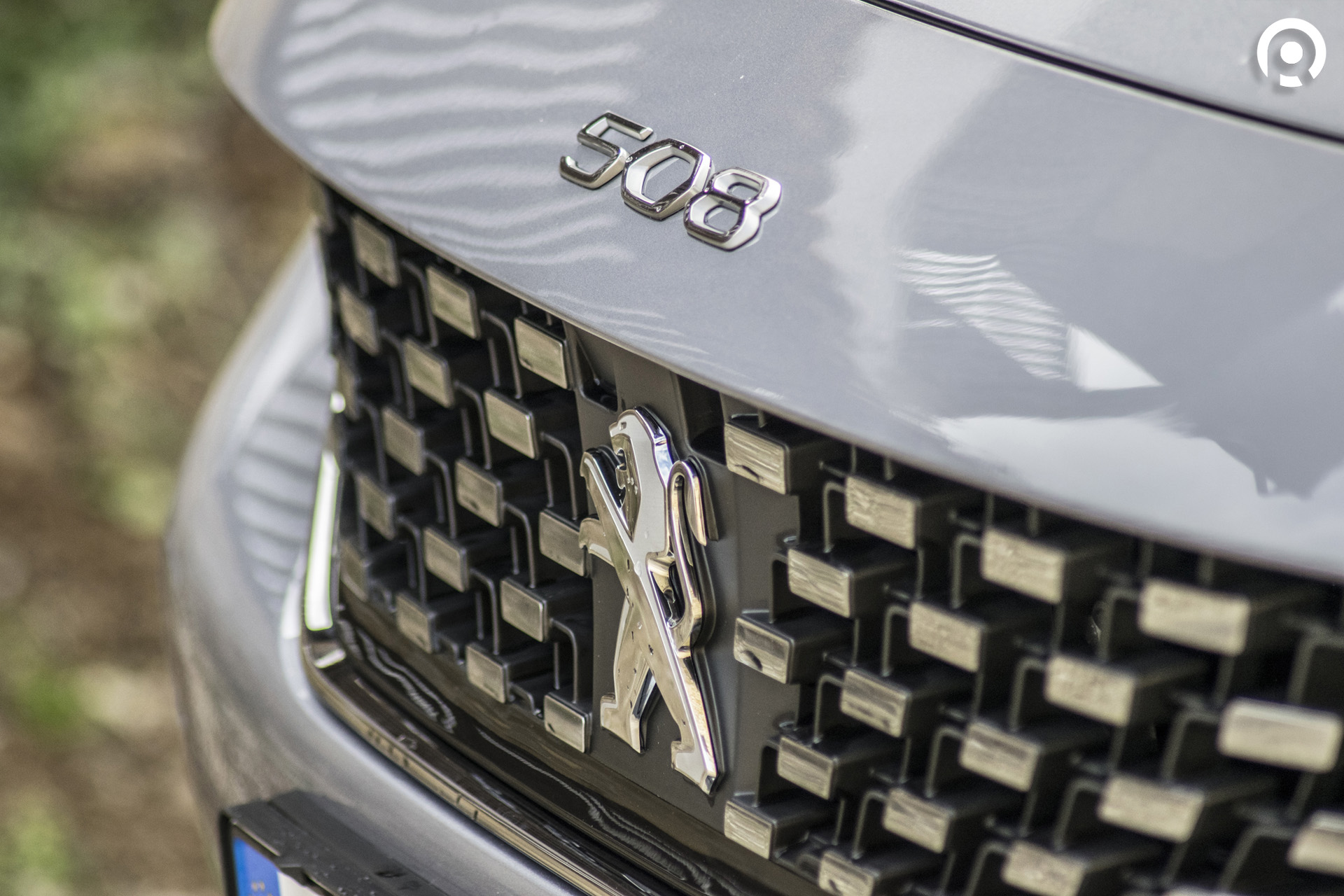
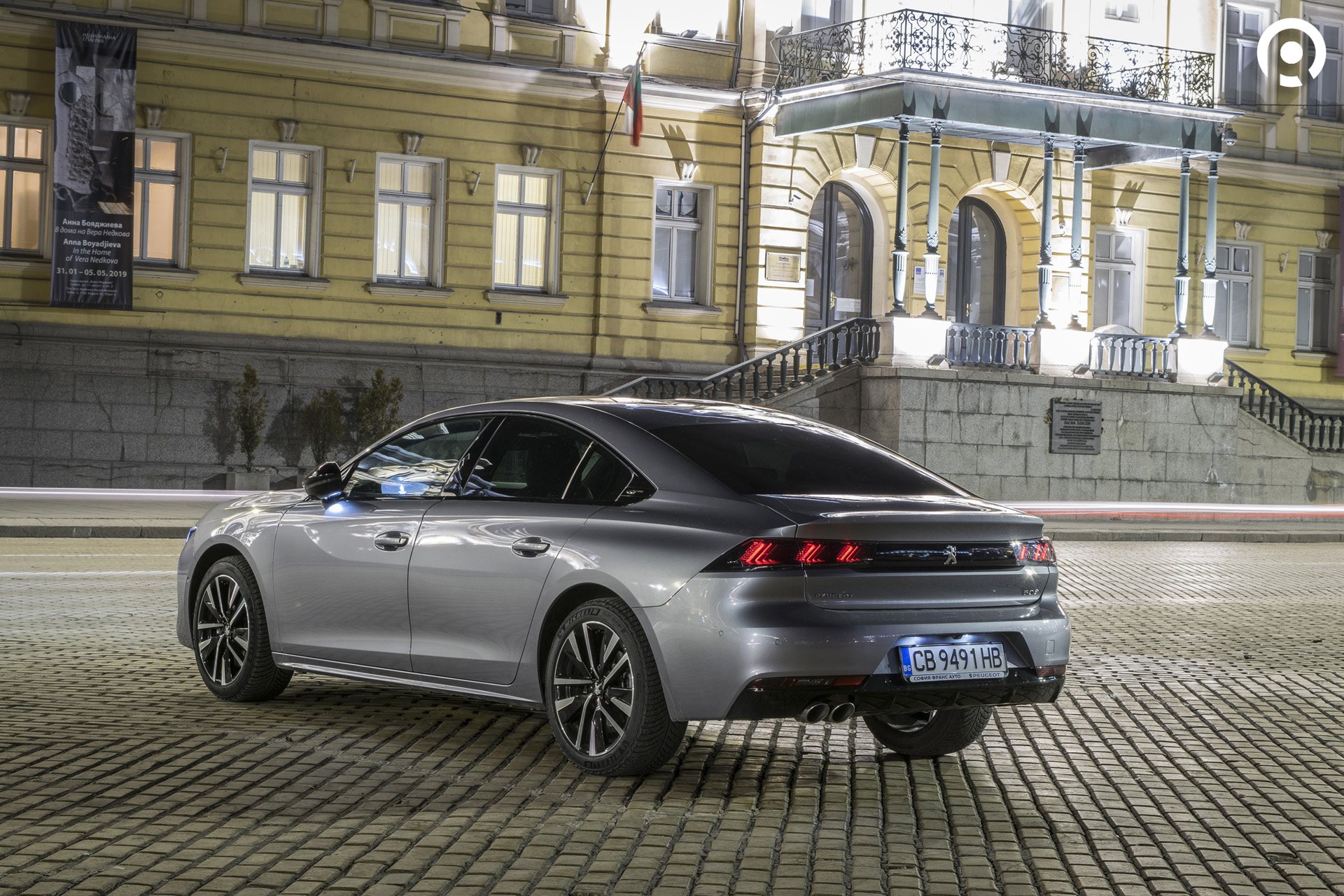
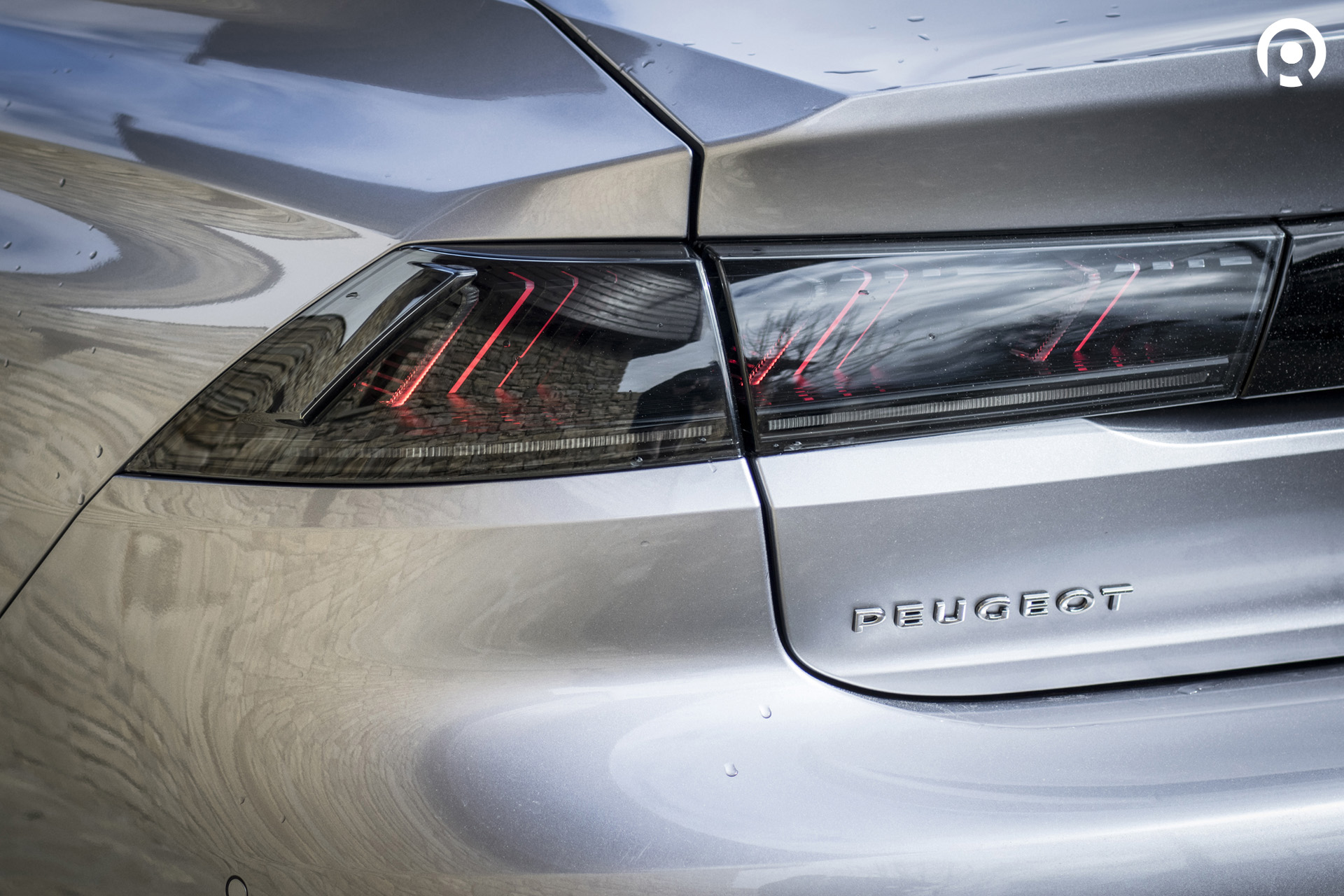
Another interesting detail is the darkened rear lights, which look as if they came straight from a concept car and add a strong sense of individuality. I also like the “508” badge placed on the bonnet – a retro-chic touch – as well as the sculpted bumper lines around the headlights, which make the front even more expressive.
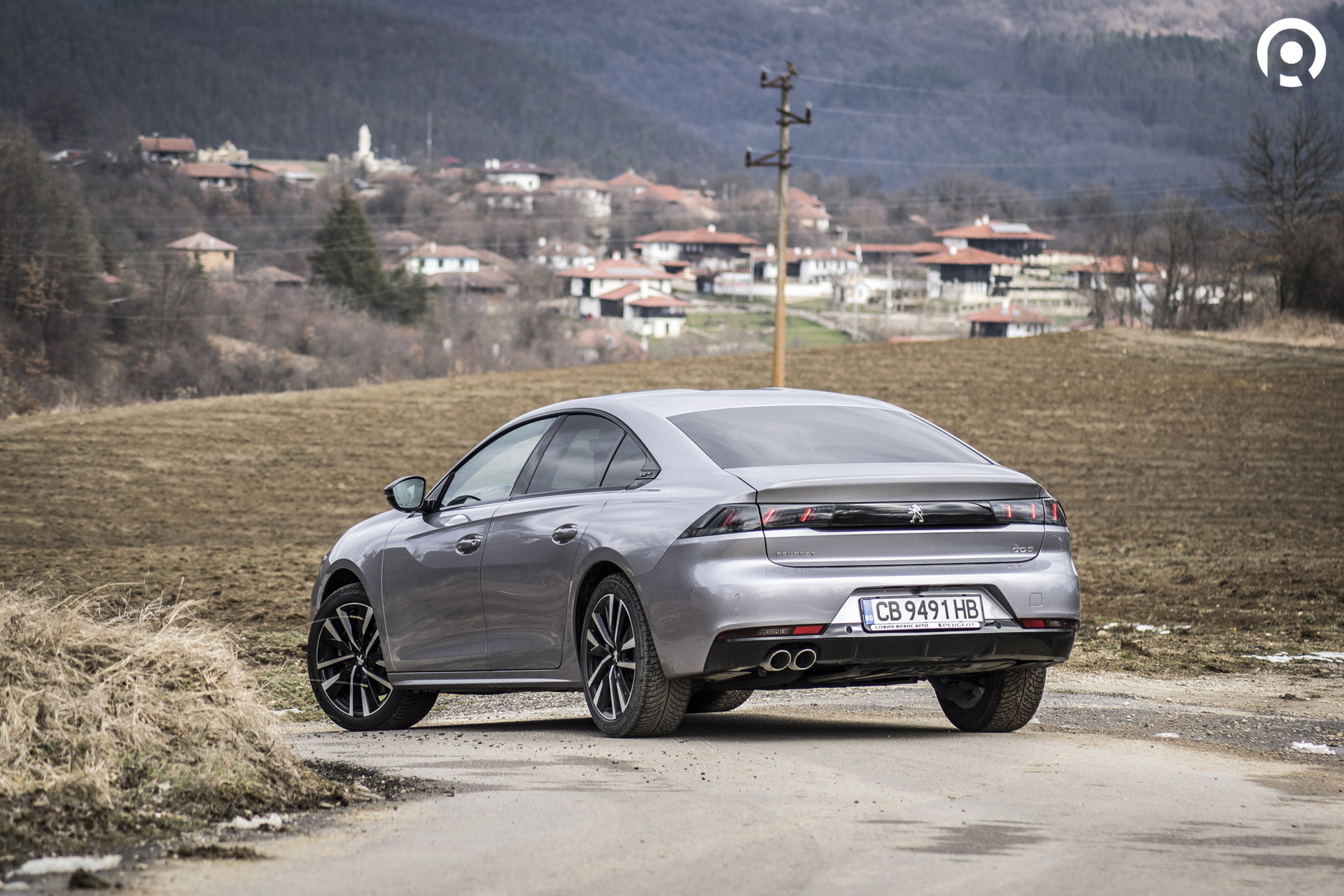
Overall, I really like the design. Yes, the VW Arteon looks more imposing and expensive (which it is), but the compact, lighter, and sportier appearance of the 508 will definitely find its audience.
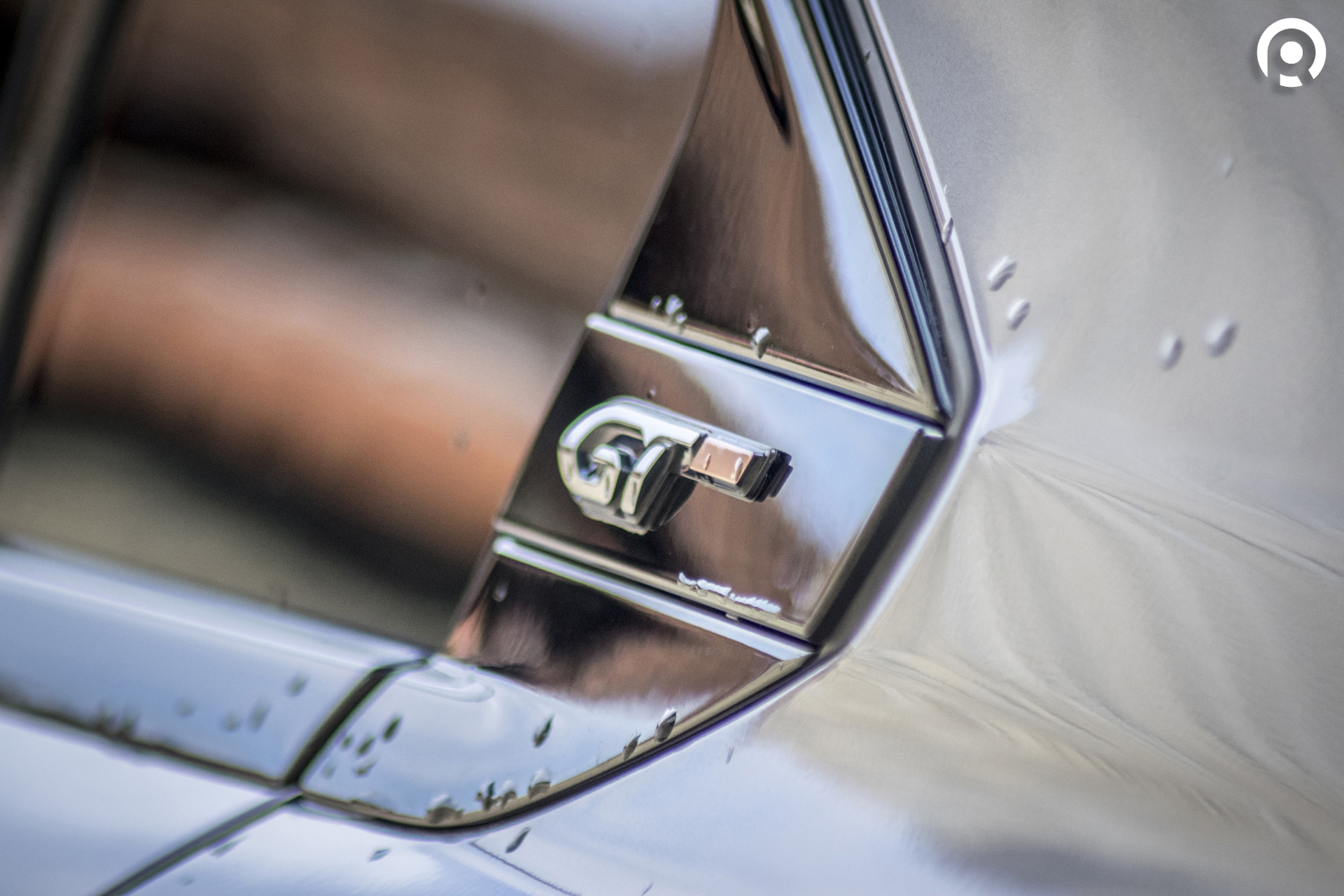
It’s worth noting that the test car is in GT trim, which significantly enhances its appearance with more refined details. The visually similar GT Line starts at around €30,000, roughly €3,000 more than the base Active version.
Interior
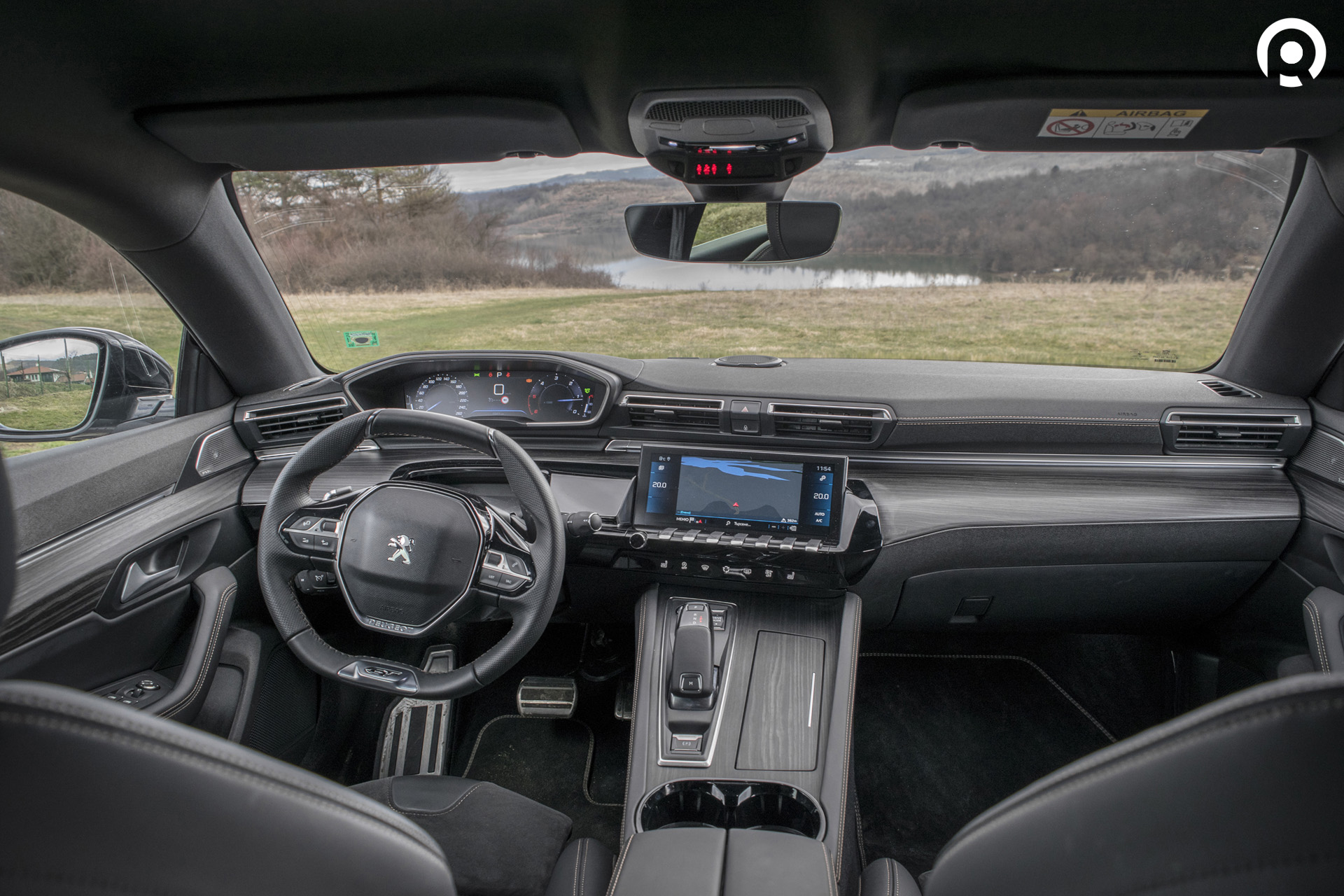
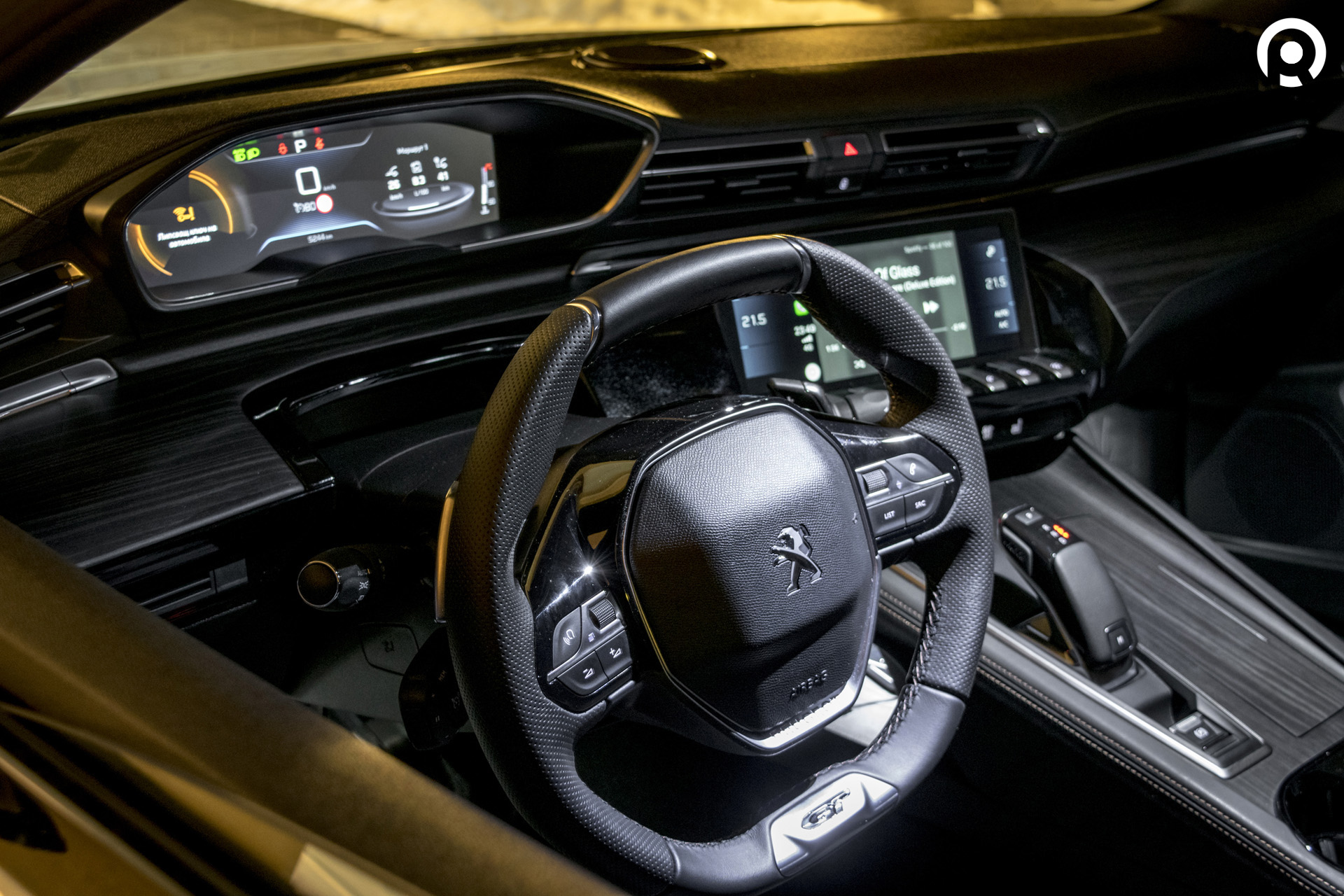
Open the door of the 508, and you feel like you’ve stepped onto the set of a sci-fi movie – more specifically, into a spaceship mock-up. The interior design is avant-garde, almost concept-car-like.
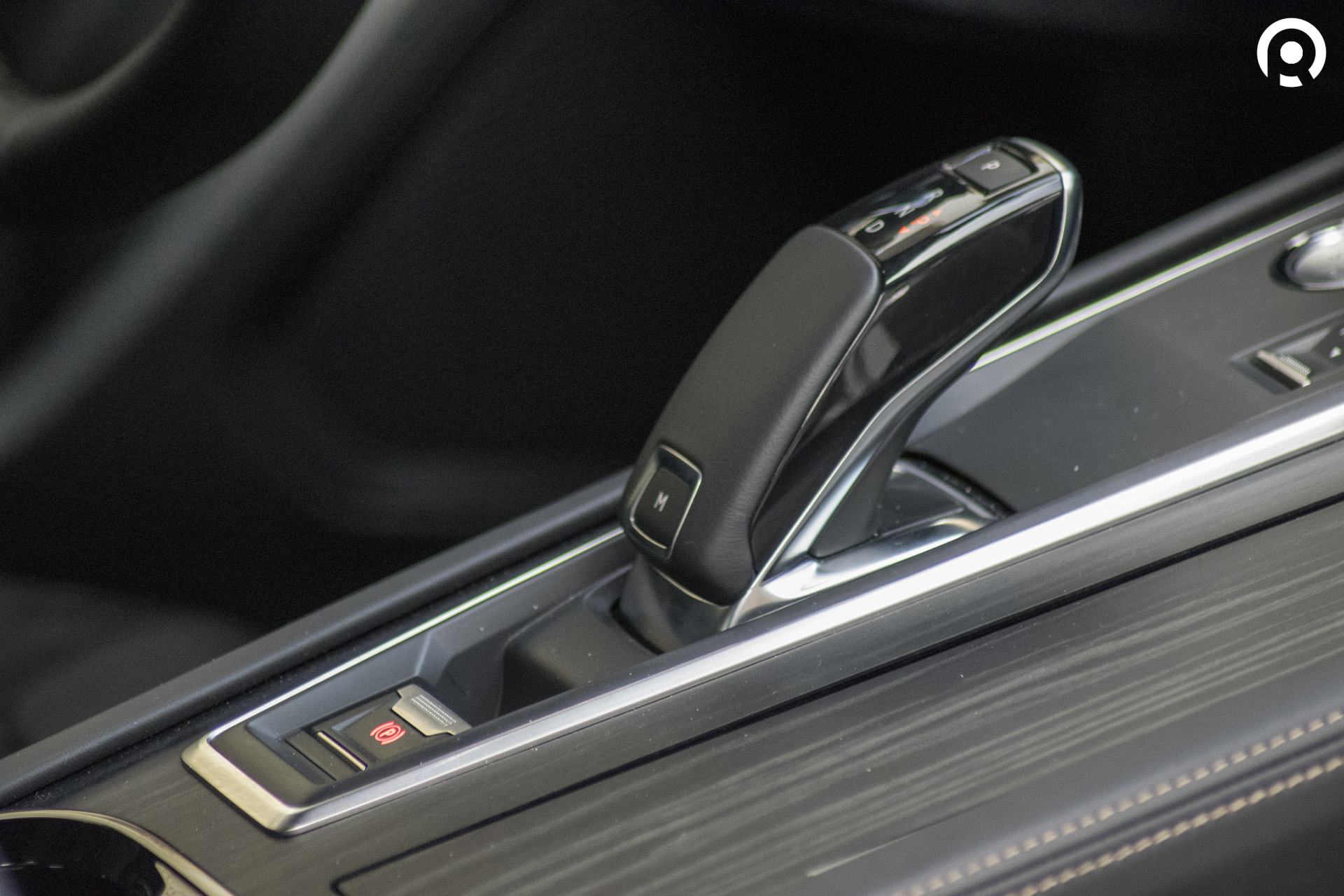
The ultra-compact steering wheel with dual grips, the wide horizontal decorative surfaces, the gear selector (I can’t even call it a traditional gear lever), and the row of metallic toggle switches below the infotainment screen – everything is bold and different.
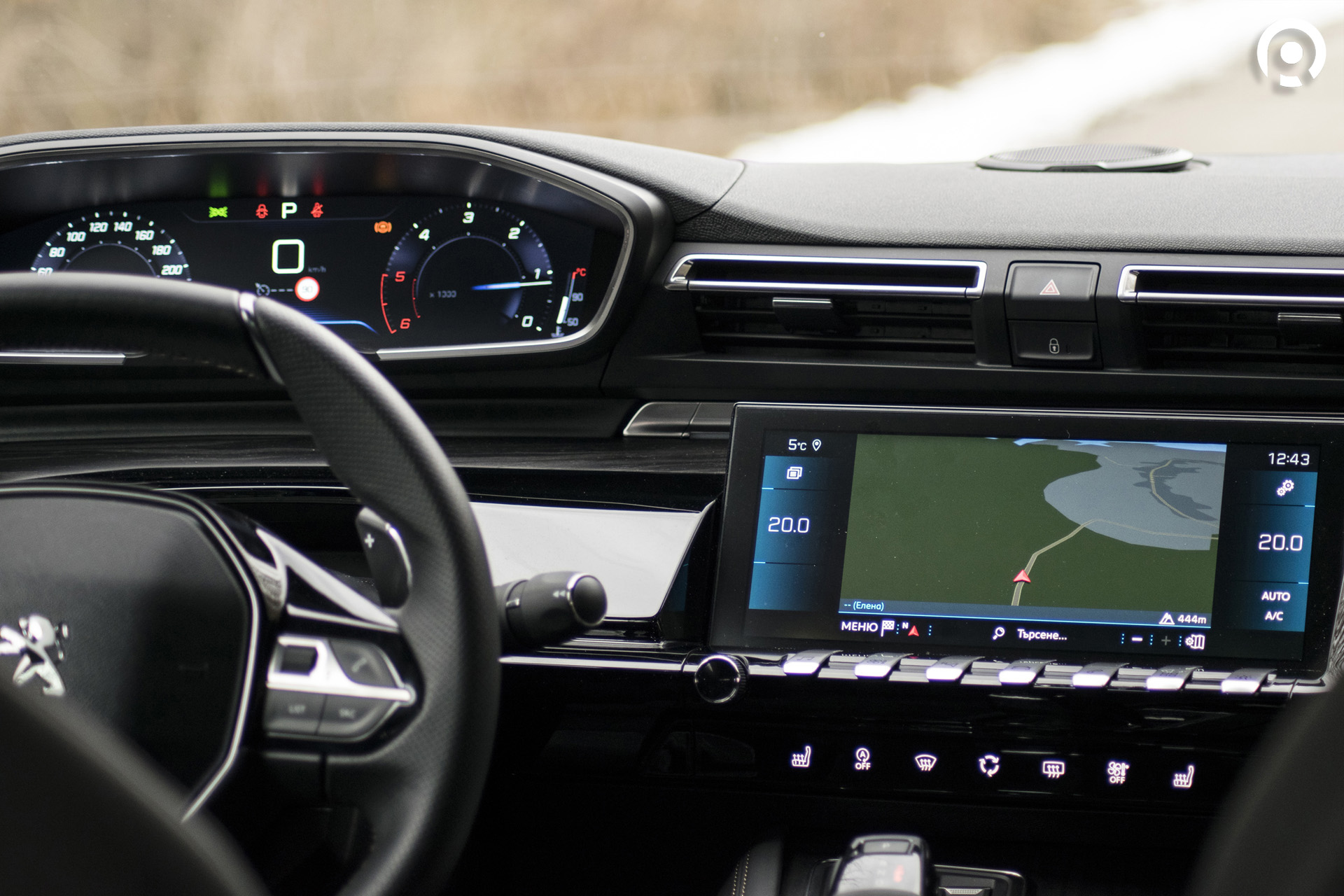
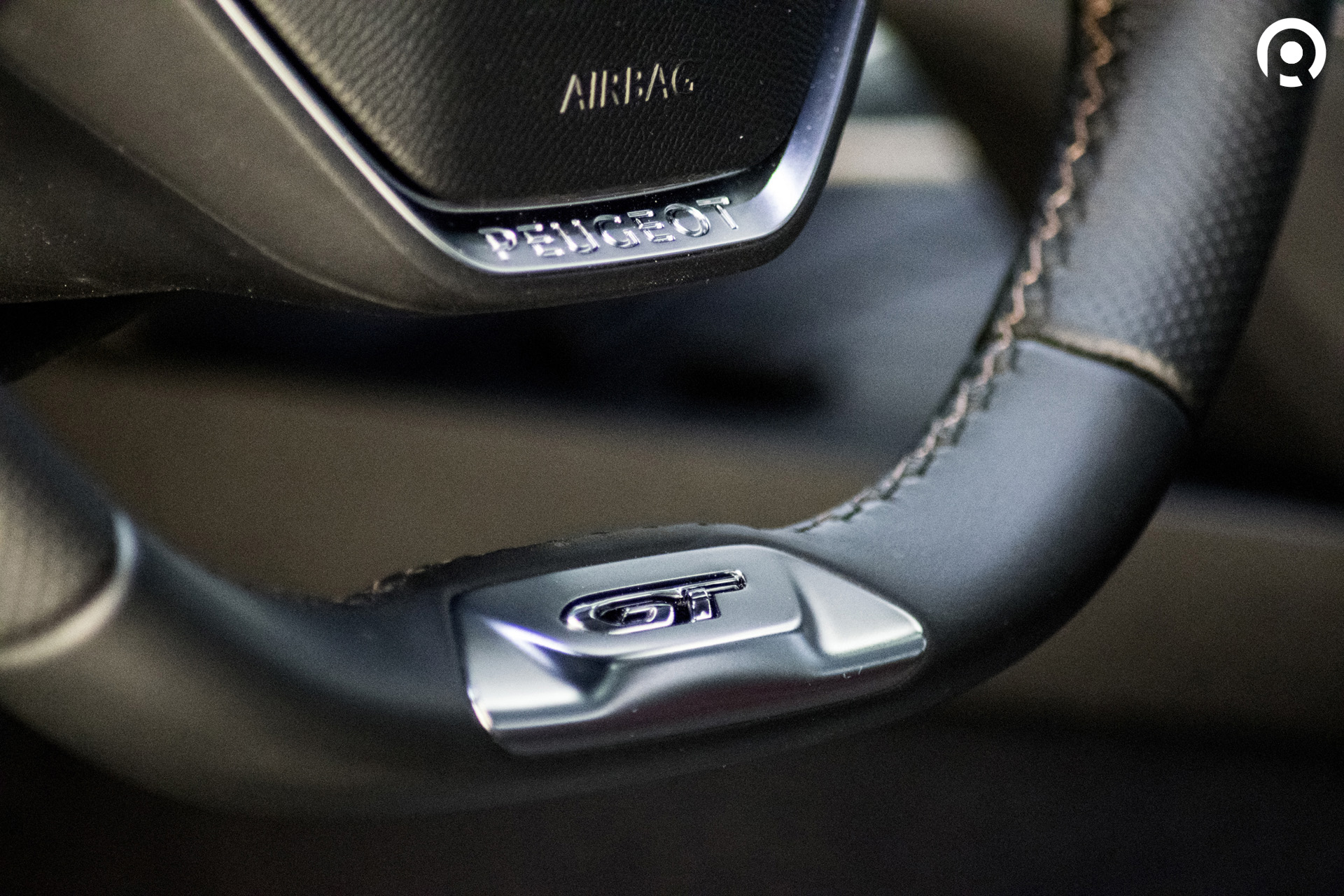
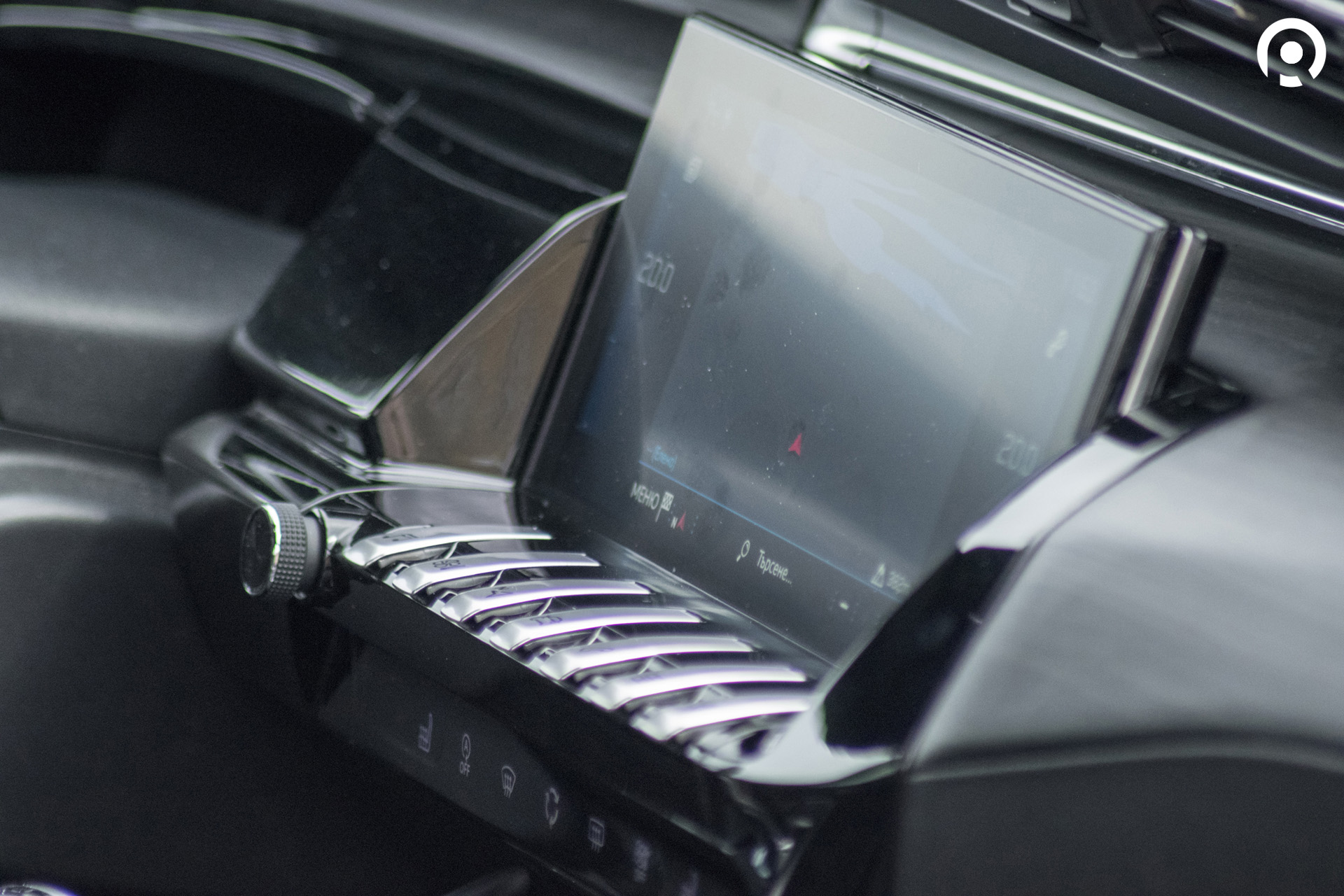
And here’s the most interesting part: it all works. It’s functional and ergonomic. That’s the real achievement.
On top of that, Peugeot has delivered very good material quality and build, and in my opinion, the 508 surpasses rivals like the VW Passat, Ford Mondeo, Renault Talisman, and Opel Insignia in this regard.
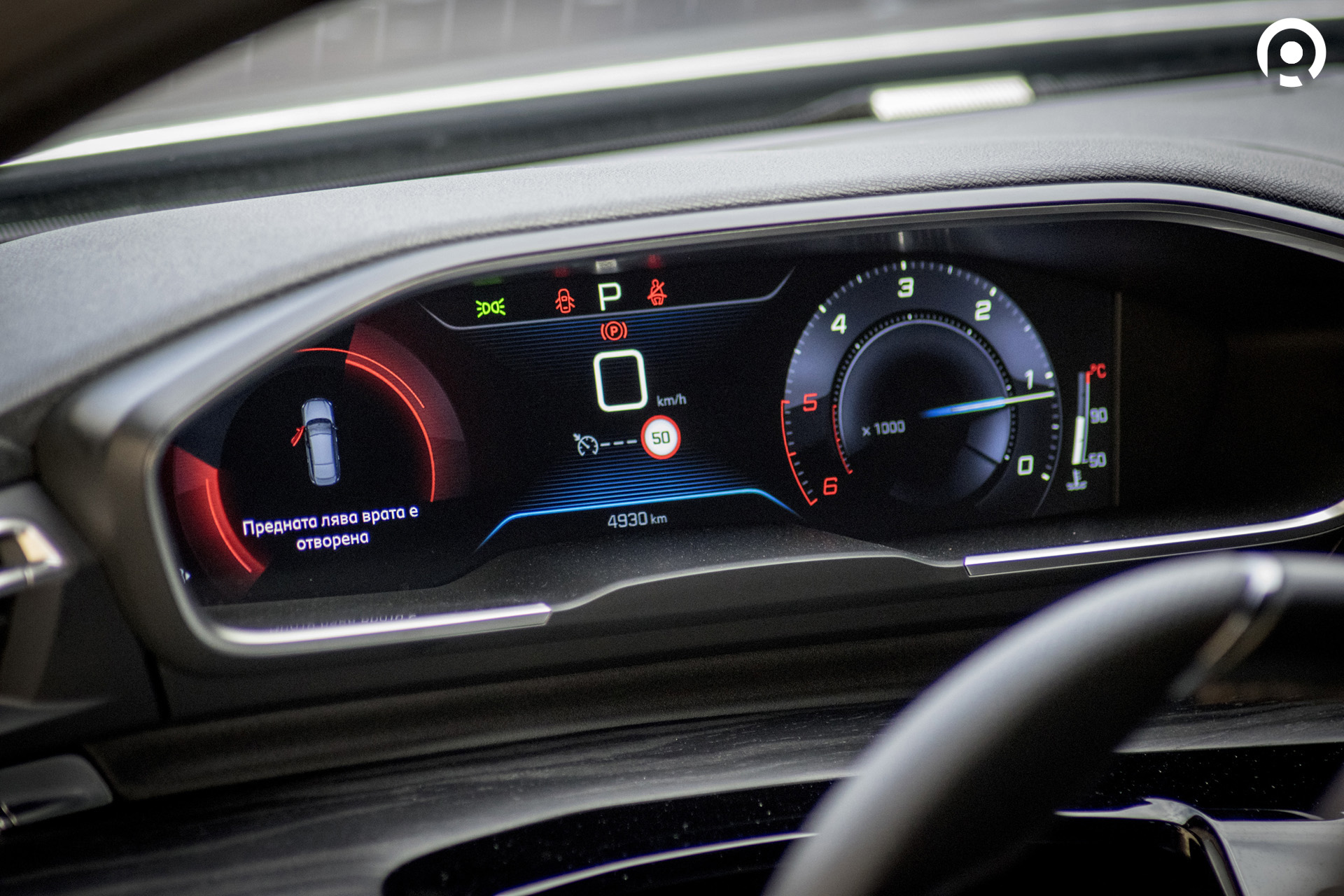
Still, I remain critical. The positioning of the digital instrument cluster above the steering wheel is unusual. It’s much better executed here than in the smaller 208 and 2008, and visibility is not an issue, but it still requires adjustment, as it changes your driving position.
The control logic for both the digital cluster and infotainment system isn’t perfectly optimised either – some functions are more complicated to operate than they should be. I also miss a dedicated temperature control button, although voice commands can handle it. The problem is that every time you try to give a command, the system explains how to do it – “Mr. 508, I’m not stupid, you could have told me just once!”
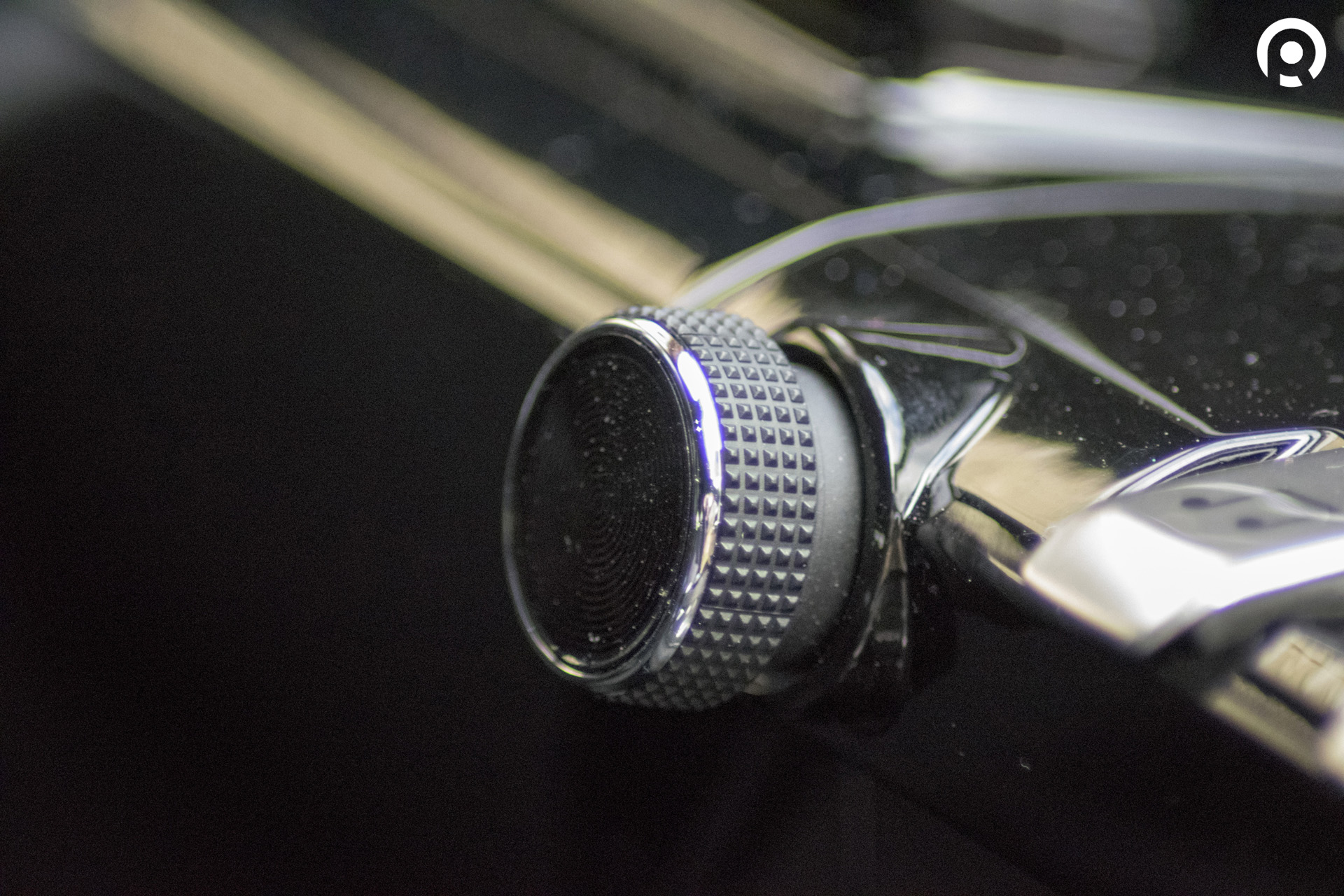
Another issue is equipment – there’s no heated steering wheel option. At a time when even superminis offer this feature, it feels like an omission in this class. On the other hand, the 508 offers an optional night vision system – something typically reserved for luxury brands like Mercedes-Benz.
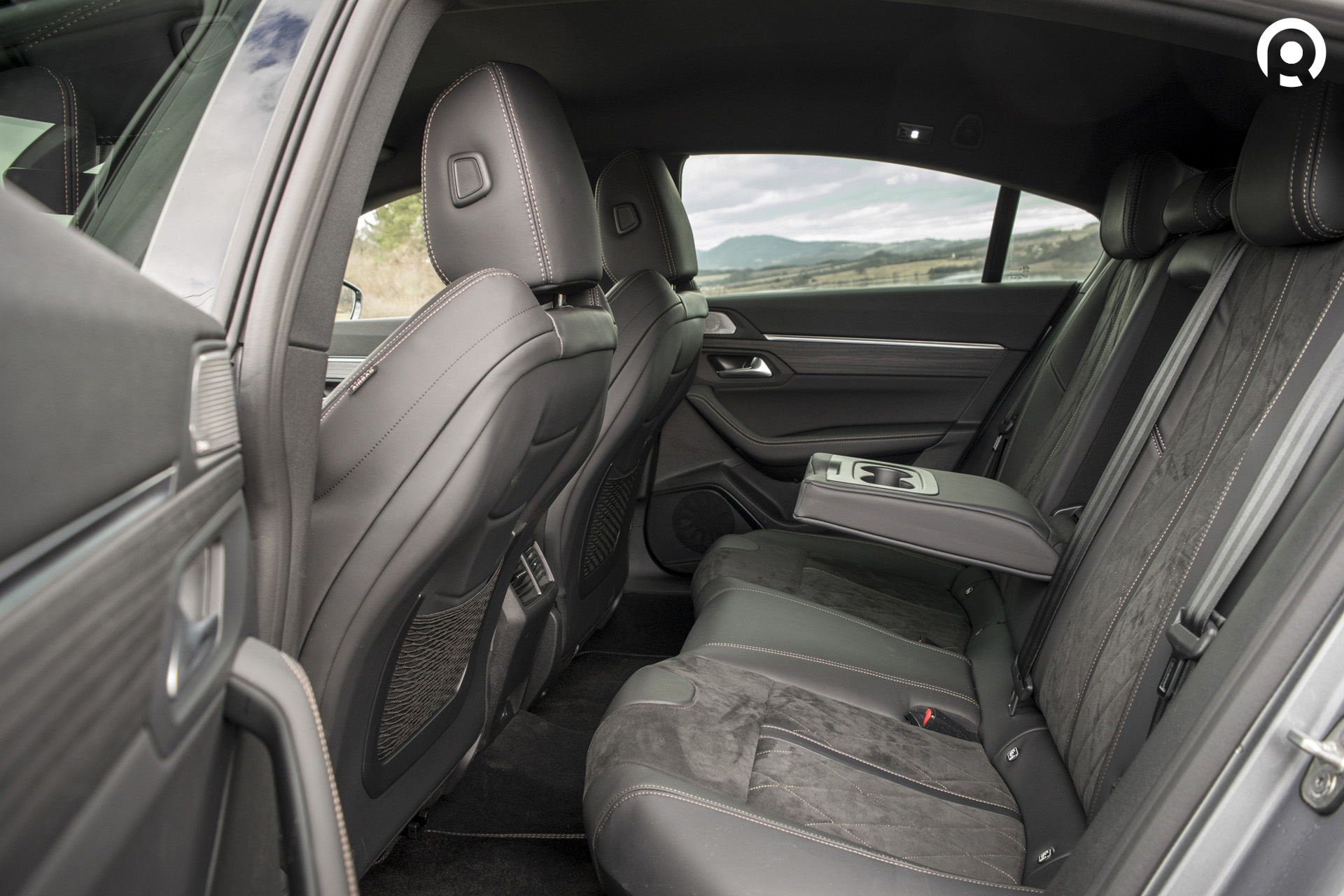
Finally, space. It’s… limited. Up front, things are mostly fine, although the seat base feels slightly short.
In the rear, however, it’s tight – low seating position, limited foot space under the front seats, low roofline, and small windows. You’ll fit, but comfort may be compromised.
On the road
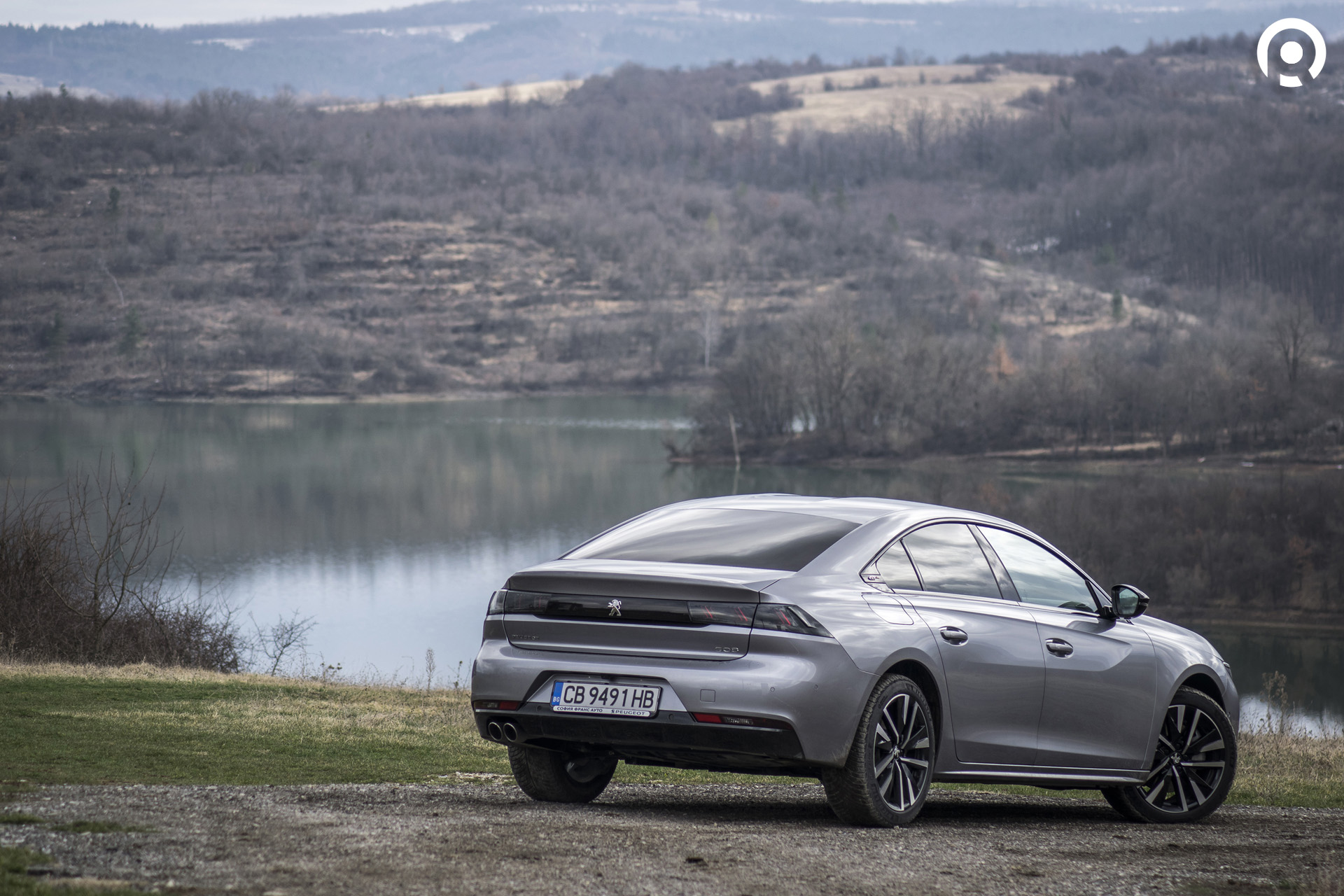
Almost a year after seeing the 508 in Geneva, I finally got behind the wheel. The test car was a top-spec GT, equipped with a 2.0-litre diesel engine producing 180 hp and paired with an eight-speed automatic transmission.
Official fuel consumption ranges from 3.8 to 6.0 l/100 km, while 0–100 km/h takes 8.3 seconds.
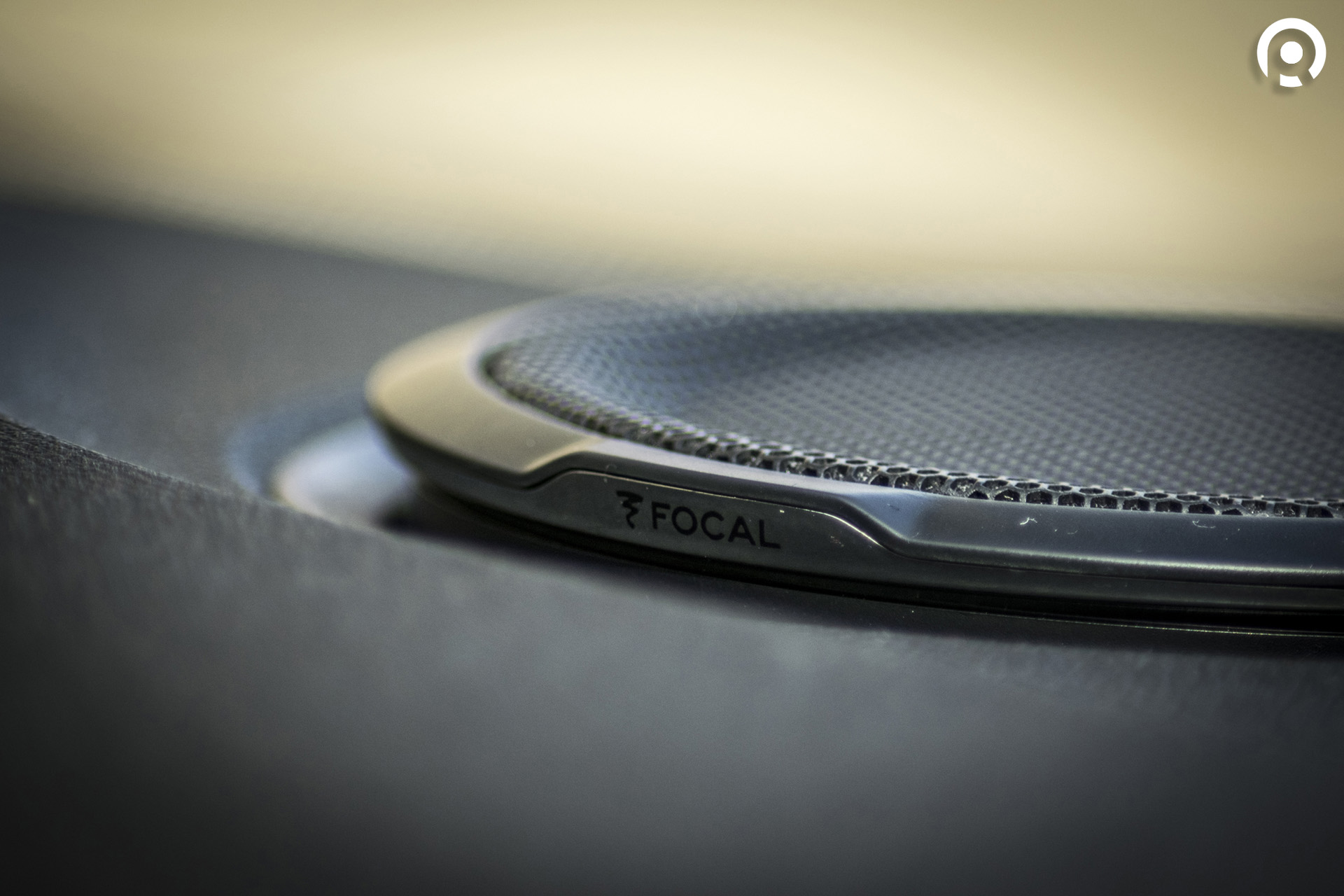
I connected my phone via Apple CarPlay, played a Spotify playlist, and set off towards the Trakia motorway, accompanied by the excellent Focal sound system (standard on GT).
Within minutes, I had to glance at the badge on the steering wheel – yes, this is a Peugeot. The way the car absorbs bumps reminded me strongly of Mercedes models. The ride comfort is exceptional for this class – the road feels smoother than it actually is.
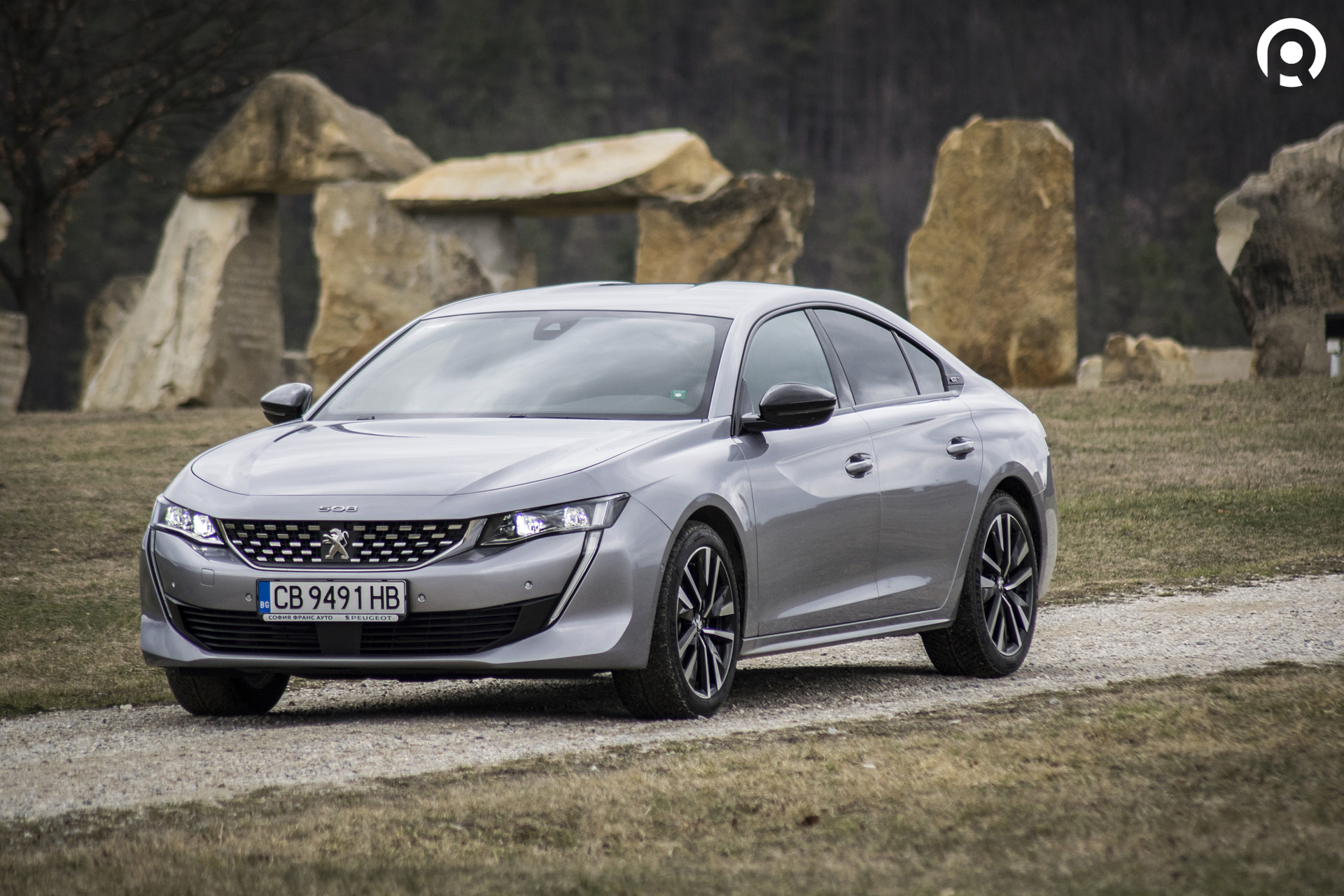
On the motorway, the impression remains. Road and wind noise are minimal, and the suspension continues to isolate you from poor surfaces remarkably well.
However, not everything is perfect. The engine is the weak point. It simply doesn’t feel like it delivers 180 hp. Looking at the specs, the 160 hp version is only 0.1 seconds slower to 100 km/h, which makes the extra €700 for those additional 20 hp feel unnecessary.
In fact, I’d recommend skipping the more powerful diesel and investing in options instead. Or better yet, go for one of the petrol engines (180 or 225 hp), which should suit the character of the car better. The diesel feels a bit coarse.
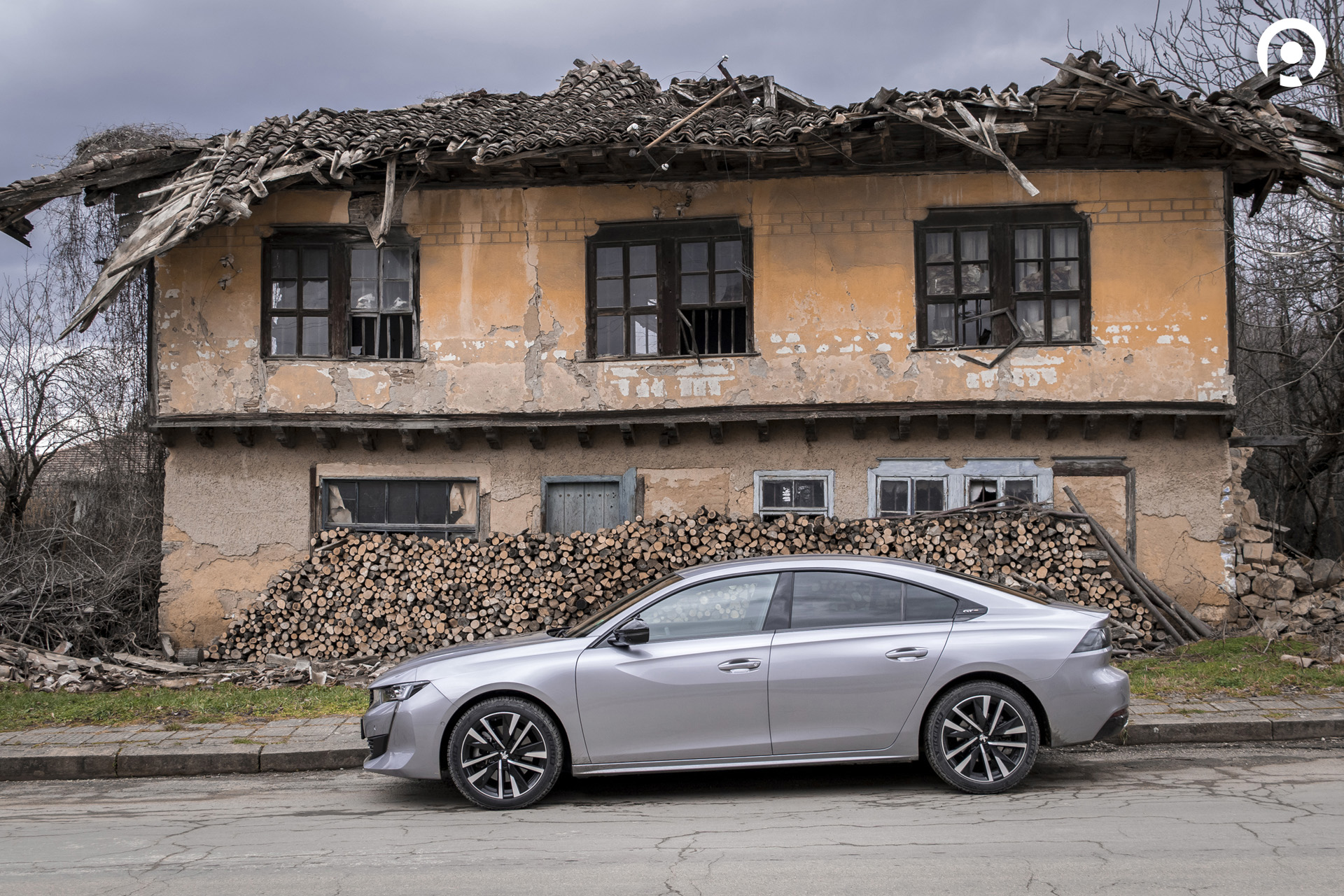
As night fell, the Full LED headlights truly impressed – adaptive, powerful, and effective. However, the automatic high-beam function isn’t well calibrated. I found myself blinding other drivers repeatedly and eventually had to switch it off. Peugeot’s engineers should address this.
Otherwise, motorway driving is calm and comfortable, and the lane-keeping assist works very well, making it useful for tired or distracted drivers.
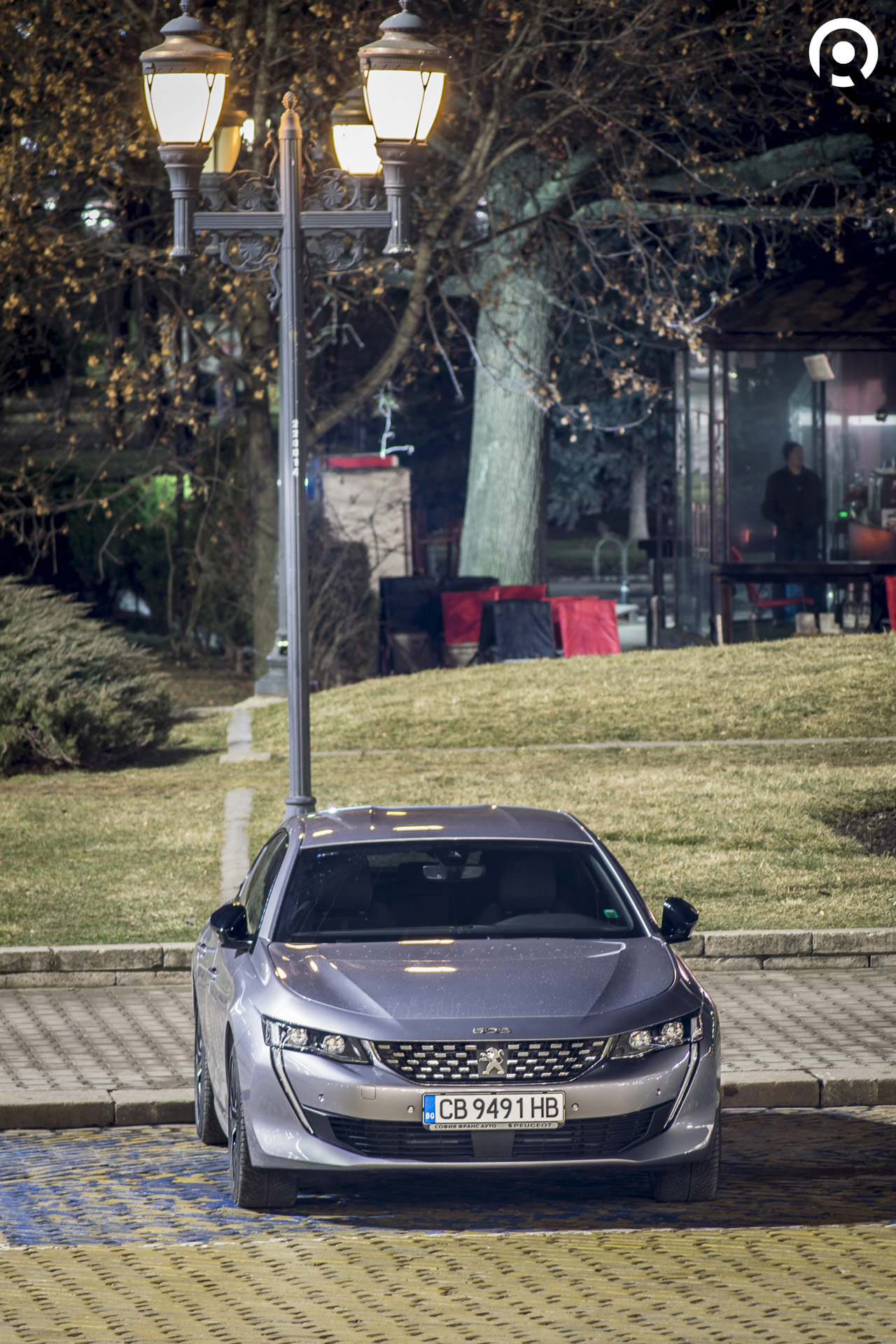
Later that evening, I entered the Tvarditsa–Elena mountain pass – narrow, twisty, and empty. Perfect.
Switching to Sport mode, I expected a noticeable change. In reality, there’s very little difference. Perhaps the steering and suspension feel slightly firmer, but it’s hardly convincing. The 508 remains a comfort-focused car.
Still, I pushed it through corners. The gearbox performs well, but the engine again feels strained. The car is stable, with good grip and predictable understeer. Body roll is more noticeable than expected from a car with adaptive suspension, but realistically, comfort takes priority here.
The steering is also a bit slow and indirect. A quicker rack would make the car feel more alive, but honestly, it doesn’t bother me much – because the 508 excels in comfort.
The next day was mostly spent stopping for photos (the village of Rayuvtsi turned out to be a hidden gem), and I had a few near heart attacks – never open the driver’s door before putting the car in “P”, as it triggers an alarm that sounds like a nuclear incident.
Finally, fuel consumption. It doesn’t quite match the official figures. Even with careful driving, I couldn’t go below 5 l/100 km. That’s still good, but the discrepancy is noticeable. In real-world conditions, expect between 5.5 and 7 l/100 km.
Conclusion
I’m satisfied. The Peugeot 508 didn’t disappoint – it won me over.
Yes, it has its quirks and shortcomings, but overall, Peugeot has made a significant leap forward with this model. The car impresses with its distinctive design, futuristic interior, high-quality materials, rich equipment, and above all – outstanding comfort.
The downsides include an unrefined and slightly underwhelming engine, limited rear space, and handling that doesn’t quite match the car’s aggressive appearance.
I see the 508 as a car for people who value style, appreciate comfort, and aren’t particularly interested in sporty driving. It’s good enough to attract new customers to the brand, so if you’ve been avoiding Peugeot until now, I’d strongly recommend giving the 508 a chance.
With a starting price of around €28,700, you’ll need about €33,000 for a well-equipped version with a decent engine.
Eng. Tsvetan Iliev

Comments are closed.