
КWhen I think of an SUV with over 400 horsepower, the first images that come to mind are high-performance models from Porsche, Mercedes-AMG and BMW M.
But times are changing, and as we all know, electricity and turbocharging are the heroes of the day.
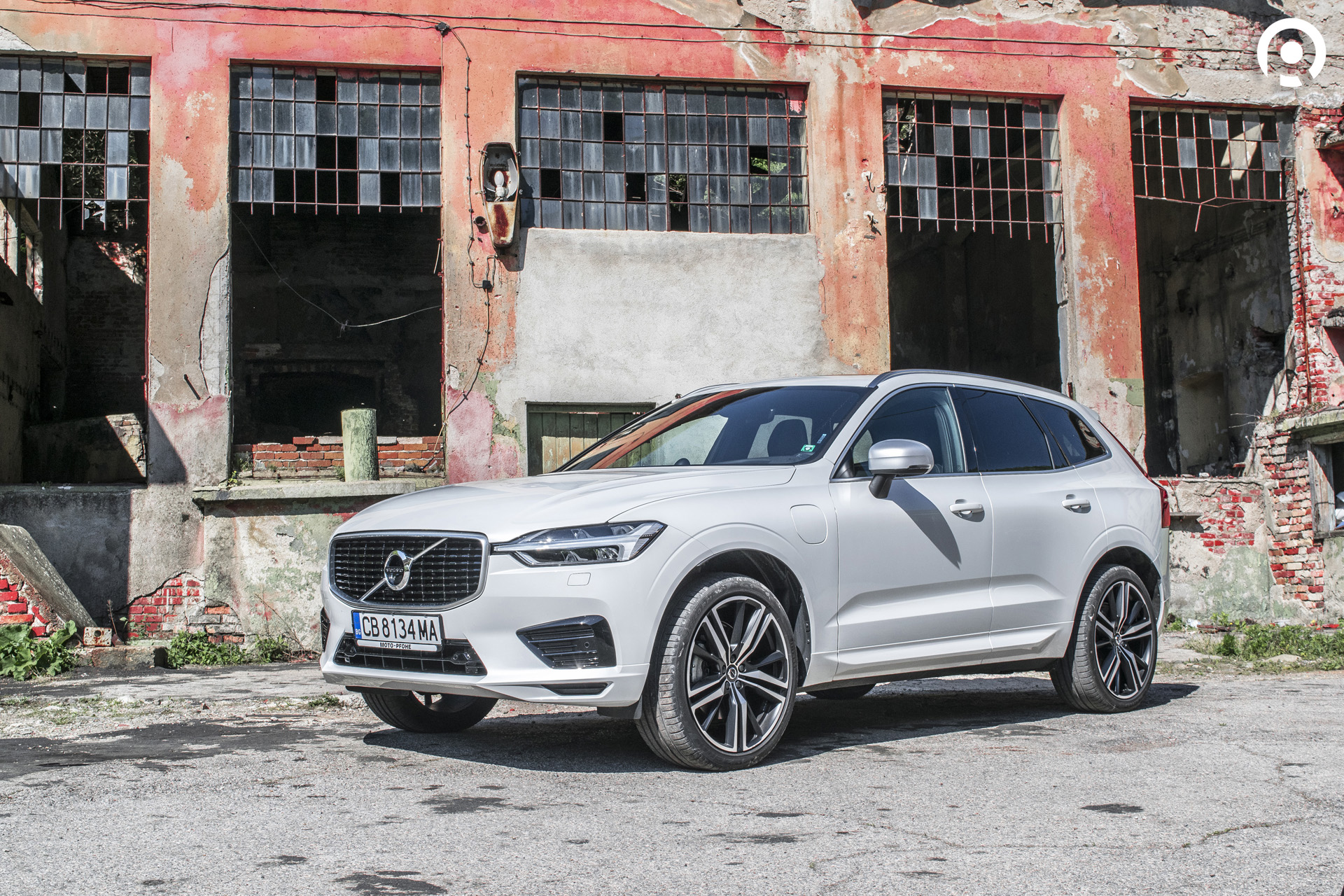
And just like that, such serious power is now available even in a compact SUV from Volvo – the Volvo XC60 T8. The result is impressive – acceleration to 100 km/h comparable to the legendary BMW M5 E39, and fuel consumption (according to rather optimistic European standards) of just 2.1 l/100 km.
Yes, this is clearly about the plug-in hybrid T8.
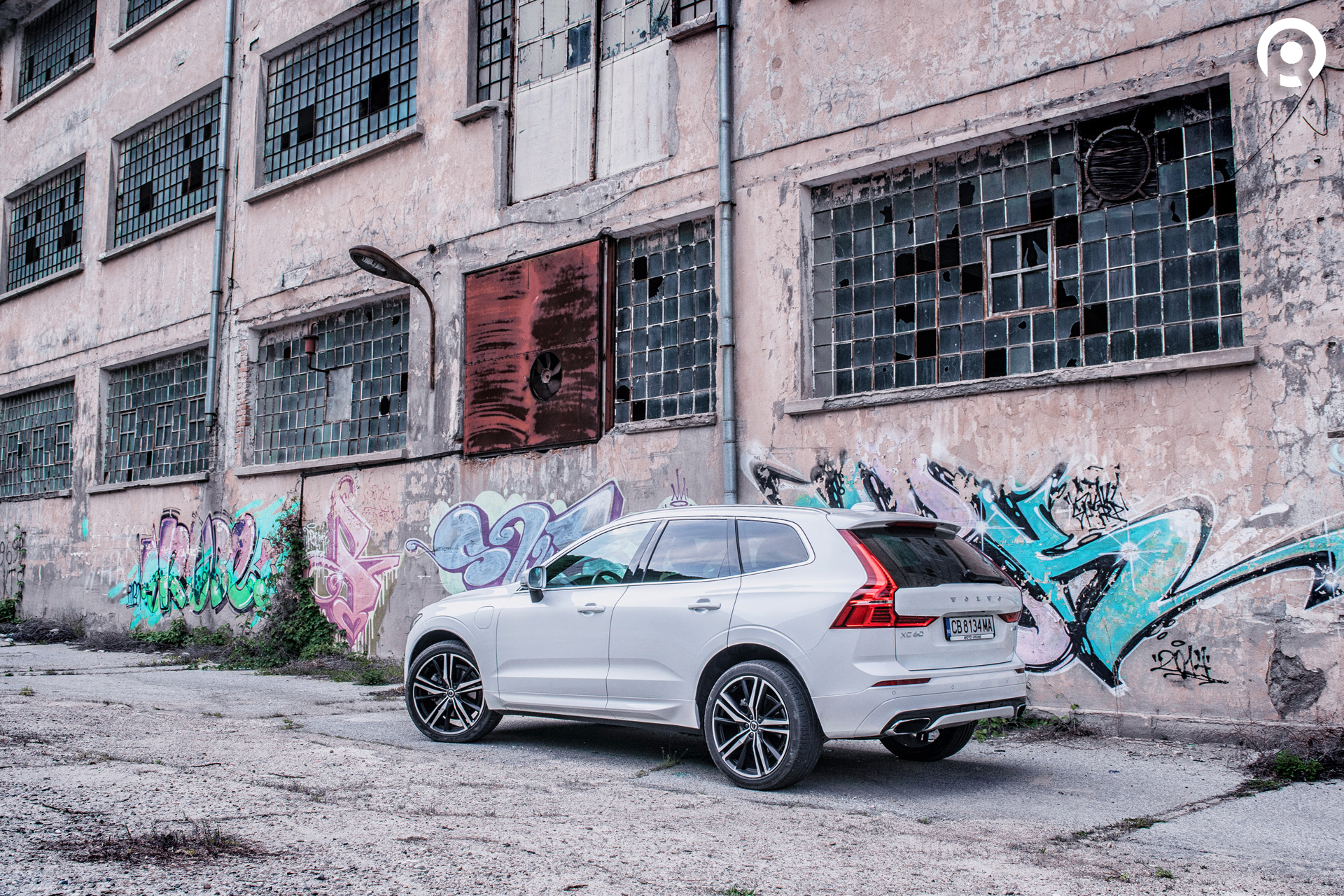
The rest of the car is no less impressive – a striking exterior design evolving the 90-series styling, and a high-quality interior that transports you into a calm, luxurious world. In fact, 2017 was a record year for Volvo, and with cars like the XC60, I wouldn’t be surprised if they kept breaking records.
Design
The design of the XC60 builds on the styling introduced by Thomas Ingenlath with the second-generation Volvo XC90.
That means clean lines, elegant execution and a sense of understated value, without unnecessary show-off behaviour.
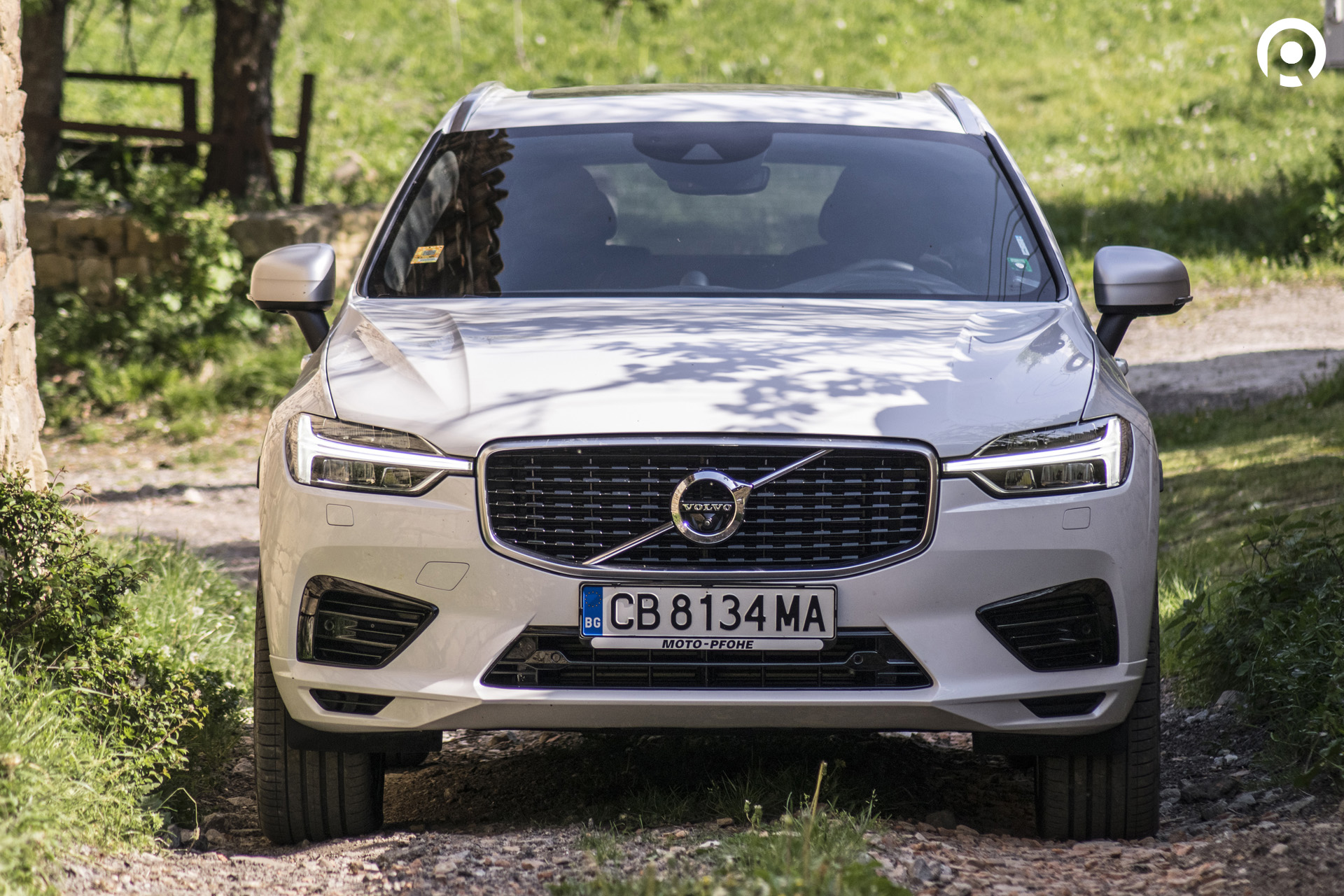
Compared to its larger sibling, the XC60 feels visually lighter. It lacks that heavy, almost imposing presence of the XC90, especially at the rear. The result is a cleaner, more memorable design.
The headlights with their signature LED “Thor’s Hammer” daytime running lights stretch all the way to the grille, adding sharpness to the front end.

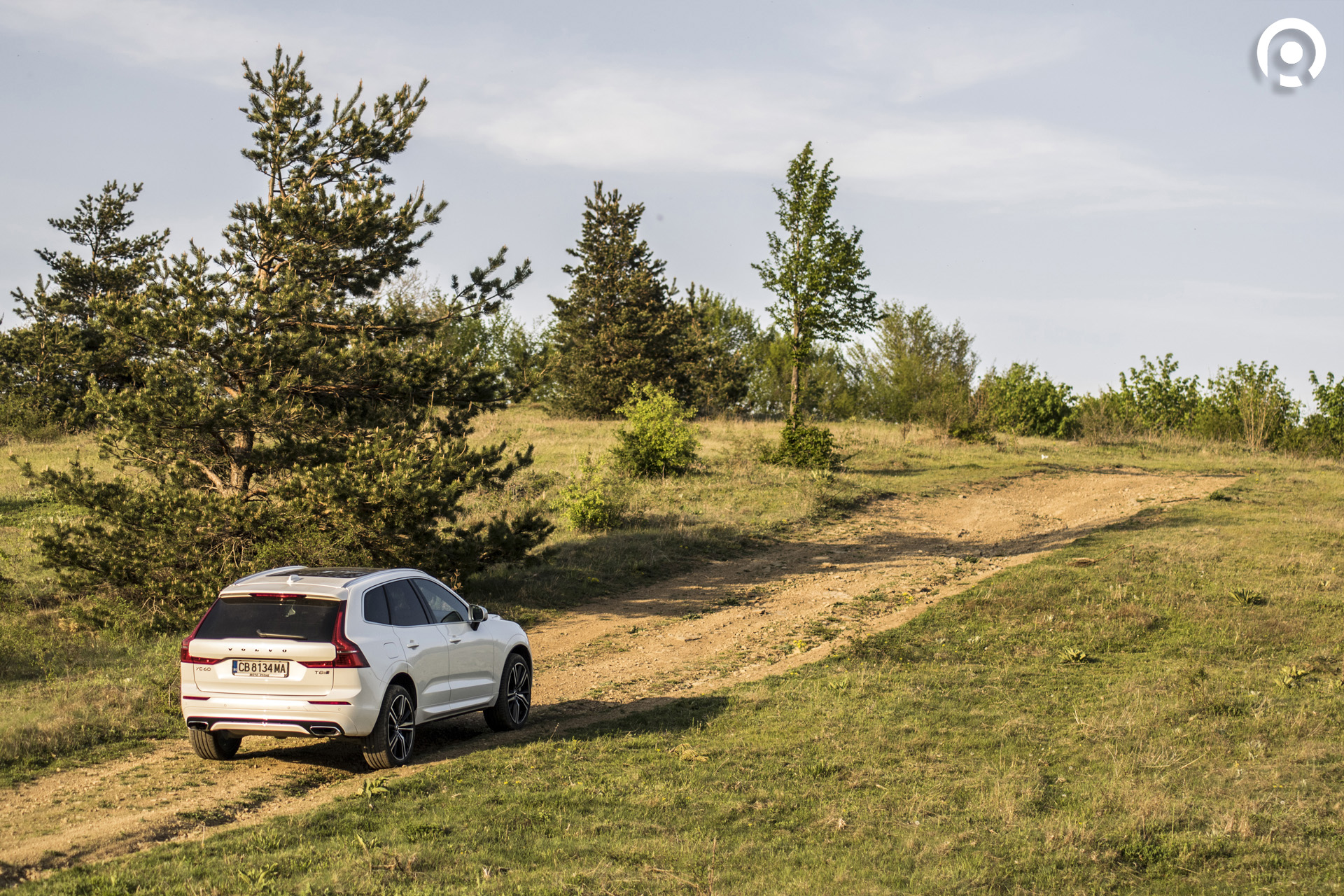
At the rear, the design is dominated by large split tail lights, more reminiscent of the Volvo V90 than the XC90. Their shape is somewhat unconventional and takes a bit of getting used to.
Versions like Inscription and R-Design feature large integrated exhaust finishers. Personally, I find them a bit excessive – more visual drama than actual necessity.
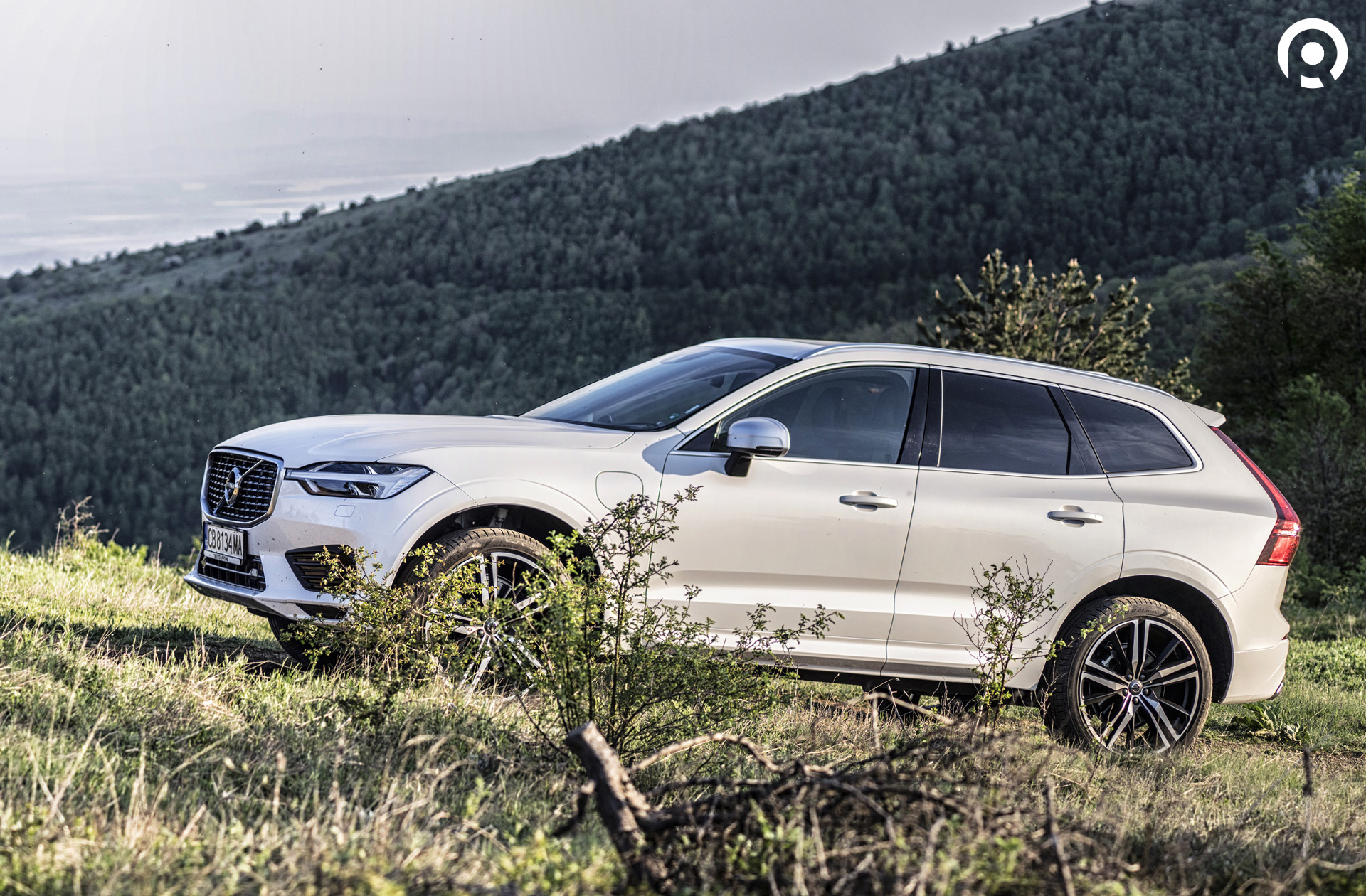
The side profile is predictable for an SUV, but well-proportioned, with a long bonnet and large wheels. It also carries a clear visual link to the first-generation XC60, which shows good continuity.

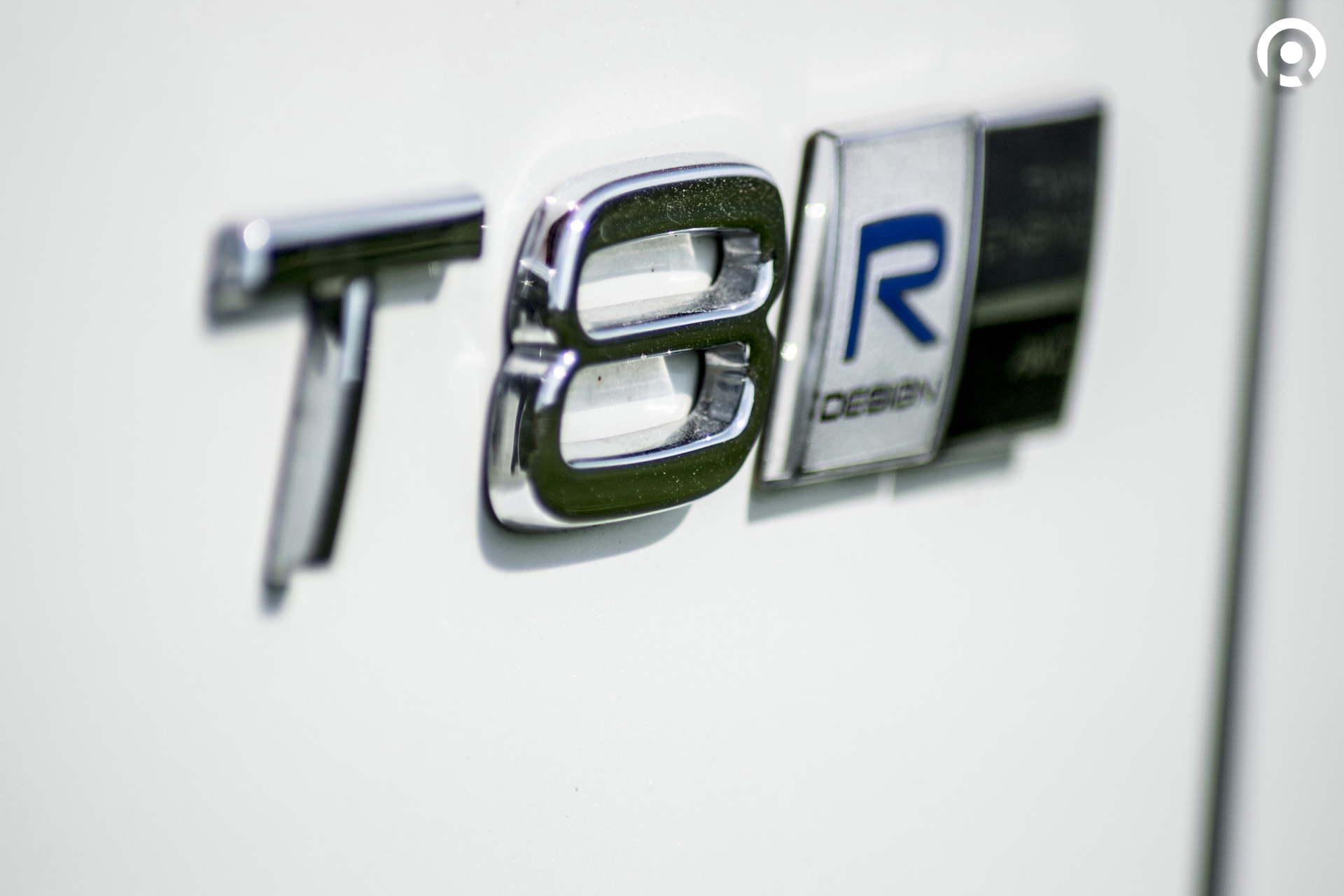

Overall, I find the XC60 one of the better-looking cars in its class. Its restrained elegance should age well over time.
Interior
Like every modern Volvo, the XC60 shines with its interior. In fact, I believe this is currently Volvo’s greatest strength.
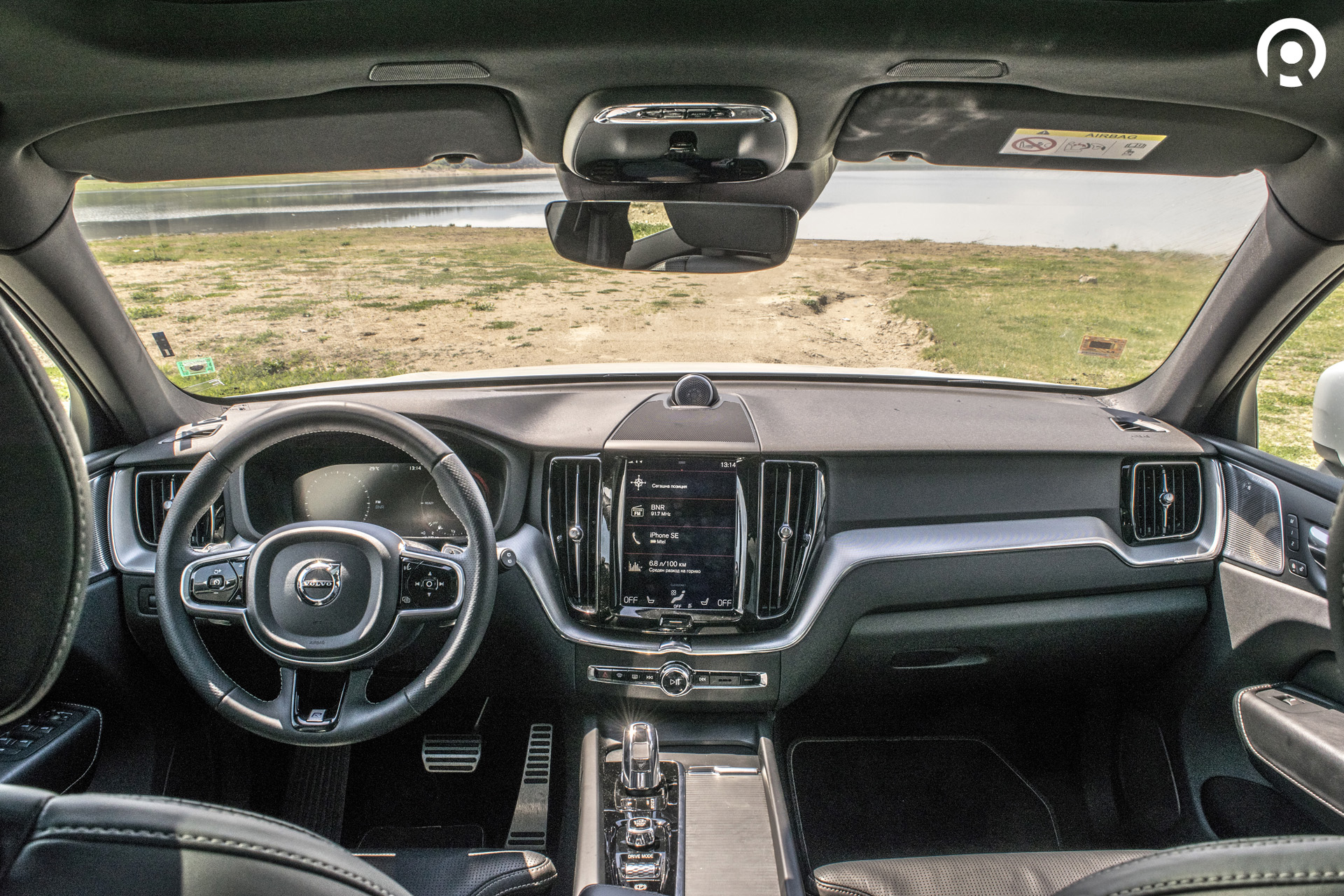
The design follows the familiar layout from the 90-series, but refined and simplified. Attention to detail is excellent, and before going further, let me ask you – when was the last time you saw a crystal gear selector in a car?
Probably never.
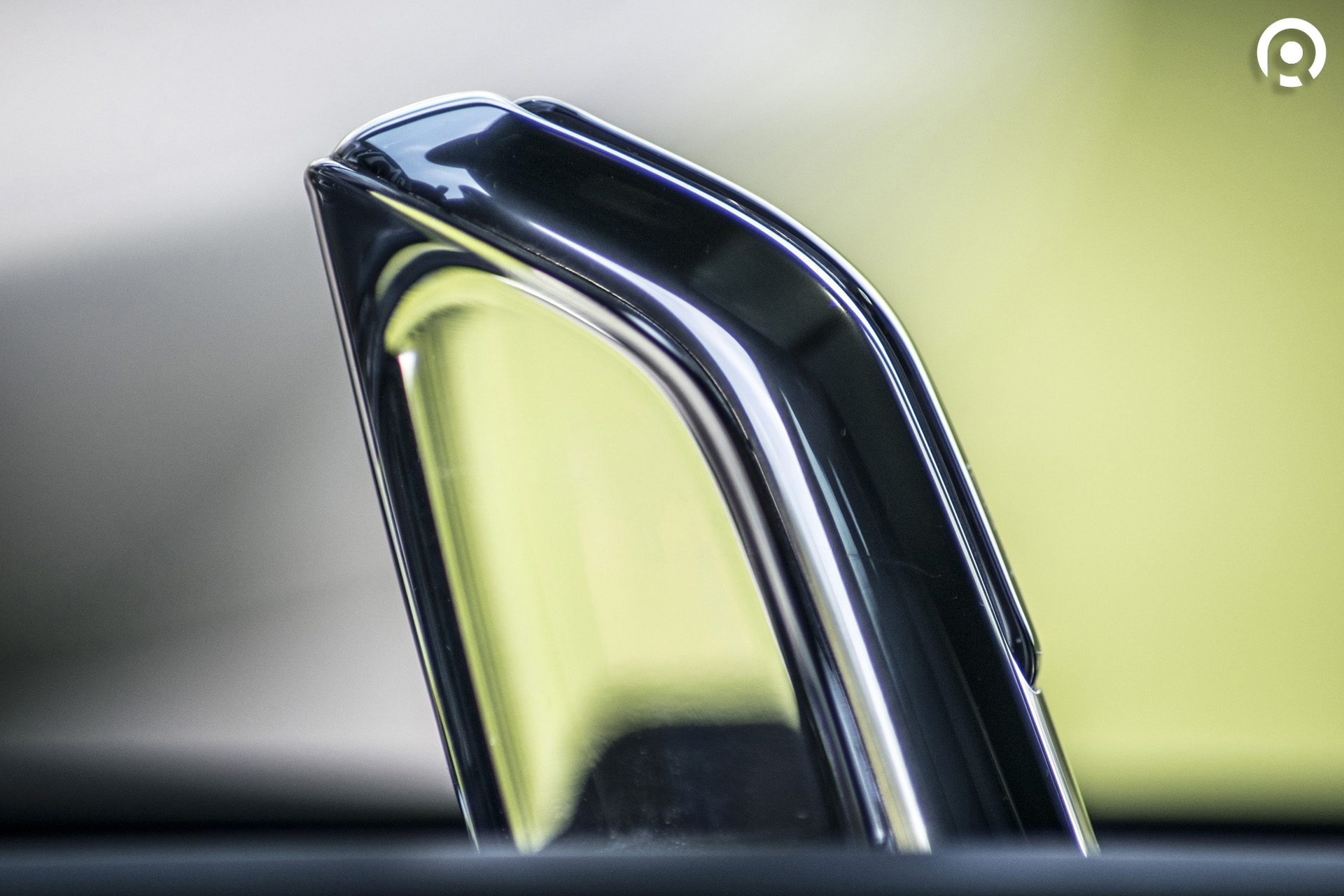
But in the T8, you get exactly that. It’s handcrafted by Orrefors and adds a real sense of exclusivity to the cabin.
out of place in a Bentley. Others are gloss-finished, adding to the premium feel. Even the air vent controls are metalised.
Perhaps Volvo went slightly too far with one detail – the small Swedish flag embedded in the dashboard trim. At first glance, it almost looks like a defect.
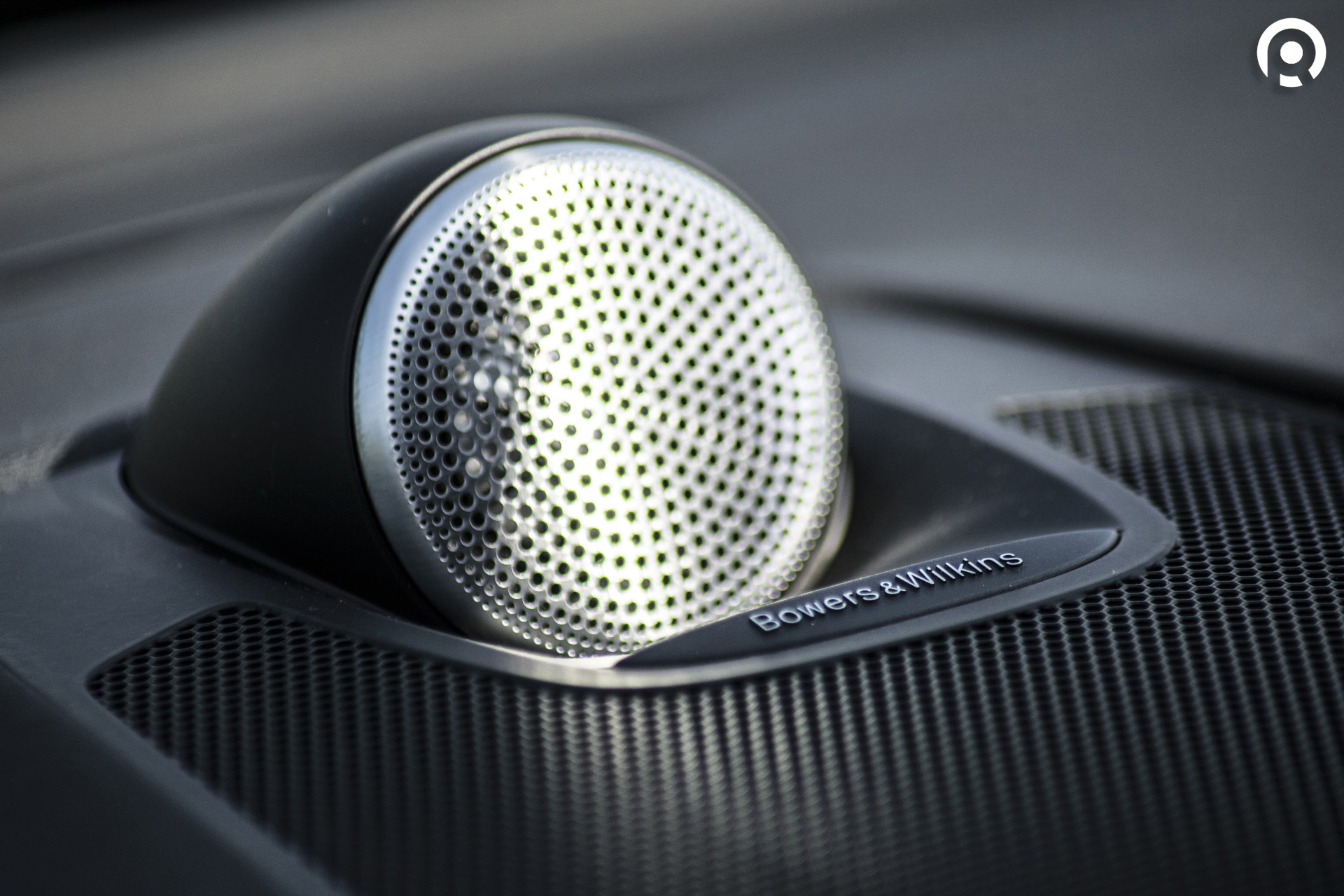
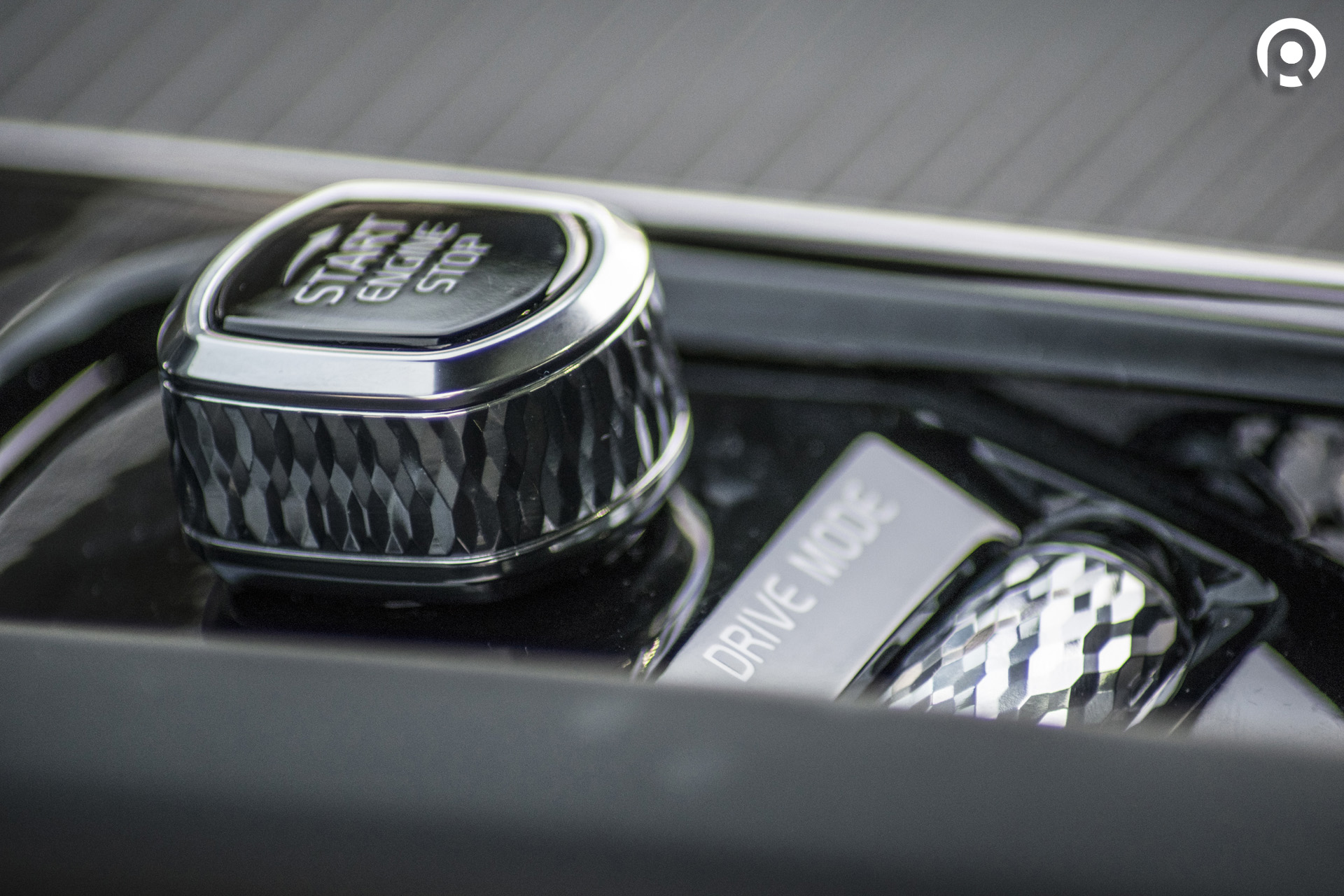

But the XC60 interior impresses not only with design, but also with substance.
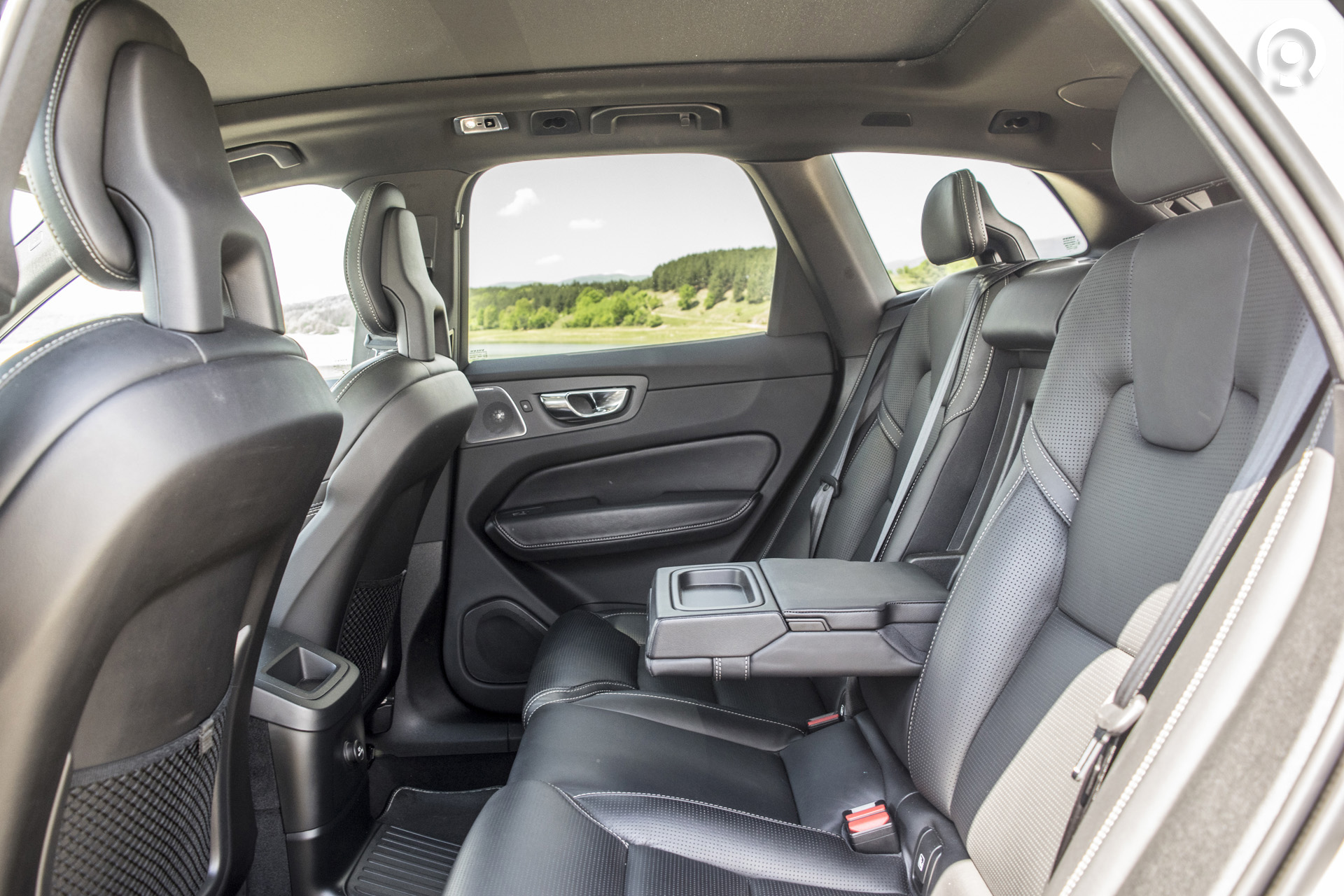
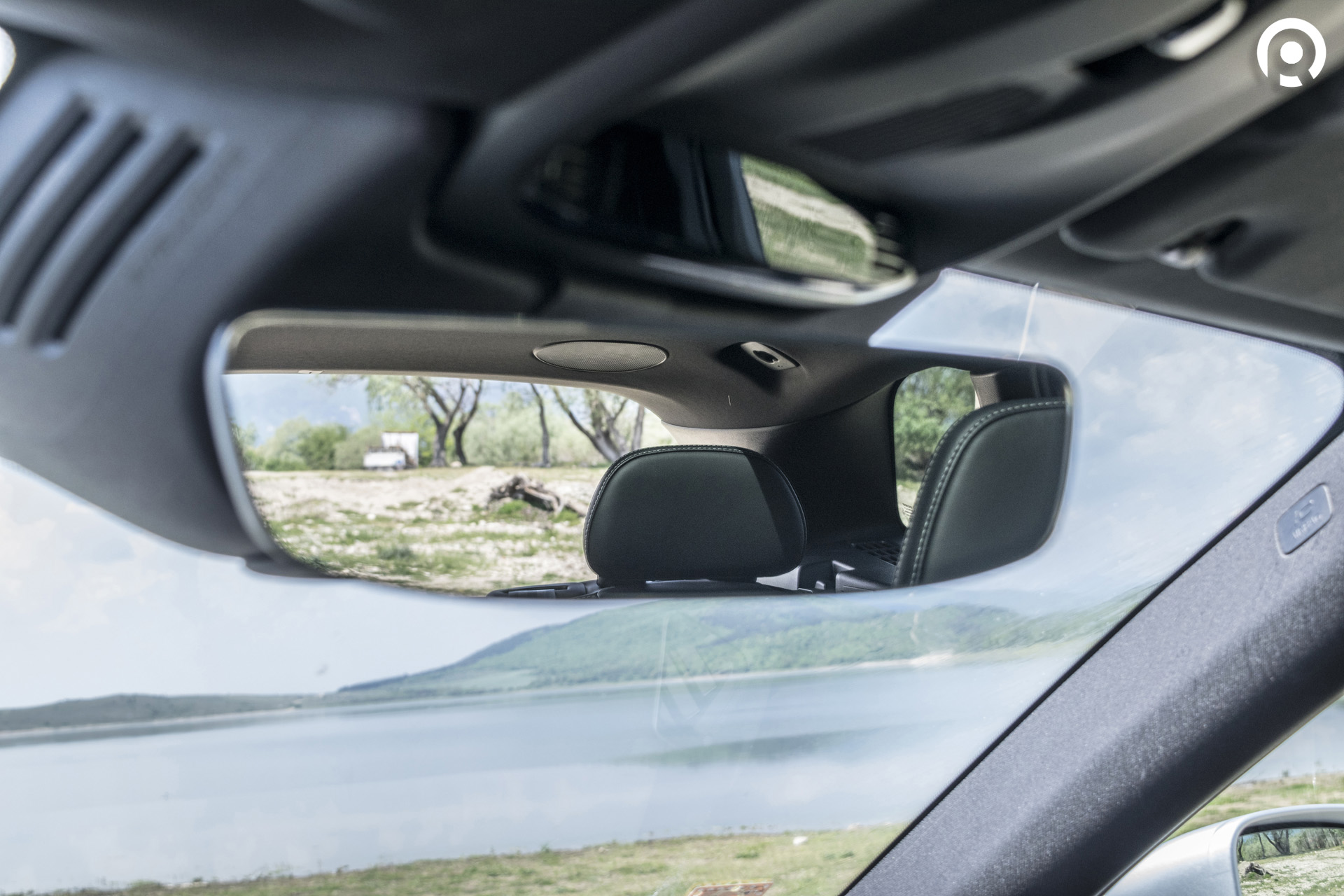
Comfort is excellent – the seats, as expected from Volvo, are among the best in the business, offering both comfort and support. Storage is generous, with large door bins and thoughtful details like textile lining even in the rear door pockets.
Rear seat space is particularly impressive. The seating position is slightly elevated, allowing a more natural posture without excessive knee bend – something many modern cars get wrong.

If I have to criticise something, it would be the lack of physical buttons. Too many functions, including climate control and seat heating, are buried in the touchscreen. It works well when stationary, but while driving, I’d much prefer proper buttons.
The infotainment system itself is good – sharp graphics, intuitive layout – but it starts slowly. That means even the reversing camera takes a few seconds to activate after startup. Not a deal-breaker, but mildly annoying.
On the Road
The car I drove is equipped with the most powerful production drivetrain in Volvo’s history – the hybrid T8, producing 407 hp. The system combines a turbocharged four-cylinder petrol engine with 313 hp driving the front wheels, and an electric motor powering the rear. The battery is positioned in the transmission tunnel, which is a good solution for weight distribution, a lower centre of gravity and safety.
This setup allows for a top speed of 230 km/h and an official 0–100 km/h time of 5.3 seconds, while I measured 5.4 seconds. The route I chose included everything – poor motorway sections, first-class roads, narrow mountain passes and heavy city traffic.
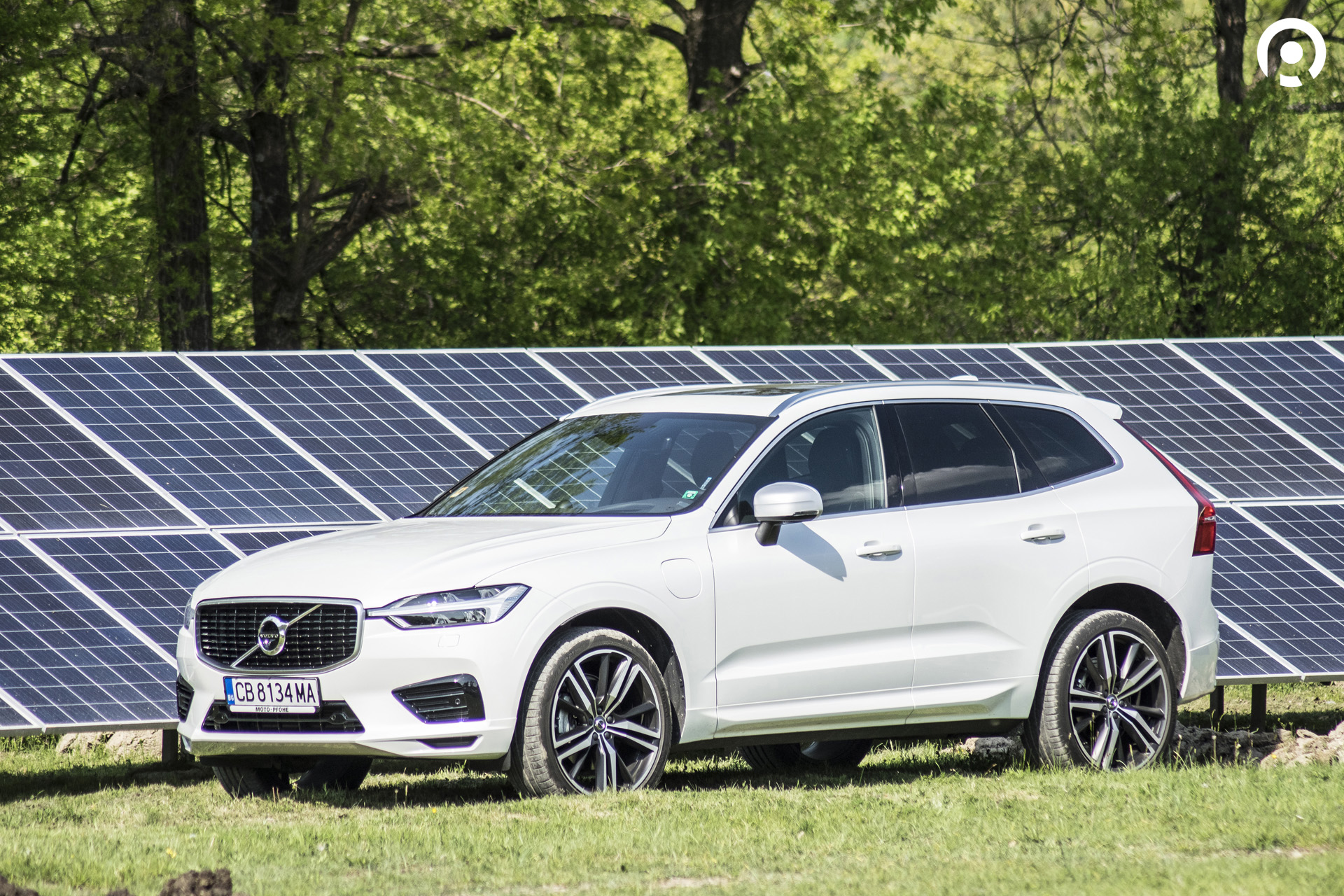
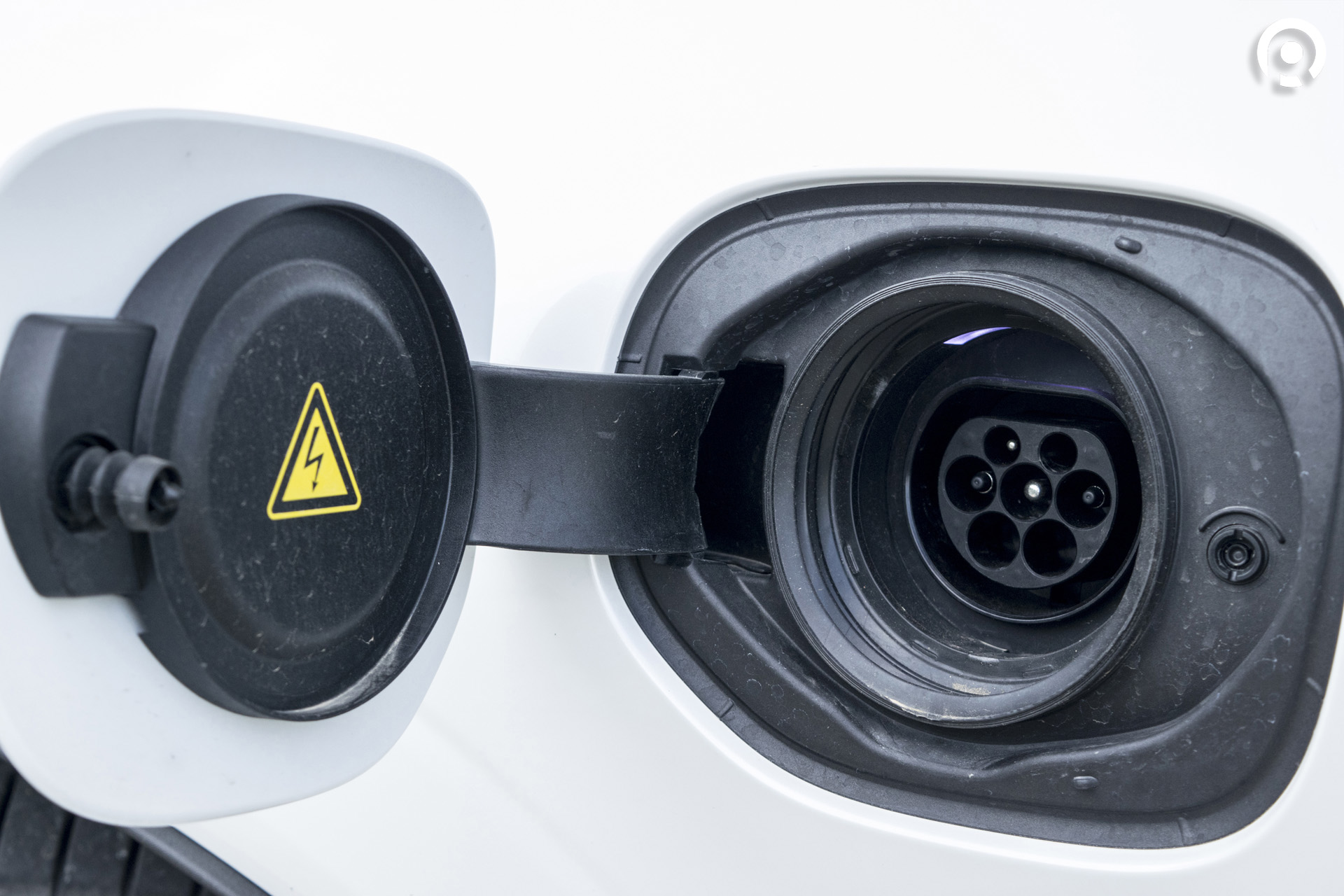
And so it was time to set off. I unplugged the car, put the cable away, sat inside and “started” the engine. This action, of course, was accompanied by nothing at all, because the car starts in hybrid mode by default and the combustion engine remains off when stationary.
The hybrid system offers a wide range of control options. There are driving modes like ECO and Sport, but also additional commands accessible through the central screen, allowing you to charge the battery via the engine or preserve its charge. All of this means you can use the system very efficiently, as long as you are willing to put in the effort. Otherwise, you might as well just buy a diesel.
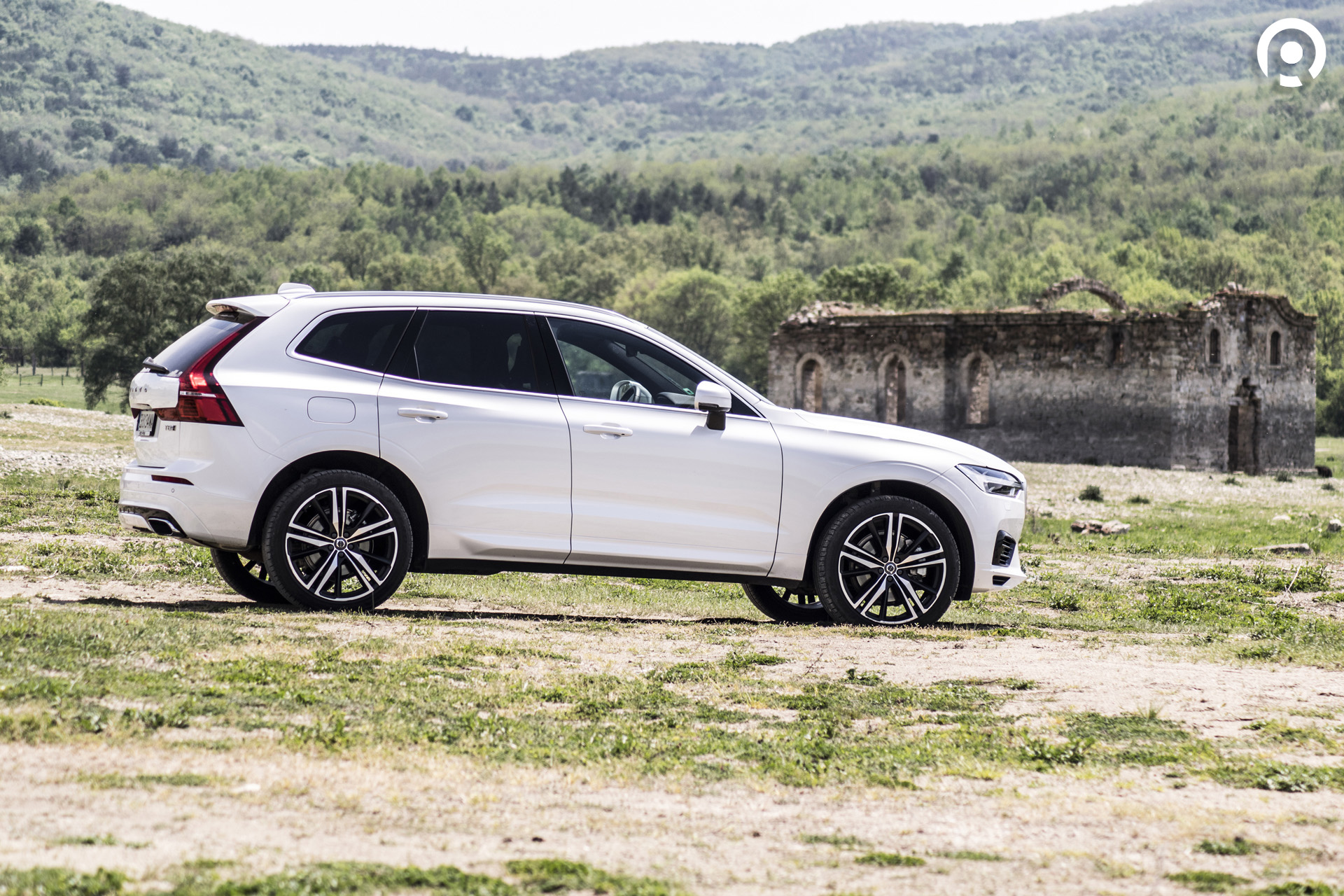
On the move, the XC60 feels calm and effortless. The silence from the electric drive, the light steering and the overall behaviour create the impression that the car is lighter than it actually is. In reality, it weighs over 2100 kg, but this illusion comes from the good weight distribution, the low centre of gravity and the instant torque from the electric motor.
On the motorway, I naturally pressed the accelerator to the floor to see what the T8 could do. The response included a brief hesitation, followed by strong acceleration. That hesitation, however, did not impress me and seems to be related to the gearbox supplied by Aisin, which otherwise shifts smoothly but tends to hesitate during kickdown.
The acceleration itself is strong, especially at speeds where the electric motor supports the petrol engine. Interestingly, despite the petrol engine sending its power only to the front wheels, there is no torque steer under hard acceleration.
At motorway speeds, the car is impressively quiet. The T8 versions feature active noise cancellation through the audio system, while wind and road noise are well suppressed. The only disturbance comes from the suspension when dealing with sharper bumps, where the car feels a bit less refined than, for example, a Mercedes-Benz GLC.
Fuel consumption varies significantly depending on how you use the system. On the motorway in charge-preserving mode I recorded 8.8 l/100 km. On mixed roads in hybrid mode the consumption dropped to 5.5 l/100 km, and in heavy city traffic I managed to achieve an almost surreal 0.3 l/100 km over a short distance.

Later, on twisty mountain roads, I pushed the XC60 a bit harder. That’s when the weight became more noticeable, especially in quick direction changes. The car remains stable and neutral, but the steering is not particularly informative and overall the experience is not especially engaging. Simply put, this is not a Porsche Macan or an Alfa Romeo Stelvio. The power alone does not turn it into one.
Conclusion
Once again, I remain impressed by a Volvo, and I believe the second generation of the XC60 has everything it needs to match and even surpass the strong market performance of its predecessor.
The car combines an elegant and dynamic exterior with an interior that is among the best in its class in terms of quality and design. Practicality and space are also excellent, making it a very suitable family car.
The downsides are the gearbox, which does not react quickly enough under hard acceleration, and the uninspiring steering. Another potential drawback is the lack of engines with more than four cylinders, something that I personally miss.
As for the T8 drivetrain, I see it as an interesting showcase of technology and performance, as well as a way to enjoy the latest trends or even benefit from certain urban privileges. In real-world usage, however, a diesel engine like the D4 or D5 makes more sense. It is significantly cheaper and still more than capable, even if it does not deliver the same headline performance figures.
Eng. Tsvetan Iliev

Comments are closed.