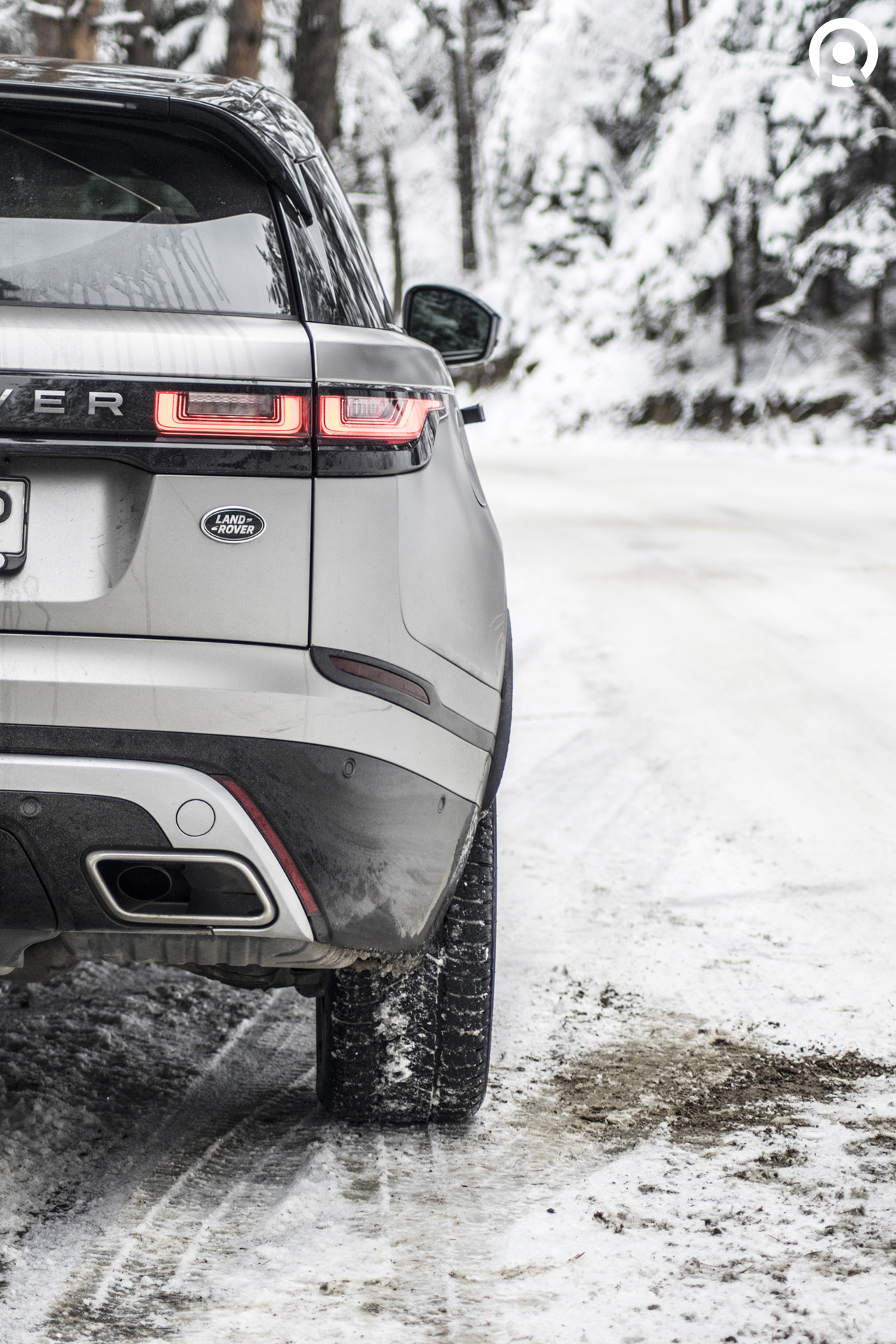
It was only a matter of time before the seemingly conservative Brits at Land Rover decided to take a bold step away from the familiar path. Not quite as bold as launching the Evoque Convertible – that was pure madness and a story for another time – but bold enough. Enter the Range Rover Velar, a car that feels like it has arrived from the near future.
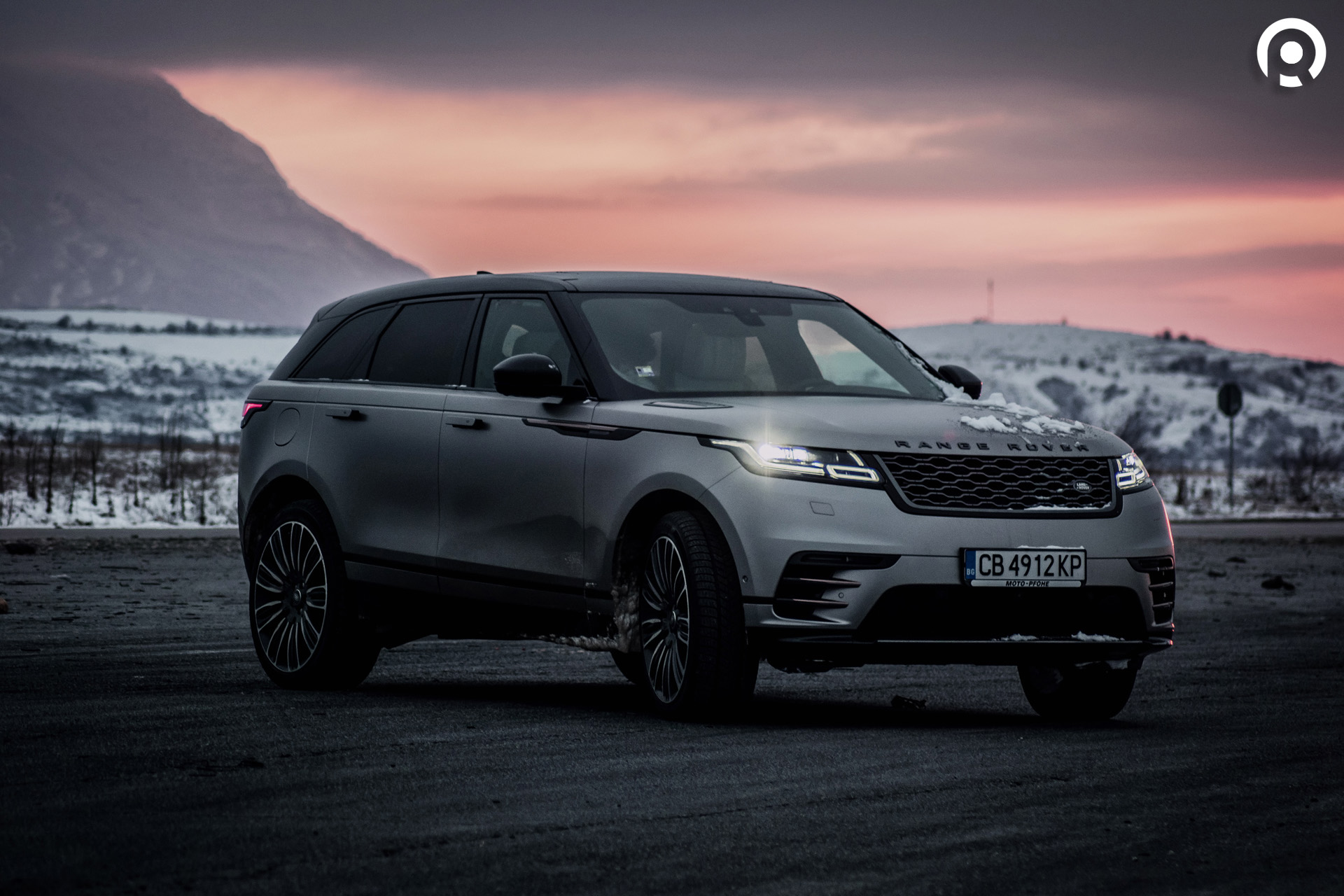
The Velar slots neatly between the most accessible entry into the Range Rover club, the Range Rover Evoque, and the well-established Range Rover Sport. Yet it stands apart from both. If the larger models are the king and the prince of the off-road world, then Velar is the bohemian playboy – a bit like Prince Harry back when growing up didn’t seem particularly appealing.
Design
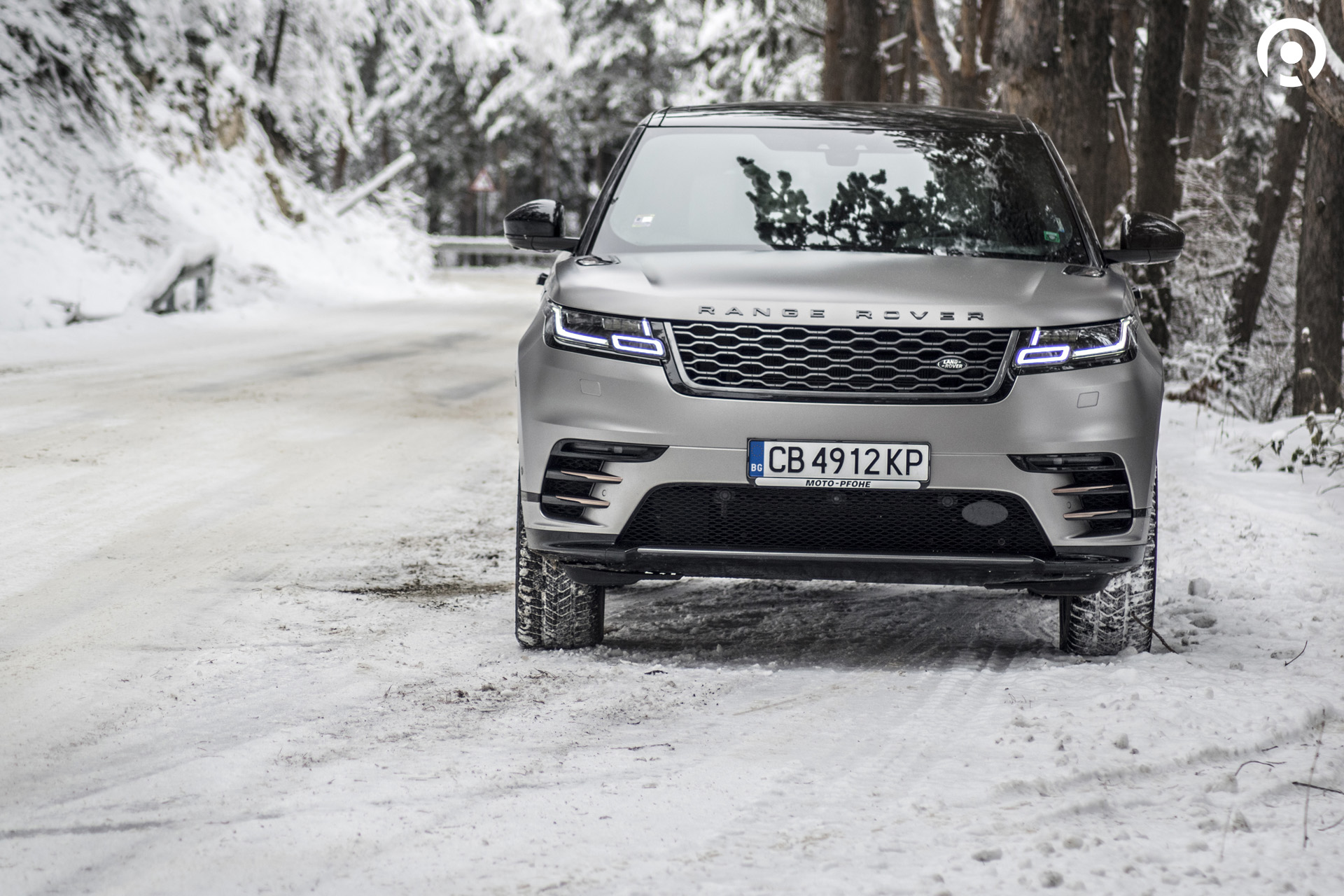
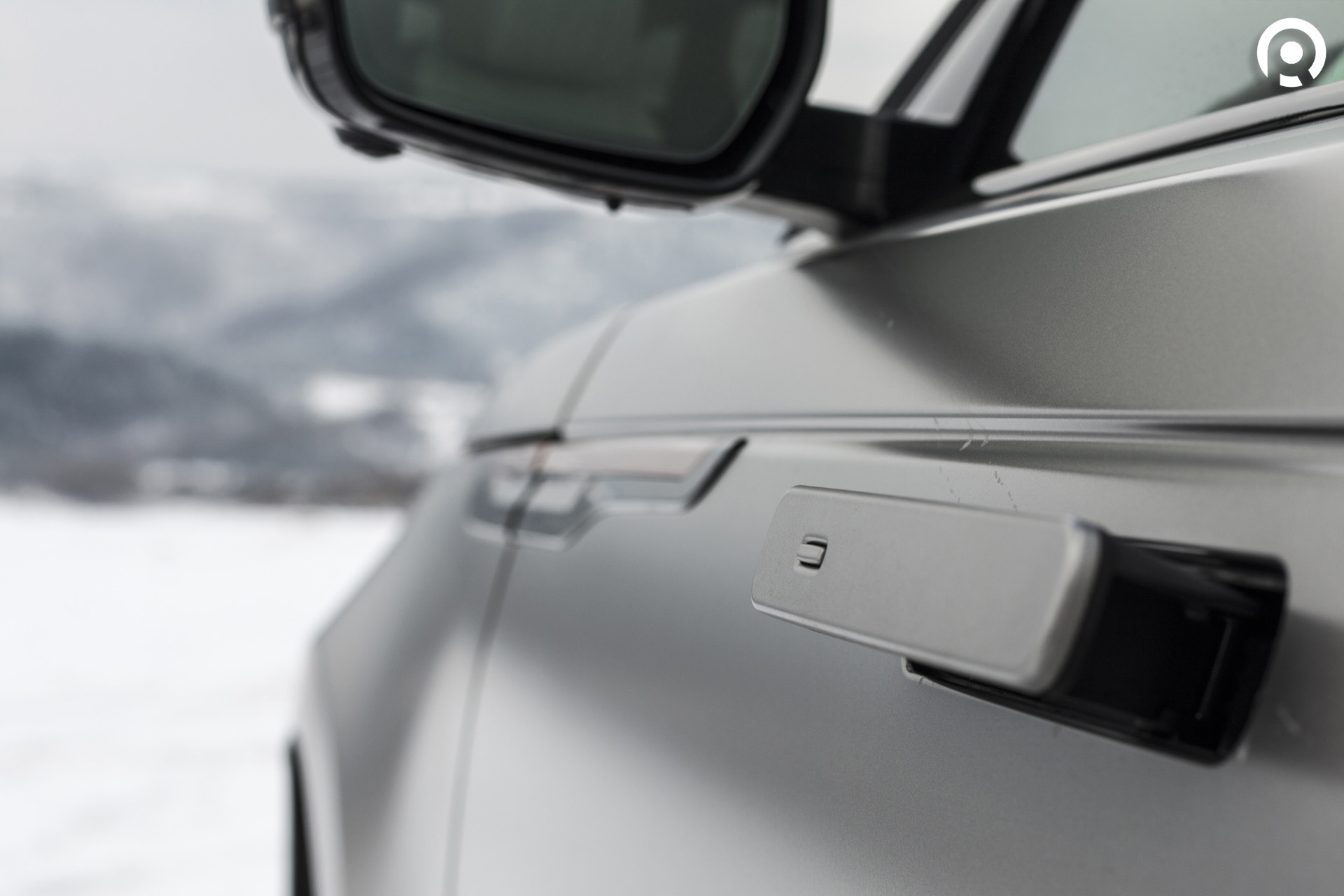
There is no doubt that the Velar is the most modern-looking car in the Land Rover range. The high shoulder line, the sleek roof profile, the ultra-thin rear lights and, of course, the flush door handles that slide out when you unlock the car – all these details make it clear that this is a very different kind of Land Rover. It is aimed at people who want to be noticed and are perfectly comfortable being the centre of attention.
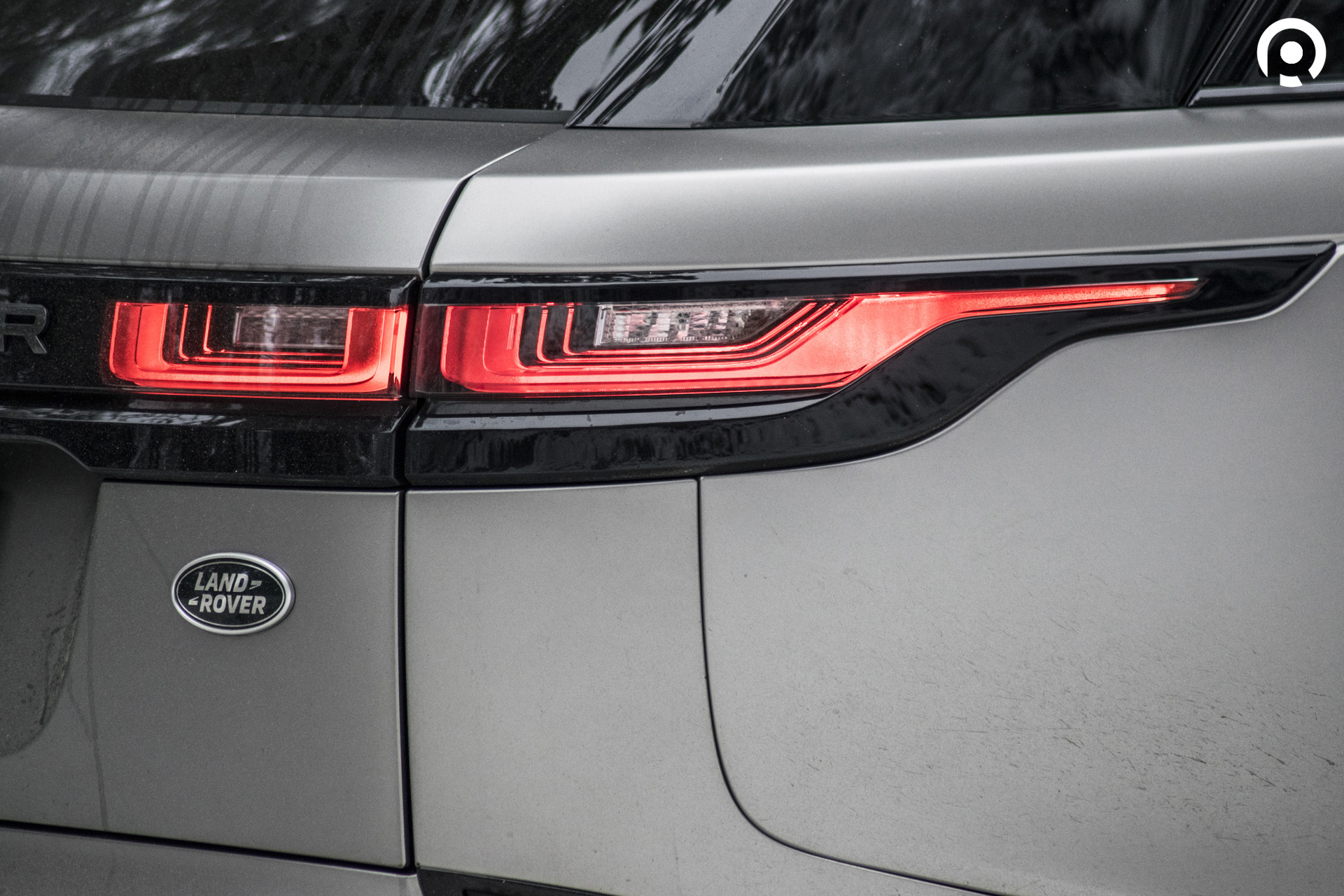
At its core, the Velar retains the DNA of the Range Rover family, but interprets it in a more dynamic, more technological and, dare I say it, more flamboyant way.
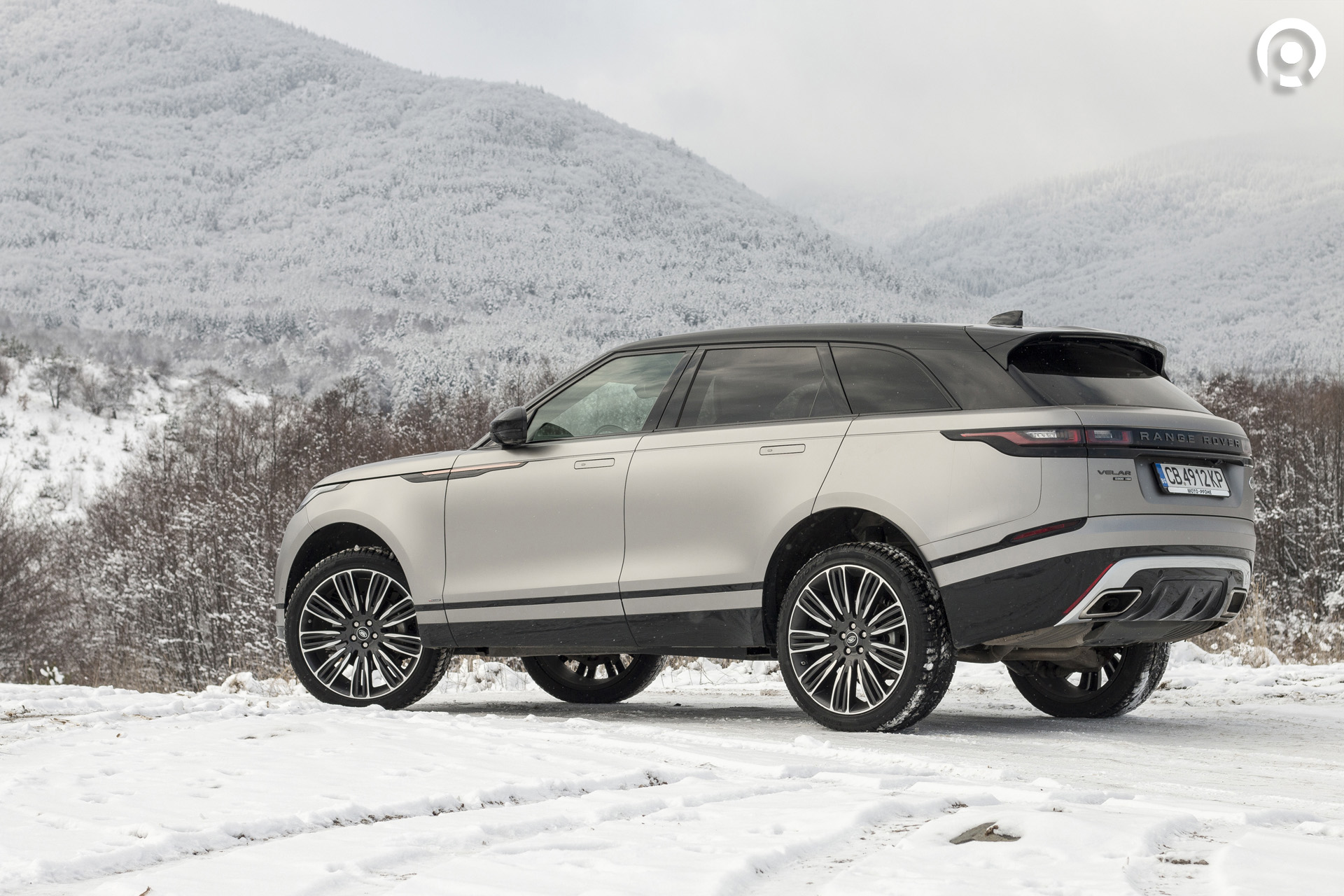
Personally, I find the result excellent. In fact, I may have just found my new favourite SUV in terms of design. There are only two details I’m not particularly fond of – the fake vents on the bonnet and, more importantly, the rear bumper design with its oversized exhaust finishers. The actual exhaust pipes are much smaller, while these decorative elements look as if they belong to a steamship rather than a modern diesel.
Interior
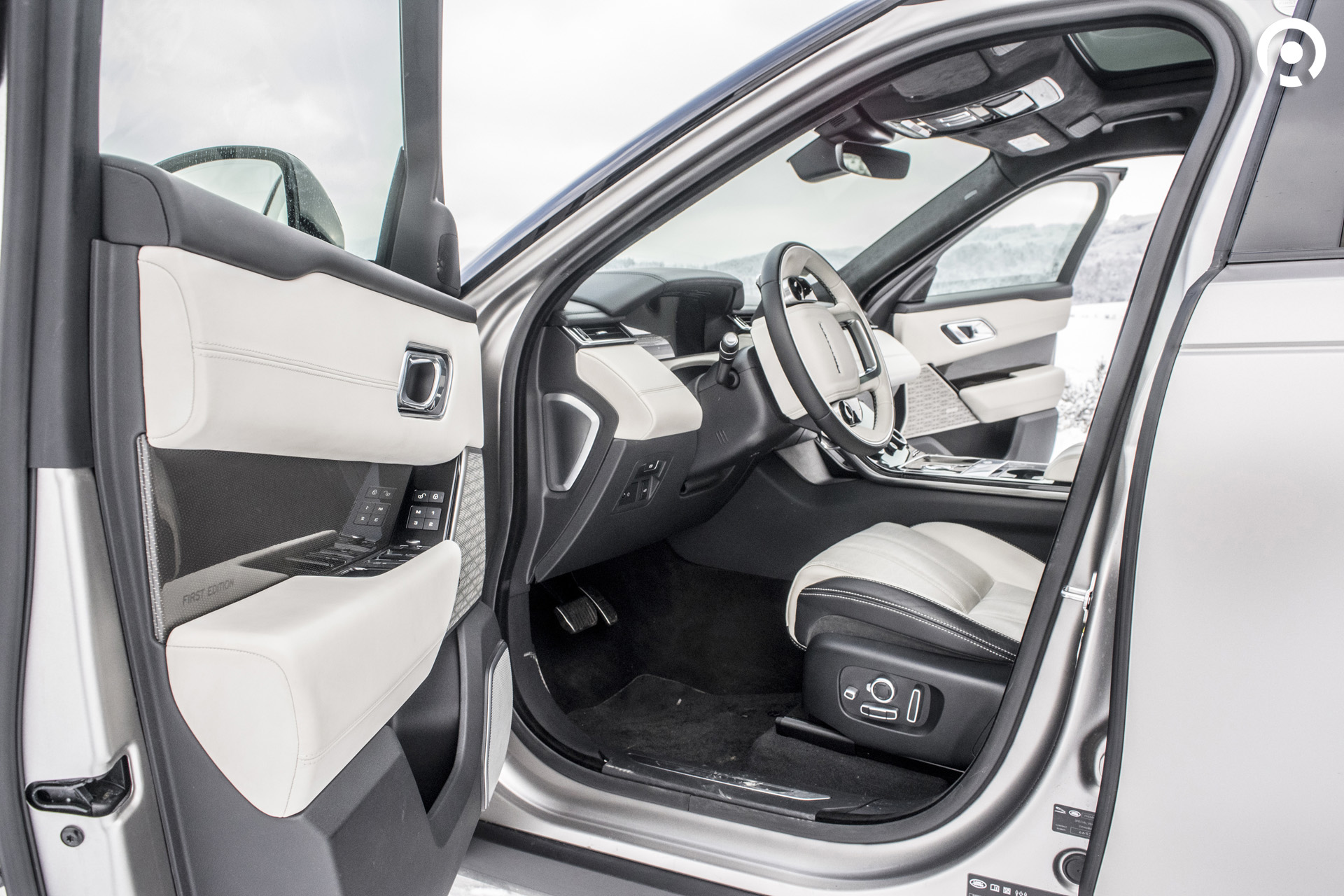
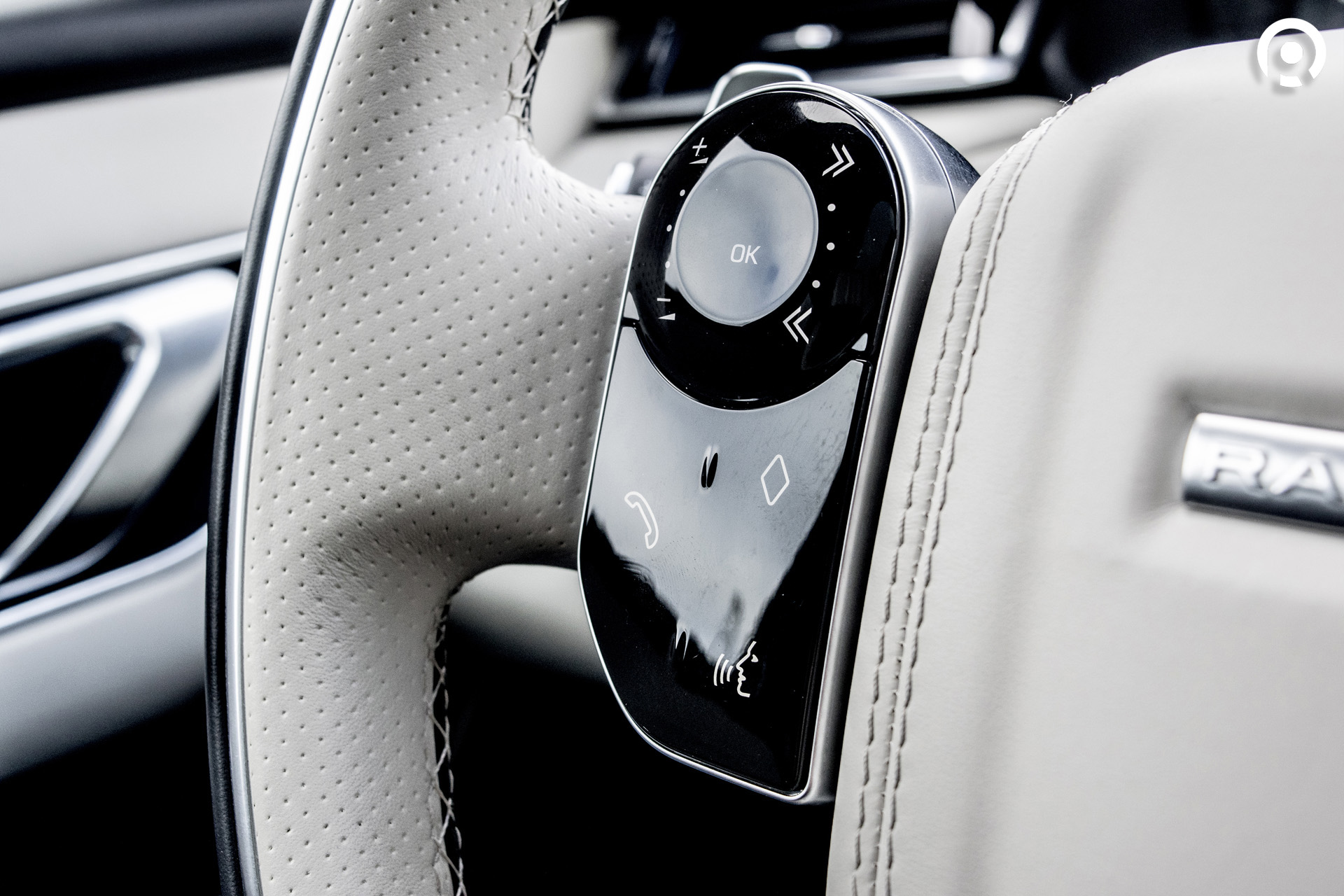
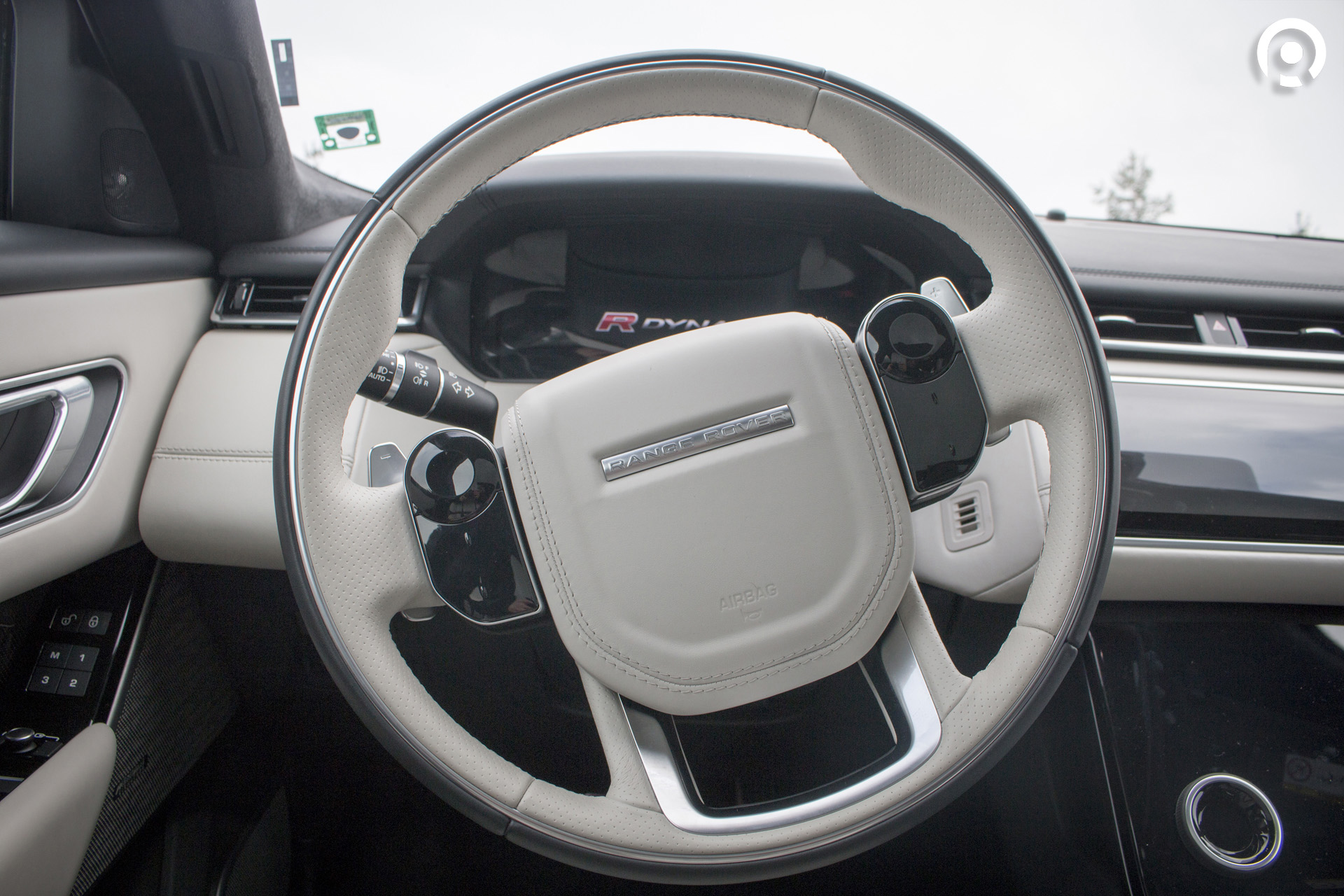
Step inside the Velar and the story continues in the same direction. The cabin is minimalist, high-tech and, naturally, luxurious. The most striking feature is the digital centre console, where you will find just three physical buttons. This is combined with a fully digital instrument cluster, a touchscreen that tilts into position when you start the car, and touch-sensitive controls on the steering wheel.
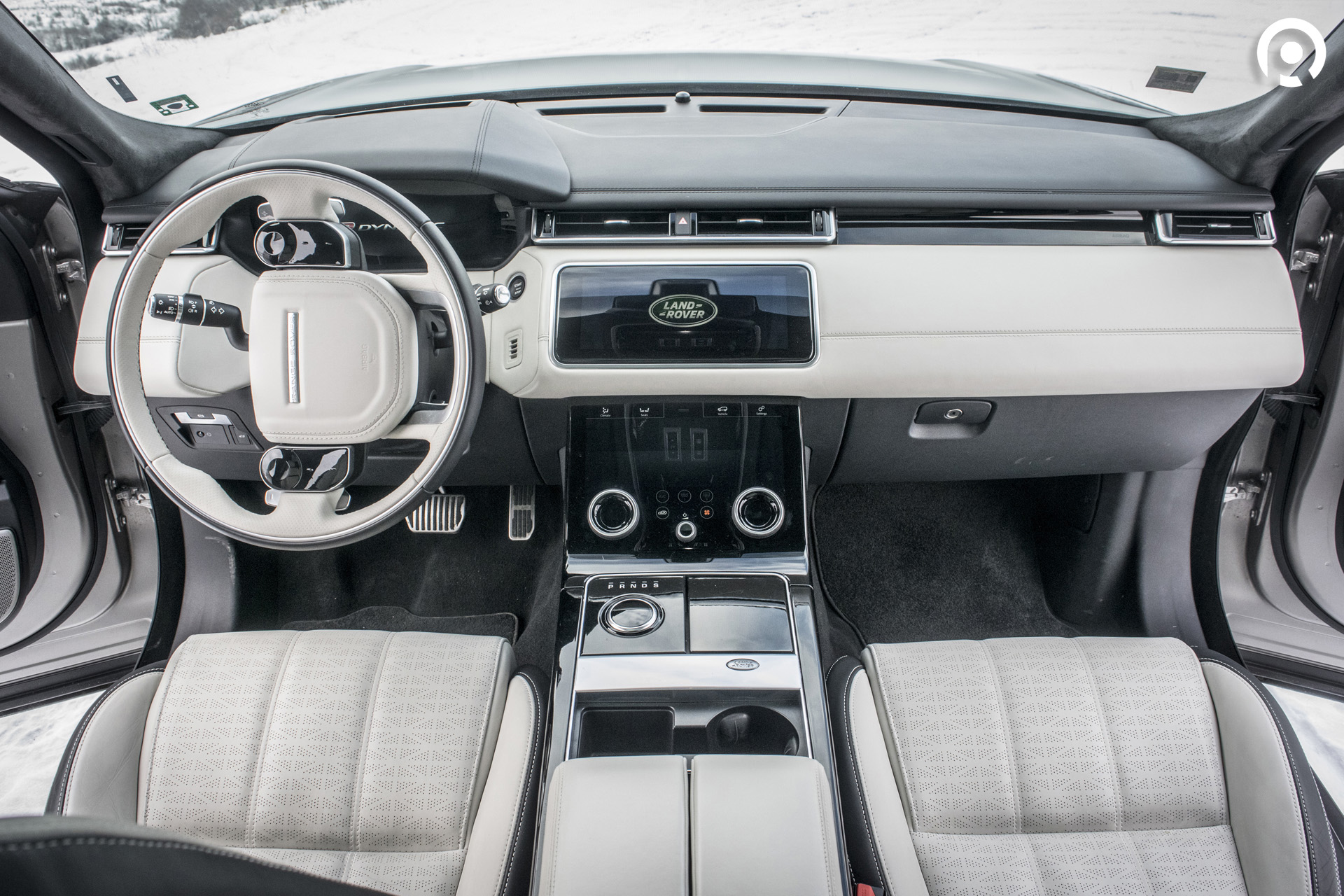
It is a setup that will undoubtedly appeal to what I like to call the PlayStation generation. At the same time, I suspect all these screens and capacitive surfaces might intimidate a fair number of traditional Range Rover buyers.
All of this is complemented by thoughtful details such as the metal trim on the steering wheel and the seat perforation pattern shaped like the Union Jack.
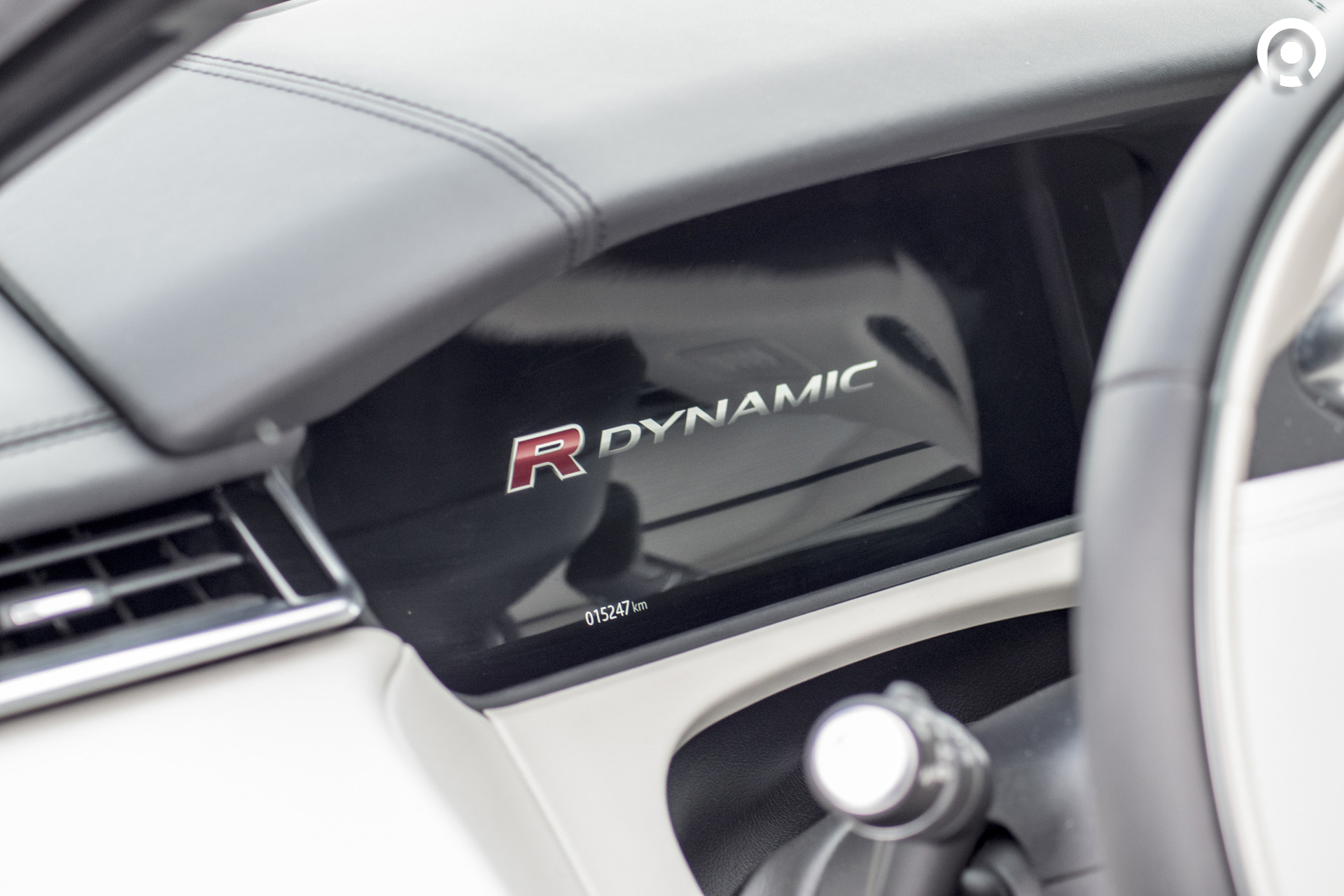
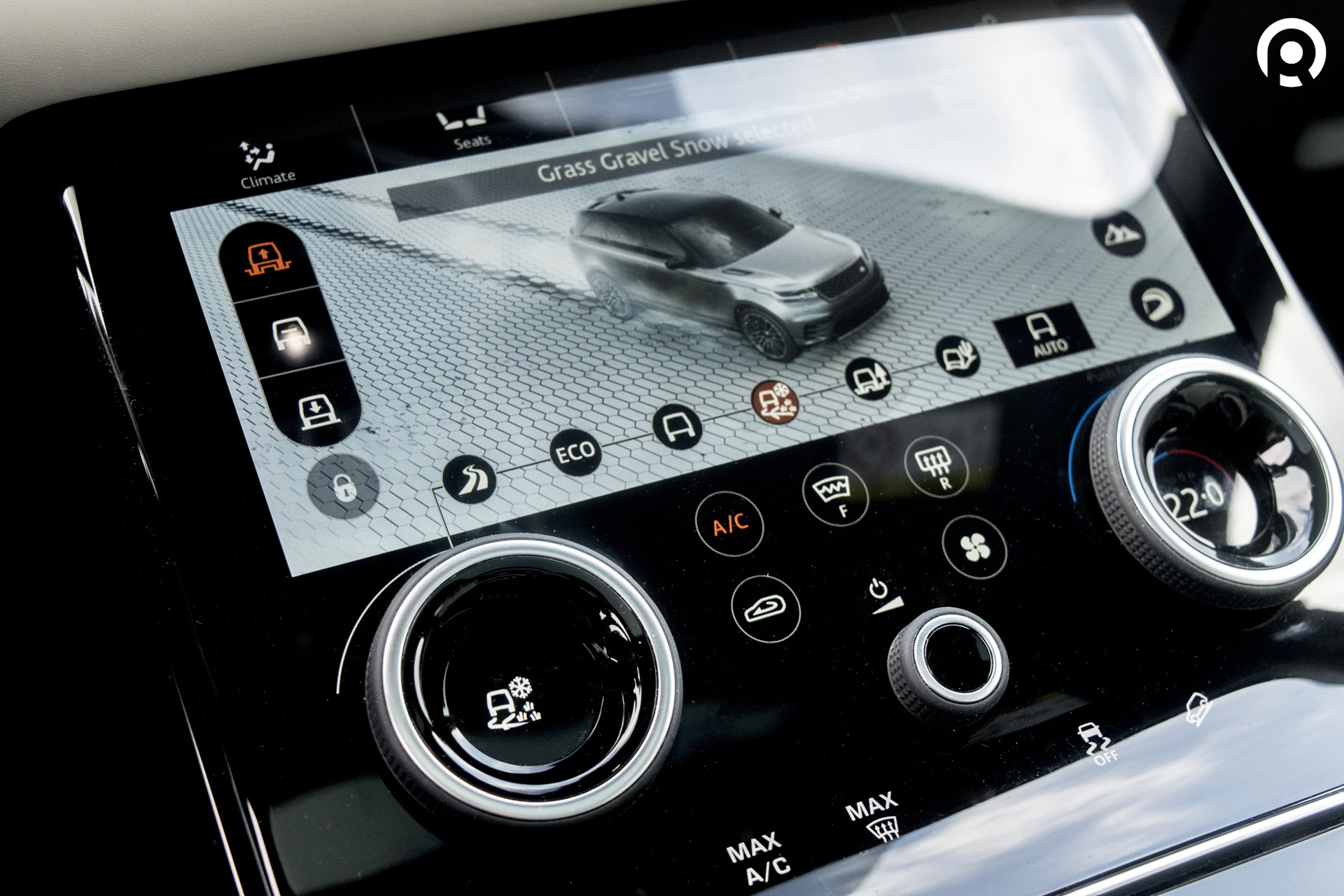
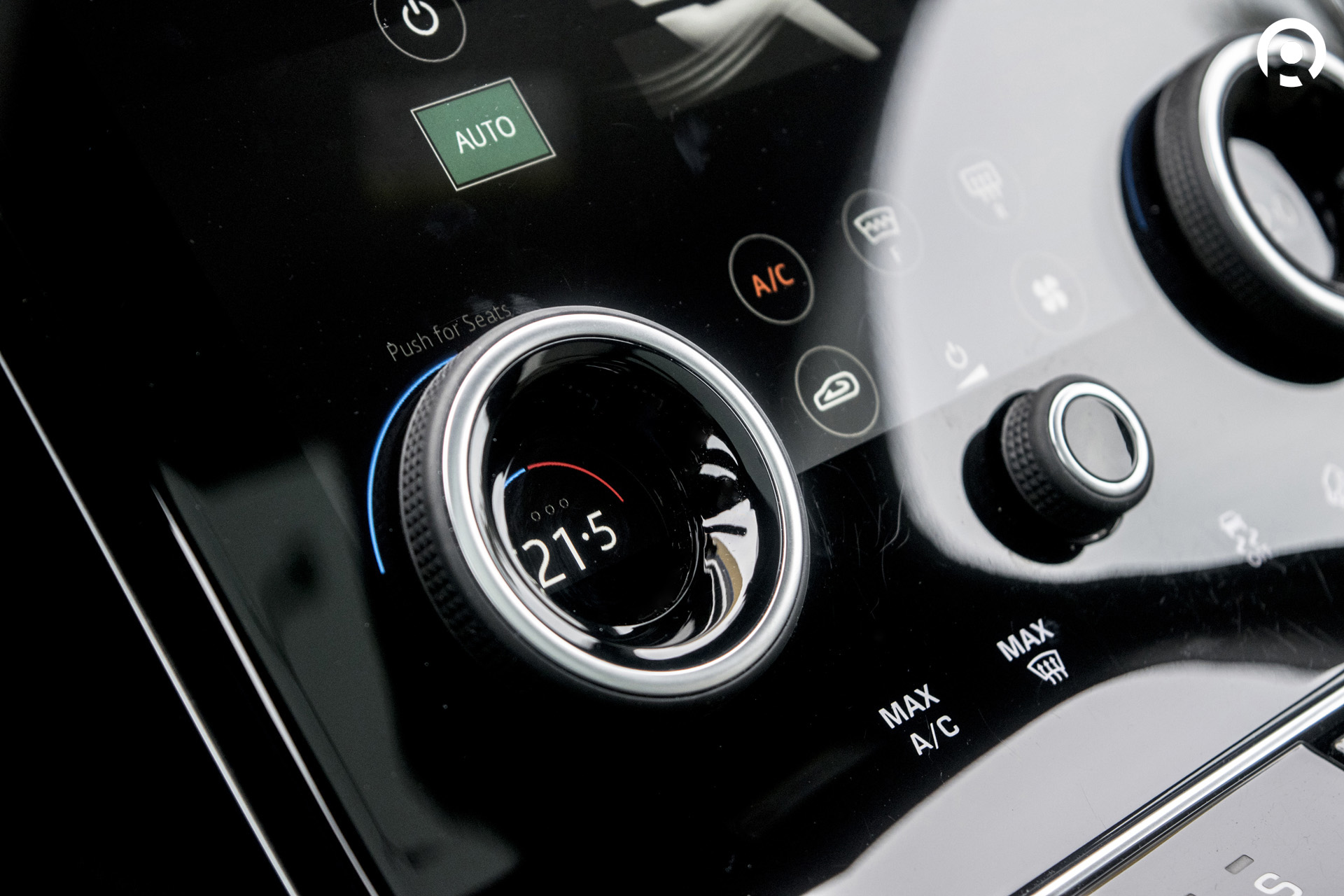
But let’s go back to the centre console, because that’s where things get really interesting. The two rotary controllers are multifunctional and change their purpose depending on what you’re doing. In their default state, they control temperature. Press them, and they switch to seat heating or ventilation. Press again, and they adjust massage intensity. It’s clever, well thought out and genuinely intuitive. The display itself is sharp, responsive and easy to use. I expected it to be cumbersome on the move, but it turned out to be easier than anticipated. Still, I have to admit that I’m not entirely sold on this level of digitalisation – from an ergonomic standpoint, I still prefer good old physical buttons.
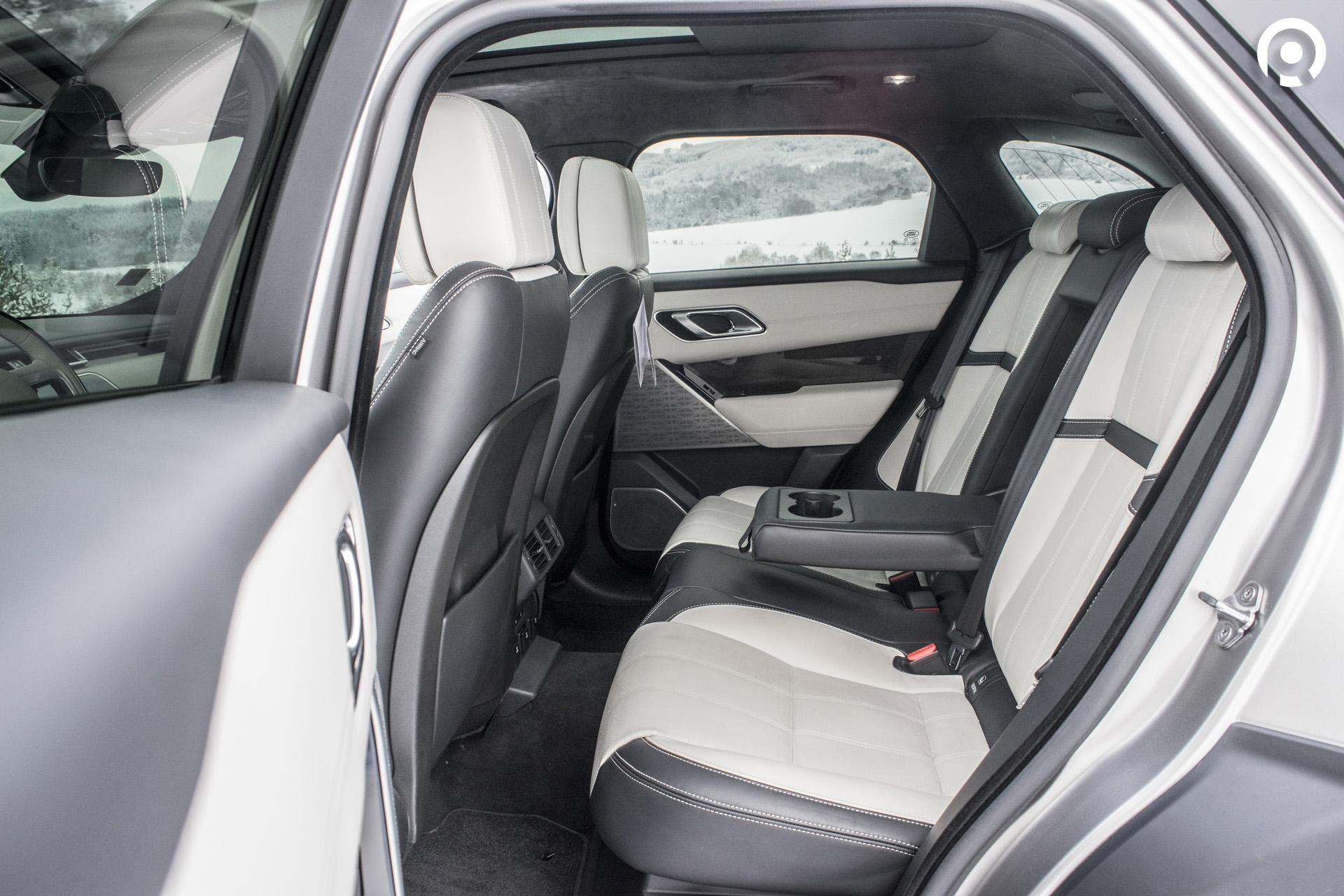
As for the rest of the cabin, it’s a very pleasant place to be. The seats, both front and rear, are extremely comfortable, and there is plenty of space. That said, rear passengers may notice that the seats are positioned quite low, making it impossible to slide your feet underneath the front seats. Combined with the high beltline and relatively small windows, this creates a slightly claustrophobic feel. Style comes at a price.
Material quality is generally good, though not flawless. In the lower parts of the cabin, there is more hard plastic than you would expect in a car starting at around €60,000. Aside from that, everything feels solid, well assembled and appropriately premium for a Range Rover.
On the Road
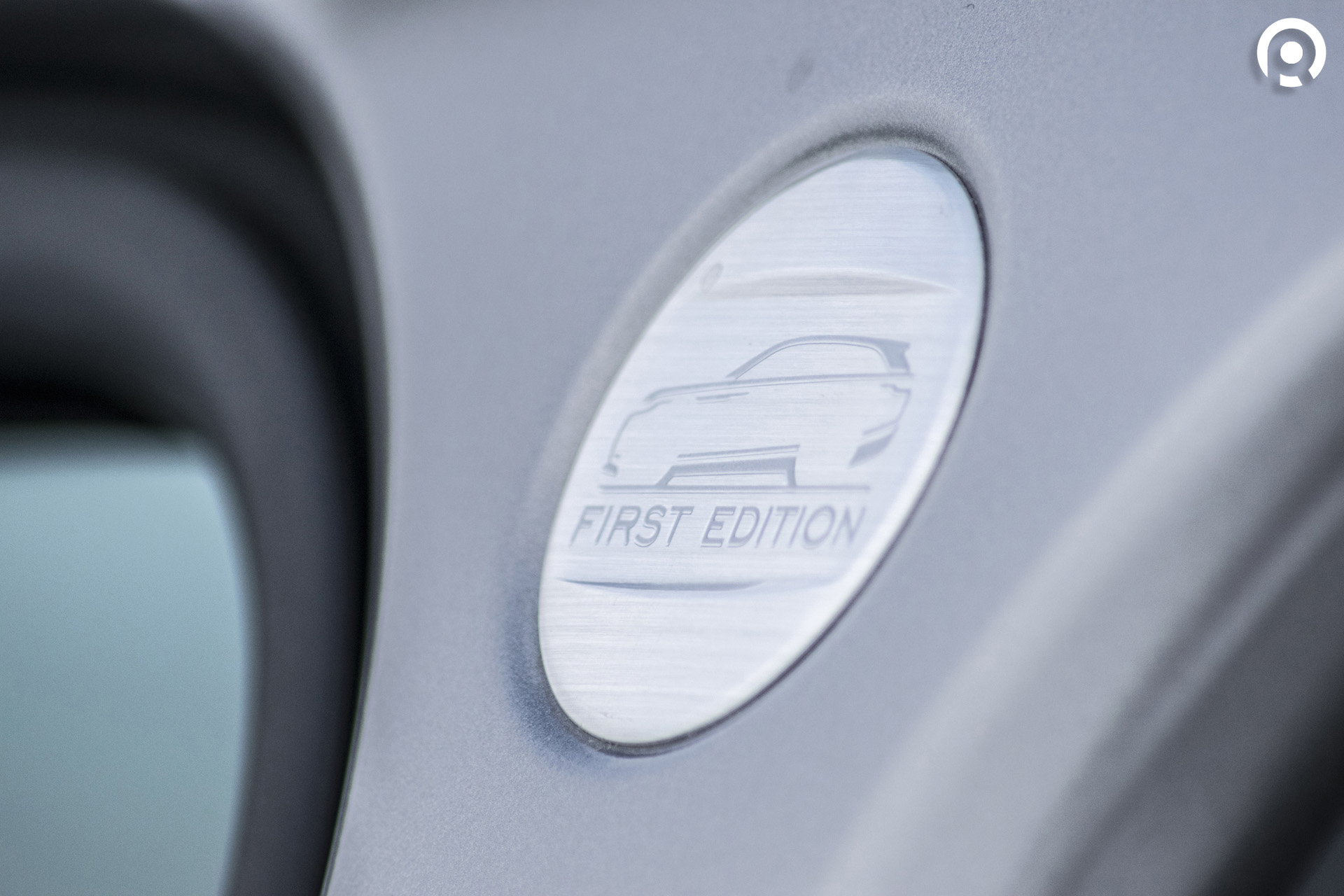
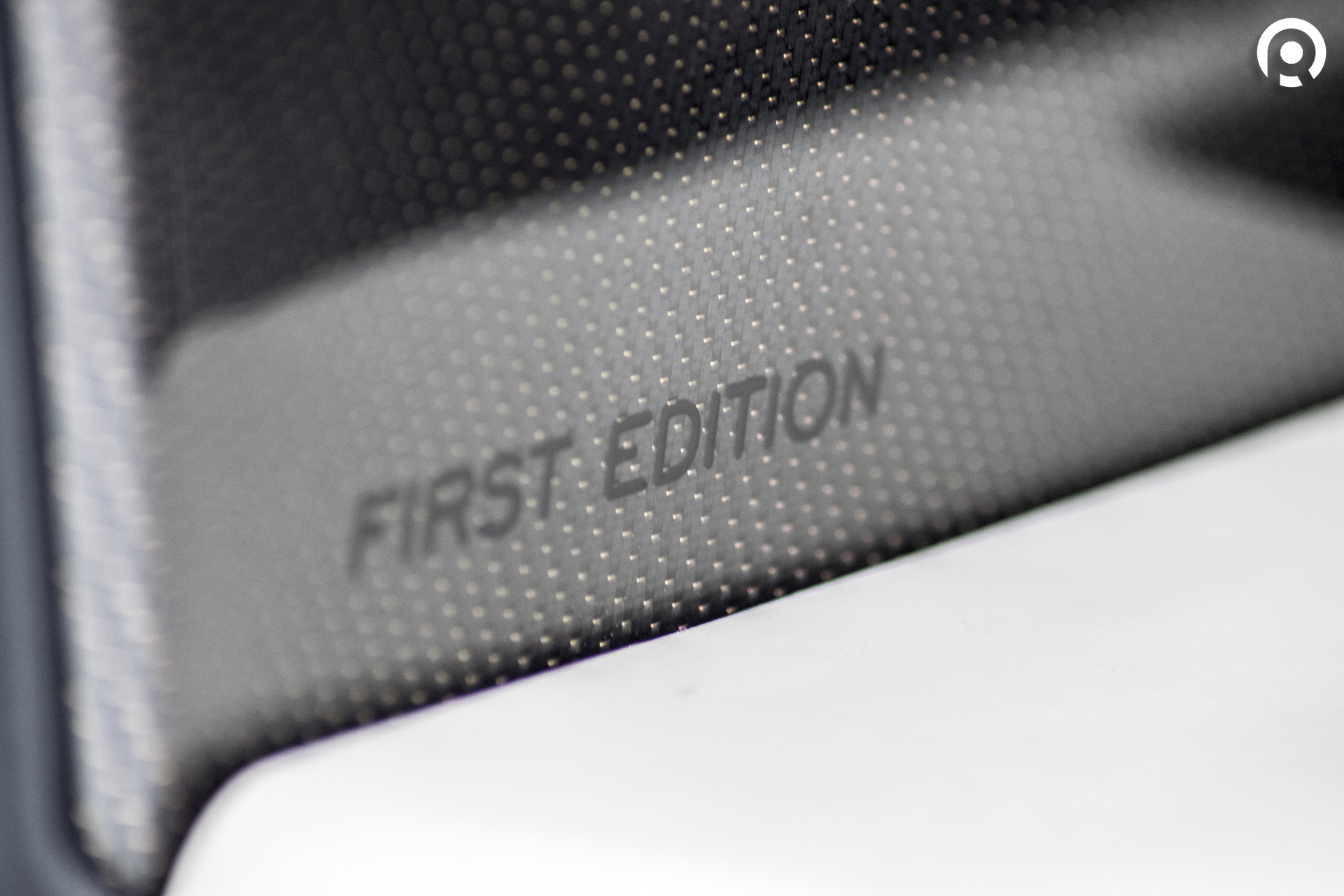
The car I drove was the launch edition – First Edition – which means there are no options to tick, because everything is already included. The price reflects that, coming in at approximately €110,000. Technically, there are two “options” – matte paint, priced like a brand-new Dacia Sandero, and 22-inch wheels, both of which were fitted to the test car.
Under the bonnet sits the most powerful diesel in the range – a 3.0-litre V6 producing 300 hp and 700 Nm of torque, paired with an eight-speed automatic gearbox from ZF Friedrichshafen. This setup delivers 0–100 km/h in 6.5 seconds, while official fuel consumption is rated between 5.8 and 7.4 l/100 km.
The engine lineup also includes two four-cylinder diesels (180 hp and 240 hp) and two petrol engines – a 2.0-litre with 250 hp and a 3.0-litre V6 with 380 hp.
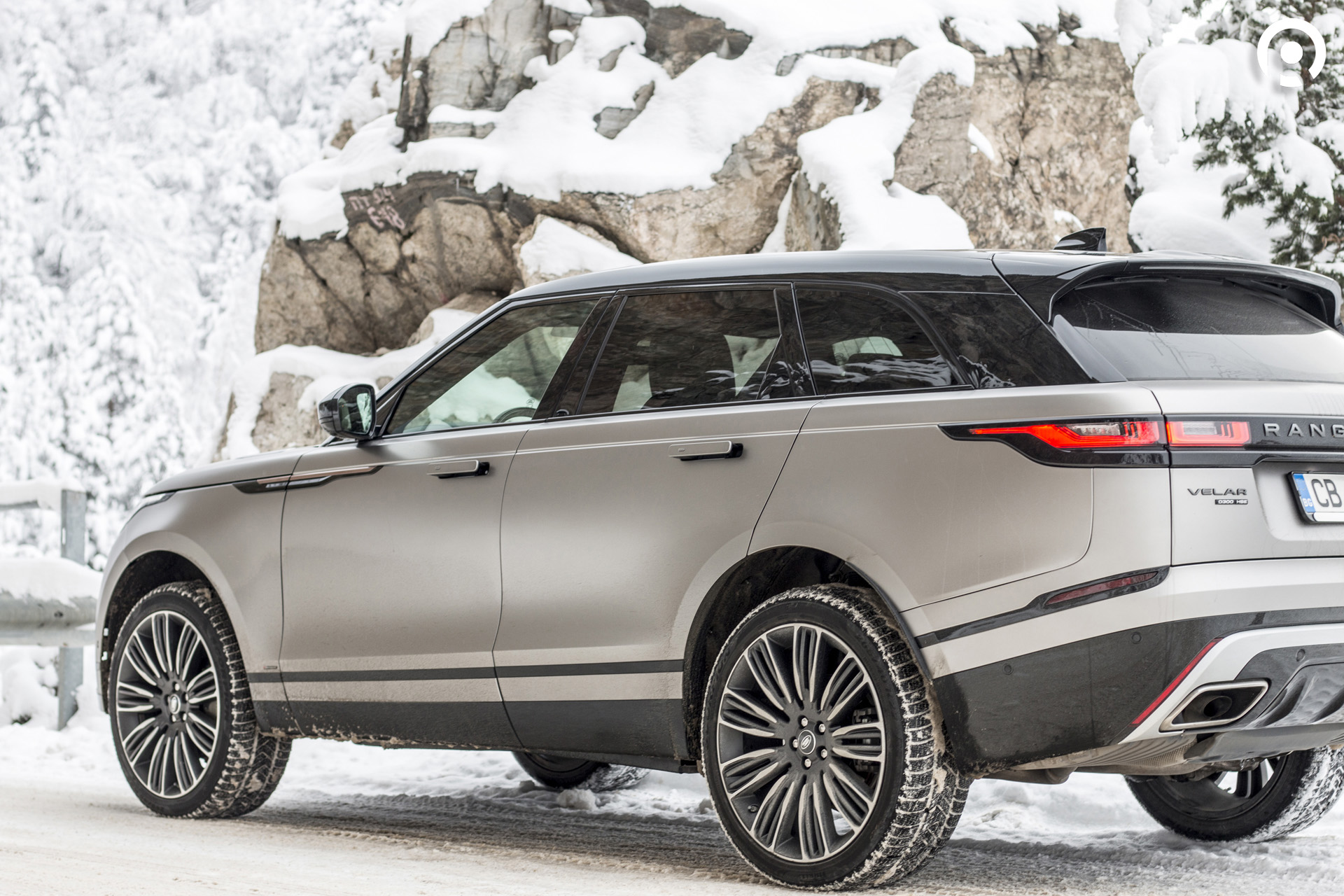
On a snowy winter day, I got behind the wheel and headed out of Sofia towards Bistritsa. The first impression was the isolation – the cabin is exceptionally quiet at city speeds, creating a calm and refined atmosphere. The car also commands respect on the road, which, in Sofia traffic, is not something to underestimate.
Despite the narrower windows compared to other Range Rover models, you still feel that elevated driving position. Interestingly, unlike other Land Rovers where you sit high “on top” of the car, here you feel more integrated within it. The driving position actually reminded me of the Jaguar F-Pace, which makes sense given the shared platform.
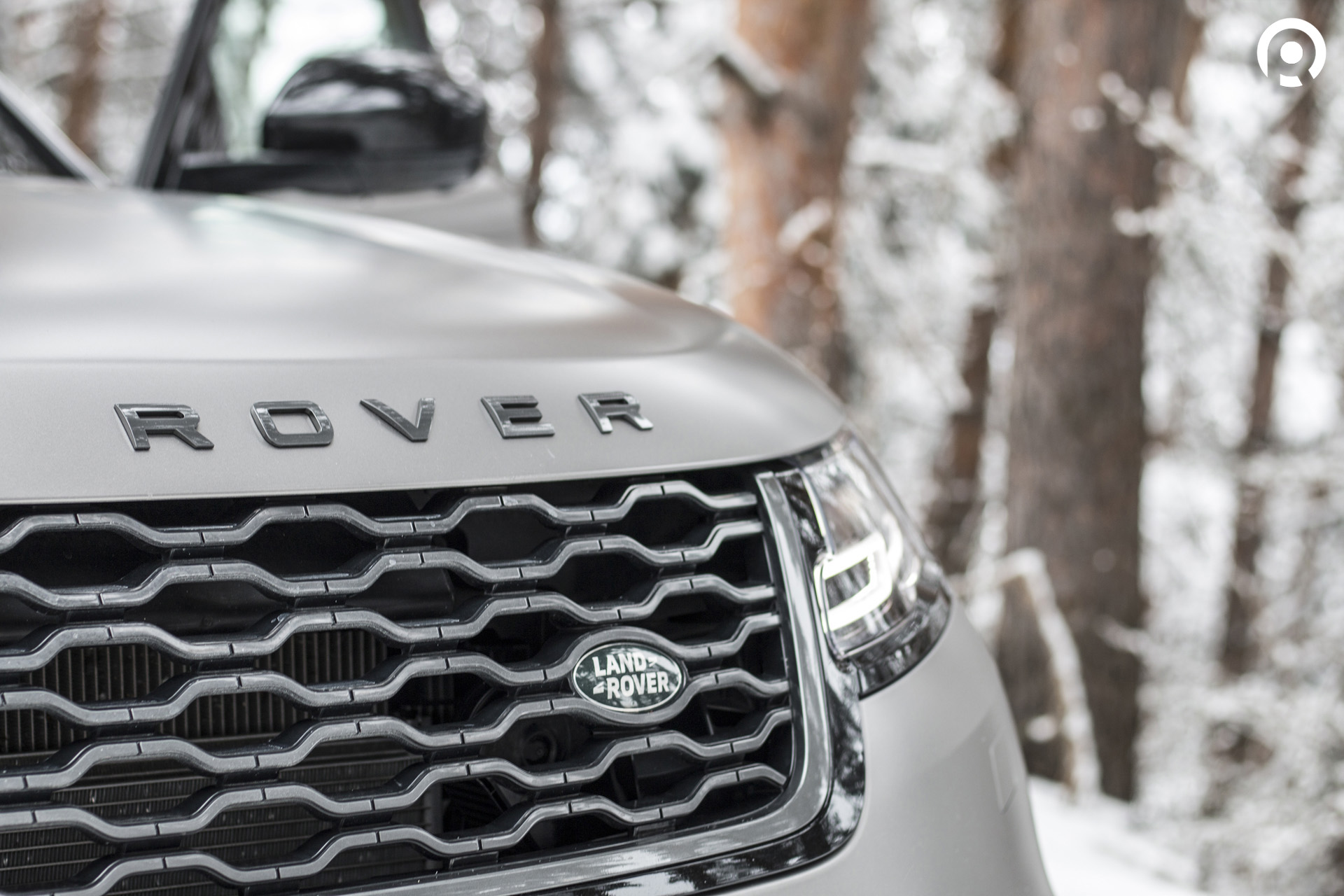
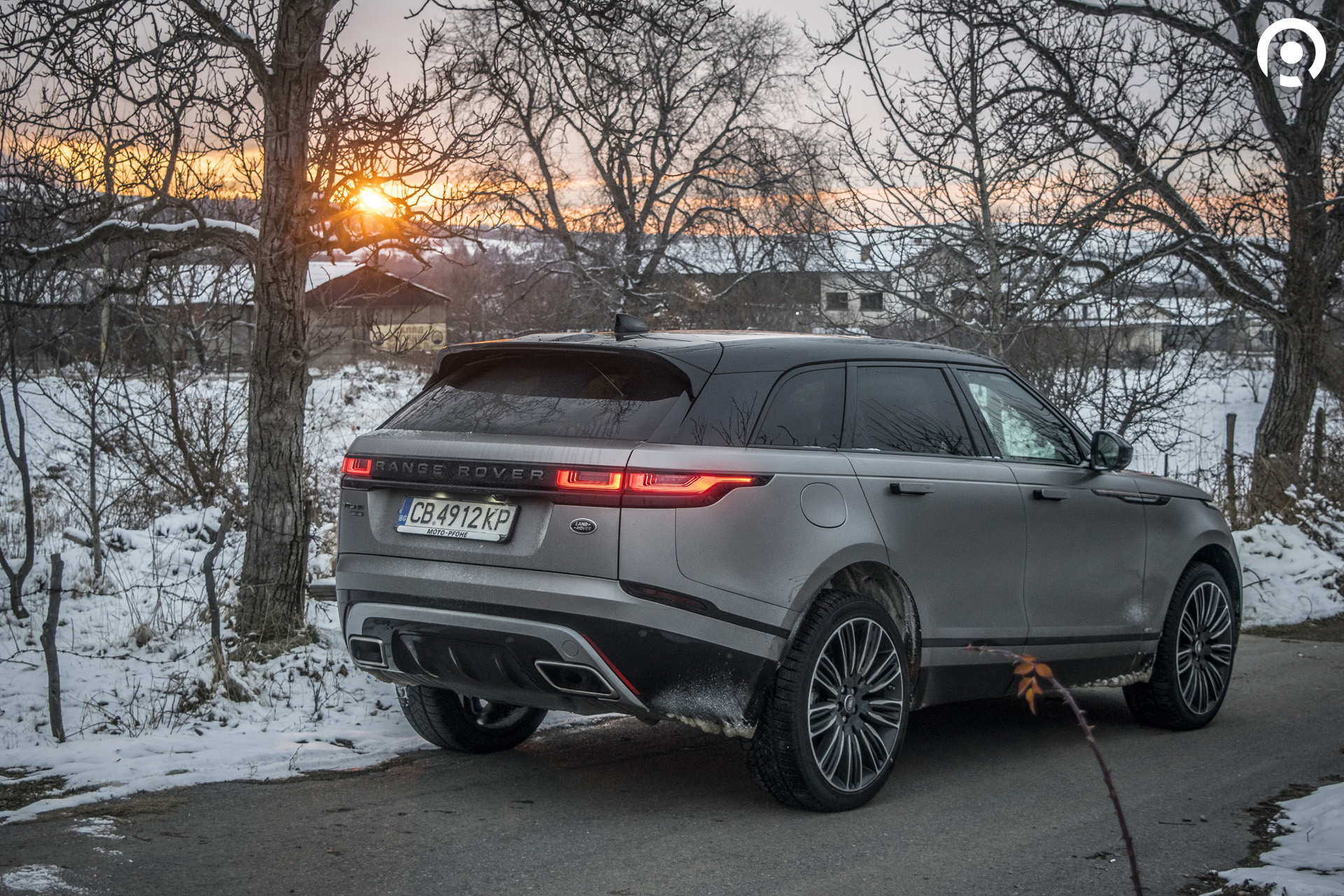
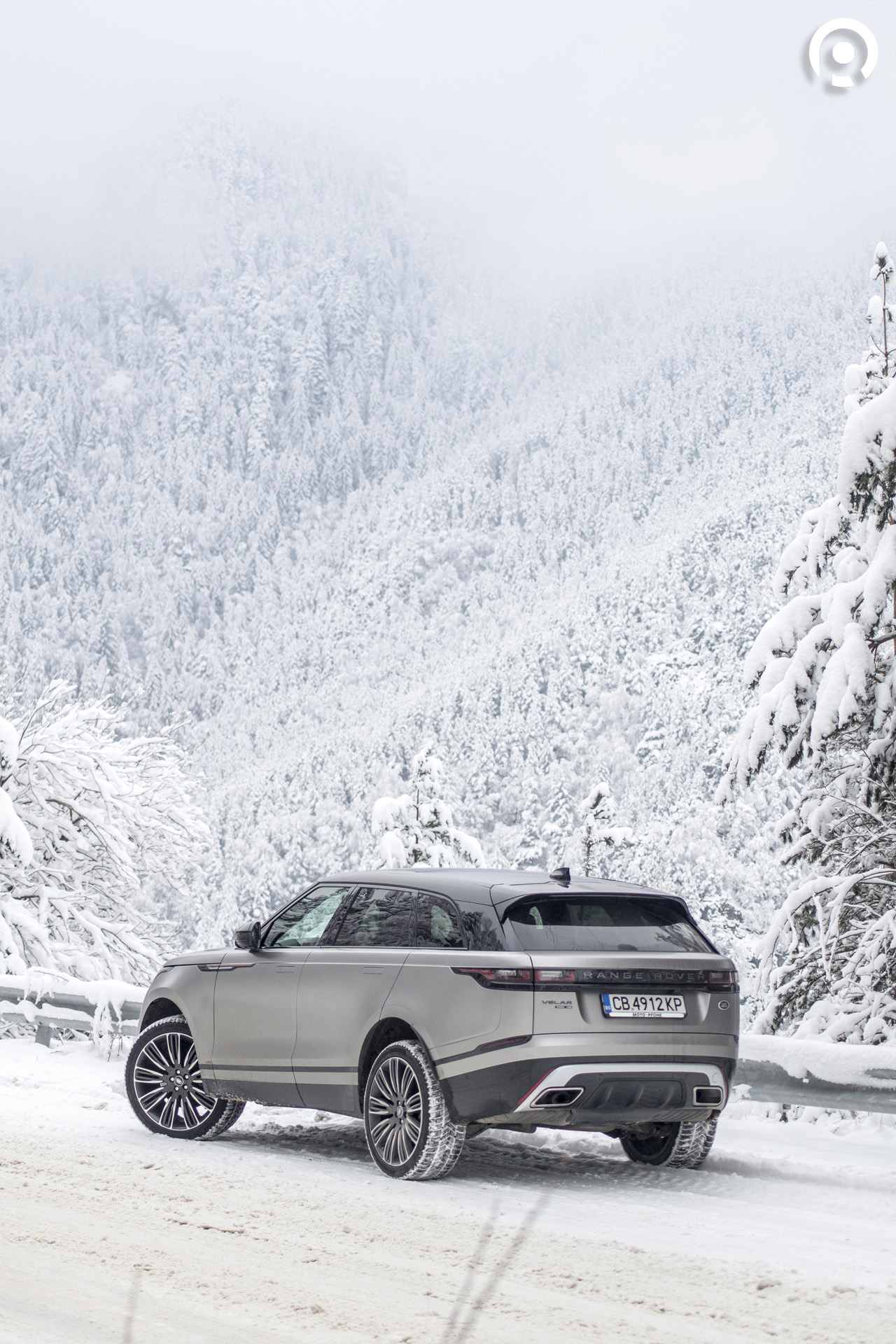
Not long after leaving the city, I couldn’t resist turning off the road towards a snow-covered hill near Bistritsa. Switching the Terrain Response 2 system to grass, gravel and snow mode, I started climbing. The car handled it well, even though my off-road skills are, frankly, questionable. That said, this is the most road-focused model in the Land Rover lineup.
I wasn’t blown away by its off-road performance – the Range Rover Sport is significantly more capable in that regard – but the Velar still offers serious ability, with up to 25 cm of ground clearance (on air suspension) and a wading depth of 65 cm.
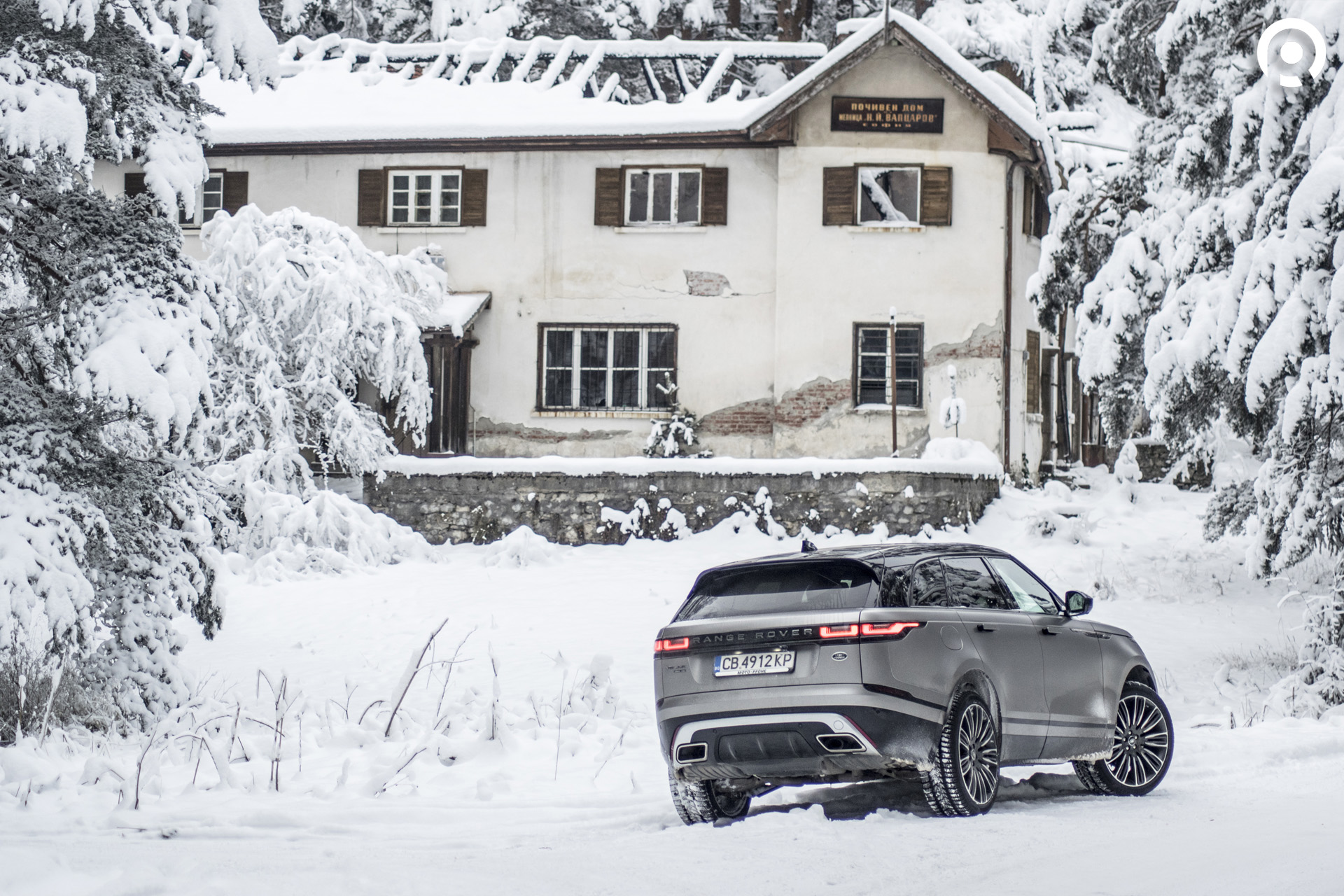
Back on the road, I headed towards Panichishte and eventually reached my favourite set of corners near Zheleznitsa. Time to push a bit.
Press the accelerator and the Velar responds promptly. The V6 diesel delivers strong torque, and the gearbox reacts quickly. Under load, the engine becomes the main source of noise, but it remains refined and not intrusive. The steering is quick and precise, but as expected, lacks feedback and engagement. The air suspension stiffens in dynamic driving, yet the car still leans and you can feel its weight. Grip, however, is excellent – the Velar sticks to its line without drama.
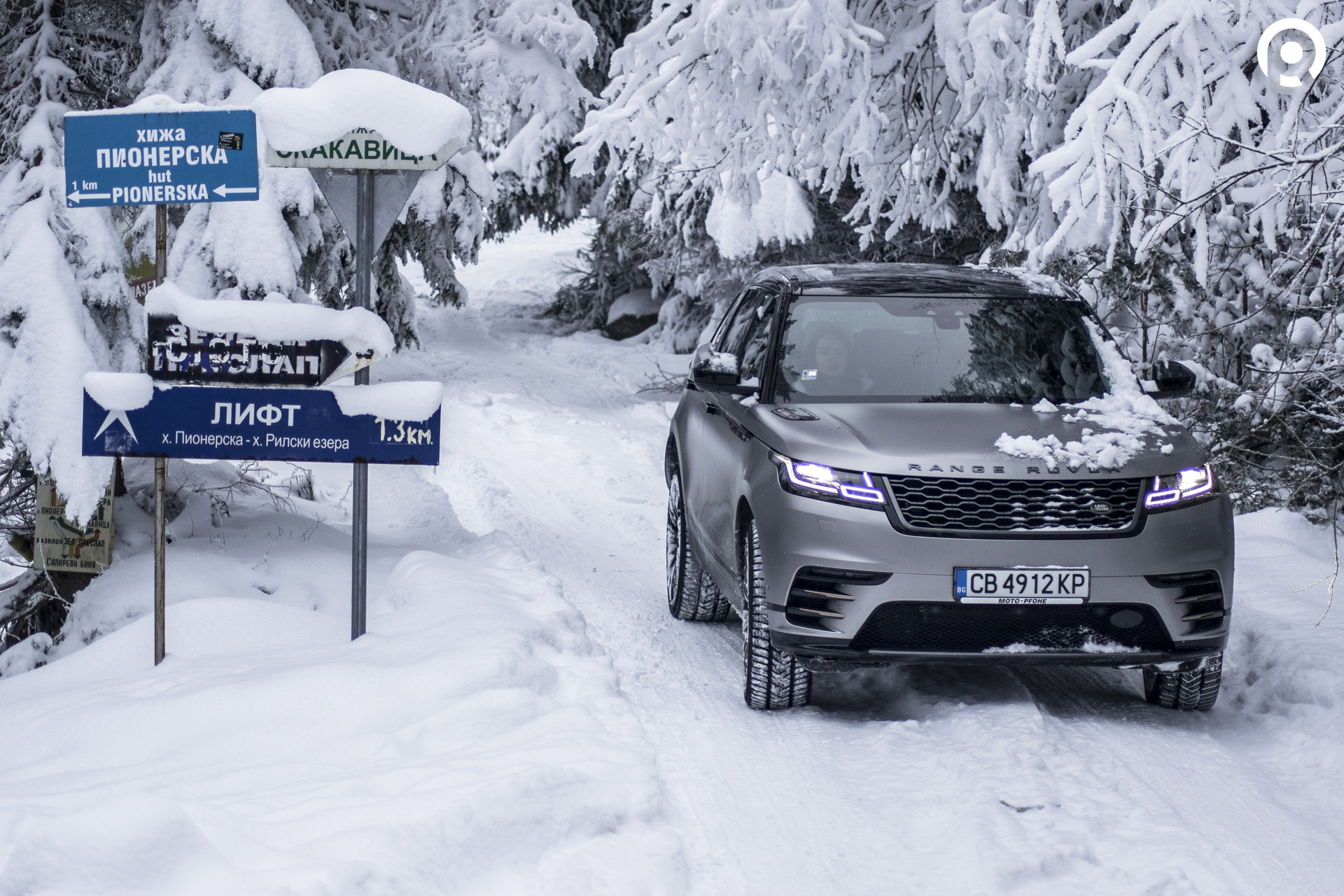
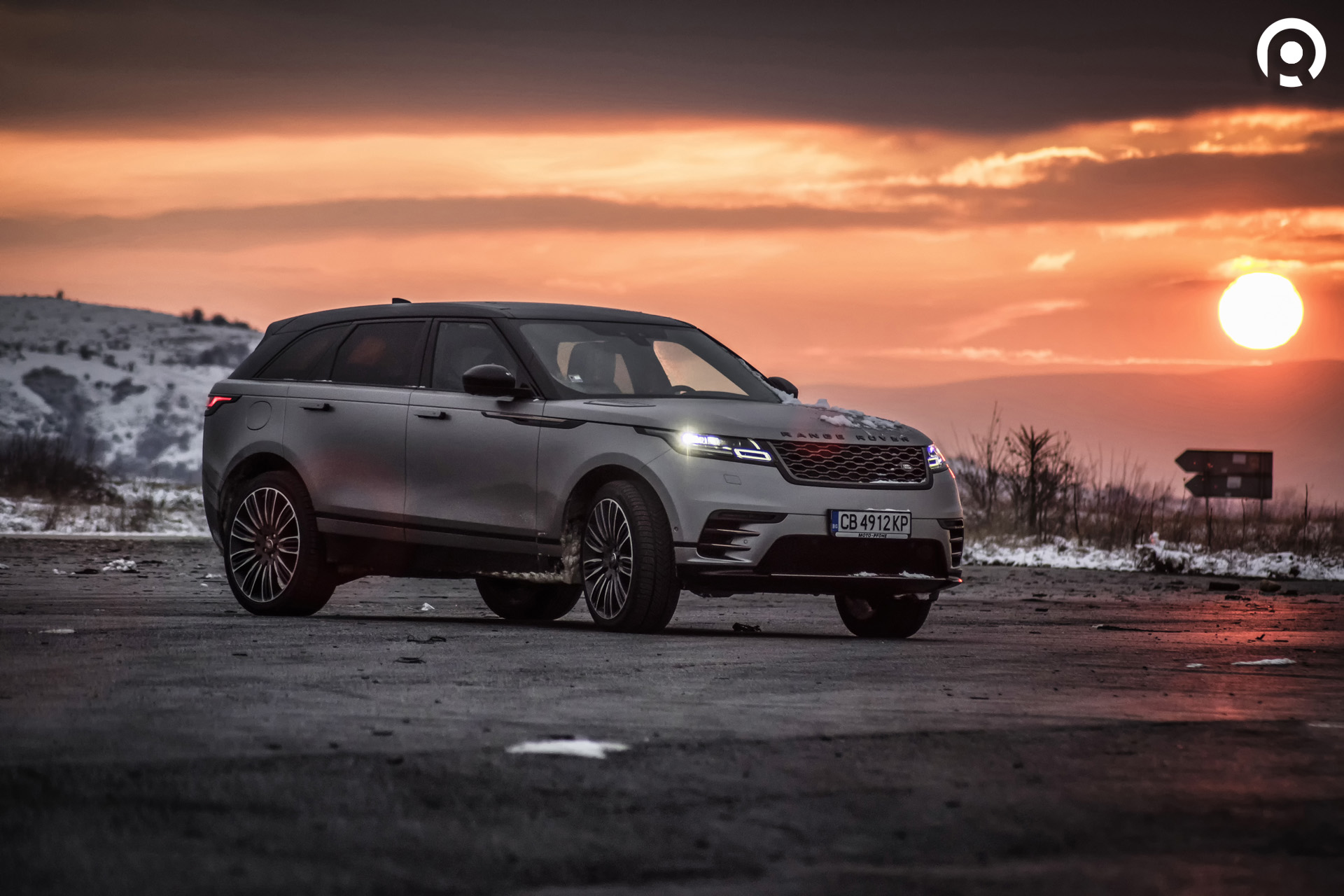
The conclusion? Yes, you can drive it fast, and it will respond accurately and confidently. But unless you’re late for something important, there is absolutely no point. This is a car designed for relaxed, comfortable journeys, and that’s where it truly shines.
Back in comfort mode, the Velar returns to being impressively quiet and refined. There is some aerodynamic noise from the large mirrors, but road noise is very well suppressed, and the engine remains mostly in the background unless pushed.
Conclusion
With the Velar, Land Rover delivers exactly what you would expect – a highly competent, luxurious and comfortable SUV that stays true to the brand’s core values, while adding a strong dose of digital extravagance. The result is a modern product designed to attract new customers to the brand.
The Velar impresses primarily with its design. It also offers refined road manners, excellent isolation and high levels of comfort, along with respectable off-road capability. Where it falls slightly short is practicality and interior space – which is precisely why Land Rover still offers the Land Rover Discovery. Driving engagement could also be better.
For me, however, there is one major issue, and it is called the Range Rover Sport. The Velar starts at around €60,000 with a 180 hp engine. Step up to the 240 hp diesel, and the price climbs to roughly €65,000. Meanwhile, a base Range Rover Sport with the same engine costs only about €500 more. And in my opinion, the Sport offers significantly more – it is larger, more practical and arguably more prestigious.
Still, there’s a seat for every passenger on every train. And I’m convinced that the Velar’s style will win it plenty of admirers.
Eng. Tsvetan Iliev