City cars are something I’ve always had mixed feelings about. On one hand, as a car enthusiast and engineer, I dislike the countless compromises that go into building such a vehicle in the name of low cost. On the other, they fit perfectly into the urban environment – their low weight makes them nimble, efficient and relatively gentle on infrastructure, while their compact dimensions make parking and navigating traffic genuinely easy. Of course, those same dimensions come with drawbacks, especially in less civilised driving environments, where showing up in a small city car often feels like an invitation for others to bully you on the road.
The car I decided to spend some time with is one of the most popular models in its class in Europe – the Citroën C1. This is the second generation of the model, developed jointly with Peugeot and Toyota, and in my opinion, it is easily the most charming car of the trio.
Design
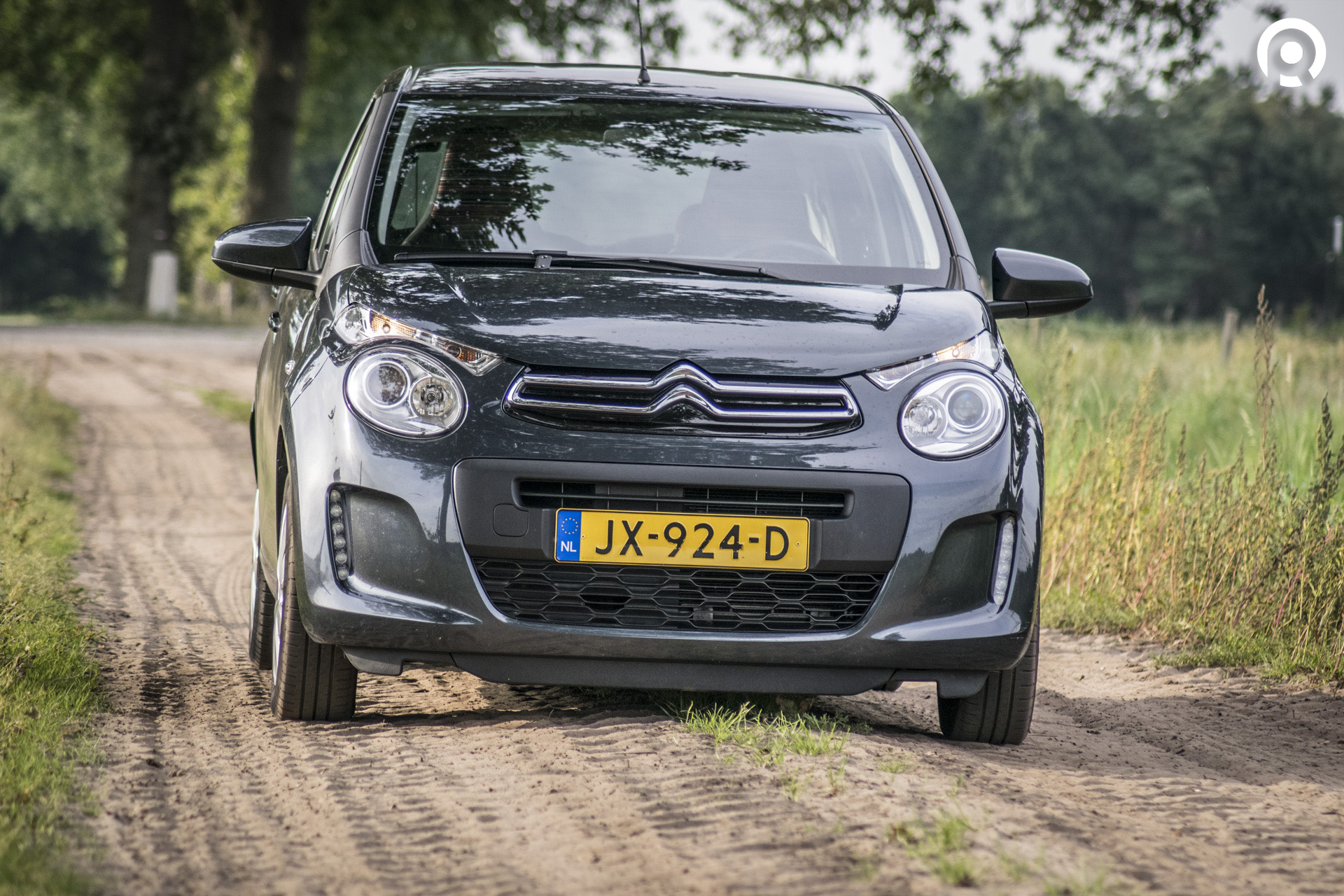
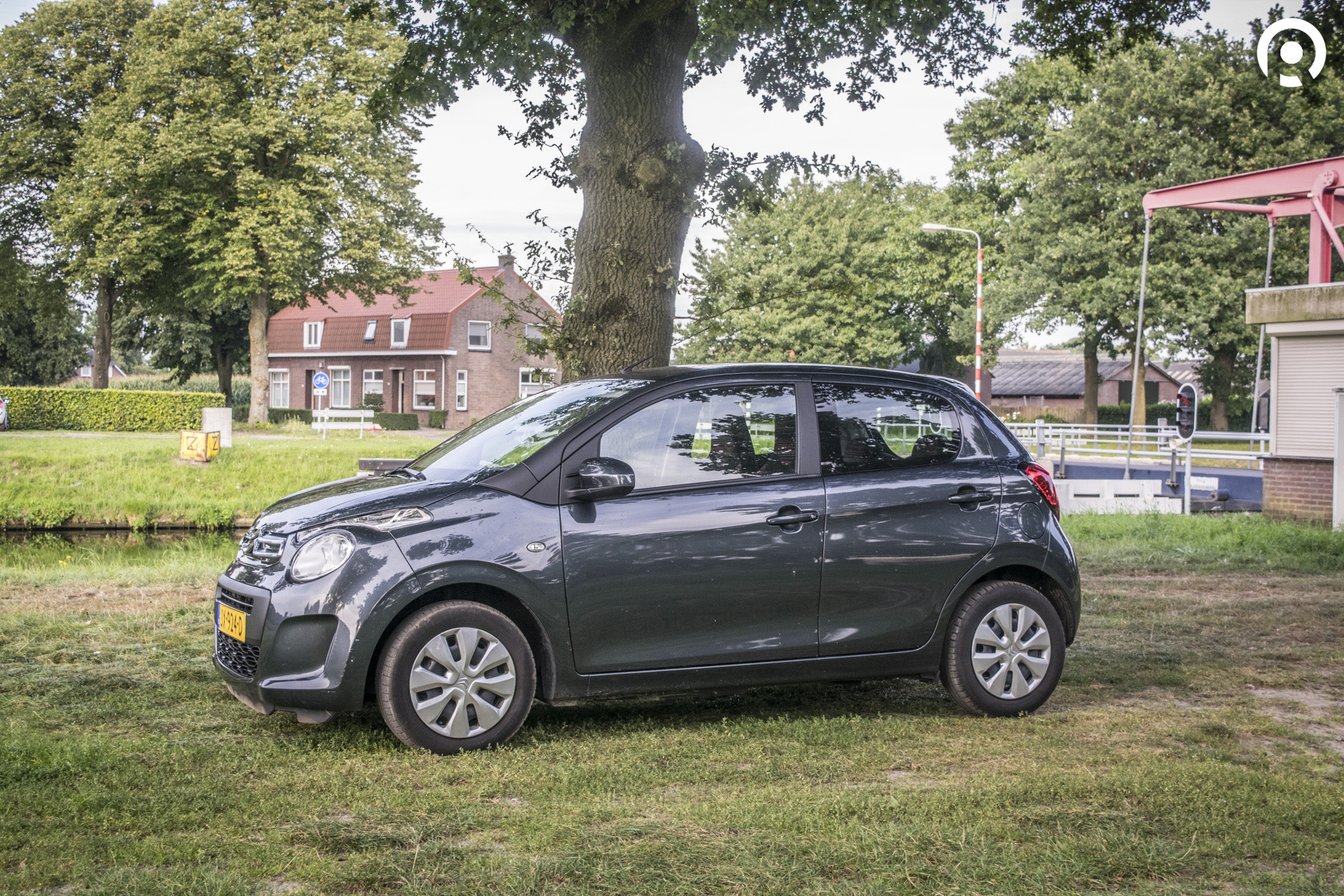
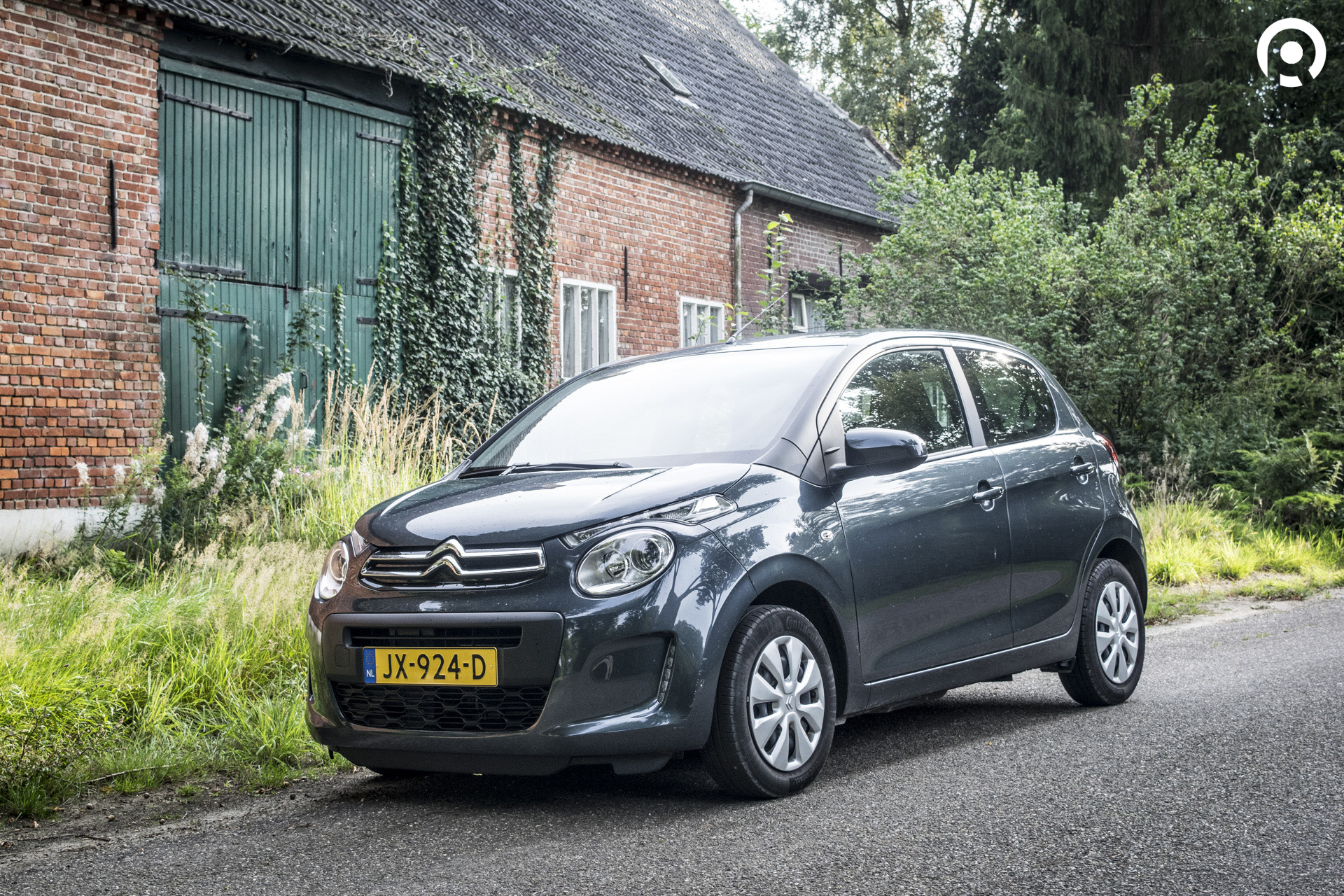
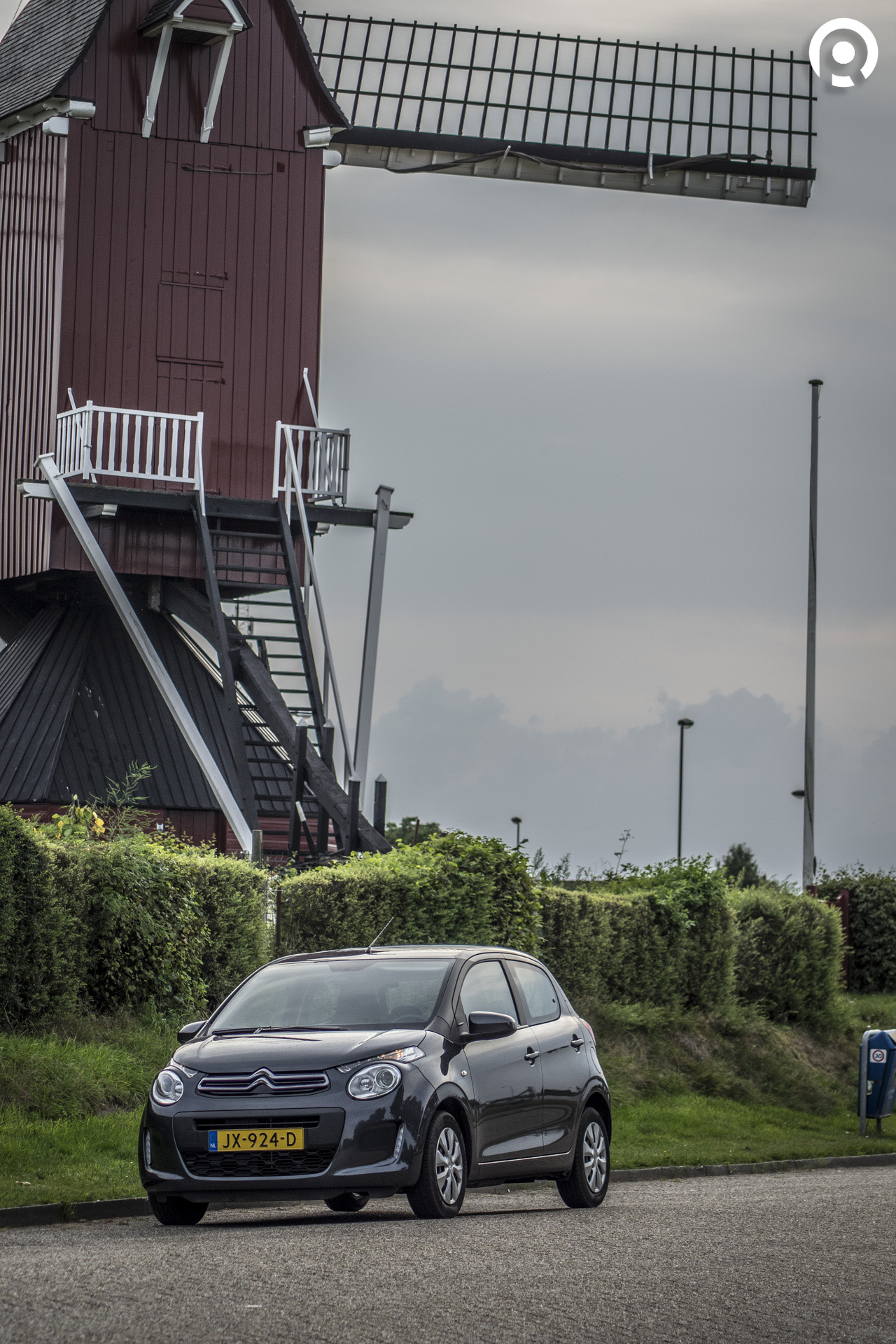
The C1 is a bit of an oddball, with its unconventional front end that fits perfectly with Citroën’s reputation for building “quirky” cars. The rest of the body is more conventional and closely resembles its sibling, the Peugeot 108, although I find the details here slightly more stylish.
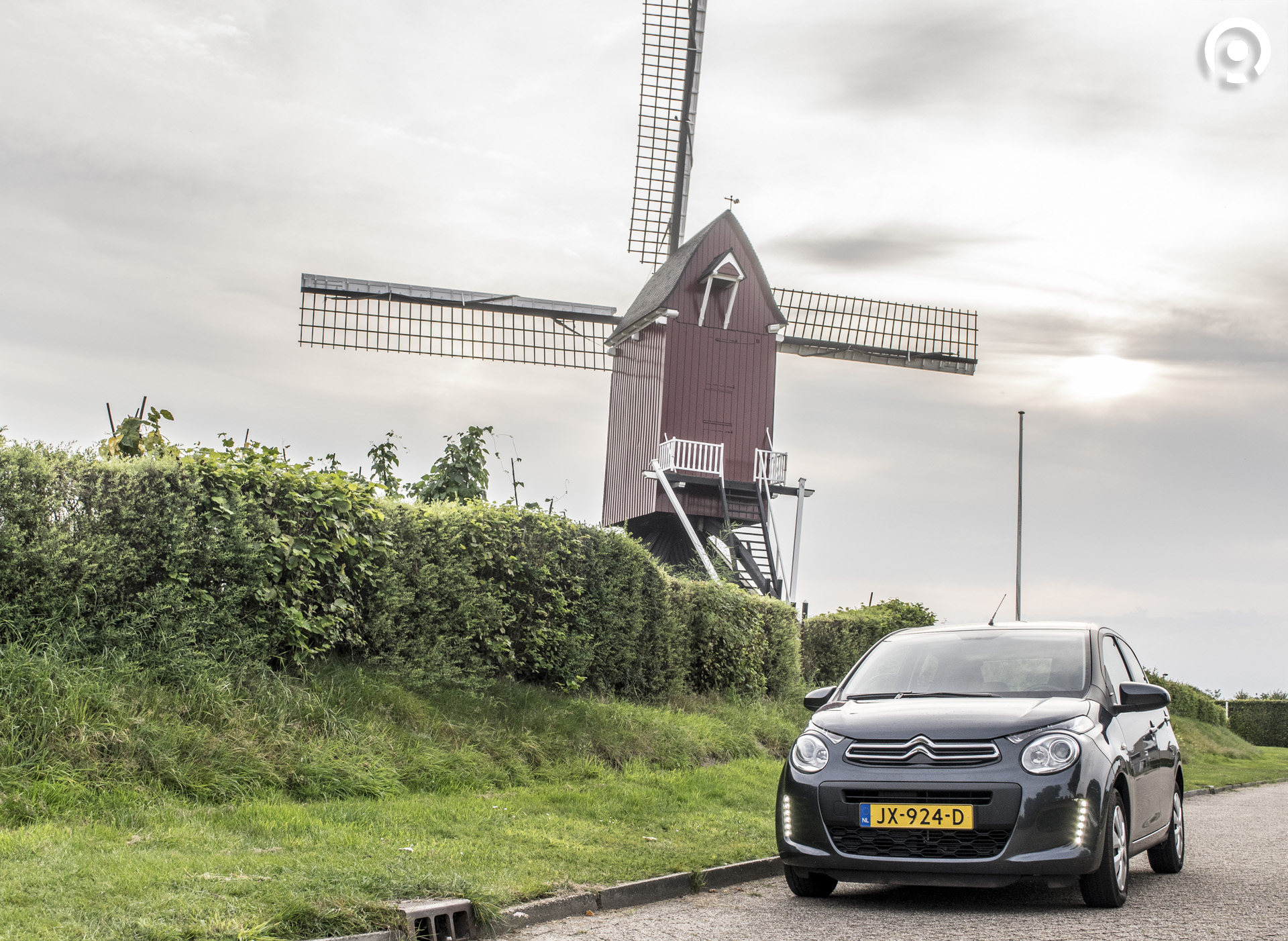
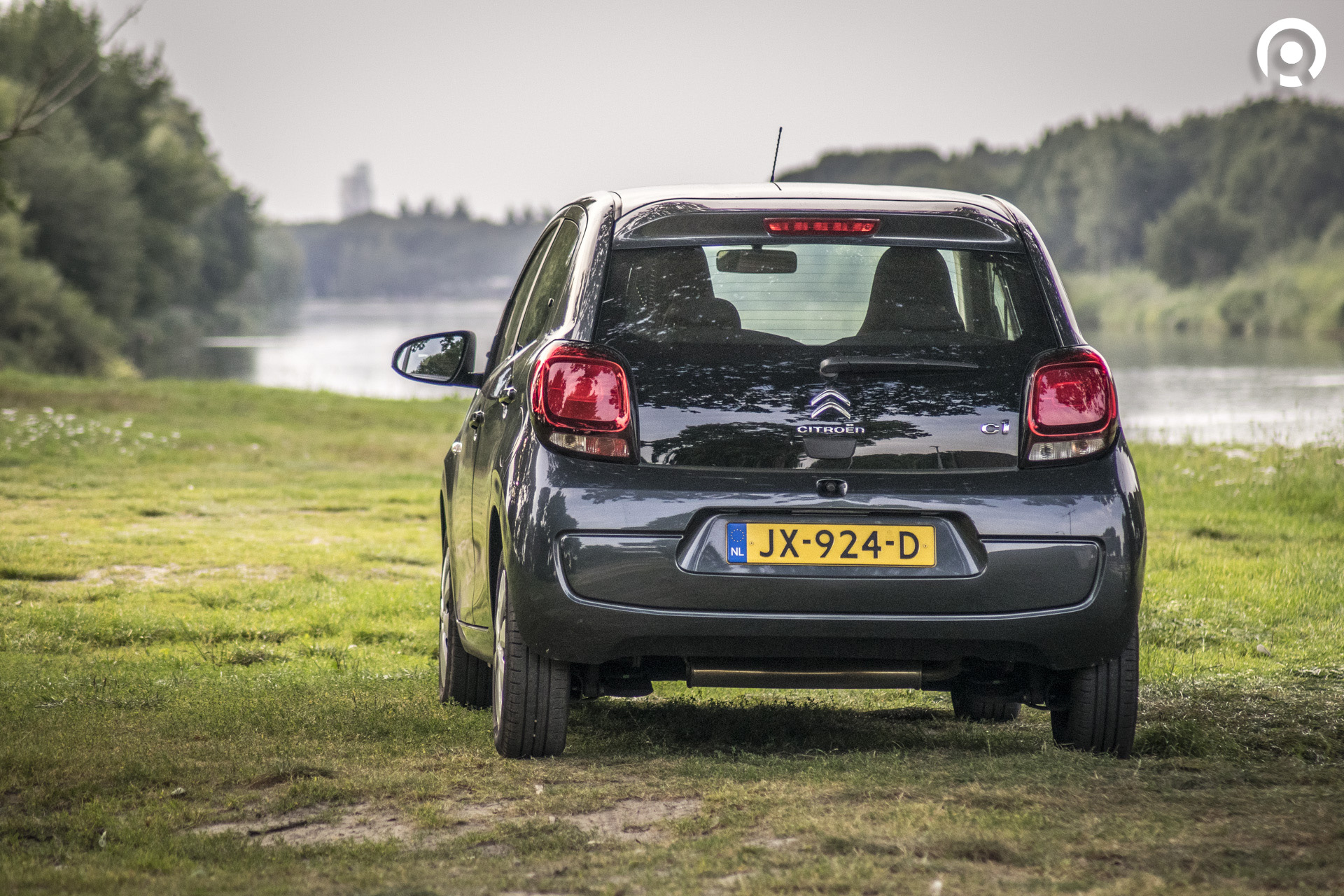
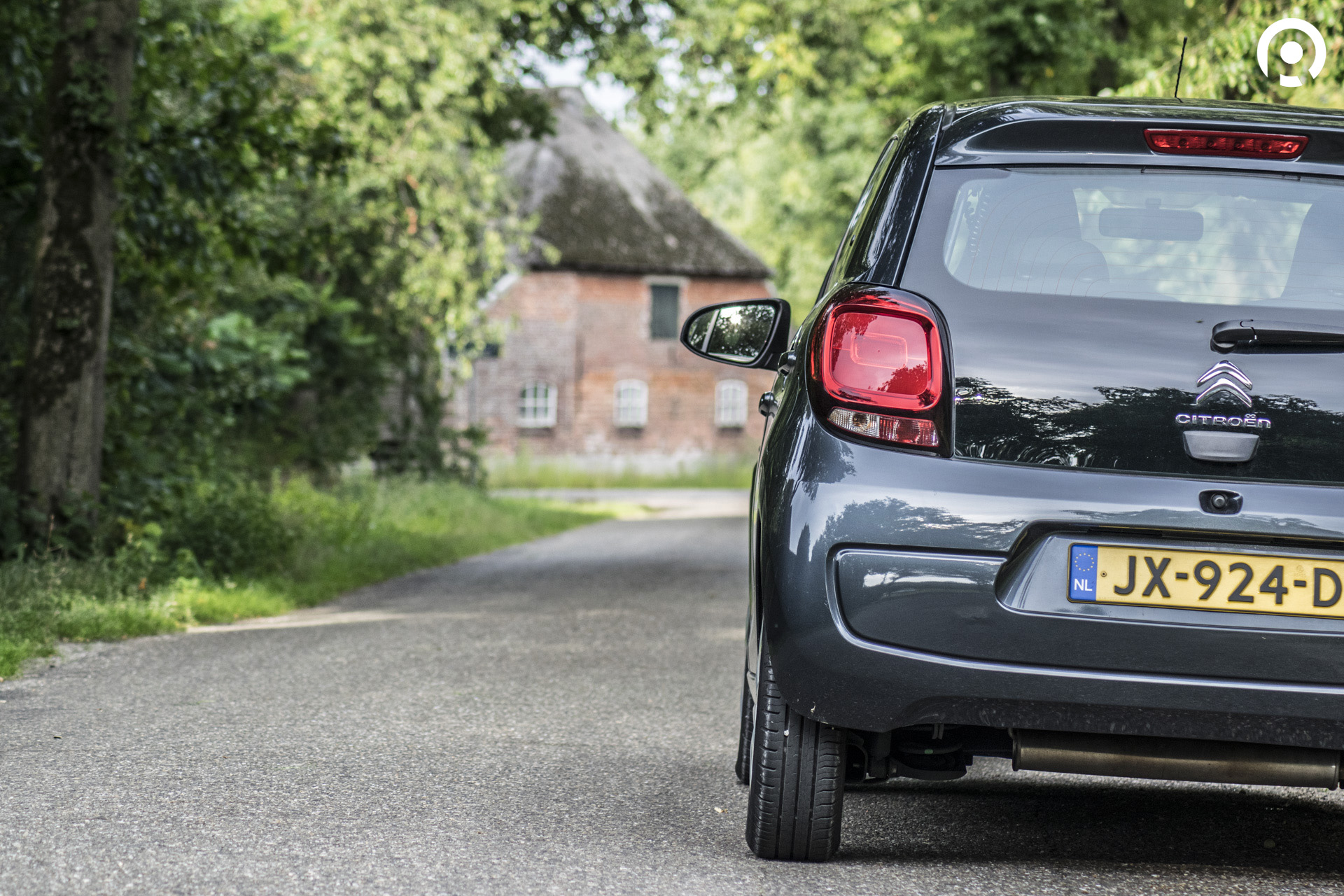
This is especially true for the more expressive rear lights, which give the back end a more premium feel, as well as the black A-pillars, designed to visually separate the roof from the body – a trick that became popular among small cars after its introduction by MINI in the early 2000s.

Add to that a decent colour palette – actual colours, not just fifty shades of grey – and the highlight: a fabric roof that can be opened and ordered in black, blue or red (sadly missing from the rather basic test car). Altogether, this creates a much more appealing image compared to the first generation, which looked like a compromise on wheels.
Personally, I think the C1 is one of the best-looking cars in its class, second only to the Fiat 500 and Renault Twingo, which is no small achievement given the competition.
Interior
Finding something genuinely positive to say about the interior is more difficult. This is where the compromises I mentioned earlier become most obvious. Pretty much everything is made of hard, hollow and unpleasant plastic. If they could, they’d probably make the seats out of plastic too. But then again, that’s the nature of the segment.
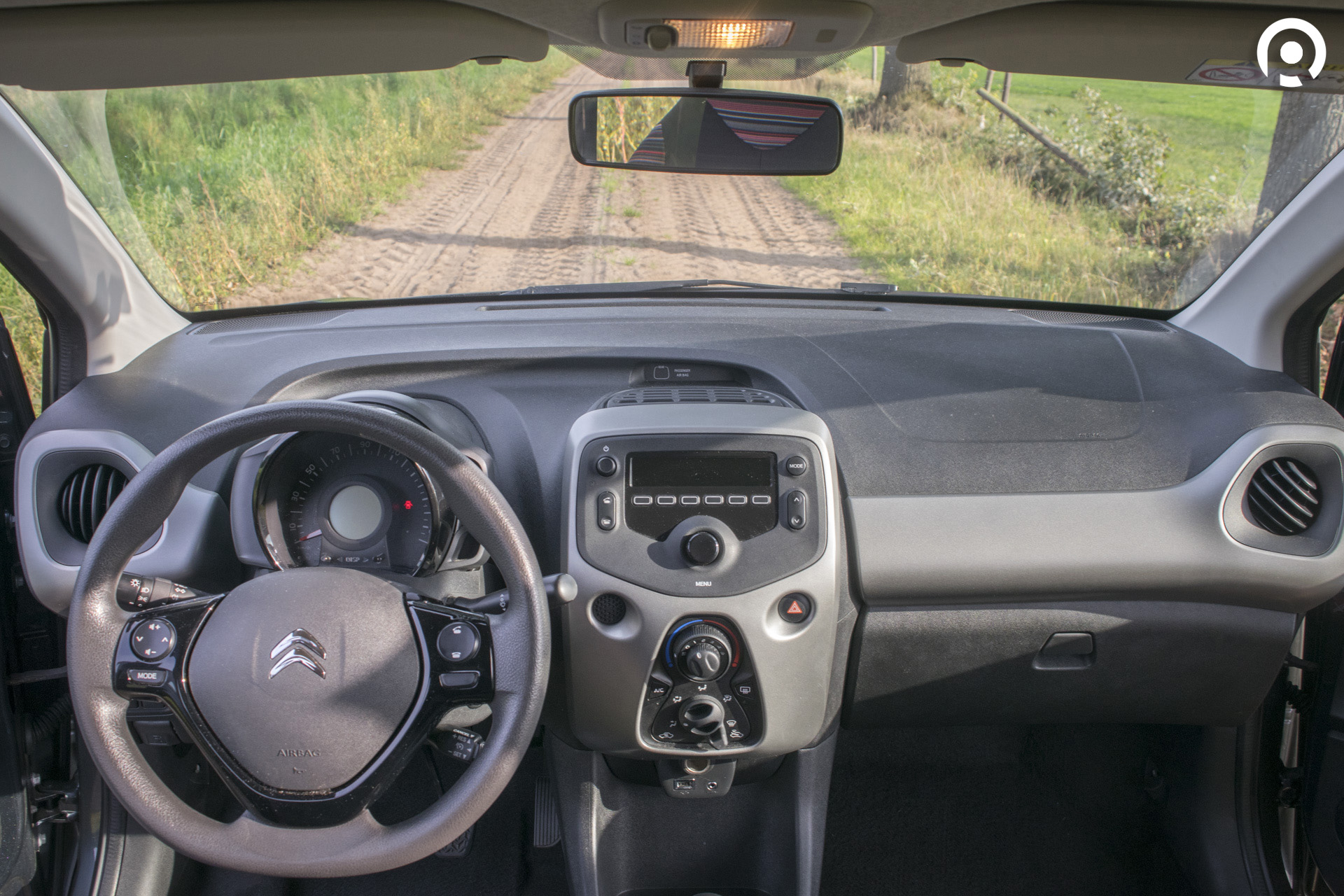
Once you settle into the driver’s seat, things improve slightly. The seat itself isn’t bad in terms of comfort and offers decent lateral support. Its main weakness is the relatively soft backrest, but for short urban trips, it’s perfectly acceptable. Another plus is the surprisingly generous space at the front, in all directions, along with practical storage compartments.
Things are significantly worse in the rear. Legroom is practically non-existent. To sit there, you either need to be a small child, missing a few limbs, or adopt a cross-legged position. The rear windows only pop open slightly, so if you plan to regularly carry passengers in the back, you should really look at something from a higher class.
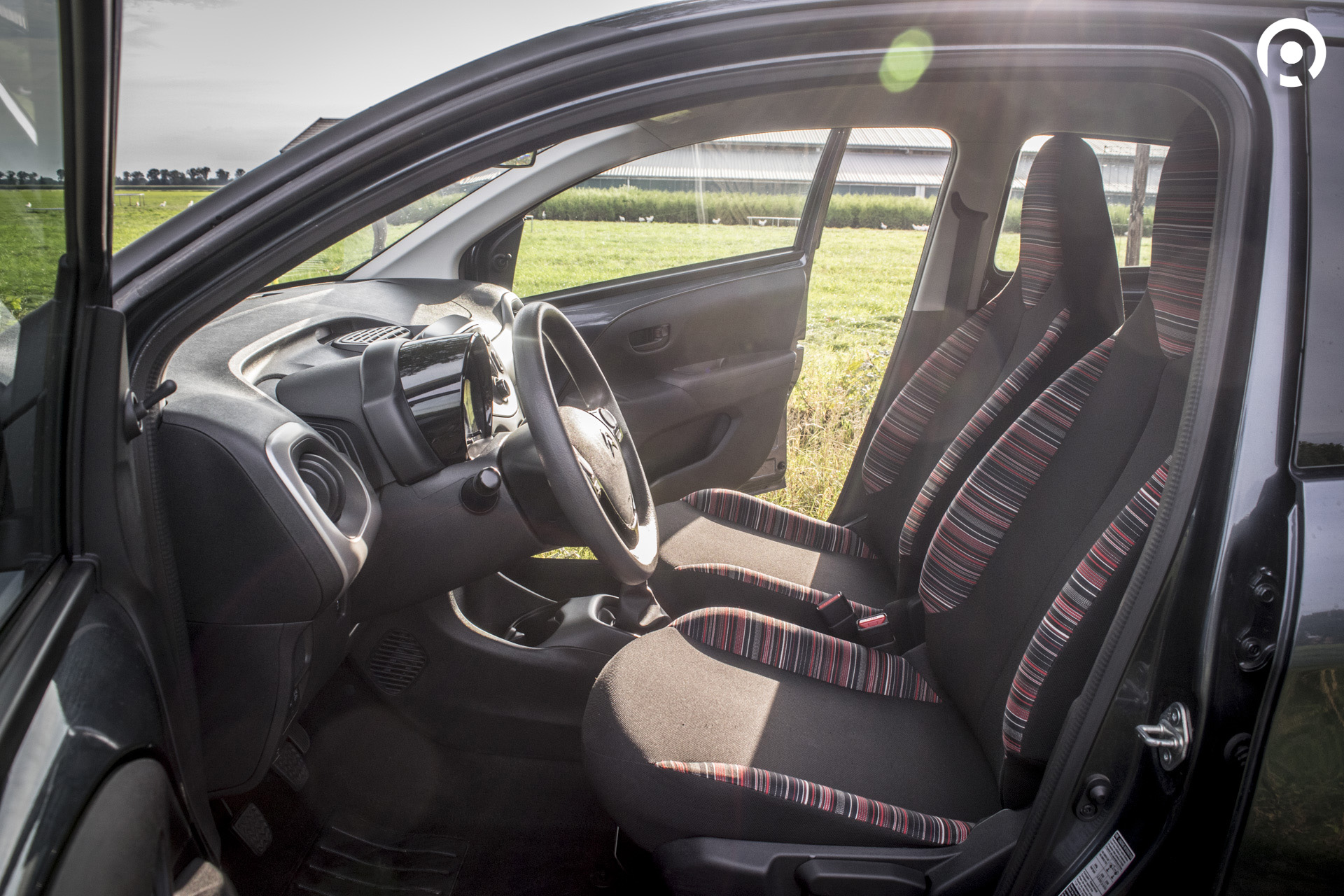
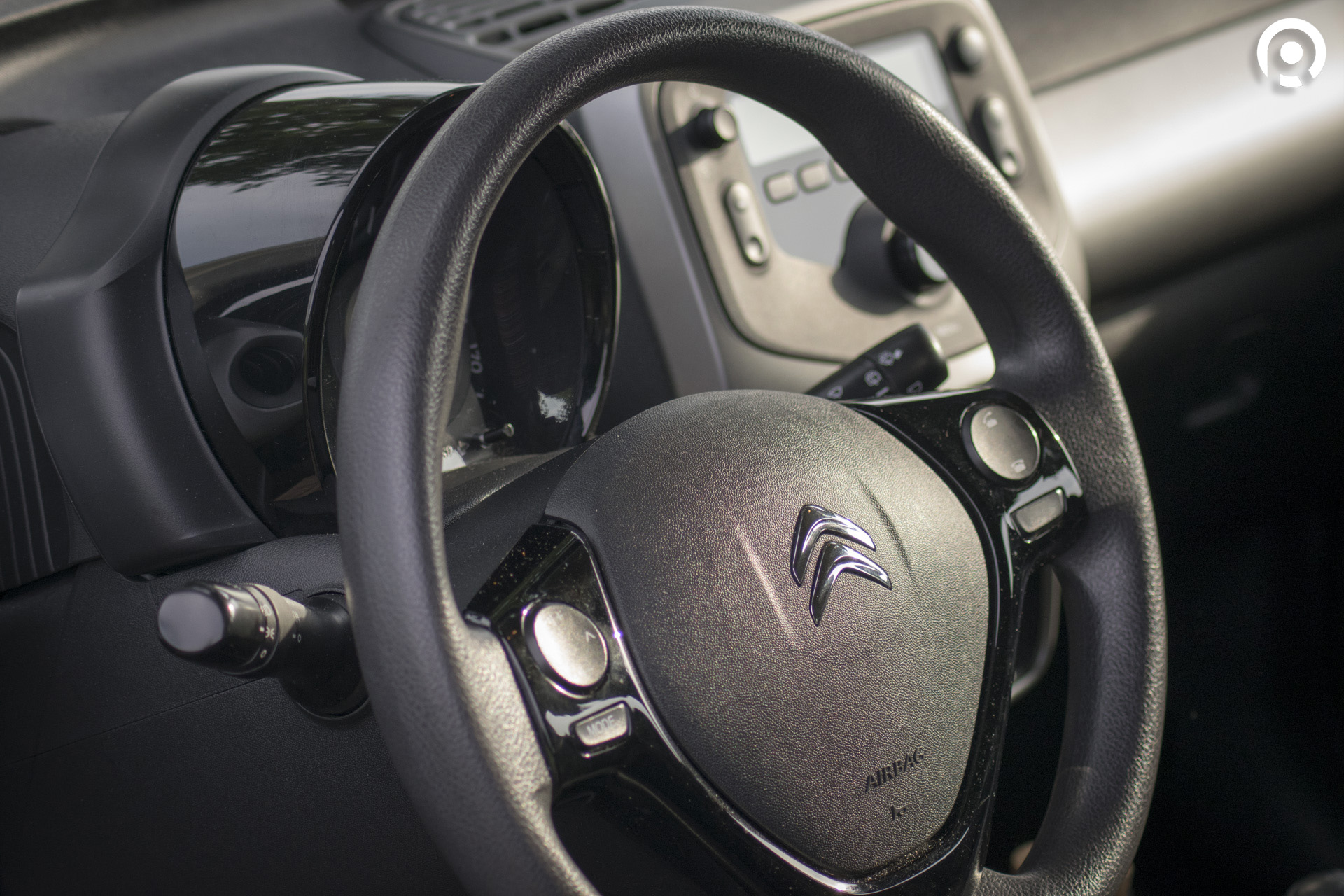
Back at the front, it’s worth noting that the car has large and useful side mirrors – something not always guaranteed in small cars – and overall ergonomics are decent, with a few issues. The most notable one is the steering wheel position. Perhaps my arms aren’t long enough, but I simply couldn’t find a comfortable setup, mainly because the steering wheel lacks reach adjustment. Minor annoyances include the somewhat awkward operation of the trip computer and cruise control.
On the Road
The C1 I drove for a few days came with the only engine available – a 1.0-litre three-cylinder petrol unit producing 68 hp and 95 Nm. Modest figures. However, paired with a kerb weight of under 900 kg and well-chosen gear ratios in the five-speed manual gearbox, the car feels lively at low speeds, which is exactly where it matters most – in the city. That said, the 0–100 km/h time of 14.3 seconds tells you everything you need to know about its performance outside of that environment.
Fuel consumption, at least on paper, is excellent – between 3.5 l/100 km extra-urban and 4.5 l/100 km in the city.
In terms of equipment, the test car had the essentials – electric front windows, cruise control with speed limiter, air conditioning, Bluetooth connectivity and… that’s about it. Of course, it also includes the standard safety package – ABS, ESP and six airbags – which earned it four stars in Euro NCAP testing, a perfectly respectable result for this class.
One autumn afternoon, I found myself driving the little French car through the streets of Eindhoven – the city of Philips, PSV Eindhoven and DAF. Instantly, I was in the C1’s natural habitat – busy streets, traffic lights and speed limits between 30 and 70 km/h. Despite my concerns, shaped by a previous unpleasant encounter with another French car, the C1 left a rather positive first impression.
The three-cylinder engine works reasonably well here, offering good low-end torque, but becomes quite unpleasant at higher revs. This is clearly a matter of calibration and, in fairness, it makes sense for a city car. It’s not perfectly balanced, as expected, but vibrations are not overly intrusive, and at constant speeds, it’s surprisingly quiet. Push it harder, however, and it starts to sound like a struggling diesel.
The first real disappointment came when I turned on the radio. The sound quality was… questionable, even with the optional four-speaker setup. No one expects a Harman Kardon system in a €10,000 car, but still, it could have been better. The second, more serious issue was the start-stop system, which failed to restart the engine at a traffic light. This happened two more times over the following days.
I also did a few short motorway trips. After a long and patient effort with the throttle pinned to the floor, I eventually reached 130 km/h. At that speed, directional stability begins to suffer slightly, and I found myself easing off in tighter bends. On the plus side, the car is quieter than expected at motorway speeds, and fuel consumption remains impressively low – around 4.9–5.0 l/100 km.
And that brings me to the highlight. Over roughly 400 km of mixed driving, including some enthusiastic runs on twisty rural roads, the average fuel consumption was just 4.63 l/100 km (measured at the pump). That’s genuinely impressive.
Conclusion
The Citroën C1 is a typical city car – full of compromises, but also packed with enough charm and useful qualities to mask them. Its main strengths are its low price, efficient engine and compact footprint.
That said, I believe buying such a car in Bulgaria doesn’t make much sense due to taxation and insurance specifics. You simply don’t gain enough to justify the compromises. A slightly larger car like the Citroën C3 or Ford Fiesta is a far more sensible choice. Interestingly, even the importer seems to agree, as the larger C3 starts at roughly the same price as the C1 – about €10,000.
Eng. Tsvetan Iliev