Today, we’re briefly going about ten years back in time, with a test of the first-generation Audi R8. The model entered production in 2006, at a time when Audi had already built a strong image and loyal fan base—enough to launch such a car without any fear of failure.
With the R8, the Germans aimed to offer a more civilised and relatively accessible (as much as possible) alternative to supercars, mainly those coming from Italy. The base model featured a 4.2-litre V8 engine, well known from the Audi RS4, mounted behind the rear axle—as any serious sports car should be. Prices started at around €110,000, which was roughly 40% less expensive (it wouldn’t sound right to call it “cheap”) than the Lamborghini Gallardo and Ferrari F430.
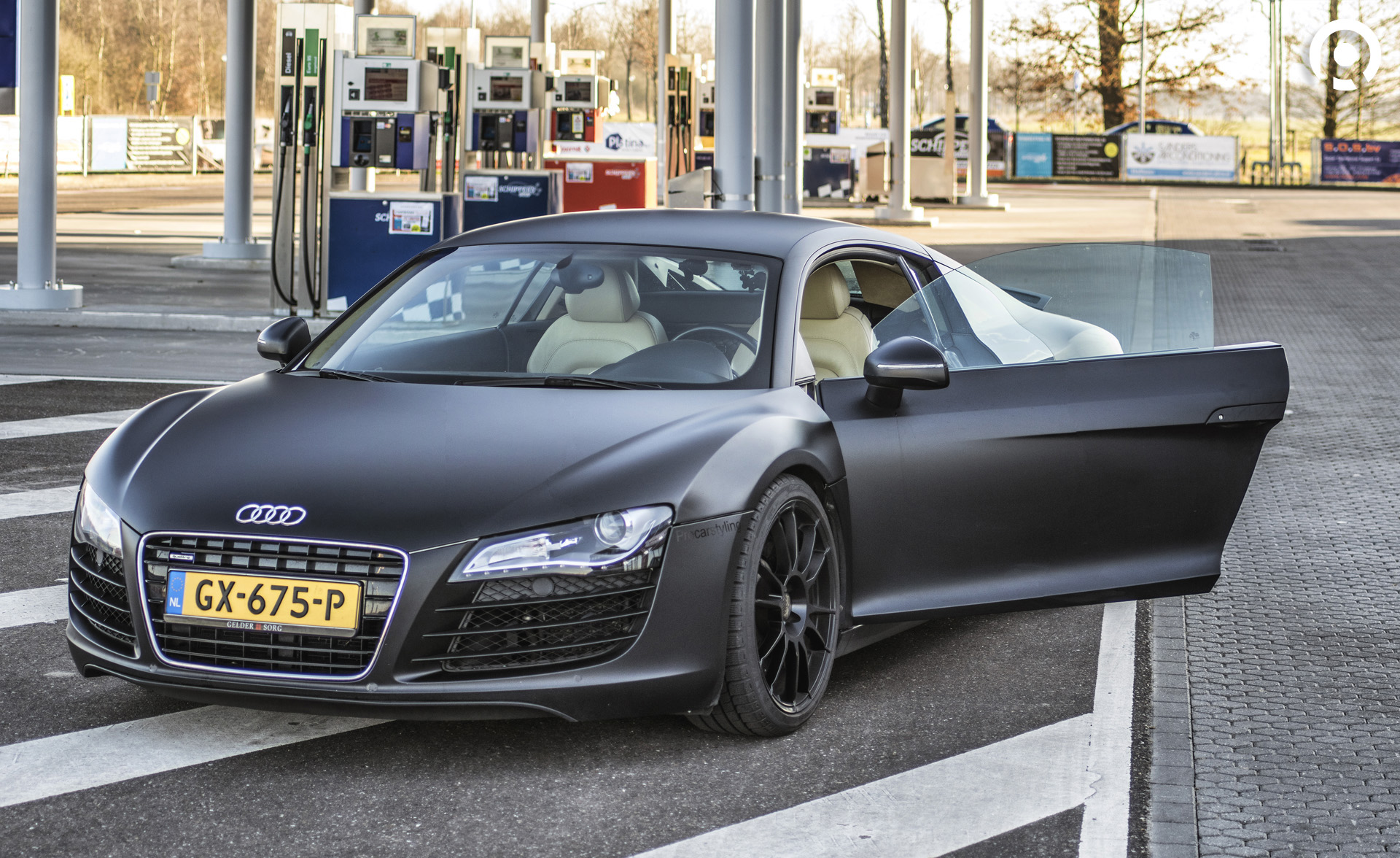
Design
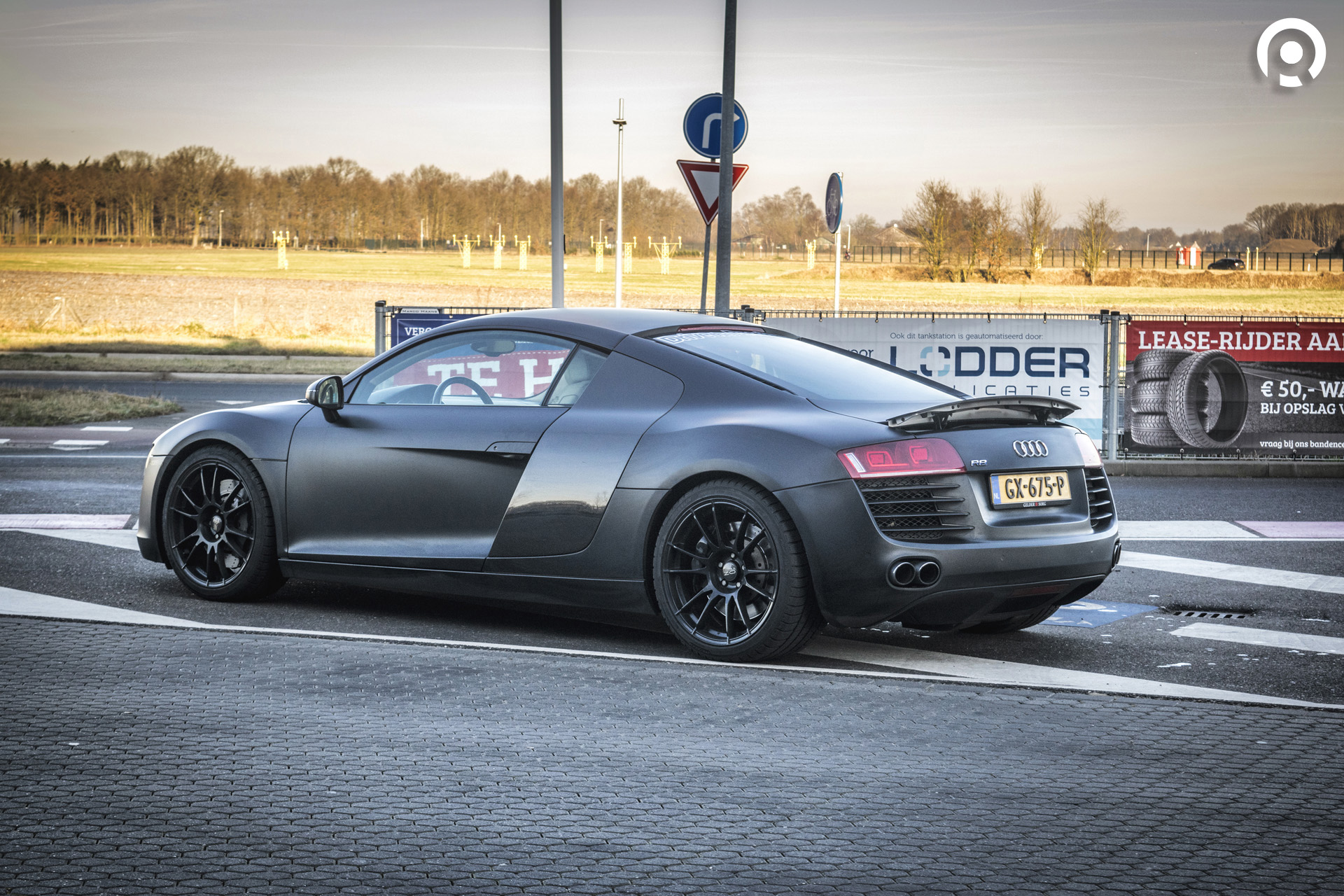
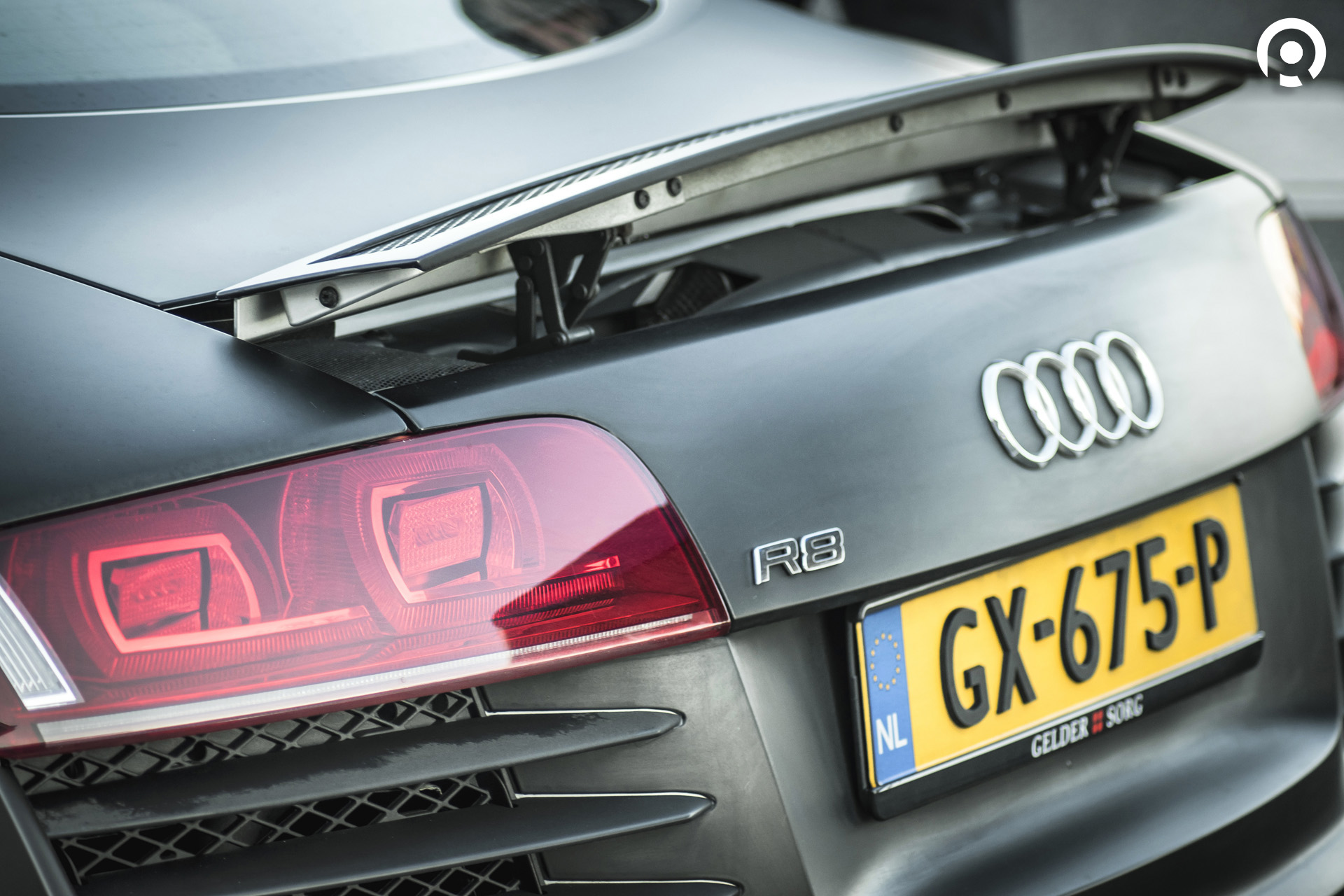
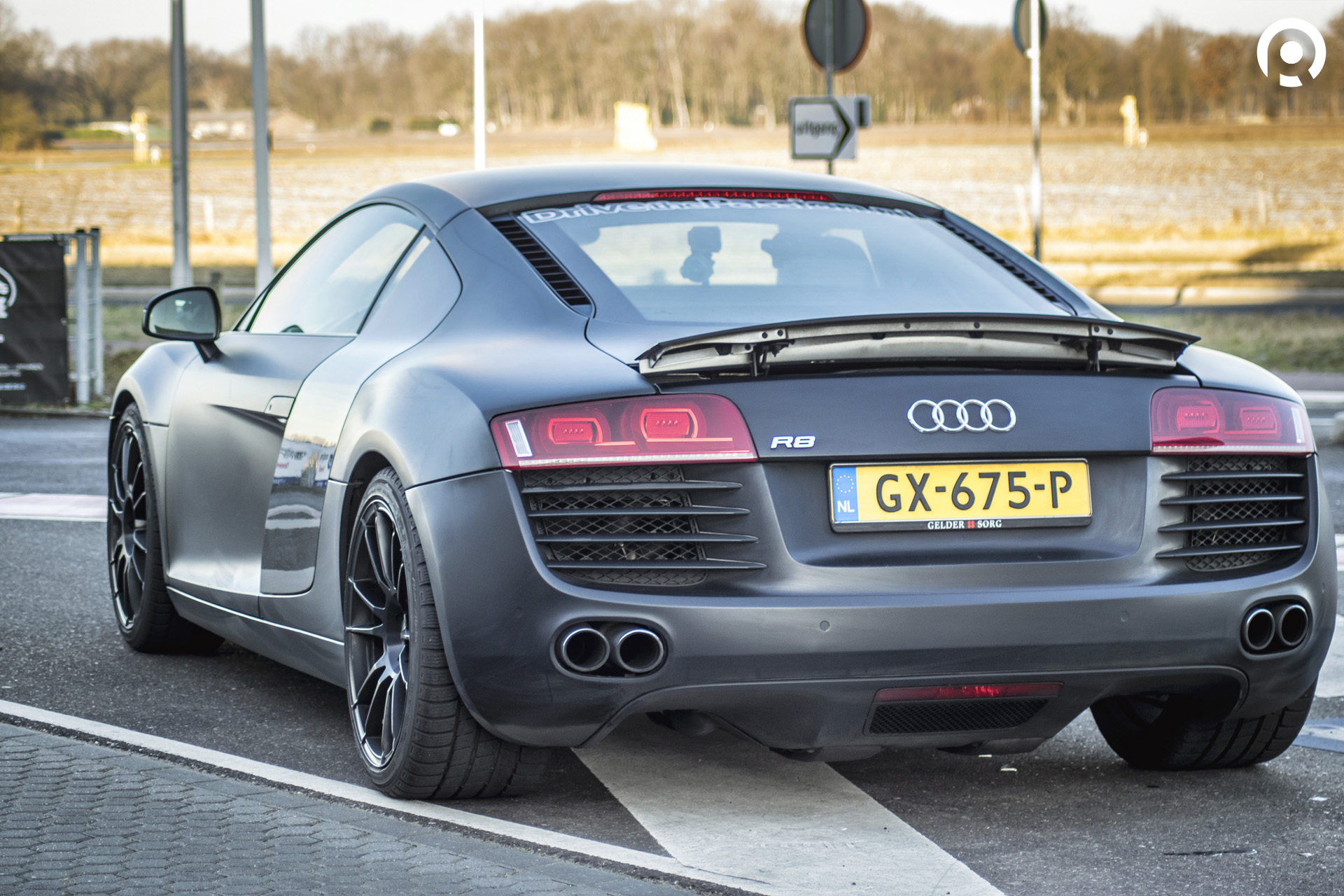
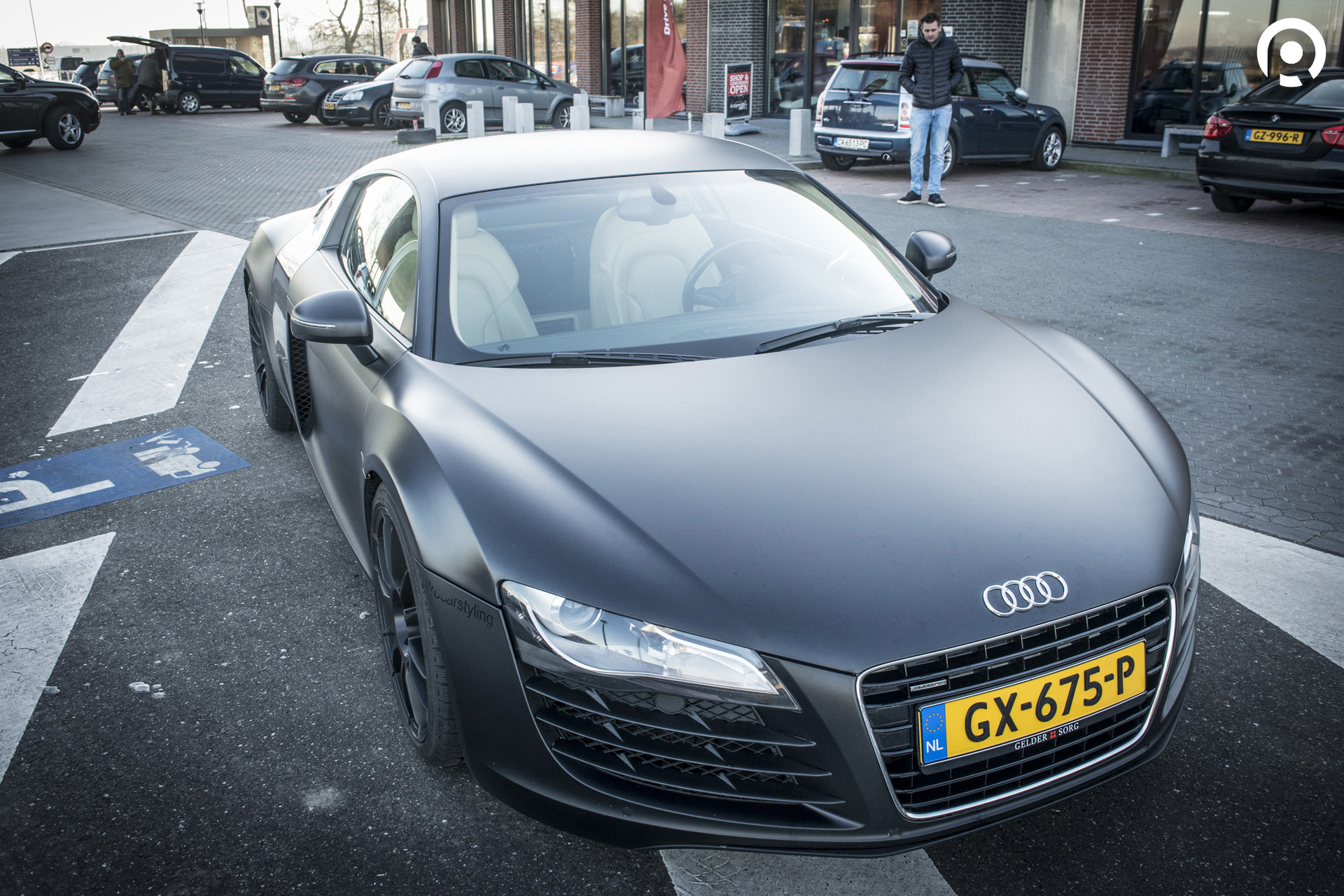
The Audi R8 relies on dramatic lines and proportions. Walter de Silva created a low, wide body with an aggressive and dynamic presence, distinctive styling and clearly defined surfaces.
Overall, he did an excellent job. The design of the first-generation R8 still looks актуal today (personally, I prefer it to the new R8), and it continues to turn heads on the road.
Interior
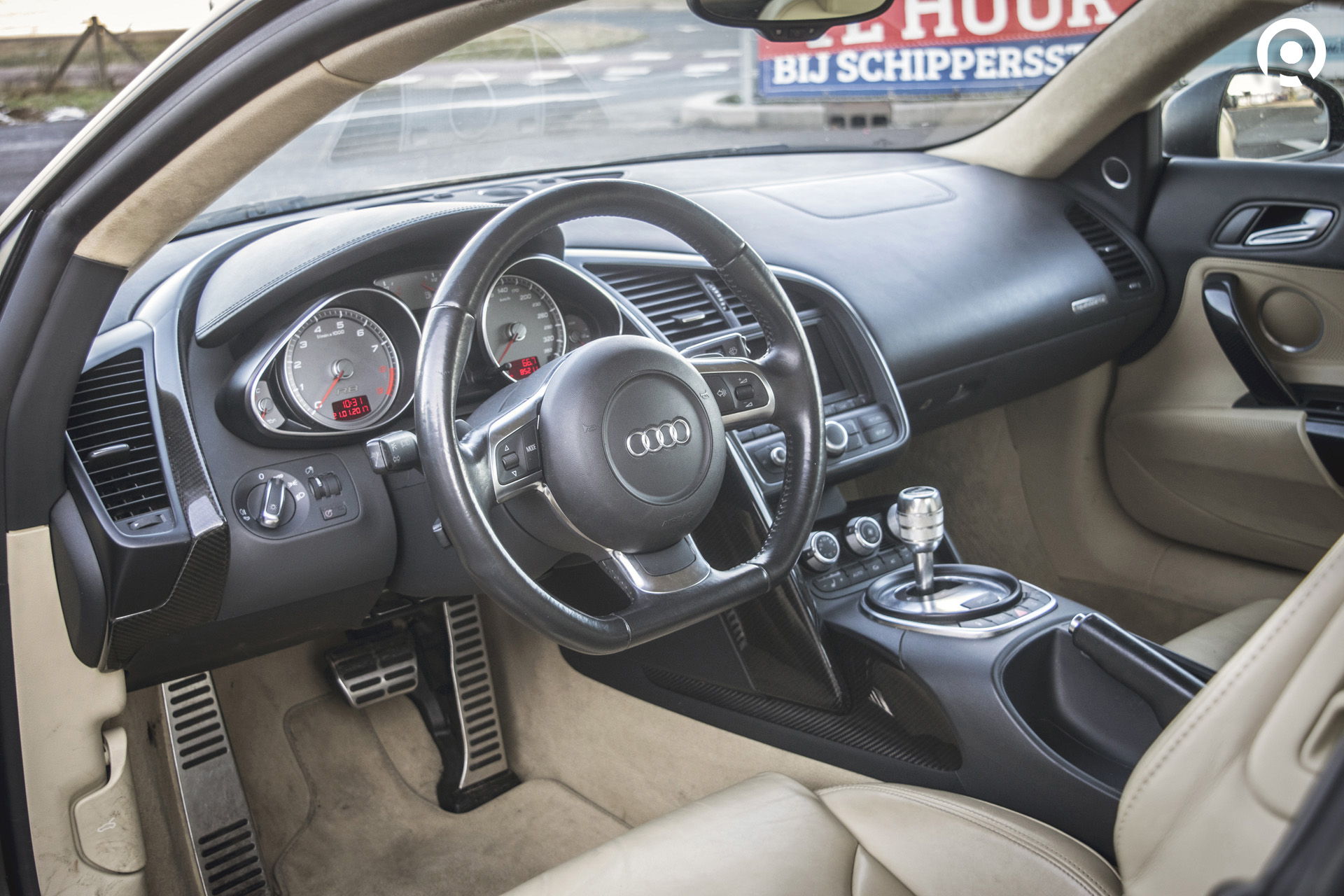
At first glance, the interior feels slightly understated. Some elements are fairly ordinary, and the overall layout and style feel dated—most notably the infotainment system, which looks like an aftermarket solution.
However, the second impression is much better. The quality of materials and assembly is very high, resulting in a solid cabin that feels significantly more premium and pleasant than that of the Lamborghini Gallardo, for example. In every other respect, the R8’s interior deserves praise. The seats are very comfortable, with good support and a wide range of adjustments. Space is sufficient in all directions, with particularly impressive legroom—something not always guaranteed in supercars.
Visibility is surprisingly good in all directions, and ergonomics are on par with everyday cars.
On the road
Now we reach the most important part—how does the R8 perform on the road, and does it deliver the enjoyment expected from a car of this type?
Let’s start with the engine. The car I drove was equipped with the base 4.2-litre V8, paired with a six-speed R-Tronic automated manual gearbox. Output stands at 420 hp at 7,800 rpm and 420 Nm of torque. This allows 0–100 km/h in 4.6 seconds and a top speed of 301 km/h.
I turned the key (yes, no buttons here), and the engine came to life—but without the dramatic flare we’ve come to expect today. Its character is civilised and calm, and even at idle, it doesn’t feel like a typical “supercar” engine.
Pulling away gently, I spent the first few minutes getting familiar with the car. Driven calmly, the R8 behaves remarkably well-mannered, showing clear potential for everyday usability. It’s easy to drive, and traffic isn’t an issue thanks to good visibility and smooth engine behaviour.
The suspension also seems to offer good comfort for the class. It was difficult to judge precisely, as I conducted the test on Dutch roads—some of the smoothest in Europe. Still, the few imperfections I encountered were handled effortlessly.
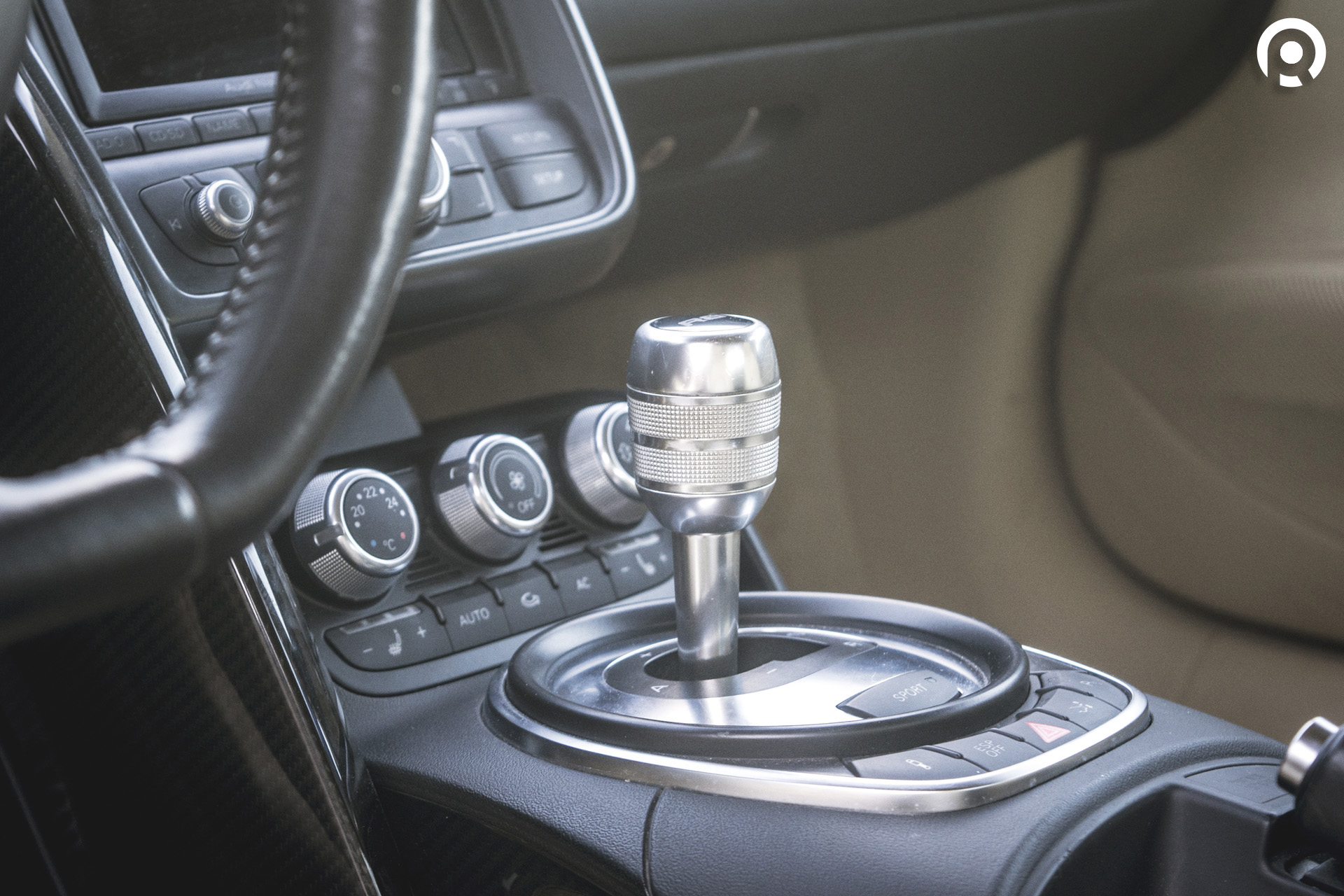
Even at low speeds, however, the first obvious drawback appears—the gearbox. I haven’t driven automatics from the 1980s, but I imagine they were at a similar level. Its operation is, to put it mildly, inadequate… and very slow.
After a few kilometres, I decided it was time to push the accelerator. The result? Nothing. A moment later, the gearbox reluctantly downshifts one or two gears, and we finally move.
Acceleration is accompanied by the moderate roar of the V8, which I personally enjoy, although many argue it doesn’t sound “supercar enough”. The acceleration itself is smooth and controlled, thanks to the quattro all-wheel-drive system. That is, until it’s time to shift up—then we get another long pause and a rough gear change.
In fact, the last car I drove with such an awkward gearbox was a Smart Fortwo. The strange part is that, for some inexplicable reason, this roughness actually adds character to the experience. Still, I wouldn’t tolerate it for too long.
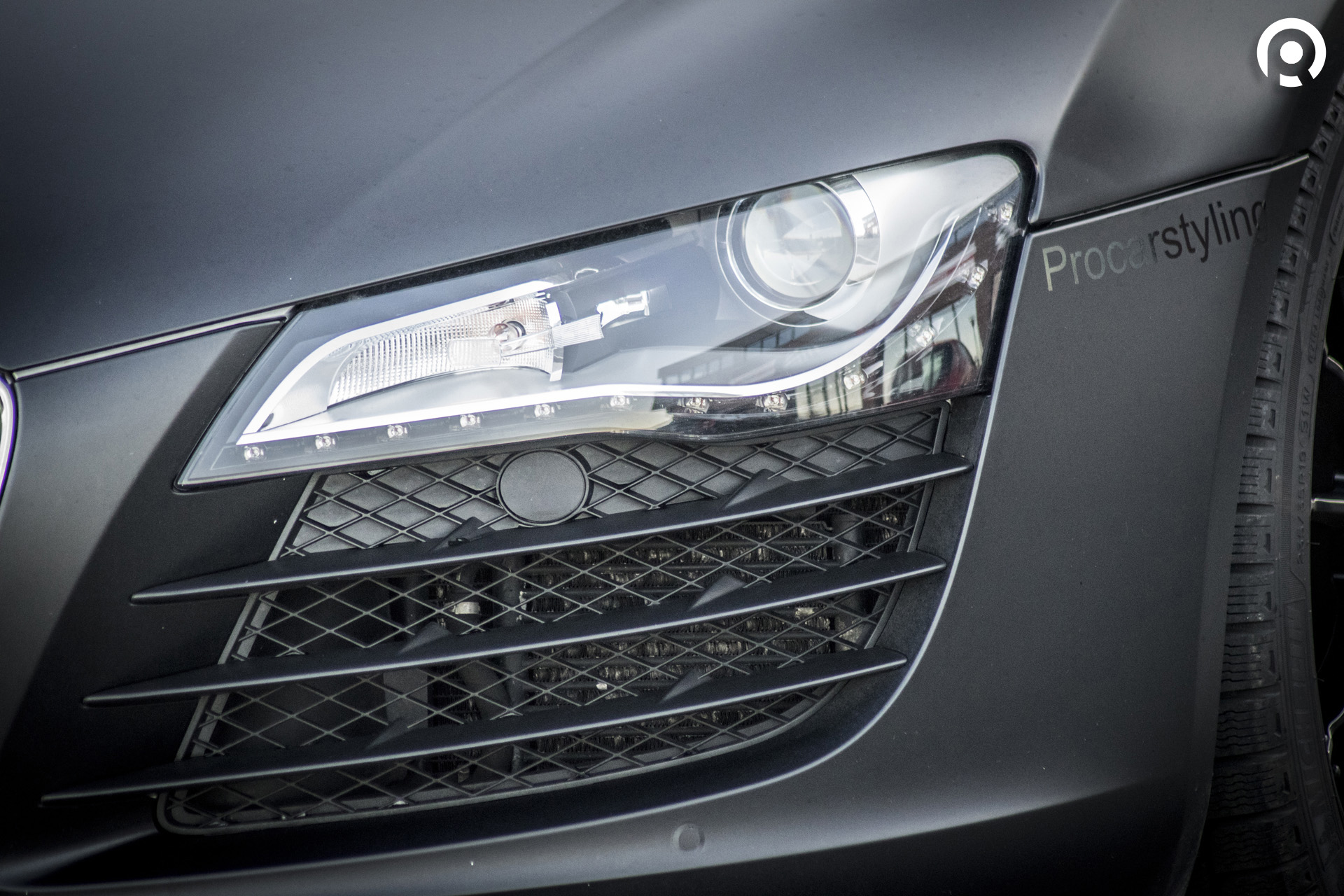
At higher speeds, the R8 continues to show its more refined side, without being overly noisy. Yes, the engine is clearly audible (as it should be), and tyre noise is present but not intrusive. What stands out more is the air being drawn into the side intakes behind the doors. It’s an interesting effect, as we’re used to hearing aerodynamic noise from the front, not from behind.
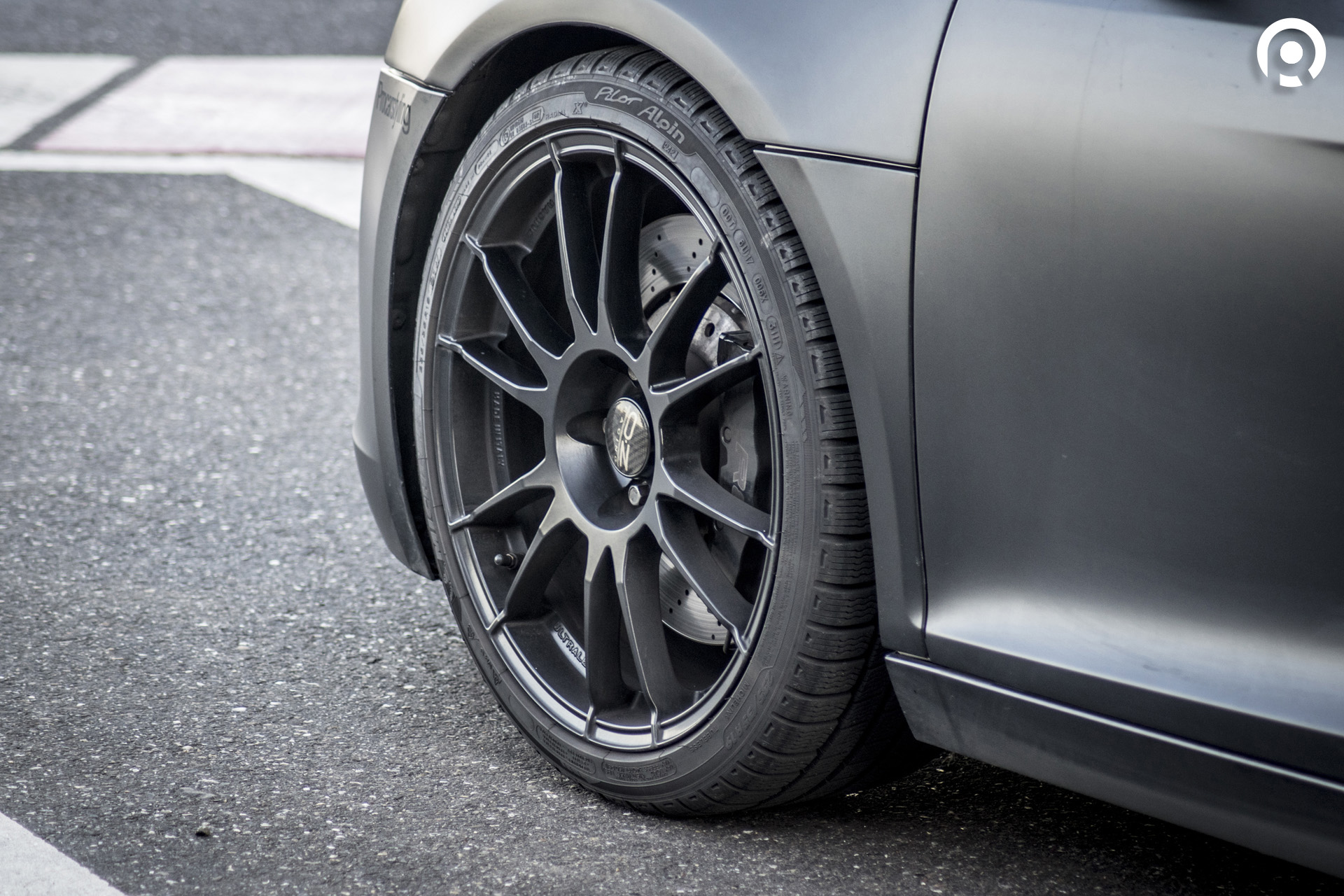
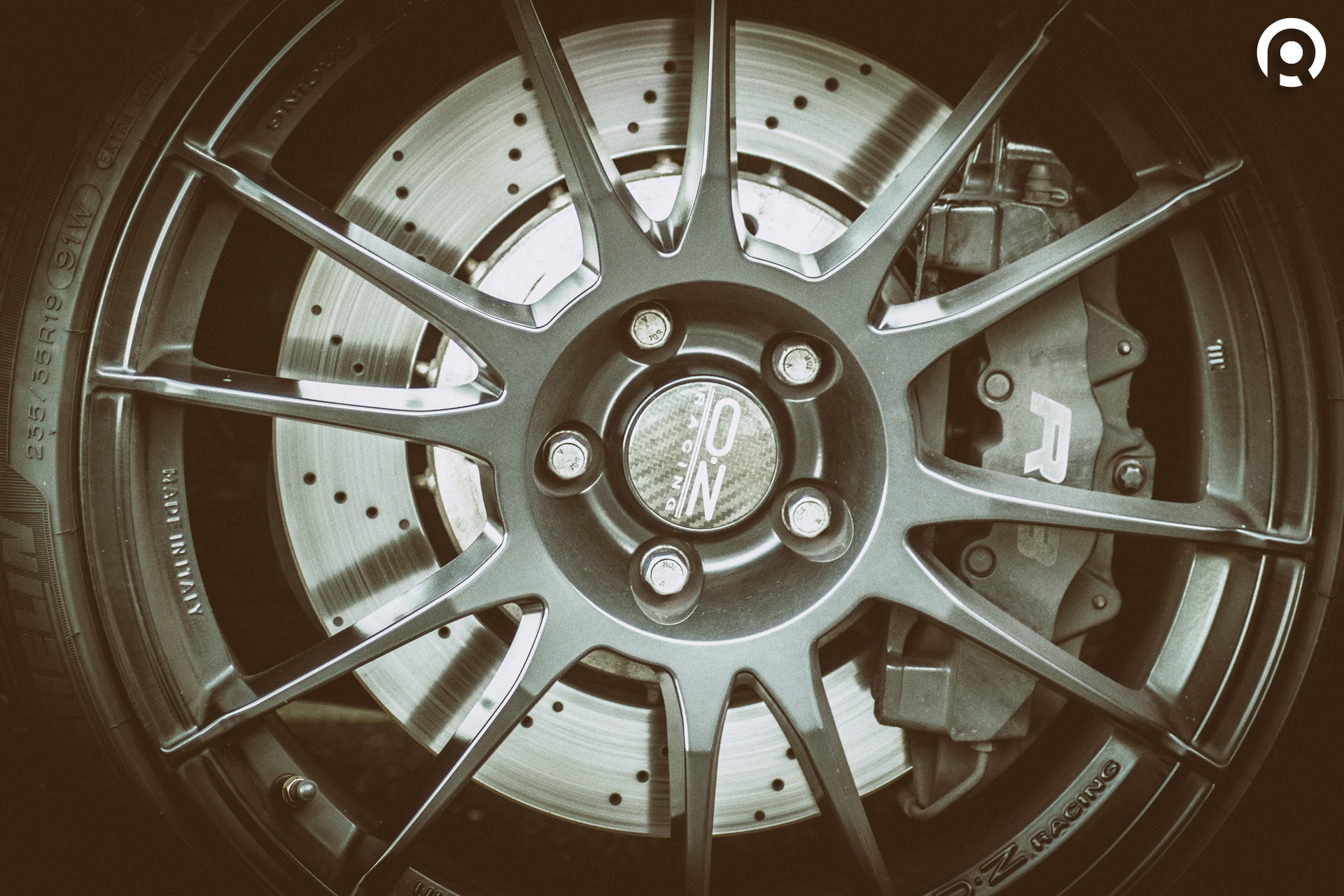
I eventually found a few corners where the R8 demonstrated excellent stability. The suspension (standard in this case) keeps body roll virtually non-existent. Grip and composure remain intact, even when applying throttle at the wrong moment.
This makes the car easy to control at high speeds and during aggressive driving. However, a bit more playfulness would improve the fun factor. In its current form, the R8 reminds me of Jack Nicholson’s character in The Shining: “All work and no play makes Jack a dull boy.”
Conclusion
With the first-generation R8, Audi showed the world that supercars can be manageable, easy to live with and relatively accessible to buy and maintain.
The R8 delivers a blend of serious sports car capability and everyday usability. Of course, this comes with downsides for those who prioritise driving excitement above all else, as the car simply isn’t engaging enough.
Today, used first-generation R8s start at around €50,000. I expect prices to drop by another €10,000 before gradually rising again. In other words, the best time to buy Audi’s supercar is approaching.
Maintenance, of course, remains relatively expensive. The good news is that the R8 is fairly reliable when used properly. The test car, with nearly 90,000 km, had only visited the service centre due to a fuel cap issue… although it happened three times.
Eng. Tsvetan Iliev