
What is the best car in Europe right now?
I imagine the number of answers would be no smaller than the number of people reading the question. Still, if we want something close to a unanimous opinion, the easiest thing to do is look at the results of the Car of the Year 2016 competition. That is precisely where the new Opel Astra claimed first place with 312 points, beating the Volvo XC90 by a relatively modest margin of 18 points and comfortably finishing ahead of the Mazda MX-5 by 110 points.
That alone was enough to make me want to test the latest Astra generation — a model which, during its strongest years, managed more than 600,000 annual sales in Europe, but last year sold just 190,000 units.* The reasons behind that decline are complex, but at the core of the issue sits GM’s poor management which, in typical corporate-American fashion, often focused almost entirely on extracting maximum profit without much thought for long-term development. Still, things seem to be changing at Opel lately, and the fact that a model from the highly competitive C-segment won the Car of the Year award suggests the situation is indeed improving.
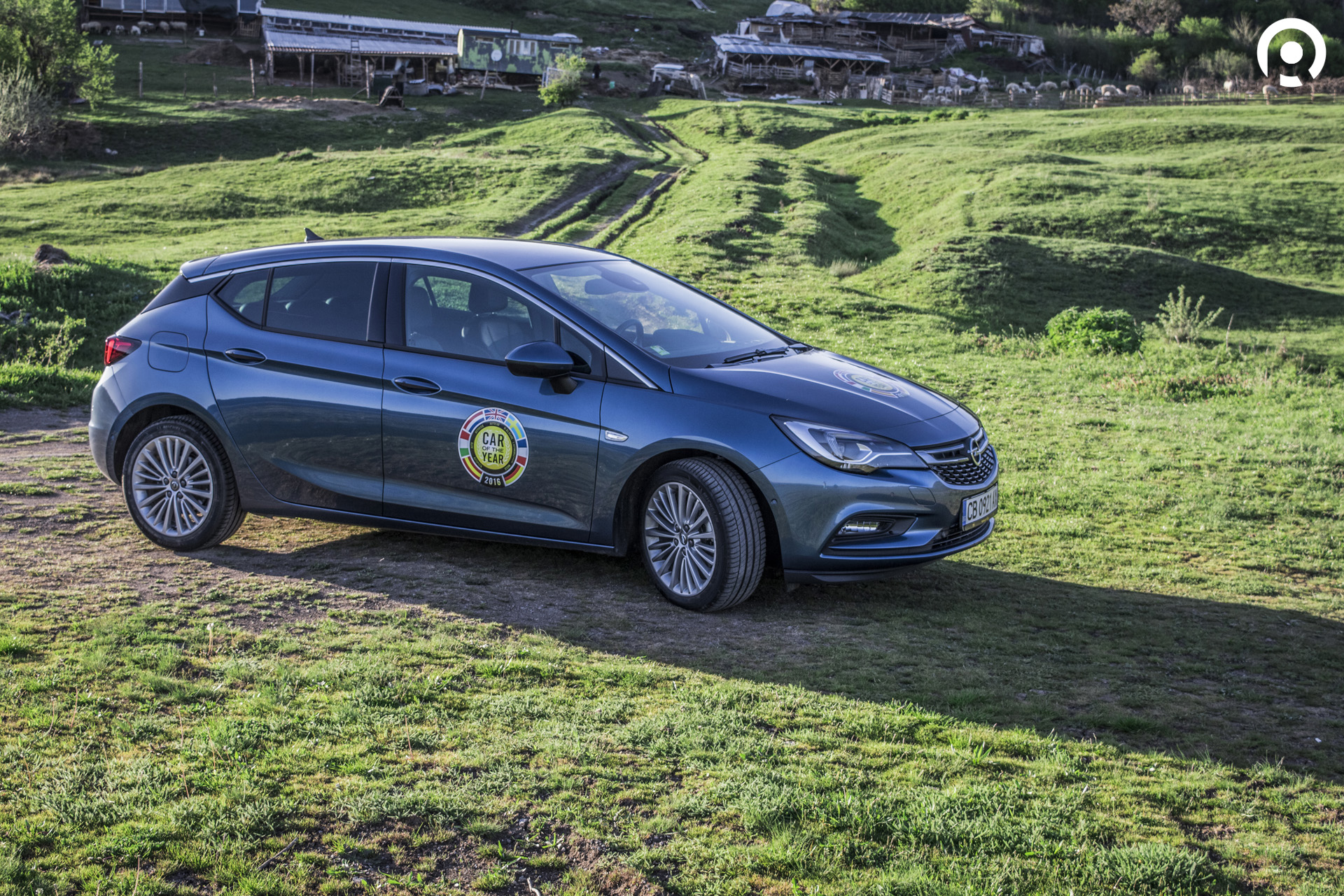
At first glance, the new Astra also looks genuinely promising. It offers the first matrix LED headlights in the class, ventilated massage seats, a new generation of engines and a lighter construction which reduces weight by up to 200 kg compared to equivalent versions of the previous model.
That does not sound bad at all.
So, at the end of last week, I climbed into an Astra equipped with the 1.6-litre diesel engine — the only diesel in the range, available in several power outputs from 95 hp to 136 hp, plus a twin-turbo 160 hp version — paired with the top-spec Innovation trim level and several optional extras.
Design
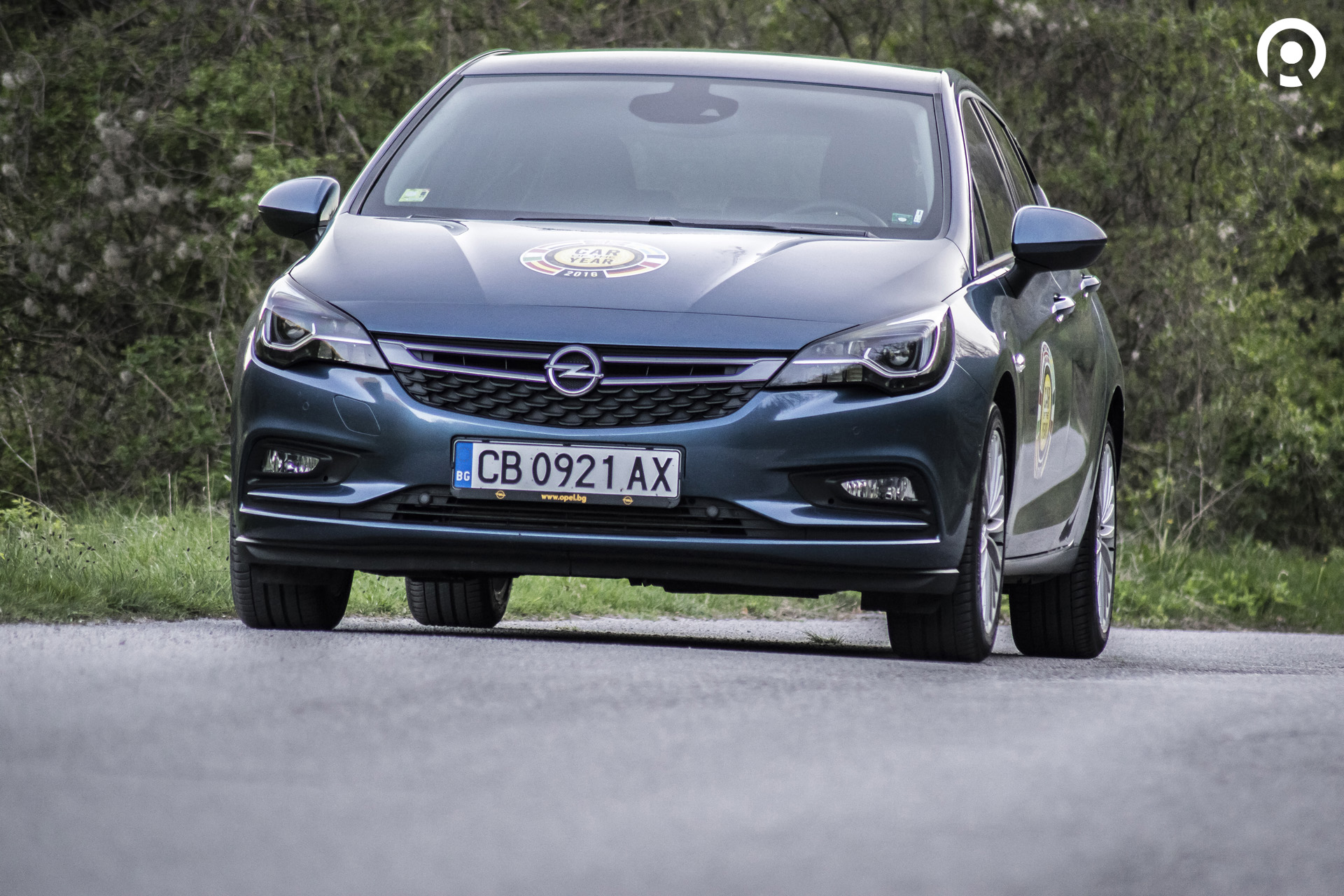
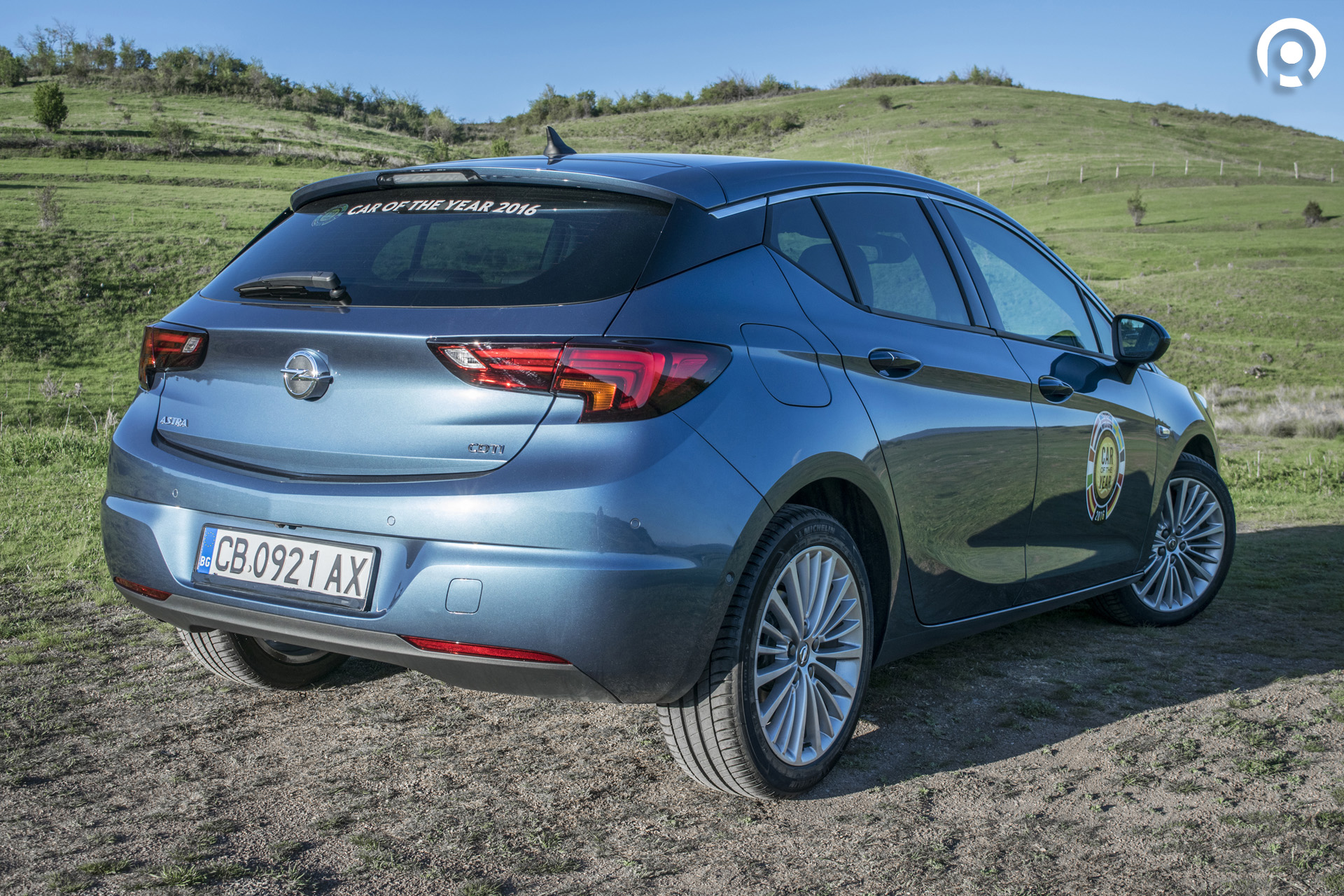
I have to begin slightly negatively here because the Astra’s design is probably the part of the car I liked least.
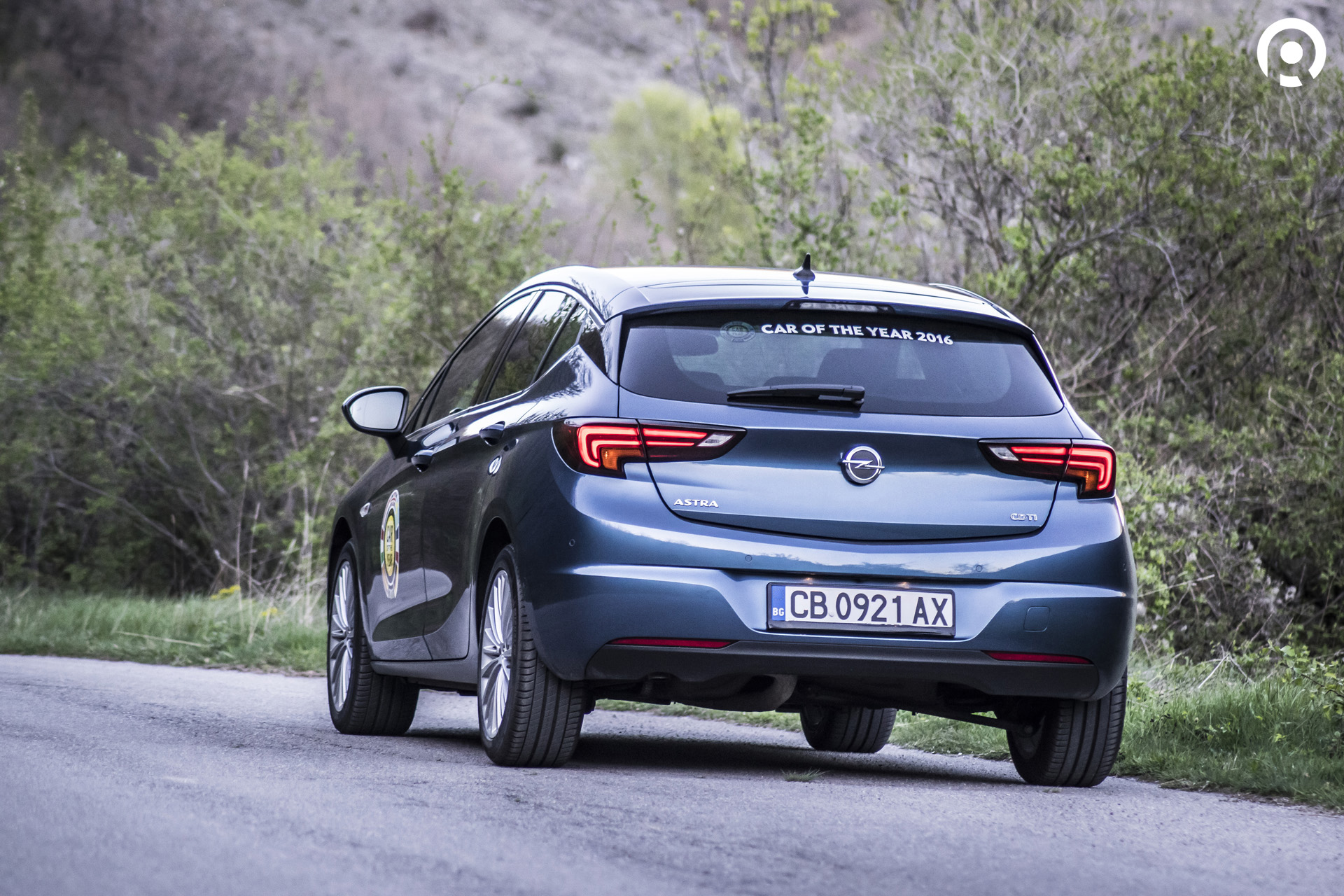
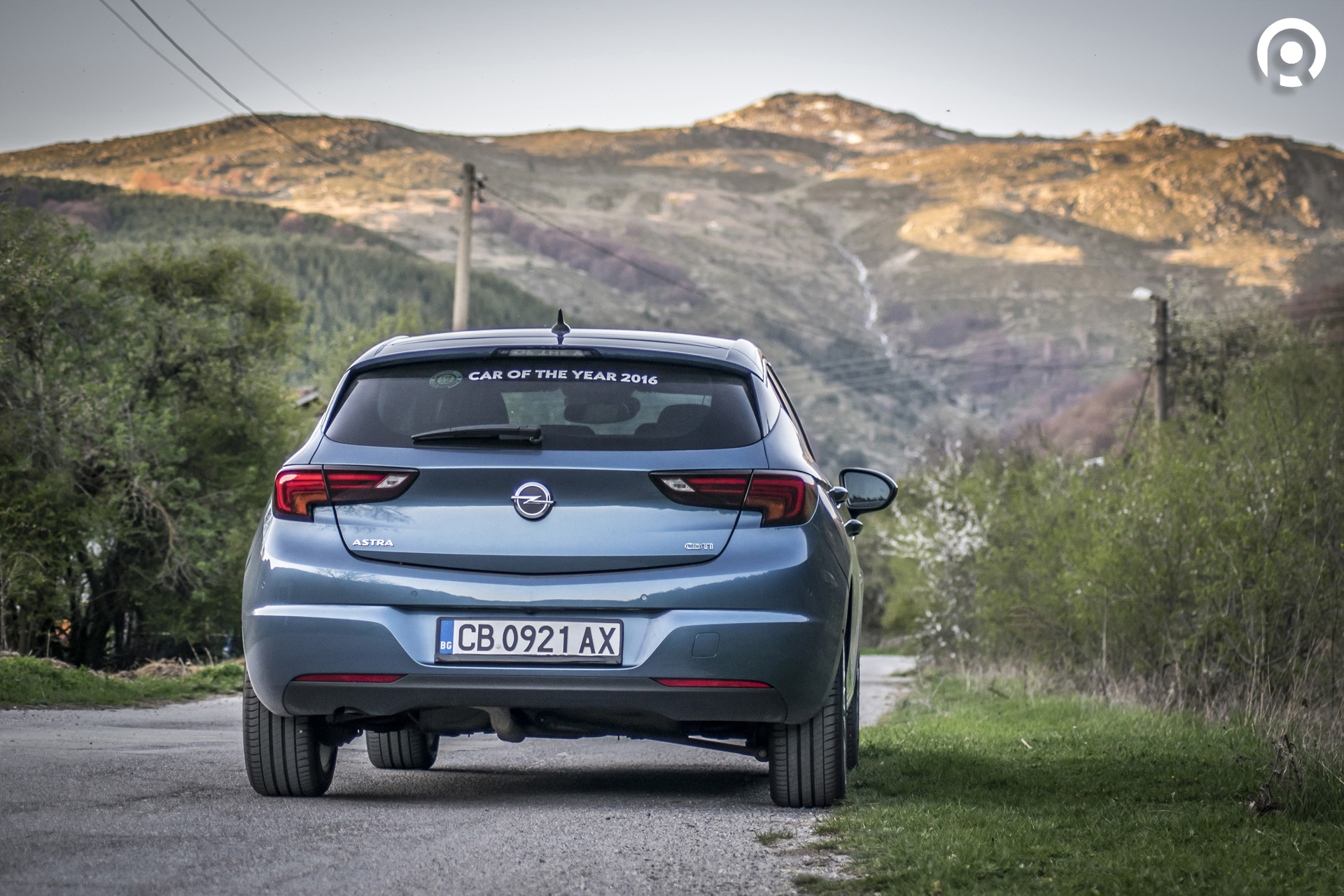
Everyone has different tastes, but to me the exterior lacks a clear brand identity. Honestly, a car with this shape could just as easily wear a Toyota badge. There is also very little continuity with previous Astra generations and overall the design feels somewhat bland — or, to put it more gently, conservative.
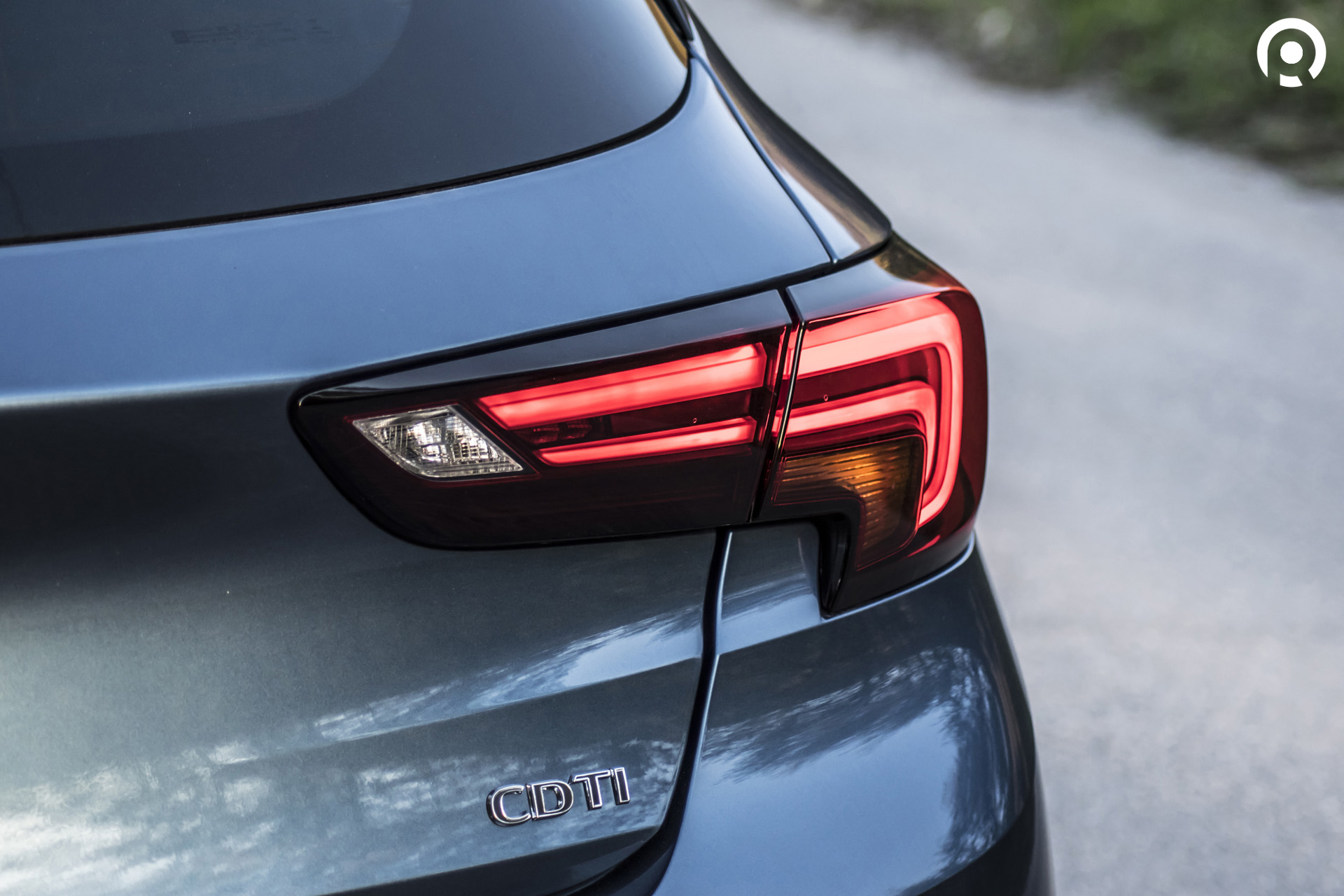
That said, it is still obvious you are looking at a thoroughly modern car thanks to the sharp lines currently popular in the industry and especially the LED lighting front and rear, which unmistakably signals that this is a contemporary automotive product.
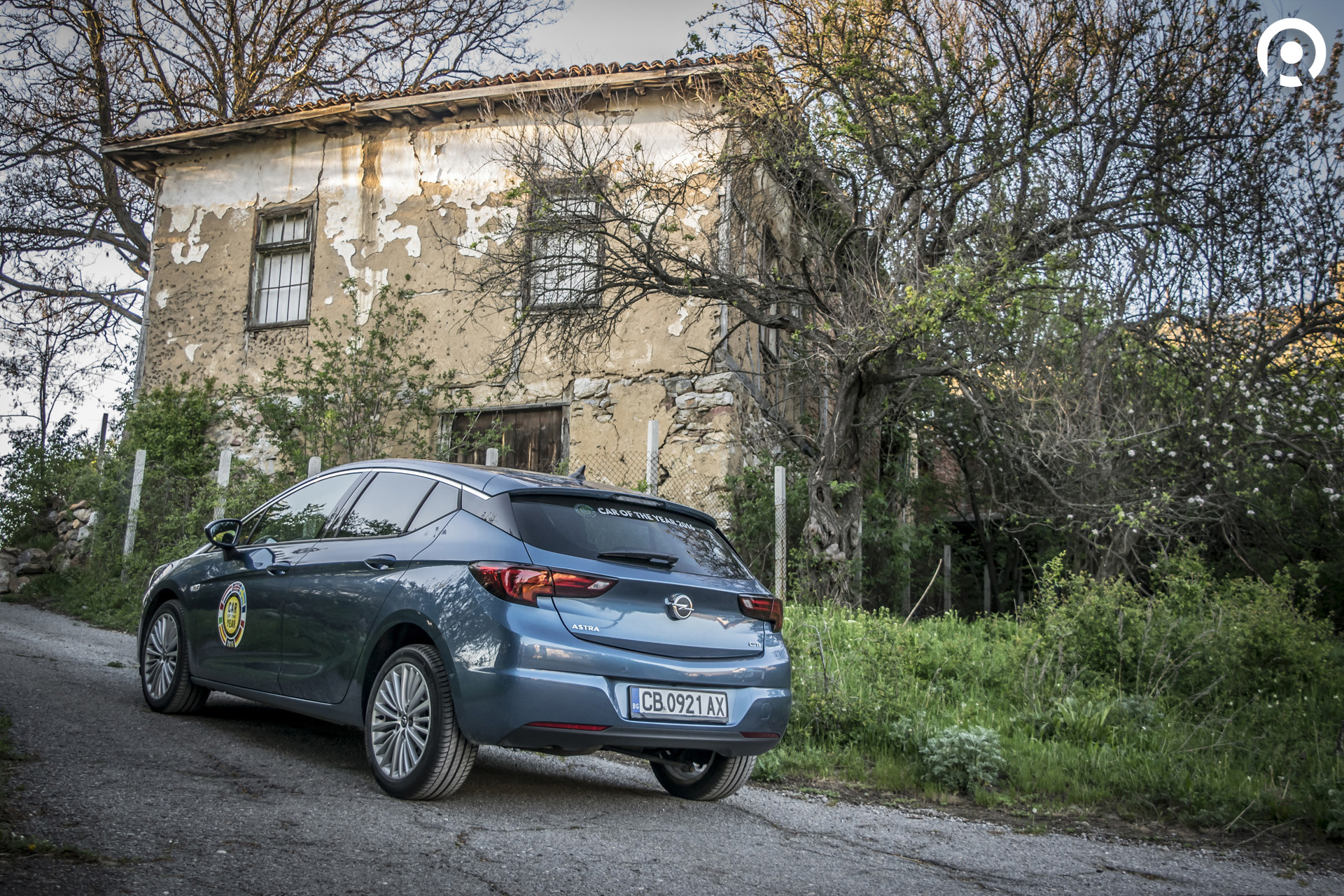
As for the proportions, there is nothing unexpected. The Astra remains a typical hatchback with a relatively short front end — aimed at maximising interior space and keeping external dimensions compact — combined with a large, steeply raked windscreen and a sloping bonnet designed to improve aerodynamic efficiency.
One distinctive feature is the glossy black trim on the C-pillars, which actually happens to be one of the least harmonious details in the Astra’s design. I suspect the designers were trying to make the pillars look slimmer and more elegant while also adding a touch of originality, but personally I do not think the trick really worked.
Interior
Once I stepped inside, however, I found myself in an entirely different universe — one that clearly showed Opel has a far stronger team of interior designers.
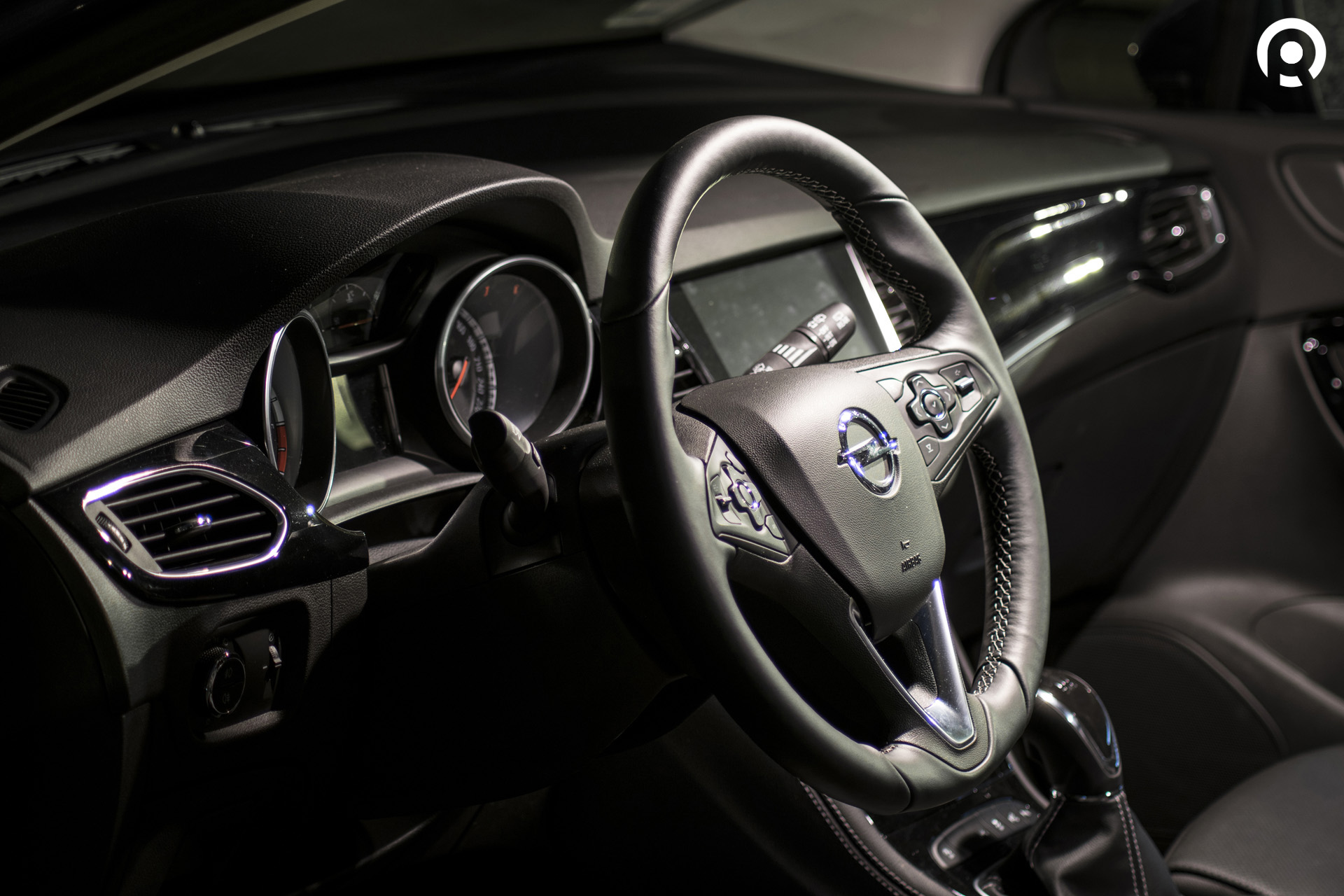
The very first impression after sitting behind the wheel was overwhelmingly positive. The dashboard and instrument design is genuinely elegant, distinctive and refined — something rather unusual for a mainstream German hatchback. The low dashboard line, particularly on the passenger side, the excellent integration of the eight-inch infotainment display and the impressive material quality all stand out immediately.
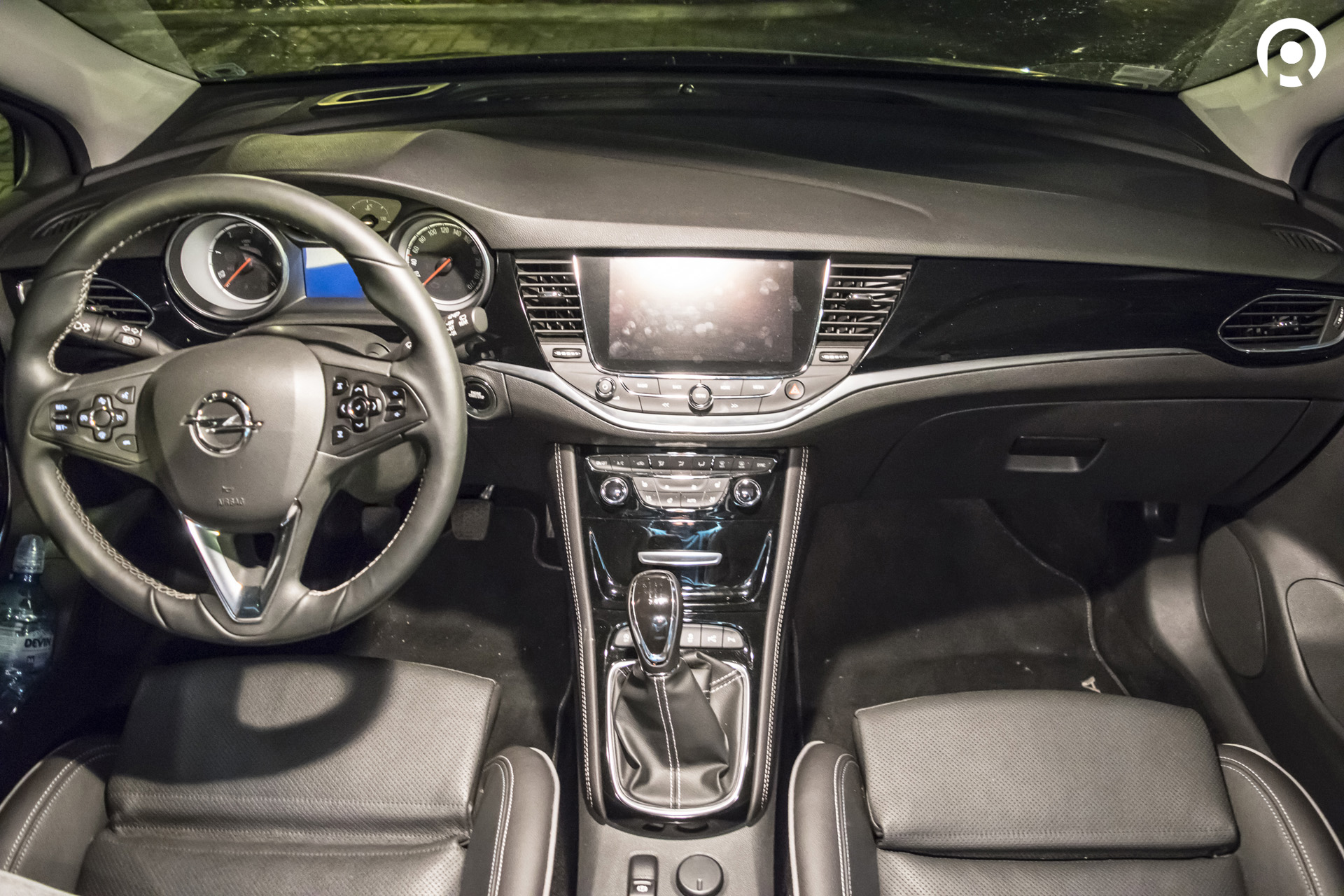
A particularly nice detail is the climate control temperature knobs. The selected temperature is displayed directly on the controls themselves, while subtle lighting around them indicates which direction to turn in order to increase or decrease the temperature. It looks surprisingly sophisticated.

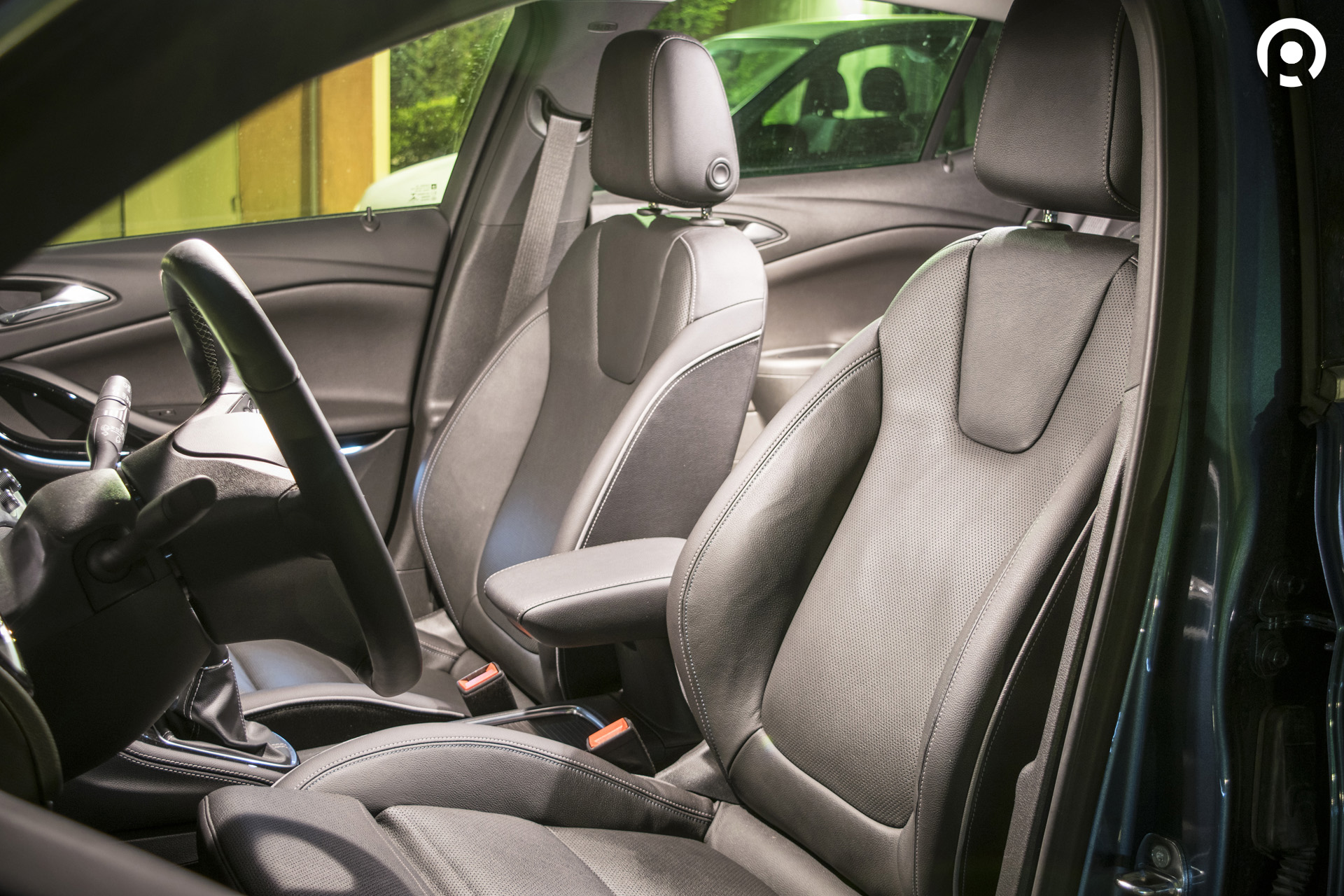
The steering wheel also deserves praise both visually and functionally. The buttons are well laid out and intuitive to use. But the real stars of the interior are undoubtedly the seats.
The test car featured optional leather seats with ventilation, massage and heating, while the rear seats and steering wheel were also heated. The driver’s seat was electrically adjustable in 16 directions, included memory for two positions, had a manually extendable seat base and — most importantly — adjustable side bolsters. That means drivers with different body shapes can tailor the lateral support precisely to their liking.
These seats are even certified by the German AGR organisation as being particularly good for your back.
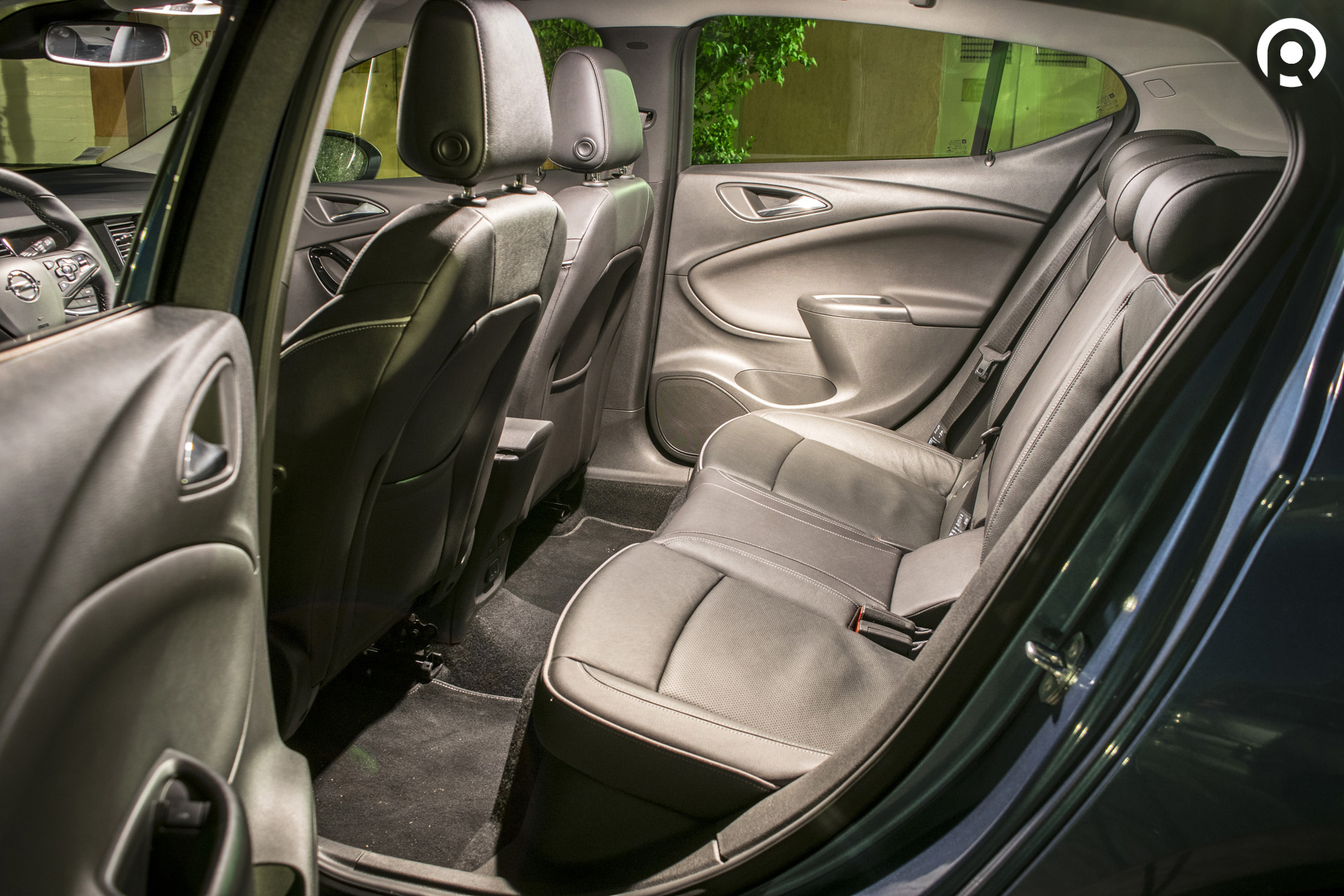
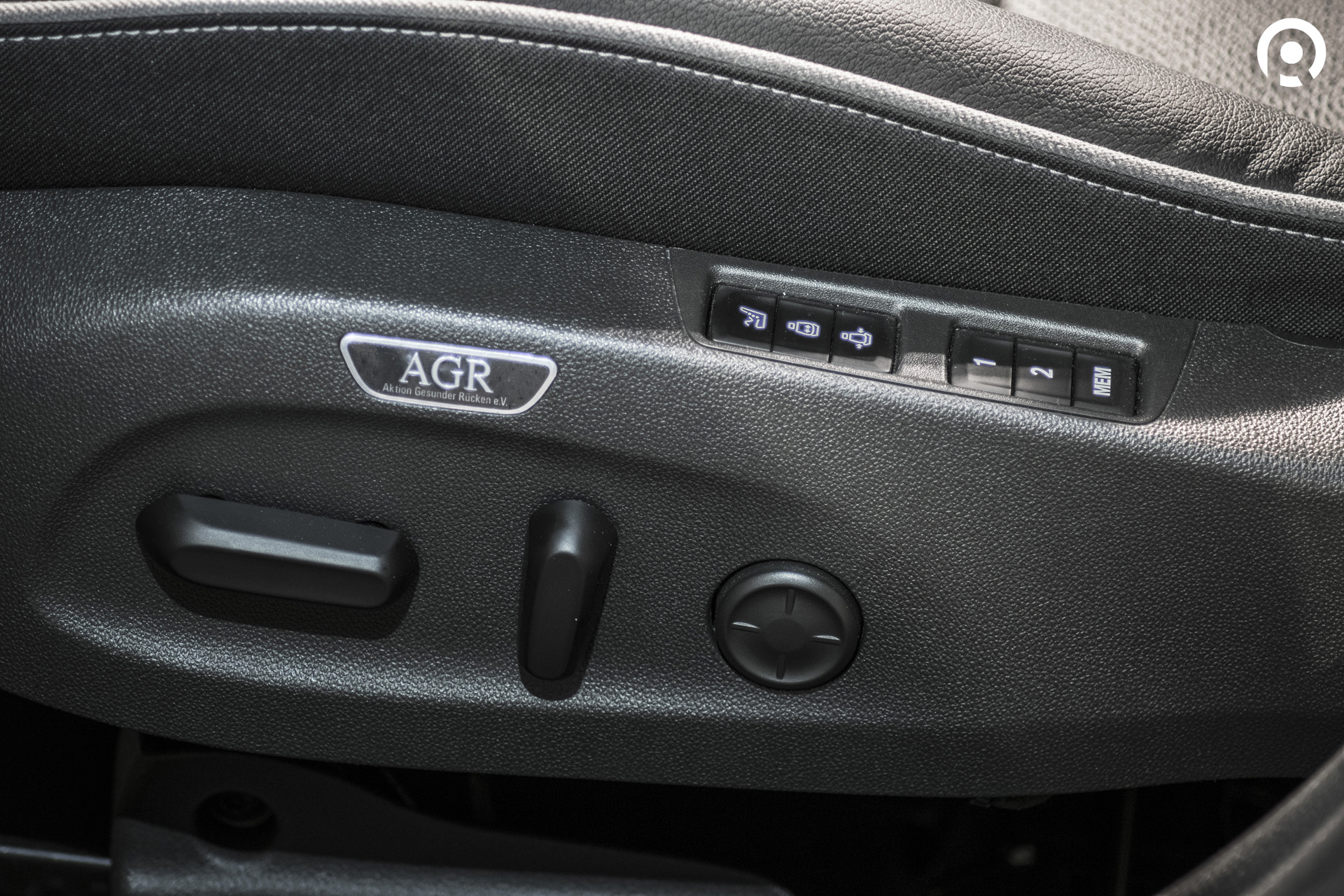
Beyond the comfort of the seats themselves, the interior space is also impressive for the class, especially in the rear where the slightly elevated seating position and seat angle create a genuinely pleasant environment for passengers.
The only thing missing back there is a central armrest — I genuinely do not understand why Opel omitted it, especially since rear cupholders are also absent. On the plus side, the door pockets front and rear are generously sized, while the front armrest storage compartment is deep and practical.
What the front section does lack, however, is an additional small storage area somewhere around the centre console or gear lever — a place where you could simply leave your phone, remote control or other small items.
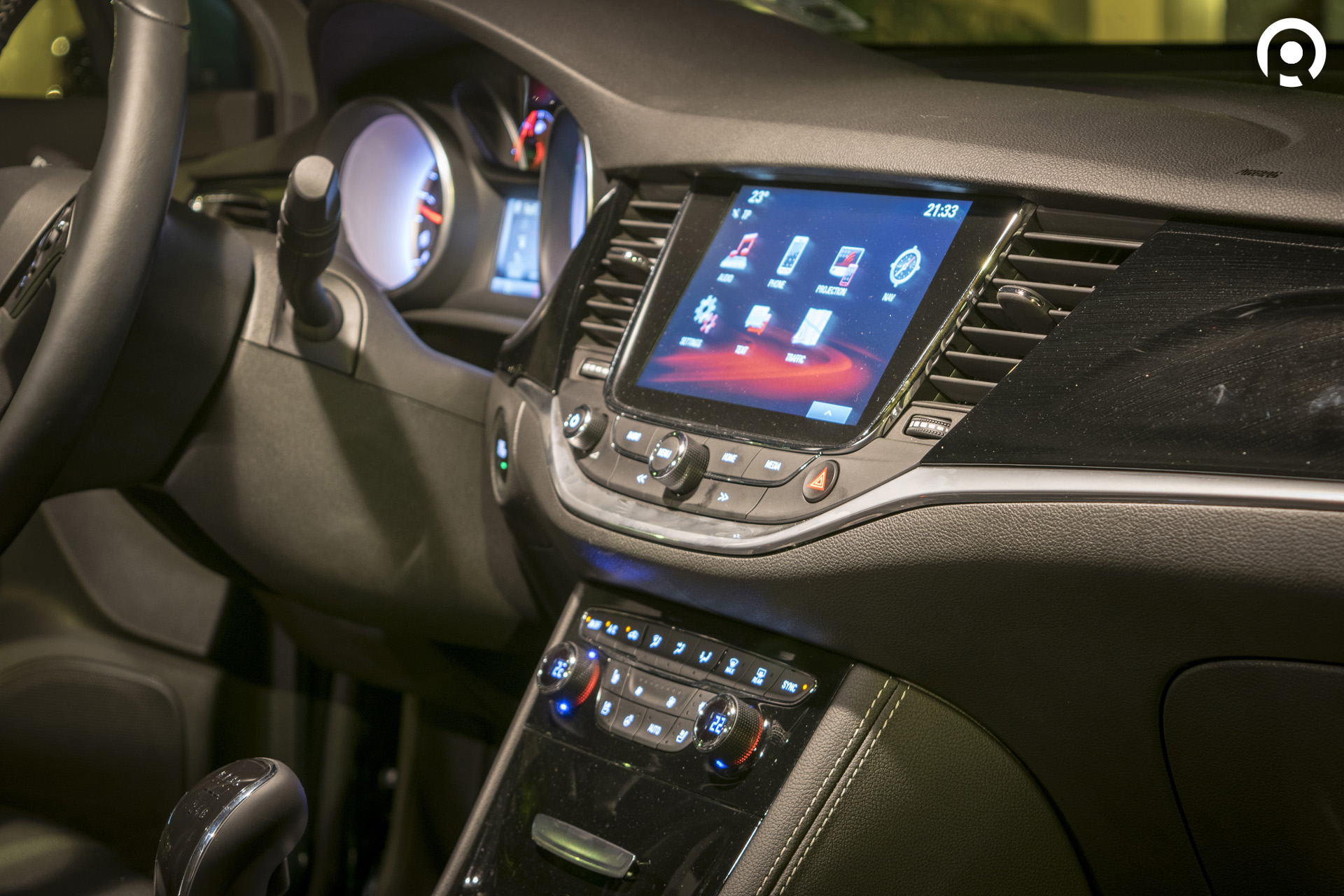
As for the infotainment system, I was very pleased overall. It is straightforward to use, the menus are simple, the display reacts quickly and visibility remains excellent even in bright daylight. The smaller display ahead of the driver, however, does suffer from reflections.
There is no separate rotary controller, which is technically a downside, but thanks to the system’s simplicity the touchscreen remains easy to operate anyway. Apple CarPlay is also included, allowing you to access selected smartphone apps easily — whether for voice-controlled text messages, music streaming or navigation.
Overall, Opel has created an exceptionally pleasant, practical and high-quality interior. This is where the Astra truly won me over.
On the road
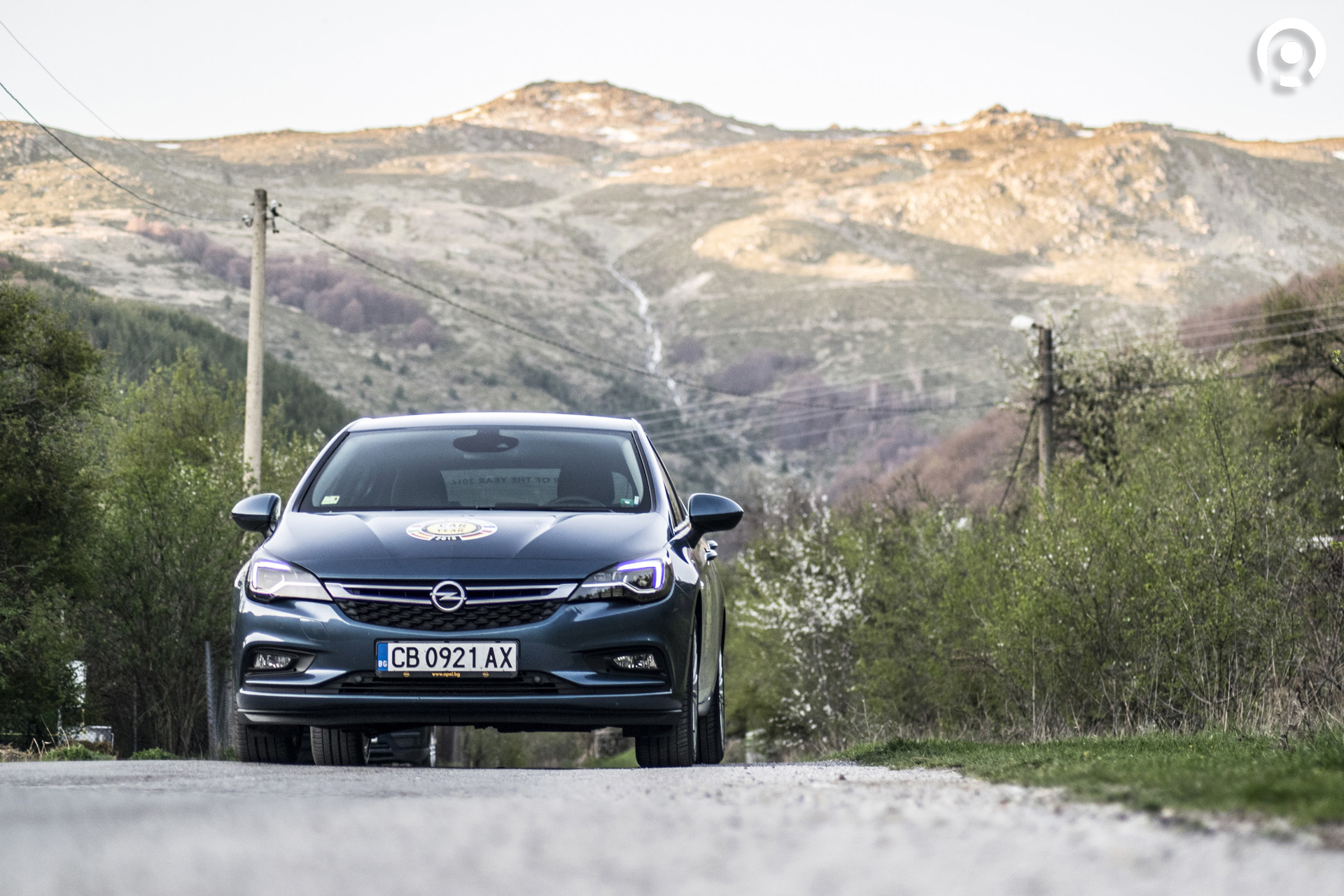
As mentioned earlier, the test car was powered by the 136 hp version of Opel’s 1.6-litre diesel engine, producing 320 Nm of torque and capable of accelerating from 0 to 100 km/h in 9.6 seconds while officially consuming just 3.8–3.9 l/100 km. Sounds optimistic, right?
That was exactly my initial reaction — until experience showed me those numbers are actually surprisingly realistic. The story began in Sofia’s infamous Friday afternoon traffic, when residents and their permanent guests effectively block every exit from the city. Sitting in traffic gave me time to appreciate the Astra’s manoeuvrability and the effortless nature of the controls, both in terms of steering and shifting gears. The start-stop system is also one of the more advanced ones, shutting the engine down while the car is still rolling. At idle, the engine itself is remarkably quiet and smooth, but during initial acceleration, at low revs and partial throttle, some vibrations and roughness become noticeable. This also coincides with the turbo lag around 1,000–1,400 rpm.
Fortunately, once the turbo wakes up, everything smooths out nicely again and the engine becomes refined, balanced and genuinely pleasant for a four-cylinder diesel, even though the power band itself remains relatively narrow. Under those heavy traffic conditions, the Astra returned fuel consumption of around 6.5 l/100 km — an excellent result considering the circumstances.
The next day I suddenly felt brave enough to drive the Astra into what is essentially Golf territory — Pernik. For variety, I chose an alternative route filled with enjoyable bends and perfect tarmac. That was where I realised something unexpected: The new Astra is genuinely enjoyable to drive. I fully expected it to feel uninvolving, numb and slightly boring. Instead, the Astra turned out to be every bit as capable as the Ford Focus in this regard — perhaps even marginally better. Body roll is minimal, grip levels are strong and the chassis remains surprisingly neutral. Depending on conditions, you can even provoke mild oversteer alongside the expected understeer. All of that is combined with steering that feels quick, precise and genuinely informative. Those few corners immediately made me look forward to the future OPC version.
In terms of refinement, the Astra sits somewhere around the middle of the class. Road noise is clearly noticeable but not intrusive, while aerodynamic noise is relatively well suppressed apart from some turbulence around the mirrors. This impression remained consistent once I escaped Pernik and headed onto the Lyulin motorway.
Shortly afterwards, I took the road towards Chuypetlovo village — this time the correct one. The suspension handled the uneven surface well and although it is typically firm, comfort remained acceptable. Noise from the suspension itself was also reasonably well muted.
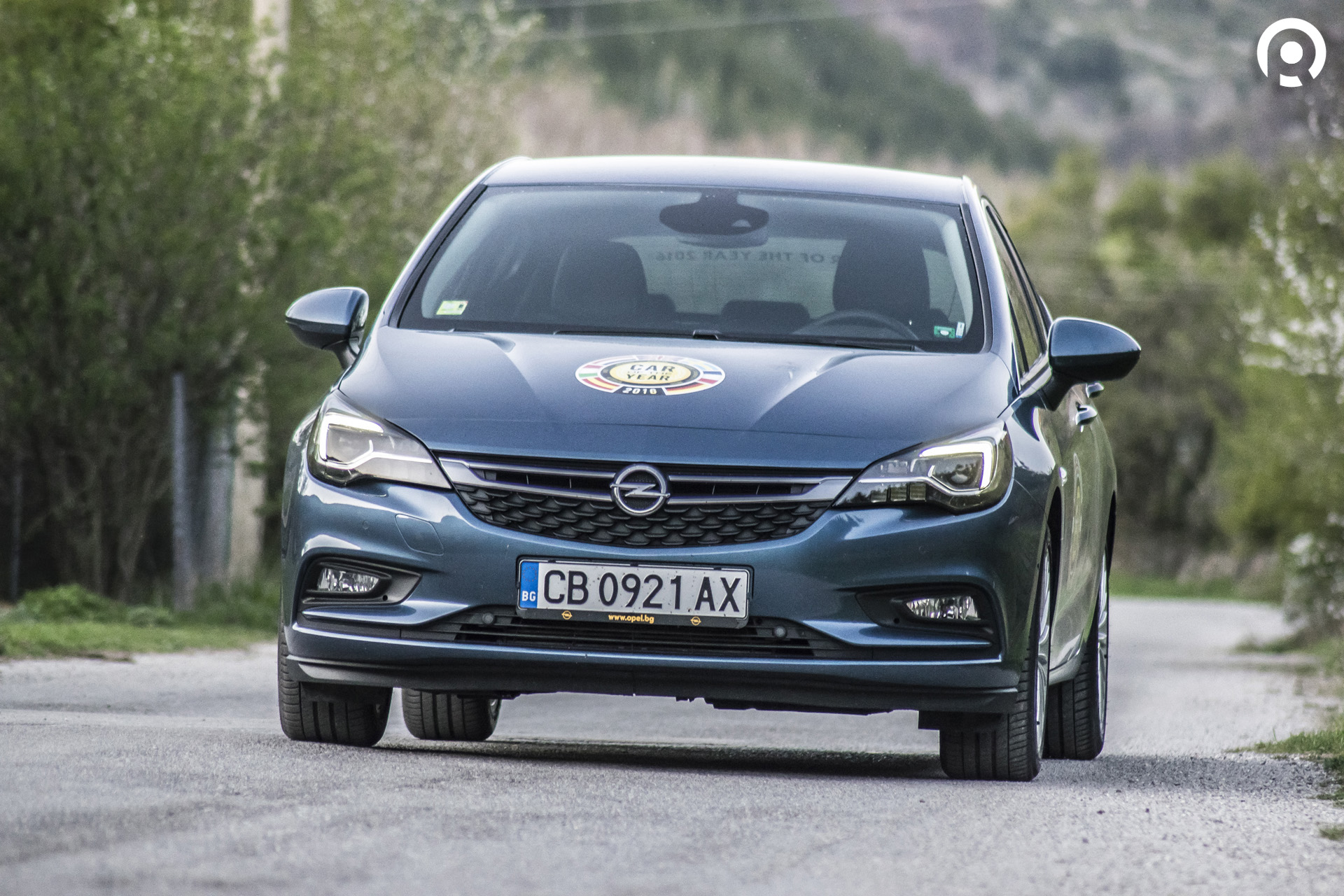
By the time I returned to Sofia it was already dark, which made it the perfect opportunity to test the matrix LED headlights. In automatic mode, the system maximises illumination while selectively dimming individual sections of the beam whenever another car appears ahead or approaches from the opposite direction. Essentially, it creates a shadow around other vehicles to avoid dazzling their drivers.
The system worked brilliantly. Not a single driver flashed their headlights at me despite the heavy Saturday evening traffic on Vitosha Mountain — where people gather to drive recklessly, smoke, spend time with their partners, photograph Sofia at night or simply test their fancy matrix headlights.
The light distribution itself was not perfectly uniform, but honestly I do not see that as a major issue. Either way, the LED headlights are absolutely worth it, especially considering their price of roughly €960.
Still, to give you a clearer idea, here is a video that demonstrates exactly how the system works:
https://www.youtube.com/watch?v=RkPyrVxx7OE&t=54s
The day ended with 150 kilometres driven in extremely varied conditions, including three climbs of Vitosha and plenty of enthusiastic driving through corners.
And do you know what fuel consumption I achieved?
4.9 l/100 km. An astonishing result considering the terrain, driving style, engine performance and the fact I activated the massage function at least ten times while leaving the seat ventilation running at maximum the entire time. The following day brought another 250 kilometres on all kinds of roads, resulting in fuel consumption below 7 l/100 km on the motorway at 150 km/h and just 3.9 l/100 km on secondary roads filled with villages.
Conclusion
I approached the new Astra with high expectations because Opel desperately needs strong products and simply cannot afford weak ones anymore. Fortunately, the Astra lived up to those expectations and in some areas even exceeded them. The car feels exceptionally well thought out. While its exterior design may be somewhat ordinary, the Astra wins you over with a comfortable, practical and high-quality interior. It also offers surprisingly enjoyable road manners and proves genuinely fun to drive. The diesel engine I tested is impressively economical, provides strong enough performance and remains refined and quiet throughout most of its operating range.
Overall, Opel has created an extremely strong contender that absolutely deserves the attention of anyone shopping in the C-segment. If Opel’s somewhat damaged brand image does not hold it back, I fully expect the new Astra to achieve excellent market results.
Eng. Tsvetan Iliev

Comments are closed.