
Over the past fifteen years, the automotive industry stepped far outside the traditional boundaries and gave us every possible hybrid and variation of the automobile body style — lifted urban cars, lifted “coupés”, estate “coupés”, five-door “coupés”, four-door “coupés” (a coupé is technically a two-door car, hence the quotation marks), four-door convertible off-road machines, two-door vans and of course the now well-established lifted all-wheel-drive estates pioneered by Subaru and later adopted by Volvo and Audi.
In short, every niche, no matter how small, has been filled with some sort of new automotive concept. And then, sometime last year, Volvo realised that amid all this chaos nobody had either thought of — or dared — to offer the market an off-road sedan.
Since the Swedes are brave enough, have more than twenty years of experience in lifting passenger cars and probably wanted to squeeze a little more life out of the ageing S60, the decision to launch a lifted version of their mid-size sedan may not have been particularly difficult.
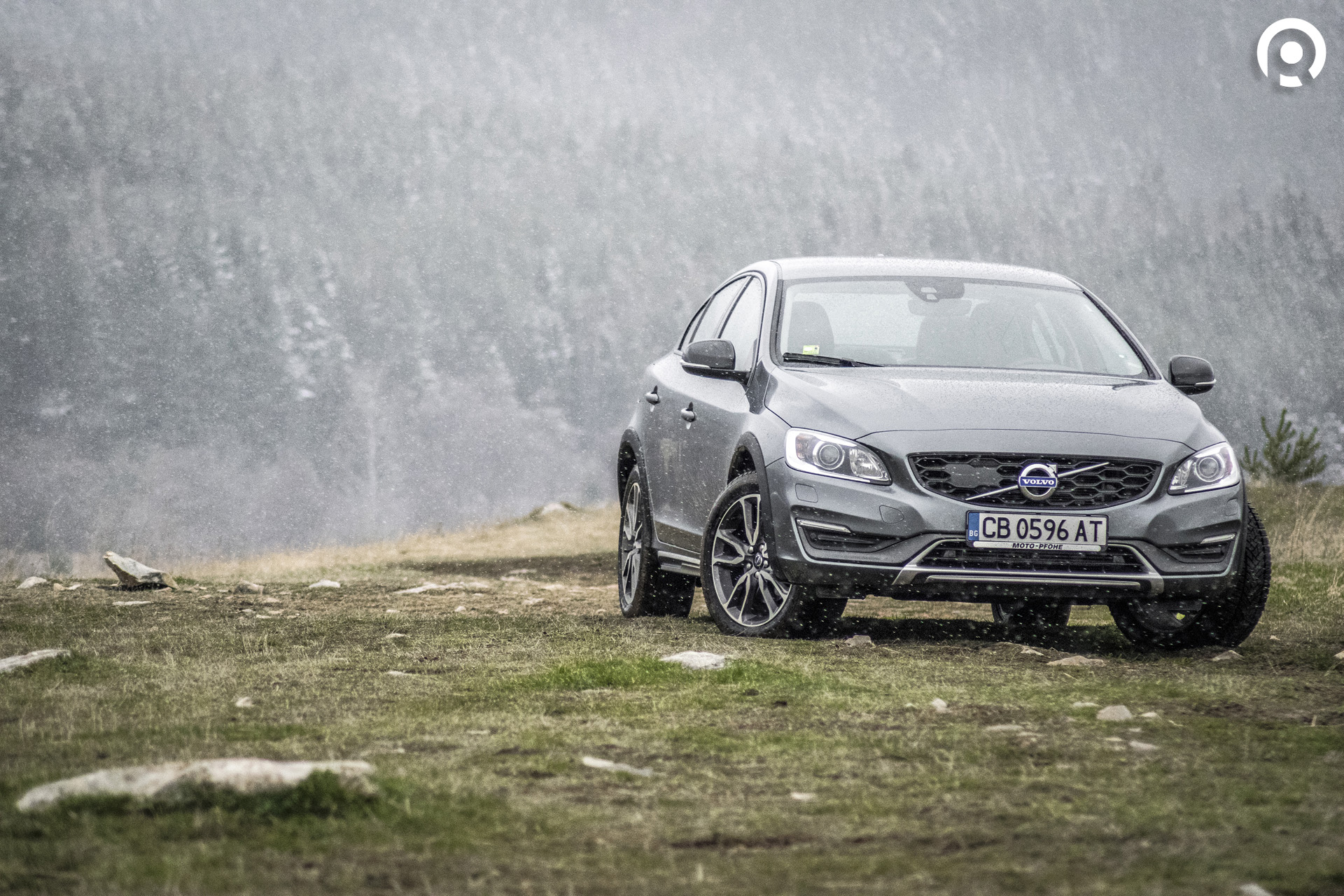
The Volvo S60 Cross Country is essentially an S60 with revised suspension — mainly taller springs — additional off-road styling elements and Volvo’s familiar Haldex all-wheel-drive system. Overall, a rather bizarre combination which immediately appealed to me. Even though I was fully aware that the model would never be a sales success, I still felt it deserved a proper test.
Design
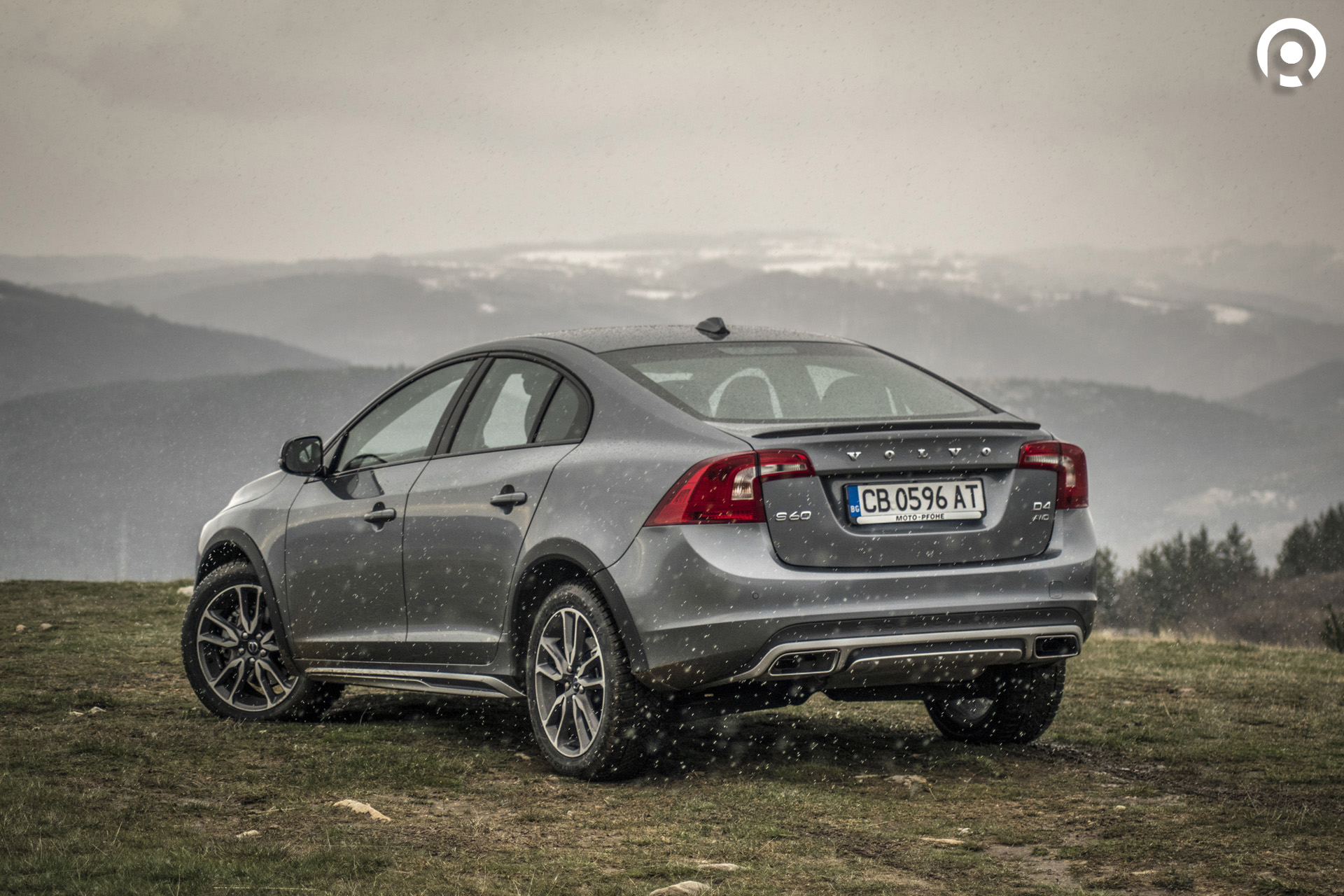

The second-generation Volvo S60 arrived on the market six years ago and received a facelift around two years later. That naturally shows, but the car still does not look outdated thanks to its classic proportions and body lines combined with a dynamic rear end similar to what we still see in the latest offerings in the segment.
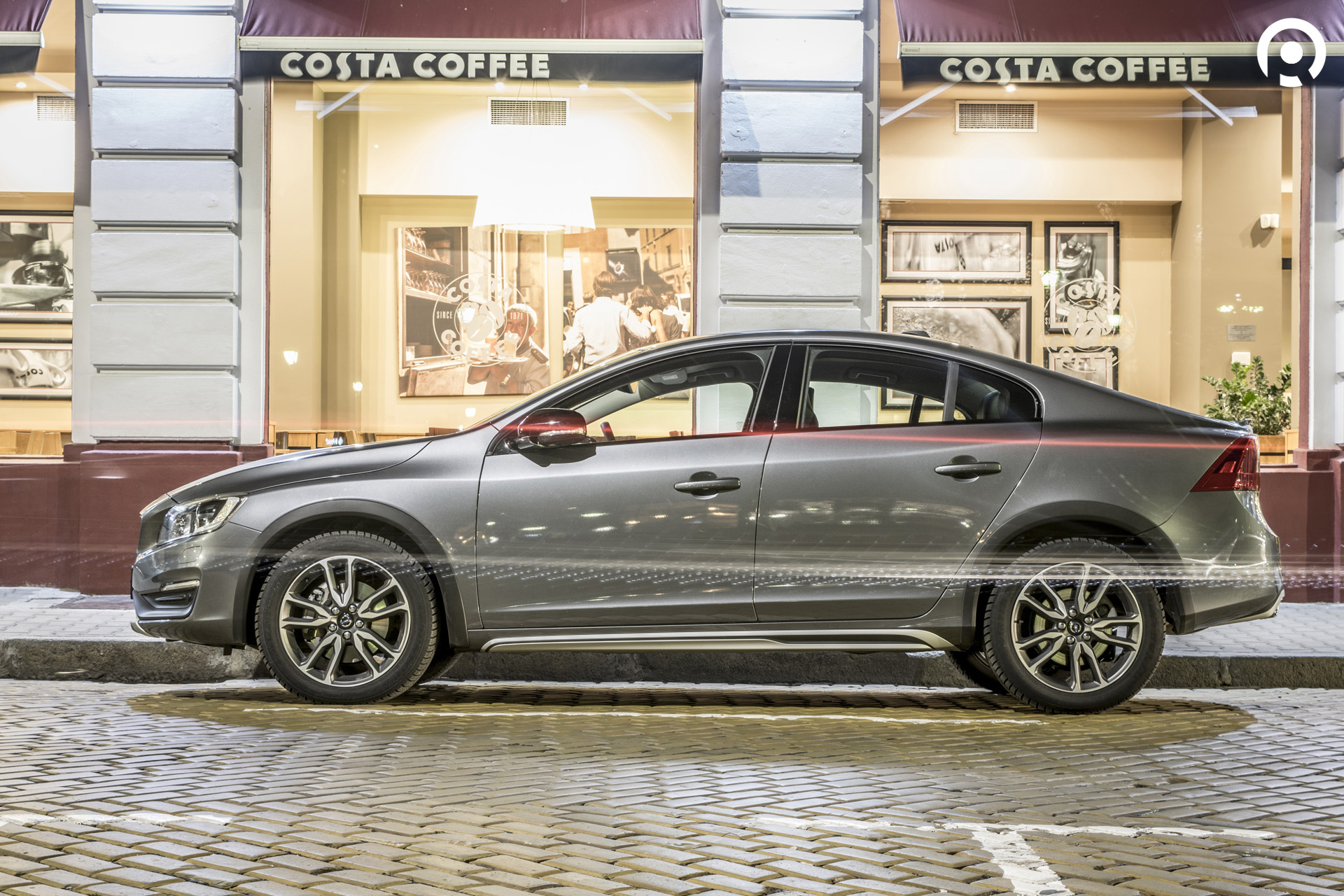
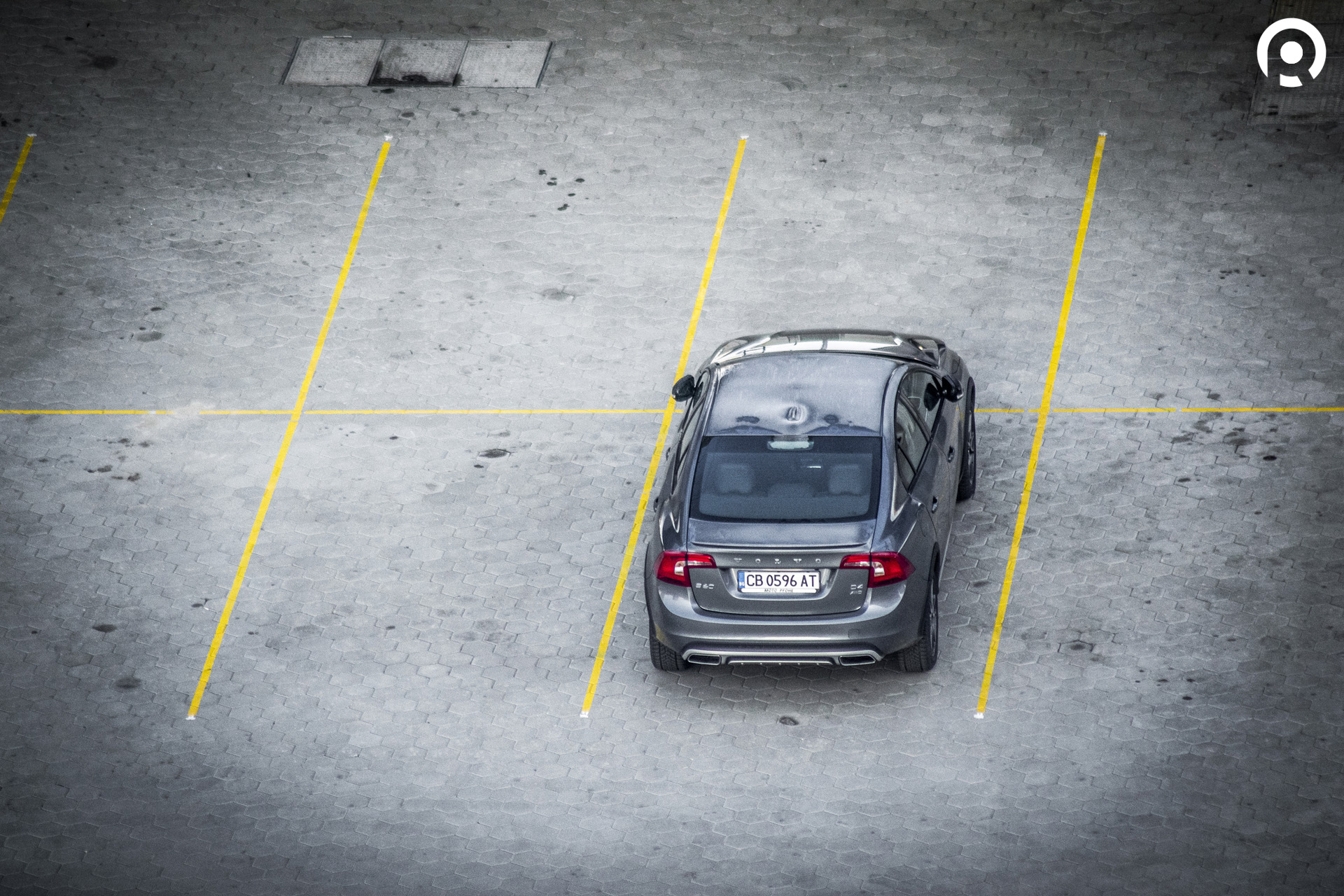
With that in mind, the modifications turning the S60 into the Cross Country version only strengthen the model’s character. In fact, I am not particularly fond of the standard S60’s appearance, but the same design combined with a few off-road touches suddenly looks remarkably good to me. Those modifications include increased ground clearance of around 20 cm, additional side skirts, wheel arch cladding, small changes — or rather add-ons — to the front and rear bumpers, new exhaust finishers, black mirrors and a subtle boot spoiler. That is all. Yet those small changes make the car significantly more interesting.
And while I originally assumed nobody would pay attention to it, since Volvo models are usually rather discreet, during the test three different people approached me. Two of them immediately started sharing stories about Volvo because the brand is clearly deeply loved and respected, while the third simply walked past and said: “Yes, it’s definitely worth photographing,” before we exchanged a few more words.
Interior
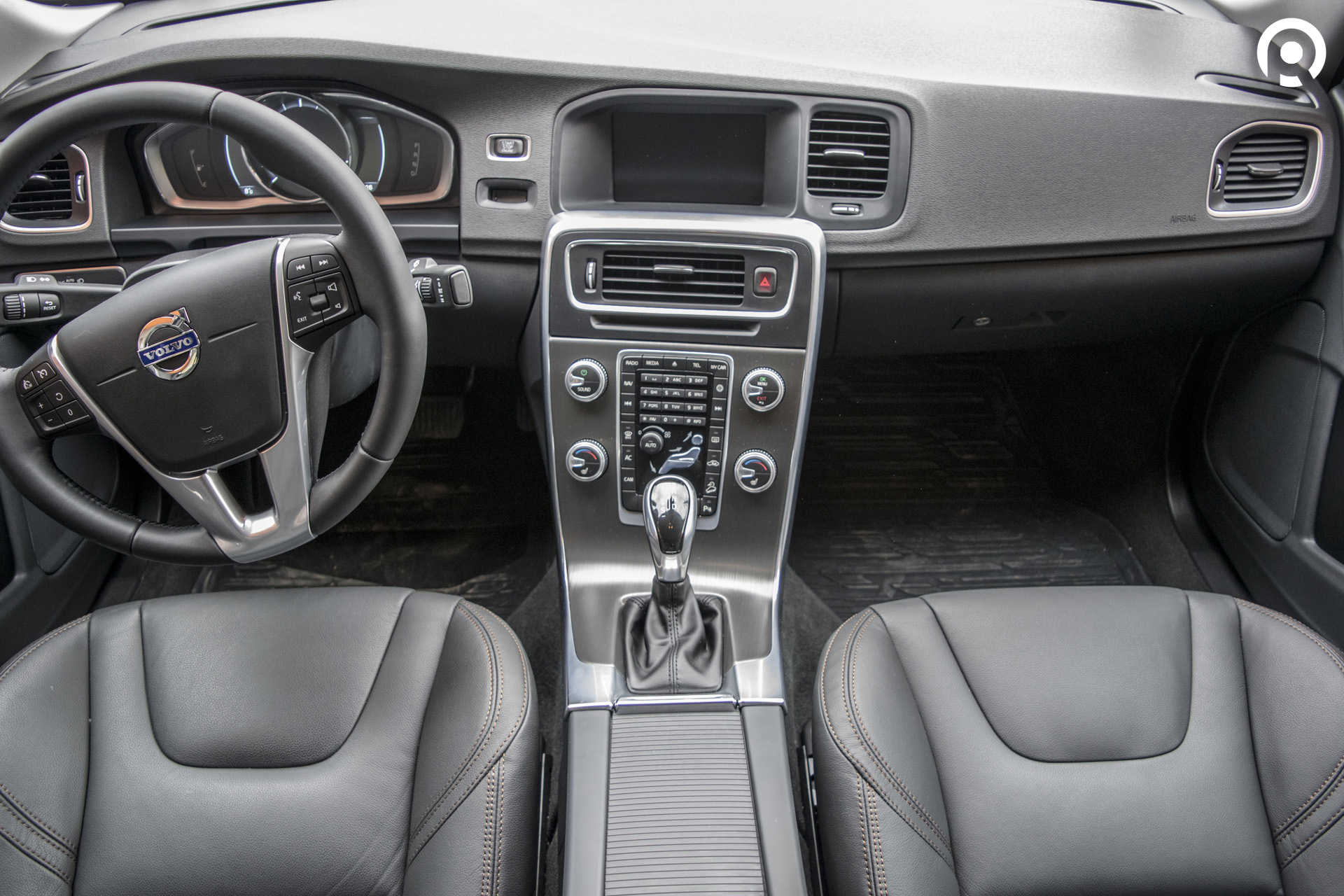
The interior is probably the easiest place to recognise that the S60 Cross Country is no longer a freshly designed car. Its design comes from the era of the “floating” slim centre console that Volvo popularised before many other manufacturers adopted the idea.
In fact, the style still looks quite good — personally I genuinely like the floating console, although it looked even better in the S40 and C30 — but the presence of dozens of physical buttons, the relatively small infotainment display by modern standards and the lack of more decorative metal trim all reveal the car’s age.
Furthermore, the materials and overall build quality fall behind the newer Volvo V40, which actually belongs to a lower class. That obviously speaks positively about the direction Volvo has taken in recent years, but it still feels like a compromise considering the price bracket of the S60 Cross Country.
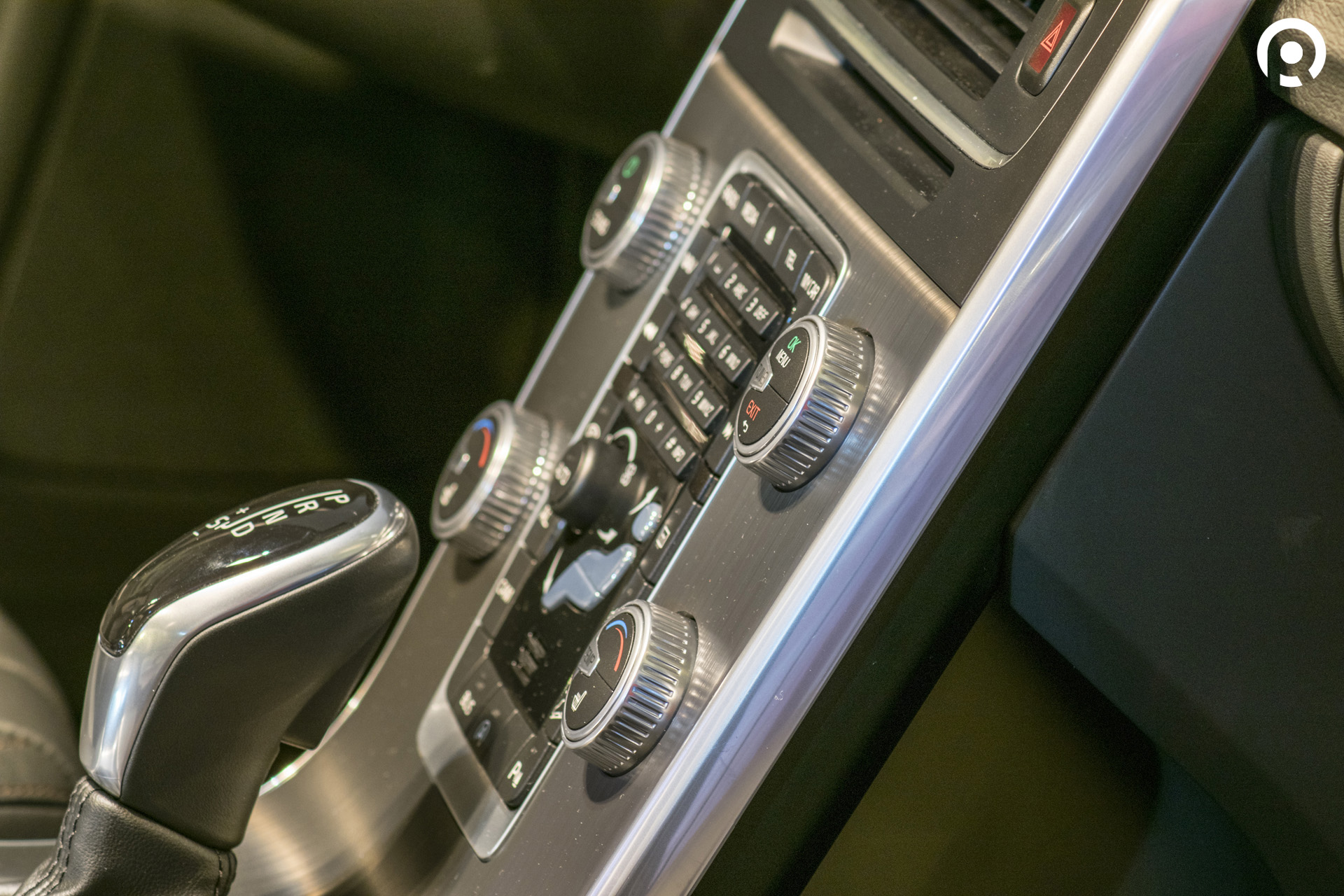
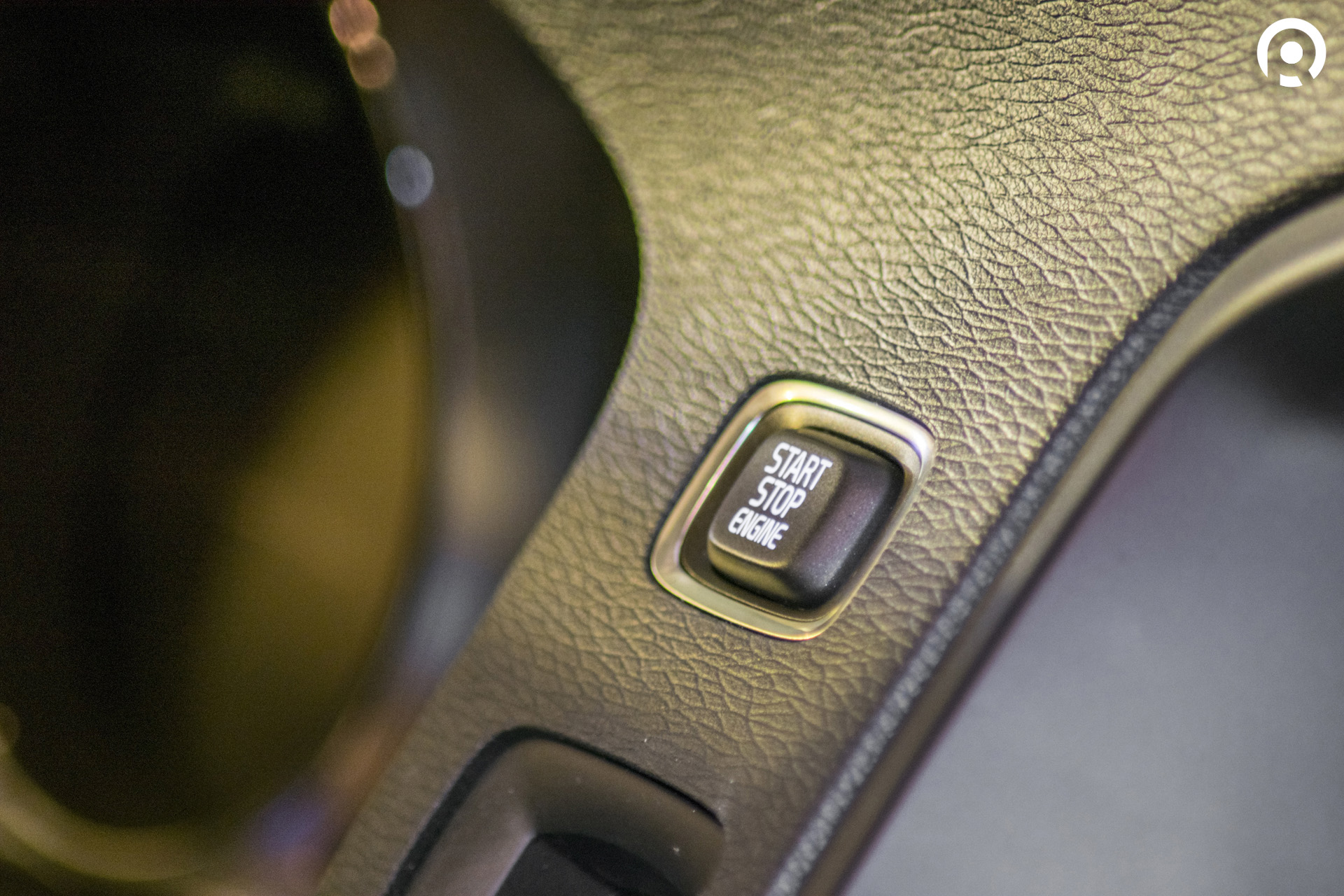
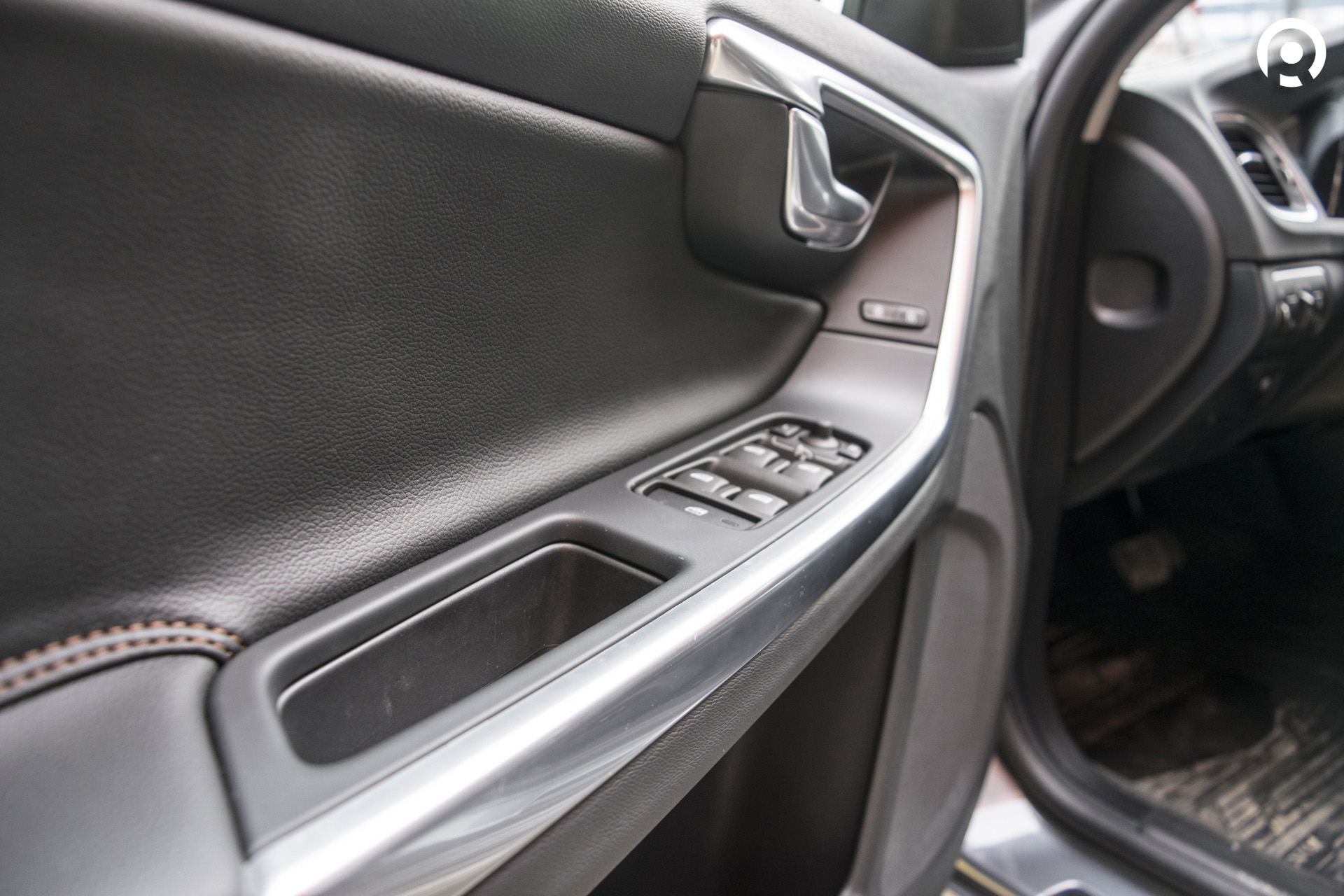
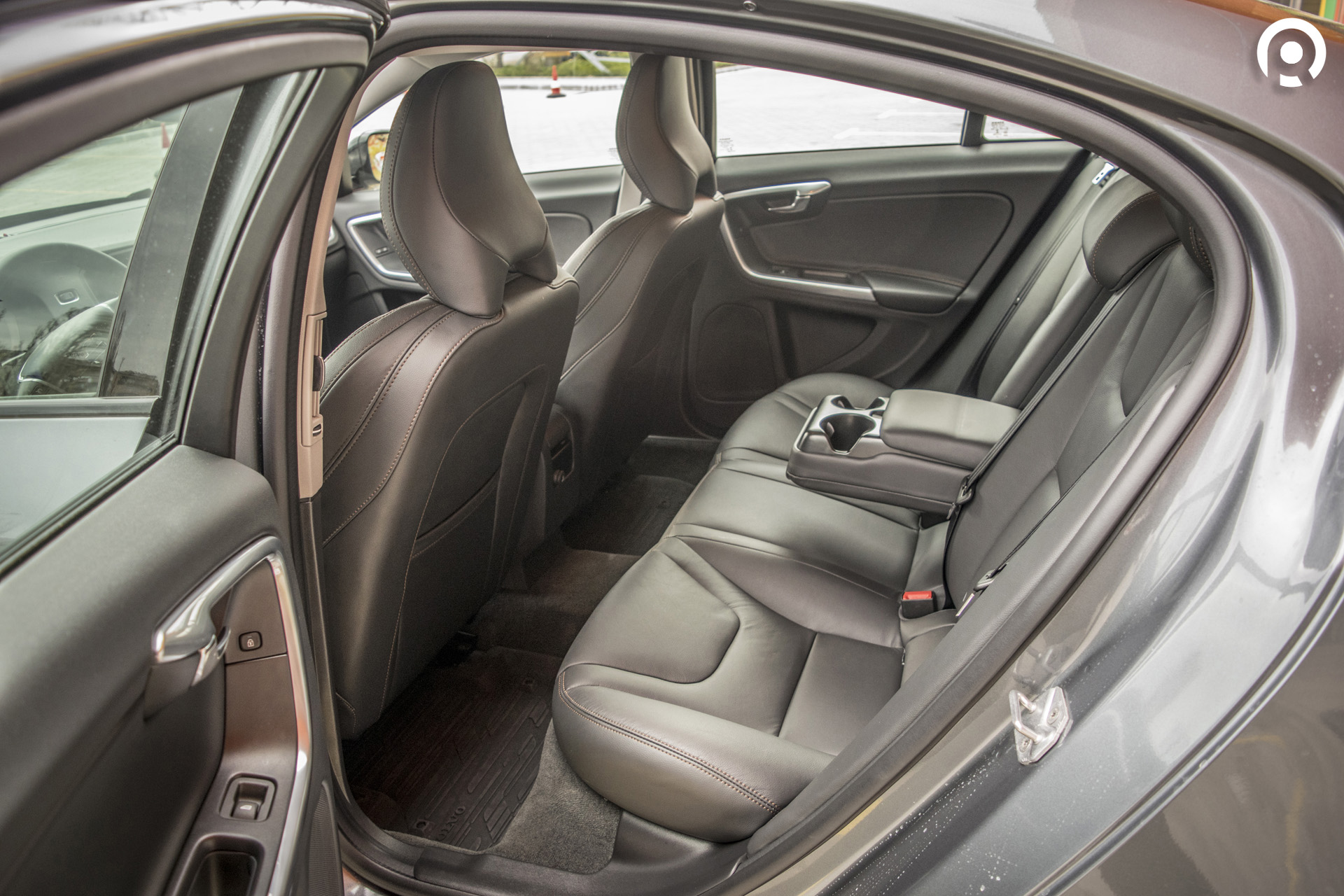
Otherwise, the cabin itself is an exceptionally calm and pleasant place to spend time in. It is reasonably spacious, although rear headroom is slightly limited, there are plenty of storage compartments with generous dimensions and the driving position is excellent.
And then there are the seats. The seats in the S60CC are unbelievably comfortable, even by Volvo’s already extremely high standards in this area. Personally, I cannot remember sitting in another car with seats quite like these. They are not only soft but also provide phenomenal support at the same time.
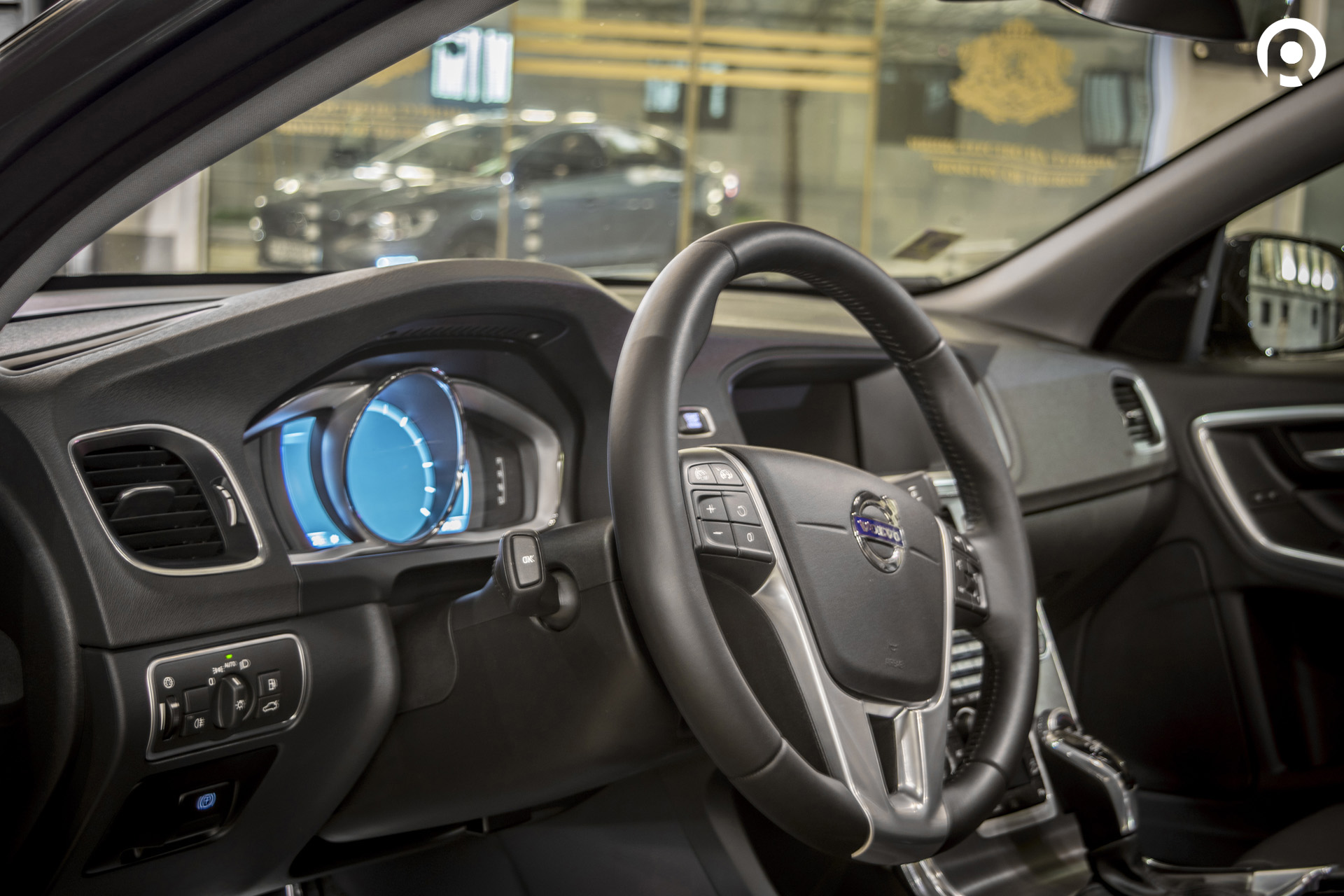
As for the infotainment system, the screen may only measure seven inches diagonally, which seems small by today’s standards, but honestly it feels perfectly sufficient to me. The real issue is that the system itself is overly complicated — there is no dedicated joystick controller and the buttons on the centre console are not especially intuitive. Even the steering wheel controls do not make the system easy to operate naturally.
I experienced a similar issue the first time I drove the Volvo V40 and despite covering thousands of kilometres in that car later on — admittedly with a simpler infotainment setup — every time I climb into a Volvo equipped with this higher-level infotainment system, I still feel like a grandmother trying to use a computer.
On the road
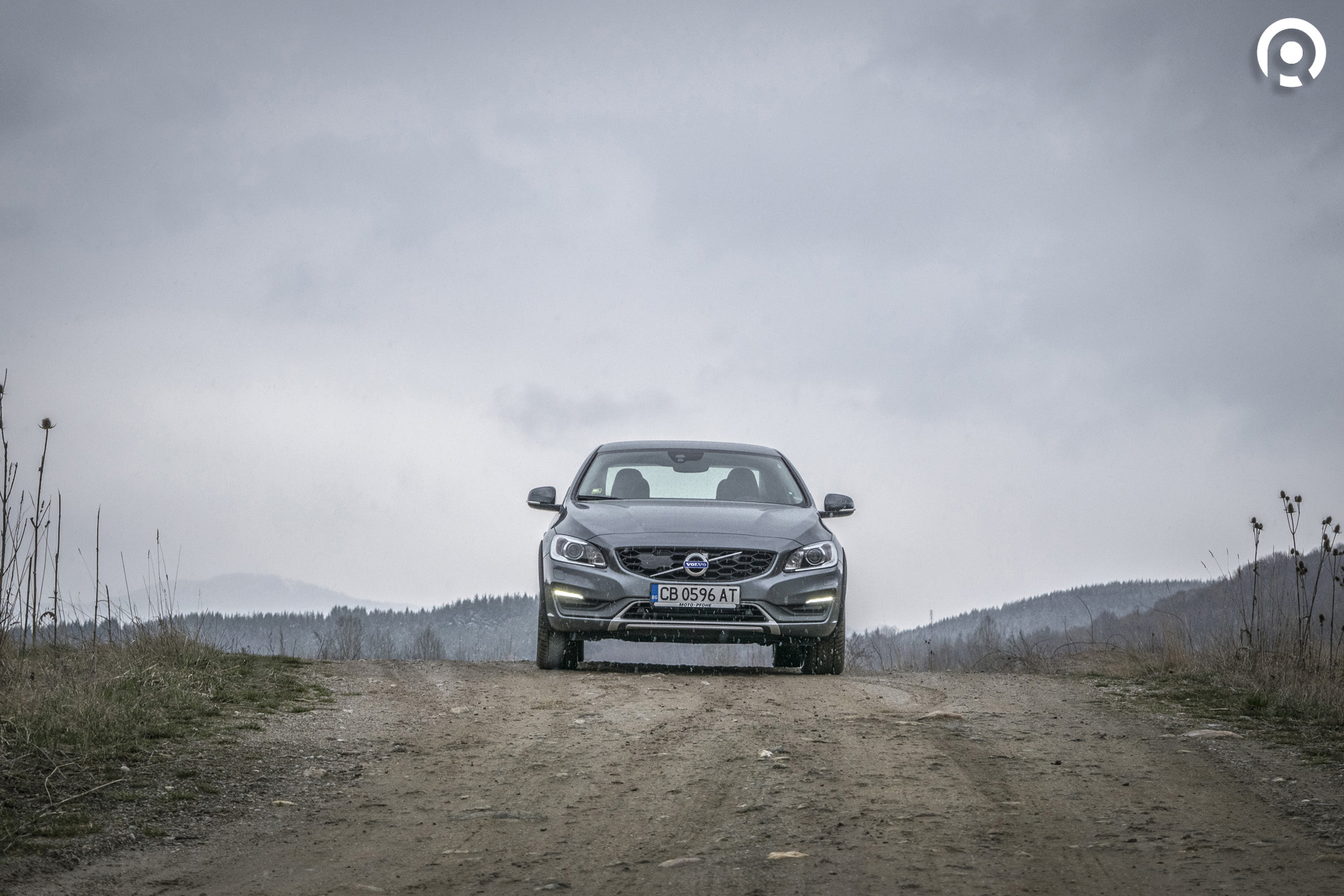
Volvo offers the S60 Cross Country with three engines — a D4 version powered by a new-generation two-litre four-cylinder diesel with 190 hp and front-wheel drive, another D4 version with a 2.4-litre five-cylinder diesel producing the same 190 hp but paired with permanent all-wheel drive and finally a T5 version with a 2.5-litre five-cylinder petrol engine producing 254 hp and again combined with four-wheel drive.
As a huge fan of five-cylinder engines, I would personally stay away from the four-cylinder version at all costs. Yes, it is more modern and comes with an eight-speed automatic gearbox while the other two versions only get six gears, but five-cylinder engines are slowly disappearing and I genuinely believe that anyone who loves cars and has the opportunity should experience one while they still can.
Naturally, the car I tested was exactly the D4 all-wheel-drive version paired with the six-speed automatic gearbox. In this configuration, top speed reaches 210 km/h while acceleration from 0 to 100 km/h takes 8.8 seconds.
Interestingly, the same engine is offered in other Volvo models with 215 hp, but for some reason Volvo decided to limit it slightly here. That said, a Heico software upgrade that preserves the factory warranty — five years with unlimited mileage — and increases output to around 230 hp would certainly not be a bad idea.
As expected, I immediately found the perfect driving position and set off. Interestingly, the seating position itself is not particularly high, yet the way the car feels — initially around city streets — reminded me very strongly of the previous-generation XC90 and probably even more of the XC60, although I have not driven that one.
In urban conditions, the car is genuinely excellent. It is extremely well insulated, road noise is impressively low and most importantly the suspension absorbs the endless imperfections and potholes of city streets brilliantly. At the same time, the gearbox may only have six gears, but the ratios are perfectly chosen and the engine itself is highly flexible — displacement still matters. Under these conditions, including two cold starts, I achieved fuel consumption of 8.5 l/100 km.
Still, the main part of my tests always happens outside the city. This time I decided to split things into two stages.
Stage one: more photographs and muddy roads.
Stage two: more distance and more relaxed driving.
For stage one, I opened Google Maps and decided to head towards the back side of Vitosha Mountain to see where the road would eventually end. The destination I chose was the charmingly named village of Chuypetlovo. Navigation insisted I should pass through Vladaya and Dragichevo, but I was convinced there must be a road from the other side and stubbornly headed towards Zheleznitsa instead.
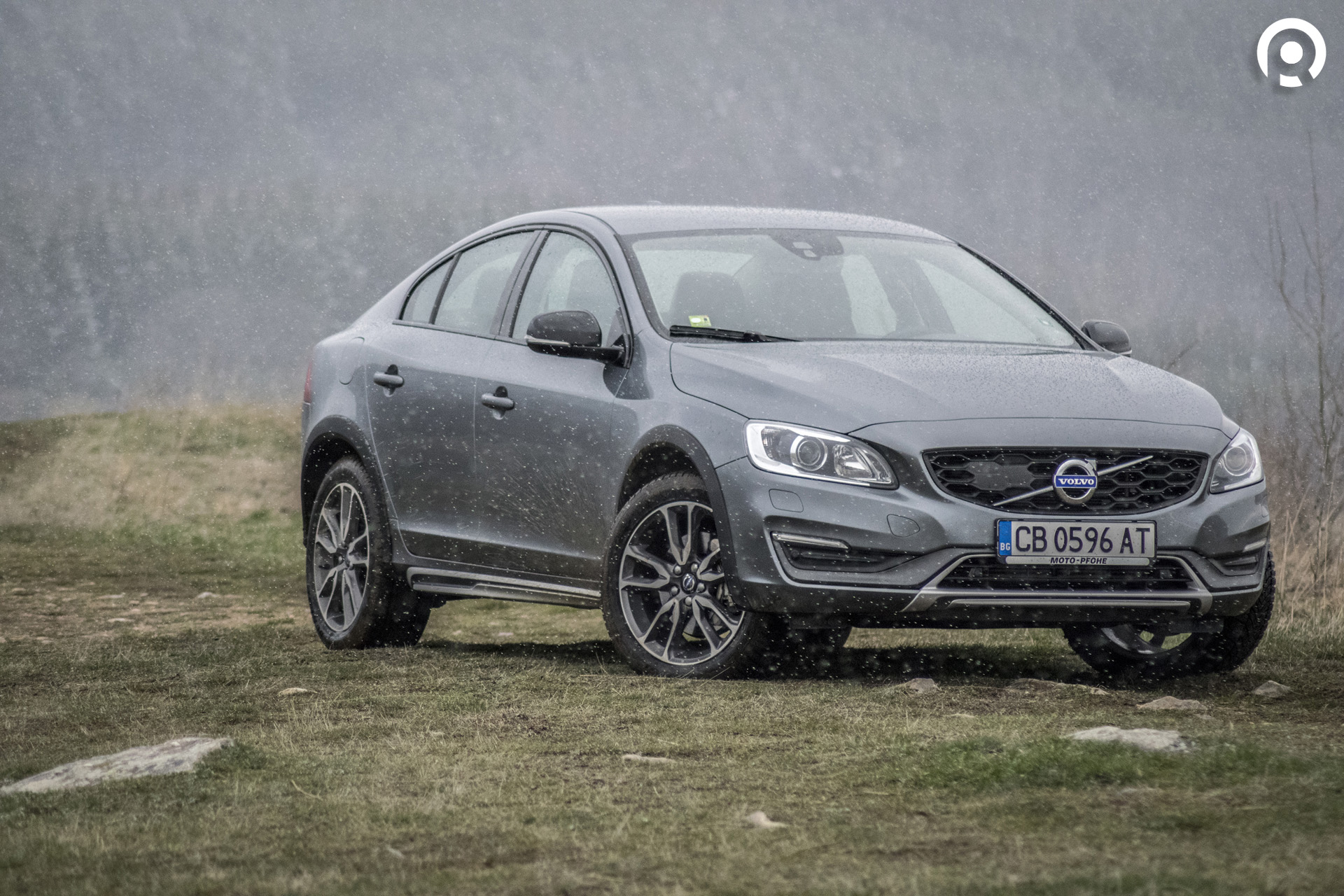
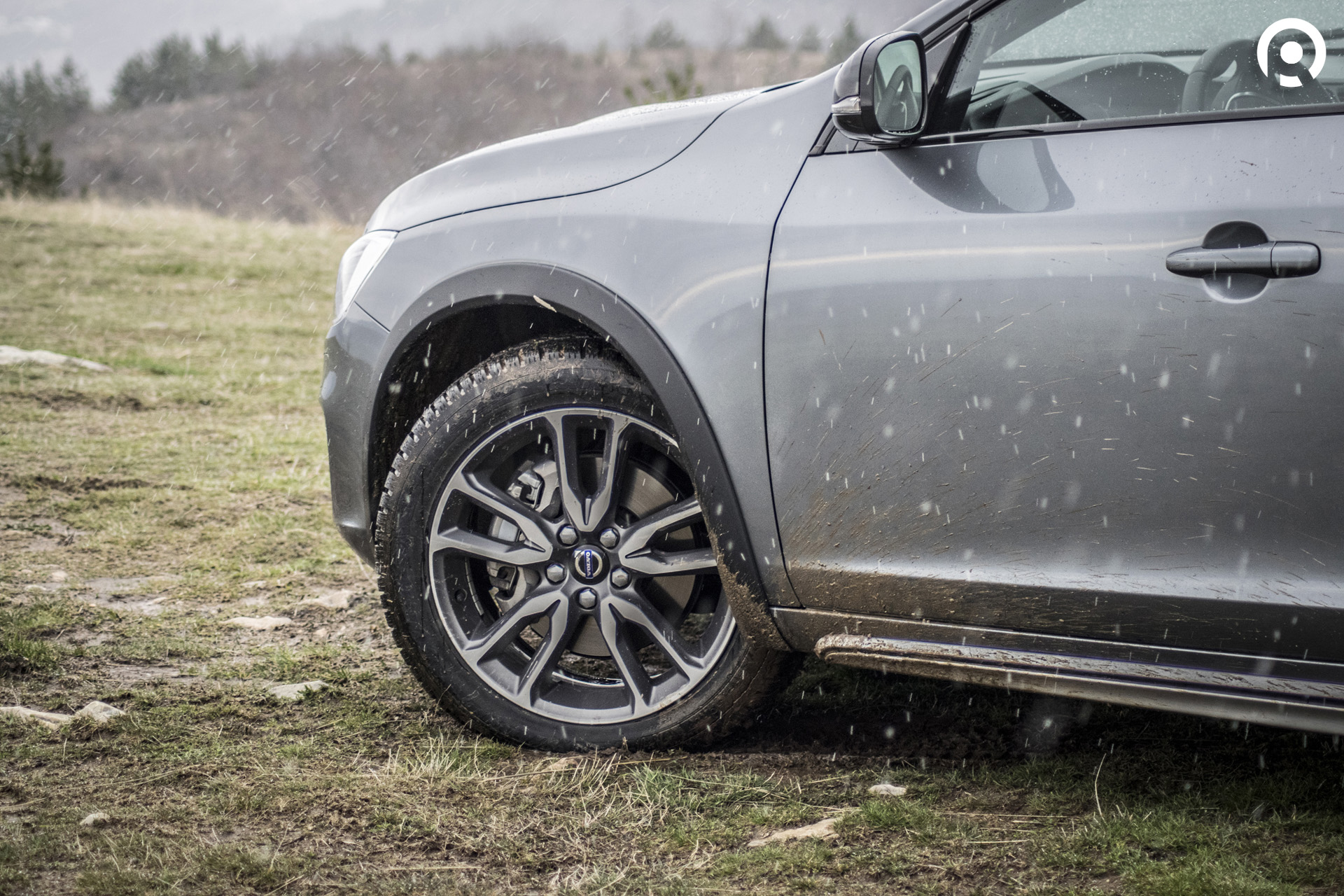
Shortly after Bistritsa, I turned right and drove straight into the mud.
The generous ground clearance allows completely effortless driving on dirt roads and even slightly beyond them. The all-wheel-drive system is obviously not designed for serious off-roading, but despite that I experienced absolutely no difficulties. The terrain was wet, muddy and grassy, yet I easily climbed to the top of the hill just after leaving Bistritsa.
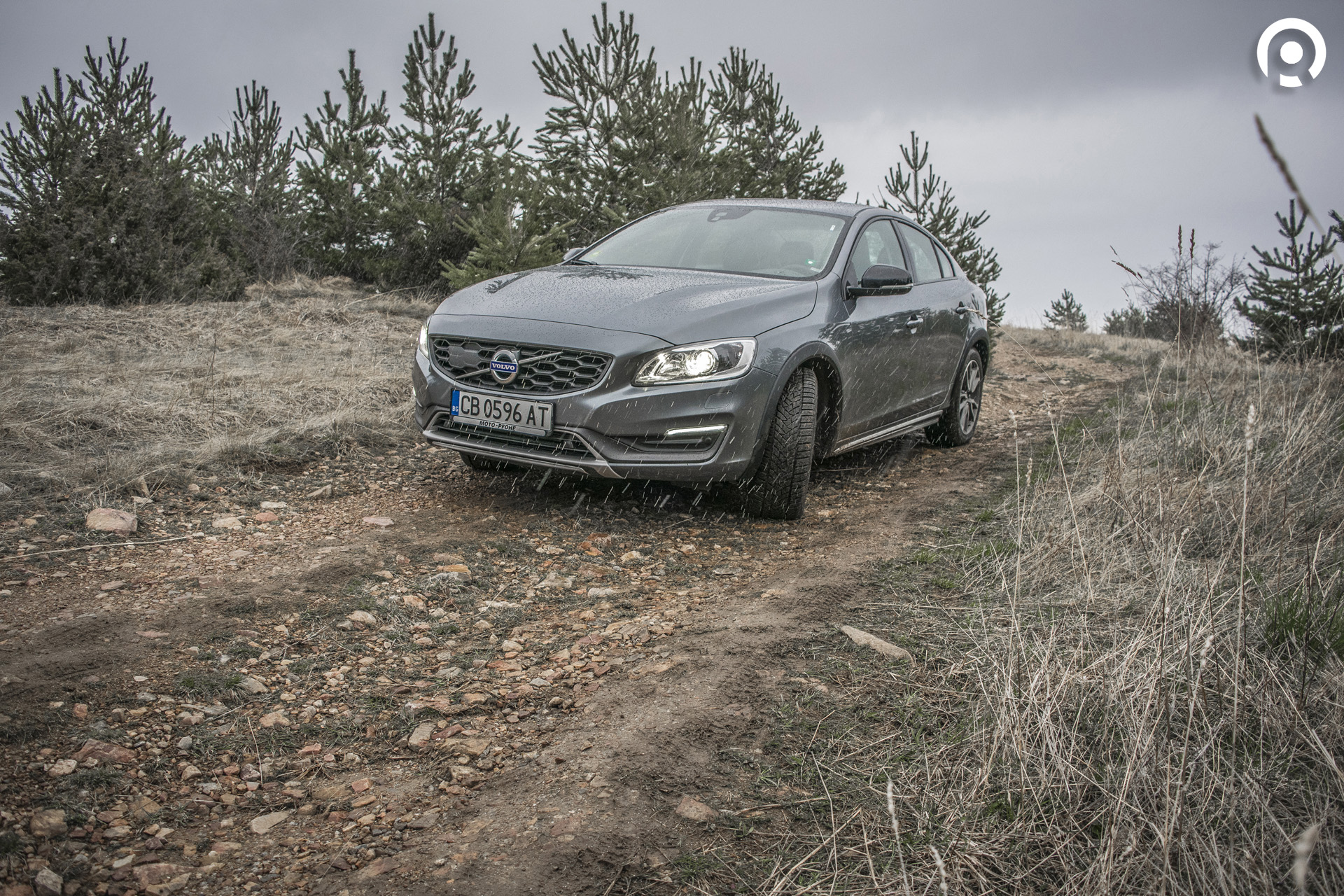
Honestly, the car’s performance away from asphalt was very impressive and actually proves that such a vehicle could easily replace many modest SUVs sitting in people’s garages.
The car also features hill descent control, which I tested on the way down the hill and which handled the slightly rocky terrain flawlessly.
After washing the tyres in a nearby stream, I returned to the road and continued driving more enthusiastically. I noticed that even at higher speeds road noise remains unobtrusive, although the engine begins to growl noticeably when worked harder. Personally, I do not mind that at all precisely because of the fifth cylinder, which guarantees a far more pleasant sound.
Through the bends after Zheleznitsa, the S60CC proved that it is not a car for sporty driving. Body roll becomes significant during aggressive cornering, but the car remains stable, the electronic stability control never interferes and the seats provide more than enough lateral support.
I suspect this type of driving would be far more uncomfortable for rear passengers, who would probably feel slightly sick from all the movement. During this section I also concluded that the engine is perfectly sufficient for the car. The S60CC does not encourage sporty driving anyway — nor is that its purpose. At the same time, performance is more than adequate for brisk progress and effortless overtaking.
As for my destination, I never actually reached Chuypetlovo because five or six kilometres before the village, the road simply disappeared into the Palakaria River.
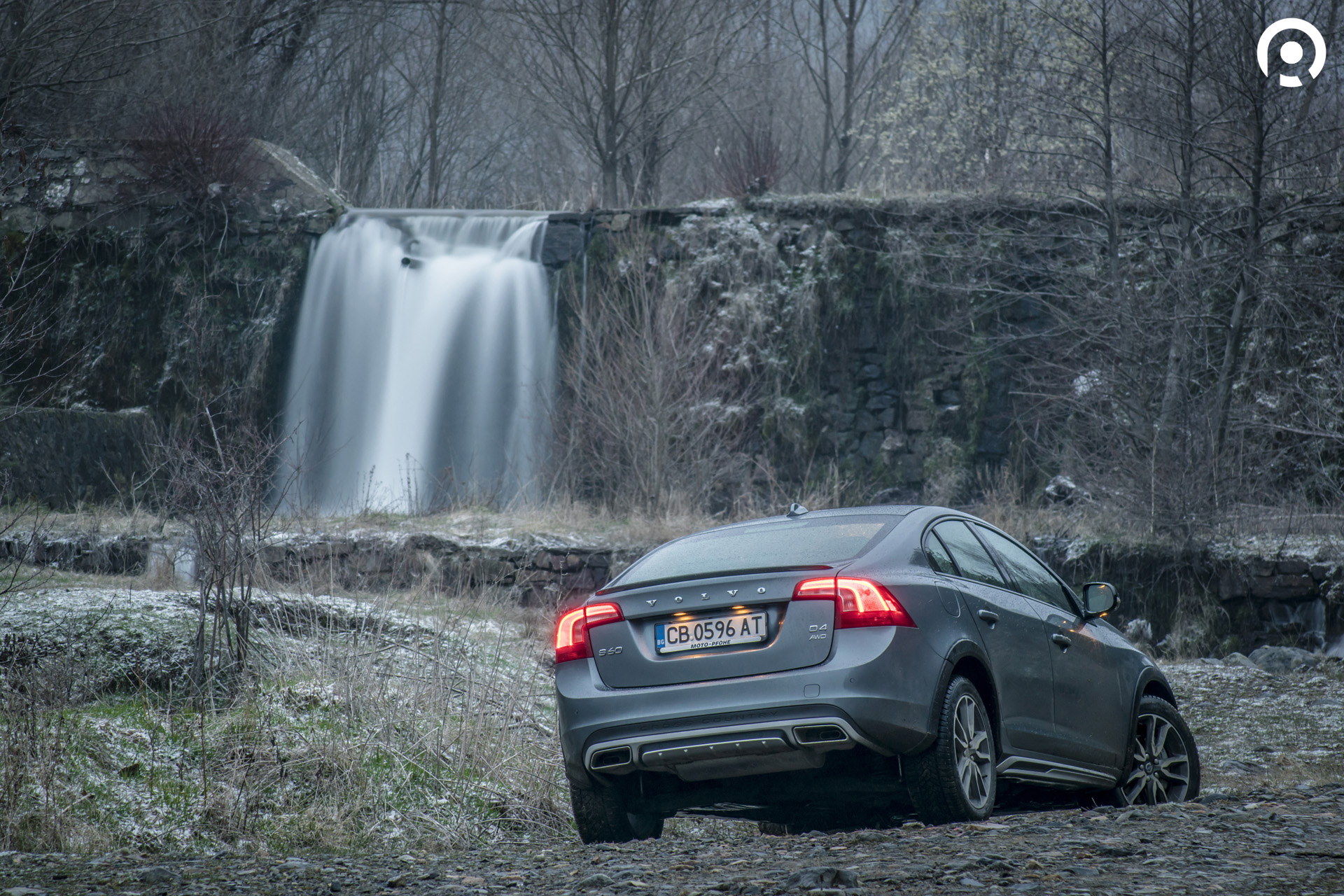
For the second stage of the test, I decided to drive to the village of Mukhovo, travelling one way via the motorway near Pazardzhik and returning mostly along forgotten secondary roads.
So I set off on the motorway at the standard 140–150 km/h pace. Once again, I confirmed that noise insulation is very good, with only the large side mirrors generating some noticeable turbulence due to their size. At these speeds acceleration and overtaking remain effortless and overall travelling is exceptionally comfortable.
Fuel consumption hovered around and above 10 l/100 km, which is obviously not economical, but considering the engine displacement, vehicle size and weight, all-wheel drive and increased ground clearance, it is hardly surprising. I should also admit that for a short moment I drove slightly faster.
The reason? I was listening to the radio discussing police efforts against speeding convoys when suddenly a Bentley Continental Flying Spur stormed past me at ridiculous speed, closely followed by what was either a Mercedes GLE or an ML. Naturally, I followed them briefly just to witness the absurd behaviour of the bodyguards in the second car, who were driving between lanes and elegantly pushing other drivers out of the way.
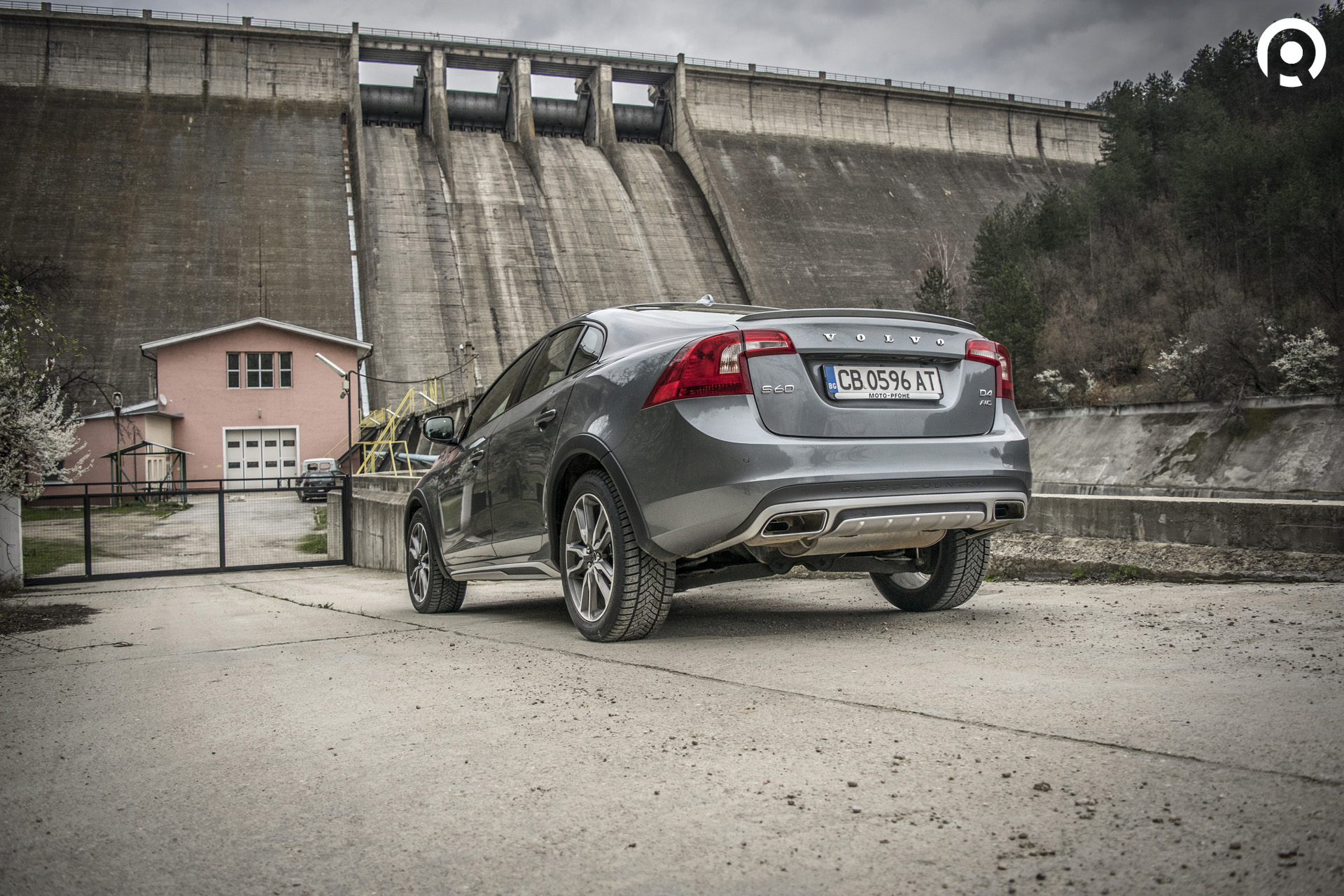
Anyway, once I left the motorway and headed towards Mukhovo, mixed driving resulted in fuel consumption of 7.7 l/100 km. The car continued impressing me with its comfort while I continued enjoying the excellent audio system — something very typical of Volvo.
Conclusion
The Volvo S60 Cross Country is not a model that will achieve the success of lifted estates and it almost certainly will not create an entirely new niche in the automotive industry.
Nevertheless, it is an exceptionally likeable car, practical enough and perfectly suited to people whose hobbies or lifestyles involve travelling to places without proper roads — or sometimes without roads at all. The car won me over with its comfort, style and of course the presence of five-cylinder engines.
Its main weaknesses are the ageing interior, relatively high fuel consumption, slightly outdated concept and reduced practicality compared to the V60 Cross Country or XC60, but as we all know, style requires sacrifices.
Prices for the S60 Cross Country start at around €39,800 with front-wheel drive or approximately €43,900 with all-wheel drive. Standard equipment is very generous, meaning that no more than around €5,100 worth of options is needed for a very well-equipped car.
I believe what you get justifies the price, but I also believe this is definitely not a car aimed at purely rational buyers. Instead, it is for people with at least a small dose of eccentricity.
Eng. Tsvetan Iliev


Comments are closed.