
Once upon a time, nearly 20 years ago, at a major auto show in Detroit, a rather special concept was unveiled.

It was called the AA Vision—and it came from Mercedes-Benz. In essence, it marked the birth of the modern SUV. From it came the M-Class, and shortly after, almost every serious car manufacturer joined the rapidly growing segment. Volvo did so in 2002.
So why am I starting a review of the new Volvo XC90 with a story about a Mercedes concept from two decades ago?
Because I genuinely don’t know where else to begin. The second-generation XC90 is such an important and defining model for Volvo that any introduction feels almost trivial. Still, a few key points explain its significance:
- This is the first model developed after Ford sold Volvo to Geely—effectively answering the question: will the Chinese ownership revive the brand or ruin it?
- It’s also the first model built on the new Scalable Product Architecture (SPA), a modular platform designed to underpin multiple models across different segments.
- And perhaps most controversially—it only comes with four-cylinder engines from the new Drive-E family. Small displacement, forced induction (turbocharging and even supercharging), modular design—essentially every modern engineering solution packed into an internal combustion engine.
- The first-generation XC90 was a huge success, staying on the market for over a decade. Not only because it was good—but also because of Ford’s struggles in the late 2000s.
Design
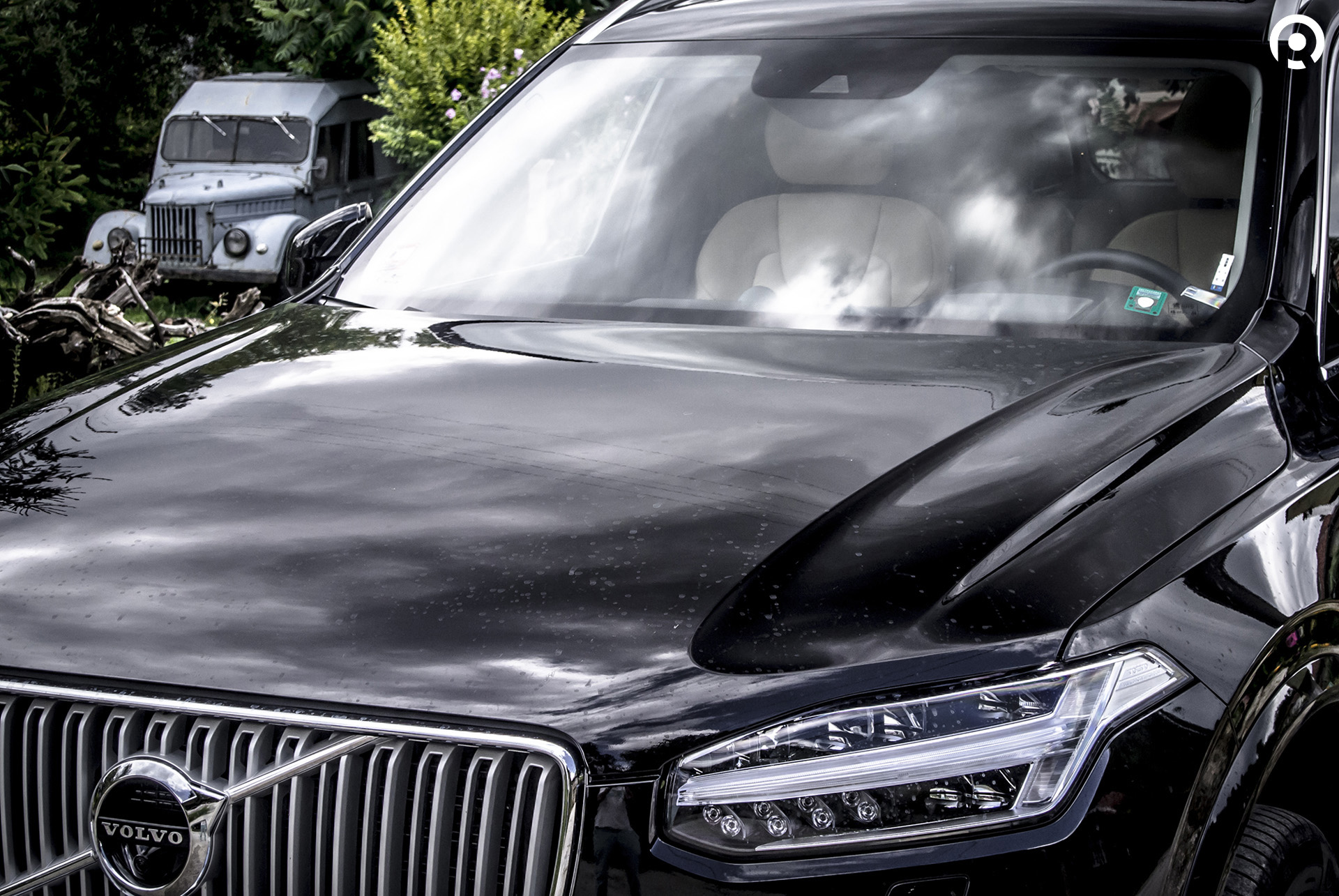
The design is the work of a team led by Thomas Ingenlath. I dare say, for a German, he has done a remarkably good job capturing Volvo’s identity.
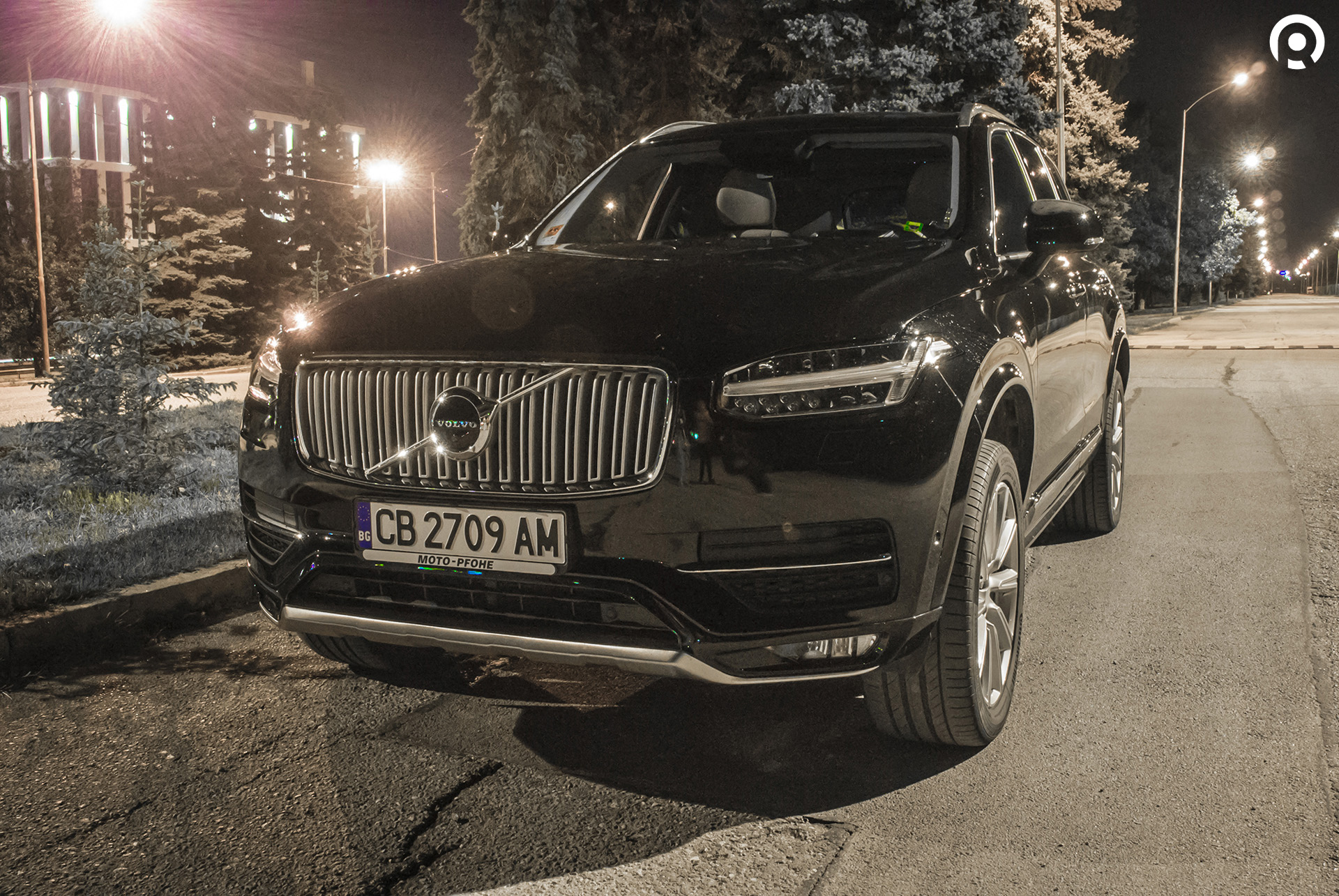
The XC90 is unmistakably a Volvo. Its design is elegant, understated and radiates calm authority. What I particularly like is that it commands respect not through aggressive lines, but through its solid and imposing presence.
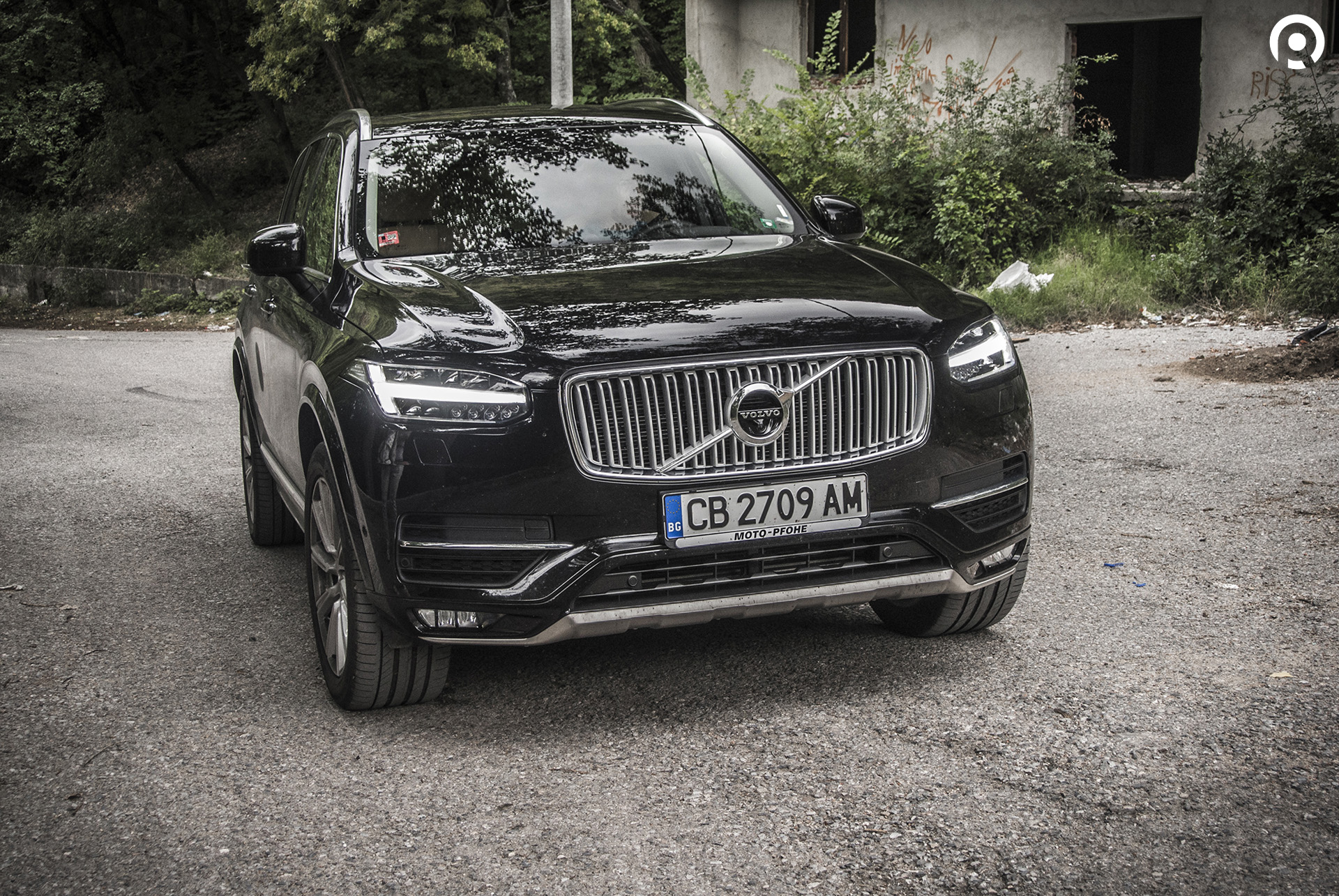
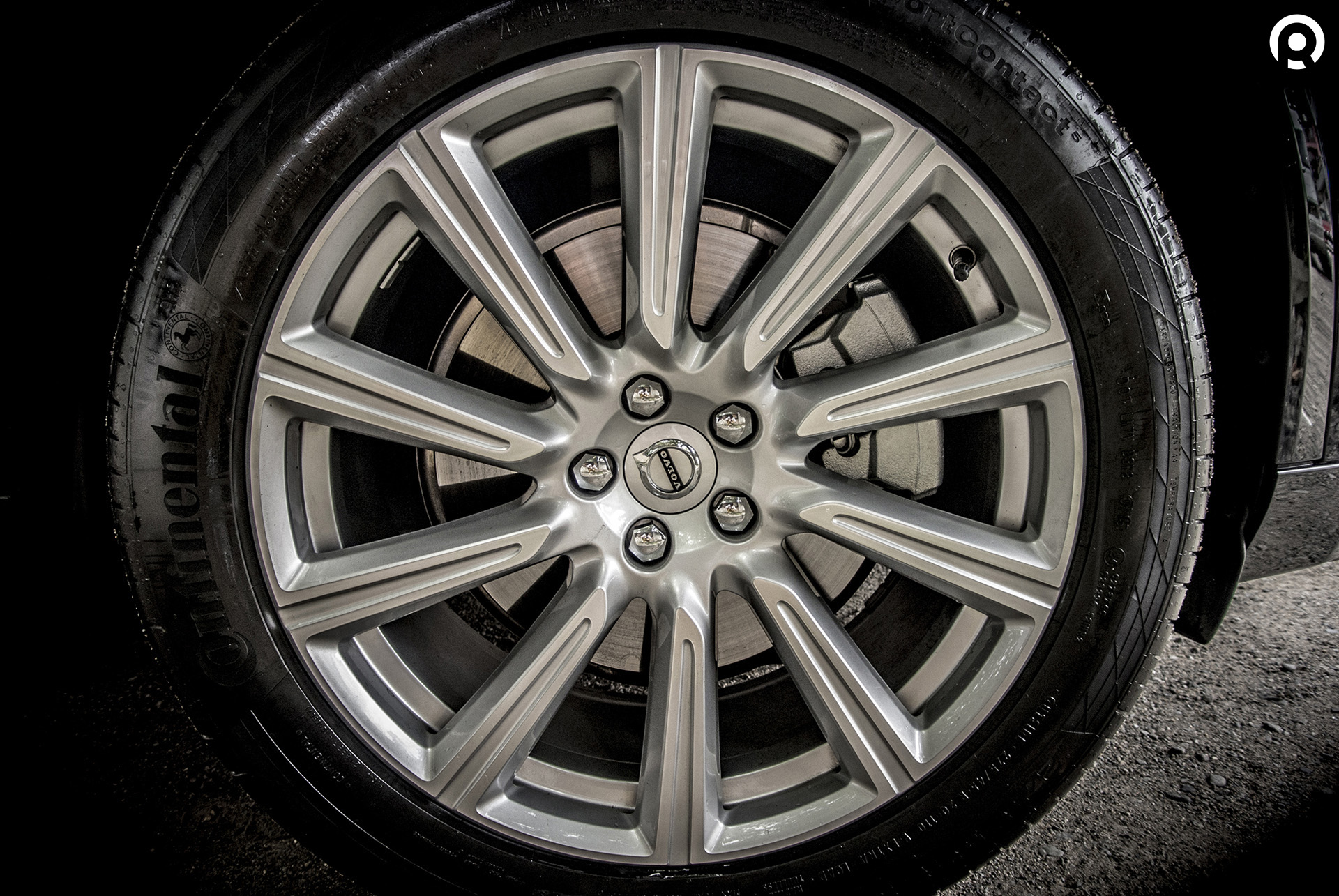
The test car was in Inscription trim, the top specification. It adds more chrome details, 20-inch wheels, and subtle visual enhancements such as a redesigned grille and rear bumper.

Interior
The interior design was led by British designer Robin Page. Even before knowing that, I could sense the influence of the British design school.
Personally, I like it.
Interestingly, while driving, I kept thinking that the dashboard somehow reminded me of the Bentley Continental GT, despite the obvious visual differences. It turns out Page previously worked at Bentley, as well as Aston Martin and Jaguar.
That aside, the interior is not typically Scandinavian in the traditional sense. It moves slightly away from the minimalist approach Volvo had embraced over the previous decade.
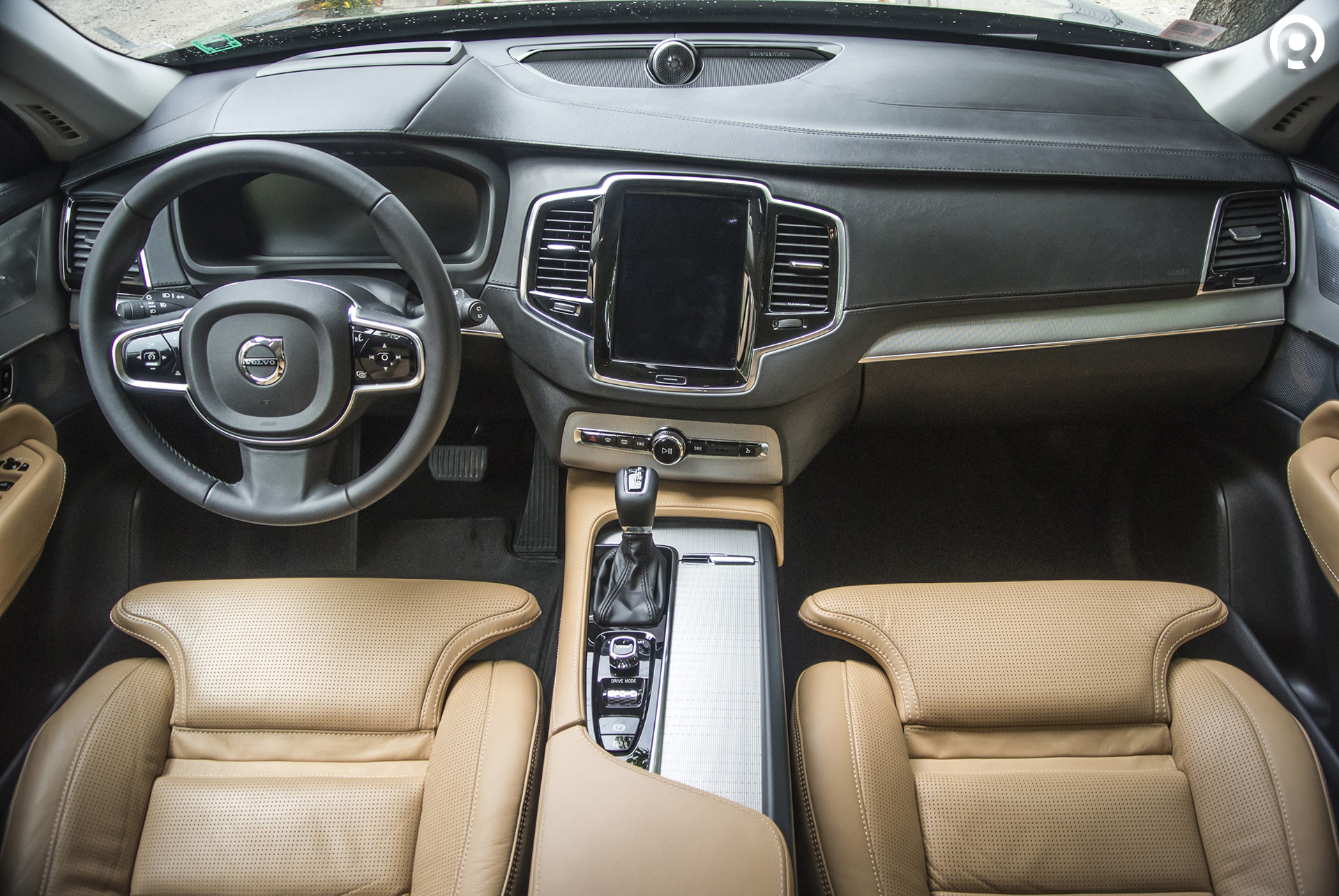
Instead, we get a form of Nordic luxury. There is plenty of leather, real metal or wood, and still a relatively clean layout. A major reason for this simplicity is the drastic reduction of physical buttons, thanks to the new Sensus system. Its 9-inch touchscreen controls almost everything, including climate, seat heating and ventilation, infotainment, and vehicle settings.
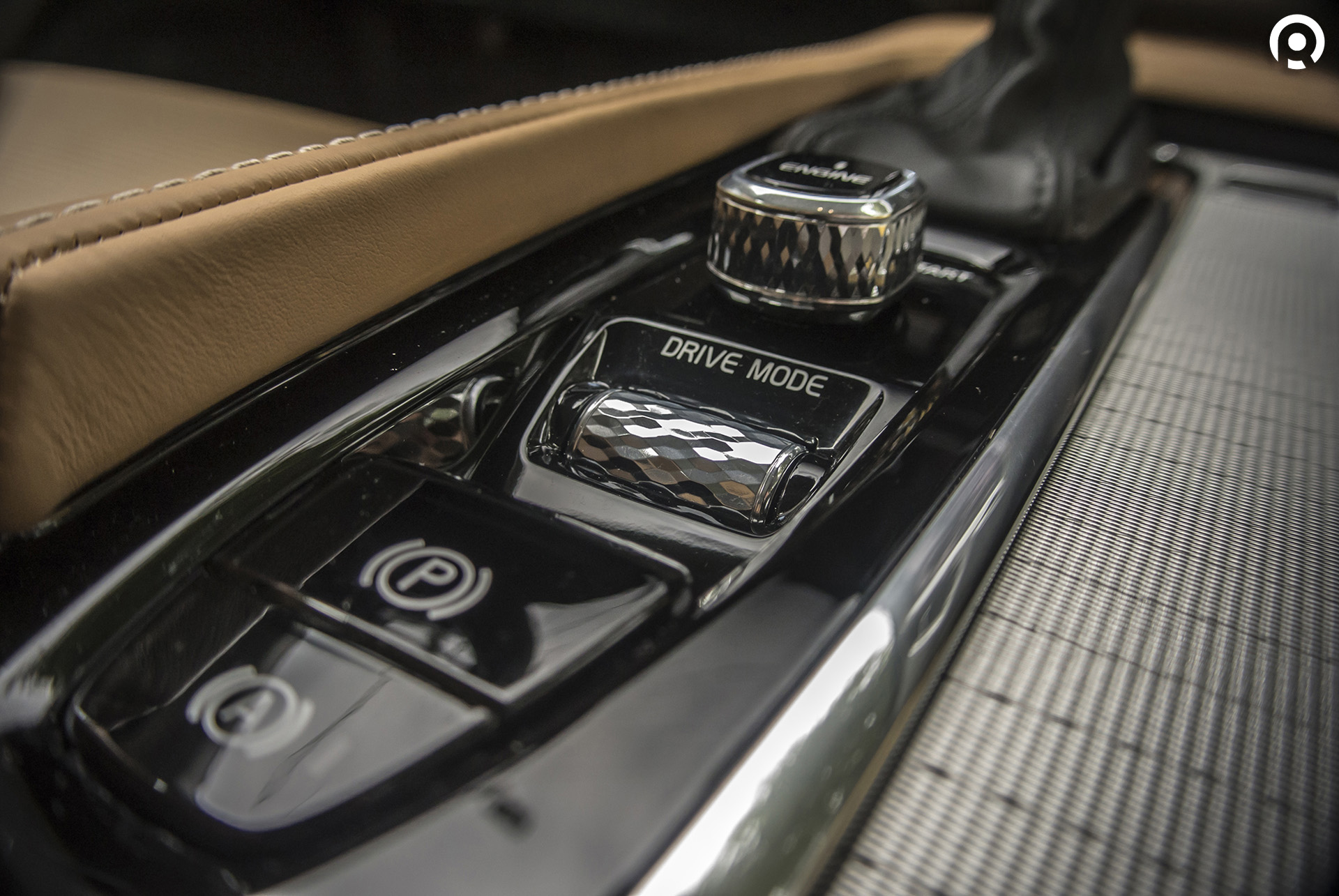
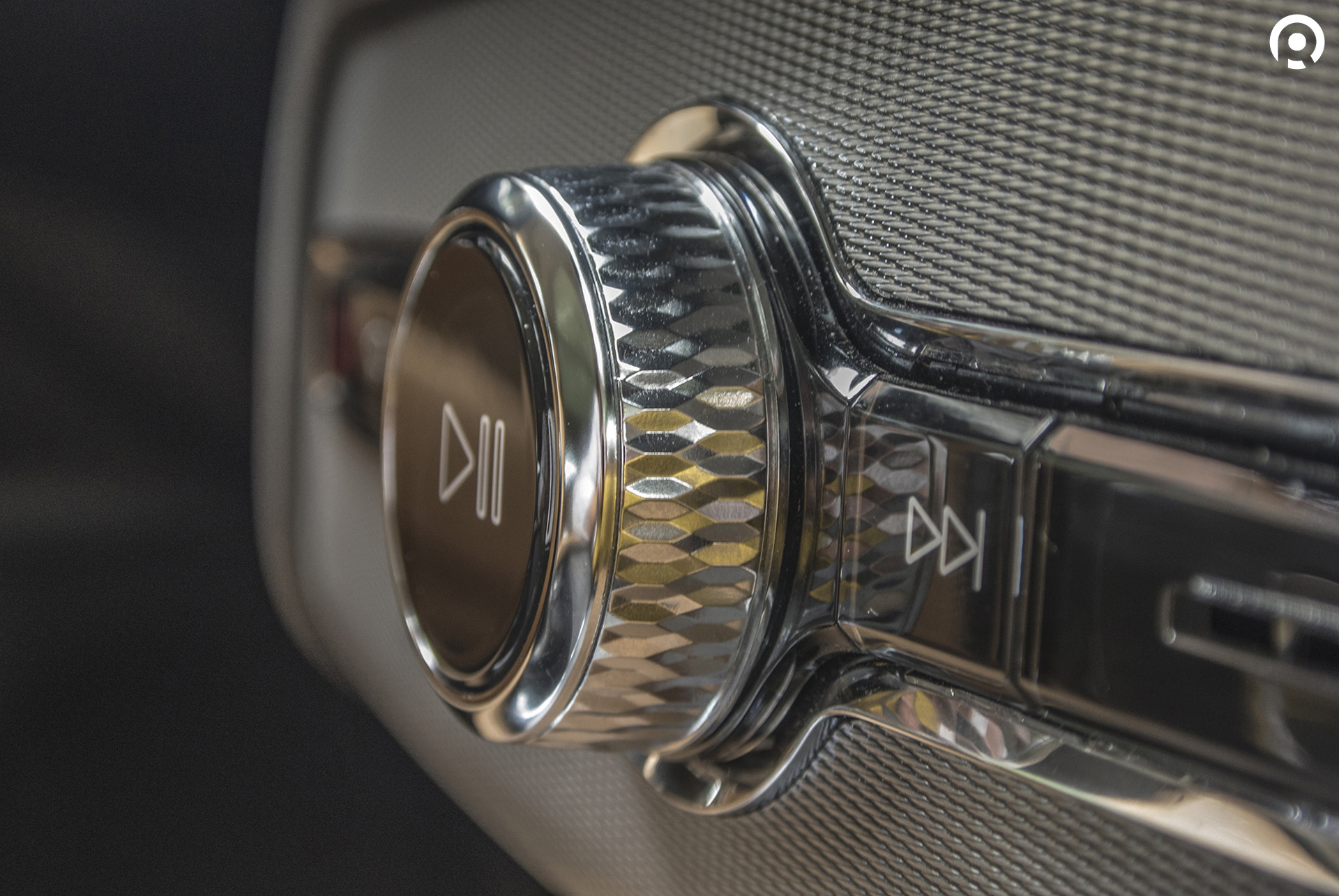

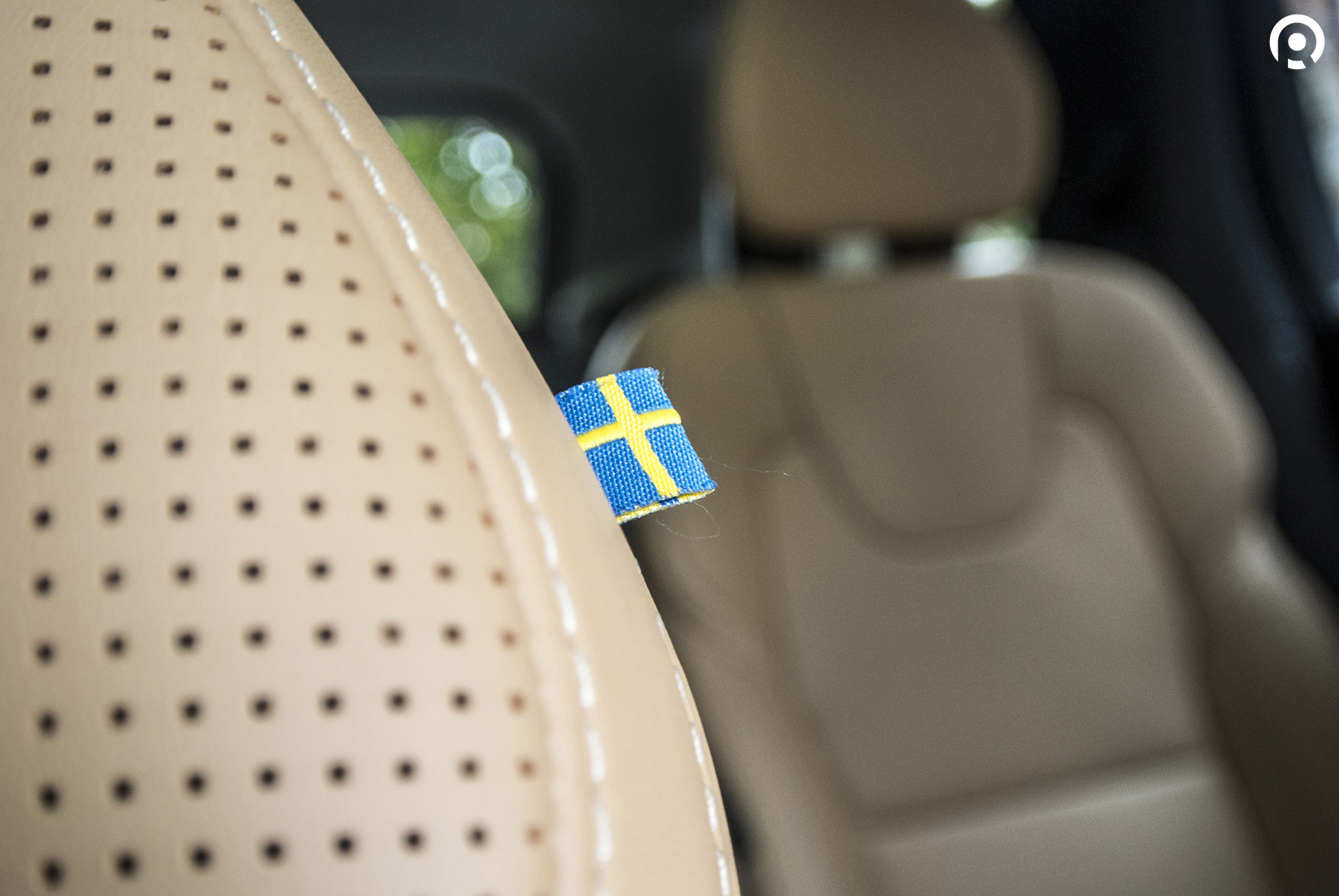
Space is generous. There are large door pockets, practical storage areas, and plenty of room throughout. As expected from Volvo, the seats are exceptionally comfortable, and in this case, the optional luxury seats offer even more adjustment.
The second row finally gets a proper central armrest, adjustable backrests for each seat, and sliding functionality. Rear space is more than sufficient, and thanks to the panoramic roof, wide seats and sun blinds, it is a genuinely pleasant place to travel.
On the Road
Let’s move on to the core of the experience, starting with the engine.
It is a 2.0-litre four-cylinder diesel producing 225 hp and 470 Nm of torque. Personally, I have always been a fan of Volvo’s five-cylinder engines, so this shift to four cylinders is not something I celebrate.
And yes, you can hear it. There is a characteristic diesel clatter. Fortunately, the cabin is well insulated, so the noise is heavily subdued. Once you are moving and other sounds come into play, the engine becomes barely noticeable, which is a good thing. At higher revs, however, the clatter returns.
On the plus side, the engine is flexible and works well with the eight-speed automatic gearbox. Officially, 0 to 100 km/h takes 7.8 seconds, which sounds impressive. I did not quite achieve that figure, likely due to a rev limiter cutting in at 4,500 rpm.
Fuel consumption was around 7.5 l per 100 km. That is about 15 percent better than the previous D5 engine, but roughly 25 percent higher than the official 5.8 l per 100 km. Not bad, but slightly disappointing.
Where the XC90 makes a huge leap forward is in its road behaviour. Volvo’s largest model is finally enjoyable to drive. The steering is direct and clearly neutral. In sudden manoeuvres, the ESP intervenes assertively, but always appropriately, maintaining stability.
The test car featured optional air suspension. Even without trying the standard setup, I would say it is worth it. In Comfort mode, it is well judged for everyday use. It filters out imperfections to a degree, though some still come through. Body roll is controlled, and at higher speeds the car remains stable even over uneven surfaces.
Comfort mode encourages relaxed driving, very much in line with Volvo’s philosophy.

Eco mode lowers the ride height, reduces energy consumption and, frankly, makes everything rather dull.
Dynamic mode sharpens things up. The suspension becomes firmer, steering more responsive, and throttle reactions quicker. On mountain roads near Elena, the XC90 occasionally felt more like a large grand tourer than a family SUV. It does not have the power for a full GT experience, but the T8 version might change that.
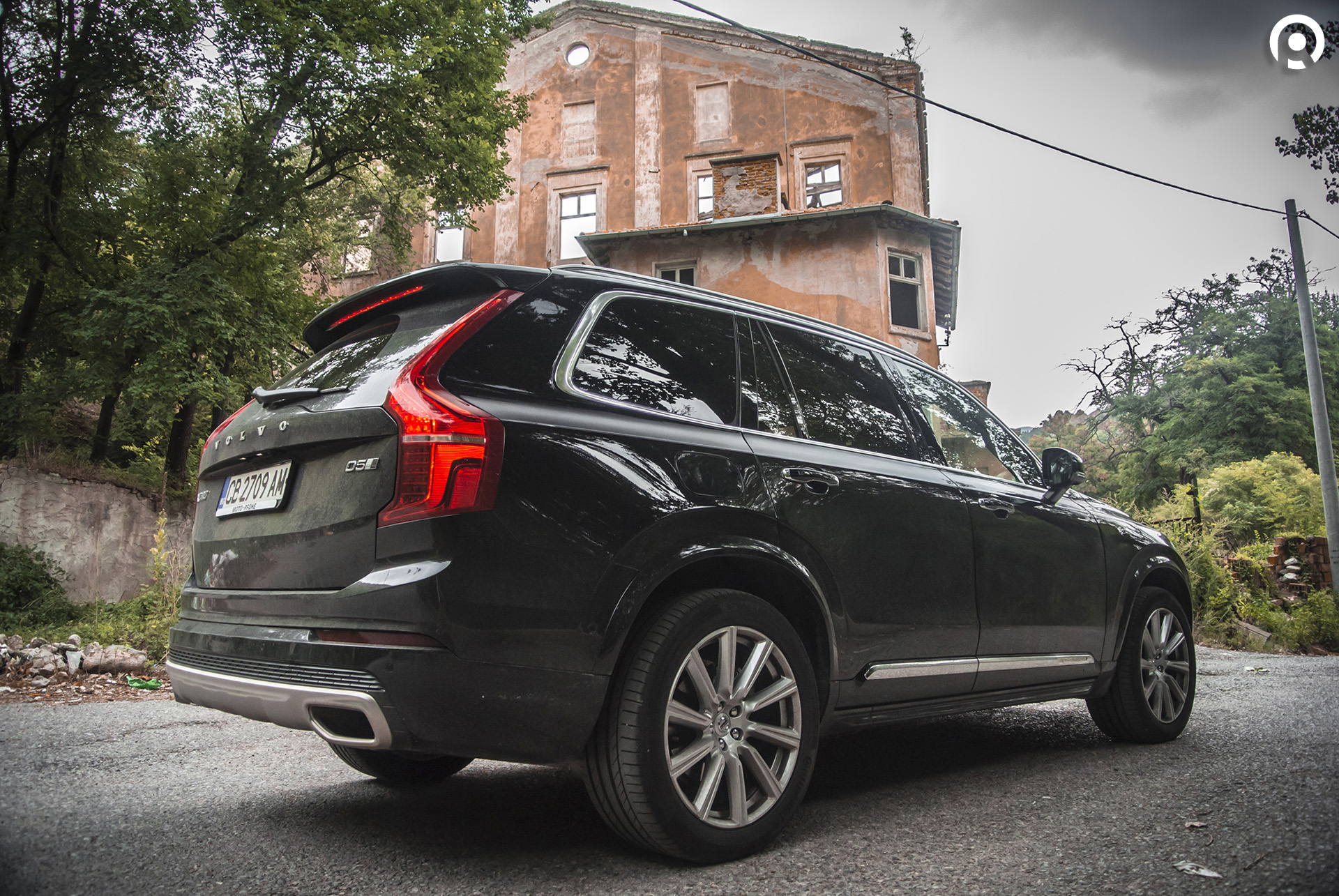
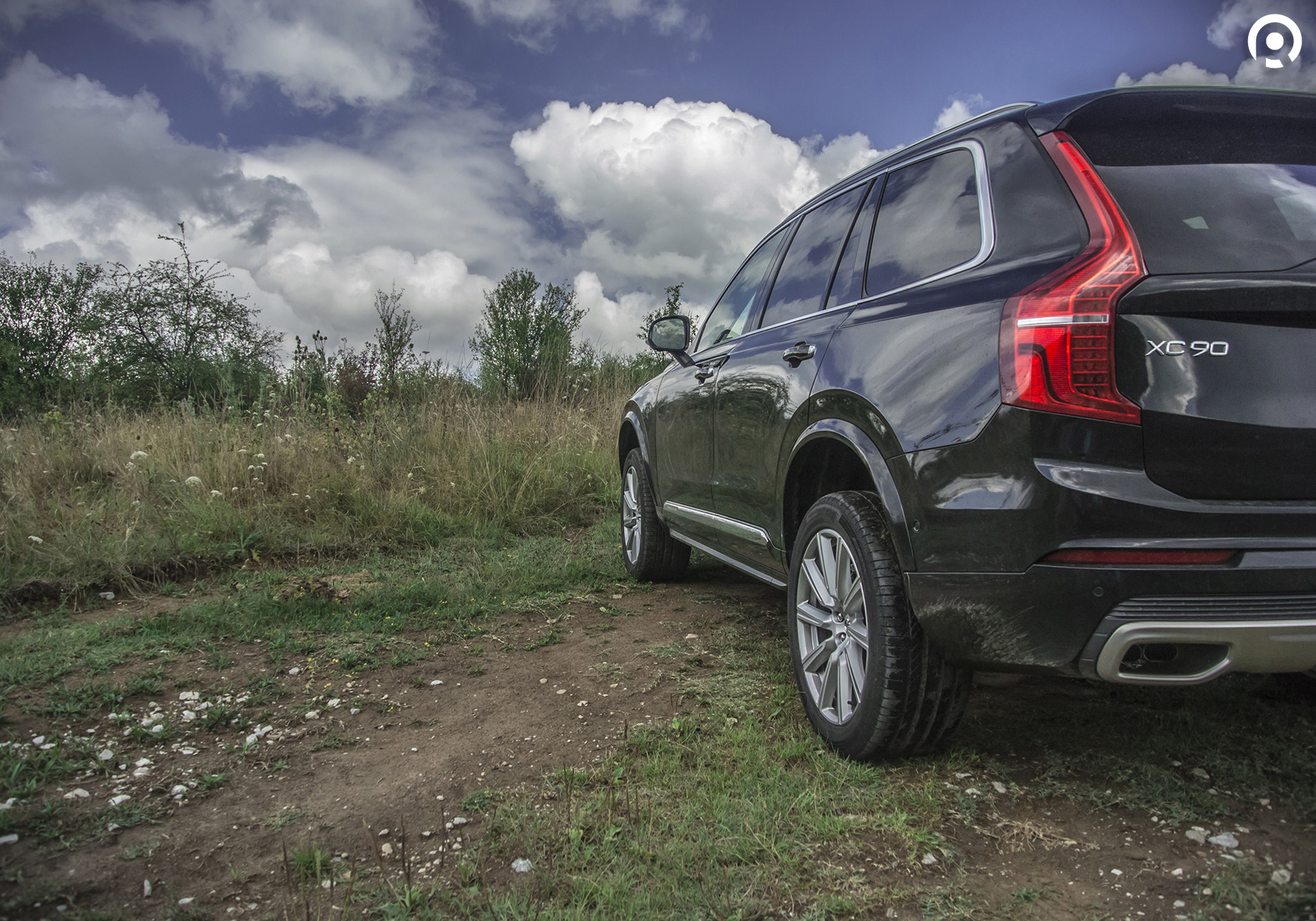
Off-Road mode increases ground clearance noticeably compared to the previous generation. It is sufficient for light off-road use. I did manage to get the car spinning its wheels on a grassy hill, but conditions were not ideal and the tyres were not suited for such terrain. The all-wheel-drive system itself is not particularly impressive.
Overall, the XC90 is composed and comfortable on the road. Aerodynamic noise is well controlled, and optional laminated windows can reduce it further. There is slightly more road noise than I would like, possibly due to the large 275/45 R20 tyres on the test car.
Conclusion
The wait for the second-generation XC90 was absolutely worth it. Concerns about Volvo’s Chinese ownership turned out to be unnecessary.
This is an excellent car. It is impressive, well built and thoroughly modern, even if it has a few minor shortcomings.
Prices for the top Inscription trim start at around €66,000, while the test car featured approximately €15,000 worth of options. Even so, it feels more expensive than it actually is.
The XC90 is a highly versatile vehicle, comfortable in all conditions and on all types of roads.
The only remaining question is long-term reliability. Based on build quality, Volvo’s supplier standards and attention to detail, I am inclined to be optimistic. And with Volvo offering a five-year unlimited mileage warranty in Bulgaria, there is additional peace of mind.
Eng. Tsvetan Iliev


Comments are closed.