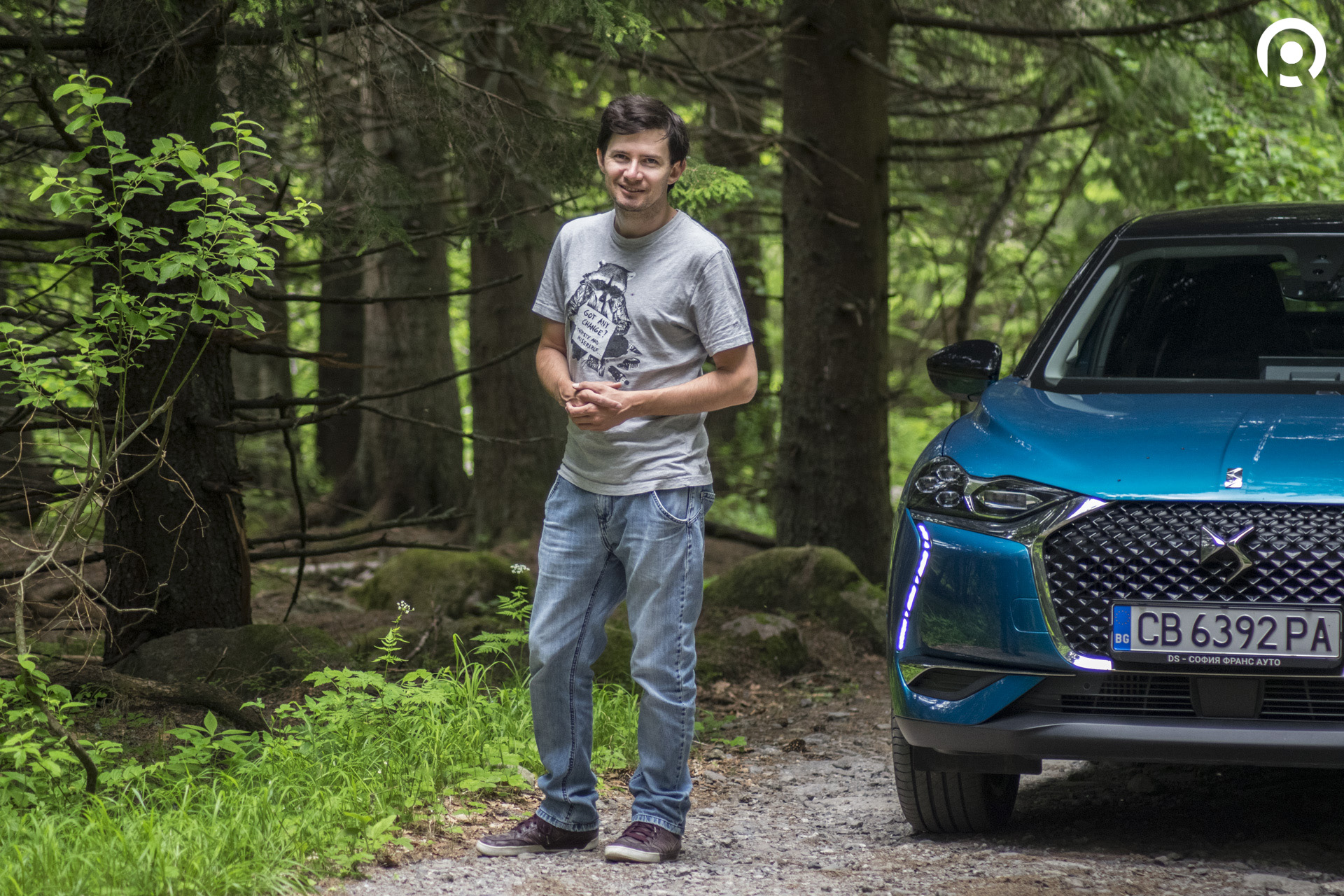
The Ugly Duckling… or the Citroën 2CV. A model once mocked, later turned into a legend, produced for 42 years. That’s the association that comes to mind when I look at the DS 3 Crossback.
Yes, the concept is completely different, but times have changed. Unlike post-war Europe, where affordability was key, today’s customers have very different priorities.
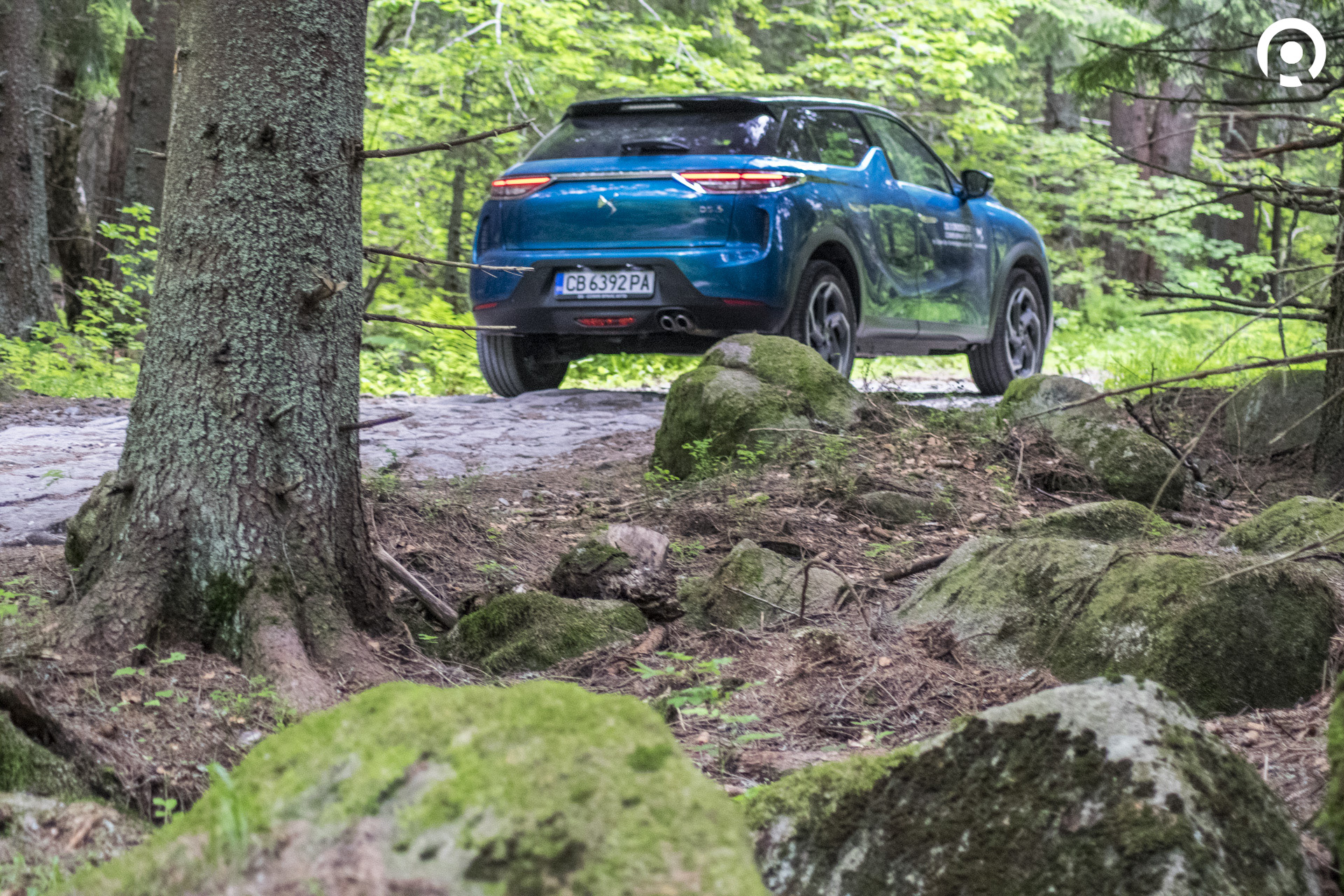
So the question is – does the DS 3 Crossback have what it takes to become a “swan” for PSA?
Design
Looking at the DS 3 Crossback, I can’t help but think of Oscar Wilde and his famous quote about fashion being a form of ugliness we must change every six months.
Okay, the car isn’t that ugly—but it definitely feels like high fashion: strange, provocative, and hard to imagine in everyday use.
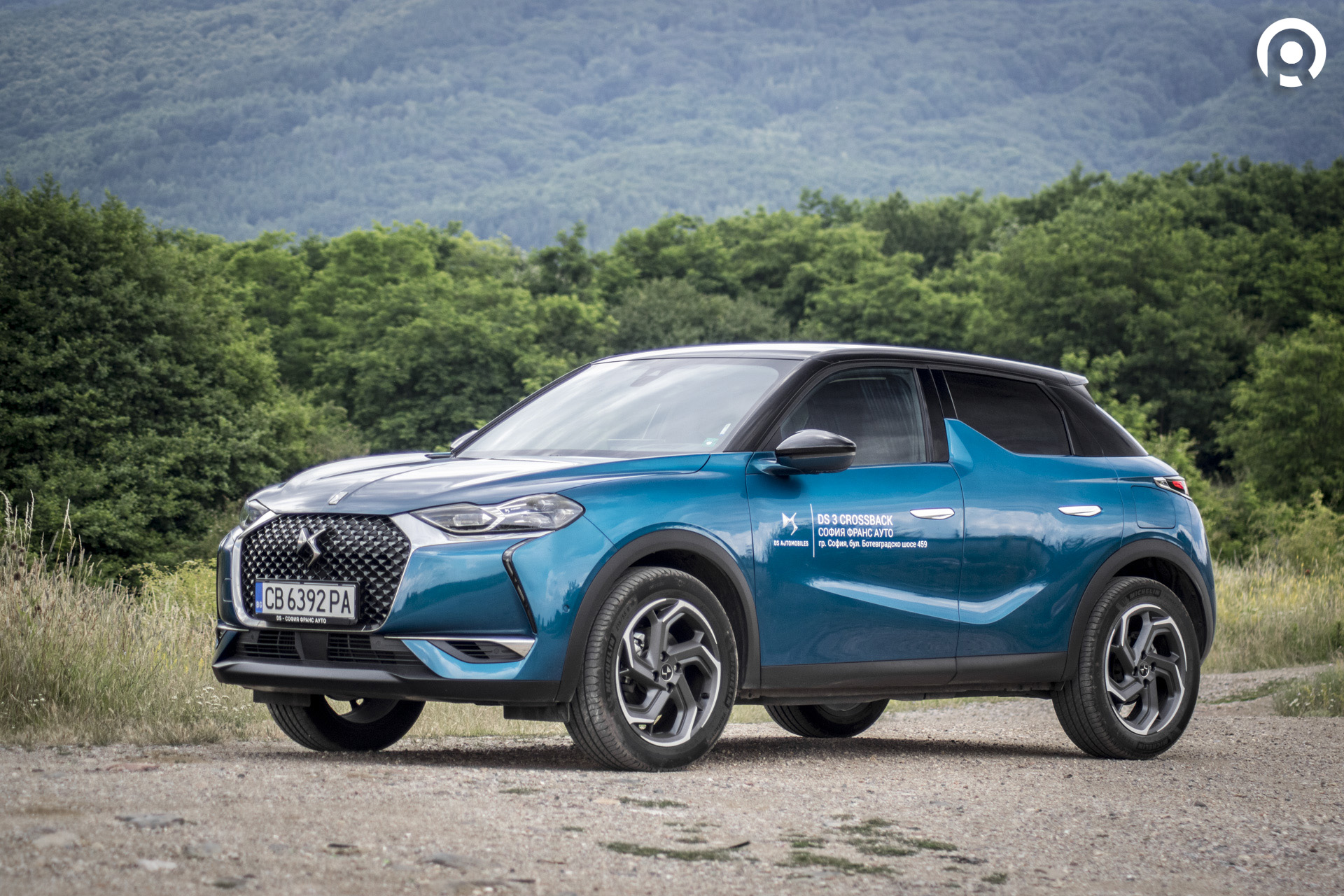
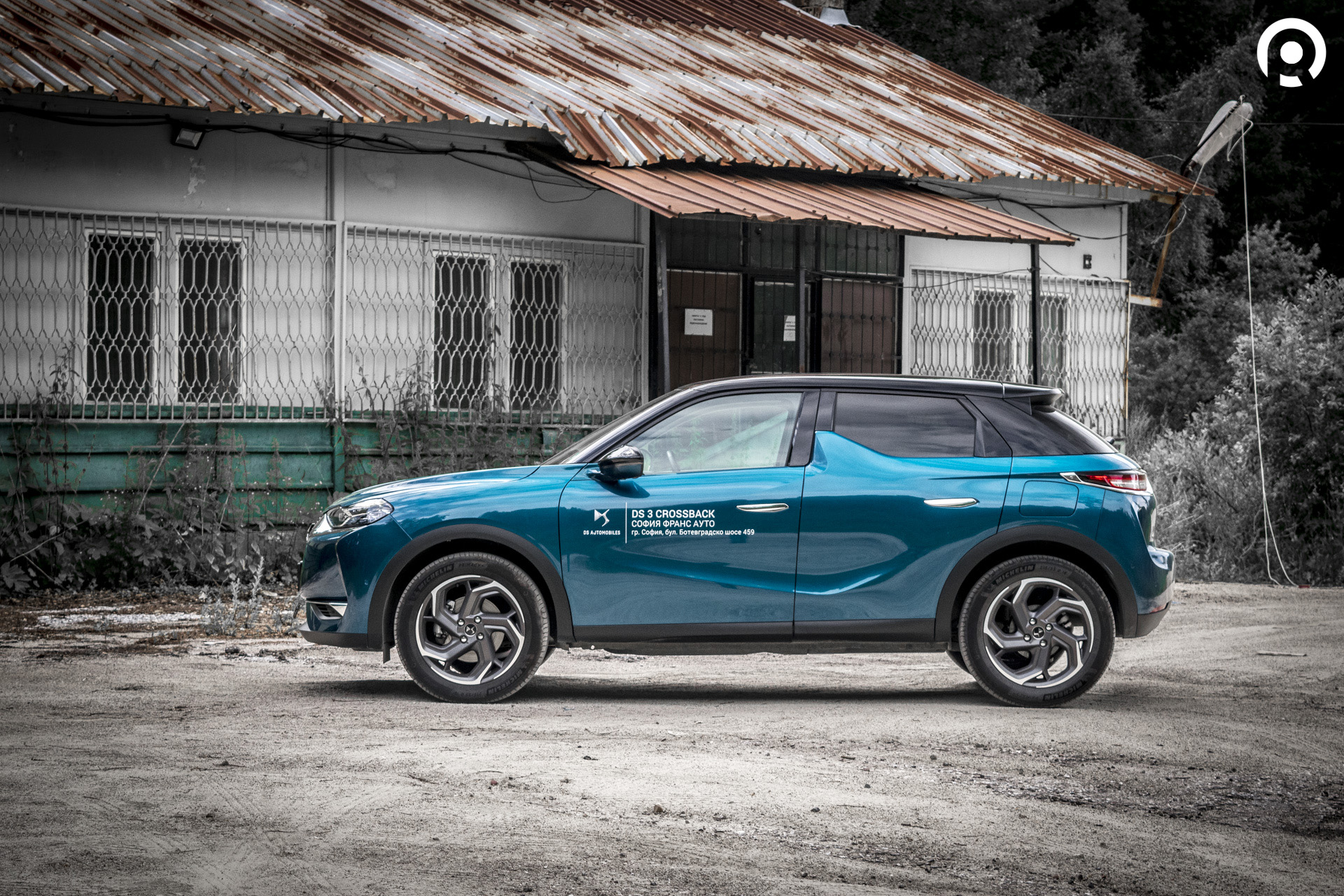
The concept itself is spot-on—a compact urban crossover, exactly what the market demands. The proportions are successful: large wheels, short overhangs, and 17 cm of ground clearance give it a muscular stance.
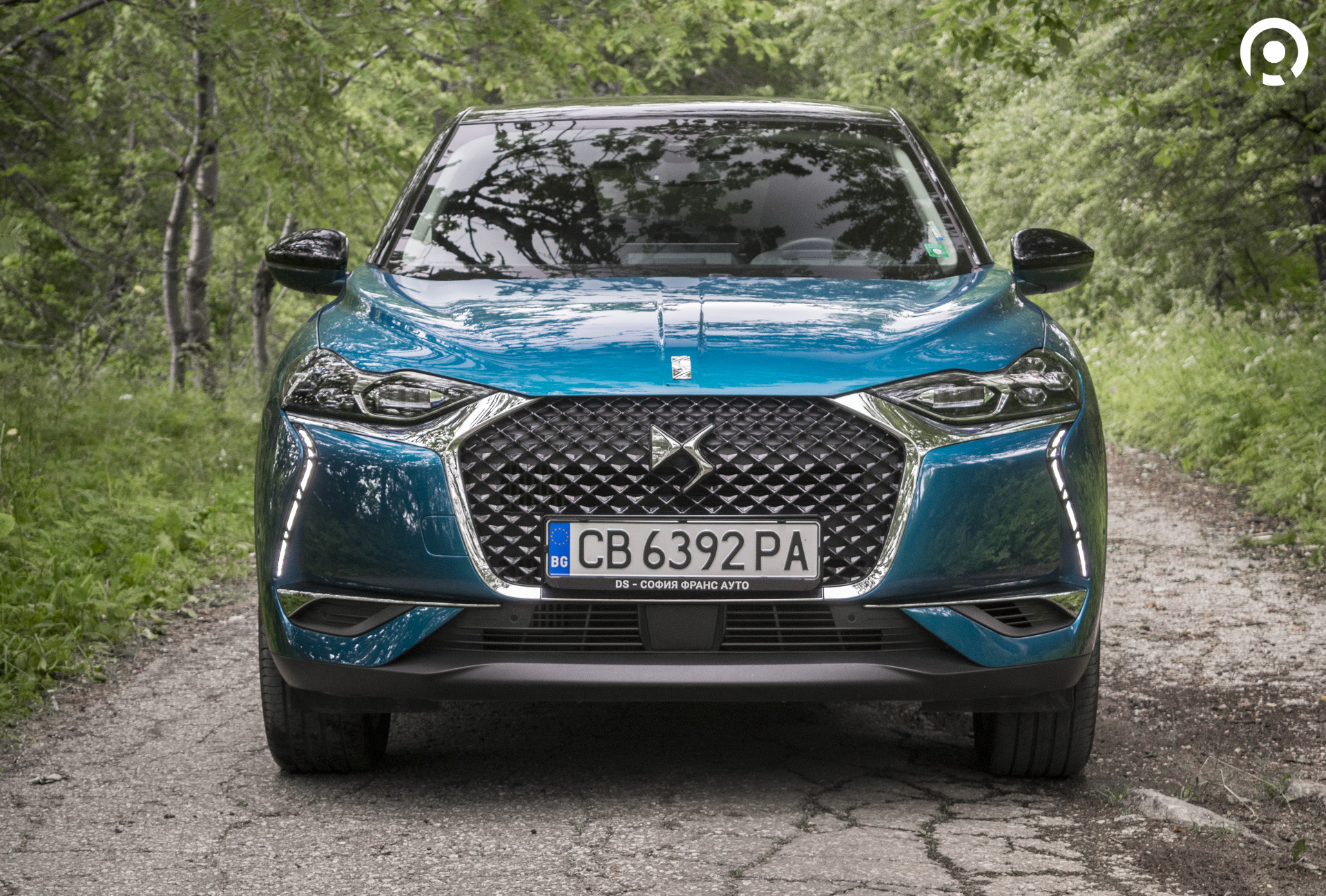
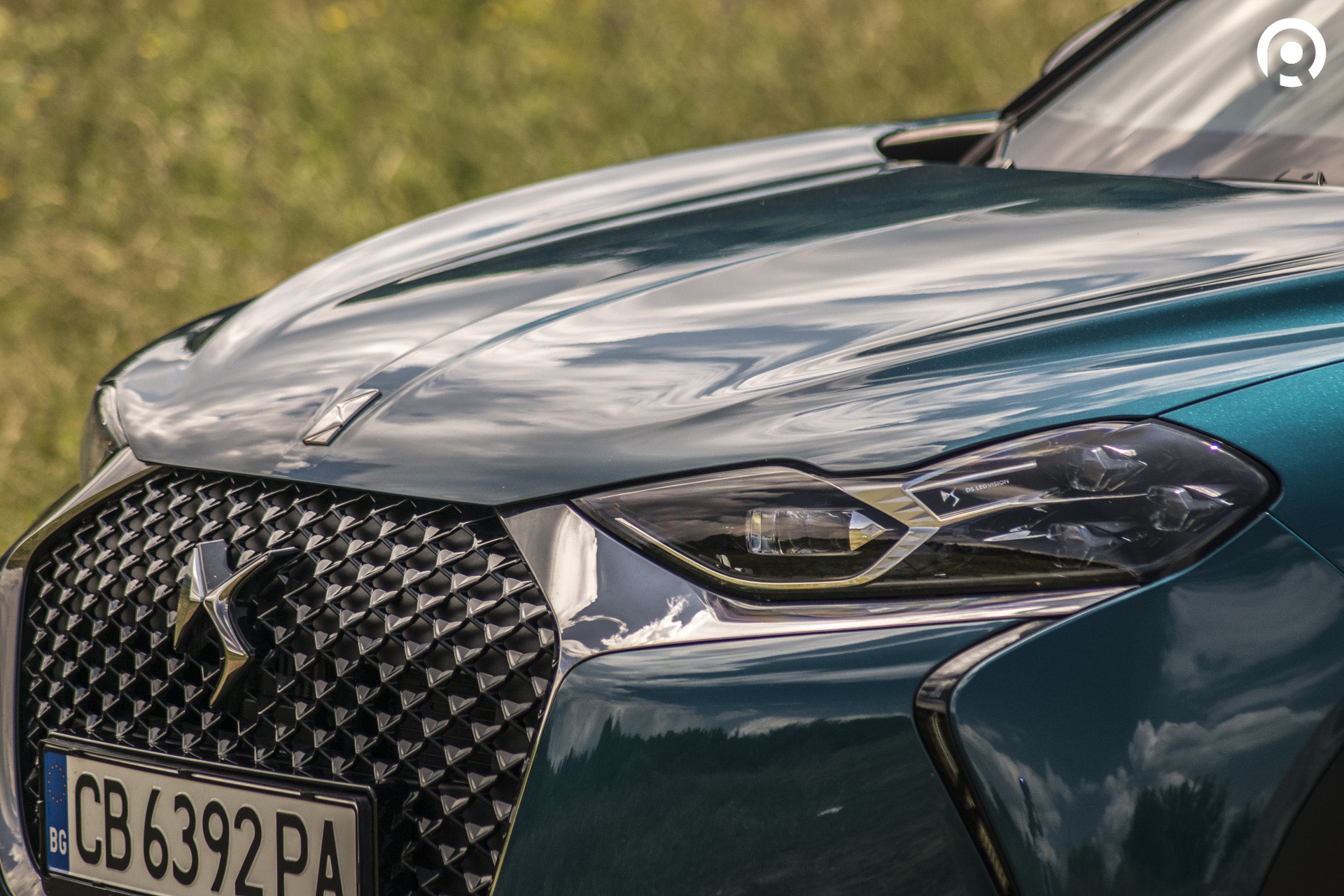
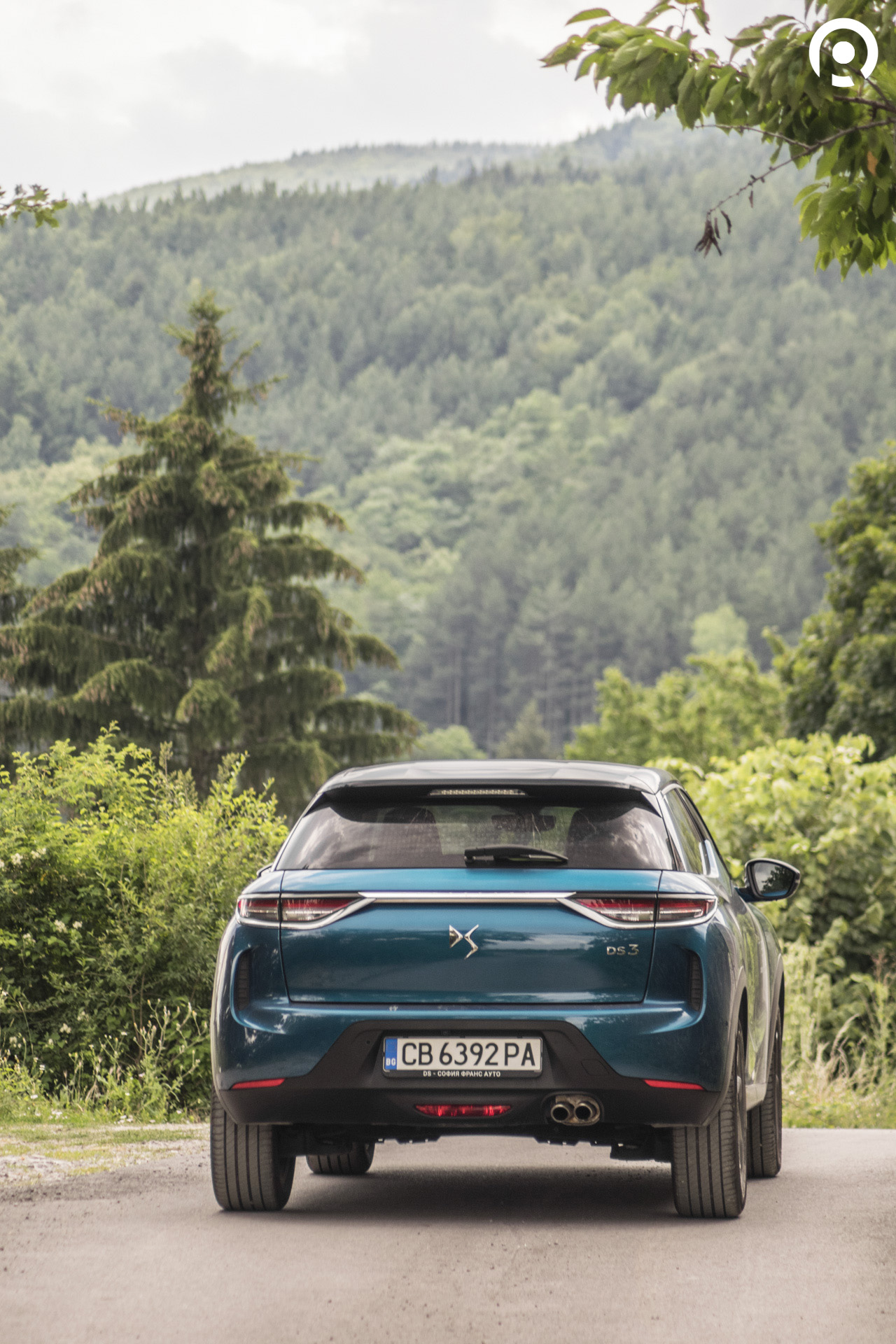
From my perspective, there are two main issues.
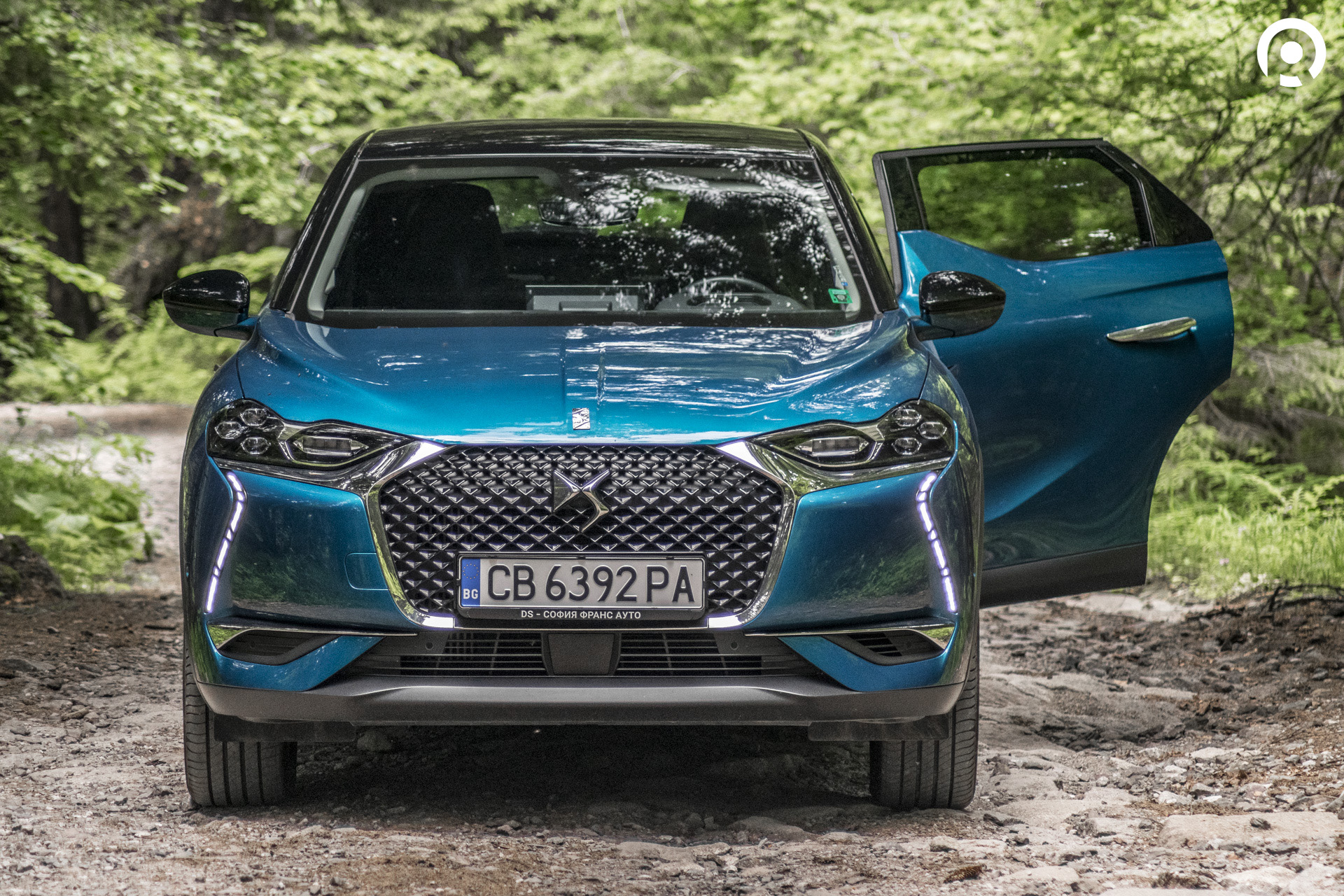
First, the front design. The headlights have a peculiar shape that reminds me of an insect. The chrome-heavy grille leans toward an “Eastern” aesthetic, and the daytime running lights feel overly complex.
Second, there’s the Peugeot 2008—a close technical relative with a far more appealing design.
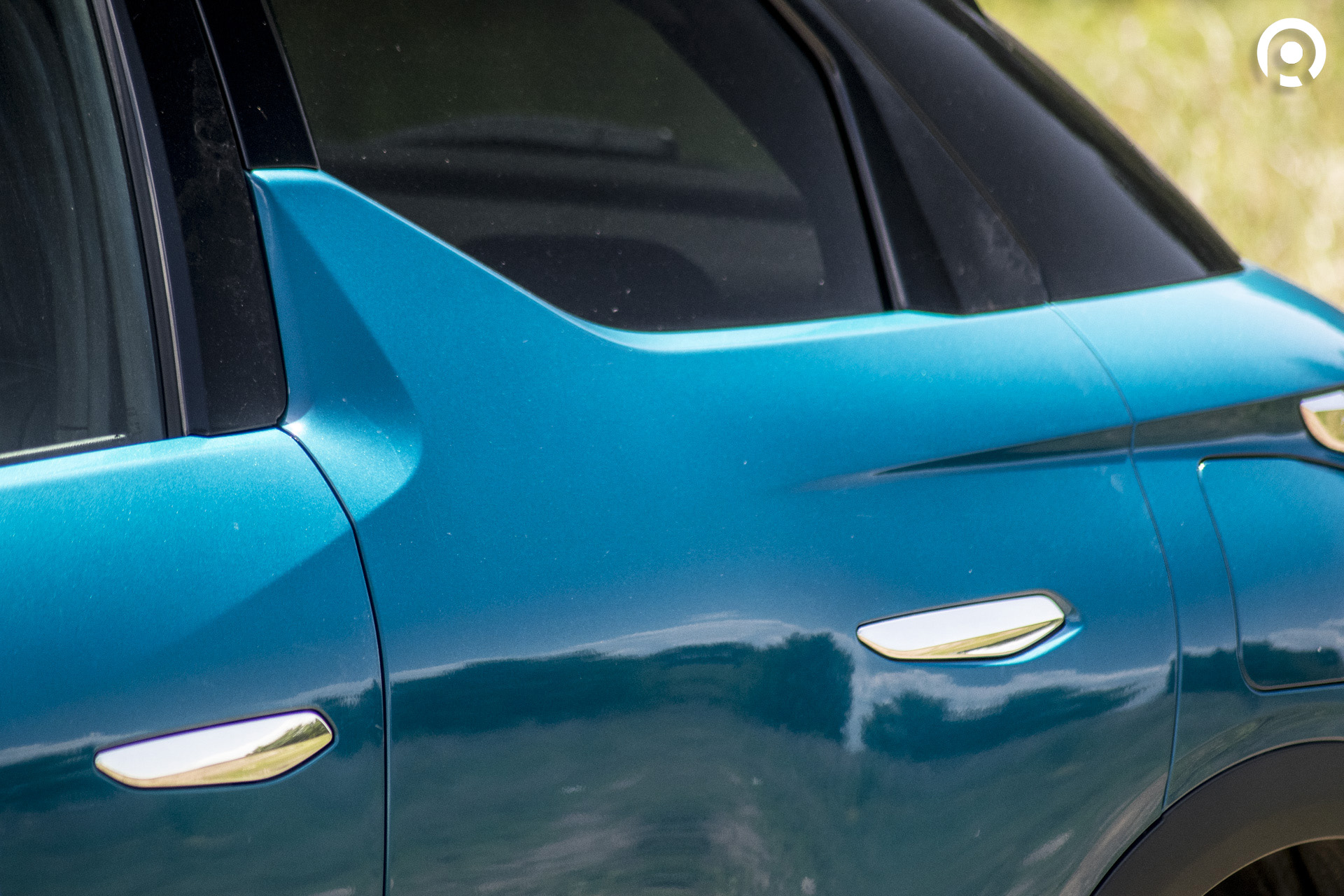
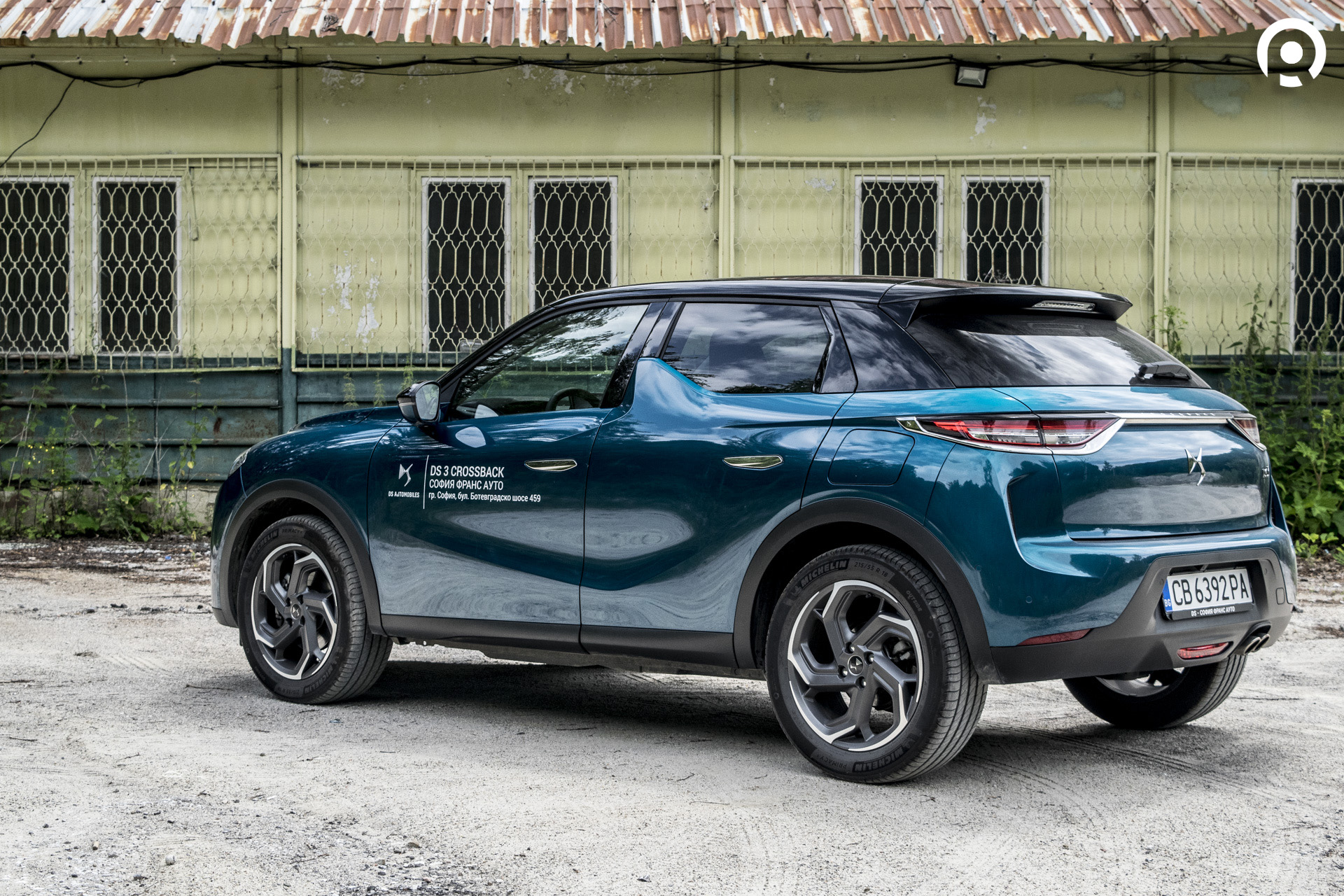
Still, the DS has some genuinely clever touches. The flush, pop-out door handles are both stylish and functional, and the “fin” elements on the rear doors create a distinctive profile.
Customization is also a strong point, with nine body colours and three roof options available.
Interior
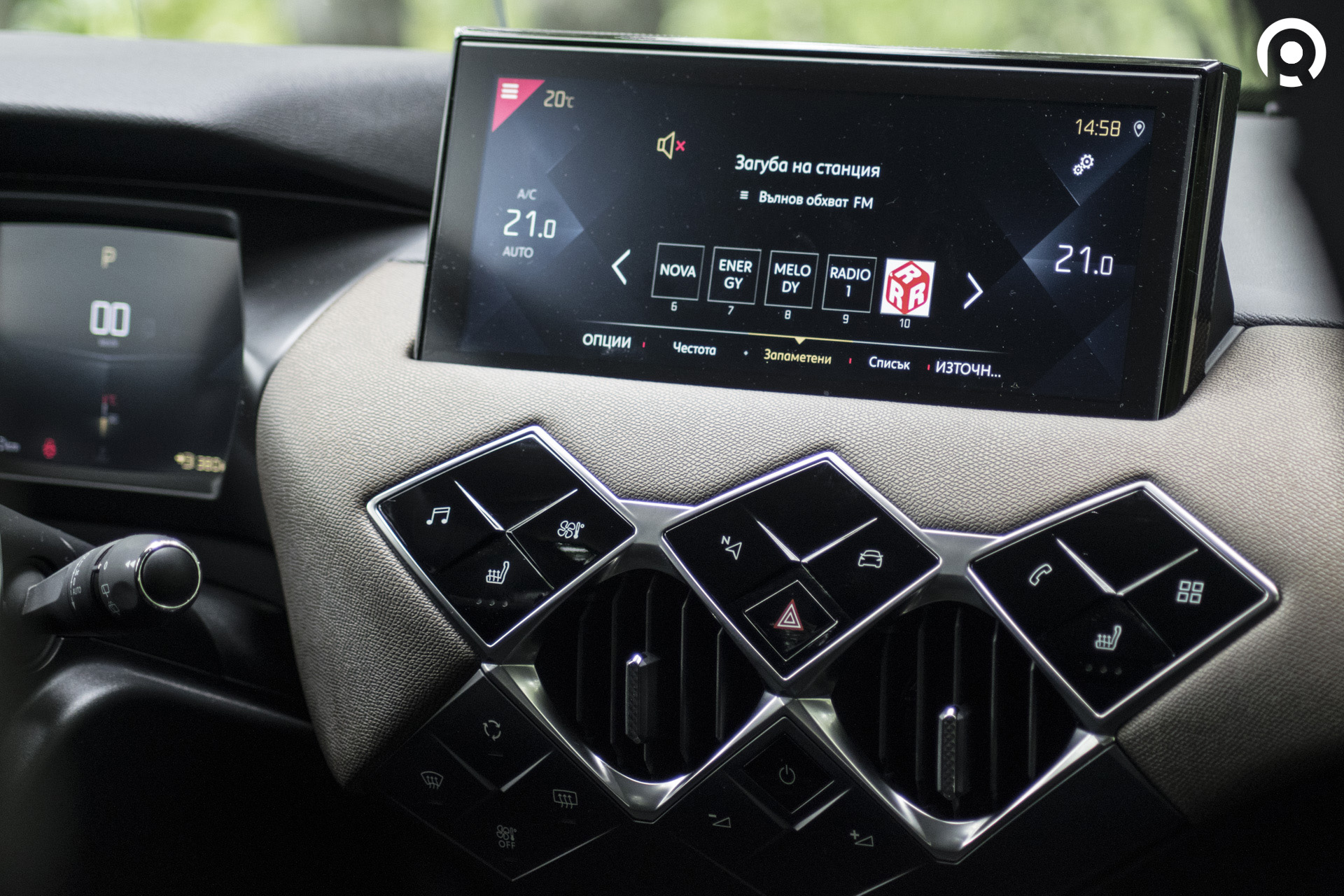
If the exterior is high fashion, the interior is a geometry textbook.
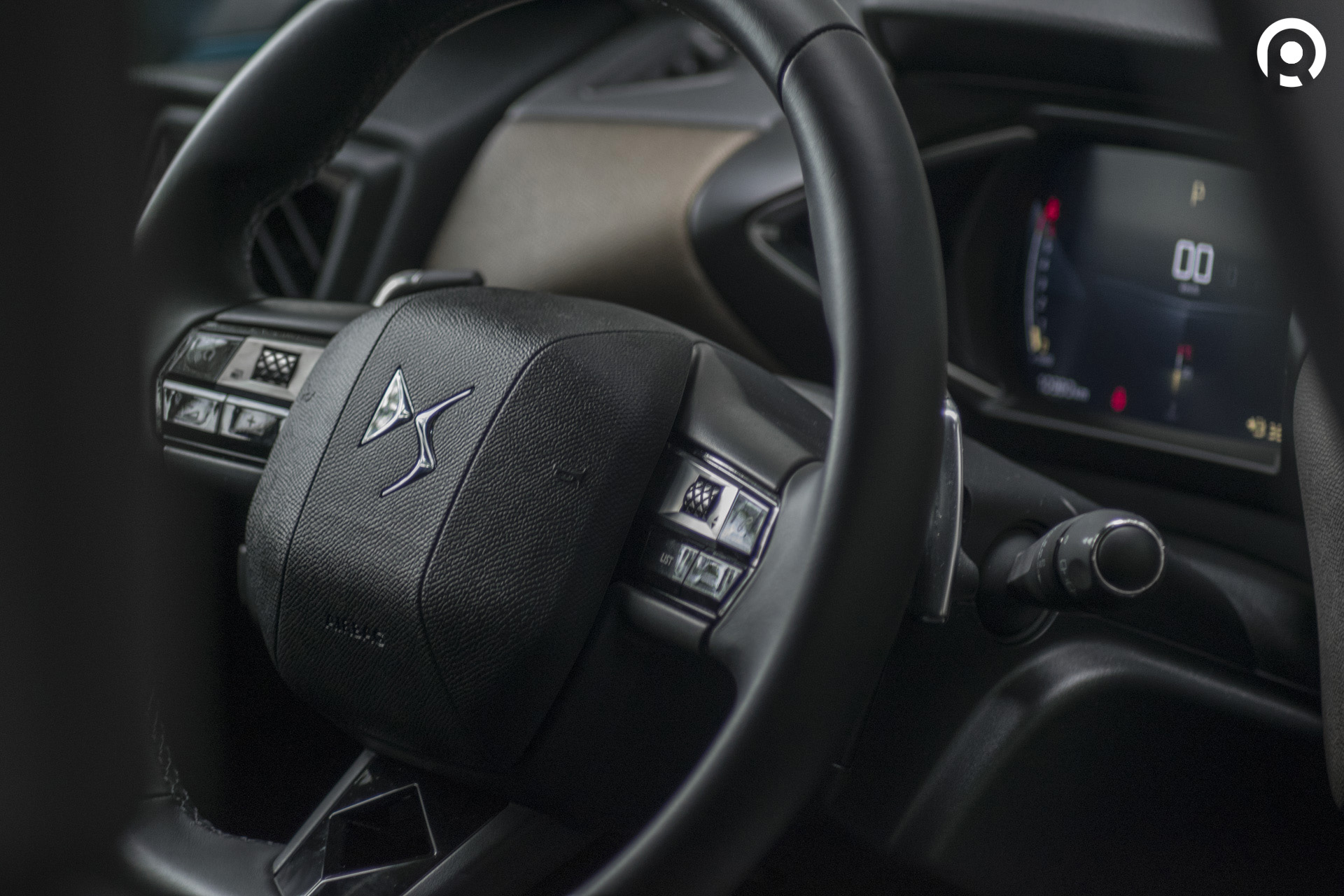
Diamonds and triangles are everywhere. Honestly, I’m surprised the steering wheel isn’t triangular.
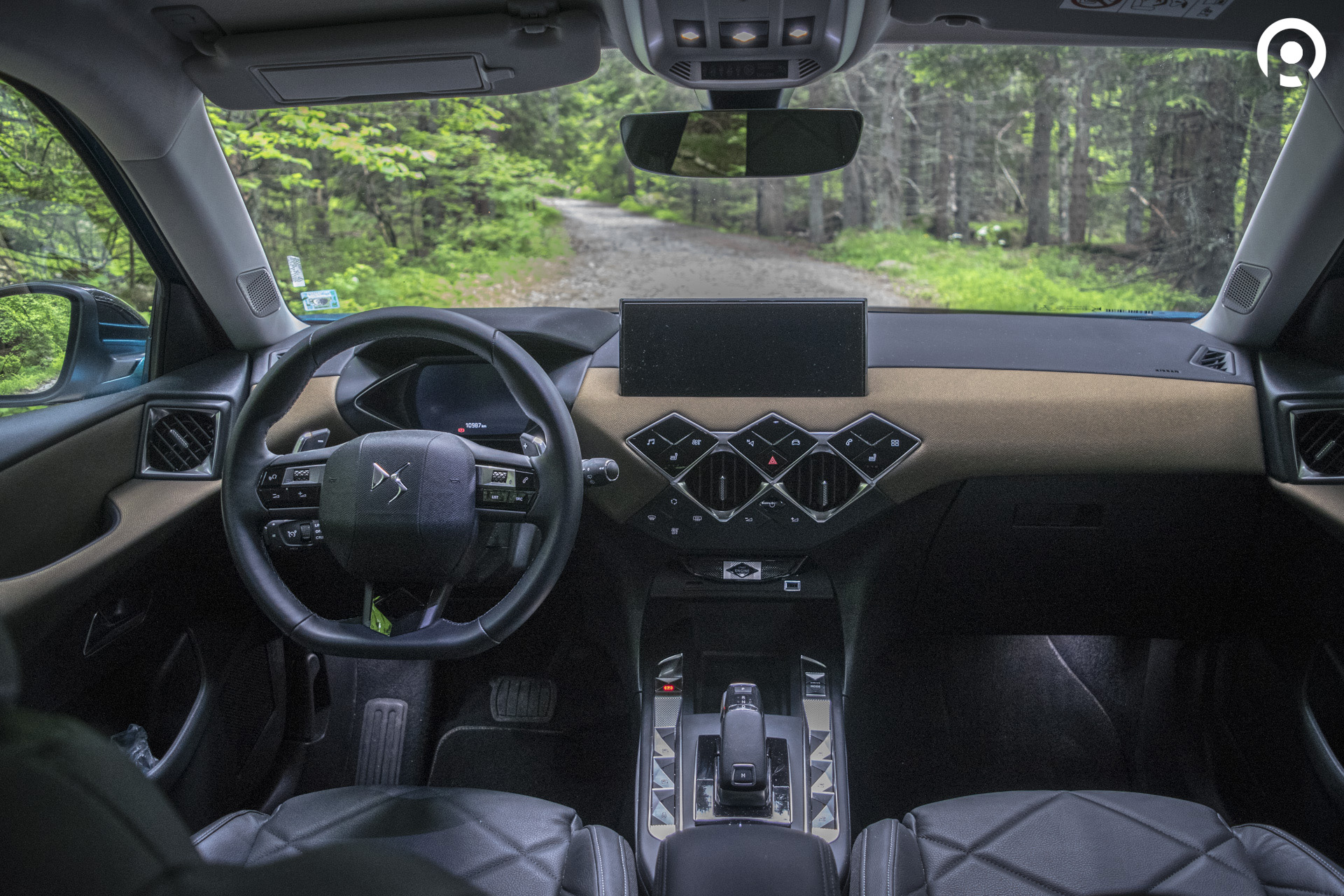
That said, once seated behind the wheel, the design becomes less overwhelming. The centre console is divided into separate zones (of course, diamond-shaped), and while the controls are capacitive—which I’m not a fan of—the physical separation helps usability slightly.
Still, capacitive volume controls? That’s a step too far.
Aside from that, ergonomics are good. I like the door design with its two-level armrest and handle, the clear head-up display, and the digital instrument cluster layout.
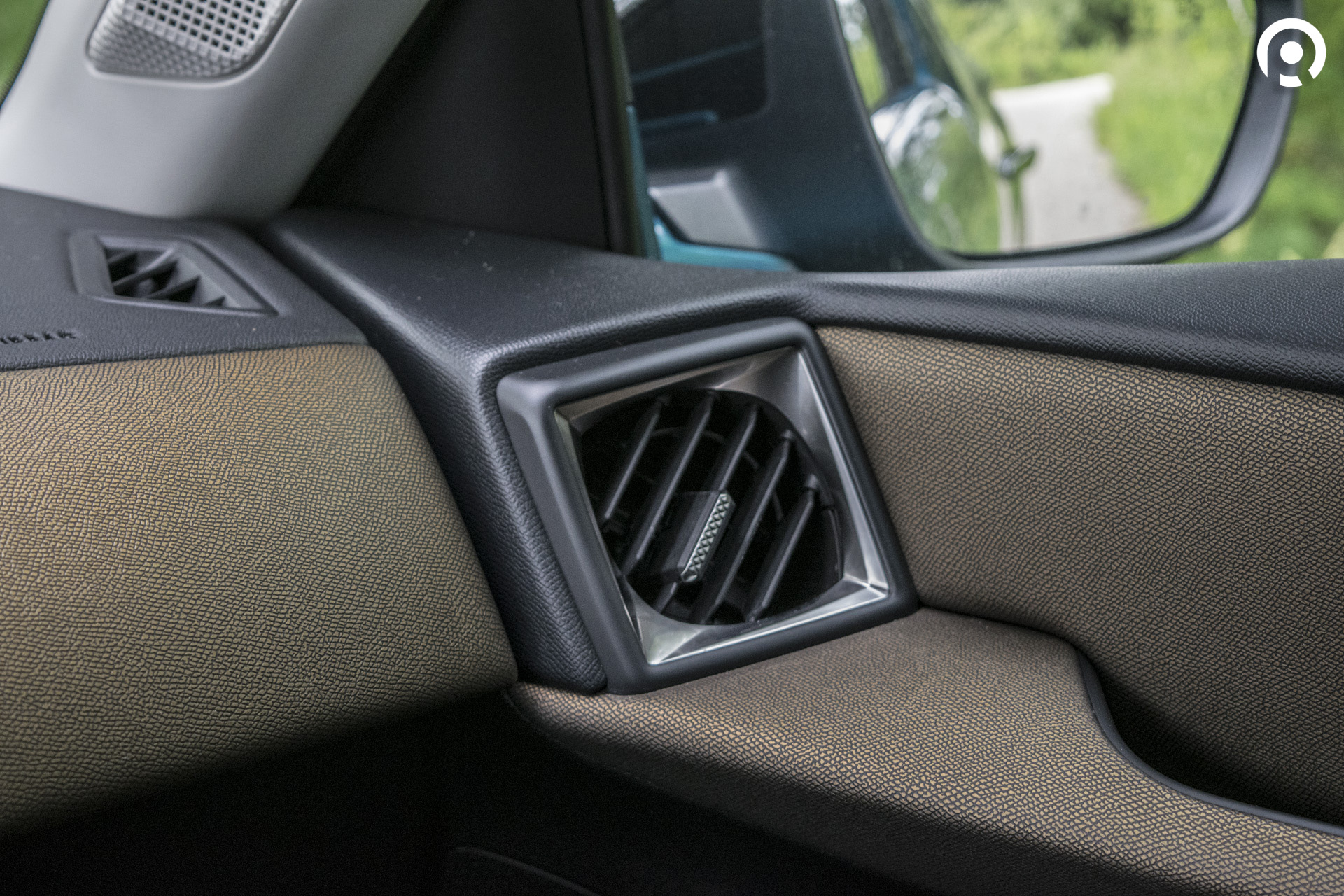
Material quality is solid. Soft-touch materials are used where it matters, while harder plastics are kept lower down.
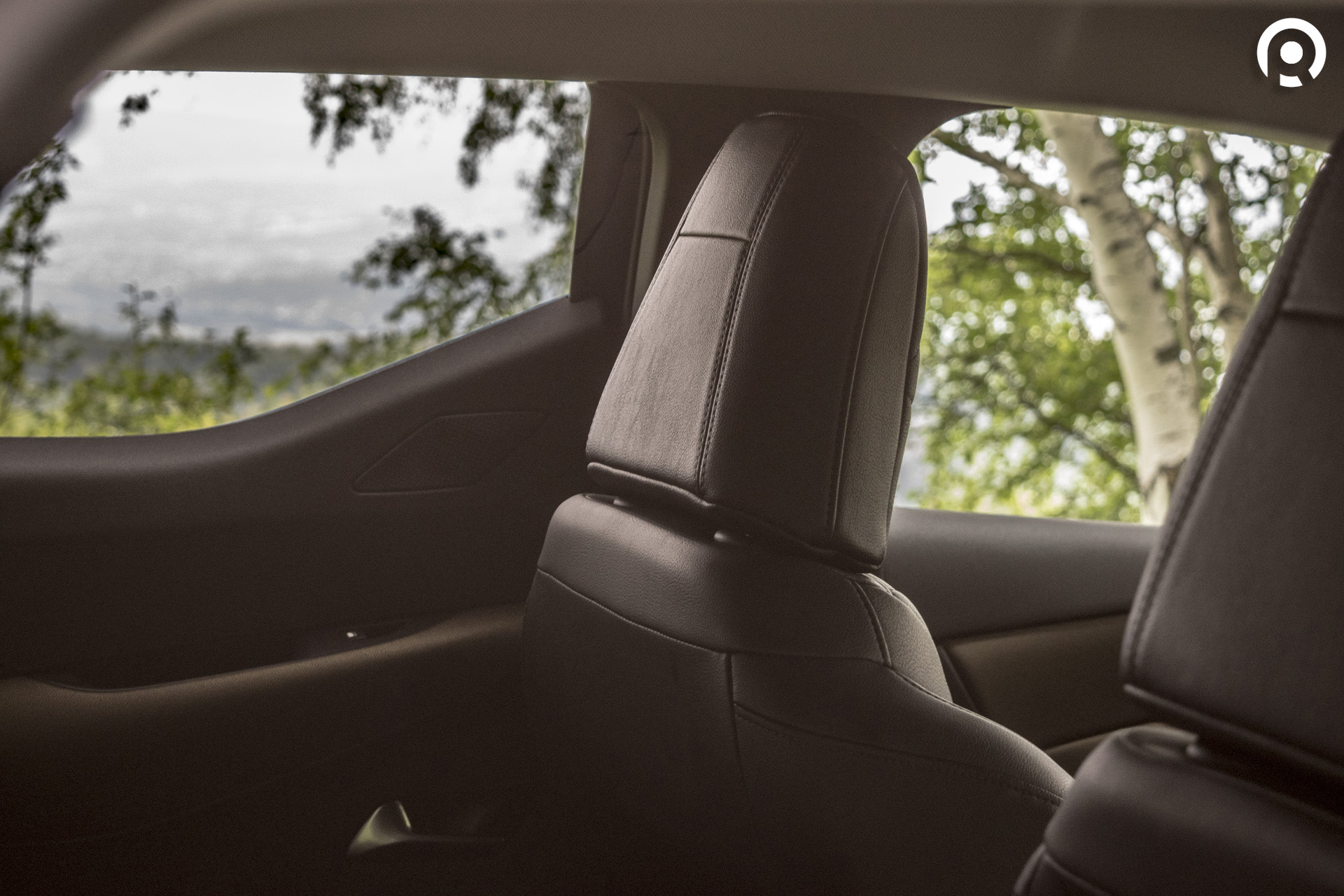
The model offers four interior themes. The test car featured the Bastille interior, combining black Nappa leather with gold-grain leather accents on the dashboard and doors. It does give off a slightly “flashy nightclub” vibe—but if you ignore that association, it actually suits the car’s character.
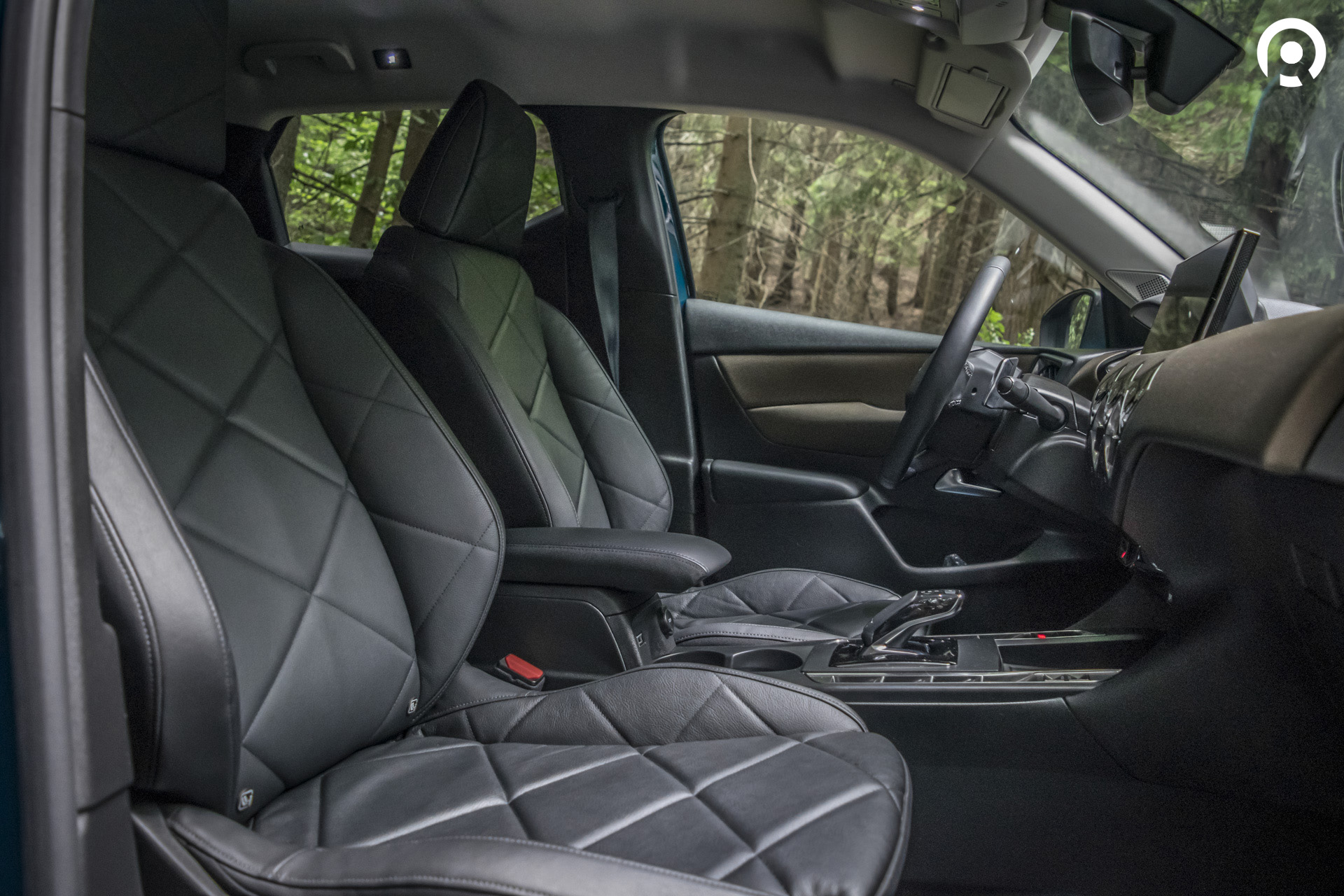
Storage space is average. Front door bins are short but deep, there’s a wireless charging pad (though my phone kept slipping), and limited space under the centre armrest.
Rear passengers get decent legroom, thanks to the high-mounted front seats. The rear bench is slightly short and low but still comfortable enough. Boot capacity is 350 litres, though the high loading lip and awkward tailgate button placement (in the bumper) are not ideal.

On the Road
The DS 3 Crossback is available with a 1.2-litre three-cylinder petrol engine (102, 131 or 156 hp), a diesel option, and a fully electric version.
The test car featured the most powerful petrol engine with an eight-speed automatic gearbox and front-wheel drive. It accelerates to 100 km/h in 8.2 seconds.
Fuel consumption is officially unclear under newer standards, but realistically you can expect around 8–9 l/100 km in city driving.
Getting familiar with the car took longer than usual. Basic tasks like resetting fuel consumption weren’t very intuitive—but that’s something you can get used to.
Driving through Sofia traffic, I immediately noticed that the suspension wasn’t what I expected. Perhaps influenced by the larger DS 7 Crossback, I expected a softer ride.
Instead, the DS 3 feels relatively firm. Not uncomfortable, but definitely not “floaty.”
The steering is surprisingly heavy, which I actually liked.
Less impressive is the engine refinement. At idle, it sounds like a diesel, and under load it becomes quite noisy. The start-stop system also introduces noticeable vibrations. For a brand with premium ambitions, better sound insulation would have been welcome.
That said, the engine delivers good performance and works well with the automatic gearbox.
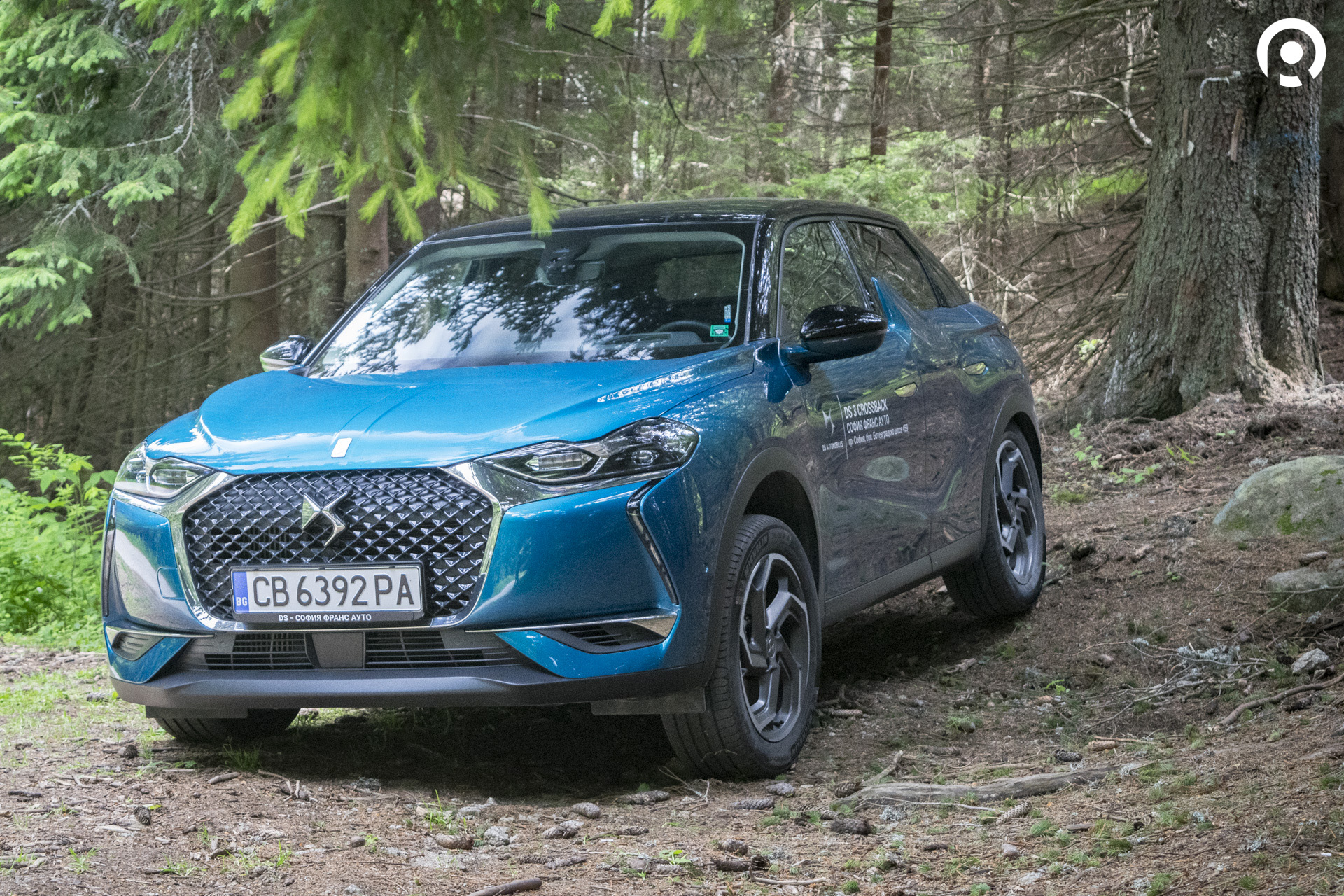
After spending more time in the city, I began to appreciate the concept. The elevated driving position, good visibility and compact size make it well suited for urban environments, while the ground clearance allows occasional ventures off paved roads.
Curiosity led me toward Vitosha. In Sport mode, the DS 3 proves capable of handling twisty roads with decent stability and moderate body roll. It’s not sporty, but it’s competent.
One unexpected highlight wasn’t technical—it was social.
Driving in Bulgaria often means dealing with aggressive or careless drivers. Interestingly, behind the wheel of the DS 3 Crossback, I experienced none of the usual hostility. No aggressive reactions, no confrontations.
It seems the car’s distinctive presence commands a certain level of respect on the road—which, in this environment, is a real advantage.
Conclusion
The DS 3 Crossback is a niche car for a niche audience. Despite the “Ugly Duckling” comparison, it’s unlikely to become a mass-market success—either locally or across Europe.
The main challenges are its bold design, high price, and strong competition—including its own sibling, the Peugeot 2008.
Prices start at around 50,000 BGN, while the tested version approached 73,000 BGN. At that level, the car doesn’t quite deliver a fully premium experience, despite good materials and technology.
The real hope for this model lies in the DS 3 Crossback E-Tense—the fully electric variant, which aligns much better with the brand’s identity.
Ultimately, the DS 3 Crossback is for those who want to stand out and express individuality. And in that regard—it succeeds.
Eng. Tsvetan Iliev